First Frost Can Hit Georgia Weeks Apart Depending On Where You Live
A neighbor two hours north might already be covering tomatoes at night while your own garden still feels like late summer.
Frost timing varies a lot across a state as long as Georgia, and the gap can be bigger than many gardeners expect.
Mountain areas often see their first frost weeks before the coast does. Even within the same county, low spots and open yards can chill faster than sheltered ones.
Going by a single statewide date can lead you to plant too late or cover plants too early. Either way, you end up guessing instead of planning ahead.
Knowing the average for your own area makes fall planting decisions much easier to time.
Pay close attention to which parts of your yard feel coldest on the next chilly morning.
1. Frost Can Arrive In The Mountains While The Coast Stays Mild
Picture two gardens on the same October morning, one sparkling with ice and one still green. Across Georgia, that split happens more often than newcomers expect.
In the north Georgia mountains, first frost often shows up around mid to late October.
Middle Georgia, around places like Macon, tends to see its first frost a bit later, often in early November. Growers there usually get a few extra weeks of fall harvest compared with the mountains.
South Georgia often holds off until mid to late November, though timing varies by year and exact location.
Coastal areas near Savannah and Brunswick can stay frost-free even longer, sometimes into early December. Some coastal winters bring only a handful of light frosts.
So a gap of a month or more between the mountains and the coast is fairly normal in many years.
Use that spread to your advantage when you plan fall crops. Mountain gardeners usually need to start cool-season greens earlier, while coastal growers can often plant them later and still get a good harvest.
Check your county extension office for local average dates, since numbers can shift even within one region.
Friends in another part of the state may give advice that does not match your timing. A quick look at your own local data keeps your planting schedule realistic.
2. Elevation And Distance From The Coast Shift The Timing
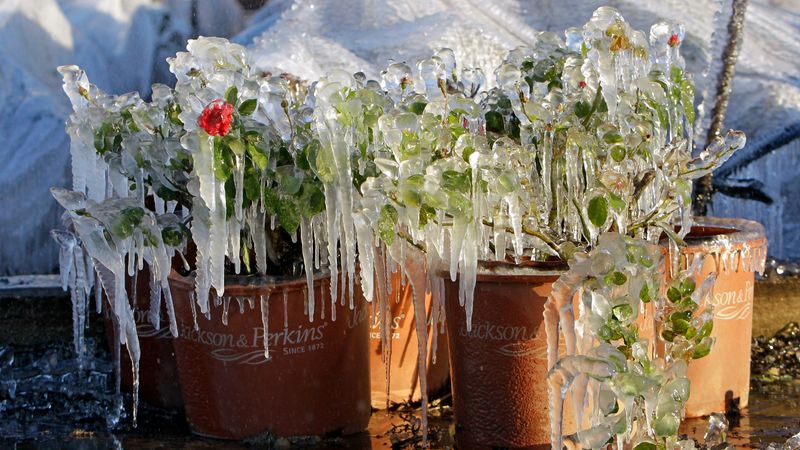
Height changes everything when it comes to cold air. As you climb in elevation, temperatures generally drop, which is why mountain towns cool down faster each fall.
North Georgia sits much higher than the rest of the state, with some peaks rising above 4,000 feet.
Thinner, drier air at higher elevations lets heat escape quickly after sunset. Those cooler nights add up, and frost often follows sooner than it does in the valleys and lowlands below.
Water plays a different role along the coast.
Large bodies of water like the Atlantic hold heat longer than land does in autumn. That stored warmth can soften nighttime lows nearby, which helps coastal gardens stay mild later into the season.
Latitude adds another layer, since southern areas get stronger sunlight for longer into fall.
Your Georgia Garden Changes Every Week. Your Plan Should Too.
Gardening in Georgia changes quickly throughout the season. Every Friday you’ll receive a simple weekly plan showing exactly what to plant, prune, fertilize, harvest, and protect so you never miss the right timing.
Put those factors together and you get a pattern that roughly follows the map. Higher and farther north usually means earlier frost, while lower and closer to the ocean often means later frost.
Of course, local hills, valleys, and wind patterns can bend those general rules.
If you garden on a ridge or in a hollow, watch your own conditions closely for a season or two. Keeping a simple notebook of cold nights can reveal patterns that a regional average might miss.
3. Average Frost Dates Are Estimates, Not Promises
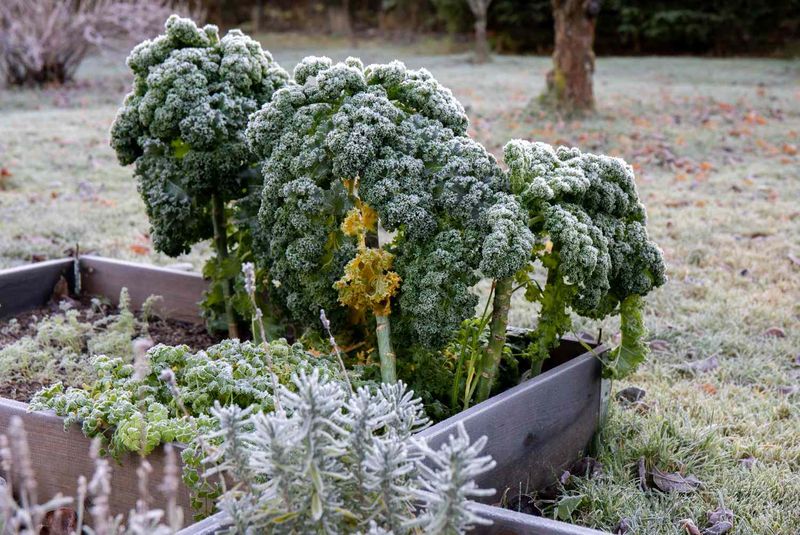
Average does not mean certain. A first frost date is built from many years of weather records, so it reflects a typical pattern rather than a fixed day on the calendar.
In most years, frost will arrive somewhat before or after that average.
Some falls in Georgia stay warm well past the usual date, and gardeners enjoy bonus weeks of tomatoes and peppers. Other years bring an early cold snap that surprises everyone.
Planning guides often list a probability with their dates, such as a fifty percent chance of frost by a certain day.
Knowing that detail can change how you plan. If you grow something tender that you really care about, consider using an earlier, safer date as your target for harvesting or protection.
Treat the average as a starting point, then adjust as the season unfolds.
Watching weekly forecasts in early fall helps fill in what the averages cannot predict. Weather patterns from one year can look very different from the next.
Your local cooperative extension service is a solid place to find frost estimates for your county.
Gardeners who compare those numbers with their own notes over a few years tend to build better instincts. Over time, you will get a feel for how your spot behaves compared with the published guides.
4. City Heat Can Hold Off Frost A Little Longer
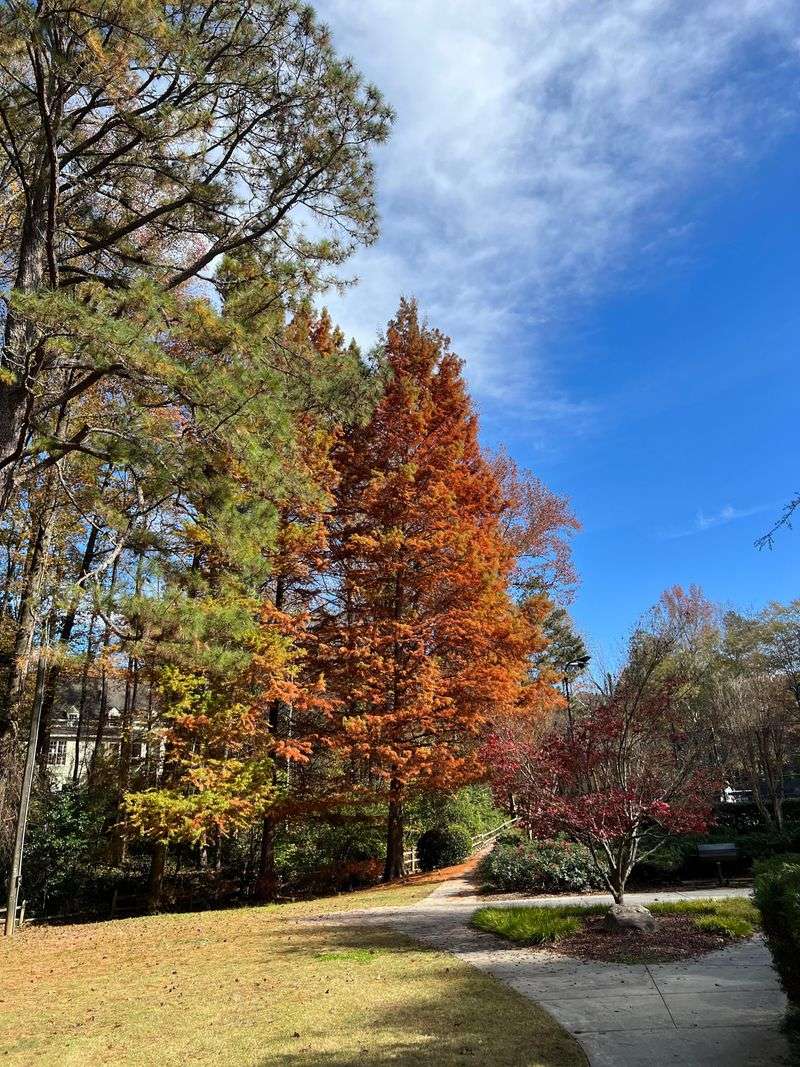
Concrete keeps secrets after sunset. Roads, buildings, and parking lots soak up heat during the day and slowly release it at night, which can keep cities slightly warmer.
Weather experts call this the urban heat island effect.
In a big metro area like Atlanta, downtown neighborhoods may stay a few degrees warmer than rural fields nearby on a cold night. That small difference can sometimes mean frost on country lawns but none in the city.
Brick walls and patios can work the same way on a smaller scale in your own yard.
A pot of herbs tucked against a south-facing wall often fares better than one sitting in an open lawn. Stored warmth from the bricks may give tender plants a little extra protection on borderline nights.
Still, city warmth has limits.
A strong cold front can bring frost to urban and rural areas alike, so living in town is no reason to skip checking the forecast. Think of city heat as a small buffer rather than a shield.
Suburban gardeners often fall somewhere in between, depending on trees, open space, and nearby pavement.
Comparing your yard with the closest official weather station can help you see whether your spot runs warmer or cooler. Even a cheap outdoor thermometer can tell you a lot over one season.
5. Low Spots In Your Own Yard Can Frost Before The Rest
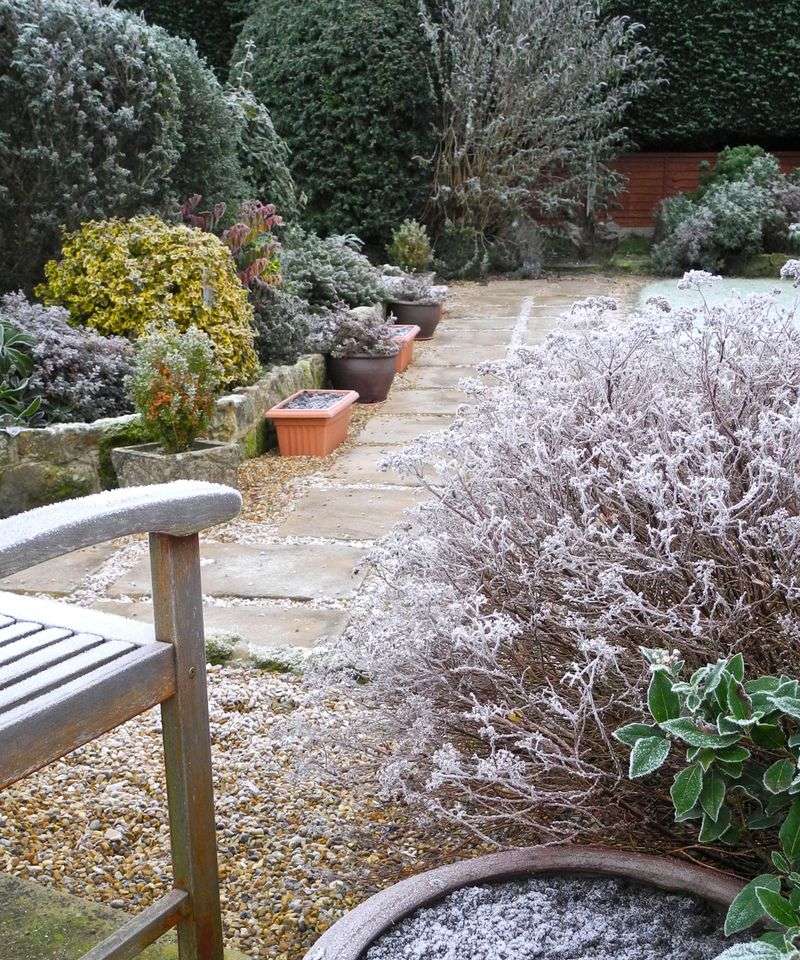
Cold air behaves a lot like water poured on a slope. Being heavier than warm air, it drifts downhill and settles in dips, hollows, and the bottoms of gentle slopes.
Gardeners call these chilly pockets frost pockets.
You might notice white grass in one corner of your Georgia yard while the higher ground stays clear. That pattern often points to a low spot where cold air collects on still nights.
Fences, dense hedges, and buildings can trap that cold air too, blocking it from flowing away.
Take a walk around your yard on the first frosty morning of the season. Note where frost appears first and heaviest, since those areas may need extra protection in future years.
Placement matters when you plant tender crops or new shrubs.
Putting frost-sensitive plants on slightly higher ground can give them a better chance on cold nights. Raised beds may help a little too, though results vary with your site and the weather.
Low areas still have uses, so you do not need to leave them empty.
Cold-hardy crops like collards, kale, and turnips often handle light frost well and can thrive in those spots. Matching each plant to the right corner of your yard is a simple way to work with your landscape.
6. Clear, Calm Nights Raise The Frost Risk
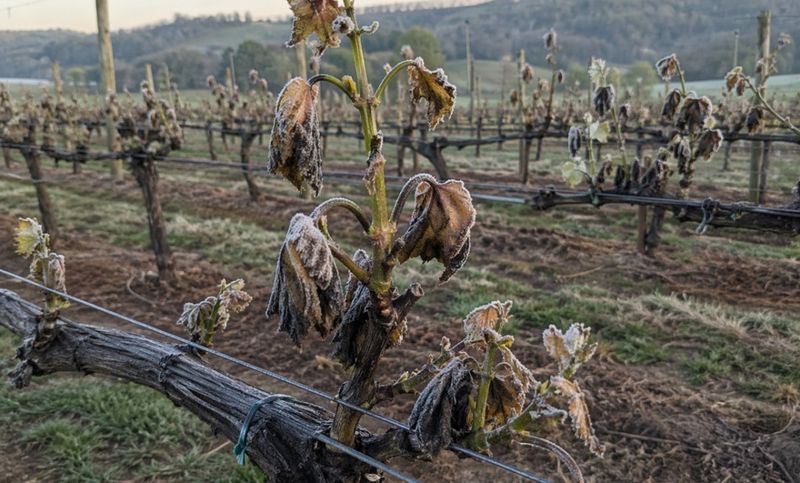
Clouds act like a loose blanket over your garden. When the sky clears at night, warmth from the ground can escape upward with little to hold it back.
Calm air adds to the problem.
Without wind to stir things up, the coldest air sits right at ground level where your plants grow. Frost can form on leaves even when the official low reads a few degrees above freezing.
Thermometers at weather stations usually sit several feet above the ground.
Plant leaves near the soil may run colder than that reading on a still night. Because of that gap, many gardeners start protecting tender plants once forecasts dip into the mid to upper 30s.
Watch for a familiar fall setup across Georgia, when a cold front passes and leaves behind dry, clear air.
The first night or two after a front moves through is often the chilliest. High pressure tends to bring light winds and starry skies, which is a classic recipe for frost.
Cloudy or breezy nights usually carry less risk, though not zero.
Dry air matters too, since low humidity lets temperatures fall faster after dark. When you see a forecast with clear skies, light winds, and lows near 36, it is a good time to get your plants ready.
7. Keep Covers Handy And Check The Forecast As Nights Cool
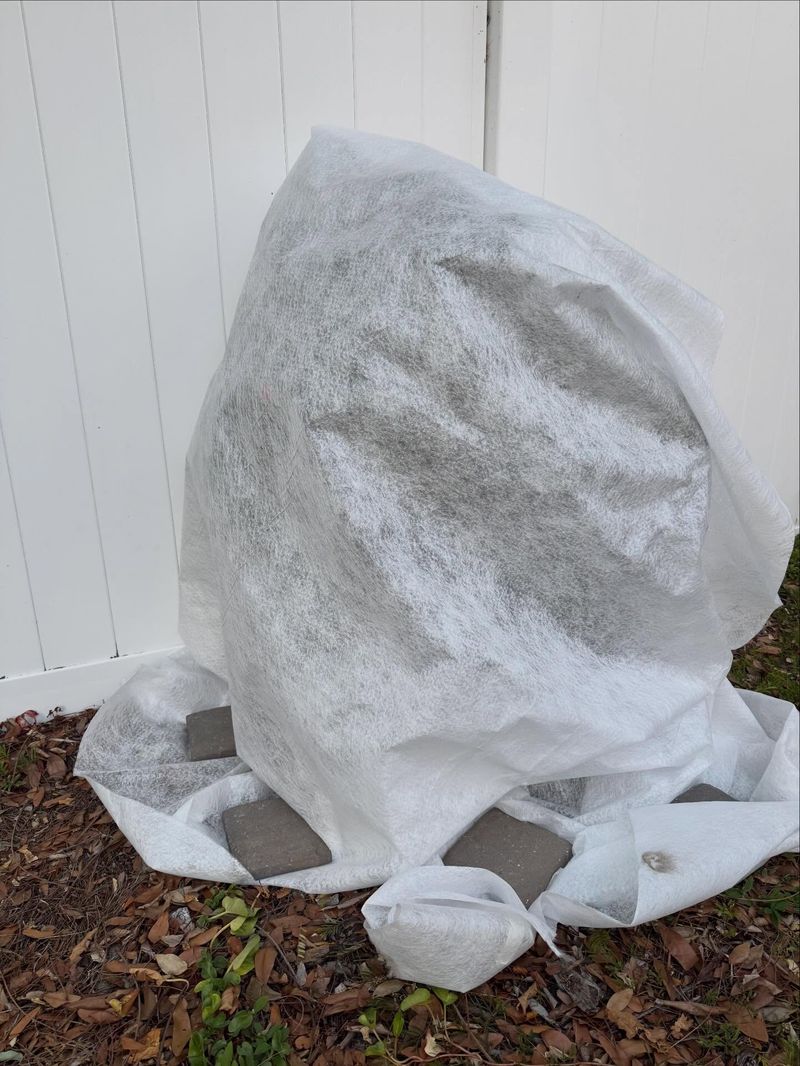
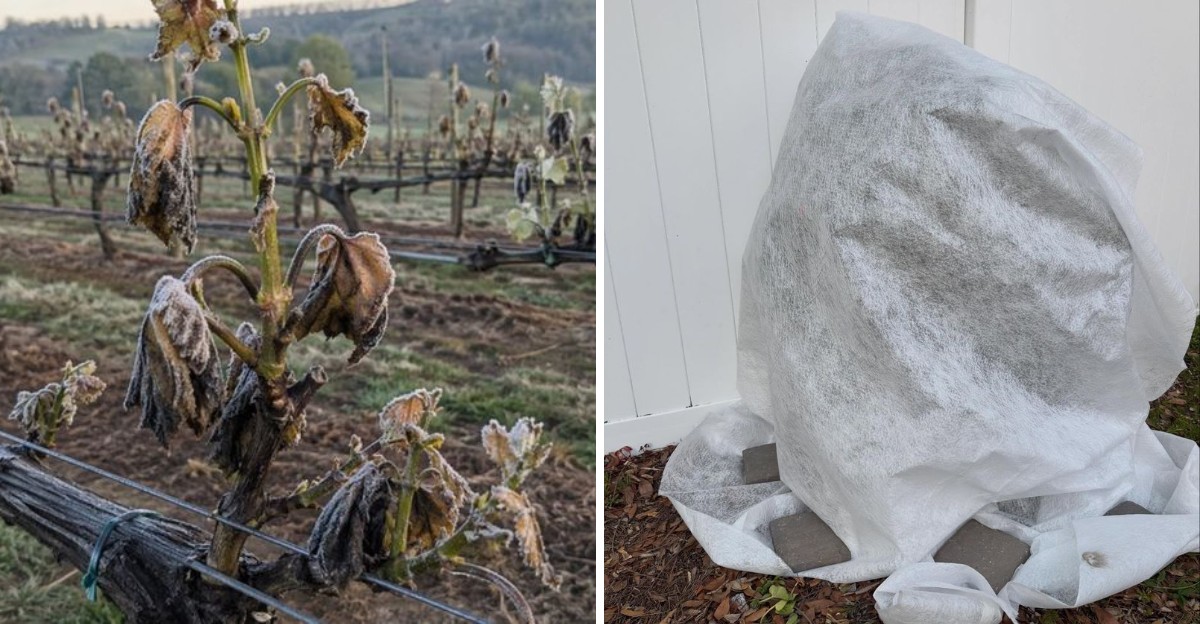
A simple old bedsheet has saved plenty of late peppers. Covering plants traps some of the ground’s warmth underneath, which can protect leaves from light frost.
Frost cloth, also called row cover, is made for this job and lets light and air through.
Old sheets, blankets, and cardboard boxes also work in a pinch for a night or two. Avoid letting plastic touch the leaves, since it can transfer cold and damage the foliage.
Drape covers all the way to the ground and weigh down the edges with rocks or bricks.
Getting covers on in the evening helps hold in warmth from the day. Remove them the next morning once temperatures rise, so plants do not overheat under bright sun.
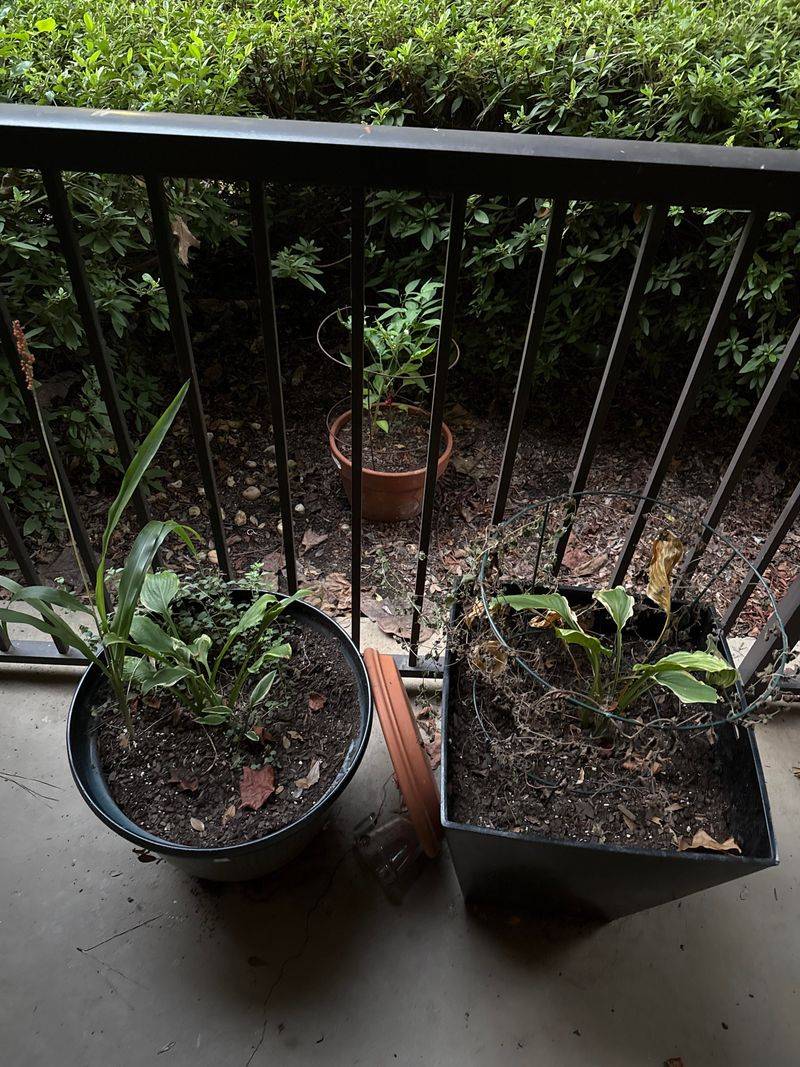
Potted plants are easier, since you can move them into a garage or porch for the night.
Watering the soil a day ahead can also help, because moist soil tends to hold heat better than dry soil. Results depend on the weather, so think of it as a small boost rather than a fix.
Make checking the forecast part of your evening routine once fall nights start cooling across Georgia.
Many weather apps let you set temperature alerts. Keeping a basket of covers near the back door means you can act quickly when a chilly night sneaks up.