Why New York Soils Are Compacted Worse This Fall Than Any Recent Year
Step on your garden bed and listen for a dull thud. You expected a soft squish, yet you meet pavement. Shovels bounce back at you across New York this fall. Puddles linger on your beds for days.
Roots reach what feels like hidden floor tiles. Compacted soil seals shut the pockets your plants need for air and water.
Short on oxygen, your crops stall in shallow ground. Weather swings drenched your fields and then dried them firm.
Heavy wheels you rolled across soft ground pushed the compaction deeper. Test your ground with a screwdriver and feel where it stops.
Resistance near the surface signals a layer you must loosen. Farmers across New York already tackle this hardpan, and you can too.
Loosen crumbly soil before frost arrives, and you protect next spring’s roots. Expect deeper roots, quicker drainage, happier worms.
1. The Dry Summer That Hardened Compacted Soil
Ever tried to dig a hole in clay after a hot August week? It can feel like chiseling a sidewalk with a spoon.
Parts of western and central New York saw hot, dry stretches this summer after that wet spring.
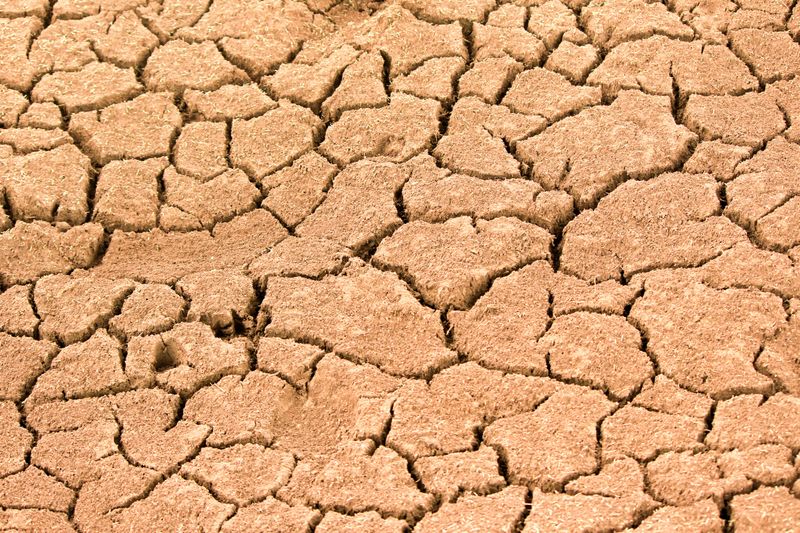
Think of it like a mud pie left in the sun. Once it bakes, those pressed layers turn stiff, cracked, and tough for roots to break.
Roots need cracks and pores to wiggle through. When the ground turns brick-hard, they bend sideways and spread out flat instead of reaching down.
Shallow roots then struggle to find water during the next dry spell. That creates a cycle of thirsty plants and even harder ground.
Corn and soybeans can wilt faster after a wet spring. Digging up a few plants often revealed roots shaped like the letter L.
That sharp bend is a classic sign of a compacted layer. Roots meet the hard layer, stop growing downward, and turn sideways.
Home gardeners can try a simple root check after pulling tomato or pepper plants. Look for flattened roots or tangled mats sitting near the surface.
Adding compost and mulch helps keep the top layer cooler and moister. Softer soil lets worms and roots open new channels over time.
Watering deeply but less often also nudges roots to stretch downward. A quick daily sprinkle encourages shallow rooting.
2. The Late Planting That Can Push Harvest Into Muddy Weeks
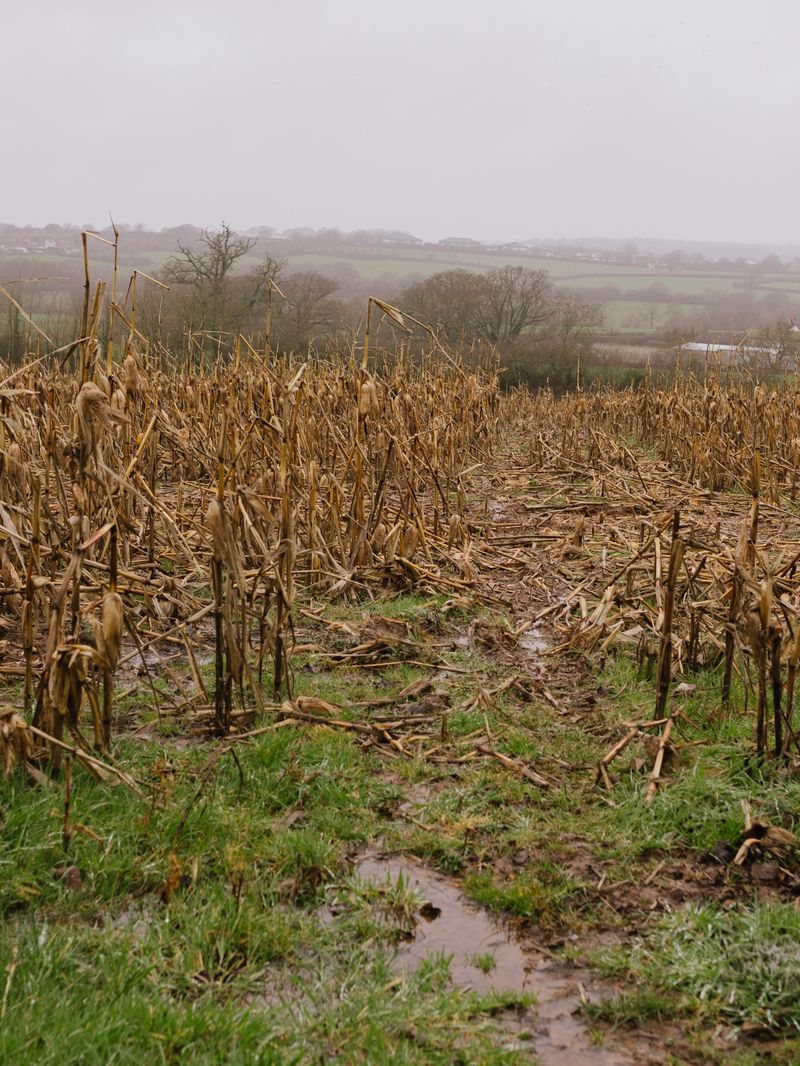
Late planting in spring can mean crops mature late, which pushes harvest deeper into fall.
Corn planted in late May or June often needs extra weeks to dry down. Farmers then wait for kernels to reach a safe moisture level for storage.
Every week of waiting brings shorter days, cooler air, and slower drying soil. October fields simply do not dry out as quickly as September ones.
Less sunshine means less evaporation, so moisture lingers near the surface. Heavy combines rolling across that damp ground leave deep tracks behind them.
Many New York dairy farms also chop corn silage on tight schedules. Cows need feed, so harvest crews keep moving even when fields stay soft.
Your New York Garden Changes Every Week. Your Plan Should Too.
Gardening in New York changes quickly throughout the season. Every Friday you’ll receive a simple weekly plan showing exactly what to plant, prune, fertilize, harvest, and protect so you never miss the right timing.
Rushing creates more passes, more ruts, and more compacted soil in a short time. A single wet harvest day can cause compaction that lasts for years.
Planning helps more than people think. Choosing hybrids suited to a shorter season can bring harvest earlier, while ground is still firm.
Farmers can also map out traffic lanes before the busy season begins. Keeping wheels on the same paths protects the rest of the field.
Gardeners face a smaller version of this problem. Late fall cleanup on wet beds, with wheelbarrows and stomping feet, presses soil down too.
Lay down boards or stepping stones along garden paths this month. Your weight spreads out, and the planting beds stay loose and airy.
Timing matters in autumn. A few patient days can mean the difference between fluffy soil and a rutted mess.
3. The Wet Spring That Pushed Tractors Onto Soft Fields
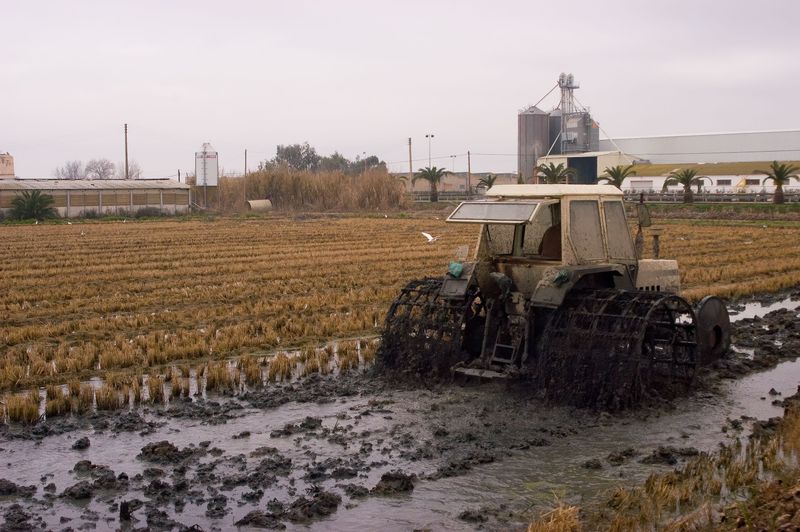
Picture a farmer in May, staring at a field that squishes like a wet sponge under his boots. Waiting feels risky, so many New York growers rolled out tractors anyway.
Wet soil acts a lot like modeling clay. Press on it, and the tiny pockets of air between particles collapse and stay flattened.
Dry soil pushes back against weight much better. Its grains hold each other up, kind of like a pile of marbles resisting a push.
Spring rains in parts of the state kept some fields saturated for weeks. Growers faced a tough choice between planting late or driving on ground that was too soft.
Plenty of them chose to plant. Bills do not wait for perfect weather, and neither do seed companies or banks.
The trouble is that damage from spring traffic hides below the surface. By fall, it shows up as stunted roots, standing water, and weaker yields.
Want to check your own ground? Push a wire flag into moist soil and notice where it suddenly gets tough.
That stiff layer is a clue to where spring wheels left their mark. Write down the depth so you can compare it again next season.
Gardeners can learn from this too. If soil sticks to your shoe like brownie batter, give it a few more dry days before digging.
Patience in spring can save a whole lot of frustration in October. Your future self, and your carrots, will thank you for waiting.
4. The Bigger Machines That Press Down Deeper
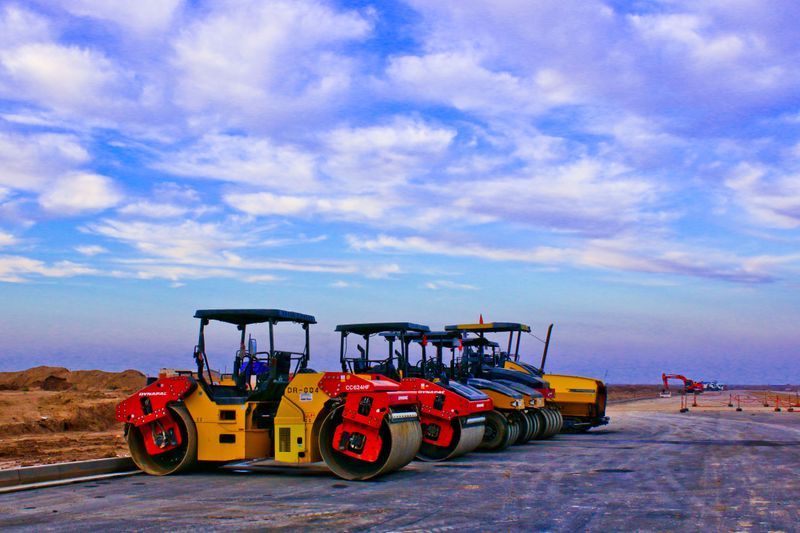
Grandpa’s old tractor weighed about as much as a pickup truck. Some modern combines with full grain tanks weigh more than a loaded school bus.
Farm equipment has grown steadily heavier over the past few decades. Bigger machines cover more acres quickly, which helps busy farms finish on time.
The catch is that heavy axle loads push pressure much deeper underground. Surface layers can recover, but deep compaction may last for many years.
Think of it like pressing your hand into a stack of pillows. A light push dents the top, while heavy weight flattens the whole stack.
Plowing or tilling can loosen the upper few inches of ground. Deeper layers, however, sit beyond the reach of most regular tools.
Freezing and thawing over winter helps a little near the surface. Frost depth varies across New York, and it often does not reach the deepest compaction.
Tire choices make a real difference for farmers. Wider tires, tracks, and lower air pressure spread weight across a bigger patch of soil.
Some farms now use central tire inflation systems. Drivers lower pressure in the field and raise it again for highway travel.
Even small changes help. Dropping tire pressure by several pounds can shrink rut depth and protect soil structure underneath.
Homeowners can affect soil this way too. Riding mowers, delivery trucks, and parked cars on lawns press soil down in the same way.
Keep heavy vehicles off grass and garden spots, especially after rain. Your lawn will drain better and look greener next spring.
5. The Heavy Grain Carts That Roll Through Soft Headlands
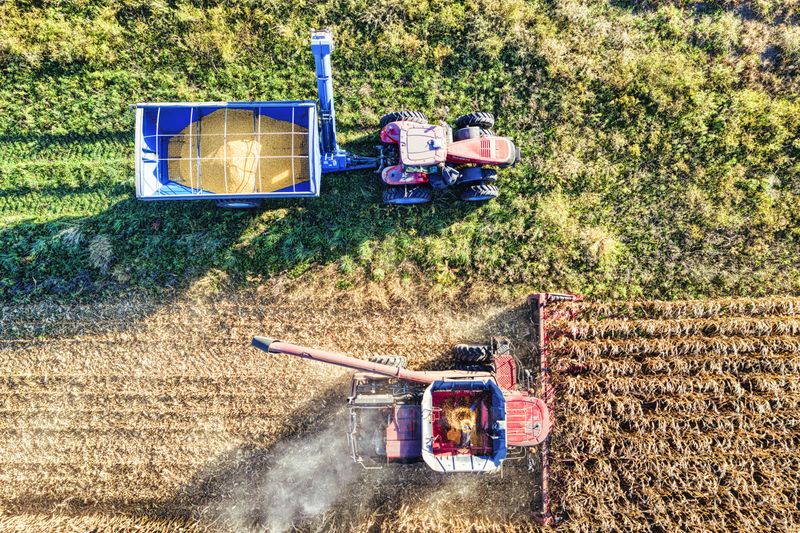
Watch a busy harvest field for ten minutes and count the wheels. Combines, grain carts, trucks, and tractors zip back and forth like bumper cars.
Grain carts are some of the heaviest machines in the whole field. A full cart can carry hundreds of bushels, and every bushel adds weight.
Many drivers take random paths to meet the combine quickly. Those wandering routes spread compacted soil across much more of the field than needed.
Wheel traffic can cover a large share of a field in one season. In some fields, tire tracks cross most of the surface.
Headlands, the ends of fields where machines turn, take the heaviest traffic. Trucks wait there, carts unload there, and wet spots grow there.
That explains why field edges often yield less than the middle. Next year, those same strips may stay soggy long after rain stops.
Controlled traffic farming offers a smart fix. Machines follow the same set lanes every year, leaving the rest of the field untouched.
GPS guidance makes those permanent lanes easier to follow than ever. Drivers can stay on track even in dust, darkness, or tired late shifts.
Another tip is to unload carts at field edges or firm roads. Trucks should stay off soft ground whenever possible during wet weeks.
For gardeners, the lesson is simple. Pick one path for your wheelbarrow and stick with it, rather than wandering across the beds.
Small habits protect the soft ground where roots do their best work. Your plants will notice the difference by next summer.
6. The Autumn Rain That Can Make Harvest Risky
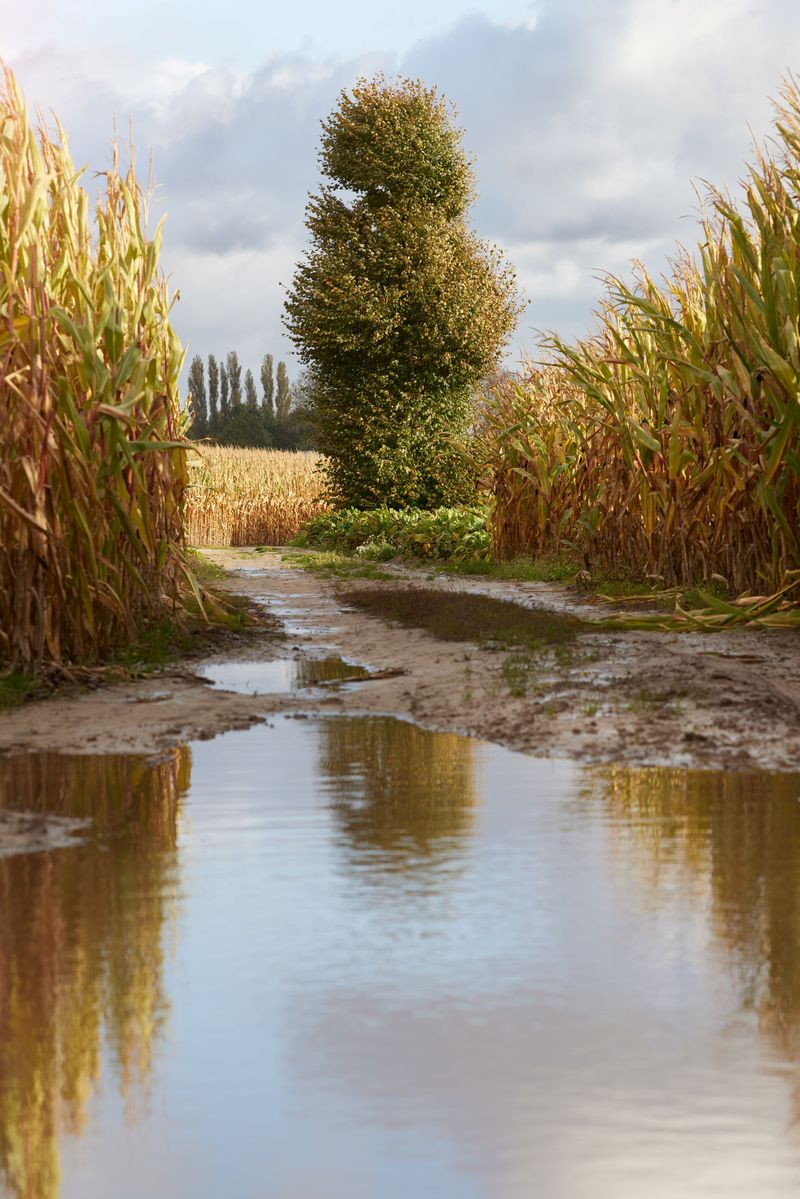
“Just one more dry week,” farmers whisper every October. Fall rain can turn a dry field into mud within a day.
Fall storms can dump inches of rain in a single day. A field that just dried enough for harvest can turn saturated again.
Crops still standing need to come out before snow arrives. That pressure sends combines and trucks onto ground that is far too wet. Wet soil compacts far more easily than dry soil. Even a moderate machine can leave deep ruts.
Raindrops themselves cause trouble on bare ground too. Their impact breaks apart soil crumbs and seals the surface like a thin crust.
Crusted soil sheds water instead of soaking it in. Runoff then carries topsoil, seeds, and fertilizer into ditches and nearby streams.
One handy trick is the ball test. Squeeze a handful of soil into a ball and press it with your thumb. If it stays sticky and holds together, it is too wet.
Crumbly soil that falls apart in your hand is safer to drive on or dig. Learning this test takes thirty seconds and saves a lot of headaches.
Gardeners should hold off on fall tilling after heavy rain. Spreading shredded leaves on beds instead shields the surface from pounding drops.
Leaves break down over winter and feed hungry earthworms. Those worms then dig tunnels that help water and air move back in.
Sometimes the best work in October is simply waiting for sunshine. A cup of cider on the porch counts as soil care, right?
7. The Bare Ground That Lost Its Natural Root Support
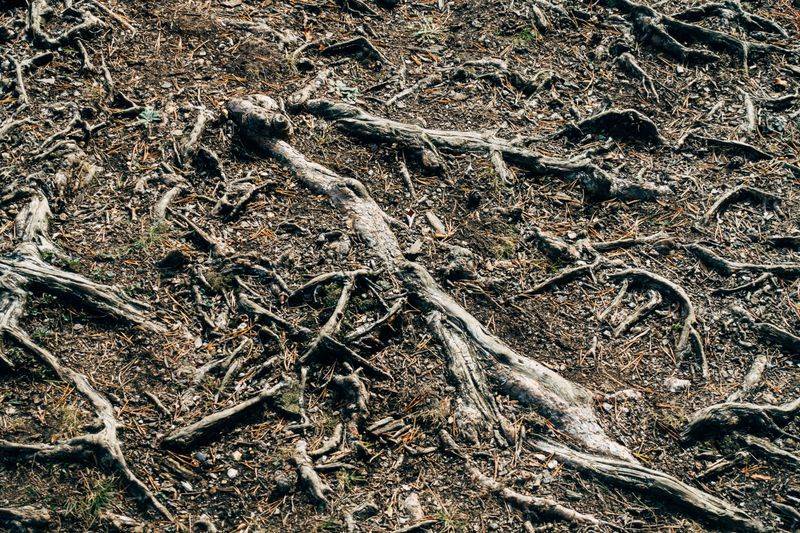
Roots are nature’s tiny plows. Living plants push through soil, open channels, and leave behind pathways for water and air.
When fields sit bare after harvest, that natural digging crew goes missing. A late harvest can leave little time for planting cover crops.
Oats and radishes usually fail to establish when planted in late October, while cereal rye germinates in cool soil. Seeds planted in late October may sprout slowly.
Tillage radishes are popular for helping loosen tight ground, though results vary. Their thick roots can open channels as they decompose.
Without that green cover, soil stays exposed to pounding rain and heavy wheels. Little holds the crumbs together, so structure breaks down faster.
Living roots also feed underground microbes with sugary snacks. Those microbes make sticky substances that glue soil into healthy, spongy clumps.
A field with cover all winter often feels softer underfoot in spring. Farmers who try it frequently notice better drainage within a few seasons.
Cereal rye is a great late-season choice for New York. It sprouts in cool weather and keeps growing on mild winter days.
Home gardeners can plant winter rye in empty beds this month. Turn it under or cut it down a few weeks before spring planting.
Not ready to plant anything? Covering beds with leaves, straw, or wood chips still protects the surface from crusting and erosion. Bare soil is more exposed to rain and traffic. A little cover protects it until spring.
8. The Shrinking Organic Matter That Leaves Soil Less Resilient
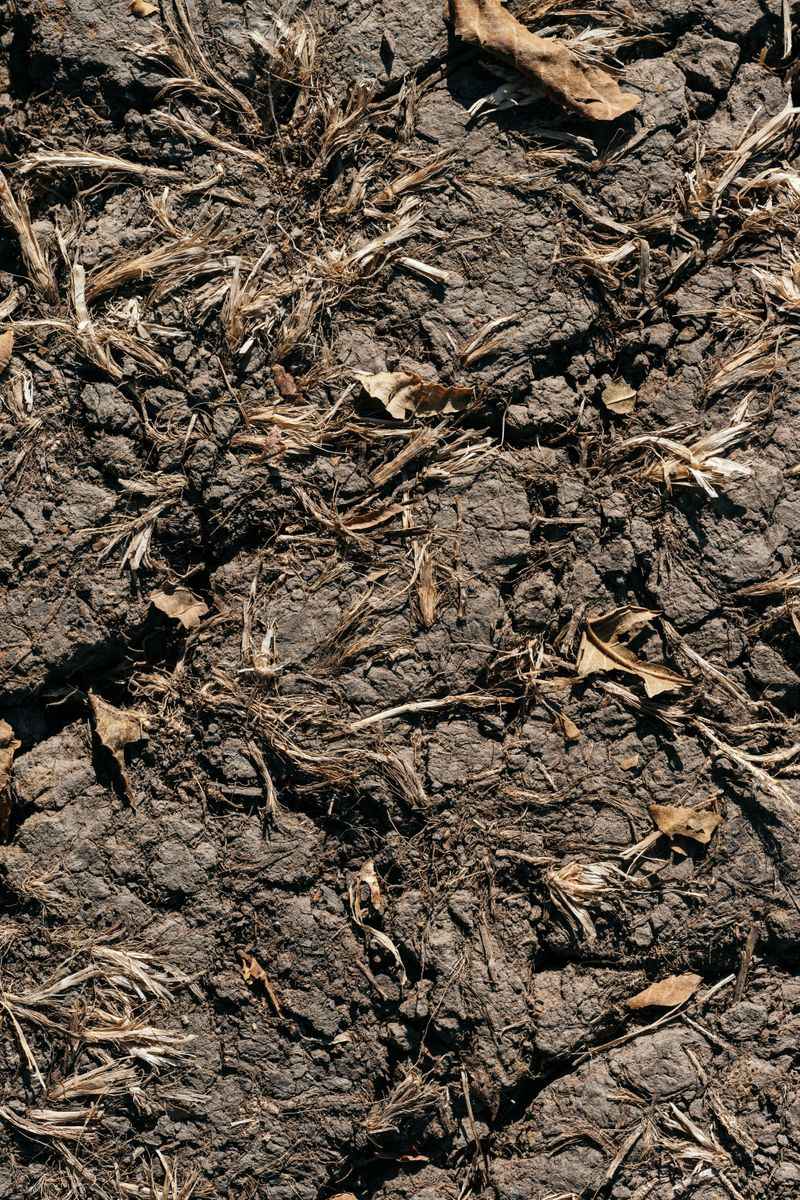
Healthy soil smells sweet and earthy, a bit like a forest after rain. That smell comes from living things breaking down organic matter.
Organic matter is the dark, crumbly stuff made from old plants, manure, and tiny creatures. It acts like a sponge and a shock absorber.
Soil rich in organic matter bounces back after being squeezed. Poorer soil stays flattened, like a cheap mattress that loses its shape.
Some New York fields have lost organic matter over decades of farming. Heavy tillage and removing crop leftovers both speed up the loss.
Lower organic matter makes compaction worse in years like this one. Wet springs, dry summers, and heavy wheels hit weakened soil much harder.
Earthworms help rebuild structure, but they need food to stick around. A single acre of healthy ground can hold several hundred thousand worms.
Leaving corn stalks and leaves on the field gives worms plenty to munch. Their tunnels then act like drinking straws for rainwater.
Adding manure or compost slowly builds organic matter back up. Results take a few years, so patience matters as much as effort.
Gardeners can spread an inch of compost over beds every fall. Shredded leaves from your yard make free, easy soil food too. Try to skip heavy digging whenever possible. Deep digging speeds up organic matter loss.
Building richer soil is a slow project, a bit like saving money. Each small deposit adds up to ground that handles tough years better.