Sweet Apricot Scent Fills Georgia Yards This Fall And One Shrub Is Behind It
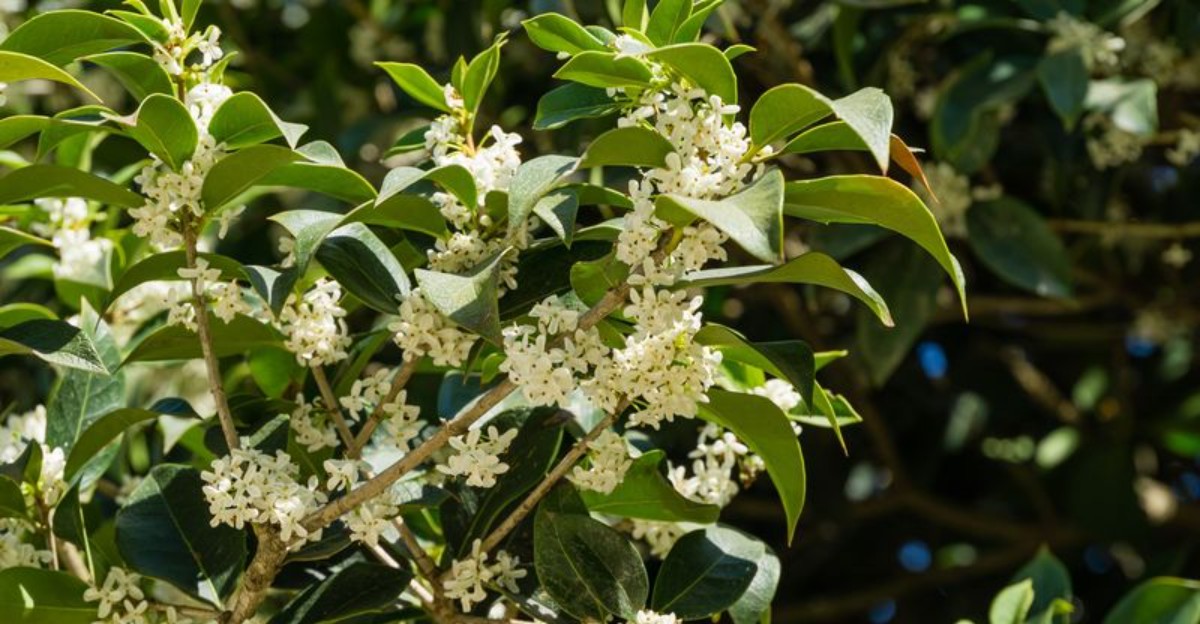
Walking to the car on a cool morning and catching a sweet, fruity scent can stop you halfway down the driveway. You look around for a flower, but nothing obvious seems to be blooming nearby.
That fragrance often comes from a shrub many homeowners walk past all year without noticing.
Its flowers are tiny and tucked close to the stems, so they are easy to miss even up close.
Once you know what to look for, though, you start spotting it in yards all over town. The scent tends to carry farther than you would expect from such small blooms.
In Georgia, this shrub often blooms in fall, sometimes in more than one flush.
Follow your nose the next time that apricot smell drifts across your yard in the evening.
1. You Can Smell It Long Before You Spot The Flowers
Your nose finds this shrub first, and your eyes catch up later. On a still fall day, the sweet apricot smell can reach you from across a driveway or even the next yard over.
Gardeners call the plant tea olive or sweet olive, and its botanical name is Osmanthus fragrans.
It is a longtime favorite in Georgia, where it shows up in older neighborhoods and newer landscapes alike. Some folks describe the scent as apricot, while others say it smells more like peach or even a hint of jasmine.
How far the fragrance travels depends a lot on the weather.
Warm, humid evenings with little wind tend to hold the scent close to the ground, so it lingers in the air. On breezy or chilly days, you may need to stand much closer to notice it.
Bloom amount plays a role too, since a young plant with only a few clusters will not fill a yard the way an older shrub can.
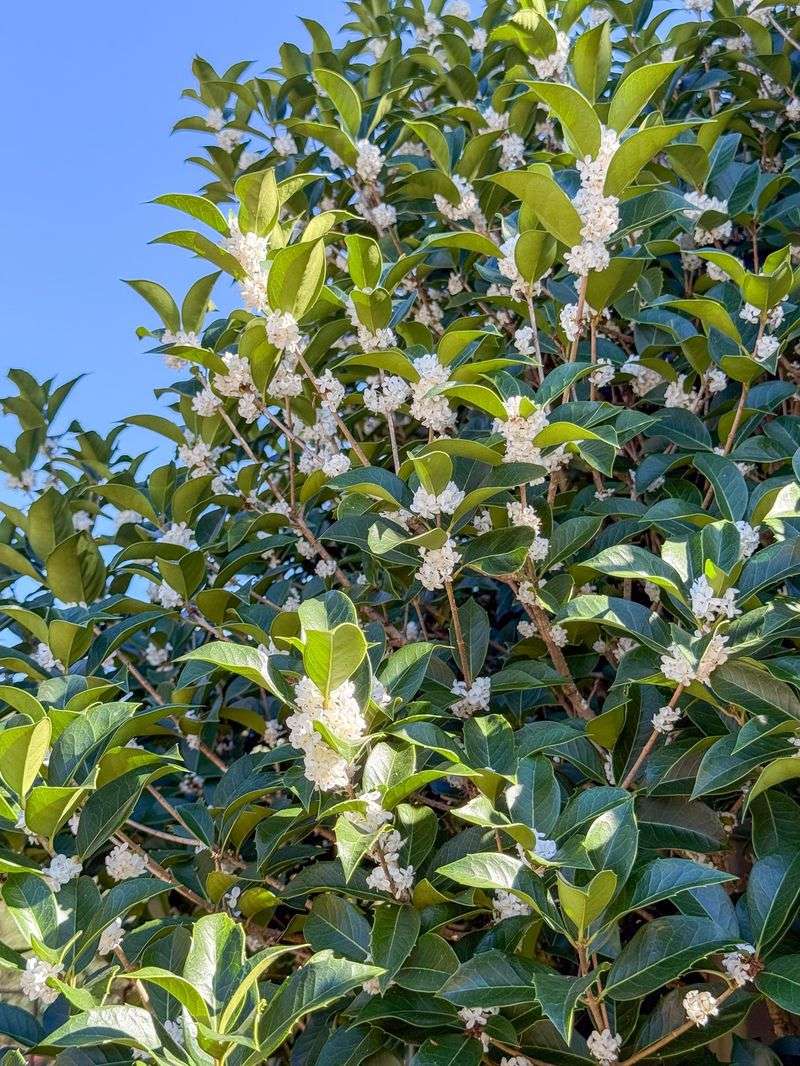
If you catch a sweet smell and cannot find the source, look for a dense evergreen with dark leaves near a house corner or fence. Lean in toward the inner branches, and you will likely find the tiny flowers responsible.
Once you learn that smell, you will start noticing tea olives all over town each autumn.
2. Tiny Cream Or Orange Blossoms Hide Among Glossy Leaves
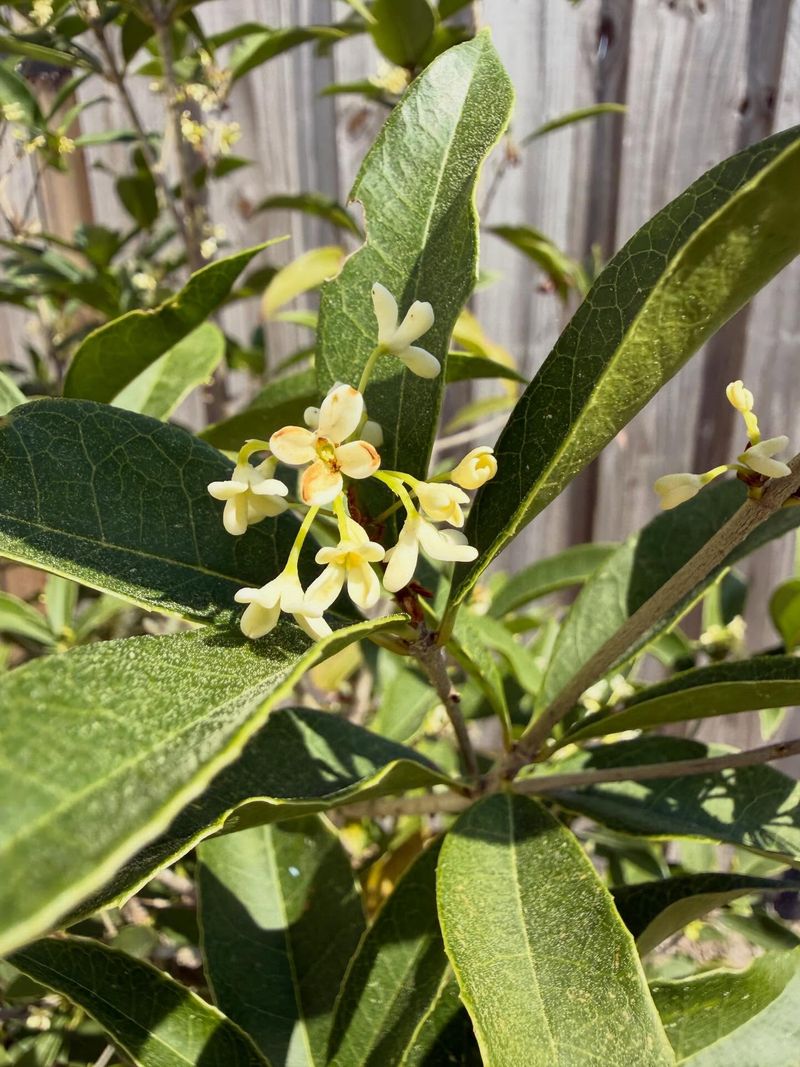
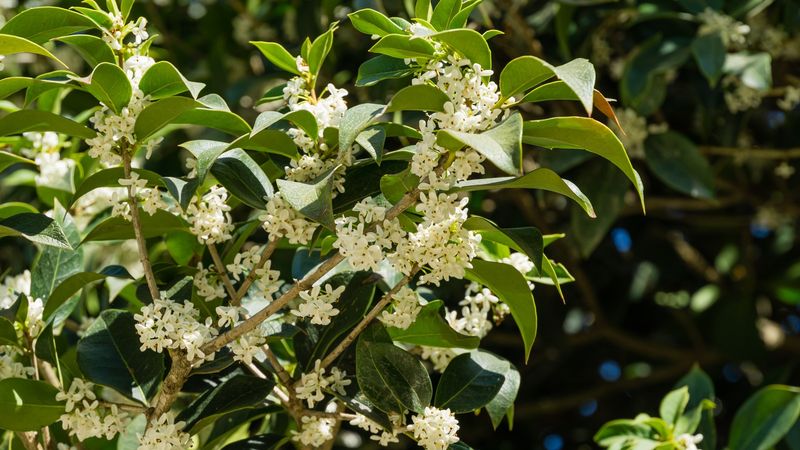
Blink and you could miss them completely. Each tea olive flower is only about a quarter inch wide, which is smaller than a pencil eraser.
Most plants carry creamy white blossoms that form small clusters right where the leaves meet the stems.
Some types have orange flowers instead, and gardeners often find them under the name Osmanthus fragrans f. aurantiacus. The orange form tends to bloom over a shorter window, so it is good to know which kind you are buying.
Foliage does a lot to hide the show.
Leaves are leathery, dark green, and shiny, usually two to four inches long, and some have finely toothed edges. Because the flowers sit tucked in close to the branches, the plant looks almost plain from the sidewalk.
Gently push a few leaves aside, and the clusters become easy to see.
Your Georgia Garden Changes Every Week. Your Plan Should Too.
Gardening in Georgia changes quickly throughout the season. Every Friday you’ll receive a simple weekly plan showing exactly what to plant, prune, fertilize, harvest, and protect so you never miss the right timing.
Here in Georgia, kids often get a kick out of hunting for the hidden blooms once they notice the smell. It turns a simple yard chore into a small treasure hunt.
When you shop at a nursery, check the tag for flower color and mature size, since different selections vary. A plant in bloom at the garden center is also the easiest way to test the scent before you bring it home.
3. Fall Is Its Main Bloom Time, With Smaller Flushes Possible Later
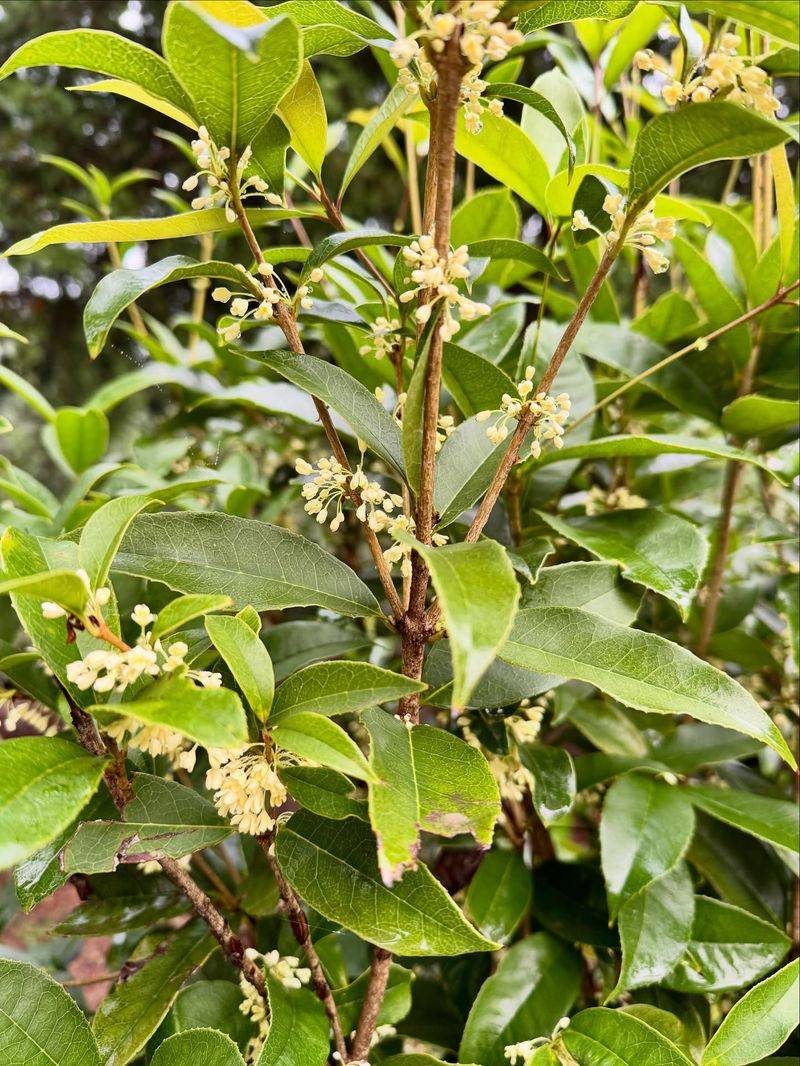
Autumn brings the big performance.
In much of Georgia, tea olives usually start blooming around late September or October, once nights begin to cool. The main flush can last a few weeks, depending on the weather that year.
Cool snaps seem to play a part in getting the flowers going, though the exact timing shifts from one fall to the next. A long, hot September may push the bloom a little later than you expect.
After that first wave, the plant may not be finished.
During mild winters, some shrubs put out smaller, scattered blooms on and off into winter or early spring. Those later flushes are usually lighter, so think of them as a bonus rather than something to count on.
A hard freeze can brown open flowers quickly, which shortens the show.
Healthy plants tend to bloom better, so steady care matters. Water during long dry spells, especially in late summer, since drought stress can reduce flowering.
Heavy shade can also cut back on blooms, and a spot with morning sun often gives a nice balance. If a plant goes a season with few flowers, check its light and watering before worrying, because young or recently moved shrubs often need time to settle in.
4. This Evergreen Can Eventually Reach Small-Tree Size
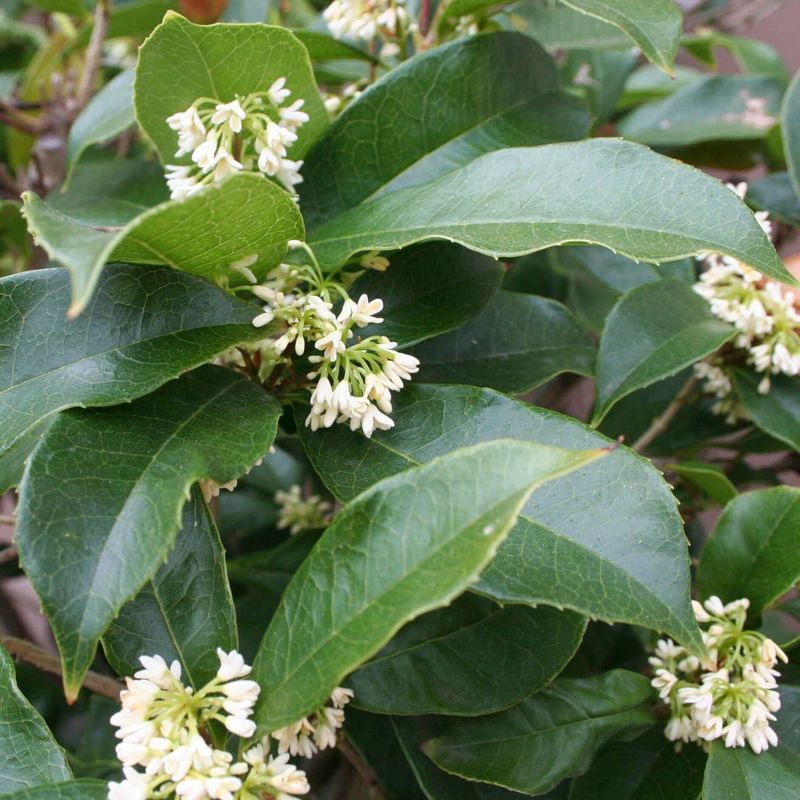
Small at the nursery does not mean small forever. A tea olive in a three gallon pot can grow into something much bigger over many years.
Under good conditions, mature plants often reach about 10 to 20 feet tall and 6 to 8 feet wide.
Growth is usually slow to moderate, so it may take a decade or more to get there. Soil, sunlight, water, and pruning habits all affect the final size, which means your plant may stay smaller or grow larger than the tag suggests.
Older plants in historic Georgia yards sometimes look more like trees than shrubs.
Gardeners can remove some of the lower branches to show off a few trunks, creating a small tree form. That works well near a patio, where you might want a bit of shade and a little room underneath.
Planning ahead saves trouble later.
Give the plant enough space from your house, usually at least four or five feet from the wall, so air can move and branches do not rub siding. Keep it clear of spots where it might block windows or crowd a walkway in ten years.
Since it stays green all year, a tea olive can also work as a soft screen. A row spaced several feet apart can slowly fill in for privacy.
5. Colder Northern Areas May See Some Winter Damage
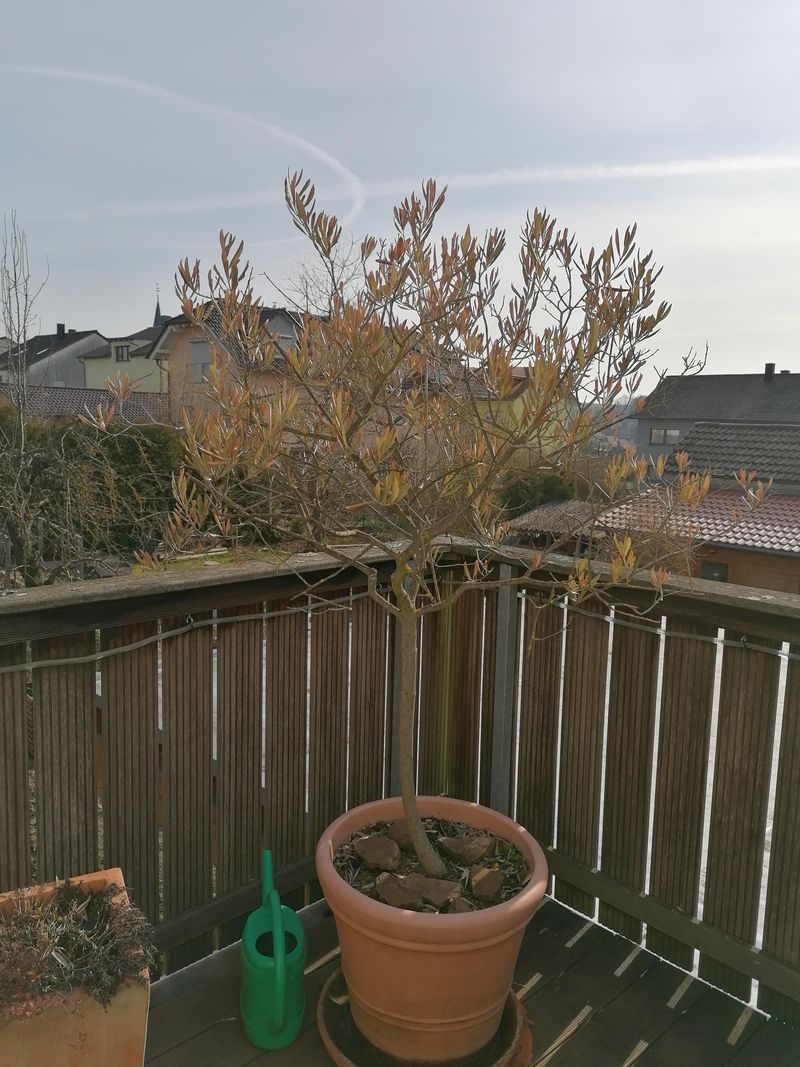
Mountain winters can test this Southern favorite. Tea olive is generally listed as hardy in USDA zones 7 through 9, or 8 through 10 in some guides.
Most of Georgia falls within that range, but the coldest spots in the north are near the edge.
Leaf burn is the most common problem after a hard freeze, with browned edges or tips showing up in late winter. In tougher years, some branch tips may suffer too, while the plant often pushes out new growth in spring.
Cold, drying winds can make things worse.
A sheltered spot on the east or south side of a building can help, since walls block wind and hold a bit of warmth. Avoid low areas where cold air settles on still nights.
A layer of mulch, about two to three inches deep, helps protect roots during cold snaps.
Watering before a freeze can also help if the soil is dry, because moist soil holds heat better. On nights with forecast lows in the teens, lightweight frost cloth may offer some protection for younger shrubs.
Wait until spring to trim any damaged growth. Cutting too early may remove healthy wood, and new leaves will show you what actually needs to go.
6. Walkways And Windows Make Ideal Spots To Enjoy The Fragrance
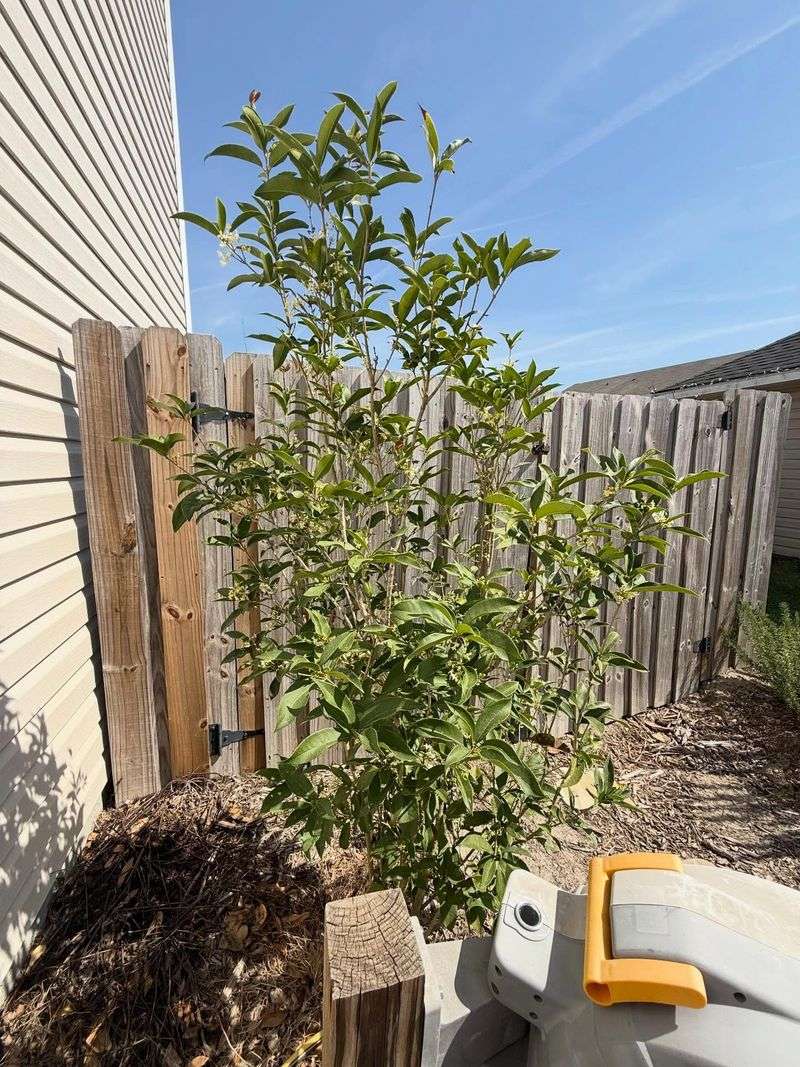
Plant it where you actually pass by. A tea olive tucked in a far corner of the yard may bloom beautifully, yet you could miss most of the scent.
Front walks, back doors, and garden paths let you enjoy the fragrance during daily errands.
Open windows can bring the smell indoors on mild fall days, which is a real treat in Georgia when October finally cools things down. A spot near a bedroom or kitchen window works well, as long as the plant has room to grow without blocking the view.
Patios and porch steps are another smart choice.
Evening is often when people notice the scent most, so plant near places where you sit after dinner. A bench beside a mature shrub can become a favorite fall hangout.
Light needs still matter when choosing a location.
Tea olives tend to do best in full sun to partial shade, and afternoon shade can help during hot summers. Well-drained soil is important, since roots sitting in soggy ground can struggle.
Georgia red clay often drains slowly, so mixing in some compost or planting on a slight rise may help. Check how water moves after a heavy rain before you dig.
7. Light Pruning After Flowering Keeps It Shapely
Less trimming usually means better results.
Tea olives naturally grow into a pleasant upright oval shape, so they rarely need heavy shaping. A few careful cuts each year often do more good than a big chop.
Timing makes a difference here.
If pruning is needed, late winter or early spring before new growth begins is a practical time for light shaping and removing winter damage.
Waiting until then avoids cutting off flower buds and lets you see any cold damage first. Skip heavy pruning in late summer, since that is when the plant is getting ready to flower.
Hand pruners and loppers work better than electric hedge trimmers for most jobs. Cutting individual branches back to a side shoot keeps the plant looking natural rather than boxy.
Start by removing broken, crossing, or crowded stems.
After that, step back and look at the overall shape before making more cuts. Taking off no more than about a quarter of the plant in one year is a safe general guide.
Overgrown shrubs can be brought down gradually over a few seasons. Patience pays off, because a gently trimmed tea olive keeps its full, leafy look and still gives you plenty of sweet fall blooms.