When To Plant Snapdragons In Georgia For Color Through The Cooler Months
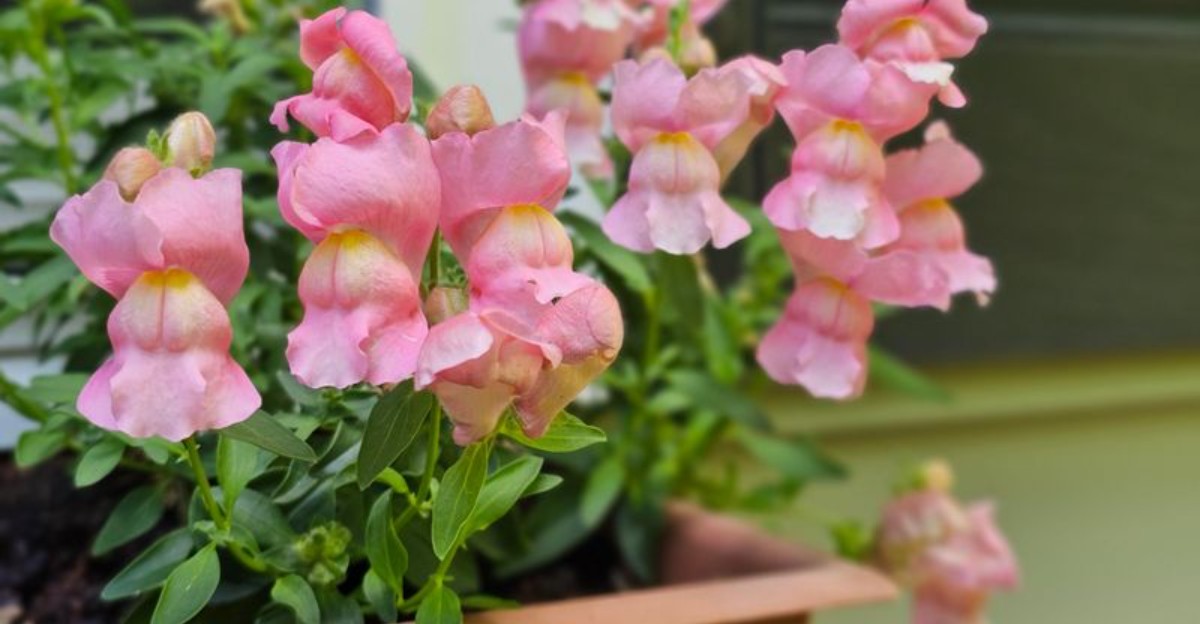
Snapdragons can keep flower beds colorful when many warm-season favorites are starting to fade. Getting that long display, however, depends heavily on when you put them in the ground.
Plant too early, and lingering heat can make establishment harder than it needs to be.
Wait for better conditions, and these cool-season flowers get a much friendlier start. That timing varies across Georgia, so the calendar alone should not decide when your snapdragons go outside.
Instead, pay attention to temperatures and choose your planting window around the weather.
Once established, snapdragons can handle cool conditions that send many other flowers out of season. That is what makes them such useful choices for fall beds.
Time your planting well, and their bright blooms can carry your garden through some surprisingly cool months.
1. Snapdragons Are Ready When Summer Heat Begins To Ease
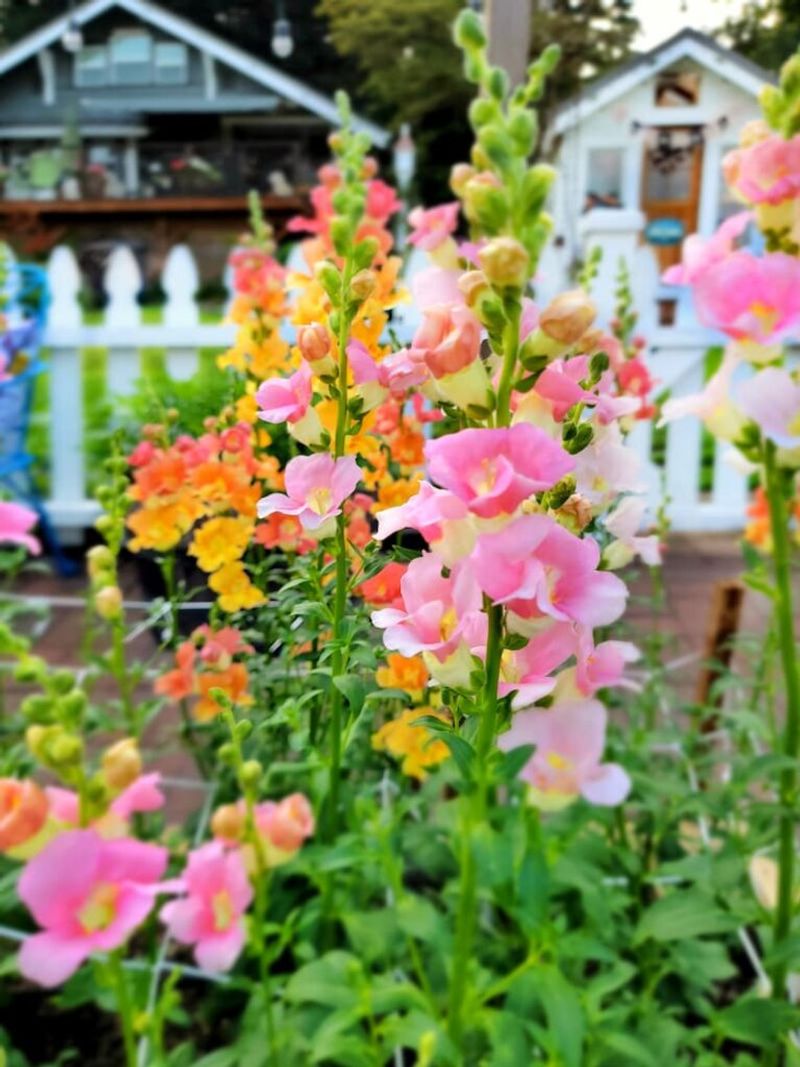
Snapdragons are cool-season flowers, so planting them while intense summer heat still dominates can make establishment harder. Fresh transplants lose moisture faster when hot afternoons keep the soil and foliage warm.
Wait until daytime temperatures begin easing and nights feel noticeably cooler.
That shift gives young roots a gentler start before the coldest part of the year arrives. In Georgia, the exact window changes with location and weather, so one calendar date cannot fit every garden.
Check the forecast before bringing home a full tray of plants.
If another stretch of hot weather is coming, waiting several days can save the transplants from unnecessary stress. Plants already purchased can stay protected and watered until conditions improve.
Morning sun with some afternoon relief can also help during a warm spell.
Once planted, water thoroughly so the root ball and surrounding soil are evenly damp. Continue checking moisture while the plants settle into their new bed.
Do not assume cooler nights mean the soil has stopped drying during sunny days.
The best signal is a steady change toward milder weather. Plant during that transition, and snapdragons have time to establish roots while temperatures are moving in the direction they prefer.
2. September Planting Can Work As Temperatures Start Cooling
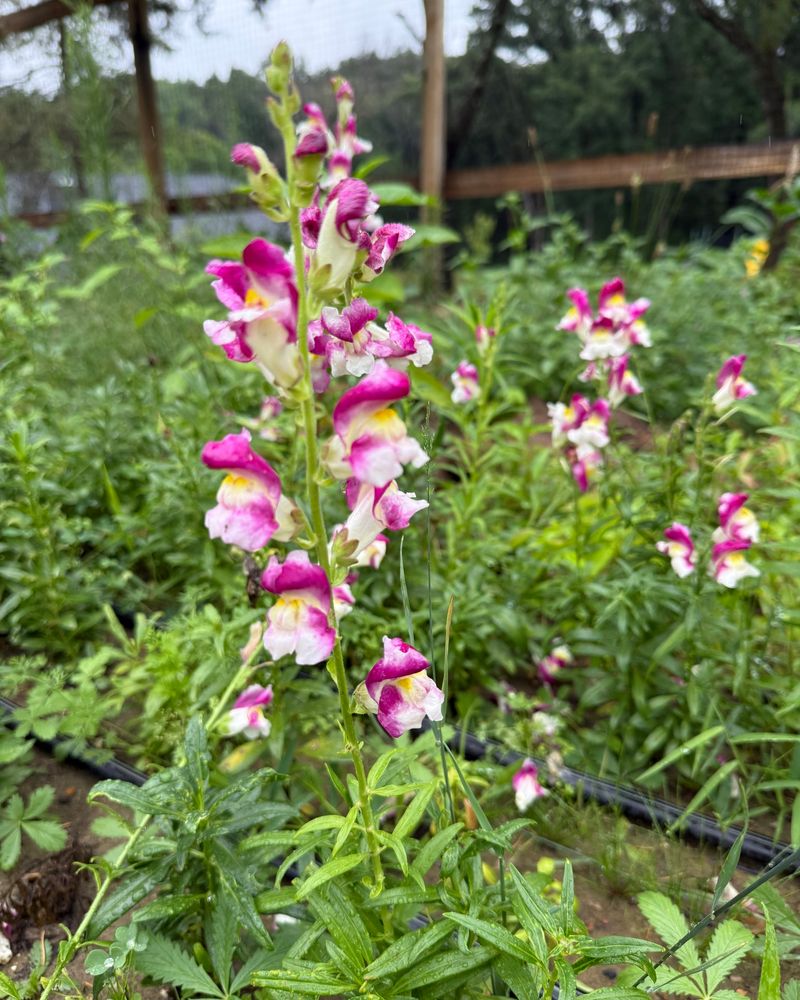
September can offer an early planting opportunity when the weather begins cooperating. The month can also stay surprisingly hot, so conditions matter more than the date printed on the calendar.
Look for a stretch of milder days before transplanting.
Young snapdragons settle more comfortably when they are not facing intense heat immediately after planting. If afternoons are still harsh, give the bed another week and check the forecast again.
Georgia gardeners may find suitable conditions at different points during September.
Northern areas can cool sooner, while central and southern locations may hold onto summer warmth longer. Even within one region, a hot year can push planting later than expected.
Choose healthy transplants with sturdy stems and growth.
Water them thoroughly after planting, then keep the root zone evenly damp while new roots move into the surrounding soil. Avoid letting freshly planted snapdragons dry during this stage.
A light mulch layer can help slow moisture loss without crowding the stems.
Your Georgia Garden Changes Every Week. Your Plan Should Too.
Gardening in Georgia changes quickly throughout the season. Every Friday you’ll receive a simple weekly plan showing exactly what to plant, prune, fertilize, harvest, and protect so you never miss the right timing.
If temperatures climb again, watch new plants closely for wilting. Temporary afternoon protection can help them through a brief warm spell.
September planting can work beautifully, but only when the weather has actually started giving these cool-season flowers the conditions they prefer.
3. October Gives Many Georgia Gardens An Even Better Window
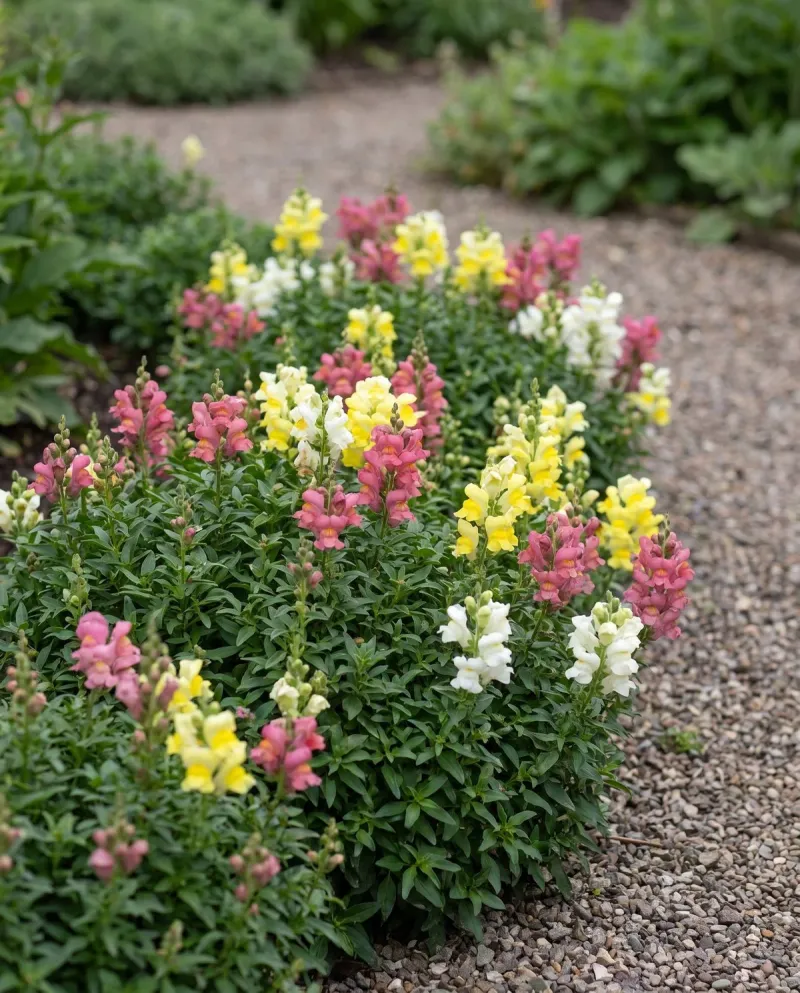
October often brings the balance snapdragons need for an easier start. Daytime heat is usually less intense, while the soil can remain warm enough for roots to establish before colder weather.
That combination makes transplanting much less stressful.
Across Georgia, many gardeners can use October as a dependable fall planting period. Waiting for milder weather often produces sturdier plants than rushing them into a hot bed.
Choose a bright location with good drainage before planting.
Snapdragons flower best with plenty of sun during the cooler months. Space them according to the mature size of the variety so air can move between plants as they fill out.
Water each transplant thoroughly after it goes into the ground.
Keep checking the soil during the first few weeks, especially if autumn rainfall is limited. Established roots help plants handle later temperature swings more comfortably.
Do not worry if flowering slows briefly while the plants adjust.
Root development is just as important as the blooms visible above the soil. Once plants settle in, new growth and flower spikes can continue as cool conditions become more consistent.
October gives snapdragons valuable time to establish before winter while avoiding much of the intense heat they dislike.
4. North And South Georgia Do Not Cool Down At The Same Time
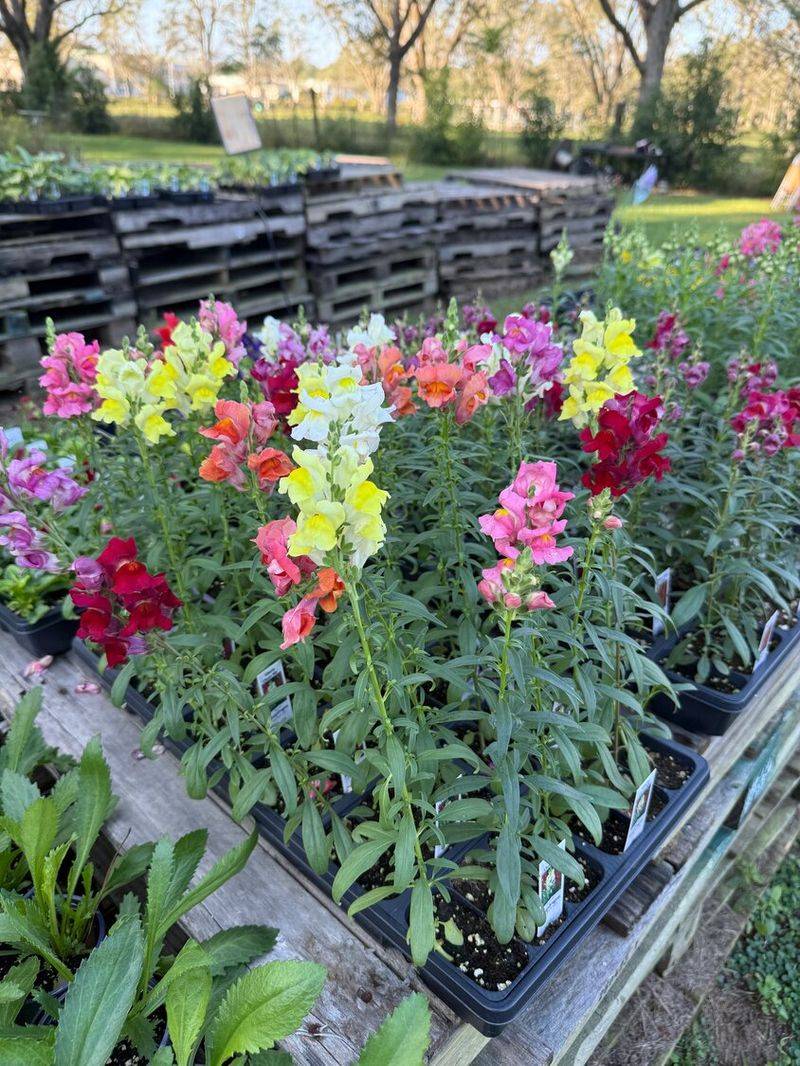
Planting time can shift considerably from one end of the state to the other. Mountain areas often cool before gardens farther south.
That difference matters when snapdragons are waiting to go into the ground.
North Georgia gardeners may find comfortable transplanting weather earlier in fall. Farther south, warm afternoons can linger longer and make waiting a little more practical.
Do not copy a planting date simply because it worked somewhere else in the state.
Watch your own daytime highs and nighttime temperatures instead. Several mild days can tell you more than a statewide schedule.
The condition of the planting bed matters too.
Soil beside pavement or a south-facing wall may stay warmer than soil in an open garden. A location like that can remain stressful even when the general forecast looks better.
Use the plants themselves as another clue after transplanting.
Snapdragons that remain firm and begin producing fresh growth are settling in well. Frequent wilting during hot afternoons suggests conditions are still demanding.
Fall eventually reaches every region, but it does not arrive everywhere at once.
Matching planting time to your local weather gives snapdragons a gentler start and avoids forcing them through unnecessary leftover summer heat.
5. Cool Weather Helps New Plants Settle Into The Garden
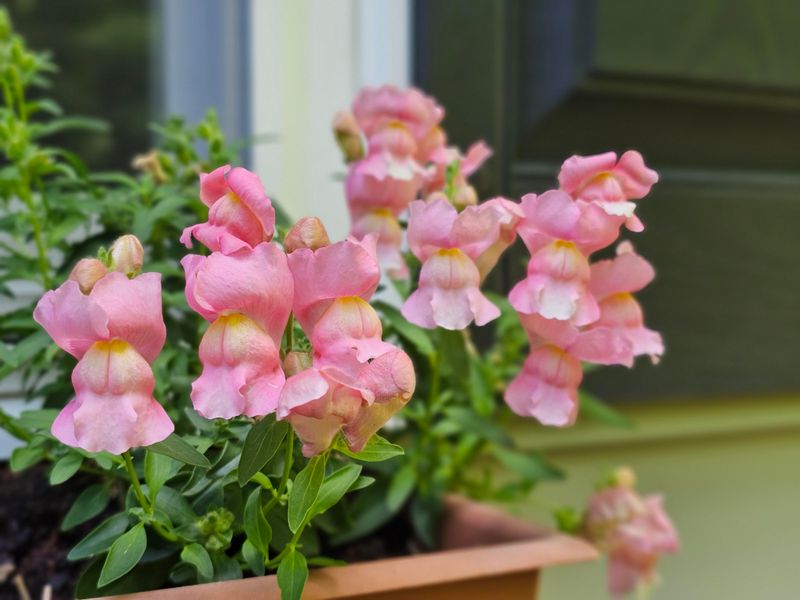
Milder weather takes some pressure off snapdragons just when their roots need time to establish. Transplants can settle into the bed without battling intense afternoon heat.
That makes a cool stretch a good time to plant.
Choose a day when the forecast looks moderate for several days afterward. Fresh roots benefit from steady conditions.
Fall temperatures across Georgia can still bounce between warm afternoons and chilly nights.
Keep checking new plants during those changes rather than assuming cool weather removes the need for care. Water thoroughly after planting and check the soil again before adding more.
Snapdragons appreciate consistent moisture, but roots should not remain in waterlogged ground.
Good drainage becomes especially important as evaporation slows in cooler weather. Let the soil condition guide your watering instead of following a rigid schedule.
Hold back on heavy feeding immediately after transplanting.
Give roots time to settle first and watch for fresh growth. Healthy new leaves are a useful sign that the plant is becoming established.
Once that happens, cool-season care becomes much easier.
Starting during comfortable weather gives snapdragons a stronger foundation. They can then put their energy toward roots, stems, and flower spikes instead of struggling through lingering summer stress.
6. Good Drainage Becomes Important During Wetter Cooler Weather
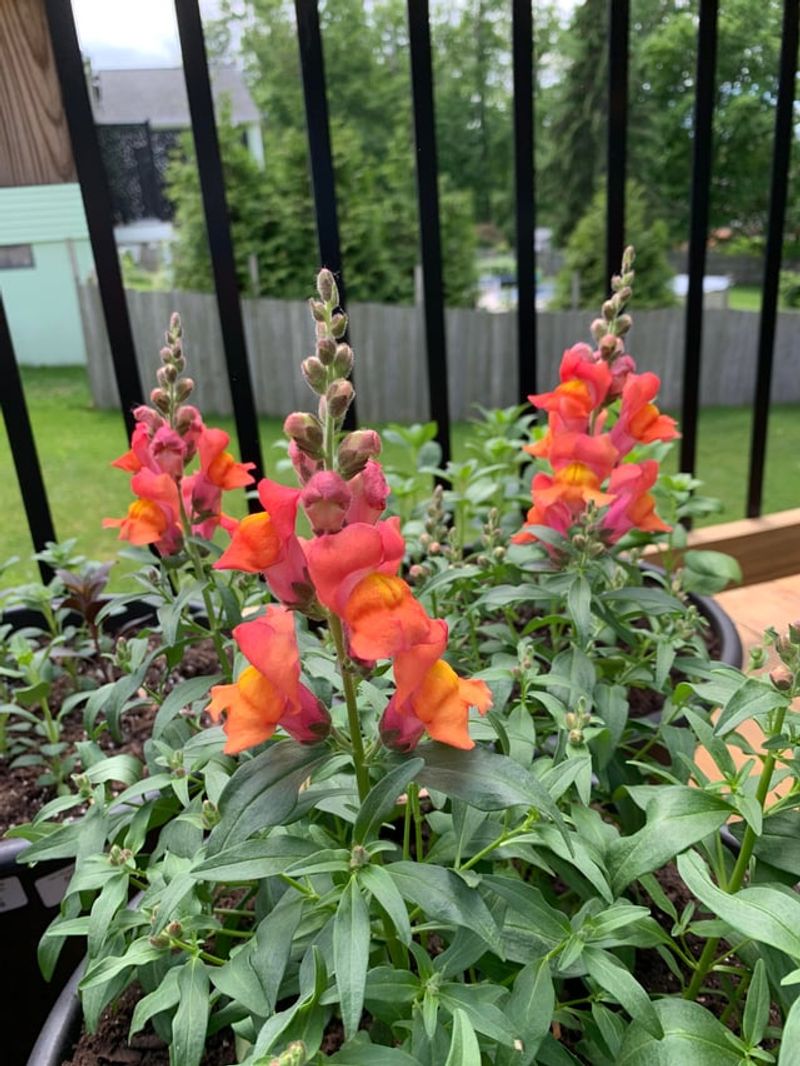
Snapdragons enjoy cool weather, but their roots still need air as well as moisture. Saturated soil can create trouble even when plants look comfortable.
Check drainage before you fill the bed with transplants.
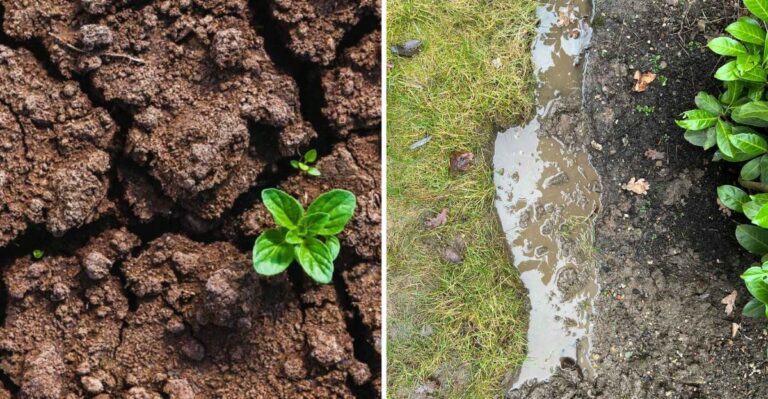
After a good rain, notice whether water disappears or remains pooled around the planting area. A soggy spot needs attention before snapdragons go in.
Heavy clay is common in many Georgia gardens and can drain slowly.
Organic matter can improve soil structure over time. Raised beds or elevated areas can also help where water regularly collects.
Avoid digging a deep hole that becomes a small basin around each root ball.
Set plants at the proper depth and firm the soil gently around them. Water thoroughly, then let excess moisture drain.
Cooler weather can make wet soil stay damp longer than it did during summer.
That means a watering routine that worked in August may be excessive later in fall. Check below the surface before reaching for the hose.
Mulch can help moderate moisture, but keep it away from the stems.
Good drainage gives snapdragons a better chance to handle rainy stretches while continuing to produce healthy roots and flowers through the cooler season.
7. Well Established Plants Can Keep Adding Color Into The Cool Season
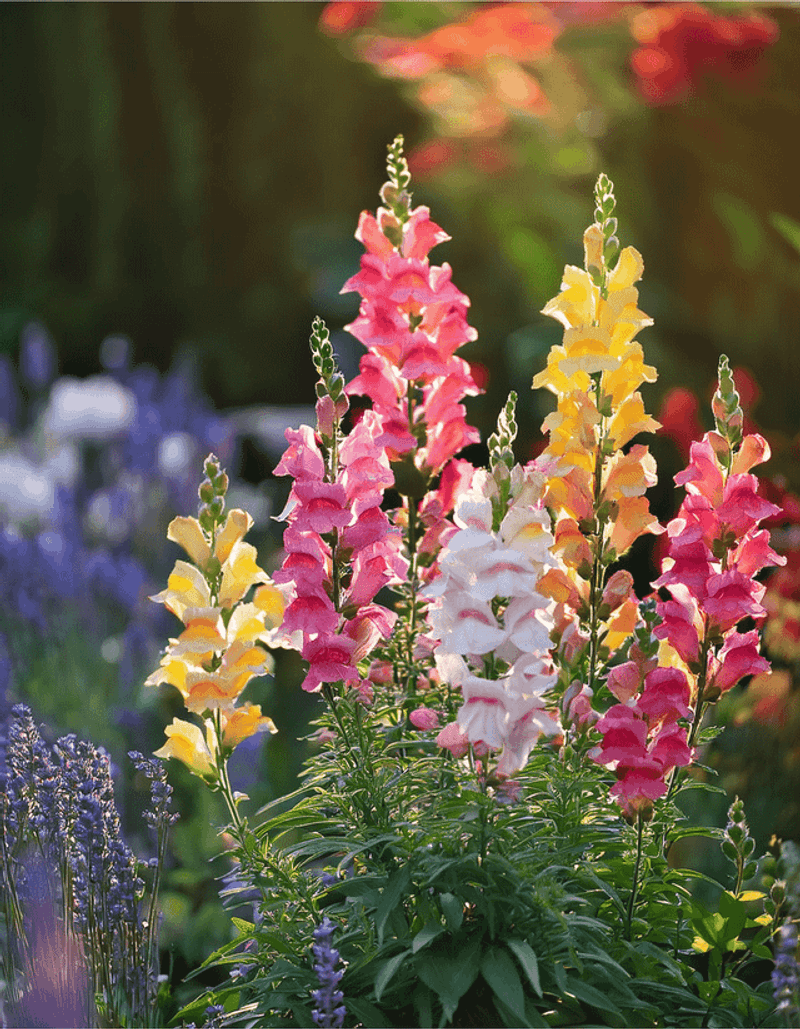
Snapdragons can provide color long after many warm-season flowers have slowed down. The key is getting them established before colder conditions become more demanding.
Strong roots help plants handle seasonal changes more comfortably.
Once settled, snapdragons can continue producing flower spikes during cool weather. Blooming may slow during harsher cold, then pick up again when conditions become milder.
Georgia winters vary enough that performance will not look identical in every garden.
Variety, exposure, and cold spells can affect how long flowers continue. A protected bed may behave differently from one exposed to strong wind.
Keep watering during dry periods even when temperatures are cool.
Check the soil first because plants use water more slowly than they did during warmer weather. Remove spent flower spikes to encourage continued flowering when conditions allow.
Do not expect every plant to bloom nonstop through every winter week.
A pause is normal when temperatures become unfavorable. Plants can resume growth as milder weather returns.
Good fall establishment gives them the best foundation for that longer display.
Plant at the right time, keep the roots comfortable, and watch the weather. Those steps can stretch snapdragon color beyond the summer flower season.