Georgia Gardeners Tired Of Tulips Should Plant These Spring Bulbs This Fall
Tulips planted with high hopes can come back weak or not at all the following spring.
In Georgia, mild winters often do not give them the long chill many varieties need to rebloom well.
Plenty of gardeners end up treating tulips as annuals and replanting every fall. That routine gets expensive, and it can feel like a lot of work for a few weeks of color.
Several other spring bulbs handle the local climate far better and can return for years with little help.
Some spread into larger clumps over time, while others are far less tempting to squirrels. A few bloom earlier, giving you color when the yard needs it most.
Look at the bare spots where your tulips used to bloom, since those are good places to start.
1. Daffodils Often Return Each Spring, And Deer Typically Pass Them By
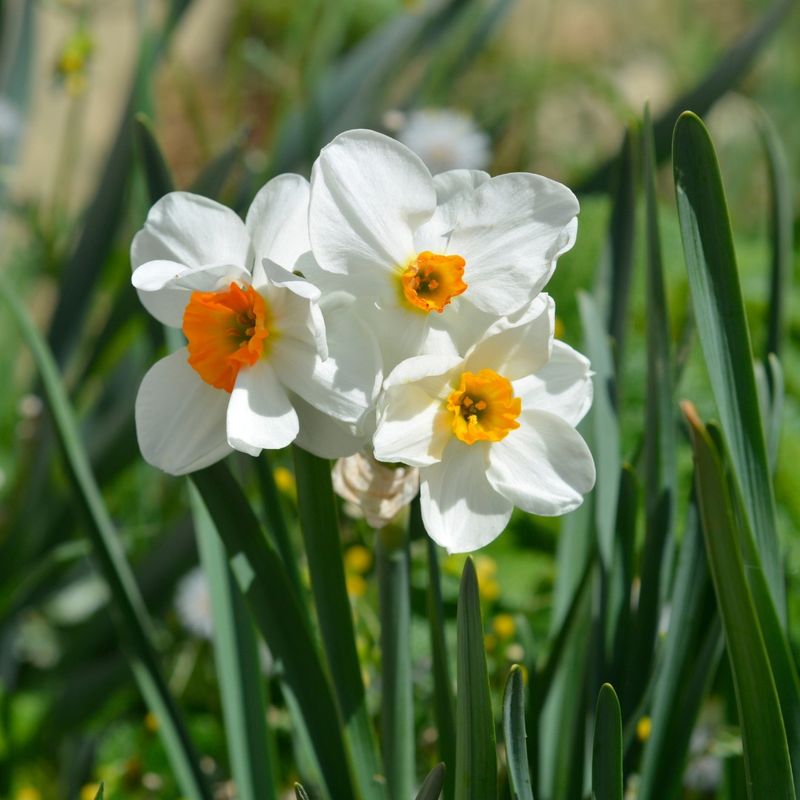
Hungry deer will chew through a hosta bed overnight, yet they usually skip daffodils. The bulbs and leaves contain compounds that taste bad to most animals, which gives them a real edge in rural yards.
Daffodils are also among the most dependable returning bulbs for Georgia gardens, especially varieties suited to warmer climates.
Look for types like Ice Follies, Carlton, Tete-a-Tete, or the fragrant jonquils and tazettas. Southern gardeners have grown these for generations, and you can still spot old clumps around abandoned homesteads.
Plant bulbs about six inches deep with the pointed end up.
Space them four to six inches apart in groups of ten or more for a natural look. Well-drained soil matters a lot, since soggy clay can cause bulbs to rot.
Leave the foliage alone after the flowers fade, even if it looks messy for a few weeks.
Those green leaves feed the bulb for next year’s bloom. Cutting or braiding them too early can mean fewer flowers the following spring.
Give your clumps a light sprinkle of bulb fertilizer in fall, and dig up crowded patches every few years to divide them.
These bulbs can stay in the same spot for years when drainage is good and the foliage gets enough time to mature naturally. Over time, healthy clumps often spread and create a fuller spring display with little extra work.
2. Despite Its Name, Summer Snowflake Blooms In Spring
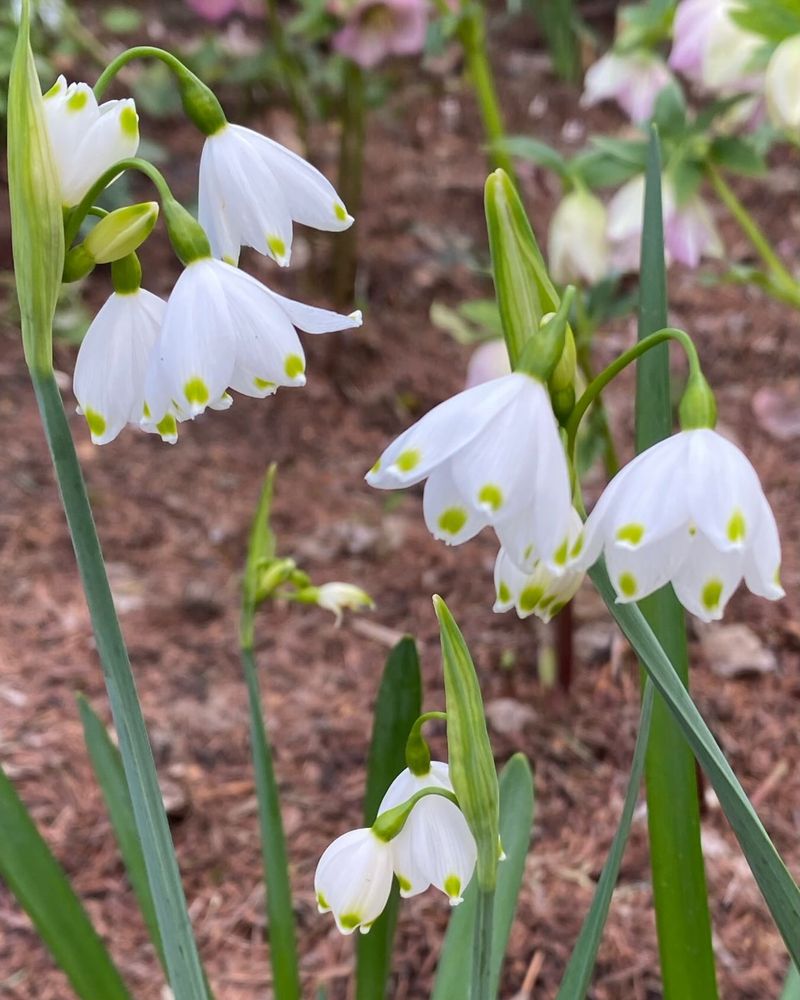
Blame the name on cooler countries. Where summer snowflake was first named, it bloomed later in the season, but here in the South it usually flowers from February into April.
Each stem carries several small white bells, and every petal has a neat green dot at the tip.
Plants look a little like giant snowdrops. Unlike snowdrops, though, they tend to handle hot Southern summers well and come back reliably year after year.
Here is a big bonus for anyone with soggy ground.
Summer snowflake tolerates damp, heavy soil better than most bulbs, which makes it handy in low spots of Georgia clay. It still prefers some drainage, so avoid places where water sits for days.
Plant bulbs about four inches deep and four inches apart in fall.
Your Georgia Garden Changes Every Week. Your Plan Should Too.
Gardening in Georgia changes quickly throughout the season. Every Friday you’ll receive a simple weekly plan showing exactly what to plant, prune, fertilize, harvest, and protect so you never miss the right timing.
Partial shade or full sun both work, though afternoon shade can help blooms last longer. Deer and rodents generally leave them alone too.
Clumps grow slowly, so be patient during the first year or two.
Once settled, they rarely need much from you beyond a little space. Divide crowded patches after the leaves turn yellow in late spring, then replant the extra bulbs elsewhere.
Once established, the bulbs can remain undisturbed for years and gradually form larger patches. Their arching green foliage also fills empty garden space before fading naturally as warmer weather arrives.
3. Spanish Bluebells Brighten Shady Spots Under Trees
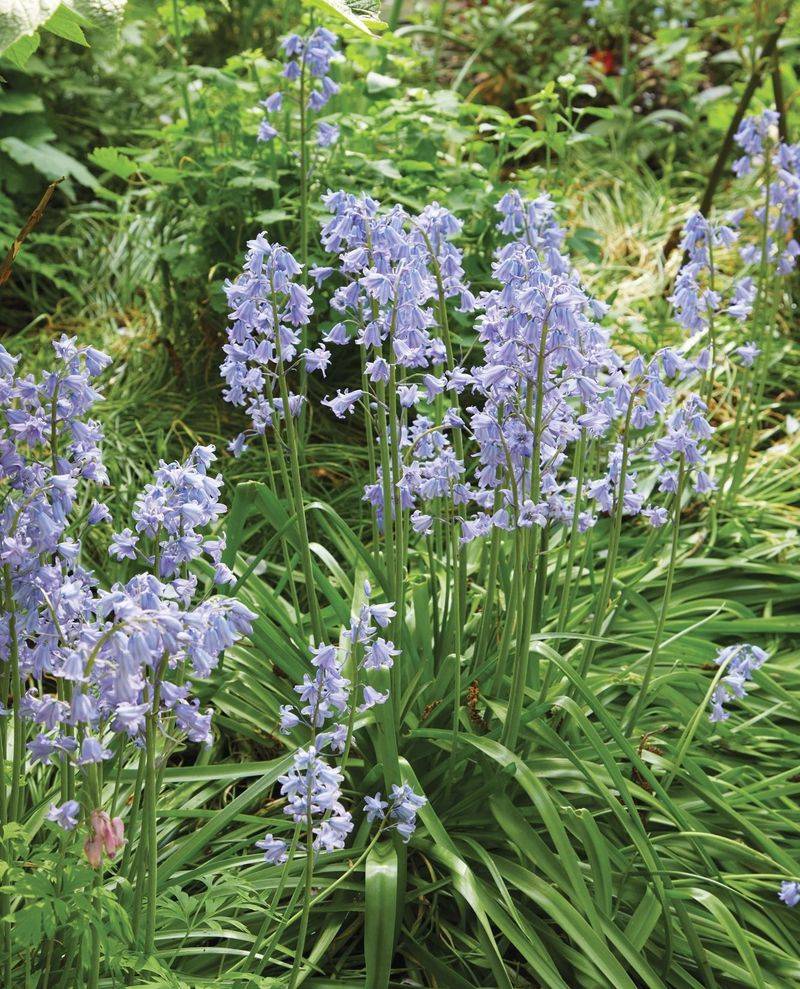
Shade under big oaks can feel difficult to fill with flowers, but Spanish bluebells often thrive there.
These bulbs send up sturdy stalks lined with bell-shaped blooms in blue, pink, or white. Flowers usually show up in April, just as trees start to leaf out.
Dappled light suits them best.
Morning sun with afternoon shade works well across much of Georgia, where hot spring days can fade blooms quickly. Rich soil with some leaf mulch mixed in gives them a good start.
Plant bulbs three to four inches deep in fall, spacing them about six inches apart.
Tuck them between tree roots where digging is easy. Groups of a dozen or more look far better than a single scattered row.
Keep one caution in mind before planting near natural woods.
Spanish bluebells can spread by seed and bulb offsets over time. In a shady garden bed that is often welcome, but cutting off faded flower stalks helps keep them from wandering too far.
Leaves can look floppy after bloom, so pair them with ferns or hostas that fill in as the foliage fades.
Once established, the bulbs can gradually form thicker patches that brighten the same shady spots each spring. A light layer of fallen leaves can also help protect the soil while the bulbs rest through summer.
Their upright flower stalks also bring height to shady borders without crowding the larger plants growing nearby.
4. Edge A Path With Grape Hyacinth For Spots Of Deep Blue
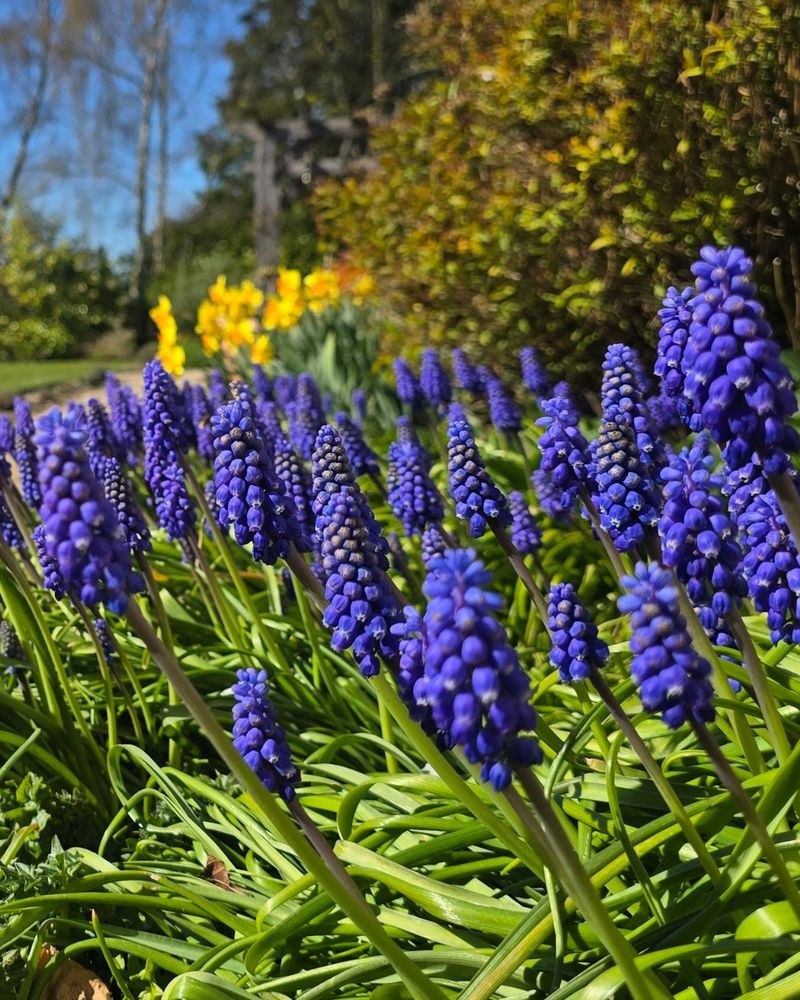
Small flowers can make a surprisingly big statement when you line them up together.
Grape hyacinths, or muscari, stand only six to eight inches tall. Their tight clusters of cobalt blooms look like tiny bunches of grapes, and some types have a light sweet scent.
Picture a brick walkway trimmed in deep blue each March.
Plant bulbs about three inches deep and three inches apart along the path edge. Setting them in a double row creates a thicker band of color than one thin line.
Sun to light shade works fine, and these bulbs handle a range of soils as long as water drains away.
Leaves often pop up in fall, long before flowers appear. Gardeners in Georgia sometimes worry about this, but it is normal behavior, and the foliage handles light frost without trouble.
Squirrels and voles tend to leave muscari alone, which is a relief if they have raided your tulips before.
Clumps usually multiply over the years. If they get too thick, dig and split them after the leaves fade in late spring.
Pair them with yellow daffodils for a cheerful color contrast that feels classic in spring borders.
Once established, muscari can return with very little attention and gradually create a fuller ribbon of spring color. Let the leaves yellow naturally before removing them so the bulbs can store energy for the next flowering season.
5. Starflower Naturalizes Into Low Drifts Of Star-Shaped Blooms
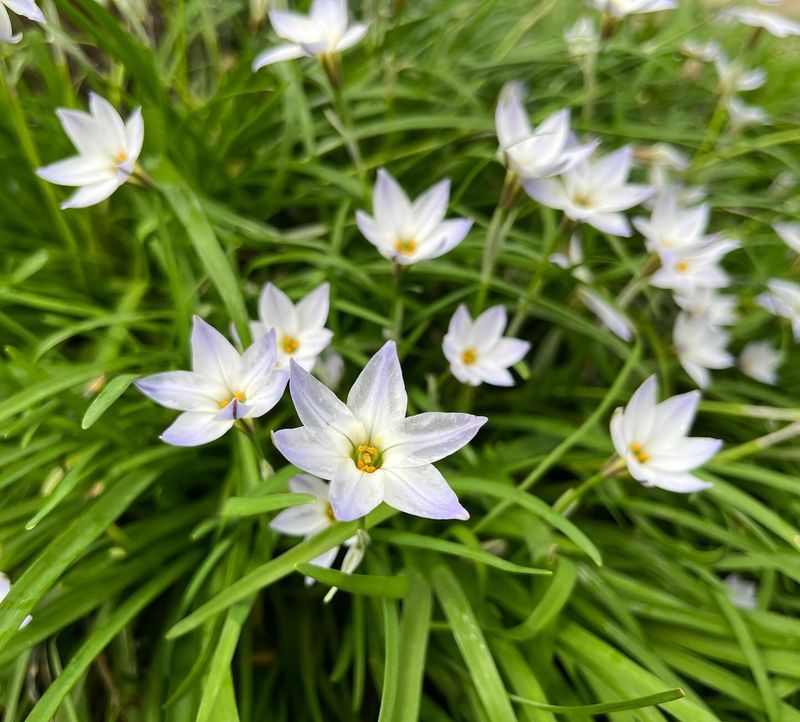
Looking for a bulb you plant once and mostly forget? Spring starflower, also called Ipheion, fits that wish nicely.
Each bulb produces grassy leaves and short stems topped with pale blue or white star-shaped flowers.
Blooms often start in late winter and can continue for several weeks. In mild Georgia winters, you might catch the first flowers by February, though timing shifts with the weather.
Crush a leaf and you may notice a faint onion smell.
That scent comes from compounds that seem to discourage many pests. Deer and rodents usually leave starflower alone, which helps patches spread without much interference.
Plant bulbs two to three inches deep and about two inches apart. Full sun to partial shade suits them, along with soil that drains well.
Over time, bulbs multiply and form low, spreading drifts.
Some gardeners let them creep into the lawn edge, where they bloom before grass needs its first mowing. Just wait until the leaves turn yellow before you mow over them.
Varieties like Rolf Fiedler offer a deeper blue shade if you want more color punch along beds or under deciduous shrubs.
Starflower also works well near the front of mixed borders because its short foliage rarely hides taller spring plants. Small groups scattered between larger bulbs can make the planting look fuller without competing for attention.
6. Tall, Elegant Dutch Iris Make Handy Cut Flowers
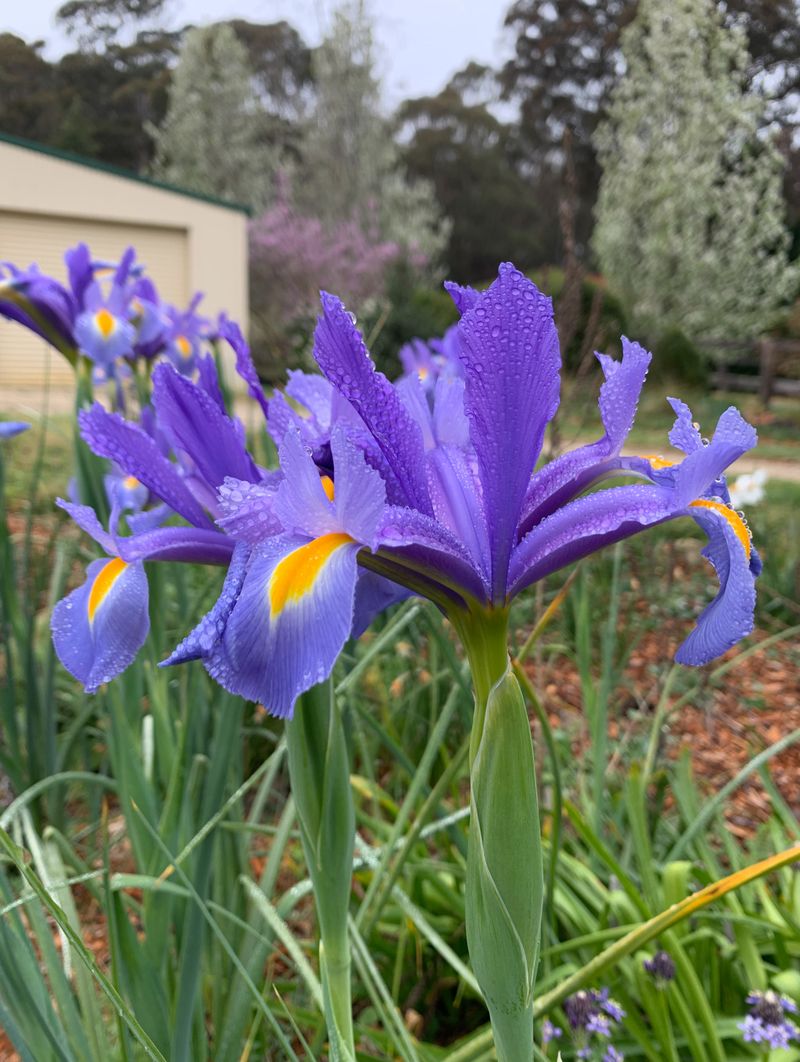
Florists rely on Dutch iris for a reason. Long stems and crisp, orchid-like blooms make them easy to arrange, and they often last close to a week in a vase.
Growing your own costs far less than buying bunches at the store.
Plant bulbs in fall about four to five inches deep and three to four inches apart. Choose a sunny spot, since these plants usually bloom best with at least six hours of direct light.
Leaves often sprout in late fall, then sit through winter.
Across most of Georgia that works out fine. During an unusually hard freeze, a loose layer of pine straw can help protect the young foliage.
Flowers typically open in April and May in shades of blue, purple, white, and yellow. Cut stems when buds show color but have not fully opened yet.
Drainage makes a huge difference with these bulbs.
Heavy, wet clay can cause rot during rainy spells, so raised beds or amended soil give better results. Even then, Dutch iris may not return as strongly each year in warm climates, so some gardeners treat them as annuals and replant every few seasons.
Planting several bulbs together also gives you enough stems to cut without leaving the garden looking bare.
Remove spent flower stalks afterward, but let the narrow green leaves remain until they yellow naturally.
7. Globe-Shaped Alliums Hold Up Well Against Digging Rodents
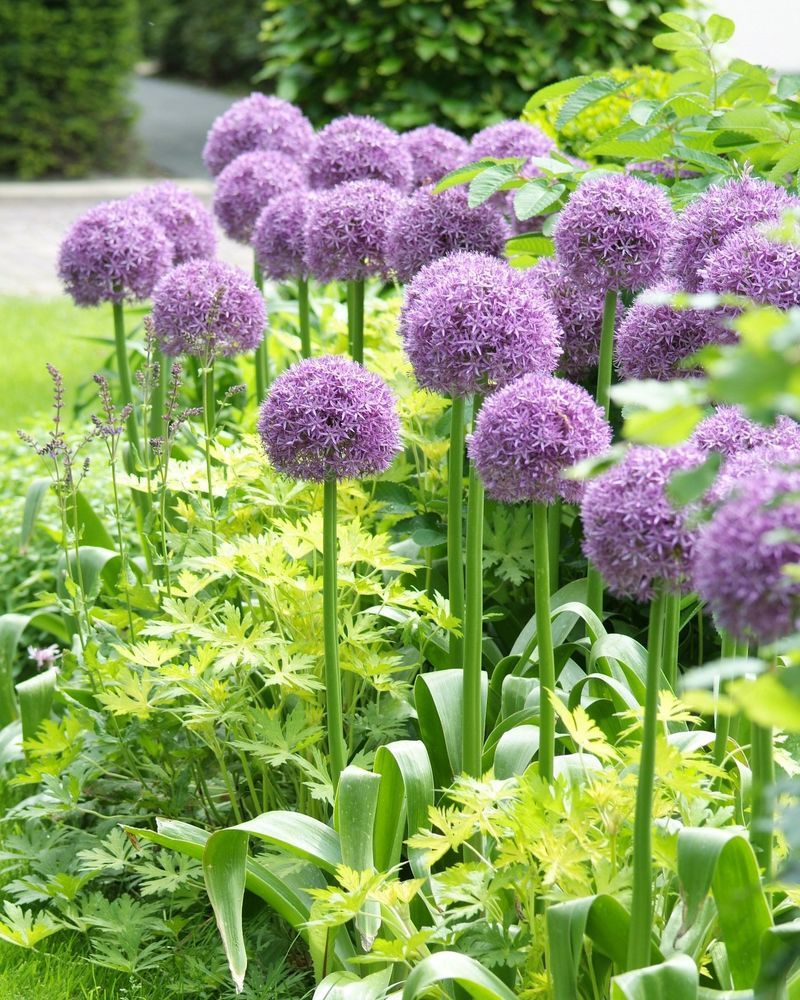
Voles and chipmunks that snack on tulip bulbs usually turn up their noses at alliums.
These ornamental onions carry a strong scent in their bulbs, and most digging critters seem to avoid it. That makes alliums a smart swap if rodents keep wrecking your fall plantings.
Purple globes on tall stems add a fun, almost cartoon-like shape to garden beds.
Varieties differ quite a bit. Purple Sensation and drumstick allium tend to do better in the Southern heat than giant types like Globemaster, which may need more winter chill.
Plant bulbs about three times as deep as they are tall, usually four to eight inches.
Full sun and sharp drainage give them the best chance in Georgia. Mixing compost and a bit of grit into clay soil can help prevent rot.
Bloom time usually falls in late April through May, filling the gap after daffodils finish.
Here is a planting trick worth trying. Allium leaves often turn yellow while the flowers still look good, so place them behind bushy perennials like catmint or salvia to hide the foliage.
Dried seed heads can stay standing for weeks and add texture to the summer garden.
Leave the flower heads in place if you like their structure, or cut them for dried arrangements indoors. Smaller alliums also fit easily between perennials, adding spring color without taking up much ground space.
8. Poppy-Like Anemones Bring Bright Spring Color From Small Corms
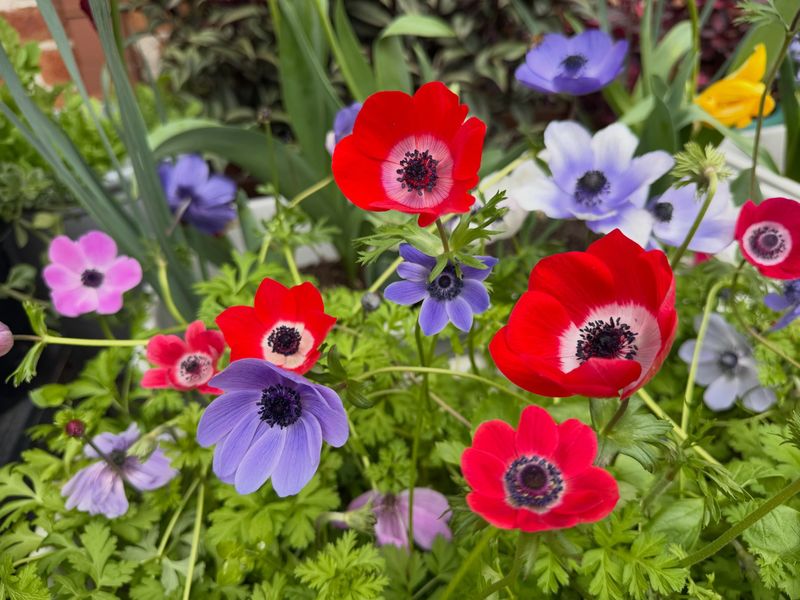
Those shriveled little corms look like dried acorns, but they hold some of spring’s boldest colors.
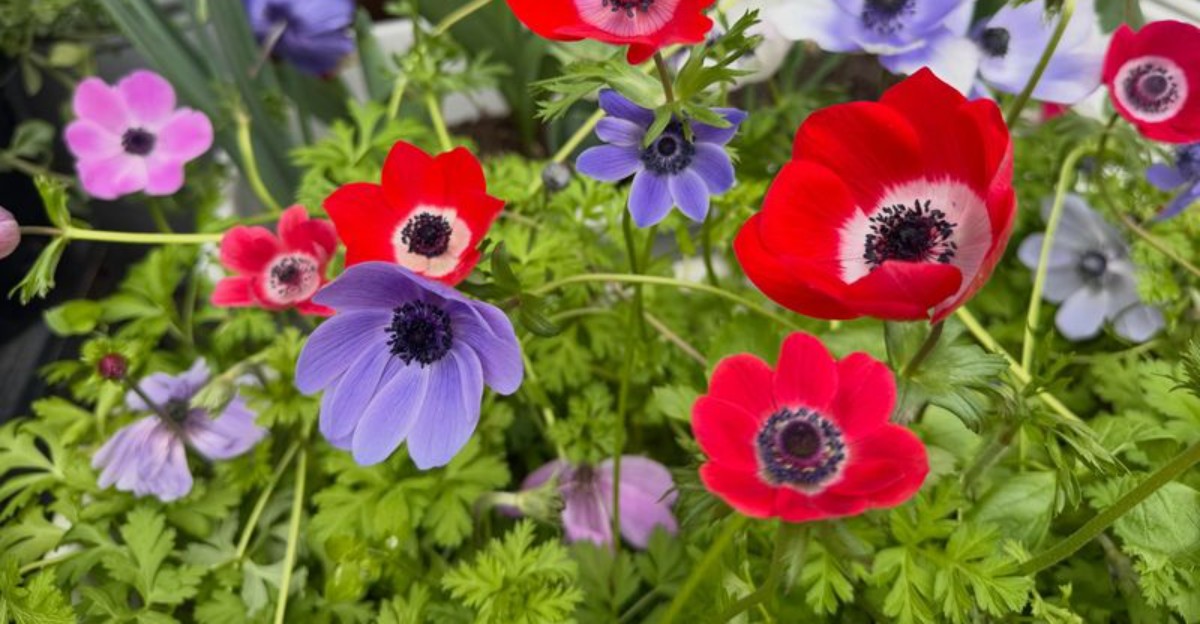
Poppy anemones produce red, purple, pink, and white flowers with dark centers. Blooms often appear from March into April and work nicely in small vases.
Start by soaking the corms in room-temperature water for a few hours before planting.
Soaking helps them plump up and sprout more evenly. Plant them about two inches deep and four inches apart, and don’t stress too much over which side faces up.
Sunny spots with loose, well-drained soil suit them best.
Raised beds and containers both work well, especially if your yard has dense red clay. Wet, cold soil over winter can cause corms to rot before they ever bloom.
Timing matters in the South. Planting in October or November gives roots time to grow, though a sudden hard freeze can damage leaves, so keep frost cloth handy.
Results vary from year to year depending on rainfall and temperatures.
Many Georgia gardeners grow anemones as annuals because they may fade out after a season or two. Even so, the cost per corm is low, and the bright show usually feels worth replanting each fall.
For a fuller display, plant several corms together rather than spacing single flowers throughout the bed. Regular cutting can also encourage you to enjoy the blooms indoors while fresh buds continue opening outside.