Why Muhly Grass Suddenly Turns Pink Across Florida Landscapes In Fall
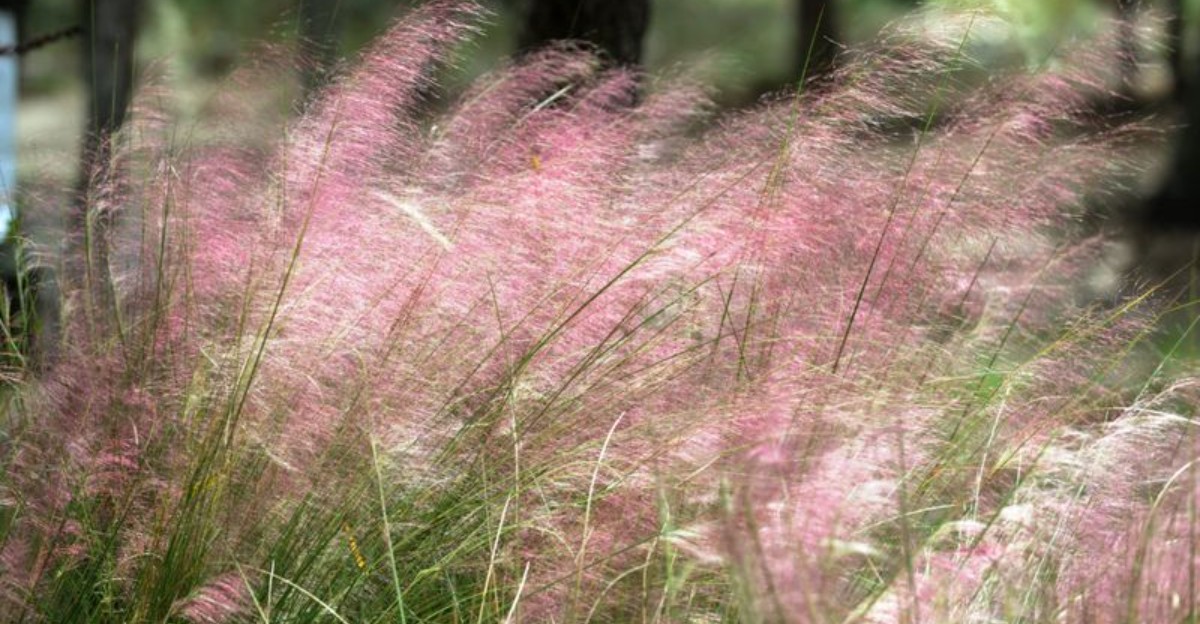
Clumps of plain green grass along a median can look unremarkable for most of the year. Then one week in fall, those same clumps seem covered in a soft pink haze.
That color change catches plenty of Florida homeowners by surprise, especially the first time they see it.
Muhly grass spends spring and summer looking like any other ornamental clump, so it rarely gets much attention.
The pink comes from its flowers, which rise above the leaves in fine, airy clusters. From a distance, those blooms blur together into the cloudy look that makes it so recognizable.
The show often lasts several weeks before the plumes fade to a soft tan.
Notice where these clumps look best around town, since that says a lot about what they need to thrive.
1. Plain Green Clumps Can Look Very Different By October
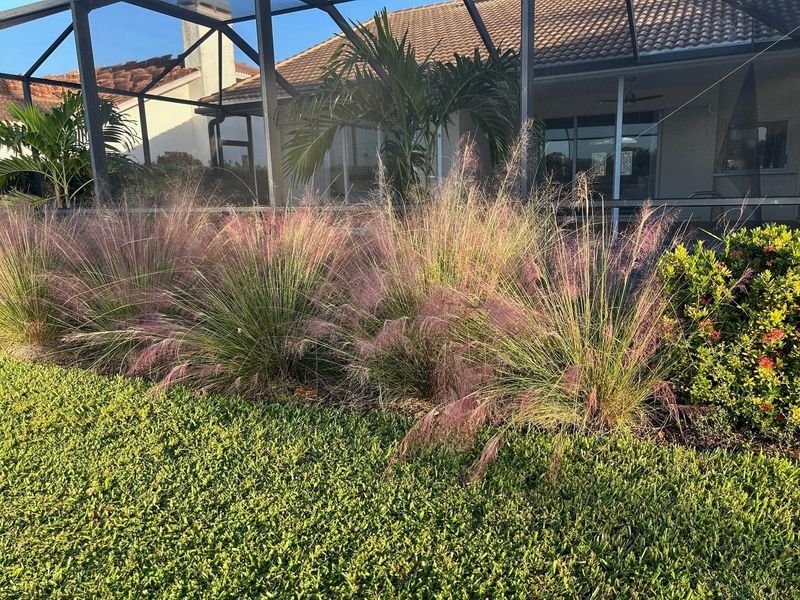
All summer long, muhly grass is easy to walk right past. It sits there as a tidy mound of thin, wiry green leaves that blend into the rest of the yard.
Then fall shows up, and that same quiet clump starts wearing a cloud of pink.
Gardeners often say it feels like the change happens overnight. In reality, the flower stalks grow for a few weeks, but they stay hard to notice until they open.
Across much of Florida, the bloom usually starts somewhere between September and November, depending on the region and the weather that year.
Plants farther north may color up a little earlier, while South Florida plantings can run later. Young plants that were set out recently might bloom lightly during their first fall.
If you are shopping in summer, keep in mind that the pot at the nursery will look very ordinary.
Picture it at full size instead, which is often around two to three feet tall and wide once the plumes are up. Give each plant enough room so the airy blooms are not crowded by shrubs.
Planting in groups of three or more tends to make the fall change stand out from across the yard.
A single clump can look nice up close. A drift of them, though, is what creates that soft pink haze people stop their cars to admire.
2. Airy Flower Heads Create The Pink Color Above The Leaves
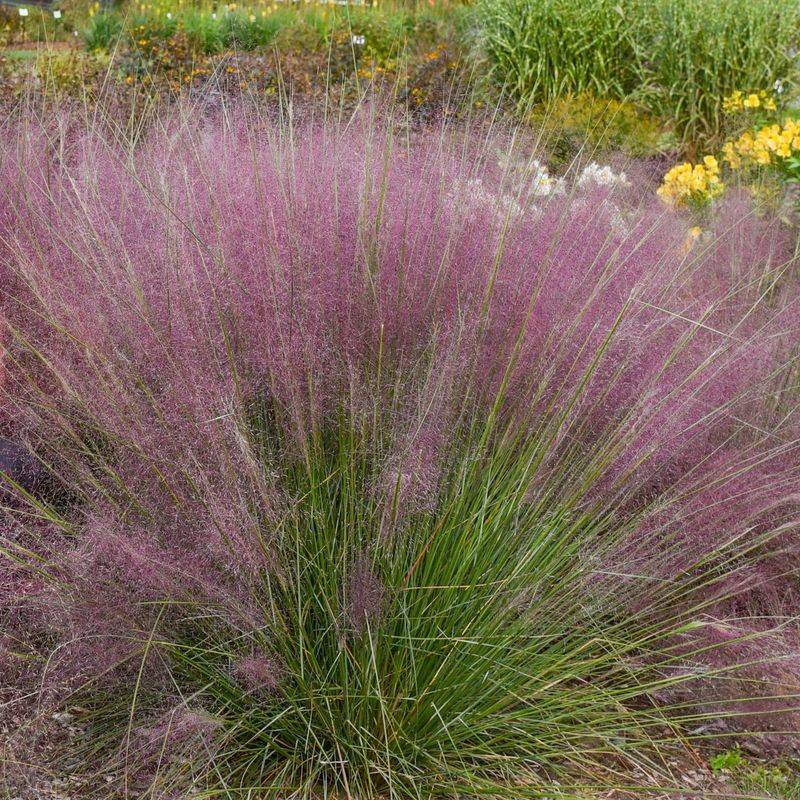
Look closely and you will find the secret is not in the leaves at all. The pink comes from flower heads that rise above the green foliage on thin stems.
Each flower head is made of many tiny branches and very small flowers that are tinted pink to reddish purple.
Because those parts are so fine, light passes through them easily. From a few feet away, they blur together into what looks like pink smoke sitting on top of the plant.
Underneath, the leaves usually stay green or turn a little tan as the season moves along.
Brush your hand across a clump and you can feel how soft and loose the bloom is. It moves with even a light breeze, which adds to the floating effect.
Your Florida Garden Changes Every Week. Your Plan Should Too.
Gardening in Florida changes quickly throughout the season. Every Friday you’ll receive a simple weekly plan showing exactly what to plant, prune, fertilize, harvest, and protect so you never miss the right timing.
Muhly grass is a wind-pollinated plant, so it does not need showy petals to attract bees.
Its color is simply part of how the flower parts look. As weeks pass, the pink usually fades to a light tan or straw shade, and the seed heads can stay standing into winter.
Want to enjoy it up close? Plant a few clumps near a walkway or porch, where you can see the fine detail and not just the overall glow from the street.
3. This Native Grass Naturally Puts On Its Best Show In Fall
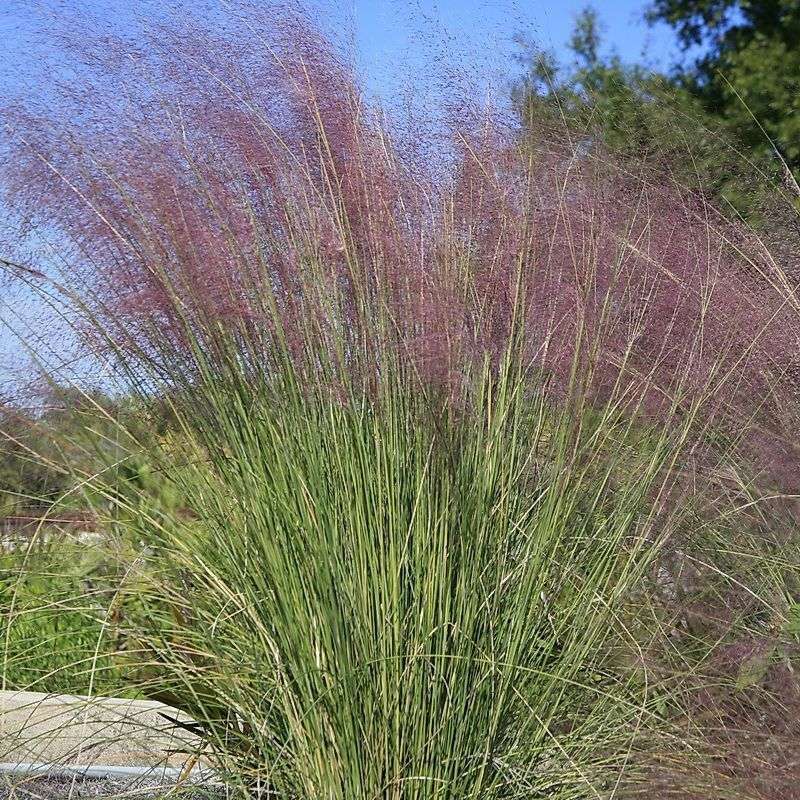
Long before it showed up in parking lots and HOA entrances, muhly grass was growing wild in the Southeast.
Muhlenbergia capillaris is native to Florida and much of the eastern United States. You can find it in pine flatwoods, coastal areas, and open, sunny spots with lean soil.
Its bloom time is simply built into the plant. Like many native grasses, it flowers as days get shorter in late summer and fall.
That timing works well for gardeners because fall can be a slower season for color in some yards.
Summer annuals are often worn out by then. Muhly grass picks up right where they leave off and fills the gap with something soft and bright.
Choosing a native also tends to mean less fuss once the plant settles in.
It is adapted to local heat and rain patterns, though it still needs regular watering during its first few months.
Once established, muhly grass is highly drought tolerant and usually needs little supplemental irrigation.
When buying plants, check the label for the scientific name. Some nurseries sell selected forms or similar species, and bloom color or size can vary a little from one type to another.
4. Low Autumn Sunlight Can Make The Pink Plumes Seem To Glow
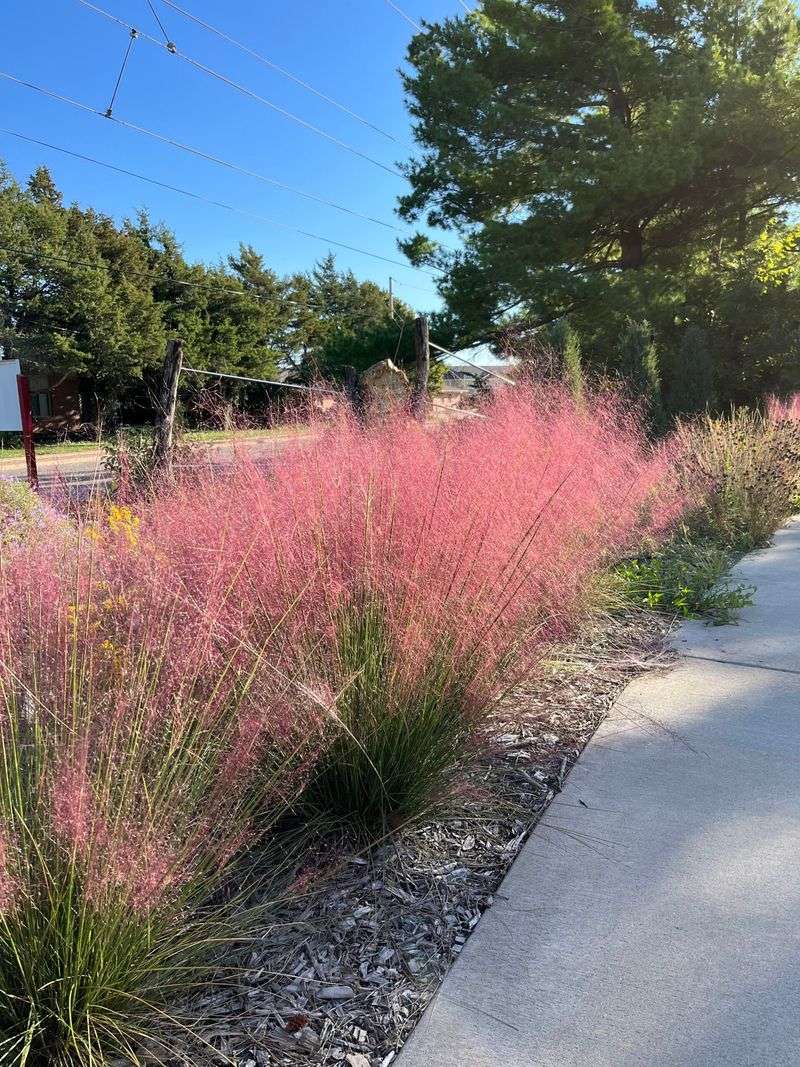
Late afternoon is when muhly grass really earns its fans. As the sun drops lower in fall, light hits the plumes from the side or from behind.
That angled light shines through the thin flower heads instead of just bouncing off the top.
Photographers love this effect, and so do neighbors walking dogs at sunset. The pink can look almost lit from inside for a short window each evening.
Midday light can make the same plants look flatter and paler.
Nothing about the plant changes during the day. It is the angle of the sun that makes the difference in how bright it appears to your eye.
So where should you plant it to catch that glow? Think about where the sun sets in relation to where you usually sit or look out.
Placing clumps between you and the western sky is one simple way to set up backlighting.
A spot along a fence line, a lake edge, or the far side of a lawn can work well. Here in Florida, fall evenings often bring clear skies after summer storms ease, which gives you more chances to enjoy it, though cloudy stretches do happen.
5. Less Sun Can Mean A Weaker Fall Flower Display
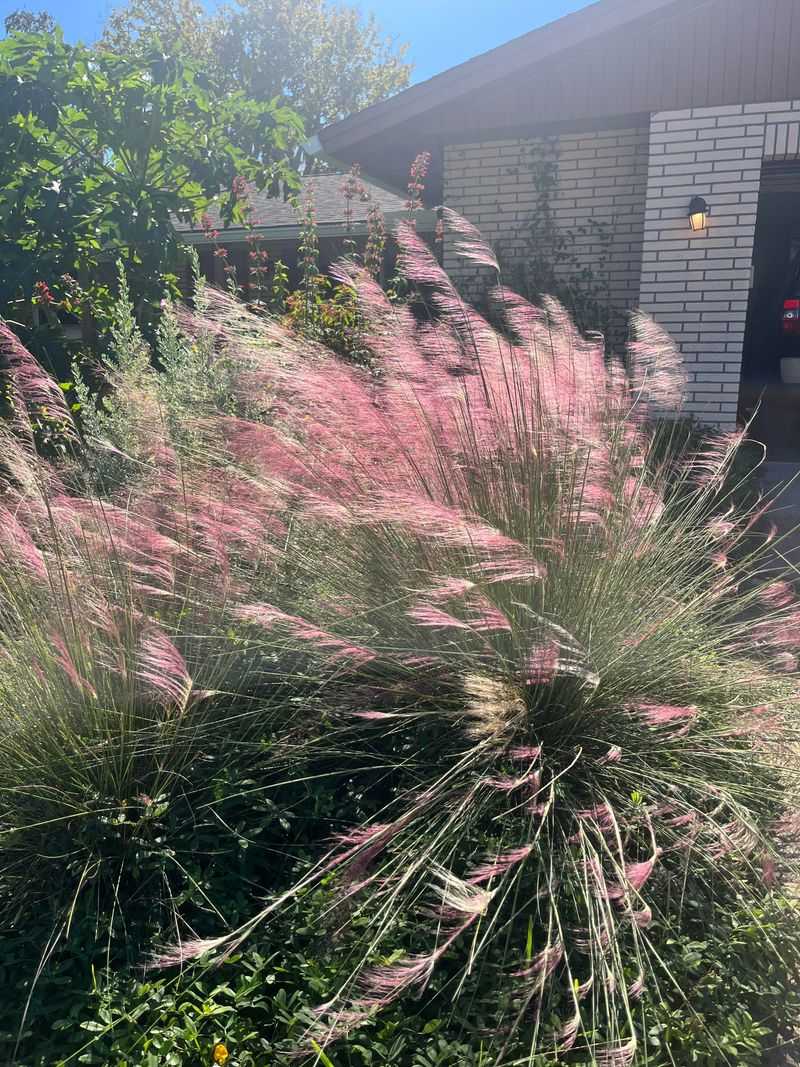
Shade is the quiet reason some muhly grass looks disappointing. Plants tucked under oaks or beside tall buildings often grow, but the bloom can come up thin and patchy.
Full sun usually gives the thickest plumes and the strongest pink.
Aim for at least six hours of direct sun each day if you can. More sun tends to mean more flower stalks and a fuller, denser look by fall.
Partial shade is not always a total loss.
Some gardeners get a light bloom in spots with bright morning sun and afternoon shade. The show just may not match the bold clouds you see in open roadside plantings.
Watch for other signs that a plant wants more light, like leaning stems or a loose, floppy shape.
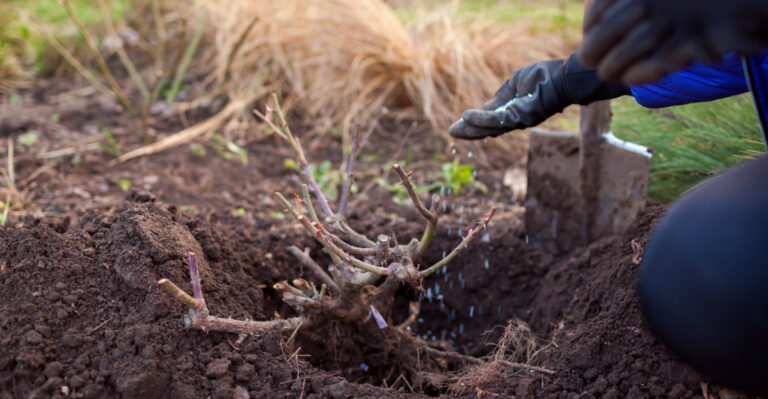
Moving a clump is usually possible during cooler months. Dig a wide root ball, replant at the same depth, and water it well for several weeks while it settles.
Trees grow, and a sunny bed can slowly turn shady over the years.
If your bloom has been fading season after season, check what is overhead. Trimming nearby shrubs or limbs, when done safely and within local rules, might let in enough light to help.
6. Sandy Soil, Salt Spray, And Dry Spells Are Usually Well Tolerated
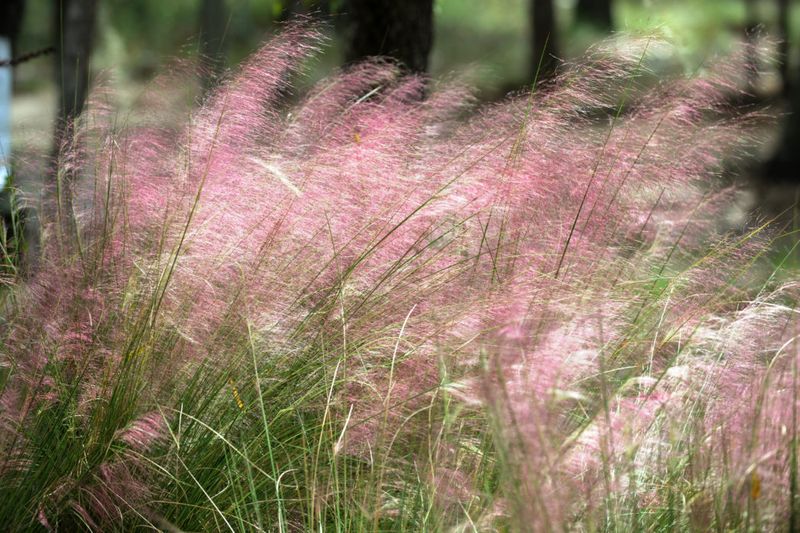
Tough conditions are where this grass tends to shine. Sandy, fast-draining soil suits it well, which is good news for a lot of yards along the Florida coast and inland ridges.
Muhly grass handles sandy soil well and can also tolerate a surprisingly wide range of moisture conditions once established.
Muhly grass can also handle periodically wet conditions, giving it more flexibility in Florida landscapes.
Near the beach, muhly grass is known for handling salt spray better than many ornamentals.
It is often used in coastal plantings for that reason. Still, direct exposure on the front of a dune or flooding with salt water is a different story, and results can vary.
Once established, it usually rides out dry spells without much help.
New plants are another matter. Water them regularly for the first couple of months, then taper off as roots spread and new growth looks steady.
Heavy fertilizer is rarely needed and may lead to floppy growth.
A light feeding in spring is plenty for most gardens, and some people skip it altogether. Let the plant tell you, and only add more if the leaves look pale and weak.
7. Cut It Back In Late Winter Before New Growth Starts
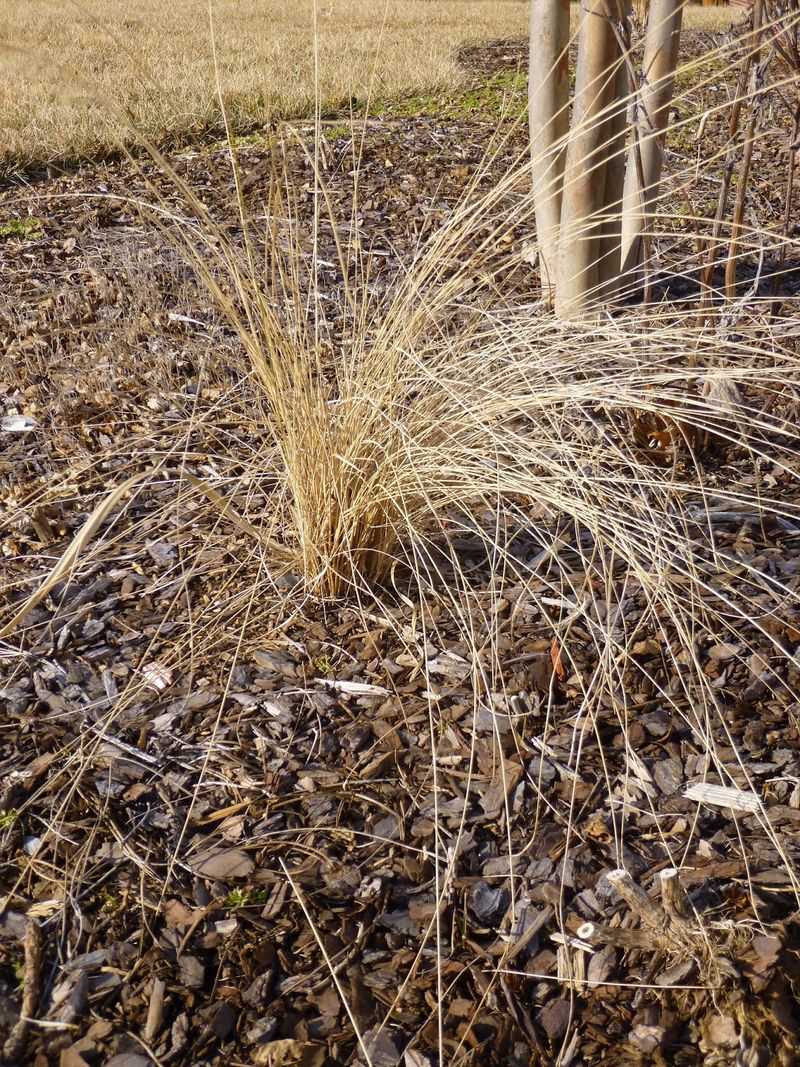
Patience pays off once the pink fades. Those tan seed heads still add texture through the cooler months, so there is no rush to trim them right away.
Late winter is usually the best time to cut back, just before fresh green shoots push up from the base.
In North Florida, that often lands around February. Gardeners farther south may see new growth earlier, so keep an eye on the clump instead of the calendar.
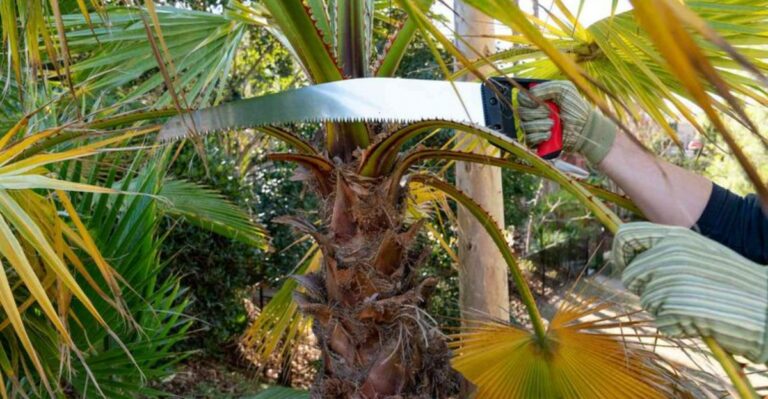
Hedge shears or a sharp pair of hand pruners work fine for the job.
Old foliage can be cut back before fresh spring growth begins. How heavily you trim depends on how much old growth needs to be removed.
Wear gloves and long sleeves while you work.
The leaves are thin but can be scratchy. Bundling the clump with twine first makes cleanup much faster, since you can lift the whole top away in one piece.
Skipping a year usually will not harm the plant.
Old growth will simply mix with the new, and the bloom may look a little messy the next fall. Older clumps that start thinning in the middle can be divided in late winter or early spring to refresh them.