Why Brooklyn Botanic Garden And Prospect Park Show Fall Color On Different Schedules
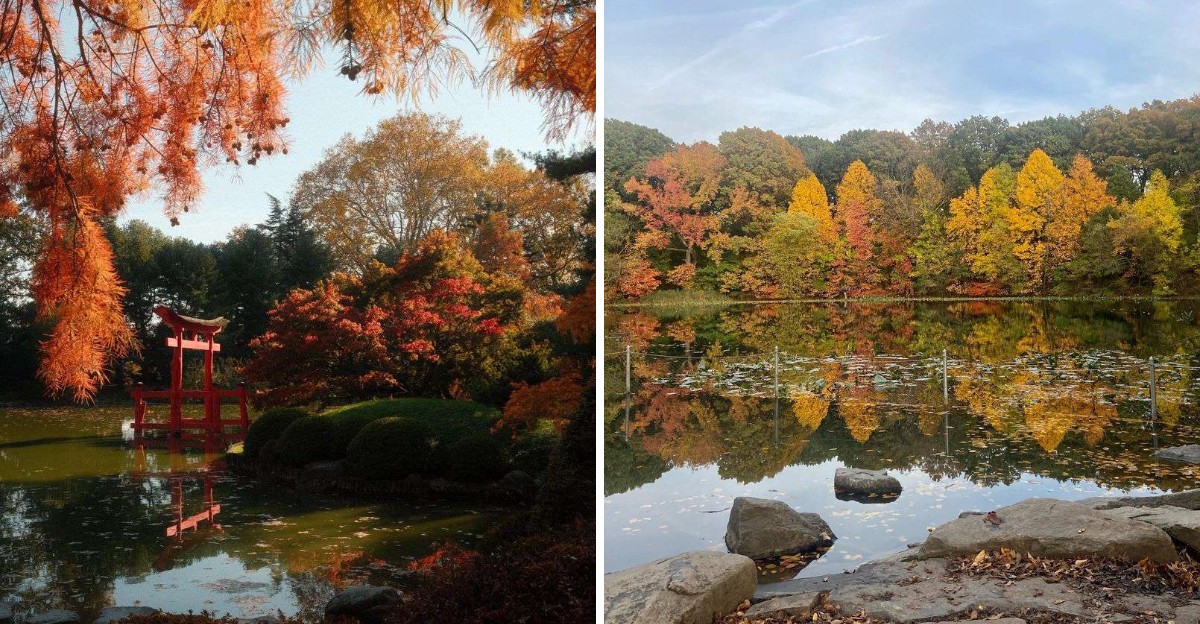
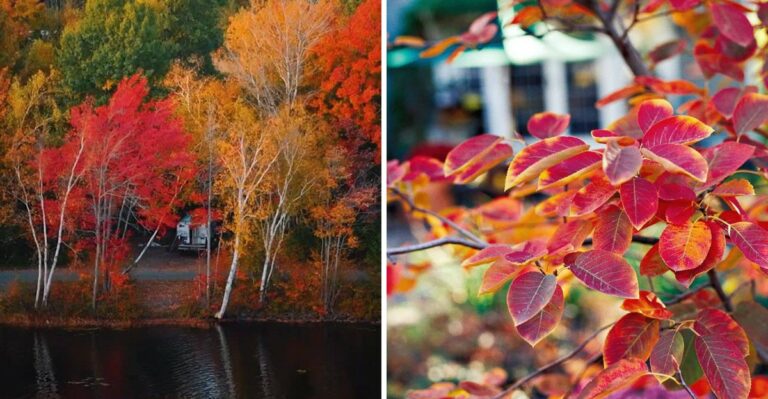
Two of Brooklyn’s prettiest green spaces sit side by side, yet their fall color doesn’t always peak together. One week the garden glows like a bowl of ripe peaches while the park still looks mostly green.
A few days later, the park bursts into gold while the garden starts dropping its maples. The reason has a lot to do with which trees grow where.
Different species turn on different schedules. Water, sun, and wind also move through each space in their own way.
Once you understand those quiet forces, you can plan smarter walks and catch more color. Timing a visit to each place can stretch your leaf-peeping season by weeks.
The Two Sit Side By Side
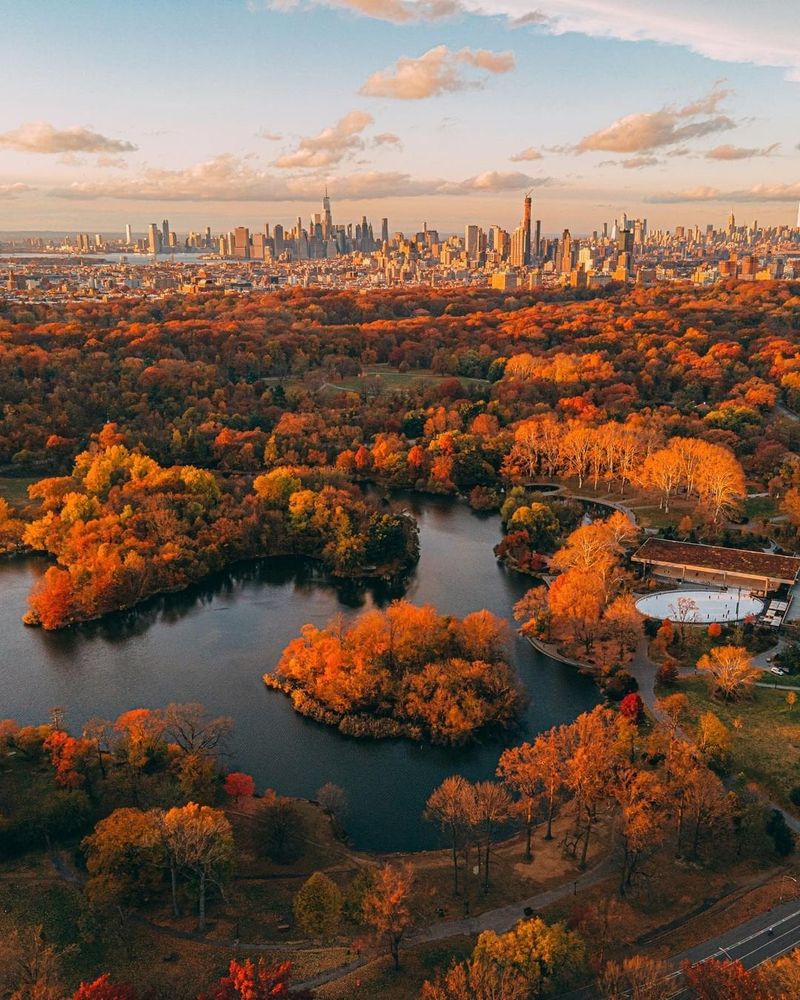
Picture two neighbors sharing a fence but keeping totally different calendars. Brooklyn Botanic Garden and Prospect Park are exactly like that.
Back in 1864, the city bought land for Prospect Park. Part of that same purchase later became the botanic garden.
Today the garden covers about 52 acres of carefully planted ground. Prospect Park is far bigger, stretching across roughly 585 acres.
Size matters more than you might think. A small garden can be planned plant by plant, while a big park works more like a living landscape.
Both spaces also share a border with the Brooklyn Museum. You can walk from one to the other in just a few minutes.
Because they are so close, many visitors expect matching colors. The weather is nearly the same, so why would the trees act differently?
Here is the fun part of the puzzle. Weather sets the stage, but the trees themselves and their surroundings decide when the show starts.
Each space was designed with a different goal. The garden shows off plants from around the world, while the park offers open lawns and woods.
Those choices from long ago still shape what you see each fall. A walk across the street can feel like stepping into another week.
Want a simple tip to start? Check photos posted by both places in early October, then compare them side by side.
You will likely spot the gap right away. Knowing it exists is the first step to enjoying a longer autumn.
Different Tree Collections Mean Different Timing
Ask a gardener why two trees change color at different times, and they will smile. The answer usually starts with what kind of tree it is.
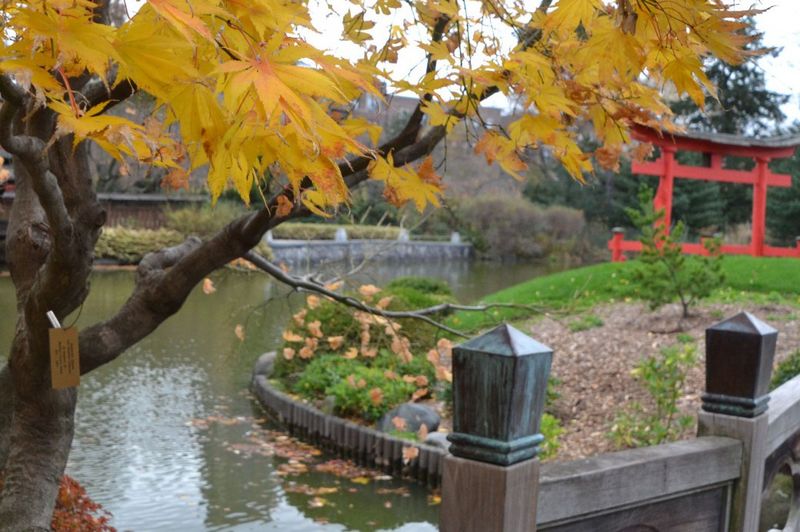
Brooklyn Botanic Garden grows a huge mix of plants, including many from other countries. Trees from Asia or Europe carry their own internal clocks.
Some species start turning in early October. Others wait until the nights get truly cold, sometimes weeks later.
Prospect Park takes a different path. It holds what many call Brooklyn’s only forest, filled mostly with trees that grew naturally here.
Some park trees date back to the 1800s. Native trees tend to follow local weather patterns they adapted to over thousands of years.
So the garden behaves like a world tour with many schedules at once. The park acts more like a hometown crowd moving together.
Your New York Garden Changes Every Week. Your Plan Should Too.
Gardening in New York changes quickly throughout the season. Every Friday you’ll receive a simple weekly plan showing exactly what to plant, prune, fertilize, harvest, and protect so you never miss the right timing.
Here is a helpful way to think about it. Mixed collections spread color out, while native groves often peak in bigger, bolder waves.
For your visit, read the plant labels at the garden. Many signs list where a tree comes from, which hints at its timing.
Jot down which trees look brightest on each trip. Over a few years, you will build your own personal color calendar.
Kids love this game too. Give them a notebook and let them track leaf colors like little scientists on a mission.
Before long, you will know which paths to choose each week. Smart planning beats luck every single time.
Japanese Maples Light Up The Garden Late
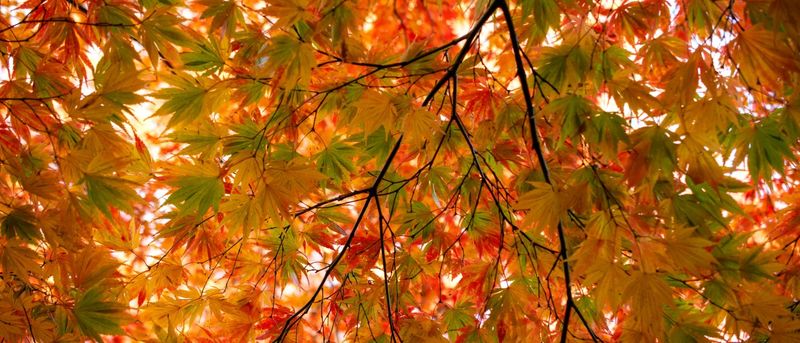
Some trees treat autumn like a grand finale, and Japanese maples are true showstoppers. At Brooklyn Botanic Garden, they often save their best for last.
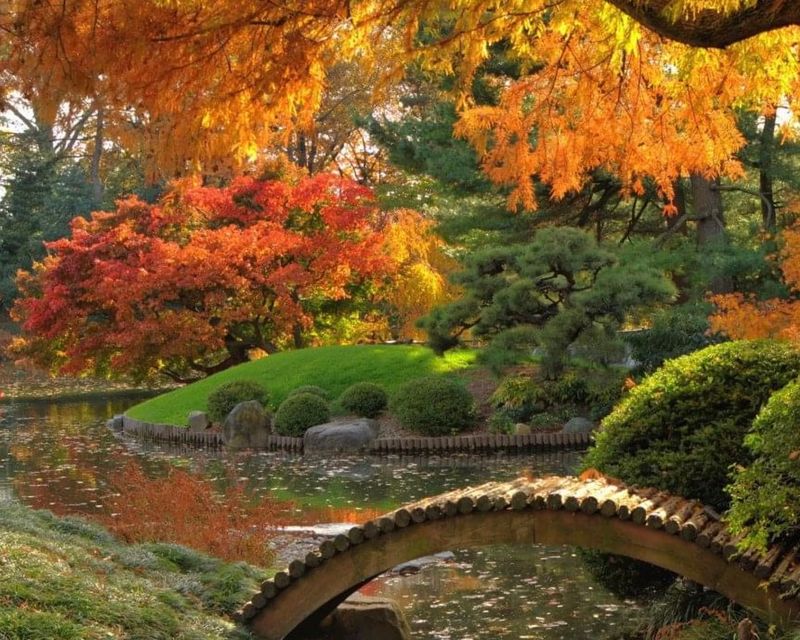
Head to the Japanese Hill-and-Pond Garden for the full effect. The maples there glow in orange, red, yellow, and even purple.
Three tall maples stand out, each reaching about 20 feet. They belong to a variety called Scolopendrifolium and turn rich red and purple.
Two graceful cutleaf maples add more drama. Their lacy leaves move from bright yellow to deep reddish orange.
Why do they peak later than many park trees? Many Japanese maple types simply hold their leaves longer in mild city weather.
The pond helps as well. Water nearby can soften chilly nights, giving the leaves a bit more time.
Photographers adore this spot for good reason. Still water mirrors the colors, so you get double the beauty in one picture.
Plan your trip for a calm, sunny morning if you can. Soft light makes the reds look warm instead of harsh.
Bring patience on weekends, since crowds gather here fast. Arriving at opening time gives you quieter views and better photos.
A small tip from regulars helps a lot. Walk the full loop slowly, because the best angles appear from the far side of the pond.
When the park trees start fading, check these maples. They may be just reaching their brightest moment.
Prospect Park’s Native Woods Follow Their Own Rhythm
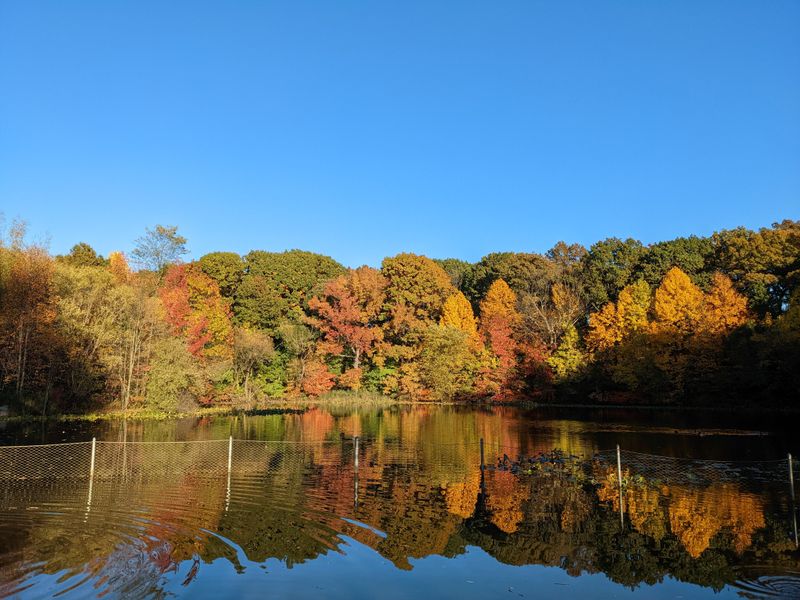
Step into the Ravine and the city noise starts to fade. Tall trunks rise around you, and the air smells like damp earth and leaves.
Prospect Park holds nearly 150 acres of woodland. The park calls the Ravine Brooklyn’s only forest, and some of its stands predate the park itself.
Many of these trees have stood since the 1800s. They grew up with Brooklyn and learned its seasons over many decades.
Native trees tend to respond to shorter days and cooler nights in a steady way. Their colors often roll through the woods like a slow wave.
Shady forest floors also stay cooler and wetter. That can shift timing compared with sunny garden beds just across the road.
Fun fact for curious readers: the botanic garden has its own Native Flora Garden. It shows plants that naturally grow around New York City.
Comparing the two is a neat experiment. You can see local plants in a tidy garden, then in a wild forest setting.
For the woods, wear sturdy shoes. Trails can get muddy and slippery when fallen leaves pile up after rain.
Go slow and look up often. The canopy usually changes before the lower branches, so the treetops give early hints.
Bring a small bag for trash you find along the way. Caring for these woods helps them keep glowing each fall.
Listen closely as you walk too. Birds busy with migration add a lively soundtrack to the colors.
Tulip Trees And Sweetgums Paint The Park Gold And Burgundy
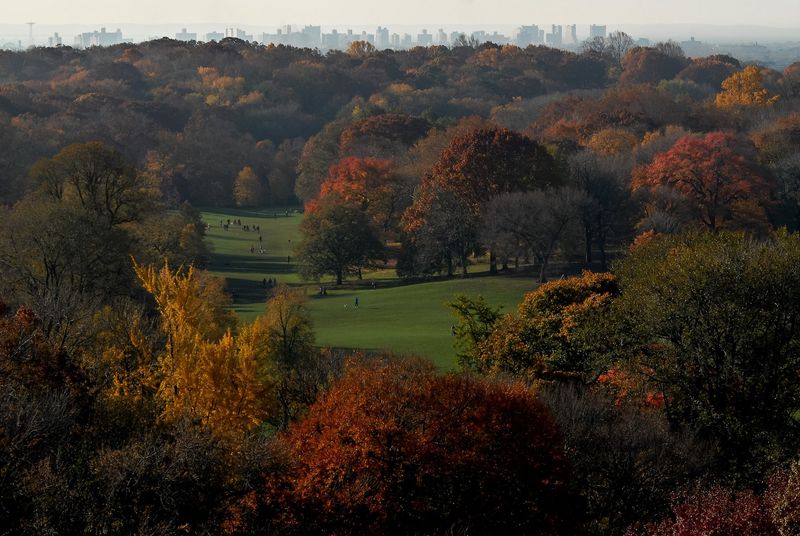
Golden and wine-colored leaves, all on one hillside? Prospect Park pulls off that combo thanks to two crowd-pleasing trees.
Tulip trees turn a bright, buttery yellow. Their leaves have a funny shape, almost like a tulip flower or a cat’s face.
Look for them around Lookout Hill, one of the park’s best color spots. The yellow canopy can feel like walking under sunshine.
Sweetgums bring the darker tones. Their star-shaped leaves shift into red, purple, and sometimes a deep burgundy.
Even better, one sweetgum can show several colors at once. Green, orange, and purple leaves may share the same branch.
Tulip trees often turn before sweetgums. So the park might glow gold first, then deepen into reds a little later.
Here is a handy trick. When Lookout Hill looks yellow, plan a return trip within a week or two for sweetgum colors.
Watch your step under sweetgums, though. Their spiky seed balls, sometimes called gumballs, can roll under shoes like marbles.
Kids enjoy collecting the leaves for crafts. Press them inside a heavy book for a few days to keep their shape.
Fun fact: tulip trees are among the tallest native hardwoods in eastern North America. Some reach over 100 feet in the wild.
Snap a photo looking up through both trees. Gold against burgundy makes a picture that feels like fall in a frame.
Watered Gardens Can Hold Leaves Longer
Thirsty trees often rush through fall. When soil turns dry, many trees drop leaves early to save water.
Botanic gardens usually watch moisture closely. Staff may water beds during dry spells to keep plants healthy.
Fall is a busy time underground. Roots keep growing as long as the soil stays moist and not frozen.
Many gardens use drip irrigation for this job. Small tubes send water right to the roots, so less is lost to the air.
Steady moisture can help leaves hang on a bit longer. Plants that are not stressed may color more slowly and evenly.
A big park works differently. Watering hundreds of acres of woods is not practical, so trees rely mostly on rain.
During a dry autumn, that gap can grow. Park trees may brown or drop earlier while garden trees still look fresh.
You can use this idea at home too. Water your own trees deeply in a dry fall, especially young ones.
Aim for slow, deep soaking rather than quick sprinkles. A soaker hose left on low works nicely.
Add a layer of mulch around the base as well. Keep it a few inches away from the trunk to prevent rot.
Healthy roots now mean a stronger tree next spring. Your yard may even reward you with brighter color next year.
Open Meadows And Sheltered Corners Warm Differently
Ever notice how one side of a street feels warmer than the other? Trees feel those small differences too.
Scientists call these little pockets microclimates. Sun, wind, water, and buildings all change the temperature in tiny areas.
Open meadows, like the Long Meadow, get lots of sun and wind. Nights there can feel colder as heat escapes into the open sky.
Sheltered corners stay cozier. Walls, hedges, and dense trees block wind and hold warmth after dark.
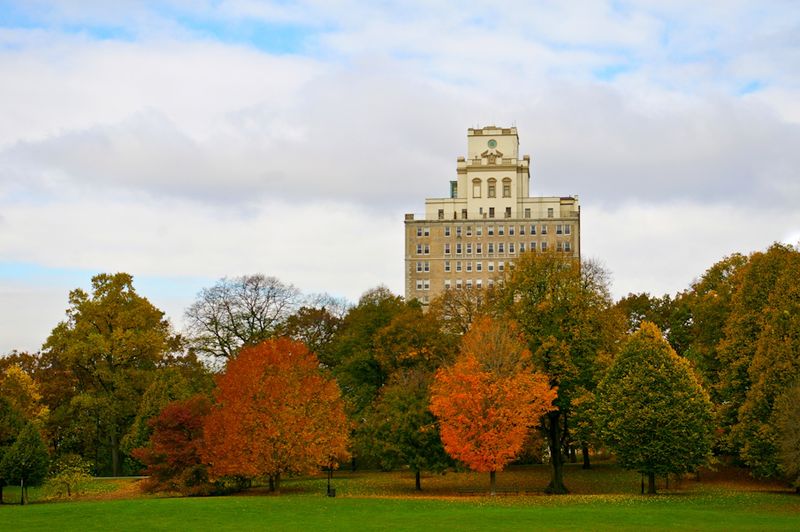
City buildings matter here as well. They trap heat overnight and cast shade by day, which can slow color changes.
Height plays a part, along with nearby water. A hilltop tree and a lakeside tree may turn on different weeks.
The botanic garden has many walled and tucked-away beds. Prospect Park has wide lawns, hills, and a large lake.
So even trees of the same type can disagree. One maple in a breezy field might glow earlier than its sheltered twin.
Try this on your next walk. Compare trees at the edge of a meadow with similar trees in a protected nook.
Bring a light jacket you can tie around your waist. Temperatures can shift as you move from open fields into shady paths.
Spotting microclimates turns a simple stroll into a treasure hunt. You may find bright color in places others walk right past.
Ginkgos Drop Their Leaves Almost Overnight
Blink and you might miss it. Ginkgo trees can go from fully dressed to bare in a single day.
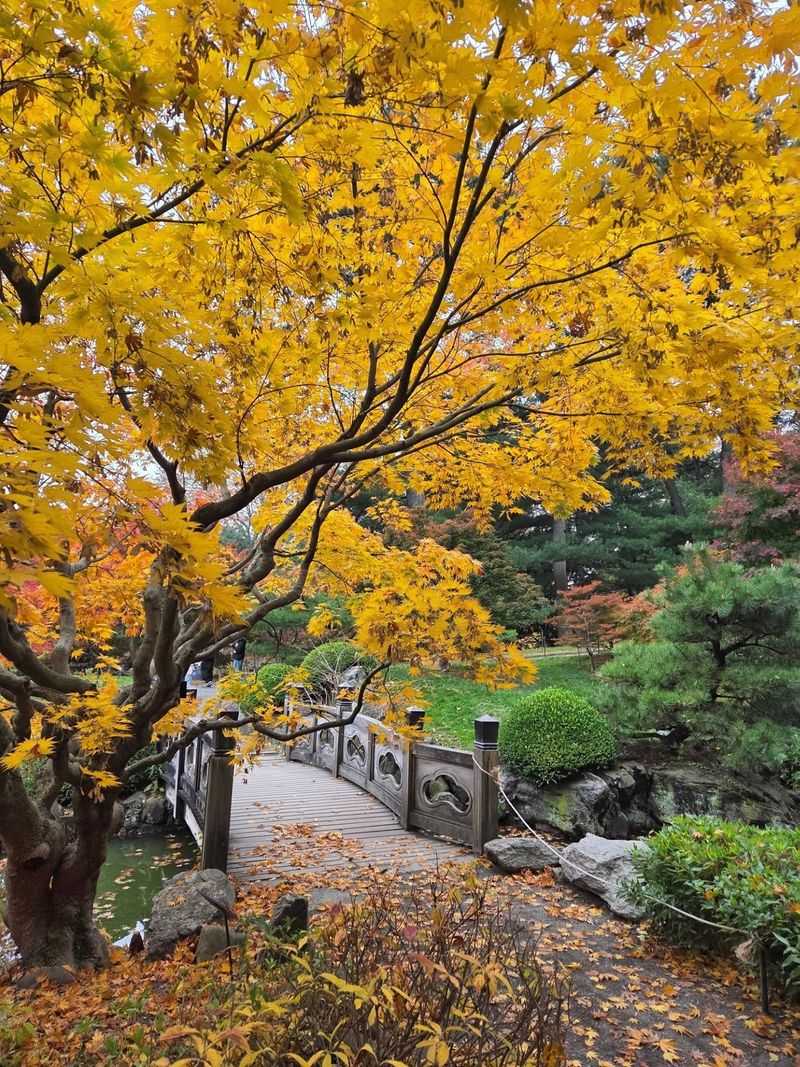
Their fan-shaped leaves turn a glowing golden yellow. For a short time, each tree looks like it is lit from inside.
Then something wild happens. Almost all the leaves fall together, sometimes within just an hour.
The secret is a protective layer the tree forms at every leaf stem at once. A hard frost then triggers the big drop.
What remains is a thick golden carpet on the ground. It is one of the most magical sights of autumn.
You can find ginkgos in both the botanic garden and Prospect Park. Since frost timing varies by spot, they may not fall on the same day.
Fun fact: ginkgos are often called living fossils. Their family has been around for roughly 200 million years.
Planning tip number one is simple. Watch the forecast, and visit the morning after the first hard frost.
Bring your camera and arrive early. Wind and foot traffic can scatter that perfect golden circle by afternoon.
One small warning helps too. Female ginkgos drop fruit with a strong, stinky smell, so watch where you step.
Still, the view is worth a wrinkled nose. Few trees put on such a quick, dazzling goodbye.
Oaks Hold Color Well Into November
Patient leaf lovers, this one is for you. Oaks are the slow and steady runners of the fall season.
Many oaks reach peak color from mid to late October. Their leaves move from green to wine red, orange, and finally deep brown.
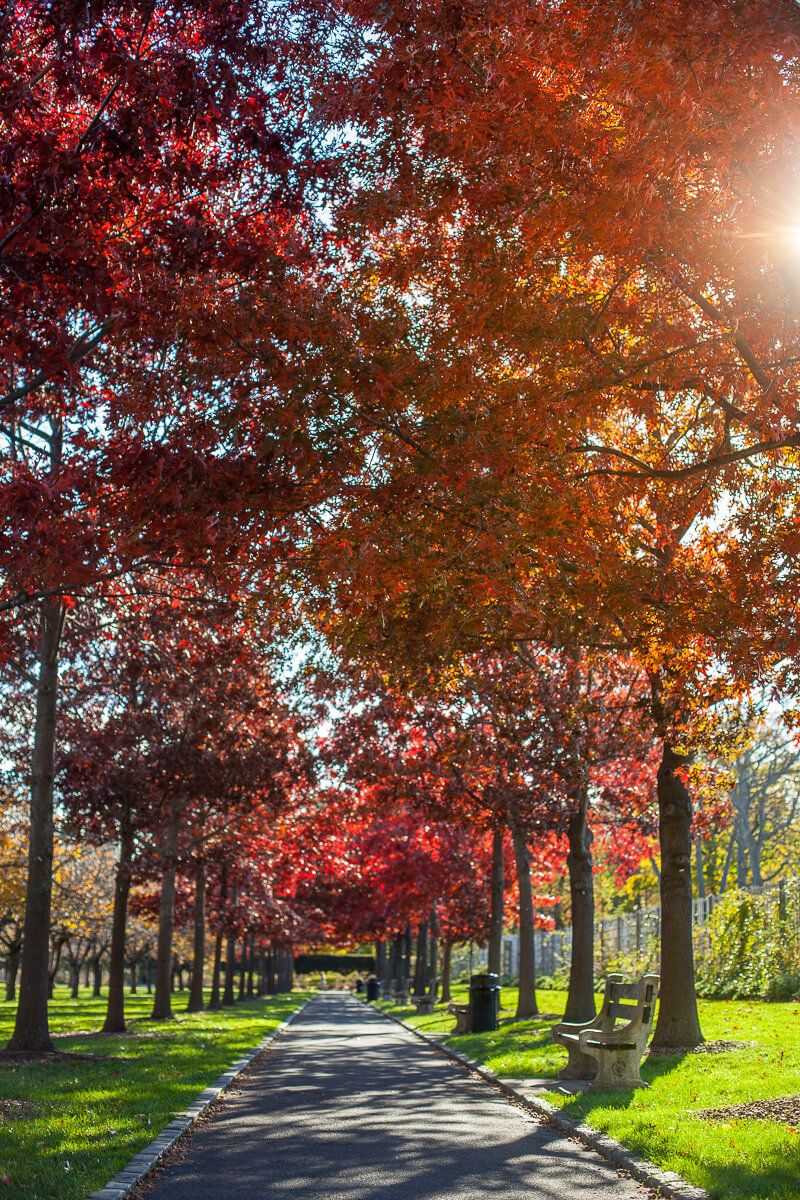
Some hang on even longer. Scarlet oaks along the Cherry Esplanade at the botanic garden often keep rusty red leaves into late November.
Picture that scene for a moment. Cherry trees stand bare, while the oaks beside them still blaze like embers.
Prospect Park has its own tall oaks, including scarlet oaks. They help the park stay colorful after many other trees are finished.
Why so late? Oaks tend to break down their green pigment slowly, so warmer tones linger.
Many oaks also keep dry leaves on branches into winter. Those papery leaves rustle in the wind and sound a bit like soft rain.
Here is a smart move for late-season fans. Save the Cherry Esplanade for your final fall visit of the year.
Crowds thin out by then, which feels like a gift. You can enjoy quiet paths and crisp air without bumping elbows.
Pack gloves and a thermos of cocoa. November mornings can feel chilly, but the warm reds help.
When friends say fall is over, you will know better. The oaks are still telling the story.
Visiting Both Stretches Your Season
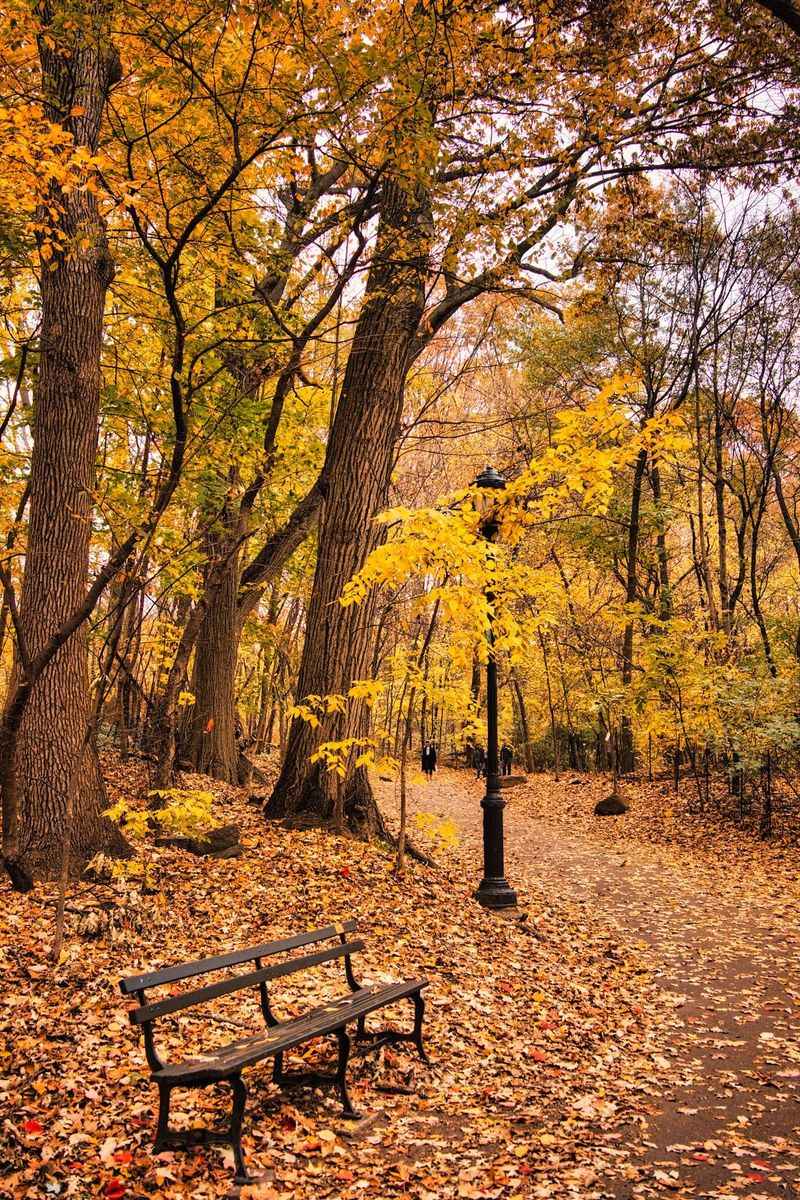
Why settle for one peak when you can enjoy several? Visiting both spaces can turn a short season into a long celebration.
New York City usually peaks from late October into early November. That is often weeks after upstate, thanks to warm buildings and shade.
The botanic garden starts showing strong autumn colors in October. Prospect Park often follows by late October, with some early trees turning sooner.
Horse chestnuts are one of those early birds. They can start changing before many other park trees wake up to fall.
With different trees and microclimates, the two spaces overlap but rarely match. That gap is your secret advantage.
Try a simple plan for a full season. Visit the park for early changers, the garden for maples, then both for oaks.
Keep a little fall journal or phone album. Date each photo so you can compare years and spot patterns.
Check the garden’s website for hours and ticket info before you go. The park is free and open daily, which makes quick visits easy.
Pair your walk with a picnic or a museum stop. The Brooklyn Museum sits right nearby for a cozy indoor break.
Above all, slow down and look closely. Each week offers a new mix of colors, smells, and sounds.
Brooklyn gives you two front-row seats to autumn. Use both, and fall might feel twice as long.