The Hedge Trimming Mistakes New York Homeowners Should Never Make This Late
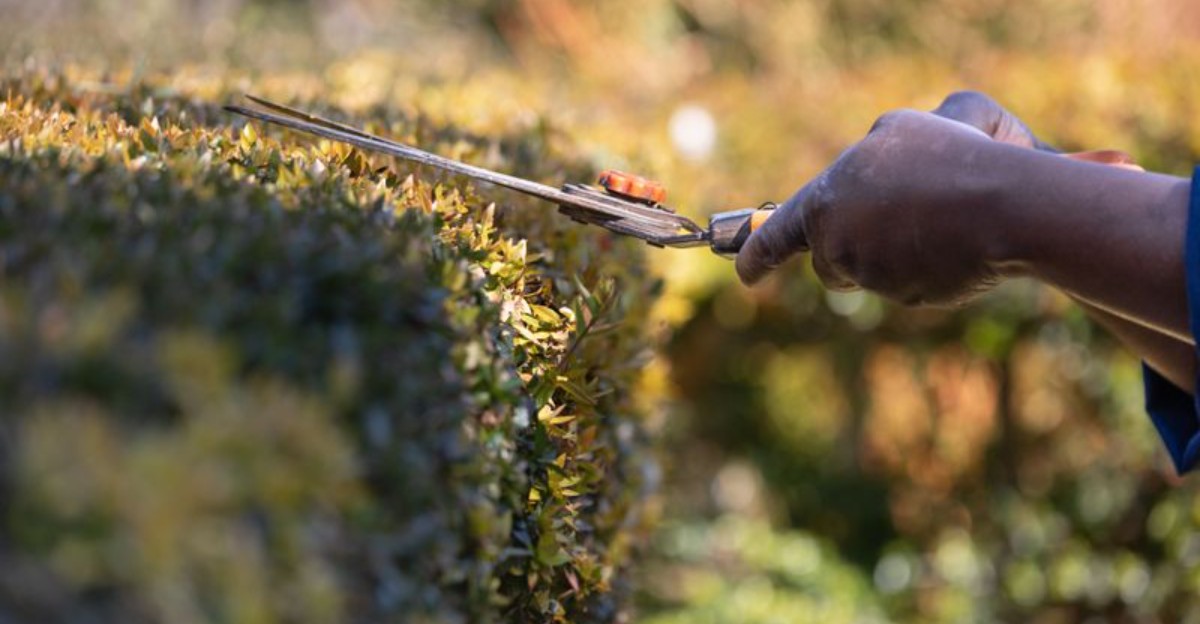
The buzz of hedge trimmers on an October afternoon feels oddly satisfying. Leaves swirl, the yard looks messy, and shaggy shrubs practically beg for a haircut.
The catch is that the calendar matters more than your motivation. A late cut can wake up tender new growth that never toughens before hard frost arrives.
Lilacs pay an even steeper price, since next spring’s flower buds are already set. One ambitious afternoon can erase May’s blooms before winter even starts.
Across New York, a few simple rules protect boxwoods, lilacs, and arborvitae from a rough winter. Some jobs are still safe right now, while others should wait until early spring.
The slip-ups below cost plenty of yards their best-looking shrubs every year. Each one comes with what smart homeowners do instead.
1. Heavy Trimming Can Push Out Tender New Growth
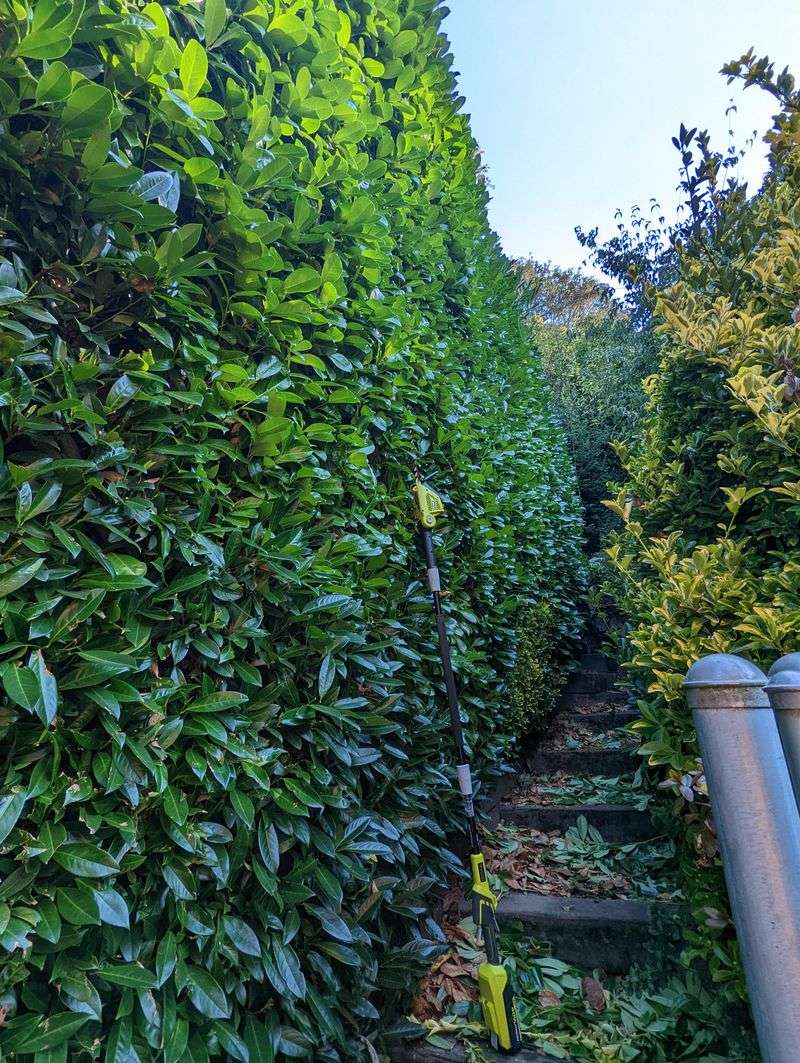
Picture a shrub that thinks spring has arrived in September. Heavy cuts send that exact signal, and the plant answers with soft, pale shoots.
Those fresh shoots look healthy for a few weeks. Then the temperature drops, and they turn black, mushy, or shriveled almost overnight.
The problem is timing, not the trimming itself. New growth needs roughly six to eight weeks of warm weather to firm up and harden.
Cut in late August or September across New York, and that window closes fast. Cold air arrives before the tender tips ever toughen into real wood.
Damage rarely stops at the surface either. Frozen shoots often rot, and the decay can travel back into older branches below.
Soft new growth also attracts trouble from fungus and insects. Wounds heal slowly in damp fall weather, giving spores an easy entry point.
Homeowners upstate tend to see this sooner than folks on Long Island. Either way, the safer move is finishing heavy trims by midsummer.
If your hedge already looks shaggy, try a light touch instead. Snipping a few stray tips is far gentler than a full shearing.
A handy rule: stop major cuts about two months before your average first frost. In much of New York, that means wrapping up by mid-August.
Waiting feels frustrating when the hedge looks unruly. Still, a slightly messy shrub beats a scorched one come March.
Mark your calendar now for next year’s trimming dates. Future you will appreciate a hedge that greens up instead of browning out.
2. Spring Bloomers Should Not Lose Next Year’s Buds
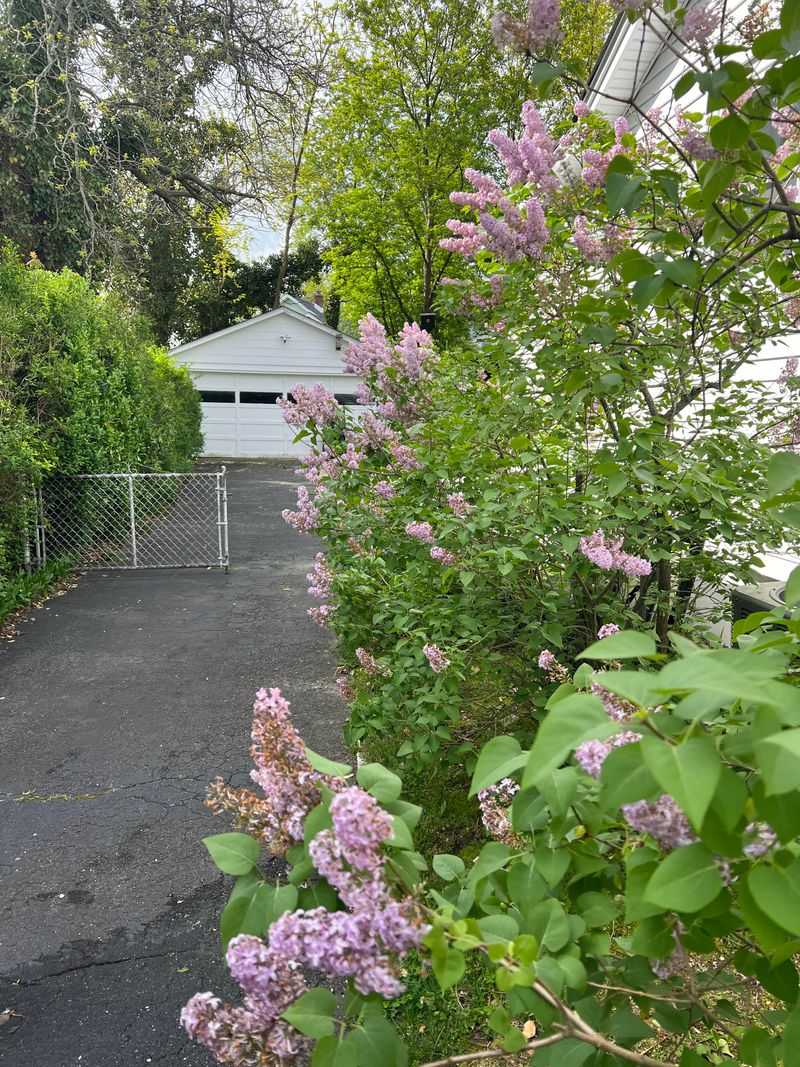
Here is a heartbreaker plenty of gardeners learn the hard way. You trim a lilac in fall, then wonder why spring brings leaves and almost no flowers.
Spring bloomers set their buds on old wood during the previous summer. By the time autumn arrives, next year’s show is already tucked into those stems.
Snip those stems and the flowers go with them. No amount of fertilizer or wishful thinking brings them back that season.
Lilacs, forsythia, azaleas, and rhododendrons all follow this pattern. Weigela and mock orange belong on the same watch list.
The fix is refreshingly simple once you know it. Prune these shrubs right after the blossoms fade, usually within a few weeks.
Your New York Garden Changes Every Week. Your Plan Should Too.
Gardening in New York changes quickly throughout the season. Every Friday you’ll receive a simple weekly plan showing exactly what to plant, prune, fertilize, harvest, and protect so you never miss the right timing.
That early window gives the plant all summer to build fresh buds. You get shape control and flowers, instead of picking one over the other.
Many homeowners inherit older lilacs that badly need thinning. Resist the fall urge and mark the calendar for late May or June instead.
A quick trick helps if you are unsure about a shrub. Look closely at the stems in fall for plump, rounded buds along older wood.
Fat buds mean flowers are already loaded and waiting. Cut elsewhere, or leave the plant alone entirely until after bloom.
Fun bit of history: lilacs were among the first ornamentals colonists planted here. Some New York dooryard lilacs are well over a century old.
Treat them kindly and they will outlast your patio furniture by decades.
3. Late Cuts Can Interfere With Winter Hardening
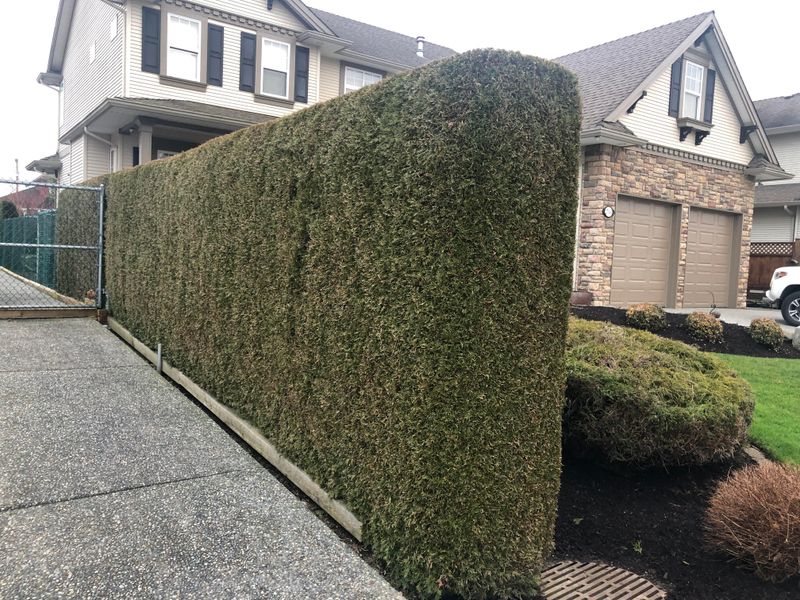
Plants have a quiet routine each fall that most people miss entirely. Sugars concentrate, cell walls thicken, and tissue slowly toughens against cold.
Gardeners call the process winter hardening. Interrupt it, and the whole shrub heads into December underprepared.
Fresh cuts throw a wrench into that rhythm. Instead of settling down, the hedge redirects energy toward patching wounds and pushing shoots.
Stored reserves get spent at the worst possible moment. Those reserves were meant to carry roots and stems through a long winter.
Open wounds create a second issue during damp autumn weather. Cool, wet air slows healing, so cuts stay exposed for weeks.
Fungal spores love an unsealed wound. Moisture also escapes through those openings, drying out branches when the ground freezes solid.
You can often spot the results by late February. Whole sections look tan, brittle, or scorched while nearby untouched branches stay green.
Around the Hudson Valley and Finger Lakes, hardening usually wraps up by late October. Anything cut during that stretch carries extra risk.
A smarter approach is easing off the trimmers after August. Let the hedge coast into dormancy without extra demands on its energy.
Watering matters here too, oddly enough. A deep soak in late fall helps evergreens and deciduous hedges enter winter hydrated.
Skip the fall nitrogen fertilizer as well, since it works against hardening. Feeding and heavy trimming both tell the plant to grow when it should rest.
4. Lifeless And Damaged Branches Are A Different Story
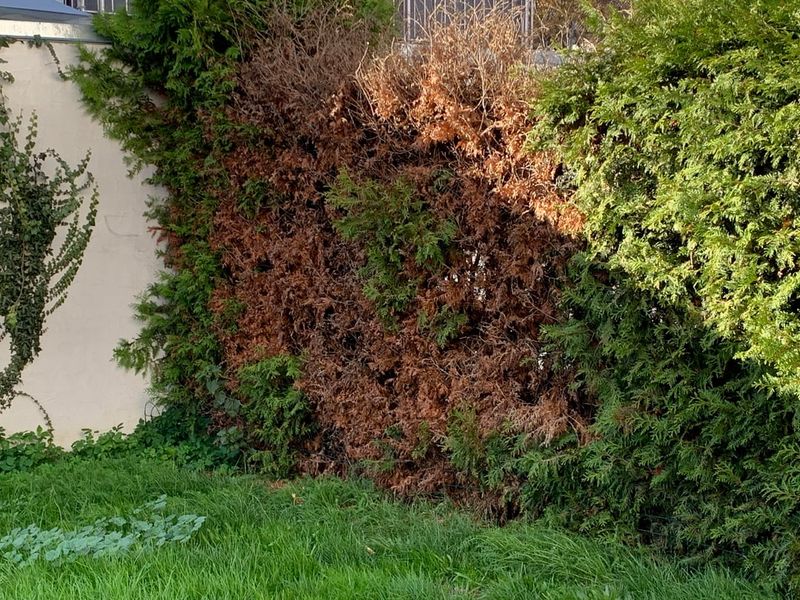
Not every cut counts as a mistake in October. Removing broken, diseased, or lifeless branches stays fair game year-round.
Those branches are not contributing anything anyway. Taking them out will not trigger the tender new growth that heavy shearing causes.
Storm damage is common across the state after windy fall nights. Cracked limbs left hanging can tear bark and invite rot.
Clean removal protects the healthy wood around the break. A sharp pruning cut heals far better than a jagged split.
Disease cleanup deserves even quicker attention. Cankers, blight, and fungal patches spread when infected wood stays put.
Cut several inches below any visible damage, into clean tissue. Wipe your blades with rubbing alcohol between cuts so you are not spreading trouble.
Thinning out this junk wood does something nice for the hedge. Air moves through more freely and sunlight reaches the interior leaves.
Better airflow means less mildew next summer. Interior foliage also stays alive, which keeps the hedge full rather than hollow.
How do you tell if a branch is truly finished? Scratch the bark lightly with your thumbnail and look underneath.
Green means the branch is still alive and worth keeping. Brown and dry means it has already checked out.
Bag diseased trimmings for the trash, or burn them only where state rules allow, instead of composting them. Backyard compost piles rarely get hot enough to neutralize plant pathogens.
Keep a small pair of hand pruners near the door. Ten minutes of cleanup beats a weekend rescue mission later.
5. Formal Hedges Still Need The Right Pruning Window
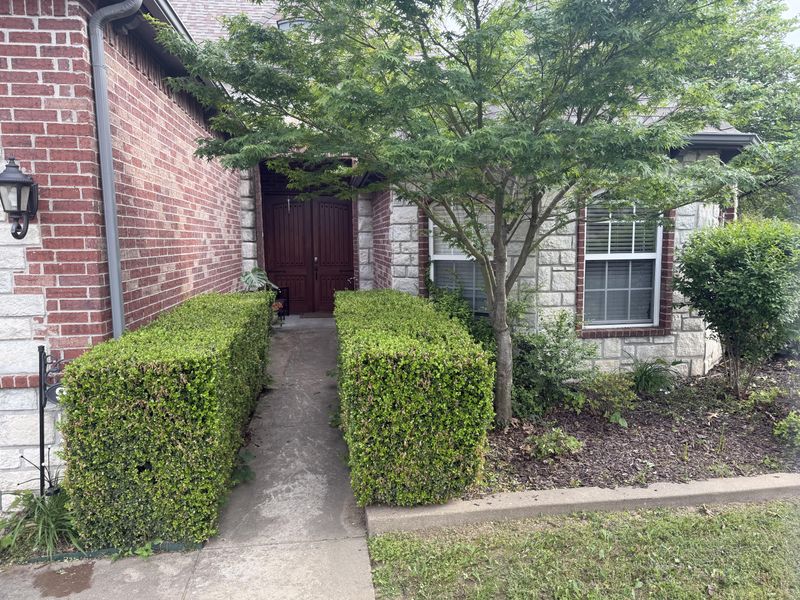
Formal hedges are the fussiest plants in the yard, and they know it. Boxwood, privet, and hornbeam demand crisp lines that only regular attention delivers.
Regular does not mean constant, though. Timing still decides whether those sharp edges survive winter intact.
Structural cuts belong in late winter or very early spring. During dormancy, the plant tolerates reshaping without wasting stored energy.
Light touch-ups then follow in early and midsummer. Two or three quick passes keep a formal hedge looking tailored all season.
Where homeowners slip is the extra fall shearing. A September cleanup feels tidy but sets the hedge up for cold injury.
Yew and privet handle autumn slightly better than most. Even so, stop well before growth resumes and cold weather settles in.
Shape matters as much as schedule with formal hedges. Keep the base slightly wider than the top so sunlight reaches the lower branches.
That gentle taper prevents the bare-bottom look so common in older yards. Snow also slides off a tapered top instead of splaying the crown.
String lines and stakes help enormously if you want straight edges. Professionals use them, and the results speak for themselves.
Sharpen your shears before every session too. Clean cuts seal faster and leave fewer frayed, browning leaf tips.
A little trivia: privet hedges became popular here partly because they grow fast. Fast growth means more trims, so pick your plant knowing the workload.
6. Evergreen Hedges Deserve Extra Winter Caution
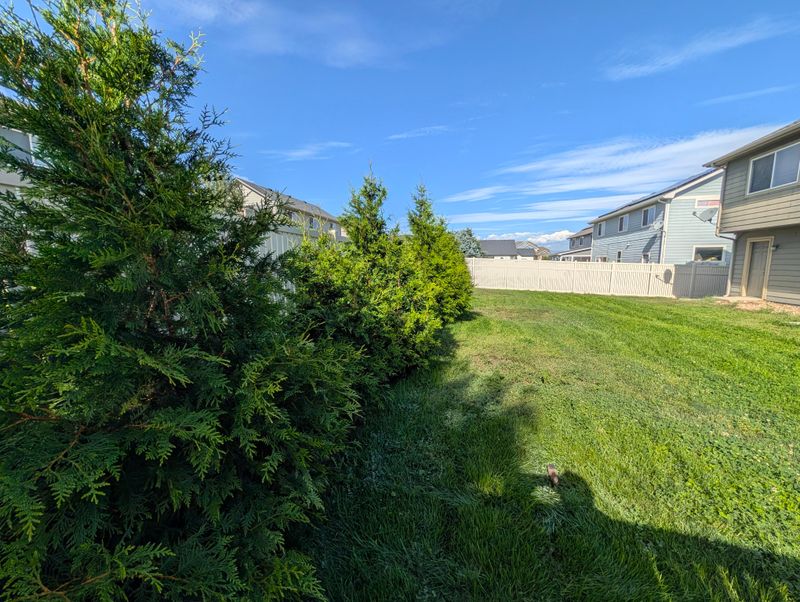
Evergreens carry their entire wardrobe through winter. Strip that outer layer late in the year and they face the cold underdressed.
Arborvitae, yew, juniper, and spruce all fall into this group. Their needles handle wind, sun, and snow load better than bare stems do.
There is a second catch with conifers specifically. Most will not sprout new shoots from old, bare inner wood.
Cut past the green growth and you get a permanent hole. No amount of patience fills that gap back in.
Yew is the friendly exception among common evergreens. It resprouts from older wood, which is why it handles heavy renovation well.
Arborvitae does not share that talent. Trim only within the living green shell and you will stay out of trouble.
Across New York, late August makes a sensible cutoff for evergreen work. Anything later leaves fresh growth exposed to early frosts.
Winter burn is the other threat worth mentioning. Bright winter sun plus frozen roots dries needles into a rusty brown.
A well-timed trim helps the hedge keep enough foliage to shade itself. Burlap screens on the windward side help too, especially near open fields.
Heavy snow is a real hazard for columnar arborvitae. Loosely tying the stems together in November keeps them from splaying apart.
Knock snow off gently with a broom, brushing upward rather than down. Frozen branches snap easily, and a broken leader ruins the shape for years.
7. Save Major Reshaping For The Proper Season
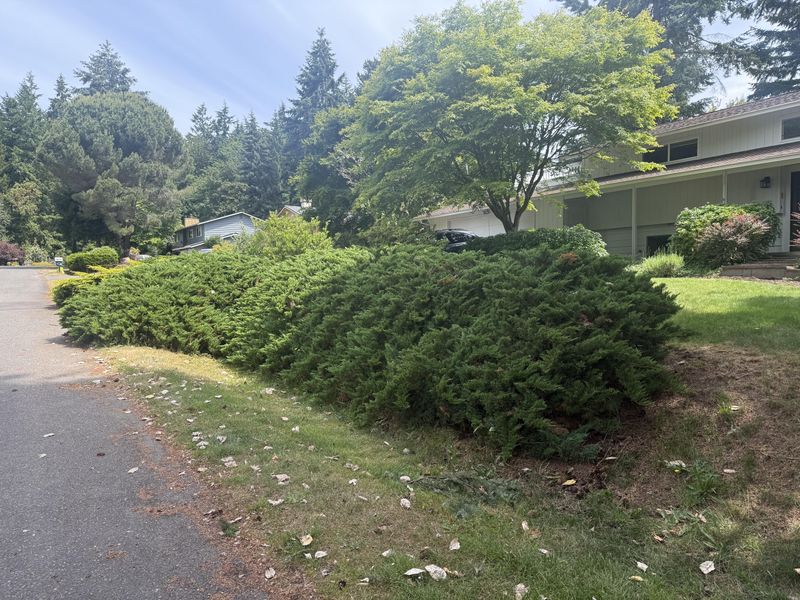
Every neighborhood has one hedge that got away from everybody. It swallowed a walkway, blocked a window, and now looks less like a hedge than a green wall.
Renovation is absolutely possible. Doing it in October, however, is asking for disappointment.
Late winter through early spring is the sweet spot for big structural work. Buds have not broken yet, so the plant wastes nothing.
Cut then, and the hedge gets a full growing season to refill. By August it often looks better than it has in years.
Going aggressive all at once carries its own risk. Removing most of a shrub in one session shocks the roots badly.
Spreading the work over two or three years works far better. Take one side the first year, the other side later.
Deciduous hedges like privet and hornbeam bounce back readily. They can often handle a hard cut down to knee height in March.
Overgrown lilacs respond well to renewal pruning too. Remove a third of the oldest stems at ground level each year.
In New York, aim for that window after the worst cold passes but before buds swell. Mid-March into early April usually fits.
Feed and water generously after a major cut. Recovery takes energy, and a stressed hedge appreciates the support.
Snap a photo before you start so you can track progress. Watching a shaggy monster turn into a tidy screen is weirdly satisfying.
8. Trimming Too Much From The Hedge Before Winter
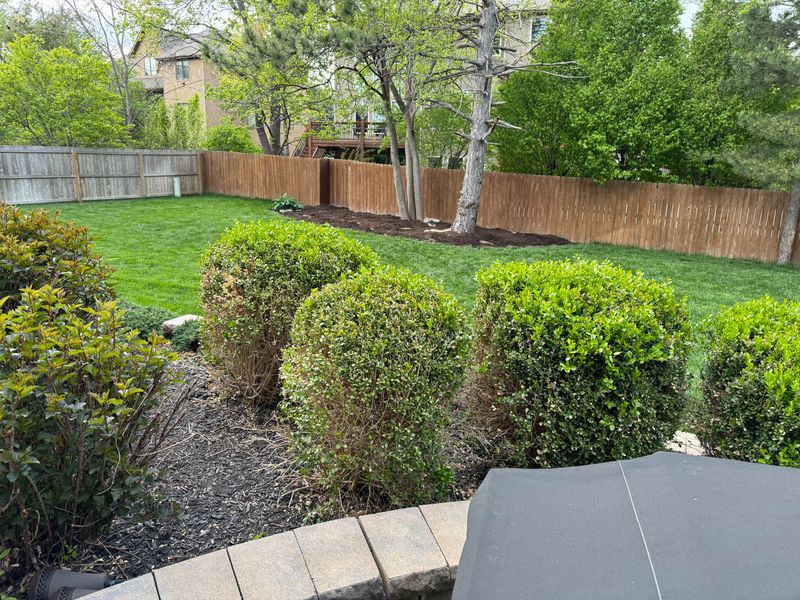
Scalping a hedge is the fastest way to regret a Saturday. The yard looks neat for about a week, then reality sets in.
Leaves are the engine of the plant. Take away too many and the hedge has nothing left to fuel itself.
Gardeners follow the one-third rule for good reason. Removing more than a third of the growth at once stresses most shrubs hard.
Stress in October compounds quickly. The plant has no warm weeks left to rebuild what you removed.
Over-cutting also exposes inner woody stems that never see light. On many species, those bare sticks stay bare permanently.
Foliage acts like insulation during winter. Strip it away and cold air reaches vulnerable stems directly.
There is a practical measuring trick that helps. Before you start, decide how many inches you plan to remove and stick to it.
Standing back every few minutes prevents the classic creep. Most over-trimming happens gradually as people chase one uneven spot after another.
Electric trimmers make the problem worse because they move so fast. Hand pruners force a slower, more thoughtful pace.
If your hedge is already overgrown, accept a taller shrub this winter. Plan the real reduction for March instead.
Homeowners consistently get better results by trimming little and often. Three light passes through summer beat one desperate autumn hack job.
Your hedges will reward the restraint with dense, healthy growth next spring.