Why Diablo Winds Pose A Bigger Threat To California Gardens Than Many Homeowners Realize
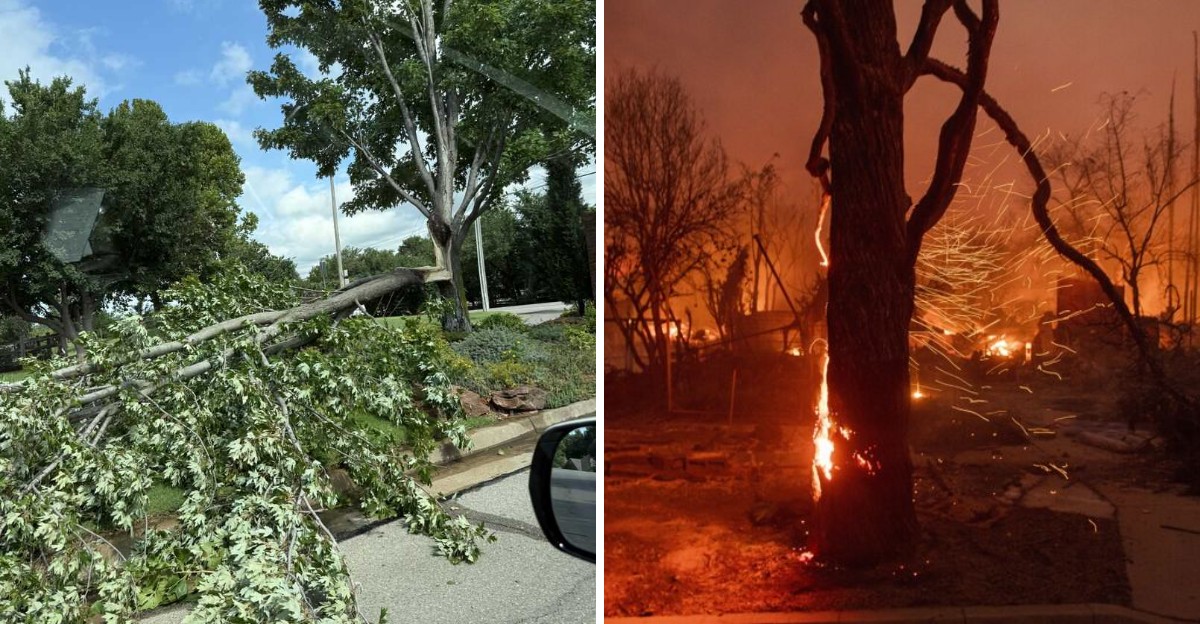
October in Northern California carries a hidden weather pattern that often catches gardens off guard. It arrives without storm clouds, often after dark, and leaves little visible damage at first glance.
By morning, though, a yard can look strangely tired. Leaves curl, soil pulls away from bed edges, and pots feel suspiciously light.
These episodes tend to strike at the worst possible moment in the gardening year, when plants have little left in reserve.
The effects reach beyond wilted foliage, touching tree limbs, tender seedlings, and even the safety of homes near open land.
Most of the harm can be softened ahead of time, and the yards that fare best usually prepare long before the first gust rattles the fence.
Bone Dry Air Pulls Moisture From Leaves Fast
A wet towel hung outside on a breezy, dry day dries in minutes rather than hours. Plant leaves face the same kind of pull during a Diablo wind event.
The National Weather Service notes that humidity during these offshore winds can drop into the single digits or teens. Air that dry acts like a sponge.
Leaves release water through tiny pores, and wind sweeps that moist air away before it can settle around the plant. UC ANR explains that this speeds water loss far beyond what roots can replace.
Soil suffers, too. The top few inches can dry out in a single afternoon, especially bare ground without mulch.
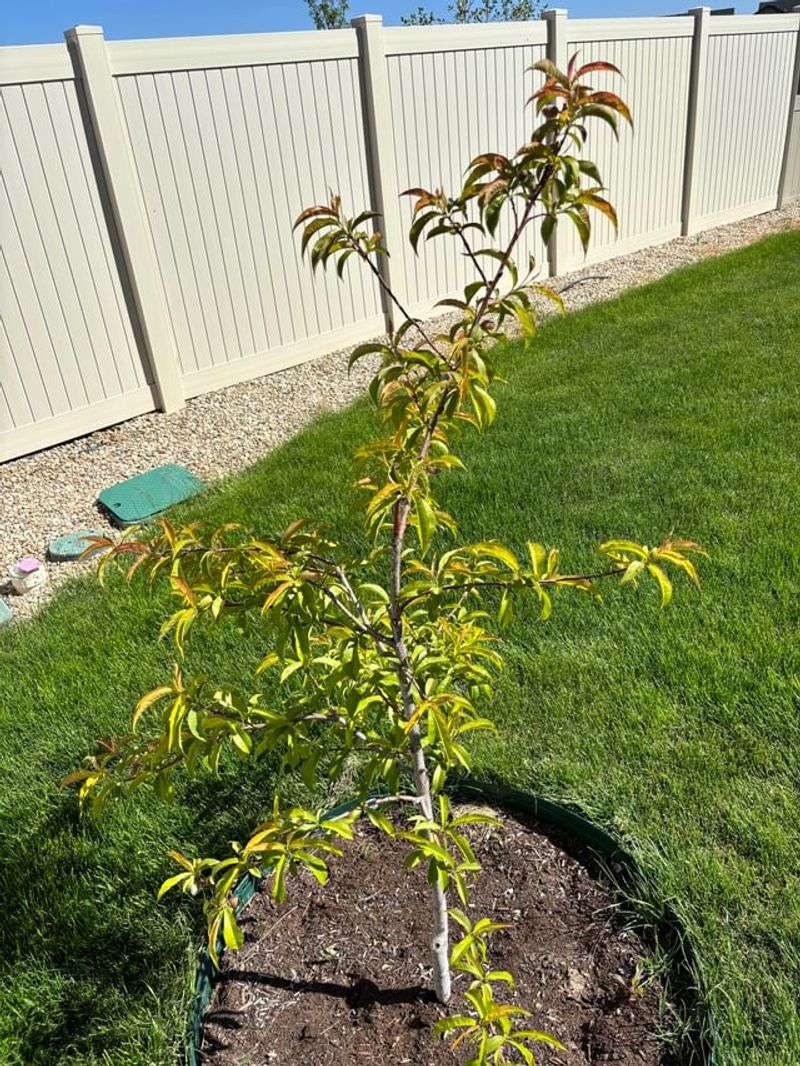
Roots near the surface lose access to water right when leaves demand more of it. Curling, drooping, or browning leaf edges often signal trouble.
Thin, soft leaves on hydrangeas, ferns, and Japanese maples usually show damage first. Tough, waxy leaves on many native shrubs handle dry air better.
A deep watering a day or two before forecast winds helps plants start with a full tank. Slow watering lets moisture soak down to the roots instead of running off.
Two to four inches of mulch afterward holds that moisture in place. Keeping mulch a few inches away from stems and house walls adds a layer of safety.
Local water agency rules and watering days still apply, since many California cities set limits. A little planning within those rules goes a long way.
Gusts Snap Branches And Topple Tall Plants
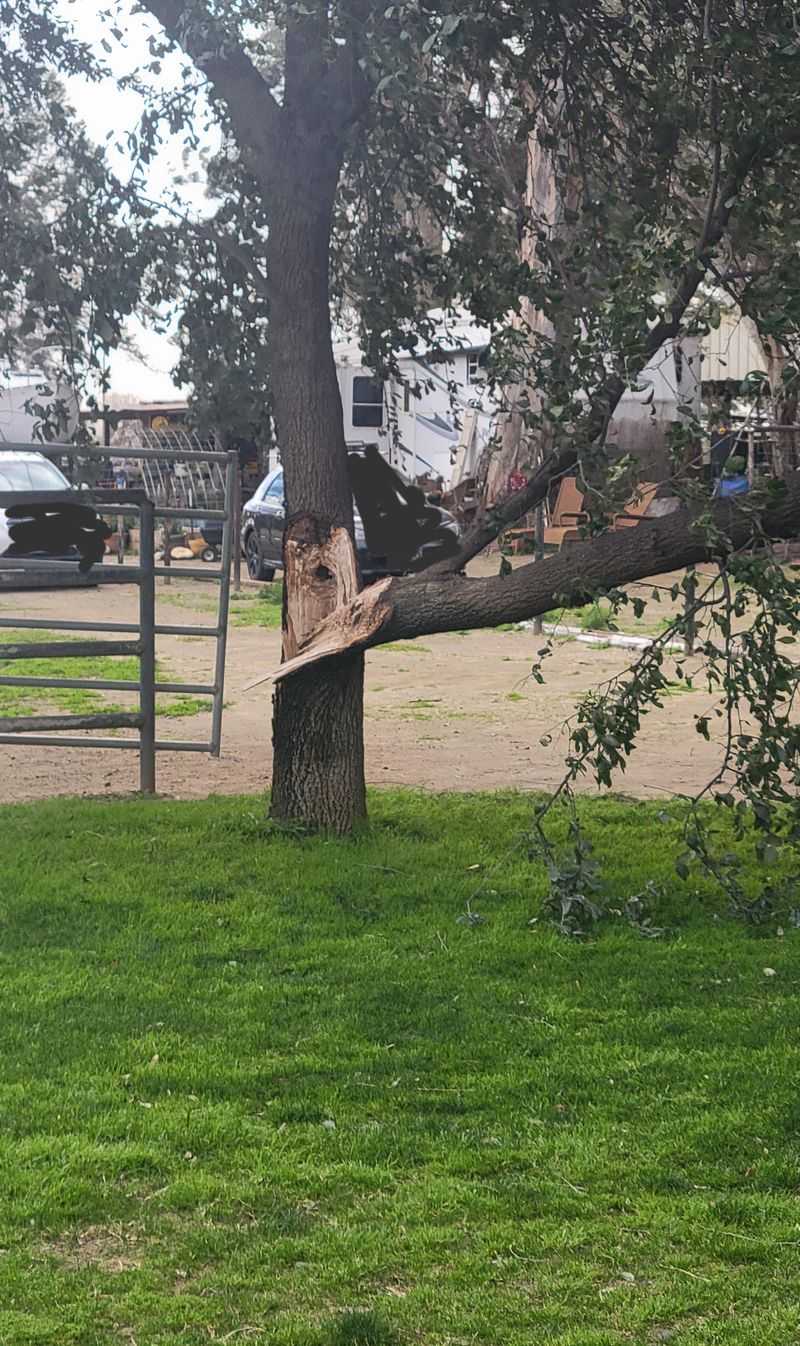
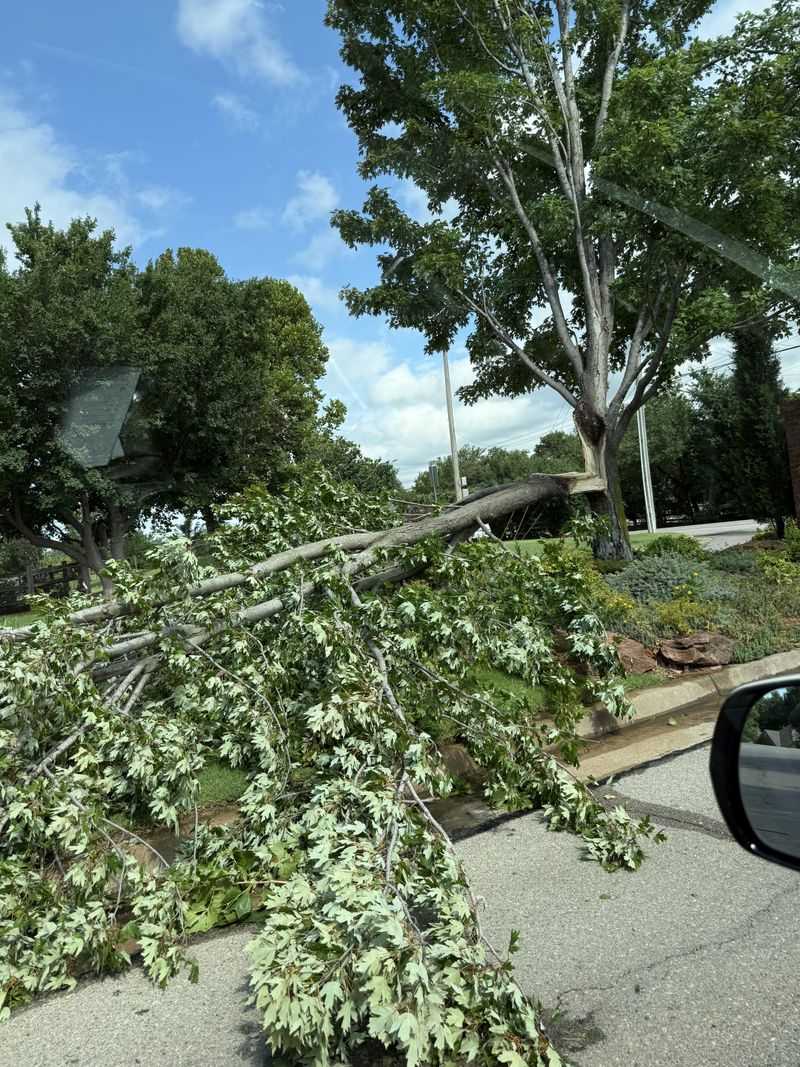
A sharp crack in the night often means a limb has given way. By sunrise, a branch the size of an arm might be lying across the lawn or patio table.
Diablo gusts can be powerful, especially on ridges, in canyons, and on hills where wind speeds up as it pours downslope. The National Weather Service has recorded strong gusts in the Bay Area’s higher terrain during big offshore events.
Trees with weak branch joints, heavy tops, or old damage tend to fail first. Tall plants face their own troubles.
Sunflowers, tall salvias, staked tomatoes, and young trees can lean or tip over entirely. Roots in dry, loose soil lose some of their grip.
A plant that stood firm in spring may suddenly sway like a loose fence post. A walk around the yard before fire season, with eyes turned upward, helps catch problems early.
Your California Garden Changes Every Week. Your Plan Should Too.
Gardening in California changes quickly throughout the season. Every Friday you’ll receive a simple weekly plan showing exactly what to plant, prune, fertilize, harvest, and protect so you never miss the right timing.
Brittle branches, cracked limbs, and limbs hanging over the roof deserve attention. Big trees are best left to a certified arborist rather than a homeowner on a ladder with a saw.
Thinning a dense canopy lets wind pass through instead of pushing against it like a sail. Stakes and ties on young trees also deserve a check.
They work best snug but flexible, letting the trunk move a little and build strength.
Hanging baskets, patio umbrellas, and lightweight furniture are safer brought inside, since flying objects can damage plants, windows, and anyone nearby.
The Winds Arrive Before The Rains Return
Timing makes all the difference here. By October, most Northern California gardens have gone five or six months with little or no rain.
The soil is parched, and many plants are running on fumes. California’s Mediterranean climate brings wet winters and long, dry summers.
Diablo winds tend to show up in fall, often September through November, before the first soaking storms arrive. The wind strikes at the worst moment, when the tank already sits low.
The situation resembles a car climbing a steep grade with the fuel light blinking. Plants that shrug off a windy March day, with damp soil and cool air, can struggle badly in October.
Deep soil moisture is mostly gone by then. Roots have little reserve to draw from.
Many homeowners also cut back watering in early fall, figuring the hot season has ended. Cooler nights make the garden seem less thirsty.
Then a wind event hits, and plants that seemed fine suddenly wilt. A steady watering routine until real rain returns, within water agency rules, helps prevent that surprise.
A finger or trowel pushed a few inches into the soil gives a quick moisture check. Dry, dusty soil usually means thirsty plants.
New shrubs and trees are best held until the rainy season settles in. That timing gives them a gentler start, with fewer windy shocks during their first weeks in the ground.
Fall Heat Often Comes Along With Them
Fall in the Bay Area doesn’t always mean sweater weather. Some of the hottest days of the year land in late September and October, and Diablo winds often play a part.
As air flows down from higher ground toward the coast, it gets compressed and warms up. The National Weather Service explains that this sinking air also dries out as it heats.
Coastal spots that usually enjoy cool fog can see surprisingly hot afternoons. Sometimes no ocean breeze arrives to cool things off at night.
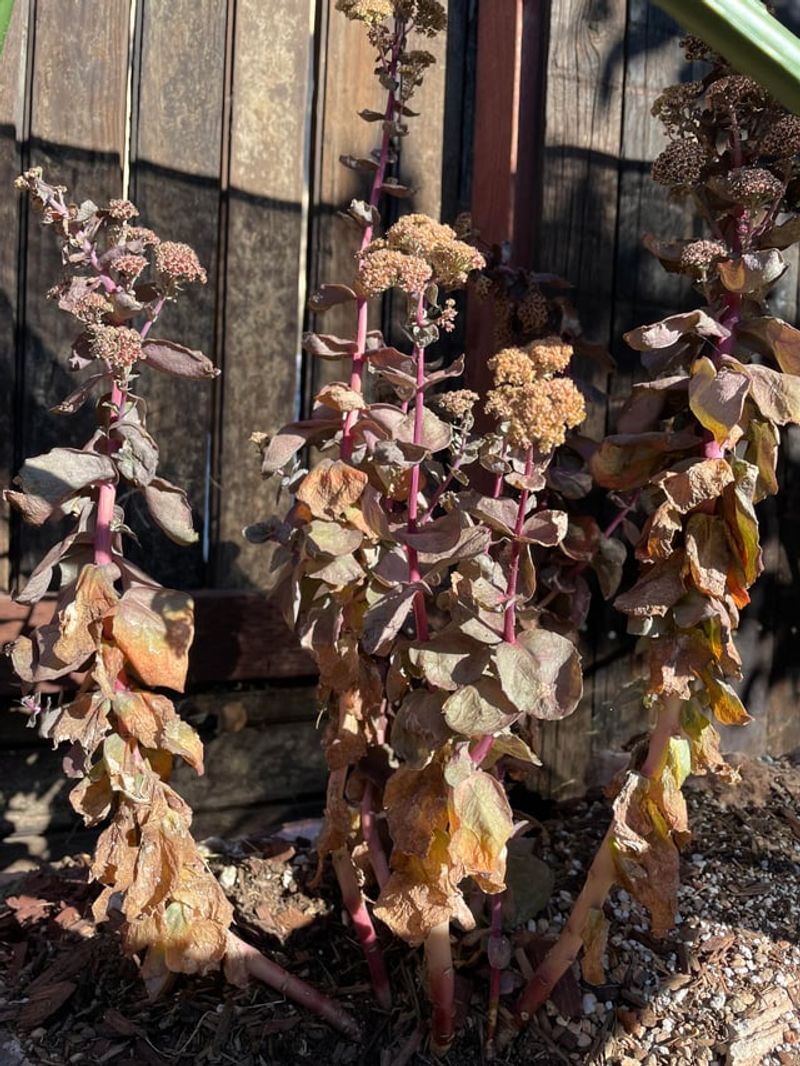
For plants, heat plus dry wind makes a double whammy. Warm leaves lose water even faster, and UC ANR notes that heat stress can scorch foliage, drop flowers, and damage fruit.
Sunburn on tomatoes, peppers, and young citrus is common during these spells. Tender new growth often browns first.
Plants accustomed to mild coastal weather tend to have the hardest time. A fuchsia that thrives in foggy San Francisco may sulk badly when warm, dry wind blows in from inland.
Shade cloth can help a lot. Draped over vegetable beds or tender shrubs and secured well, it shields plants without turning into a kite.
Early morning watering sends plants into the heat well supplied. Fertilizing and heavy pruning are best postponed during hot, windy weather.
Both push out soft new growth that scorches easily. Waiting until calmer, cooler days arrive keeps plants focused on recovery.
Embers Travel Far On Strong Offshore Winds
A wildfire miles away might seem like someone else’s concern. During a strong wind event, though, distance offers less protection than many people assume.
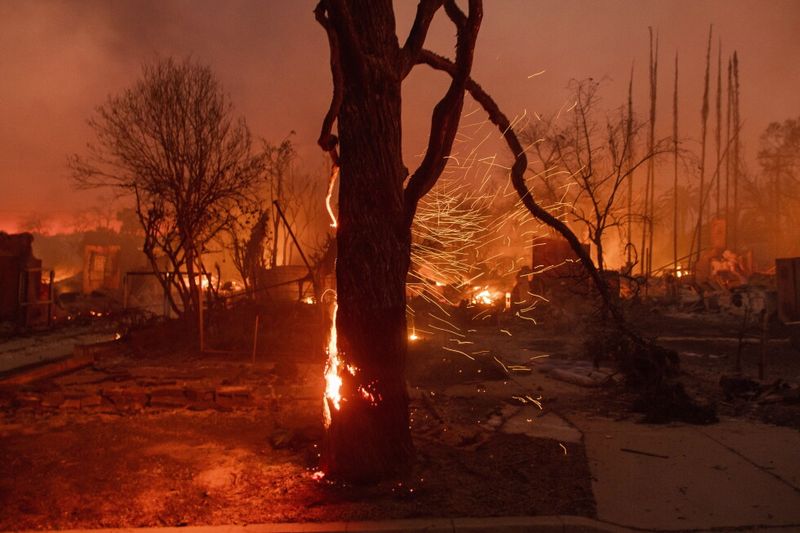
CAL FIRE reports that flying embers are a major cause of homes catching fire during wildfires. Strong winds can lift burning bits of bark, leaves, and wood and carry them far ahead of the main fire.
Those embers can land in gutters, on decks, in mulch, or in dry shrubs. Each landing spot can spark a new spot fire.
Yards bordering open grassland, brush, or forested hills face the greatest risk. Many Bay Area neighborhoods sit right against this kind of land, in what officials call the wildland-urban interface.
Some of California’s most destructive fires spread during offshore wind events like these. A garden can either catch embers or resist them.
CAL FIRE recommends an ember-resistant zone within five feet of the home. Gravel, pavers, or concrete work well there, while wood mulch, dry plants, and stored firewood are best kept farther out.
Clean gutters and roofs, along with vents covered in fine metal mesh, add more protection. Red Flag Warnings call for extra alertness.
County emergency alerts, a packed go-bag, and known routes out all help households respond quickly. Plants can be replaced, but people and pets come first.
Prompt departure when officials issue an evacuation order matters far more than hosing down the garden.
Dry Leaf Litter Becomes Easy Fuel
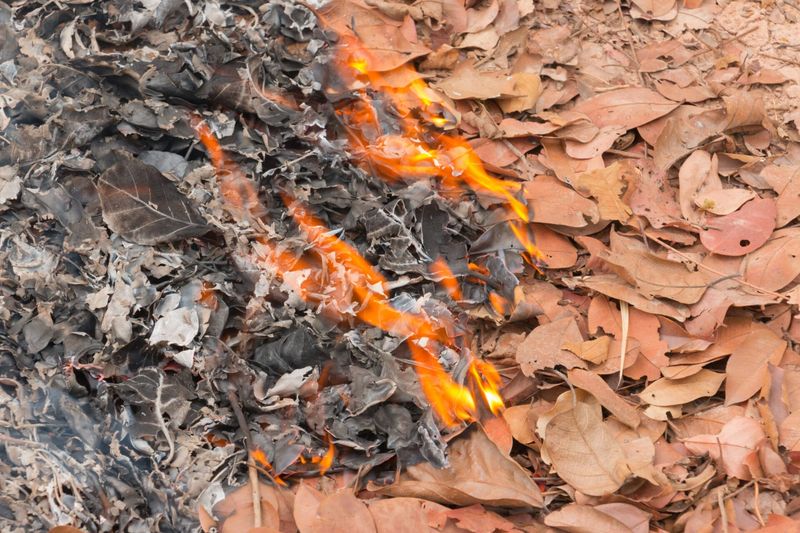
Crunchy leaves piled against the fence look harmless, even a bit cozy. In fire weather, that same pile becomes a ready-made spark catcher.
Fall leaf drop collides with Diablo wind season. Oaks, sycamores, and many ornamental trees shed leaves just as the air turns bone dry.
Pine needles, dry grass, and old plant clippings pile up in corners, under decks, and along walls. They often gather exactly where the wind blows them.
Dry debris ignites quickly from a single ember. CAL FIRE’s defensible space guidance calls for removing spent plants, grass, and leaves, with extra care close to the house.
Leaves stuck in gutters or on the roof are especially risky because they sit right next to the structure. Regular raking through fall works better than a single cleanup.
Decks and porches deserve a look underneath, since leaves tend to hide there. Gutters benefit from cleaning before windy season starts and again after heavy leaf drop.
Compost piles need a safe spot, too. Placed well away from the house and fences and kept damp, they pose far less risk.
Outdoor burning is best avoided during fire weather, and many areas ban it during Red Flag Warnings. Mowers and string trimmers can also throw sparks.
CAL FIRE advises using power tools early in the morning and skipping them on hot, dry, windy days. Local fire agency rules offer the final word before any tool starts up.
Containers And Seedlings Dry Out In Hours
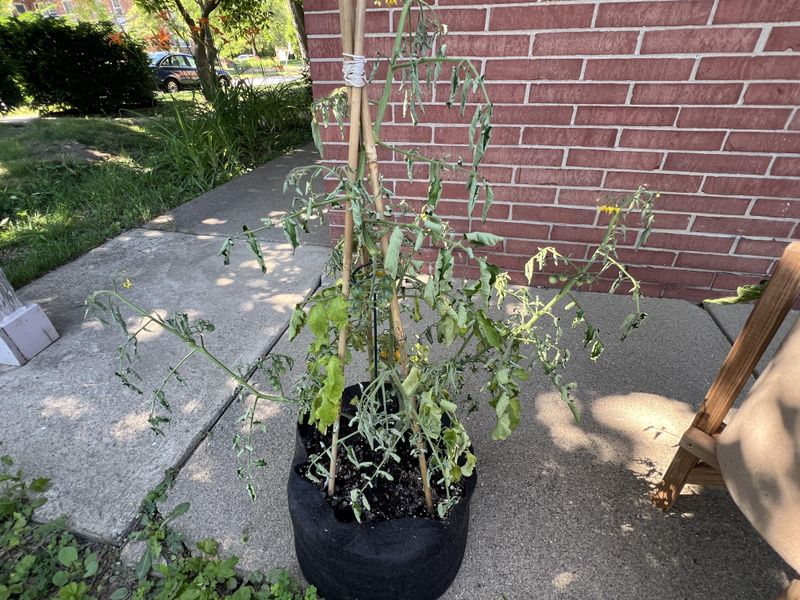
The patio basil looks perky in the morning. By afternoon, it may be flopped over the side of its pot like a wet noodle, except bone dry.
Container gardeners know this story well. Pots hold only a small amount of soil, so they store little water.
Wind blows across the sides and surface, pulling moisture from every angle. Terra cotta, which breathes through its walls, loses water even faster than plastic or glazed pots.
Small pots and hanging baskets can go from moist to dusty within a few hours during a strong offshore wind. Seedlings and new transplants are just as fragile.
Their short, shallow roots reach only the top layer of soil, which dries first. UC ANR notes that young plants handle water stress less well than established ones.
A sheltered spot before the winds arrive makes a big difference. A wall, a fence, or a garage with some light can protect pots for a day or two.
Grouping pots together lets them shade one another and cuts wind exposure. Saucers under pots catch extra water, though they deserve frequent checks.
Fall seedlings benefit from row cover or a light cloth tucked down securely. Small pots do best watered in the morning, with a second check by afternoon.
A pot that feels light when lifted almost always needs a drink. That quick lift test takes seconds and can save a whole season of growth.