Why California Gardeners Are Planting California Poppies For Next Spring
A cool October afternoon, and a gardener shakes a packet of tiny black seeds across a patch of bare soil, then simply walks away.
No digging. No fussing. No real plan to water much at all.
Winter and a little patience are apparently supposed to handle the rest, which sounds almost too easy for a flower most people only think about in spring.
Something about this particular seed, though, seems to know exactly what it’s doing without any help at all, and the timing behind it turns out to matter more than most gardeners realize.
Curious why walking away from freshly scattered seeds might be the smartest move a gardener makes all year? The answer starts on a golden hillside, six months before anyone notices it bloom.
1. Fall Sowing Matches Their Natural Cycle
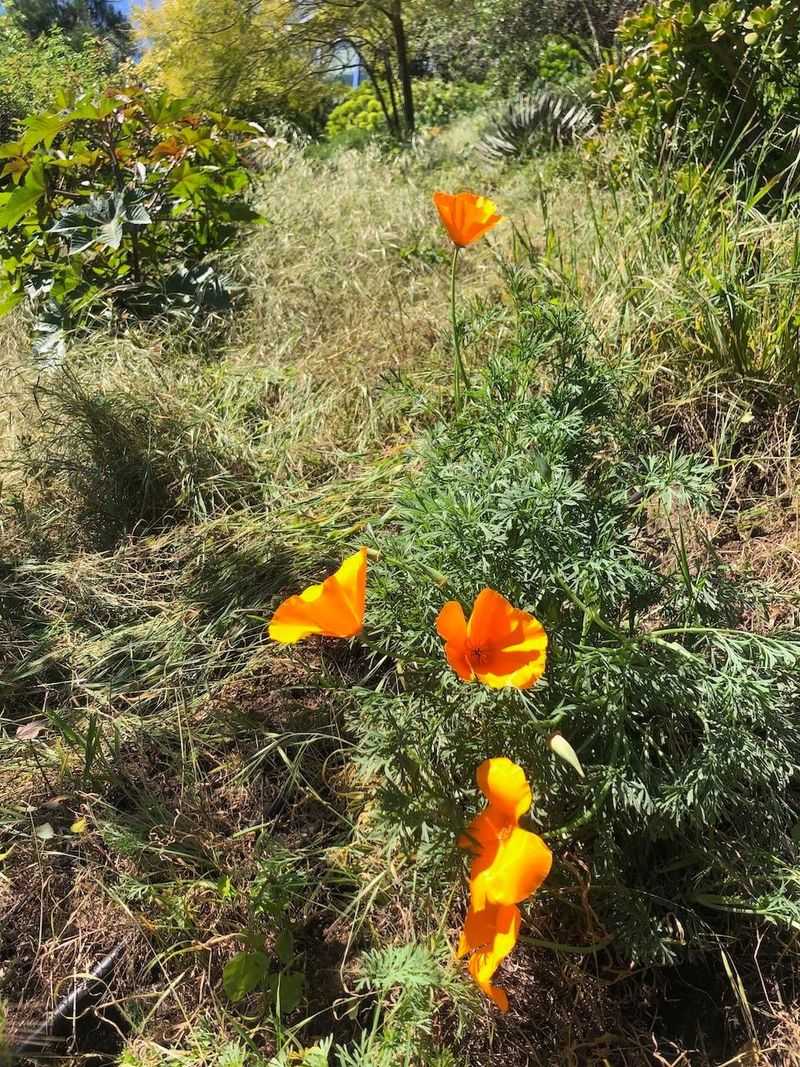
A golden hillside in April did not actually start in spring, whatever it might look like at first glance.
It started when last year’s seed pods split open in summer and scattered seeds across dry ground months earlier.
In the wild, California poppy follows a simple rhythm.
Seeds drop in summer and sit through the heat. When the first fall and winter rains soak the soil, they wake up and sprout.
Gardeners who sow in fall are copying that pattern.
Fall ranks as the best time to plant this flower, usually from October through early winter. Timing the job just before rainy season means nature handles much of the watering for you.
Here’s how to work with the cycle.
Pick a sunny spot with soil that drains well, pull the weeds, and loosen the top inch of ground. Scatter the seed, then press it in lightly or rake a thin dusting of soil over it.
Young plants spend the cool months building roots and a low clump of feathery, blue-green leaves.
By the time spring warmth arrives, they’re ready to flower instead of just getting started. A spring-sown plant, by contrast, has to rush through its whole life before summer heat shuts it down.
2. Seeds Need A Winter Chill To Perform Best
Winter works like a wake-up call for poppy seeds. Cool temperatures and steady moisture tell the seed that the time is right to grow.
Scientists call this a form of seed dormancy.
Some California poppy seeds have a built-in delay that keeps them from sprouting during a random summer shower, when heat would quickly wipe out the seedlings. A stretch of cool, damp weather helps break that delay, so more seeds germinate together.
California’s weather fits this plan well.
In most of the state, winter brings mild days, chilly nights, and most of the year’s rain. Poppy seeds sown in fall soak up that moisture and sprout while the soil stays cool.
The chill also shapes the young plants.
Seedlings that grow slowly through winter develop a long taproot that reaches deep for water. That strong root system is what lets them push out wave after wave of blooms later.
Your California Garden Changes Every Week. Your Plan Should Too.
Gardening in California changes quickly throughout the season. Every Friday you’ll receive a simple weekly plan showing exactly what to plant, prune, fertilize, harvest, and protect so you never miss the right timing.
A few tips help the process along.
Do not bury seeds deeply, since a light covering of soil is plenty. If winter rains are late or skimpy, give the bed a gentle sprinkle so the top layer stays damp until sprouts appear.
Some gardeners try to fake winter by chilling seeds in the fridge before a spring planting. That trick can help, but real outdoor weather usually does the job better.
3. Direct Sowing Beats Starting Them Indoors
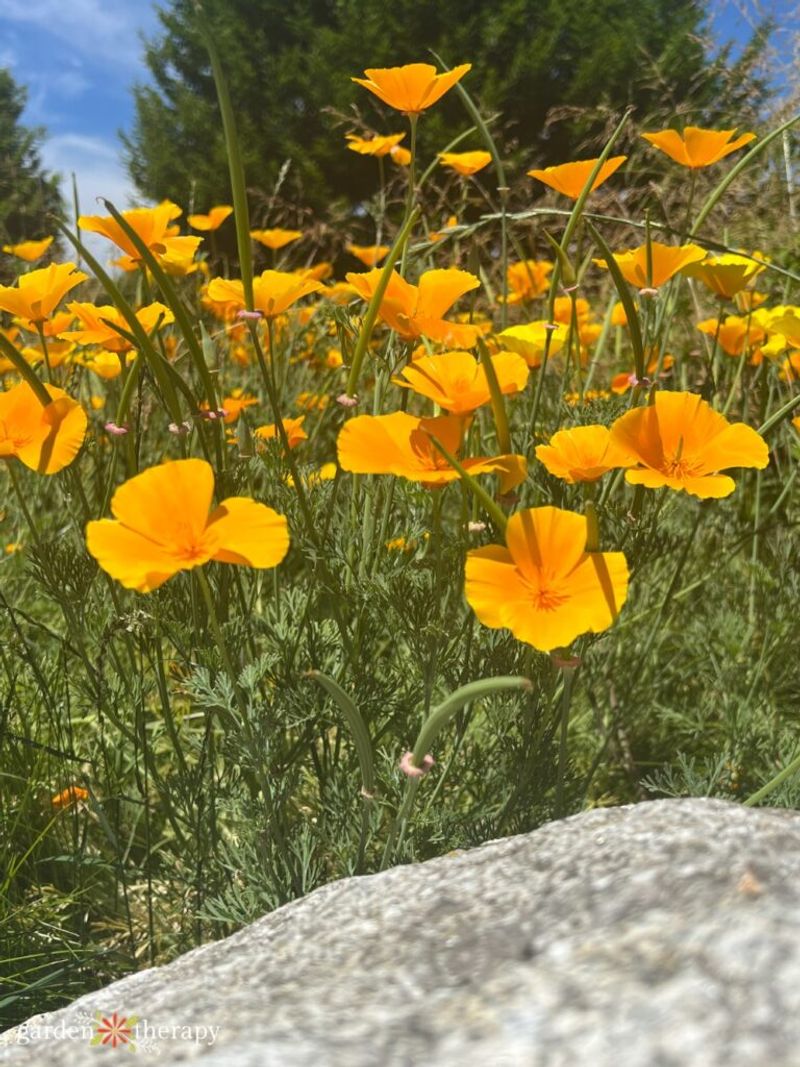
Ever tried to move a carrot without snapping it? California poppies feel the same way about being dug up.
They grow a long, slender taproot that does not like to be disturbed.
For that reason, sowing poppy seed right where you want the flowers to grow is generally recommended.
Seedlings started in pots and later moved to the garden often wilt, stall, or fail outright. Even careful gardeners can damage the root during transplanting, and the plant rarely bounces back.
Direct sowing also saves time and money.
You skip the grow lights, seed trays, and potting mix. A single packet scattered over a sunny patch can cover a surprising amount of ground.
Start by clearing weeds and grass, since young poppies do not compete well.
Mix the tiny seeds with a handful of sand so they spread more evenly. Scatter the mix over loose soil and press it down with your palm or the back of a rake.
Rich soil and fertilizer are not needed.
The wildflowers actually prefer lean, sandy, or gravelly ground and can grow floppy with too much food. Plenty of sun matters far more than perfect dirt.
If you really want transplants, sow seeds in small biodegradable pots that go straight into the ground, pot and all.
4. Poppies Reseed Easily Once Established
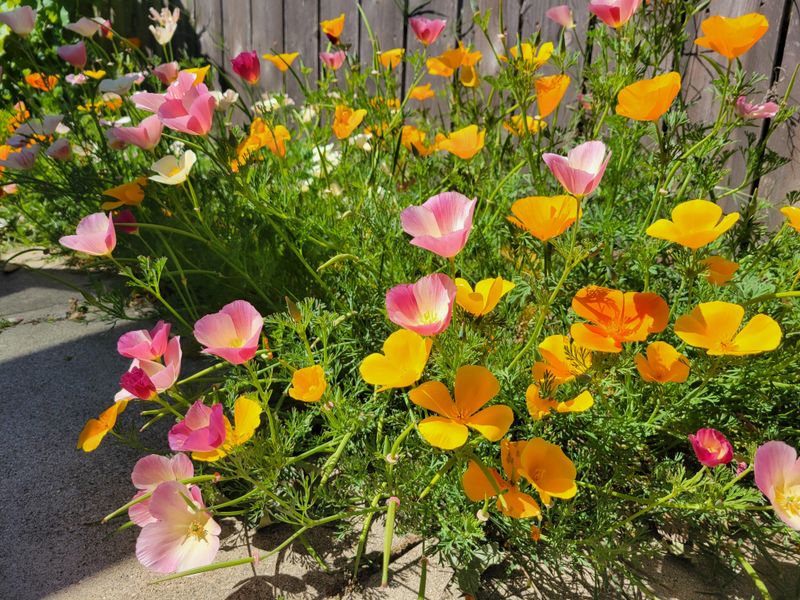
Ask a longtime poppy grower how many packets they buy each year, and many will laugh.
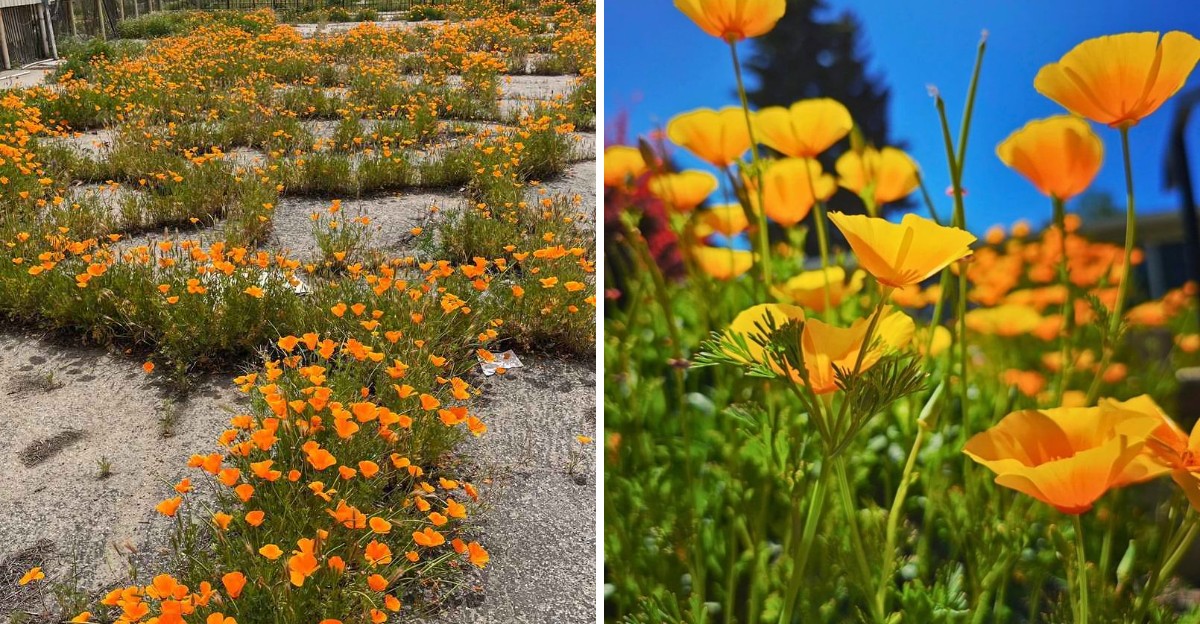
Plant once, and fresh orange blooms tend to show up spring after spring along paths, in gravel, and sometimes in spots nobody planned.
After the petals fall, each flower forms a long, skinny seed pod.
As the pod dries in summer sun, it splits open, sometimes with a tiny pop, and flings seeds onto the ground nearby. Those seeds wait through the dry months and sprout once fall rains arrive, repeating the natural cycle all on their own.
To encourage reseeding, let some flowers finish and form pods instead of cutting every bloom.
Avoid thick mulch in the poppy bed, because seeds need to reach bare soil. Hold off on heavy raking or weeding in late summer too.
Some plants may even return on their own.
In mild coastal areas, California poppy can live for more than one year as a short-lived perennial, sprouting new growth from its root. Inland, it often acts more like an annual that depends on seed.
Self-seeding does have a flip side.
Poppies can wander into lawns or vegetable beds if you’re not paying attention. Luckily, extra seedlings are easy to pull while small.
5. Little Water Is Needed Once They Sprout
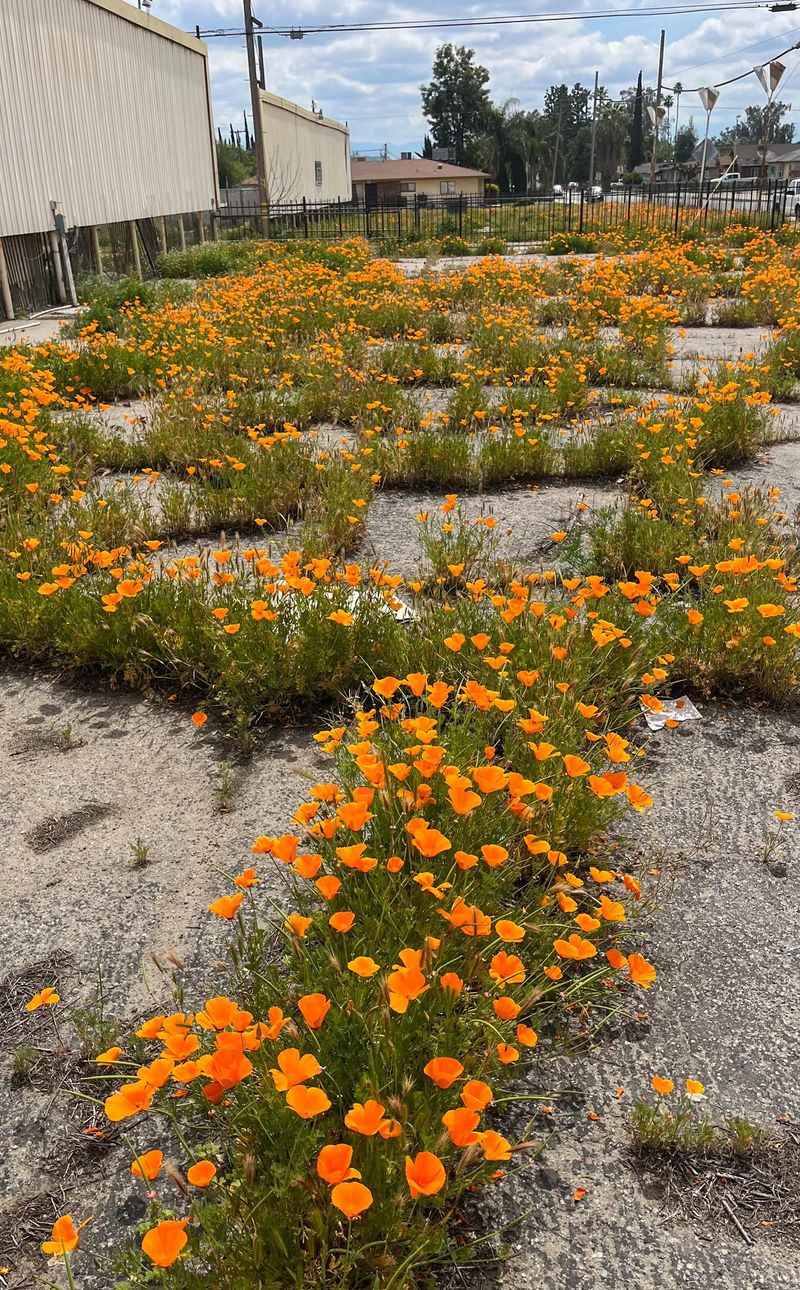
Here’s some good news for anyone watching their water bill.
Once California poppies are up and growing, they need very little help from the hose. They evolved in a place where summers are long, hot, and bone-dry.
That deep taproot is the secret.
It reaches down into the soil to find moisture that shallow-rooted plants miss. In most years, winter rain gives fall-sown poppies nearly all the water they need to grow and bloom.
Too much water can cause trouble.
Soggy soil may lead to root rot, weak stems, and plants that flop over. Many California natives, poppies included, do best when you resist the urge to water them like a lawn.
A simple watering plan looks like this.
Keep the soil lightly damp until seedlings appear and have a few sets of leaves. After that, water only during long dry spells in winter or spring, soaking deeply rather than sprinkling often.
If you want flowers to last longer into late spring, an occasional deep drink can stretch the season.
Once summer heat arrives, many poppies fade and go dormant or set seed. Letting them dry out at that point is normal, not a sign of failure.
6. Blooms Arrive Earlier With Fall Sowing
Two neighbors planting the same poppy seeds can end up with very different springs.
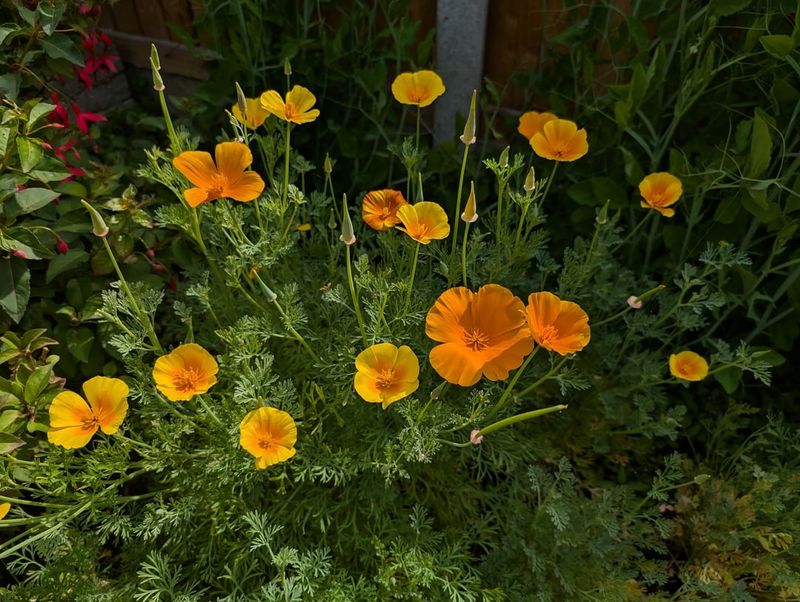
One scatters them in November, and the other waits until April. By the time the spring planter sees tiny leaves, the fall planter may already be picking bright orange flowers.
The difference comes down to a head start.
Fall-sown seeds sprout with the winter rains and spend months growing roots and leaves while the weather is cool. When days lengthen and warm up, the plants are mature enough to bloom right away, often starting in late winter or early spring in mild parts of the state.
Spring-sown poppies can still flower, but they face a race against the heat.
They have less time to build a strong root before summer dries the soil. Many end up smaller, bloom later, and finish sooner, giving you a shorter show.
Earlier blooms bring bonus benefits.
Bees and other pollinators hungry after winter find an early food source in your yard. Your garden also gets a splash of color at a time when many other plants are still waking up.
Blooming times vary by location.
Along the coast and in Southern California, flowers can open as early as February. In colder inland valleys or higher elevations, expect them closer to April or May.
Here’s a fun fact worth knowing. California poppy petals close up at night and on cloudy days, then open again when the sun returns.
7. Patience Now Means A Bigger Spring Show
Fall planting asks you to do something hard. Wait.
For weeks after sowing, the bed may look like nothing more than bare dirt. Trust the process, because a lot is happening underground.
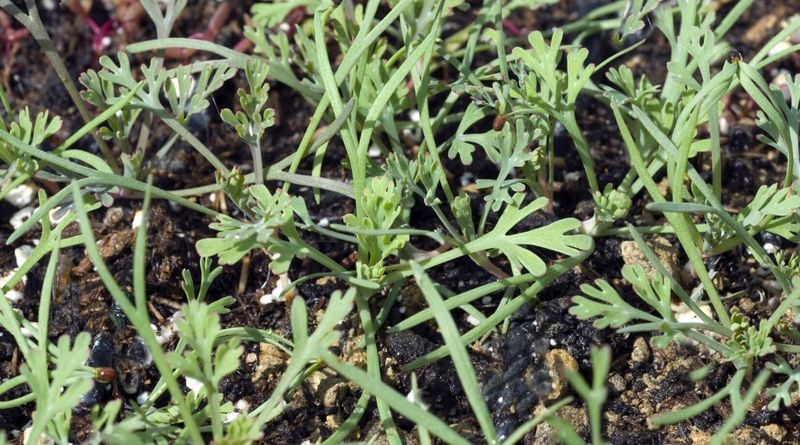
Once the rains come, tiny seedlings appear, and at first they look like little clumps of lacy, blue-green threads.
They may seem to sit still for most of winter. In truth, they’re sending taproots deep and storing energy for the months ahead.
That quiet growth is what powers a big spring display.
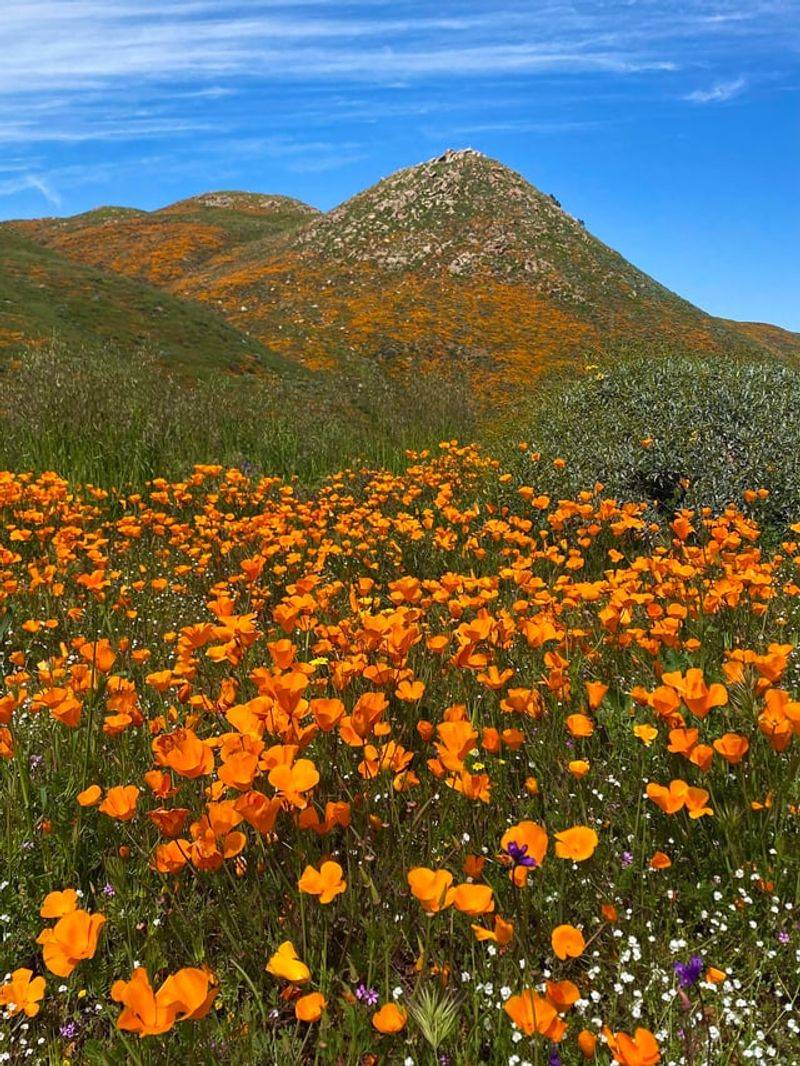
Well-rooted plants branch more, produce more flower buds, and keep blooming longer than rushed spring plantings. A patch that looked humble in January can turn into a sheet of gold, orange, and cream by April.
A few habits help patience pay off.
Mark the planted area so nobody steps on it or digs it up by mistake. Pull weeds gently while they’re small, and learn what poppy seedlings look like so you don’t remove them by accident.
Keep expectations realistic too.
Some seeds may get eaten by birds, and dry winters can mean fewer sprouts. Sowing a bit more seed than you think you need helps cover those losses.
8. Established Patches Attract Native Pollinators Reliably
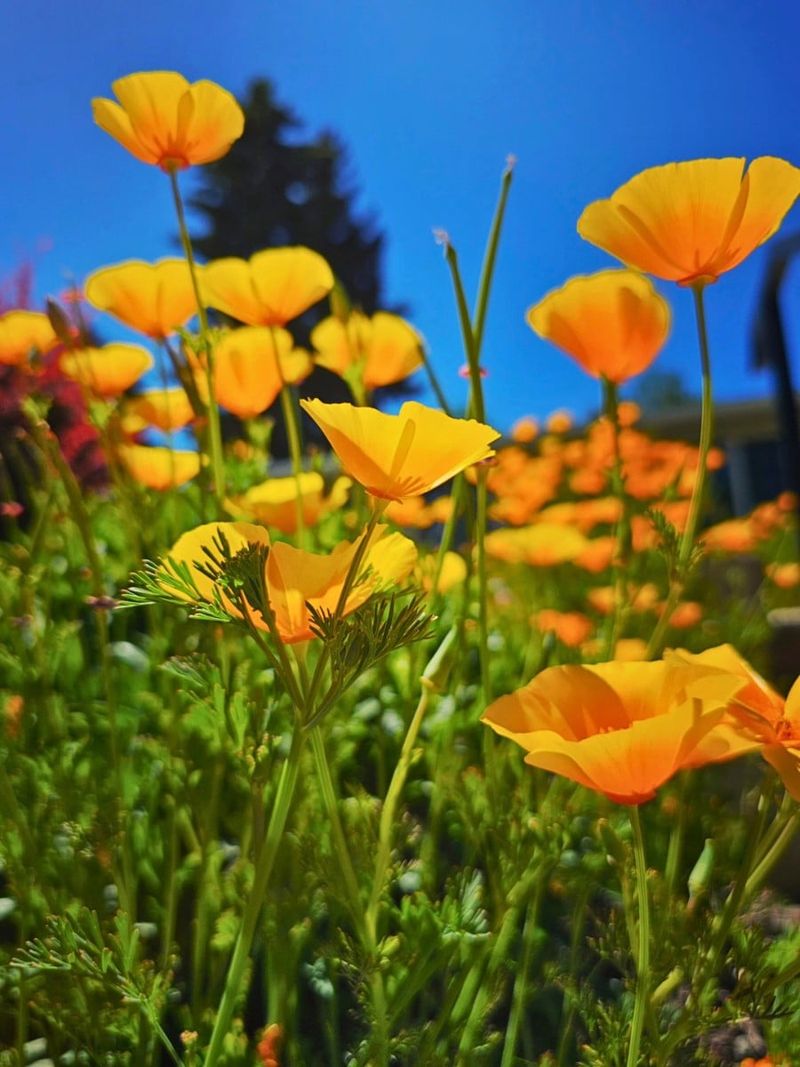
A poppy patch that’s had a few seasons to settle in becomes something closer to a small ecosystem than a simple flower bed.
Native bees show up first, often before honeybees even notice the bloom has opened for the day. California poppies produce pollen but no nectar, which makes them especially attractive to pollen-collecting bees rather than nectar seekers.
That distinction matters more than it sounds. Certain native bee species time their own emergence to coincide with early poppy blooms, relying on that pollen source during a stretch of the year when other flowers haven’t opened yet.
Beetles and hoverflies visit too, drawn by the wide, open bowl shape of each flower, which makes pollen easy to reach compared to more complex blooms elsewhere in the garden.
A patch left to reseed and spread naturally over several years tends to draw more consistent pollinator activity than a fresh planting does in its first season, simply because established colonies of insects learn where reliable food sources exist and return to them.
Skipping pesticides in and around a poppy bed makes a real difference here, since even products marketed as mild can disrupt the small native bees that depend on this specific flower during their active season.
Pairing poppies with other early bloomers, like lupine or goldfields, extends that pollinator activity across a longer stretch of spring rather than concentrating it into just a few weeks.
Over time, a poppy patch that started as a simple splash of orange color can quietly become one of the more dependable food sources in a yard, doing that work with no more effort from the gardener than the walk-away sowing it took to begin with.