The One Rose Job To Do This October For A Stronger Spring Start

Why do tall rose canes loosen roots long before spring arrives? Winter gusts grab those stems and rock the entire bush back and forth.
Roots loosen, rainwater pools around the crown, and freezing temperatures follow. Your pruners solve this problem in minutes.
Trim the tallest canes on shrub roses, hybrid teas, and floribundas. Tie climbers to a fence or trellis instead of cutting them. Aim for the weeks before hard freezes, when leaves yellow and drop.
Cutting too early invites tender shoots that frost can damage. Save heavy shaping for late winter, when buds begin to swell. Sharp bypass pruners make clean slices that heal quickly.
Wipe blades with rubbing alcohol between bushes to limit disease spread. Spring then rewards you with sturdier canes and a healthier start to the season. Pick a dry, mild afternoon and give your roses firmer footing.
A Light Autumn Trim To Stop Wind Rock

Think of October trimming as tucking your roses into bed, not giving them a full haircut. The goal is simple, which is to shorten tall canes so winter winds cannot whip them around.
Gardeners call this problem wind rock, and it can cause serious trouble for roses. A long cane acts like a sail, tugging the whole plant back and forth in strong storms.
All that rocking loosens the roots and opens a gap in the soil around the base. Rainwater fills that gap and can freeze, which may harm the crown where the canes meet the roots.
A quick trim helps prevent this. Cut tall canes back by about one third, leaving a sturdy, compact shape that sits low and steady.
Shrub roses, hybrid teas, and floribundas all benefit from this autumn tidy-up. Climbers are different, so simply tie their long stems firmly to a fence or trellis instead.
In very cold regions, some extension services advise waiting until plants are fully dormant, so check your local guidance.
While you work, leave spent flowers in place. Old blooms let hips form, which signals the plant to slow down for winter.
That slowdown is actually helpful now, so you only remove the floppy, top-heavy parts. Save the serious shaping for late winter, when buds begin to swell.
This small job takes maybe ten minutes per bush. Your roses will stand firm through the cold months and wake up ready to grow.
Consider it a small favor now that pays back in healthier plants later. Your future self, enjoying roses in June, will be grateful.
How Tall Canes Cause Winter Stress

Many gardeners lose a rose bush to a winter storm. The roots can look fine in autumn while the plant slowly works loose.
Damage from tall canes often hides below the surface. You may not notice anything until spring, when one side of the bush simply refuses to leaf out.
Heavy stems also snap under wet snow and ice. A broken cane leaves a ragged wound, and ragged wounds make it easier for fungus and rot to take hold.
Canes that rub against each other cause trouble too. Repeated gusts can scrape away bark, creating small openings for disease over the long, damp months.
Many roses handle cold well, depending on the variety and your hardiness zone. What they struggle with is physical stress, like twisting, cracking, and constant shaking.
Take a slow walk around each bush this month and look for warning signs. Watch for leaning stems, crossing branches, and canes taller than your shoulders.
Gently push the base of the plant with your foot. If it wobbles or you see a hole around the stem, firm the soil back down.
Those little checks take only a few minutes per plant. They can save you from an unwelcome surprise when the snow finally melts.
Many gardeners who trim each October find their roses come through winter in better shape. A few snips can mean a stronger plant and a calmer spring. Not bad for one chilly afternoon with a pair of pruners.
The Right Window Before The First Hard Frost

Timing matters as much as technique with this job. In many temperate regions, aim for mid to late October, after the plant has slowed down but before hard freezes arrive.
In colder regions, wait until growth has clearly slowed, and check local extension guidance. Gardeners in milder areas can wait until November, when the weather finally starts to bite.
A good clue is the leaves themselves. Once they start yellowing and dropping on their own, your roses are getting ready to rest.
Trimming too early, during a warm spell, can trick the plant into pushing out soft new shoots. Those tender shoots usually cannot survive the first frost and turn black.
That wastes energy your rose should be storing in its roots. Stored energy is what fuels the big flush of blooms next spring.
Waiting too long causes other problems. Frozen canes become brittle, and cutting them can cause splits that run deep into the wood.
Pick a dry, mild day with no rain in the forecast. Fresh cuts heal faster when they have a day or two to dry out.
Late morning works nicely, once any dew has burned off the leaves. Wet foliage spreads fungal spores from one plant to the next as you move around.
Keep an eye on your local weather app this month. When the forecast shows nights dipping near freezing, grab your pruners that weekend.
Think of it like catching a bus right on time. Arrive too soon or too late, and the whole ride gets a lot bumpier.
The Big Mistake Of Cutting Too Hard Too Soon

You grab the loppers, feel a burst of energy, and chop each bush to knee height. It feels productive, but your roses would do better with a lighter cut.
Hard pruning belongs in late winter or very early spring, not October. Cutting deep now leaves fresh wounds exposed to months of freezing and thawing.
Each cut pulls back the cane to a new tip. If cold weather harms that tip, the damage can creep downward and ruin healthy buds below.
Severe autumn cuts can also wake the plant up at the wrong moment. Your rose may push out new growth when it should be resting quietly.
Another common slip is using dull or dirty tools. Blunt blades crush stems instead of slicing them, and crushed tissue heals slowly.
Some gardeners also strip off every leaf in a burst of tidiness. Leaves still feed the plant in autumn, so leave healthy ones in place.
Avoid fertilizing after trimming, too, even if the plant looks hungry. A dose of food in October pushes soft growth that frost can damage.
So how much is the right amount? A good rule is one third off the tallest canes, and no more.
Leave the rest standing as natural protection. Those extra stems shield the crown from icy winds and give you choices in spring.
Restraint is hard when the garden looks messy. Trust the process, though, because a slightly scruffy rose in winter can become a strong display by June.
Clean Cuts And Smart Angles For Healthy Canes
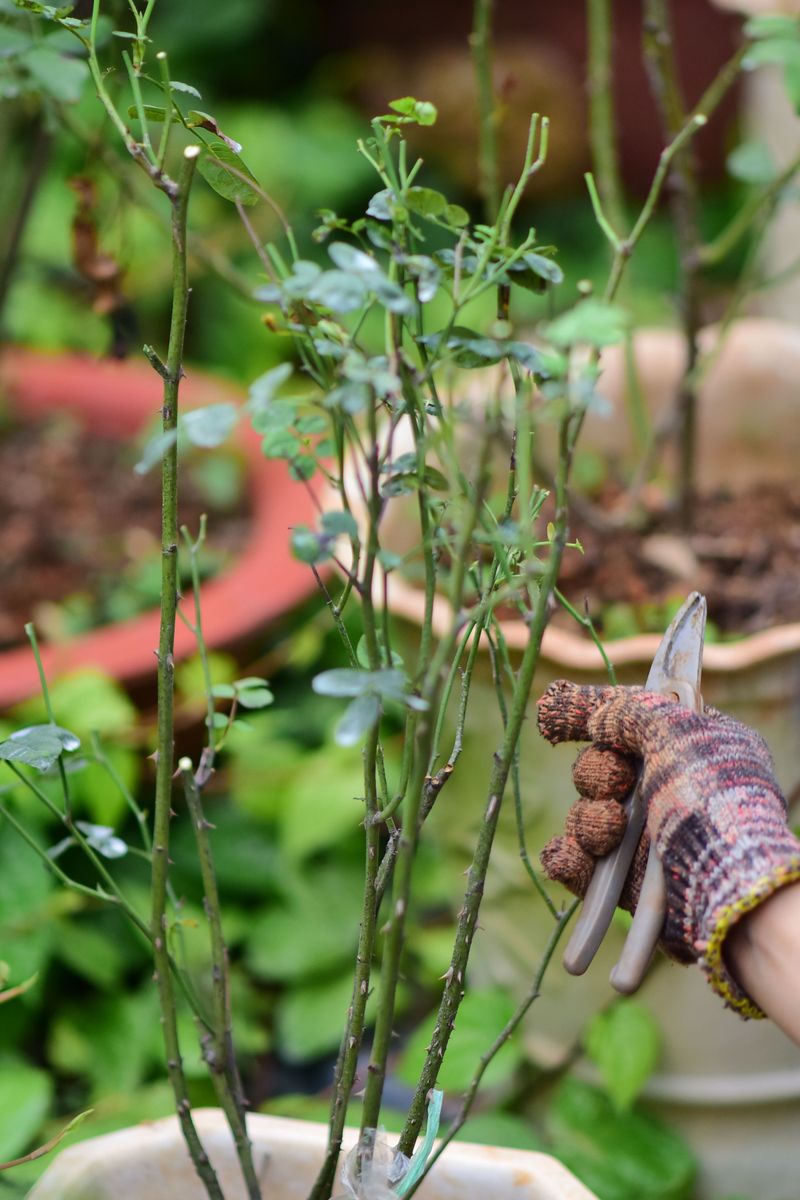
A great trim starts long before the first snip, right at the toolbox. Grab sharp bypass pruners, a pair of thick gloves, and some rubbing alcohol.
Wipe the blades with alcohol before you start and between each bush. That simple habit helps limit the spread of disease around your garden.
Bypass pruners work like scissors, giving a clean slice. Anvil pruners squash the stem, so save those for dry, woody cleanup jobs around the yard.
Look for an outward-facing bud, a tiny bump on the cane. Cut about a quarter inch above it, so new growth heads away from the center.
Slant each cut at a gentle angle, sloping away from the bud. Rain then runs off the wound instead of pooling and causing rot.
Remove any canes that are brown, shriveled, or cracked first. Cut them back to healthy green wood, where the inside looks creamy white.
Next, snip out branches that cross and rub against each other. An open center lets air flow freely, which keeps fungus from settling in.
Finish by raking up all fallen leaves around the base. Old leaves can hold black spot spores that splash back onto the plant next spring.
Bag those leaves rather than adding them to the compost pile. Then spread a few inches of mulch to keep the roots snug.
Neat cuts and a clean bed may sound fussy, but they add up. Healthy canes in October mean strong, bud-packed canes in April.
Fresh Spring Growth And A Stronger Start

A well-kept rose bed in May can leave bees dizzy from the choice. The secret is often not fancy food, just careful work each autumn.
Repeat-flowering roses bloom on new growth, and a sturdy, well-shaped plant produces more of it. Each healthy cane that survives winter becomes a launching pad for flowers.
Snapped or rocked plants spend spring repairing themselves instead of blooming. A protected plant skips that repair work and heads straight into growing.
Less disease plays a big part too. Clean cuts and a tidy bed mean fewer spotted leaves stealing energy away from flower buds.
Once spring arrives, you will do a second, more detailed prune. October work makes that job quicker, since the plant already has a solid shape.
Gardeners who follow this routine often find their bushes come through winter in better shape. Results vary by variety and climate.
Expect fewer broken canes, less disease, and a stronger base for new growth. Keep the momentum going with a light feeding once new leaves appear in spring. Water deeply during dry spells so those fresh canes can carry heavy blooms.
An old gardening saying holds that roses remember kindness. Spend one cool October afternoon on them, and they will thank you all summer long.
Grab your pruners this weekend before the weather turns. Next spring, the bees may be the dizzy ones.