The Right Way To Dethatch A Lawn Using Just A Rake
Your lawn looks green from the porch, yet something feels off when you walk across it. Each step sinks a little, like stepping onto an old mattress that has lost its spring.
Water from the sprinkler may run off instead of soaking in, leaving the soil underneath dry. Patches of grass look thin and tired, even after a summer of careful mowing and feeding.
Kneel down and part the blades with your fingers, and you may spot a brown mat. It feels like felt or coconut fiber, tangled tightly between the green tops and the dirt.
That layer builds slowly over seasons, so many homeowners do not notice it until the lawn struggles. Dethatching machines exist, though they can be loud and costly to rent.
The Spring Tine Rake With Short Firm Strokes
Picture a comb sliding through tangled hair, catching knots without yanking the whole head along for the ride. A spring tine rake works the same way on grass, lifting the brown mat while leaving roots in place.
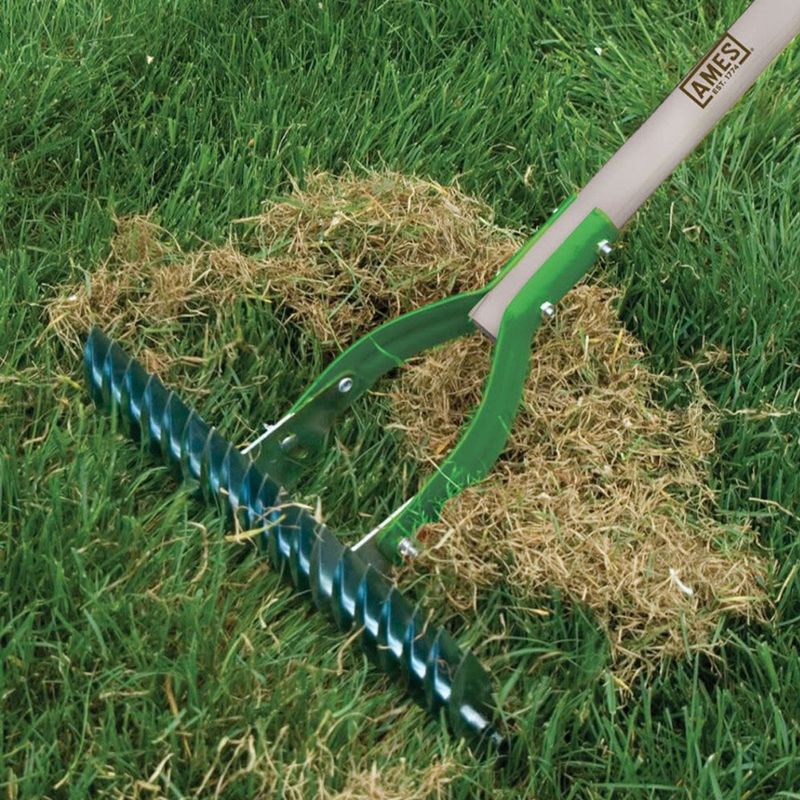
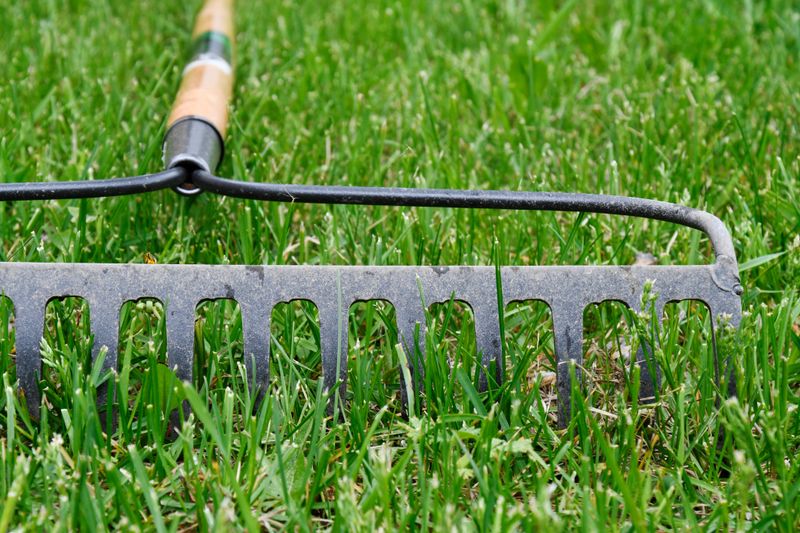
Skip the flimsy plastic leaf rake or the heavy bow rake for this chore, since neither grabs fibers well. A metal rake with springy, bent tines, or a special thatch rake with sharp blades, gives far better results.
Start by mowing the lawn a little shorter than usual, around two inches, so the tines reach the layer. Then set the rake down flat and pull it toward you in short, firm strokes about two feet long.
Press down enough that the tines dig slightly into the mat, but not so hard that they gouge the soil. You should hear a soft scratching sound and see clumps of tan fluff piling up behind each stroke.
Work in one direction across the whole yard, then go back over it at a right angle. That crisscross pattern catches fibers the first pass missed, a bit like mowing stripes in two directions.
Rake the loosened material into small piles every few minutes so it does not smother the grass underneath. The debris can go into the compost pile, though thatch breaks down slowly.
Raking can be tiring, and an average yard may take a few hours. Splitting the job into sections over a weekend makes it easier on your back.
The Spongy Brown Layer Beneath Tired Grass
Gardeners like to say a lawn is only as healthy as what lies just below its leafy surface. Thatch is the name for the mix of old stems, runners, and roots that collects right above the soil.
Contrary to a common myth, grass clippings rarely cause the problem, because they are mostly water and break down fast. The tougher culprits are woody stems and creeping runners, which take much longer for soil life to digest.
Heavy fertilizer use can speed things up, since lush growth produces more material than the soil can handle. Compacted ground, frequent shallow watering, and a lack of earthworms also let the layer build faster than usual.
A thin layer, about half an inch or less, is actually helpful and works like a natural mulch. It shields roots from temperature swings and cushions the lawn when kids and pets run across it.
Trouble begins once the mat grows thicker than that, because water and fertilizer get trapped on top. Roots then start growing up into the thatch instead of down into the soil, which makes them shallow and weak.
Shallow roots dry out quickly during hot spells and struggle when winter frost settles in for the season. A thick mat can also shelter insects and fungal diseases, giving them a damp place to settle in.
To check your own lawn, cut out a small wedge of turf with a shovel and look closely. If the brown spongy band measures more than half an inch, your rake has some work ahead of it.
Early Fall Timing For Cool Season Grass
Timing this job well is a bit like planting tulip bulbs, since the calendar matters as much as effort. Rake too early or too late, and the grass may not have enough strength to bounce back afterward.
For cool season lawns like Kentucky bluegrass, tall fescue, and ryegrass, early fall is often the sweet spot. Those grasses grow strongly when days are mild and nights turn crisp, much like early October in many regions.
Soil still holds warmth from the past few months, so roots keep growing even as the air cools. That combination helps torn patches fill back in, often within a few weeks of raking.
Warm season grasses such as Bermuda or zoysia follow a different schedule and prefer late spring treatment instead. By October those lawns are slowing down for winter, so heavy raking now could leave them thin until next year.
Aim for a day when the soil is slightly moist but not soggy, like a sponge wrung out well. Wet ground lets the rake rip up roots, while bone-dry soil makes the grass brittle and easy to tear.
A day or two after a gentle rain usually offers ideal conditions, especially if the forecast looks calm. Morning hours work nicely too, because the air stays cool and you avoid working under the bright afternoon sun.
Try to finish at least six weeks before your first expected frost, giving new growth time to settle. In colder regions, that often means starting in early September.
A quick look at your local frost date online can help you plan the right weekend for this chore. Many state extension offices also publish average frost dates for your area.
The Classic Mistake Of Raking Too Hard
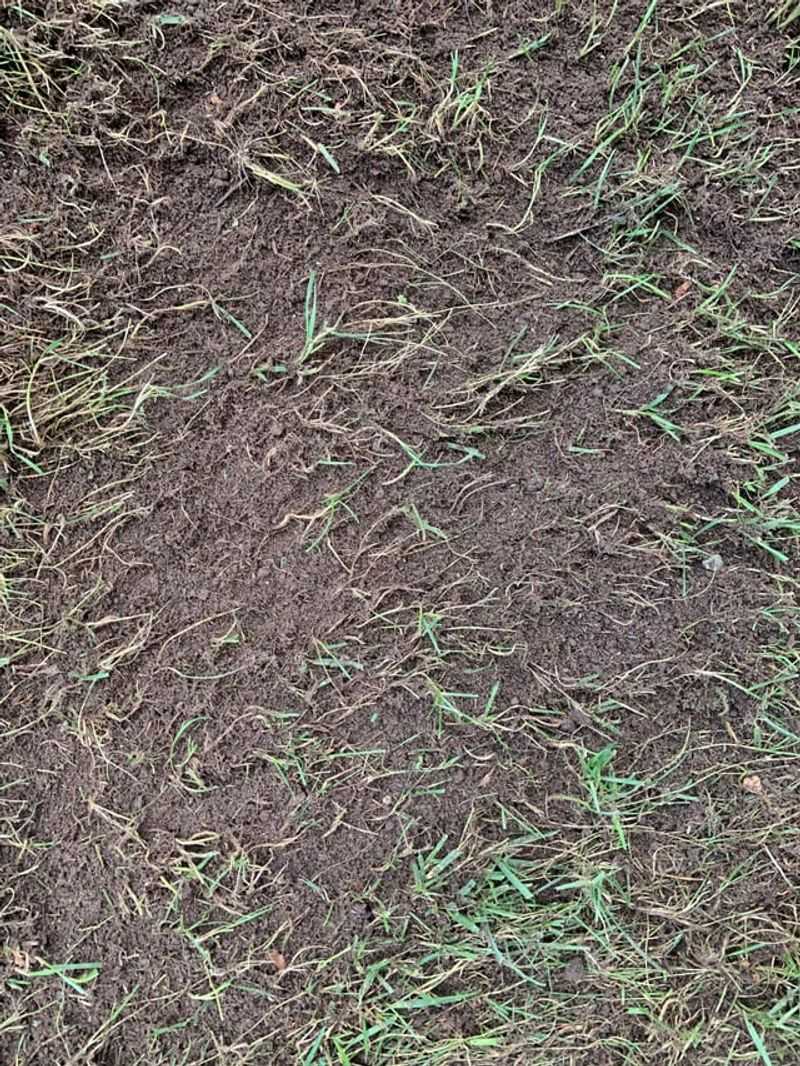
Raking too aggressively can leave a lawn looking torn up, and the grass may take weeks to recover. Slow, steady work lifts the thatch without hurting the healthy turf around it.
Heavy-handed raking tears out healthy grass along with the brown mat, leaving bare soil behind. Those open patches become a welcome mat for weeds, which happily sprout in any sunny gap they find.
A good rule of thumb is to remove only the loose fibers that come up easily with steady pulls. If you see white roots dangling from the tines, ease up on the pressure right away.
Another common slip is trying to remove a thick, years-old layer in one single afternoon of hard work. Lawns with more than an inch of buildup do better when the job is spread across two seasons.
Raking soggy grass causes trouble too, since wet roots let go of the soil with very little effort. Muddy ground also clogs the tines, so you end up smearing the mat around instead of lifting it.
Some folks forget to mow first, which forces the rake to fight through tall blades before reaching anything useful. Long grass hides the layer from view and makes the raking harder.
Slow, patient strokes win this race, even if they feel less satisfying than big, dramatic sweeps. Your lawn may look a little scruffy afterward, yet it should still be mostly green rather than brown dirt.
Aftercare For A Freshly Raked Lawn
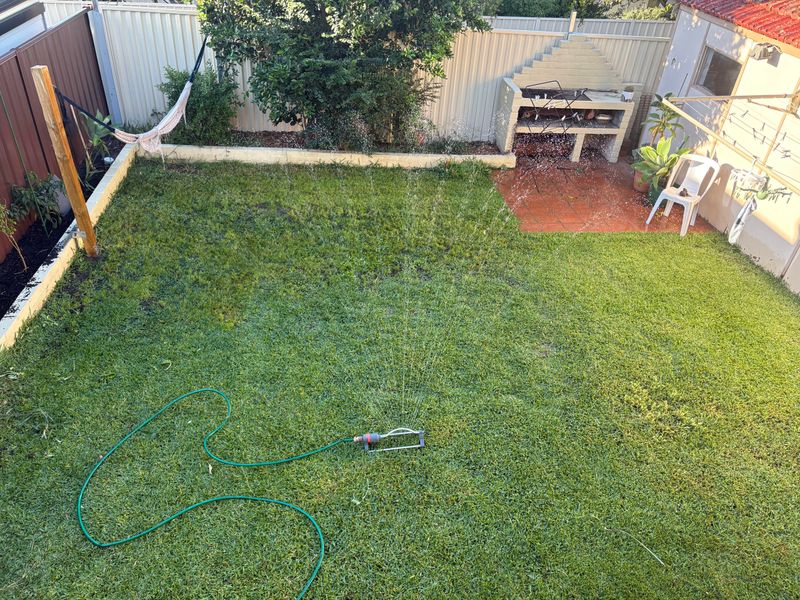
Think of a freshly raked lawn as a garden bed that has just been tilled and is ready for planting. The soil surface is open, airy, and hungry for seed, water, and a little bit of food.
Overseeding right away helps thin turf fill in during early fall. Spread seed that matches your existing grass, focusing on thin patches where the rake exposed the most soil.
Lightly rake the seed in afterward so it nestles into the soil rather than sitting on top for birds. Sparrows and finches love an easy snack, and a thin dusting of compost helps hide the tiny seeds.
Water gently once or twice a day for the first two weeks, keeping the top inch evenly moist. Short sessions work better than long soaks, because puddles can wash seeds away into little clumps.
A starter fertilizer can give young roots a boost before winter, as long as local rules allow phosphorus products. Follow the bag directions closely, since too much feed can burn tender sprouts and waste your money.
Keep foot traffic, pets, and lawn furniture off the area for a few weeks while the seedlings settle. Fallen leaves should be cleared gently with a leaf blower or soft rake so they do not shade out sprouts.
Hold off on mowing until the new grass reaches about three inches tall, then trim it with sharp blades. Within a few weeks, the yard should start to look fuller as new blades fill in the scratched spots.
Simple Habits That Keep The Mat Thin
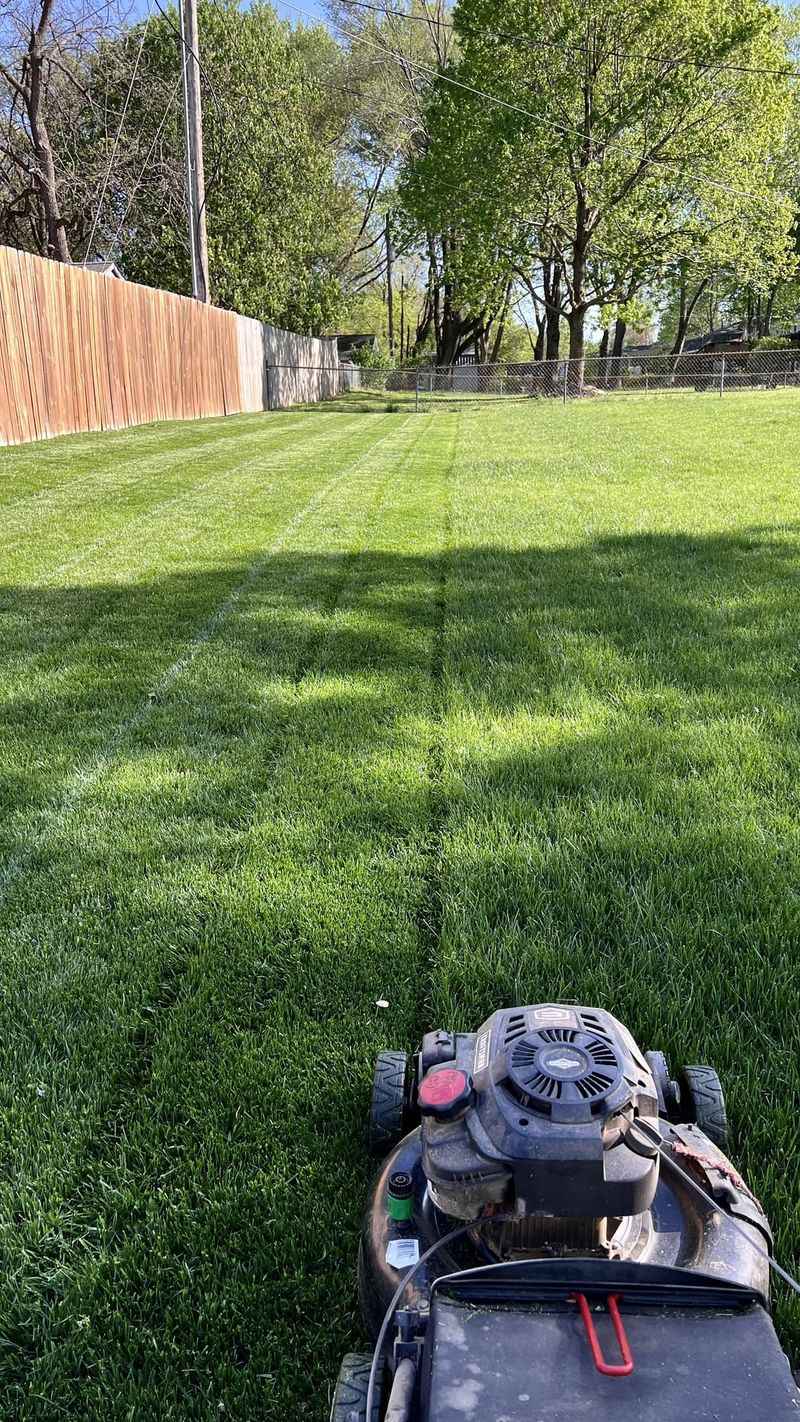
Once you have sweated through a full afternoon of raking, keeping the layer from returning sounds pretty appealing. Luckily, a few easy lawn care tweaks can slow buildup so much that heavy raking is rarely needed.
Mowing high is a great start, since taller grass grows deeper roots and shades out weedy competition. Leave the clippings on the lawn too, because they feed the soil and break down within a few days.
Water deeply but less often, giving the lawn about an inch per week in one or two sessions. Deep watering coaxes roots downward, while frequent light sprinkles keep them lazy and close to the surface.
Go easy on nitrogen fertilizer, feeding mostly in fall rather than pushing fast, leafy growth all year long. Slow release products feed the grass steadily, much like a crockpot meal instead of a quick microwave snack.
Earthworms are tiny lawn helpers that pull bits of thatch underground and turn them into rich soil. A healthy lawn often hosts plenty of earthworms working quietly below.
Limiting harsh pesticides helps protect those worms, along with the beneficial microbes that digest old plant material. Core aeration every year or two also loosens compacted soil, letting air and water reach the root zone.
Check your thatch each fall by peeking at a small slice of turf, just like before. If the layer stays under half an inch, you can skip raking and enjoy a cozy October afternoon instead.