Should You Pull The Whole Tomato Plant Or Just Pick The Green Fruit Before A Michigan Frost
A frost warning sends many Michigan gardeners out to the tomato patch with one big question. Do you yank the whole plant or just pick what is on it? Both ideas work, and each has fans.
Pulling the plant lets fruit keep drawing a little energy as it hangs indoors. Picking is faster and easier to manage. The right choice depends on how much fruit you have, how much space you can spare, and how cold the forecast looks.
Fruit size matters too, because small, pale tomatoes behave very differently from large, mature ones. A quick look at your plants tells you which method makes sense.
Choosing well means more tomatoes ripening in your kitchen and fewer wasted on the vine.
1. Both Methods Can Ripen Mature Green Tomatoes
Good news first: there is no single right answer here. Pulling the whole plant and picking each green tomato both work well when frost is on the way. The real secret lies in the fruit itself, not the method you choose.
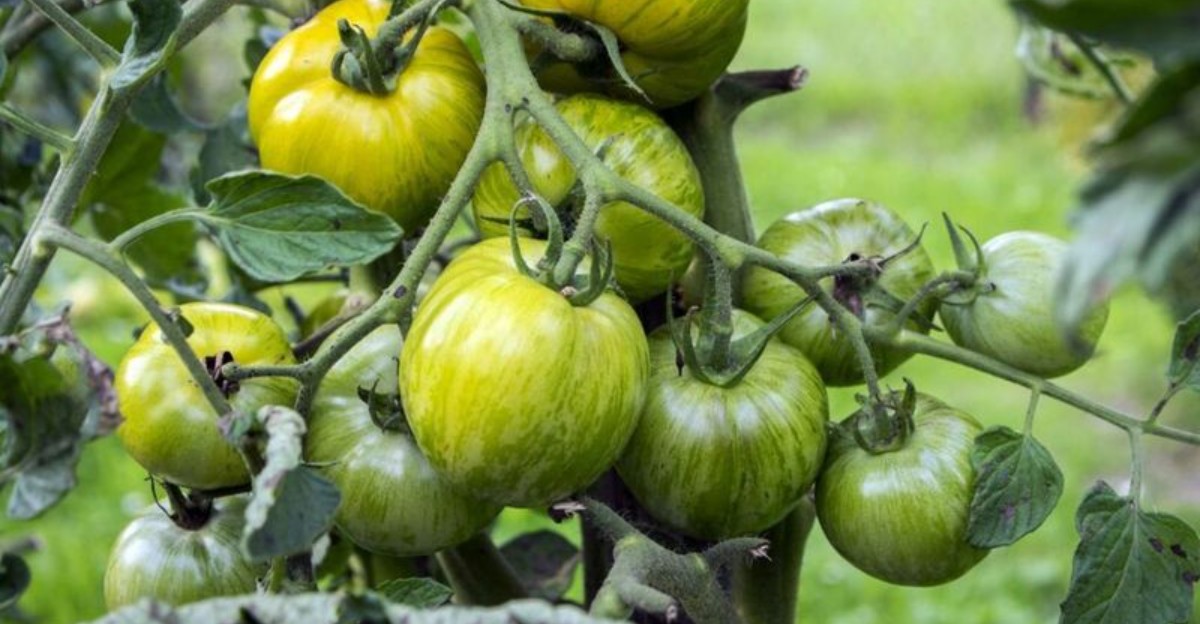
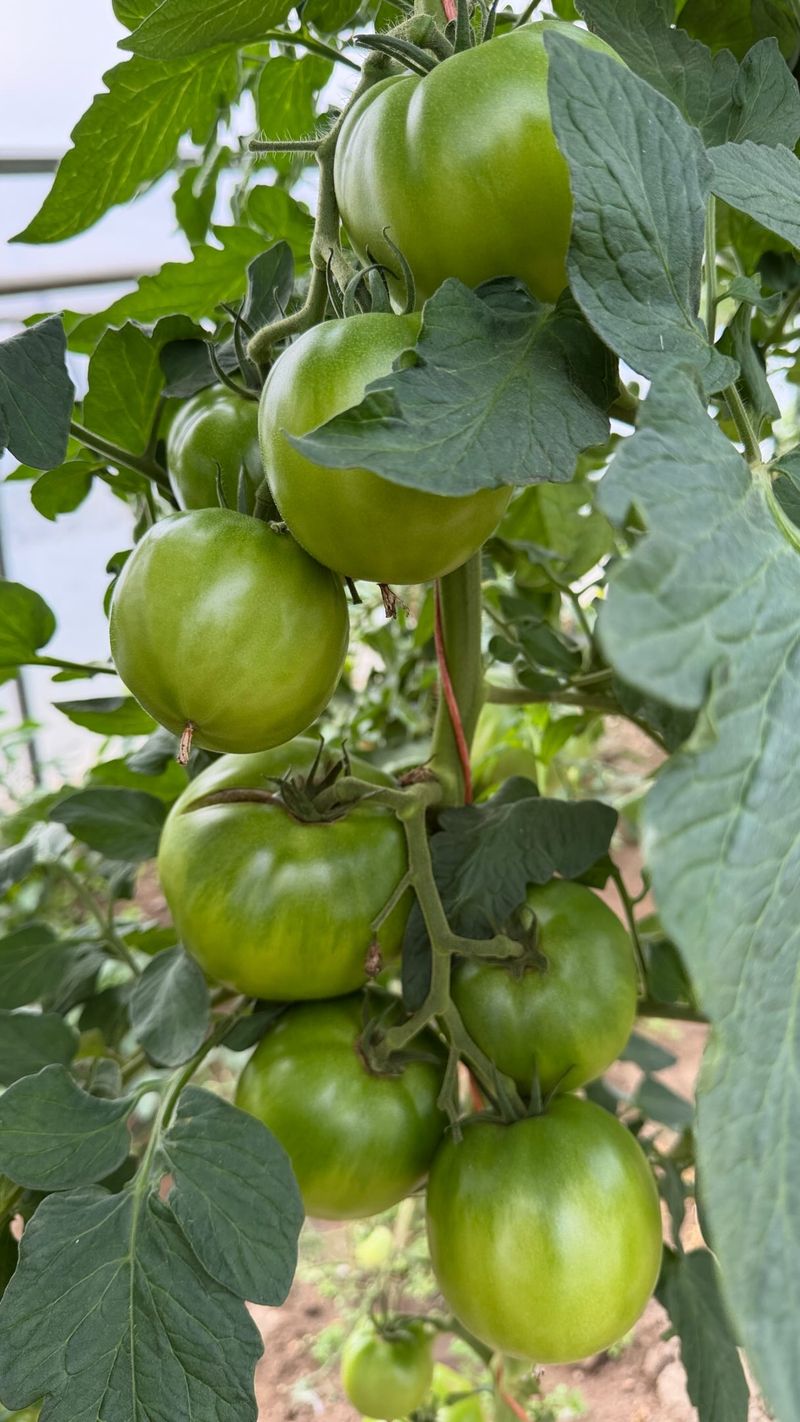
Mature green tomatoes are the ones that can finish ripening off the vine. You can spot them because they have reached full size, look glossy, and have turned a lighter, almost whitish green.
Slice one open, and you will see a jelly-like gel around the seeds instead of firm, solid flesh. Small, hard, dark green tomatoes are a different story.
They simply have not developed enough to ripen, no matter which method you try. Those little ones are best used for fried green tomatoes, relish, or salsa verde.
So how do you decide between pulling and picking? Start by looking at each plant. If it holds lots of mature fruit, pulling it might save time. If it only has a handful of good tomatoes, picking makes more sense.
Space matters too. Whole plants take up a lot of room, while loose tomatoes fit neatly on a shelf. Plant health is the last piece of the puzzle, because sick plants should never come inside.
Michigan gardeners know this decision well. Our growing season is short, and the first frost often shows up while vines are still loaded with green fruit. In many parts of the state, that first chilly night can arrive in late September or early October.
Knowing which tomatoes have a real shot at ripening helps you focus your energy where it counts. Instead of rushing around in a panic, you can make smart choices and save the best of your crop.
2. Pull Whole Plants When Many Fruit Are Close To Ripening
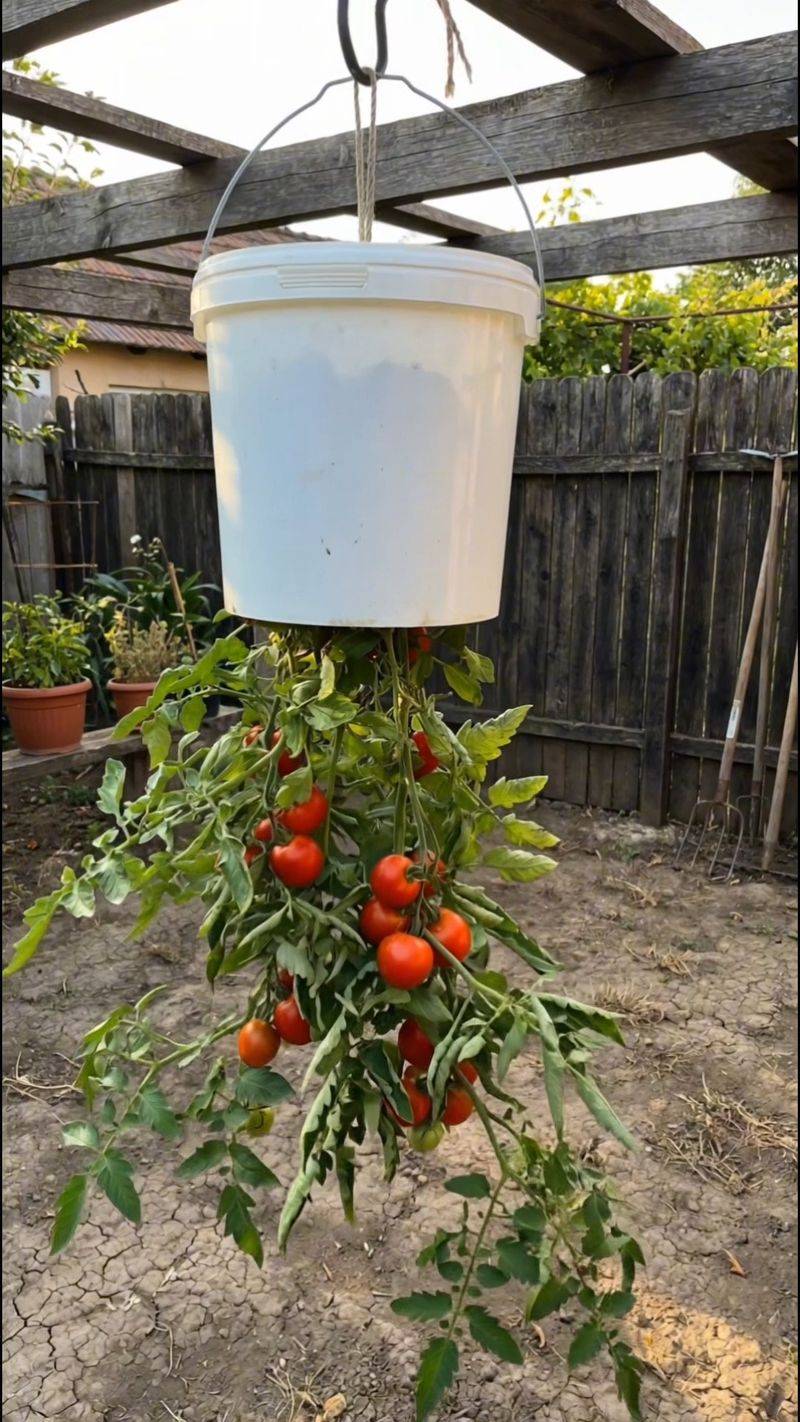
Old-time gardeners have a clever trick that still works today. When a tomato plant is packed with mature green and partly colored fruit, they pull the entire thing and hang it upside down.
The tomatoes keep ripening right on the vine, and you barely have to touch them. Less handling is a big plus. Every time you pick and move a tomato, you risk bruising it. Leaving the fruit attached keeps it safe while the plant does some of the work for you.
Your Michigan Garden Changes Every Week. Your Plan Should Too.
Gardening in Michigan changes quickly throughout the season. Every Friday you’ll receive a simple weekly plan showing exactly what to plant, prune, fertilize, harvest, and protect so you never miss the right timing.
Ready to try it? Grab the plant near the base and pull it out with the roots still attached. Give it a good shake to knock off loose soil, then carry it to your ripening spot.
Choose a place that stays around 60 to 70°F. Hang the plant upside down from a hook, rafter, or sturdy nail using twine. Spread newspaper or an old tarp underneath, because some tomatoes will drop on their own as they ripen.
After that, your job is easy. Check the plants every couple of days and pick tomatoes as they turn color. Leaves will wither and dry out over time, which is completely normal.
Location makes a huge difference for Michigan growers. Many people think of the garage first, but unheated garages often get far too cold by October. Once temperatures dip into the 40s, ripening slows to a crawl or stops altogether.
A basement is usually a much better choice. It tends to hold a steadier temperature, and it keeps the mess out of your main living space. If you have a spare corner downstairs, a few hanging plants can turn it into a little tomato factory for weeks.
3. Pick Individual Fruit When Space Is Limited
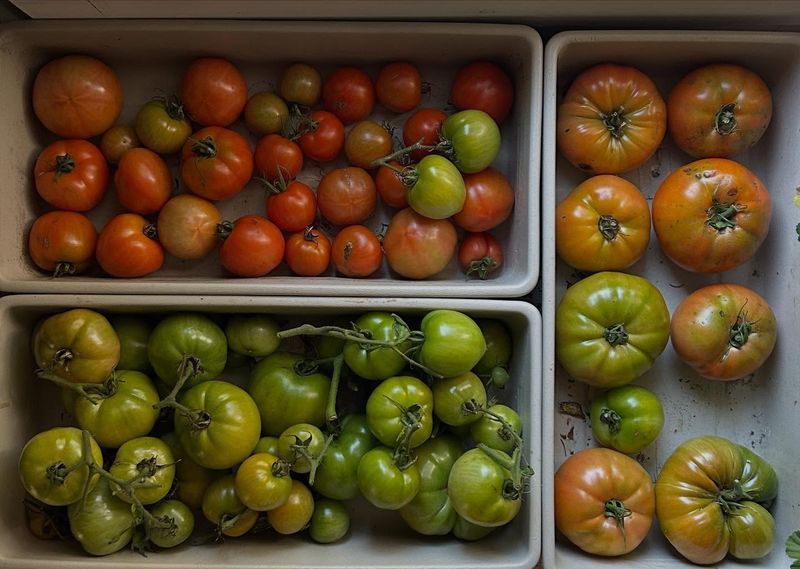
Not everyone has a basement with room for a jungle of hanging vines. Apartment gardeners, folks with small homes, and anyone with dozens of plants often find that picking single tomatoes is simply the smarter move.
A few trays can hold a surprising amount of fruit. Picking offers some real perks. Loose tomatoes take up far less space than whole plants. You can also sort them by ripeness and look closely at each one for damage or disease.
Start with a clean pair of garden snips or scissors. Cut each mature green tomato from the vine, leaving a short piece of stem attached. That little stem helps protect the spot where the fruit connected to the plant.
Next, wipe off any dirt with a dry cloth. Skip washing them for now, since extra moisture can lead to mold while they sit. You can rinse them later when you are ready to eat them.
Sorting comes next, and it really pays off. Set aside any tomatoes with cracks, bruises, or soft spots and use those right away in cooking. Damaged fruit spoils faster and can cause trouble for its neighbors.
Place the rest in a single layer on trays, cookie sheets, or shallow cardboard boxes. Keep them from touching if you can, so air flows around each one.
Michigan gardeners often end up with a mountain of tomatoes the night before the first frost. When you are hauling in bucket after bucket, picking keeps things organized and manageable.
A quick sort at harvest time saves hours of headaches later, and it helps every good tomato reach your plate.
4. Don’t Bring Diseased Plants Indoors
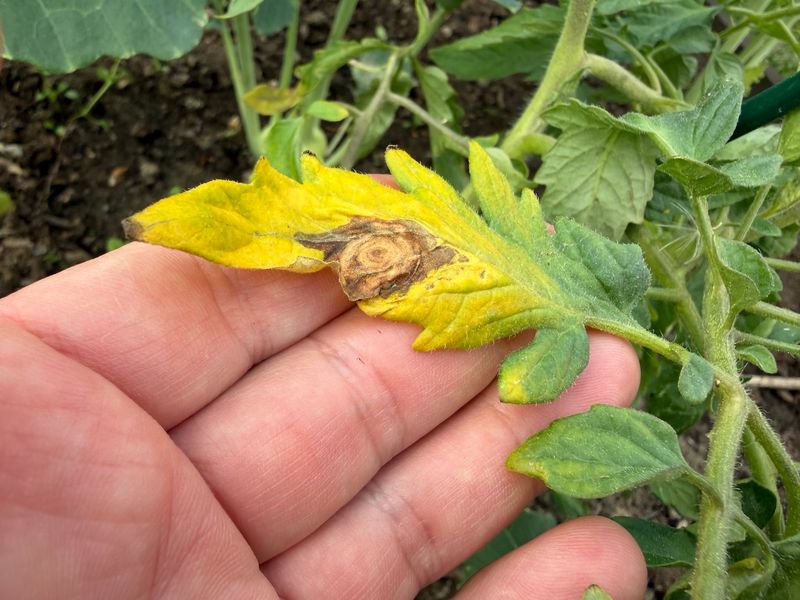
A sick tomato plant can be a sneaky troublemaker. It might look fine from a few feet away, but up close it could be covered in disease spores. Hang that plant in your basement, and you may be inviting a problem right next to your healthy fruit.
Diseases like late blight and early blight travel easily. Spores can ride indoors on leaves, stems, and infected tomatoes. Once inside, they may spread to clean fruit while everything sits ripening together.
Before you pull any plant, take a careful look. Late blight often shows up as dark, greasy-looking spots on leaves and stems. Early blight usually appears as brown spots with rings inside them, a bit like a tiny target.
Also check the fruit itself. Rotting tomatoes, firm brown patches, or fuzzy growth are all warning signs. If you see any of these, the whole plant should stay out of your house.
Luckily, you can still save some of the harvest. Pick only clean, healthy-looking tomatoes from affected plants and keep them apart from the rest at first. Watch them closely for a few days.
As for the plant, bag it up and put it in the trash. Skip the compost pile, because most home compost does not get hot enough to wipe out disease spores.
Michigan weather makes this step extra important. Cool, wet late summer and fall days create the perfect setting for tomato diseases, especially late blight.
Damp nights and morning dew give spores just what they need. A few minutes of careful checking can protect your whole indoor harvest.
5. Harvest Before Cold Damages The Fruit
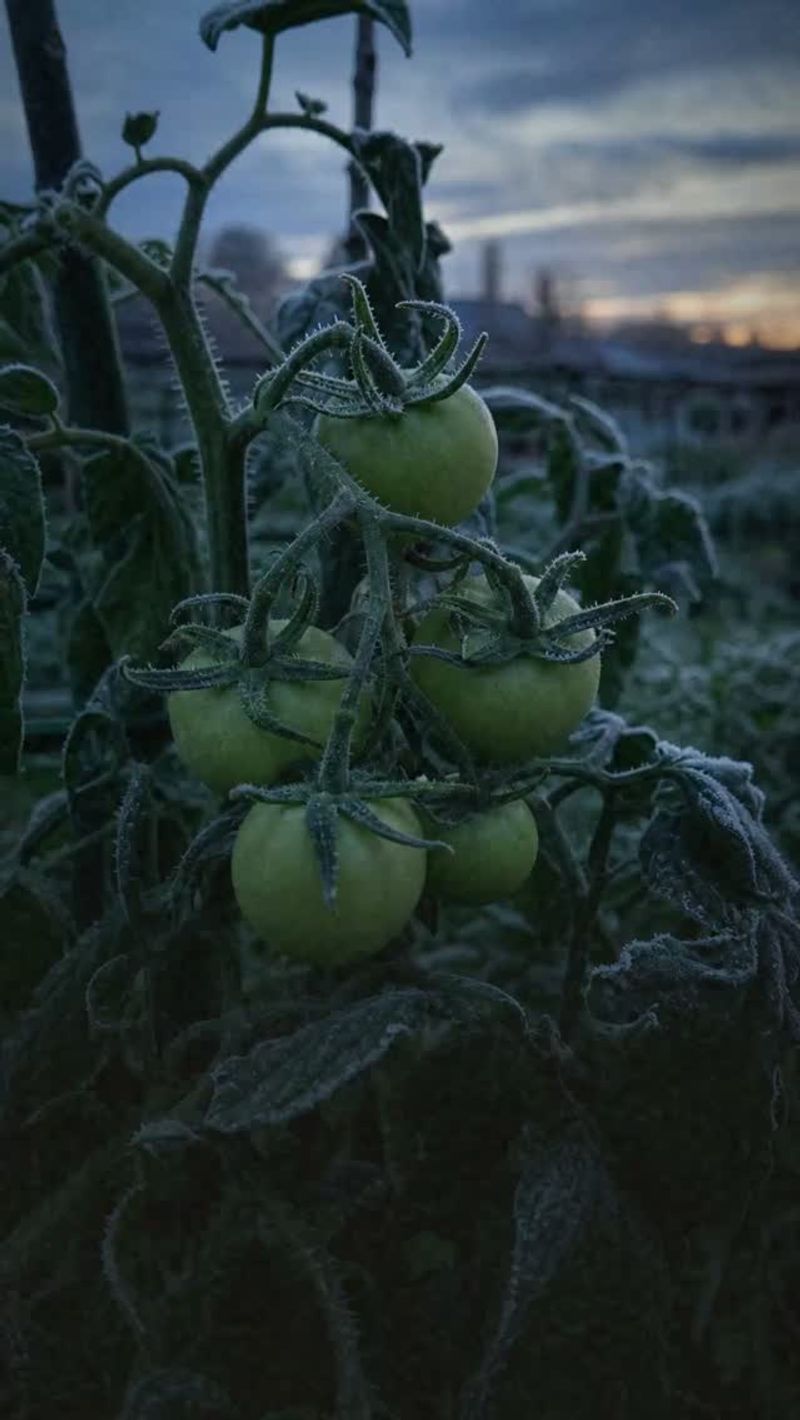
Frost gets all the attention, yet the real damage often starts earlier. Tomatoes are warm-weather plants, and they do not handle chilly nights well. Waiting until the very last moment can quietly ruin a good crop.
Here is why. Tomatoes can suffer something called chilling injury when they sit below about 50°F for long stretches. The fruit may look fine at first, but it often turns soft, watery, or blotchy and refuses to ripen properly.
Frost is even harsher. Ice crystals damage the fruit directly, leaving mushy spots that spoil fast. A single hard frost can wipe out the value of tomatoes that seemed perfectly healthy the day before.
Your best tool is the weather forecast. Starting in September, check it every day, especially the overnight lows. Plan to bring in mature green fruit before nights regularly fall into the 40s or before that first frost warning.
Want to squeeze out a few more days? Frost cloth can help. Drape it over plants on cold nights, letting it reach the ground to trap warmth from the soil. Remove it in the morning once temperatures rise.
Timing looks very different across Michigan. Gardeners in the Upper Peninsula and northern Lower Peninsula often see cold nights in early or mid-September. Down in southern Michigan, the season may stretch into early October.
Lake breezes can also shift things a bit. Spots near the Great Lakes sometimes stay milder a little longer than inland areas. Knowing your own local pattern helps you harvest at just the right time and keep your tomatoes in top shape.
6. Ripen Tomatoes Warm And Check Them Often
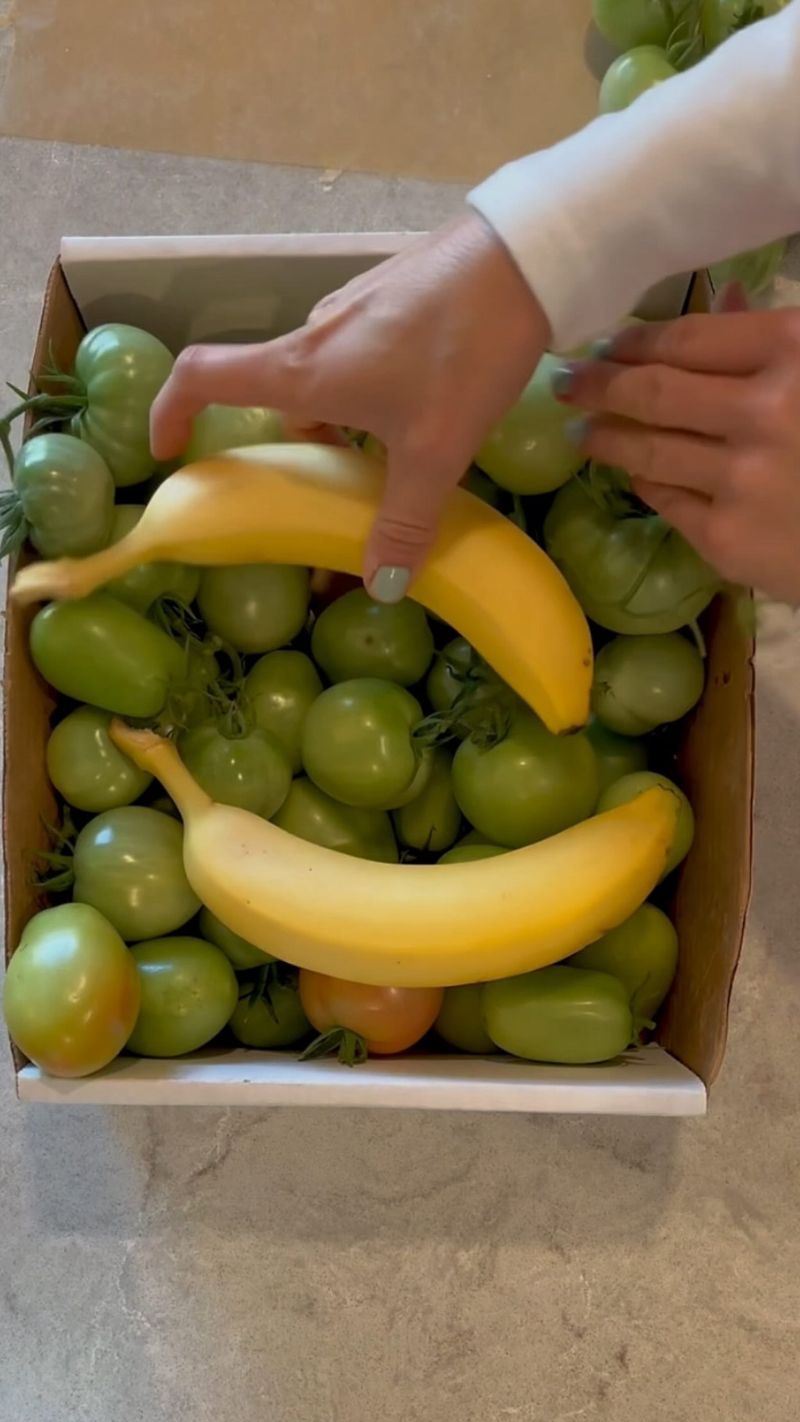
Think of your green tomatoes like guests who need a comfy room. Give them the right temperature, and they will slowly blush from green to orange to red. Get it wrong, and they either stall out or spoil before you can enjoy them.
The sweet spot sits around 60 to 70°F. Cooler places slow ripening way down, and below about 50°F it may stop completely. Warmer spots speed things up, but they also make rot more likely.
Light is less important than many people think. In fact, direct sunlight can heat tomatoes unevenly and cause soft spots. A shelf, counter, or table away from windows works just fine.
Watch out for heat vents and radiators too. Those spots can get too warm and dry, which leads to shriveled or spoiled fruit. A steady, mild spot is what you want.
Make checking your tomatoes part of your routine. Every day or two, take a quick look and remove any that feel soft or show spoiling. One bad tomato can quickly affect the ones around it.
Need a little speed boost? Set a few ripe tomatoes or a banana nearby. Both release ethylene, a natural gas that helps fruit ripen faster.
Michigan homes add their own twist in fall. Houses cool down as the days shorten, and heating systems often create warm and cold pockets in different rooms.
A tray near the furnace may ripen quickly, while one by a drafty door barely changes. Try a thermometer in a few spots to find your best ripening corner.
7. Clean Up The Garden After Harvest
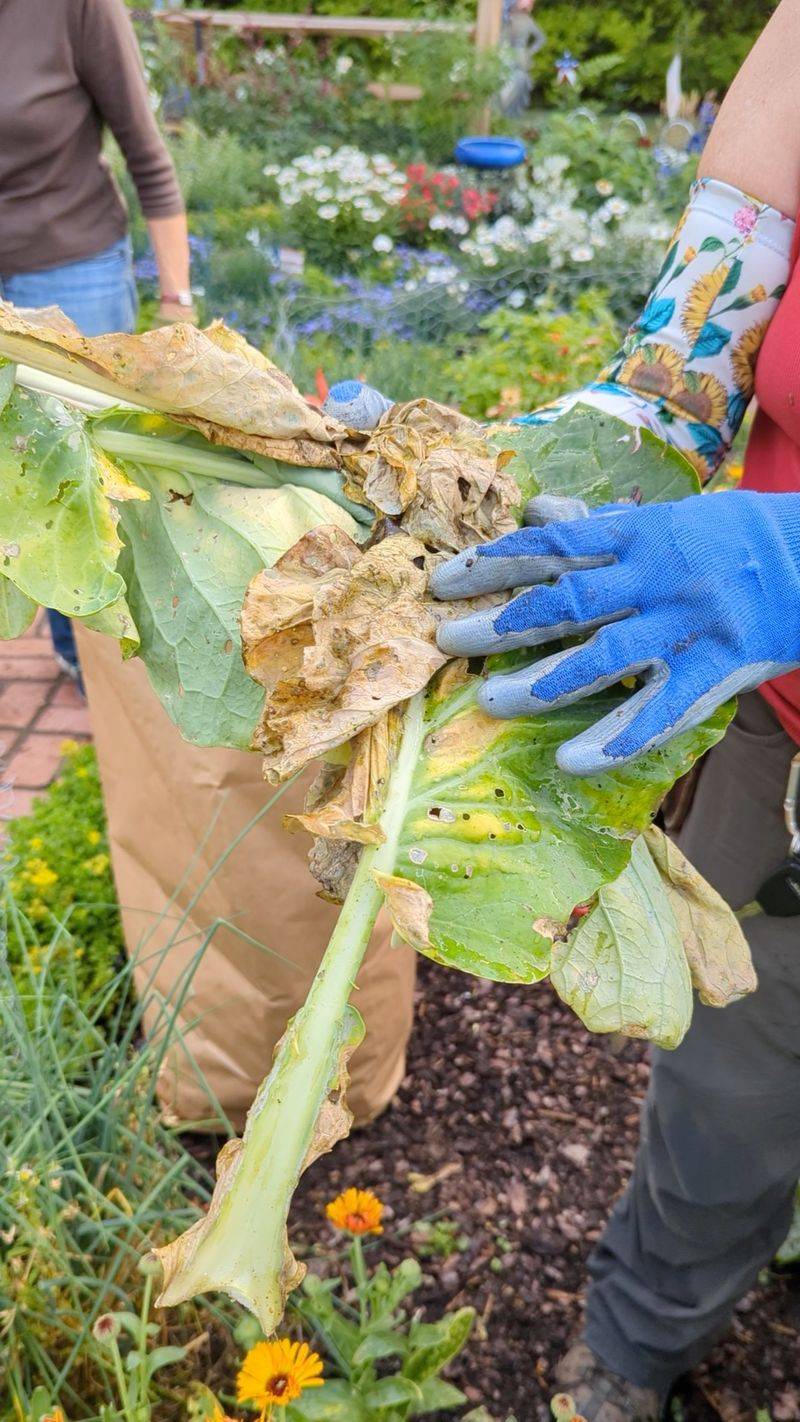
Your future self will thank you for this one. Once the last tomatoes come inside, the garden still needs a little attention. A good cleanup now can make next summer far more successful.
Old vines and fallen fruit are more than just clutter. They can carry diseases like early blight and Septoria leaf spot right through the winter. Come spring, those germs are waiting to attack your brand new plants.
Start by pulling every remaining tomato plant, roots and all. Then walk the bed and gather up any tomatoes that dropped to the ground. Even small, squishy ones can hold disease and sprout surprise seedlings next year.
Sorting the waste is the next step. Bag any plants that showed spots, yellowing, or other disease signs and put them in the trash. Healthy plant material can go in your compost pile without worry.
Planning ahead helps too. Pick a different spot for tomatoes next year, ideally one where tomatoes, peppers, potatoes, and eggplants have not grown recently. These plants are cousins and share many of the same diseases.
Moving your crops around is called crop rotation, and farmers have used it for centuries. Many gardeners aim for a three-year gap before returning tomatoes to the same bed.
Michigan gardens benefit a lot from this habit. Tomato diseases tend to build up season after season in backyard plots, especially after our wet springs and damp falls.
A tidy garden in October means healthier vines, fewer spots on the leaves, and more delicious tomatoes when summer rolls around again.