That Mystery Leaf Ball In Your Upstate New York Tree Isn’t A Bird’s Nest
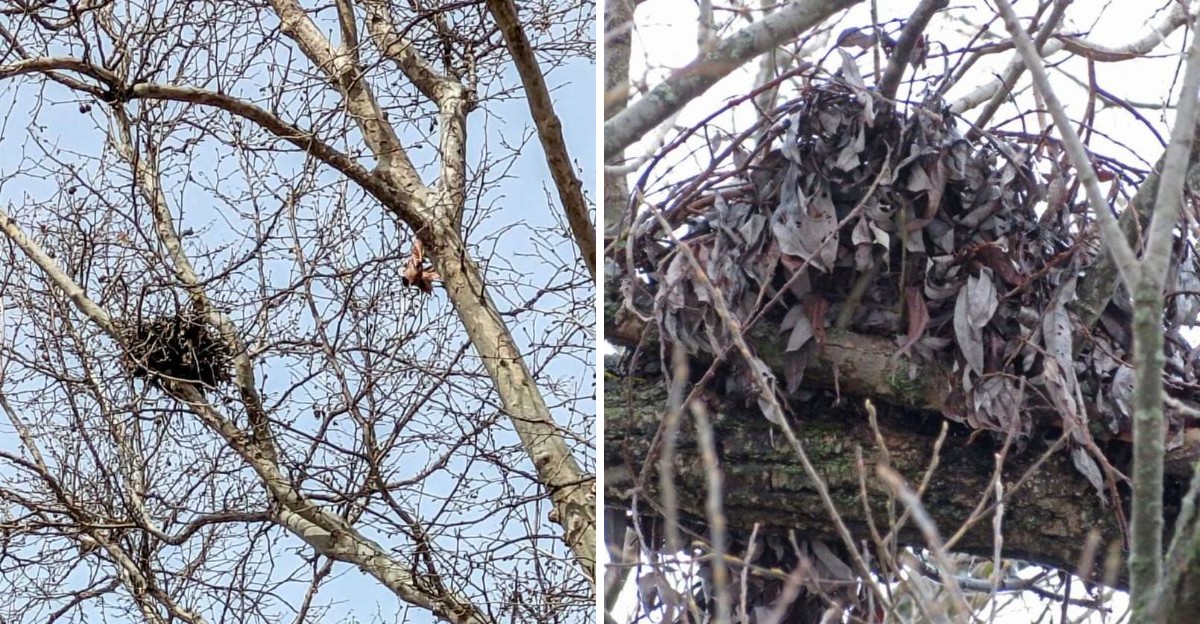
A shaggy brown blob sits wedged high in a bare oak, like a wad of soggy cornflakes stuck in the branches. Most people in Upstate New York guess it belongs to a bird, maybe a crow or a hawk.
No feathered builder made it at all. The real architect is fuzzier, bolder, and probably raiding your bird feeder right now.
Once you know the clues, you’ll spot these leafy balls on every country drive. Each one holds a story about weather, family life, and clever survival skills.
Some even shelter tiny surprises in the middle of a snowy February. Knowing who lives up there can also help you protect your roof and attic.
The guide below explains what to look for and what to do about it. Your backyard neighbor is ready to be introduced.
1. A Squirrel Built It, Not A Bird
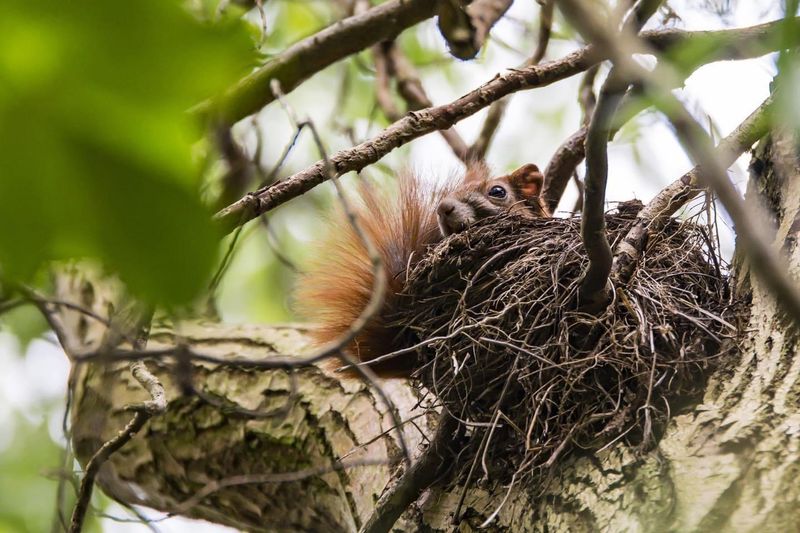
Meet the drey, the official name for a squirrel’s leafy treetop home. Plenty of people walk past one for years and assume a bird moved in.
Honestly, the mistake makes sense from the ground. A clump of sticks high in a tree looks a lot like the nests we drew in grade school.
Look closer, though, and the shape gives the secret away. A drey is a round, closed ball, while most bird nests stay open on top.
Squirrels in Upstate New York build dreys because tree holes are not easy to find. A good hollow trunk is prime real estate, and plenty of animals compete for it.
Building from scratch solves that housing problem fast. A busy squirrel can put together a basic drey in just a day or two.
Here is a fun bit of trivia for your next family dinner. The word drey has been used in England for centuries, long before anyone studied backyard wildlife.
Want to test your detective skills this week? Take a slow walk around your neighborhood and count every leaf ball you spot in the treetops.
Next, watch one for about ten minutes in the early morning. Squirrels are most active after sunrise, so you might catch the owner heading out.
Spotting the builder in action is the best proof you can get. Once you see a bushy tail vanish inside, you will not mistake a drey again.
Bring binoculars if you have them handy. Even cheap ones make the woven details pop, and kids usually love the hunt.
2. Gray Squirrels Weave Leaves And Twigs Into A Tight Sphere
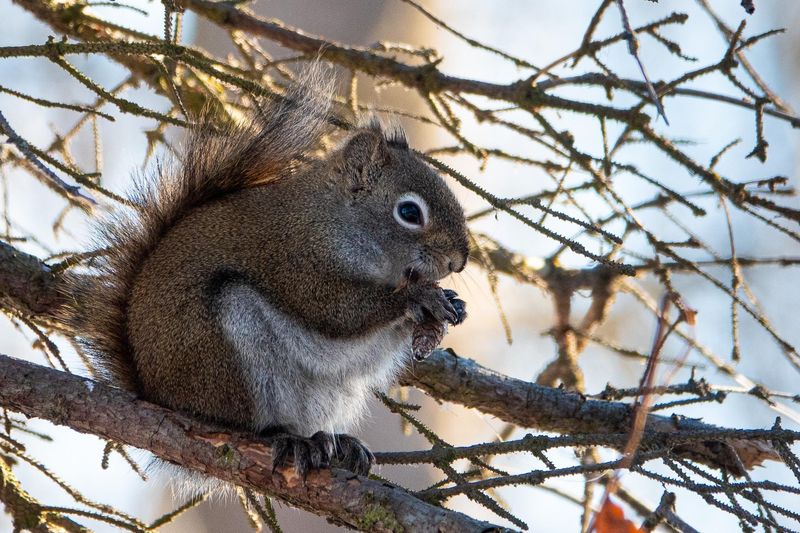
Picture a tiny construction worker with a mouth full of oak leaves. Eastern gray squirrels, the most common kind across New York, are surprisingly skilled weavers.
First, they snip green twigs with leaves still attached. Fresh leaves cling to branches better, so the outer frame holds together through rough weather.
Beech, elm, and oak trees supply most of the building material. Squirrels also strip bits of bark to stuff into gaps and tighten the walls.
Next comes the weaving part, which is honestly impressive to watch. The squirrel pushes and tucks twigs in a loose crisscross pattern until a rough shell forms.
Your New York Garden Changes Every Week. Your Plan Should Too.
Gardening in New York changes quickly throughout the season. Every Friday you’ll receive a simple weekly plan showing exactly what to plant, prune, fertilize, harvest, and protect so you never miss the right timing.
Over time, packed leaves fill the spaces between sticks. The result is a hollow sphere around 12 inches across, though some reach two feet wide.
Think of it like a basket stuffed with crumpled paper. From outside it looks messy, yet the layers lock together with real strength.
Dreys can handle heavy wind, pounding rain, and thick snow. Many hang on for months, and some survive a full year with repairs.
Curious how sturdy one feels? Check the ground after a big storm, because a fallen drey lets you study the craftsmanship up close.
Wear gloves before touching any old nest. Fleas and mites sometimes linger inside, so a stick works well for gentle poking.
You might be amazed at how many layers you find. Some dreys hold hundreds of leaves packed tighter than a winter sleeping bag.
3. It Sits In A Fork Or Against The Trunk, Often High Up
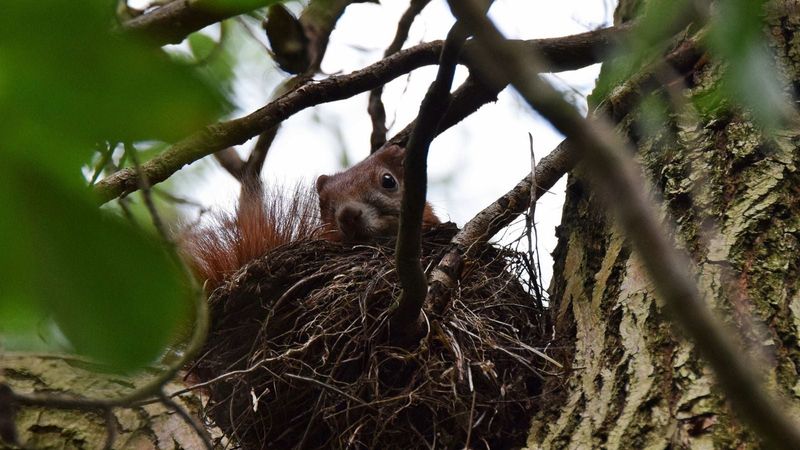
Location matters for squirrels just as much as it does for house hunters. A smart builder picks a spot that stays steady when strong winds roar.
Most dreys rest in a fork where several sturdy branches meet. Others sit snug against the main trunk, which acts like a solid back wall.
Height is part of the plan too. Favorite spots often land 30 to 40 feet above the ground, well beyond the reach of curious dogs.
Being high up offers good protection from many hunters. Foxes and roaming cats have a much harder time climbing to that level.
Flying squirrels, which also glide through New York forests, may nest even higher. You rarely see them, though, because they come out mostly at night.
Here is a handy tip for your next walk. Scan the tallest trees first, then follow the trunk upward until you reach the first big split.
Leafless winter months make the search much easier. Without summer foliage hiding everything, dreys pop out like dark polka dots against the sky.
Notice which tree types hold the most nests near your home. In many Upstate yards, big oaks and maples win the popularity contest easily.
Keeping a little notebook of locations can be a fun family project. Check back each season to see which dreys get rebuilt and which fall apart.
You may find the same tree hosting new homes year after year. Good real estate rarely stays empty for long.
4. Birds Build Open Cups, Not Closed Balls
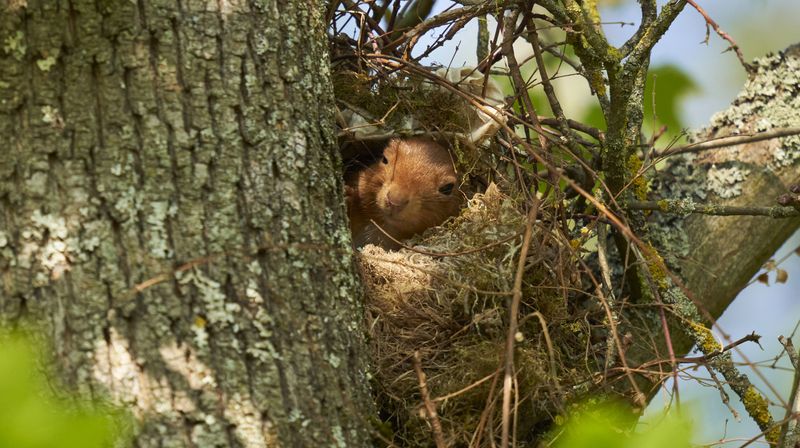
Ever peeked into a robin’s nest and spotted bright blue eggs? Seeing inside so easily is the biggest clue separating bird homes from squirrel dreys.
Most birds build cup-shaped or flat platform nests. The top stays open so parents can hop in, settle down, and warm their eggs.
Bird builders also prefer finer materials. Soft grass, mud, feathers, and thin twigs show up far more often than big leafy branches.
Size gives another useful hint. Songbird nests are usually small enough to fit in your cupped hands, while dreys look like soccer balls.
Neatness is the final giveaway. Bird nests tend to look tidy and carefully shaped, while dreys look shaggy, like a bad hair day.
Sure, a few exceptions exist out there. Large hawks and crows make bulky stick piles, yet those piles still lack a leafy roof on top.
Quick checklist time for your backyard investigation. Ask yourself whether it is round, whether leaves cover it, and whether you see any bowl.
If the answers are round, leafy, and no bowl, you found a drey. Congratulations, your new neighbor has a bushy tail.
Remember that bird nests are protected by law in many cases. Federal rules cover most native songbirds, so admire them without moving anything.
Learning the difference keeps both animals safe. It also makes you the go-to nature expert on your street.
5. Squirrels Often Build More Than One
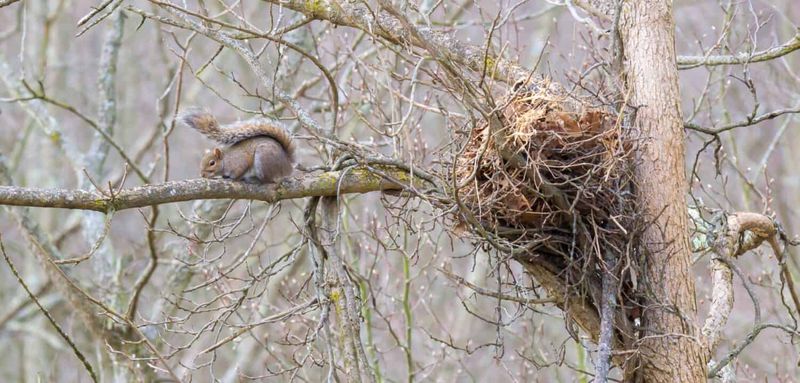
Spot three leaf balls in one tree line, and you might think a whole squirrel village moved in. Sometimes the truth is funnier: one squirrel owns several homes.
Many squirrels build more than one drey each season. Think of the extras as vacation cabins, ready whenever the main house has trouble.
Backup homes come in handy for several reasons. A hungry hawk might find the first nest, or fleas could make it unpleasant to sleep inside.
When that happens, the squirrel simply moves next door. No packing boxes, no moving truck, just a quick leap across the branches.
Some researchers believe squirrels even build fake nests. These half-finished decoys may confuse predators searching for a real family.
Summer dreys look different from winter ones too. Warm-weather versions are flatter and airier, while cold-season homes get thick walls and solid roofs.
Sharing happens as well during brutal cold snaps. Several squirrels may pile into one drey to trade body heat, like campers in one tent.
Mothers expecting babies prefer privacy, though. A pregnant female usually nests alone until her young are ready to explore.
Want to see this in action yourself? Watch which nest a squirrel enters in the morning, then check again at dusk to see if it switched.
You might discover your backyard squirrel has quite the property collection. Upstate real estate prices clearly do not bother these fuzzy landlords.
6. Fall Is Prime Building Season
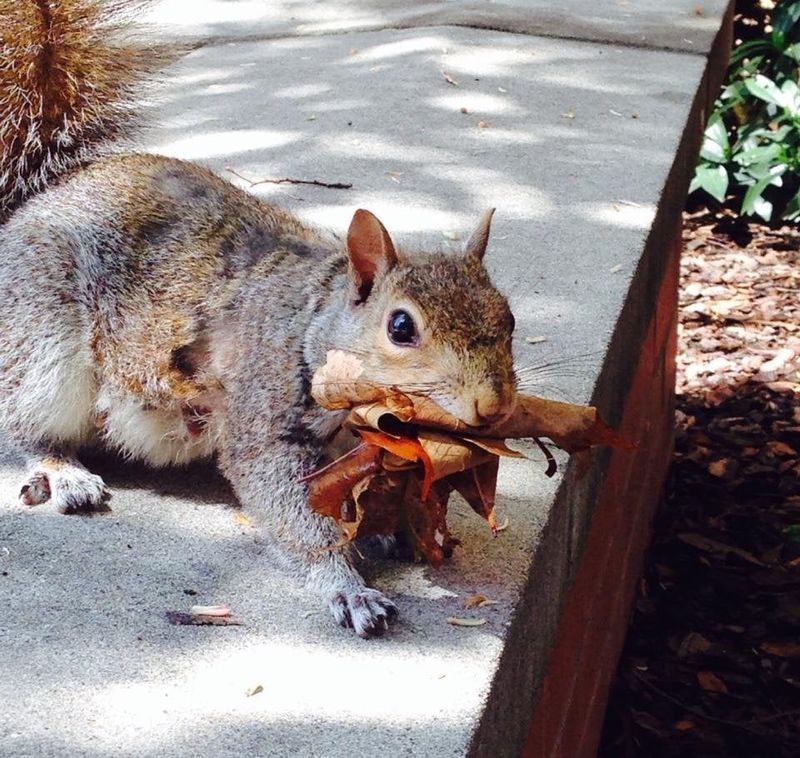
Crisp air, pumpkin spice, and squirrels racing around like they missed a deadline. Autumn in Upstate New York means construction season is in full swing.
Late summer through early fall is when squirrels get serious. They build new dreys or patch up old ones before the first hard freeze.
Timing makes perfect sense for these planners. Plenty of leafy twigs are still available, and food stores like acorns are piling up too.
You might notice more squirrels carrying leaves during October. Some dash by with mouths so full that they look like they grew mustaches.
Once the trees drop their colorful leaves, dreys suddenly appear everywhere. They were there all along, just hidden behind the summer greenery.
Lots of people first notice these nests in November. Bare branches reveal them, and that is usually when the bird nest guesses begin.
Here is a fun seasonal activity for families. Go on a fall leaf walk and keep a tally of squirrels spotted carrying building supplies.
Leave a few branches on the ground if you trim trees this time of year. Squirrels may happily recycle your clippings into fresh nest material.
Avoid raking every single leaf from wooded corners as well. A small leafy patch helps squirrels, insects, and overwintering butterflies.
Watching squirrels prepare is a reminder that winter is coming. They seem to know the Lake Effect snow is on the way.
7. The Inside Is Lined With Shredded Bark And Grass
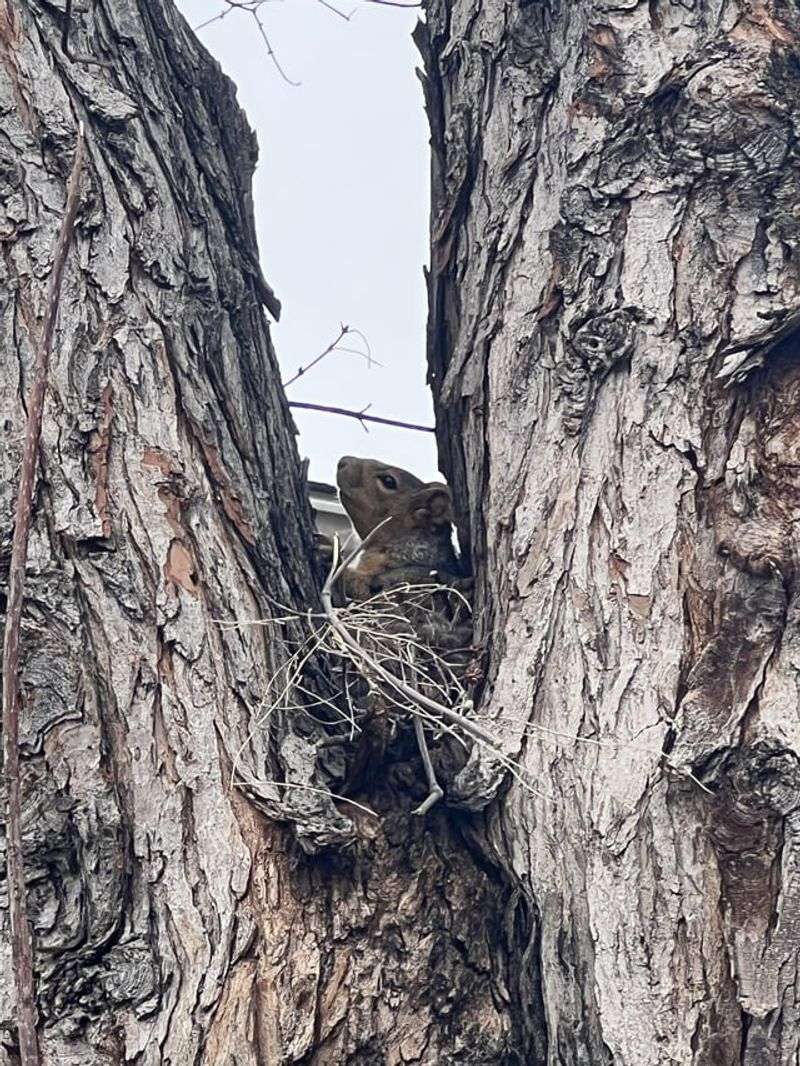
Rough on the outside, cozy on the inside, a drey is basically a fluffy sleeping bag. The real magic hides past the shaggy outer walls.
Squirrels line the inner chamber with soft, fine materials. Shredded bark, dry grass, moss, pine needles, and crumbled leaves all make the cut.
Some add feathers or bits of fur for extra comfort. Picture a handmade pillow fort, carefully stuffed until every gap feels snug.
That lining does more than feel nice. It traps warm air and blocks cold drafts sneaking through the twiggy shell.
Here is the wow moment for science fans. With a squirrel curled inside, a well-built drey can stay many degrees warmer than the frosty air outside.
That difference matters a lot during an Upstate winter. When temperatures drop well below zero, the warm chamber helps squirrels save precious energy.
Want to help backyard squirrels with their decorating? Leave natural fibers like dry grass clippings in a quiet corner of the yard.
Skip offering dryer lint or yarn, though. Lint falls apart when wet, and long strings can tangle tiny feet.
Shaggy-barked trees like cedars are popular shredding stations. If you have one nearby, watch for squirrels peeling off strips in early fall.
Inside, the squirrel curls up and wraps its bushy tail around its body. Tail plus lining equals one very toasty critter.
8. Winter Babies Can Arrive Before Spring
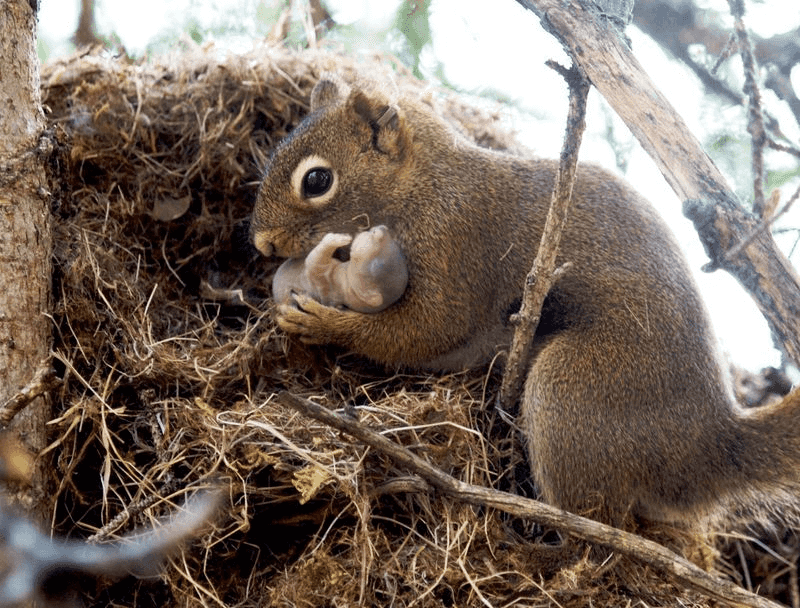
Snow on the ground, ice on the pond, and baby squirrels on the way. Surprised?
Many people assume animal babies only show up in spring.
Gray squirrels in North America usually raise two litters each year. One mating season happens in January and February, with another in late summer.
Babies from the winter round arrive in late winter or very early spring. Mothers often pick a sheltered tree hole, though some use a sturdy drey.
Summer babies are mostly raised in leafy dreys. Warmer weather means a thinner nest still keeps them comfortable.
A typical litter holds about three little ones. They are born hairless, with closed eyes, and rely fully on their mother for weeks.
Growing up takes a while for these youngsters. Most are ready to leave the nest around 12 weeks old, once they can climb well.
Here is why the timing matters for homeowners. A drey that looks quiet in February might actually hold a hidden nursery inside.
Before trimming trees in late winter, pause and watch for activity. Frequent trips by one adult may mean babies are tucked away up there.
Found a baby squirrel on the ground? Give the mother a few hours, since she often returns to carry it back home.
If no one comes, call a licensed wildlife rehabilitator in your area. They know how to care for tiny squirrels safely.
9. Leave It Alone Unless It Sits Near The Roof
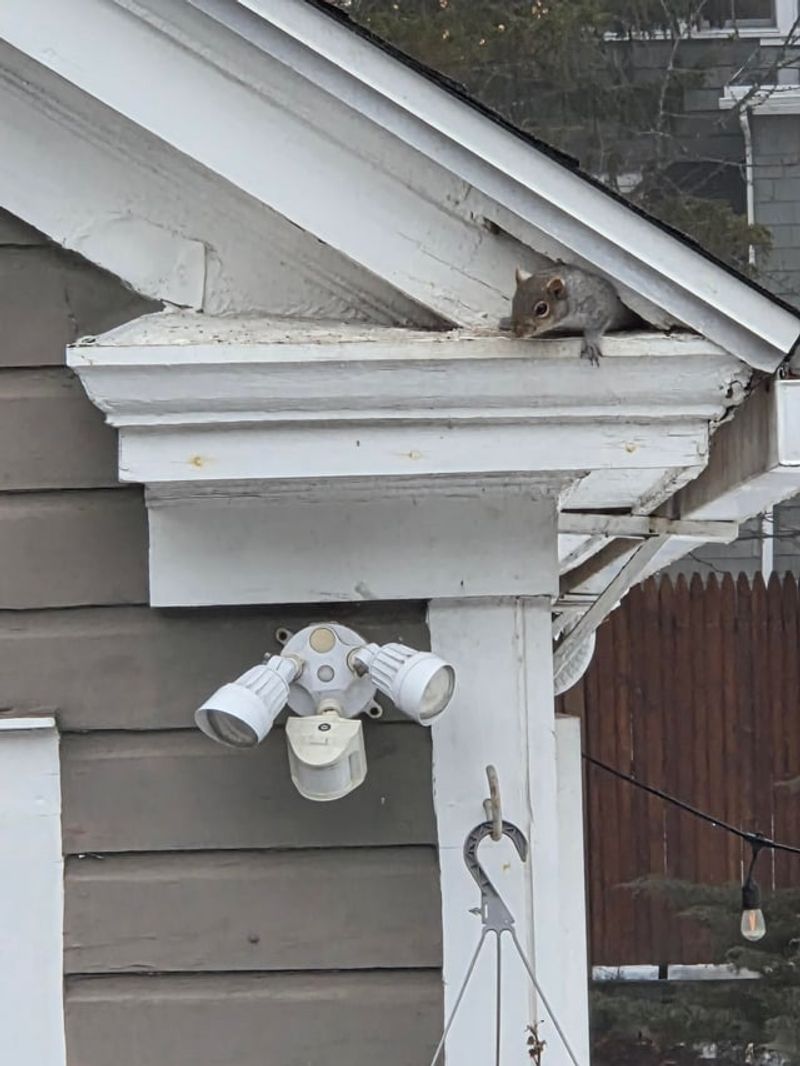
Good news for busy homeowners: most dreys need nothing from you at all. A leaf ball in the backyard maple is usually a harmless neighbor.
Removing a nest yourself can cause real trouble. You might disturb babies inside, and an empty winter nest leaves a squirrel struggling against the cold.
Health concerns matter here as well. Squirrels can carry ticks, fleas, and illnesses such as leptospirosis, so touching nests bare-handed is a poor idea.
Things change when a drey sits right beside your roof. A nest that close gives squirrels an easy launching pad toward shingles and gutters.
Watch for warning signs around your house. Scratching sounds overhead, chewed fascia boards, or shredded insulation often mean someone moved indoors.
When problems pop up near your Upstate New York home, call a wildlife expert. Trained crews know local rules and humane removal methods.
Timing matters too if work must happen. Late fall, after summer babies leave and before winter litters arrive, tends to be gentler.
Planning tree work of any kind? Always scan branches for active nests first, and check for the sound of tiny squeaks.
Patience pays off in most cases. Many dreys fall apart naturally once squirrels abandon them.
Leaving harmless nests alone also keeps your yard lively. Squirrels plant forgotten acorns, helping new oaks sprout across the neighborhood.
10. Trim Branches Near The House To Keep Squirrels Out Of The Attic
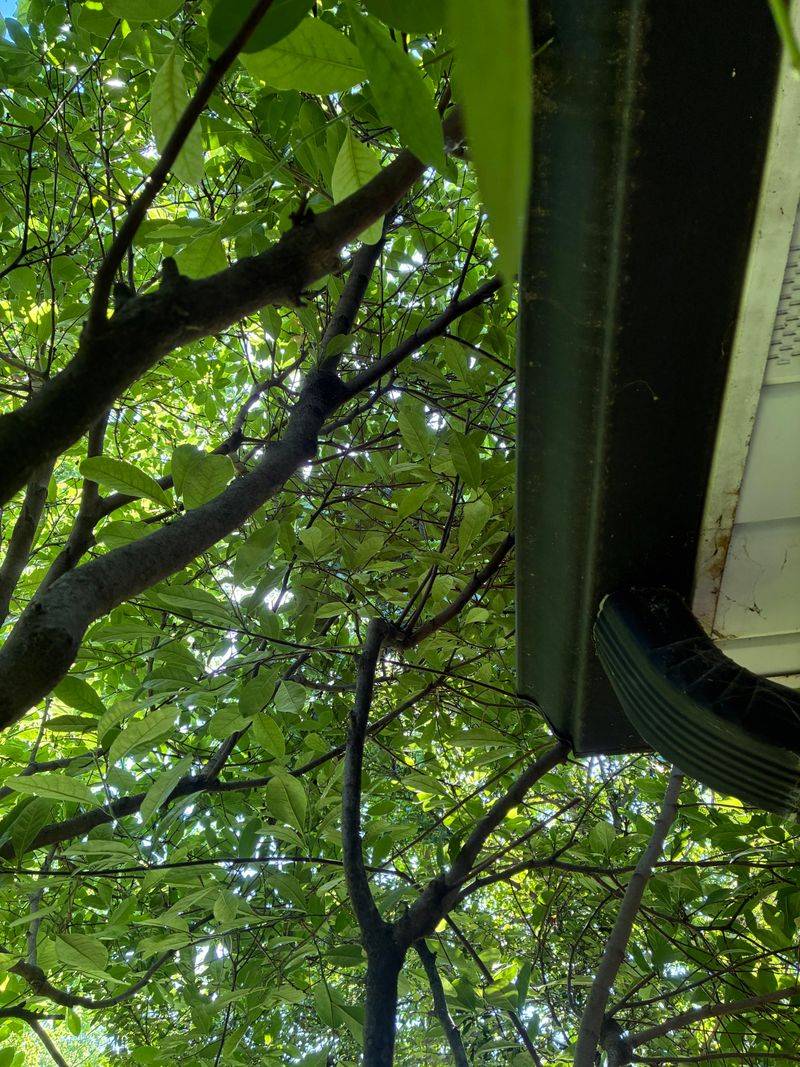
Squirrels are Olympic-level jumpers with zero respect for property lines. One leap from an overhanging branch, and your attic becomes their new winter lodge.
Trimming trees is one of the smartest prevention steps around. Most experts suggest keeping branches at least 6 to 8 feet from the roofline.
Some pros recommend a full 10 feet for extra safety. Squirrels can jump farther than you think, especially when they get a running start.
Pay special attention to limbs near chimneys and vents. Those openings make tempting doorways for any critter looking for warmth.
Late fall or winter is a handy time to schedule trimming. Bare branches make it easier to see which limbs hang too close.
Hire a certified arborist for big or high branches. Climbing ladders near rooflines is risky, and pros know how to keep trees healthy.
Pair trimming with a quick home inspection. Seal gaps around soffits, and cover vents with sturdy metal mesh rather than plastic screens.
Chimney caps are another worthwhile upgrade. They block squirrels, raccoons, and birds from slipping down inside.
Make tree checks a yearly habit, since branches grow back fast. A simple autumn walk around the house can catch problems early.
With smart trimming, everyone wins. Squirrels keep their treetop dreys, and you keep a quiet, critter-free attic.