Why Your Peace Lily Keeps Drooping After Watering (And How To Fix It)
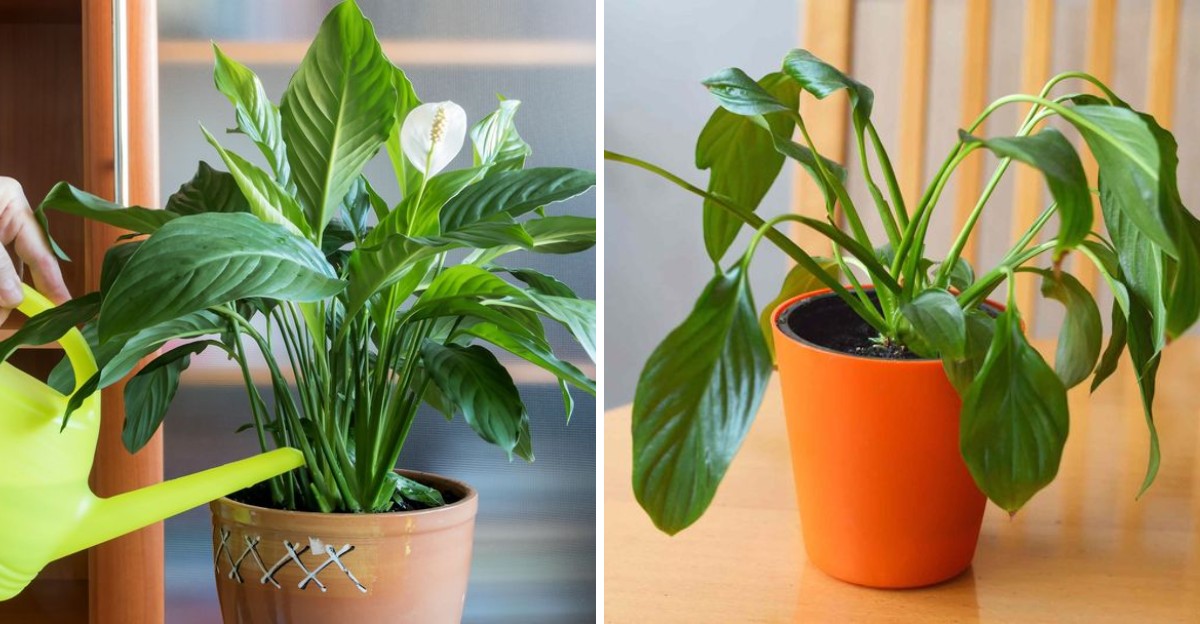
You watered, yet the leaves sagged anyway. Wet soil can fool you into trusting the wrong diagnosis. Waterlogged roots lose oxygen access, and drooping foliage is the signal you see.
Test the soil with your finger, because you need evidence. Plastic pots without drainage holes hold water around your plant for weeks. Heat in sunrooms dries moisture faster than you refill the saucer.
Meanwhile, a cold windowsill slows roots until they stop drinking, even when you pour generously. Strong sun can stress foliage faster than you realize.
Compacted soil resists water, so you pour while liquid skips the roots. Damaged roots look brown and soft, and you can smell the issue.
Slide the plant out gently and you will see the truth. Pale, firm roots tell you overwatering is not the cause. Seasoned growers trust this check, and you should.
Excess Water Cuts Off Oxygen To The Roots
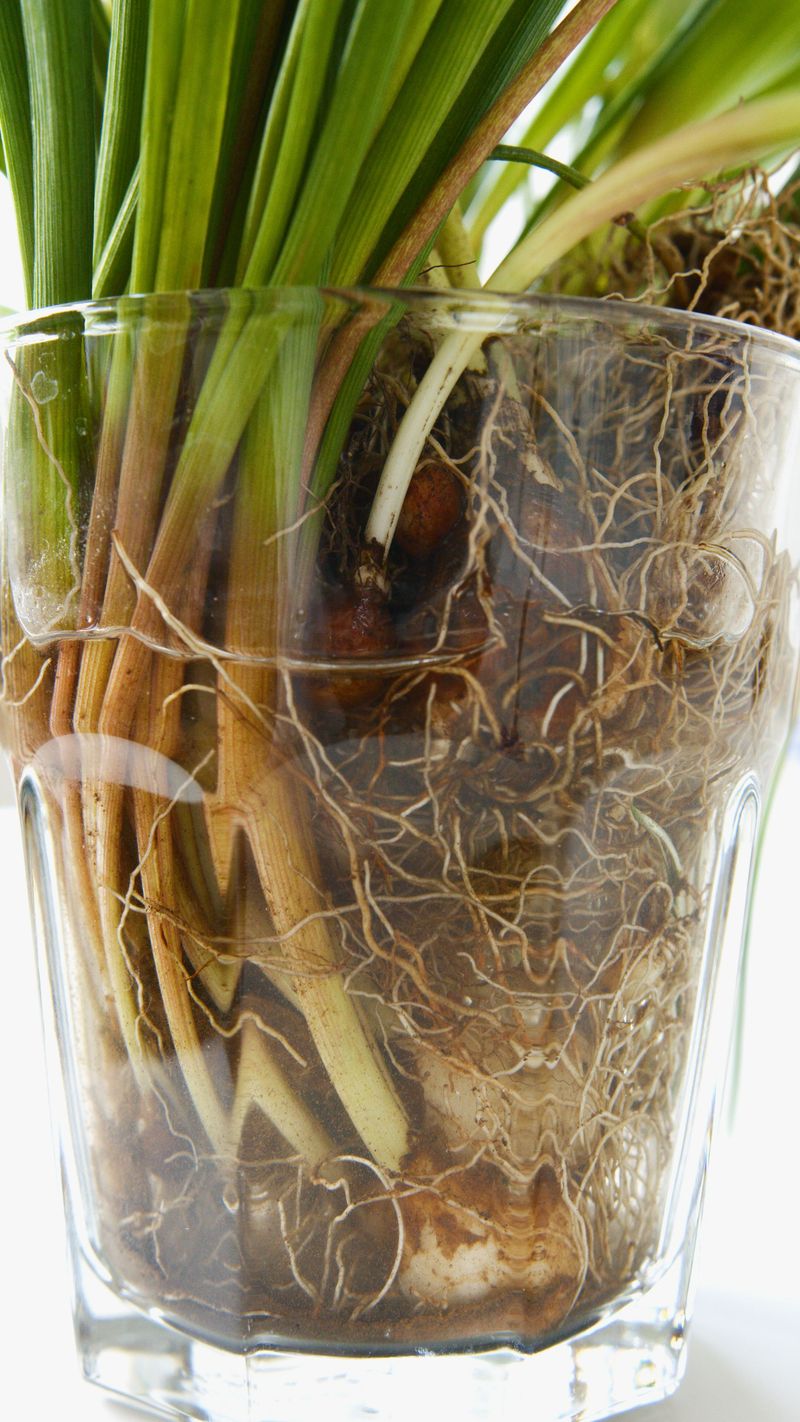
Think of trying to breathe through a damp cloth. That is what soggy soil feels like to peace lily roots sitting in a waterlogged pot.
Roots need tiny pockets of air between the soil bits to stay healthy. When water fills the pockets, the roots lose oxygen and begin to soften.
Damaged roots cannot move water up into the leaves, even though plenty sits around them. So the plant droops from thirst while standing in a puddle.
In October, this issue can grow worse because shorter days slow the plant down. It drinks less, yet many of us keep watering on the summer schedule.
Check the soil before you grab the watering can each time. Push a finger about two inches down and feel for moisture.
If it feels damp or cool, wait a few more days and check again. Water only when the top inch or two feels dry to the touch.
Lift the pot, too, because a heavy pot usually means wet soil inside. A light pot is a friendly signal that your plant is ready for a drink.
Yellow lower leaves and a sour smell from the soil are other warning signs. Catch them early, and your plant has a strong chance to bounce back.
Underwatering makes peace lilies droop too, so read the clues first. Dry soil and a light pot mean thirst, while damp soil and a heavy pot mean too much water.
Root Rot Could Be Behind The Droop
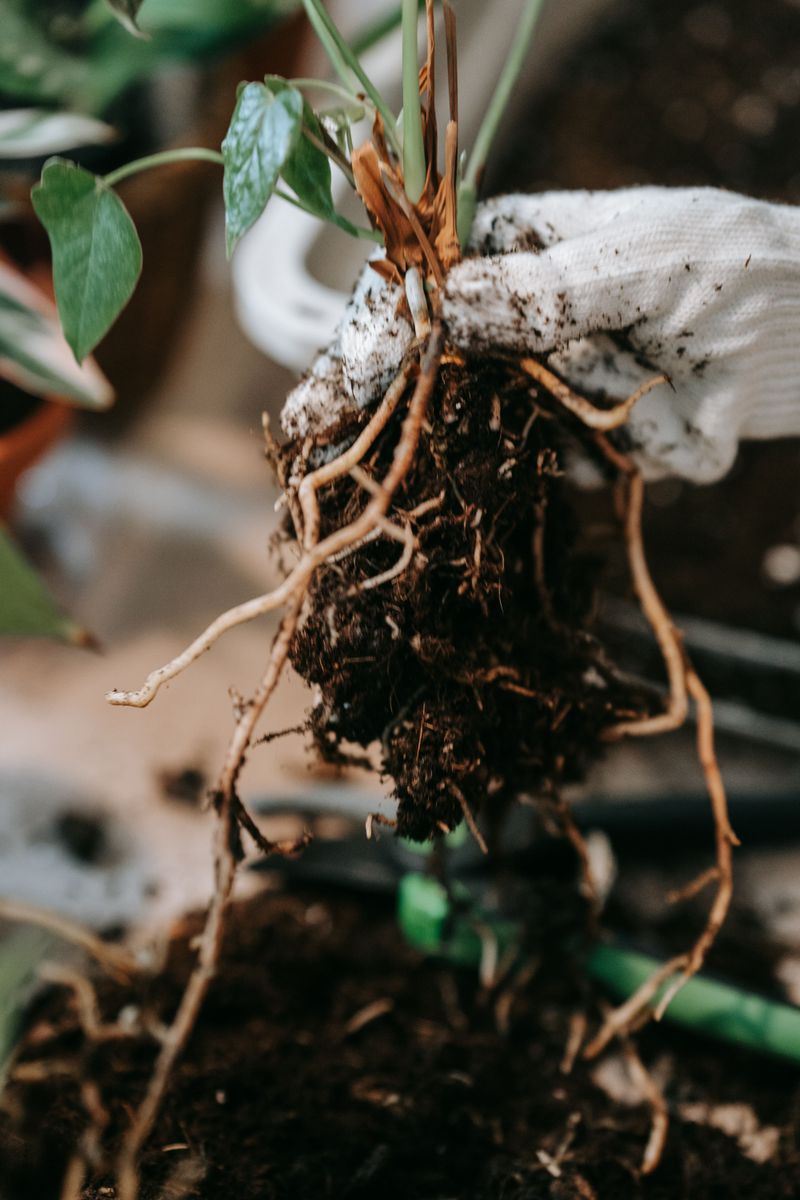
Picture an owner convinced the plant is thirsty, so the watering can comes out every two days. The leaves keep sagging until a peek under the soil reveals the real story.
The roots look soft, brown, and stringy instead of firm and white. Roots like these usually signal root rot, a disease caused by water molds and fungi that thrive in wet soil.
Rotting roots stop working like straws, so water cannot travel up to the leaves. The plant wilts after watering because extra water feeds the rot further.
Healthy roots feel firm and look white or light tan. Sick ones feel slimy, break easily, and often smell like a swampy pond.
To check, slide the plant gently out of its pot on a covered table. Shake away loose soil so you can see the roots clearly.
Wear gloves, since the sap can irritate skin and is mildly toxic to pets. Then snip off every soft brown root with clean scissors, wiping the blades with rubbing alcohol between cuts.
Next, repot the plant in fresh potting mix, not the old soggy soil. Old soil may still carry the pathogen, so toss it in the trash.
Water lightly afterward and keep the plant in bright, indirect light while it heals. Skip fertilizer for about a month so new roots can grow calmly.
Recovery takes patience, often a few weeks before leaves perk up again. Think of it as a hospital stay with a very leafy patient.
Your effort pays off when fresh shoots poke up from the center. That first new leaf feels like a tiny trophy.
A Pot Without Drainage Holds Water Too Long
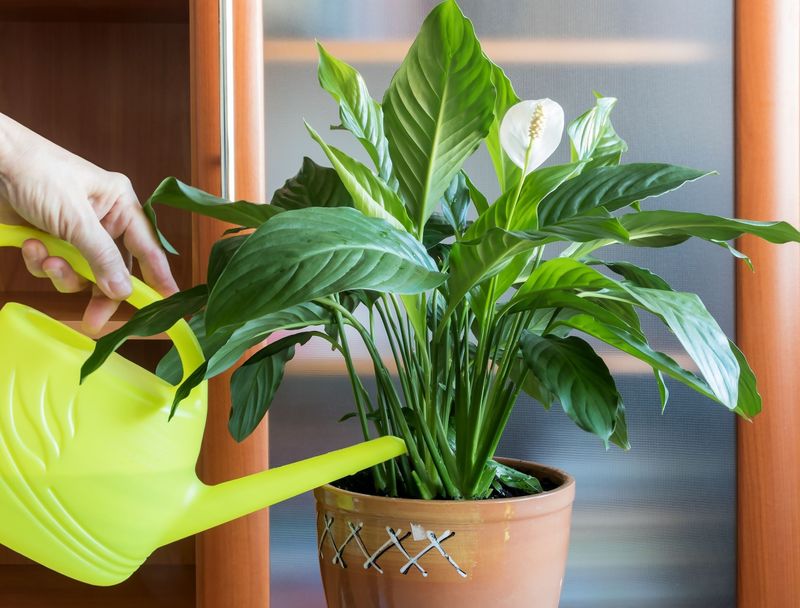
Decorative pots can cause drainage issues. Many have no hole in the bottom, so water has nowhere to escape.
Each time you water, the extra liquid pools at the base like a small reservoir. Roots sitting in that pool slowly lose their strength and stop drinking.
You might not notice because the top soil dries out and looks normal. Meanwhile, the bottom stays soaked, and the leaves droop as a signal.
Flip your pot over and look for at least one drainage hole. If you find solid ceramic, you have likely found the cause.
Lucky for you, the fix is simple and cheap. Plant your green friend in a plastic nursery pot with holes, then set it inside the pretty one.
Gardeners call this trick double potting, and it keeps style and health together. Just remember to empty the outer pot after each watering session.
A saucer under the pot also needs attention. Dump any water left there after about fifteen minutes so roots do not soak it back up.
Old, packed soil can block drainage too, even in pots with holes. Mix in some perlite or orchid bark to keep the soil loose and airy.
Your plant should drain freely within a minute or two after watering. If water sits on top for longer, the soil needs refreshing soon.
Good drainage is a basic but important part of plant care. It prevents many of the problems that fertilizer cannot fix.
Cold Drafts And Chilly Water Stress The Plant
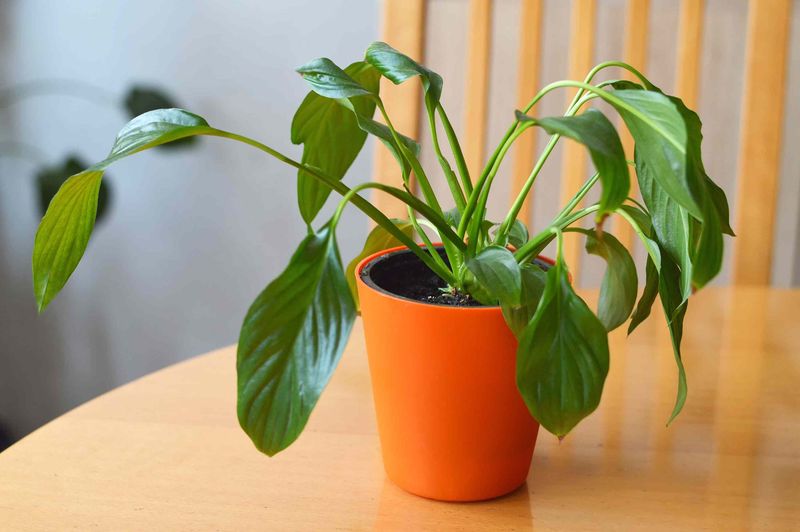
Imagine stepping out of a warm shower into a cold hallway. Your plant feels that same jolt when October drafts sneak past the window.
These leafy beauties come from warm tropical rainforests, including those of Colombia and Venezuela. They prefer temperatures between 65 and 80 degrees Fahrenheit, much like most people.
Once nights dip below about 55 degrees, the plant gets stressed and slows down. Cold roots struggle to take in water, so the leaves begin to sag.
Very cold water can add to the stress. Pouring cold water on warm roots gives them a sudden chill.
Fill your watering can the night before and let it sit at room temperature. Lukewarm water feels gentle and helps roots soak it up without fuss.
Next, walk around your home and feel for drafts near the plant. Drafty windows, outside doors, and air conditioner vents are common trouble spots.
Heaters cause problems too, since hot, dry air can dry out and brown the leaf edges. Keep the pot at least three feet away from radiators and heating vents.
A spot near an inner wall usually stays more stable through autumn. Pull the plant back from cold glass on frosty nights as well.
Fixing the temperature often brings quick results. Many plants lift their leaves again within a day once they feel cozy and safe.
Brown or black patches on leaves can hint at cold damage from earlier. Trim those spots off for a tidier look, and keep an eye on new growth.
Let The Soil Dry Between Drinks
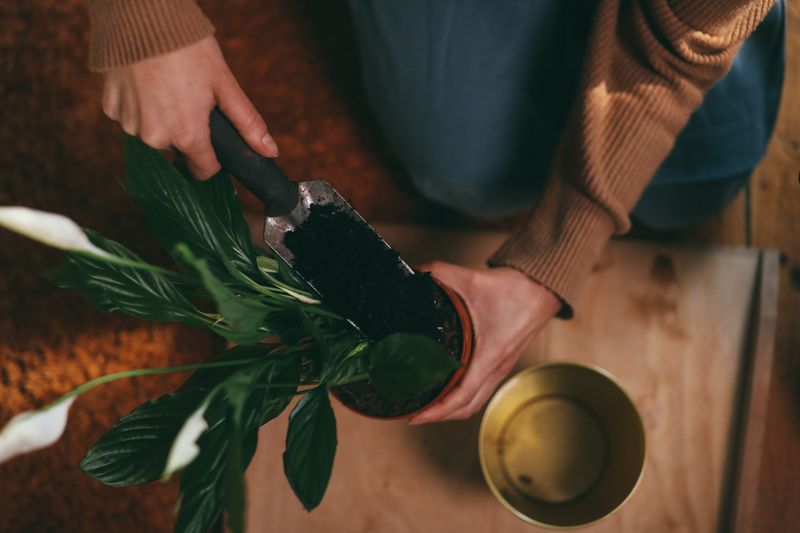
Patience matters when you water. Once you spot overwatering, the first step is to stop pouring for a little while.
Move the plant somewhere bright but out of harsh sun so the soil dries faster. A spot a few feet from an east window works nicely.
Tip out any water in the saucer or outer pot right away. Standing water keeps the bottom roots soggy no matter how long you wait.
If the soil feels heavy and wet, try a quick trick to speed things up. Set the pot on a dry towel or a stack of newspaper to draw out extra moisture.
Swap the paper out once it gets damp, usually after a few hours. You may need to repeat this simple swap two or three times today.
For badly soaked soil, gently pull the root ball out and set it on dry towels. Let it rest for a few hours before sliding it back in.
Once the top two inches feel dry, give a thorough drink until water runs out the bottom. Then wait again until those top inches dry out once more.
This rhythm keeps the soil evenly moist without letting it turn soggy. Soil that stays soggy all the time keeps roots weak and shallow.
Watch the leaves for a few days after you change your routine. Slow, steady perking up means you are heading in the right direction at last.
Repot Into Fresh, Airy Soil
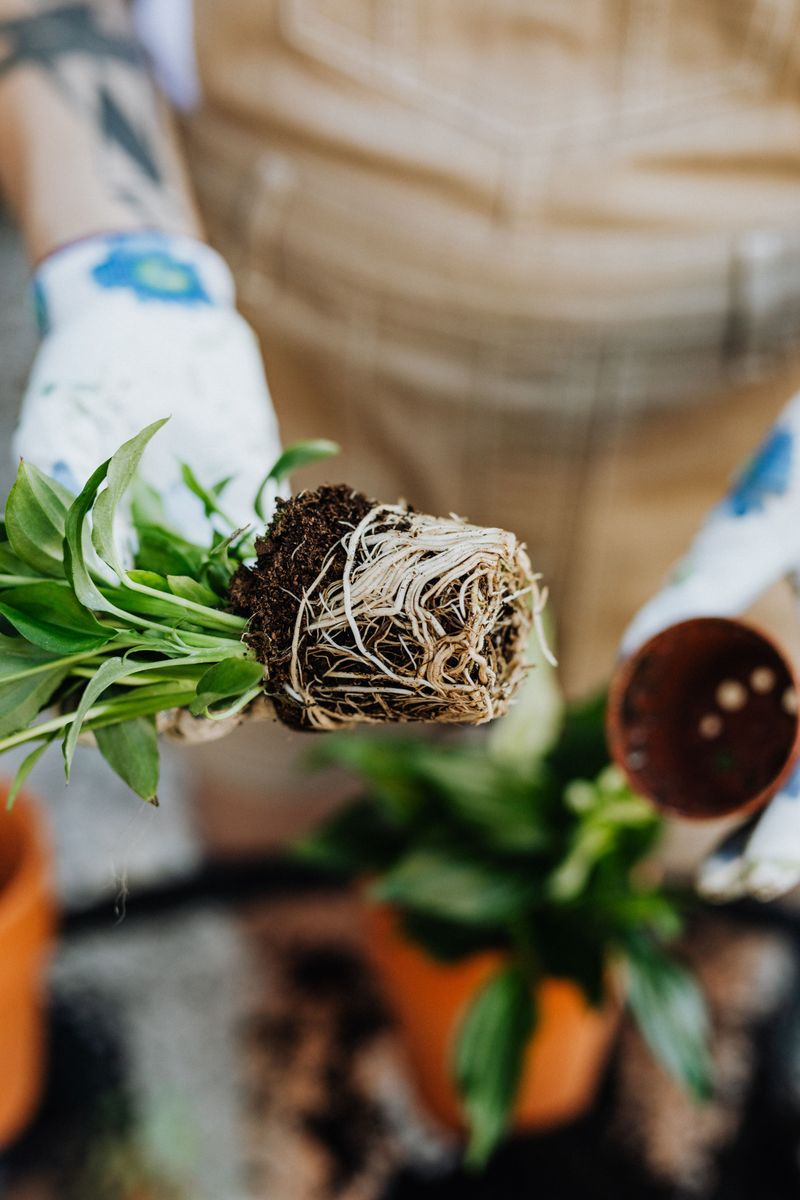
Old potting soil is a bit like a sponge left in the sink for years. It packs down, holds too much water, and limits oxygen for the roots.
Most plants need fresh soil every one to two years. If yours has been in the same mix longer, a repot can help.
Spring is the best time to repot, but fall works if your home stays warm. Pick a pot only one or two inches wider than the old one.
A giant pot sounds generous, but it holds extra wet soil the roots cannot reach. That soggy space invites rot and more droopy days.
For the mix, blend regular indoor potting soil with perlite and a handful of orchid bark. The result drains quickly yet still holds a bit of moisture.
Some growers add a scoop of coconut coir for extra fluffiness. It feels soft, smells earthy, and helps the soil stay light.
Gently loosen the roots with your fingers before placing the plant in its new home. Set it at the same depth it sat before, not deeper.
Fill around the sides and tap the pot to settle the soil. Avoid pressing it down hard, because roots love loose, breathable space.
Water once, let it drain fully, and expect a little sulking for a week. A small droop after repotting is normal and usually fades quickly.
Soon, the leaves should stand taller than they did in the tired old soil. Your plant should respond with healthier growth and, with luck, fresh white blooms.
Find The Sweet Spot For Light
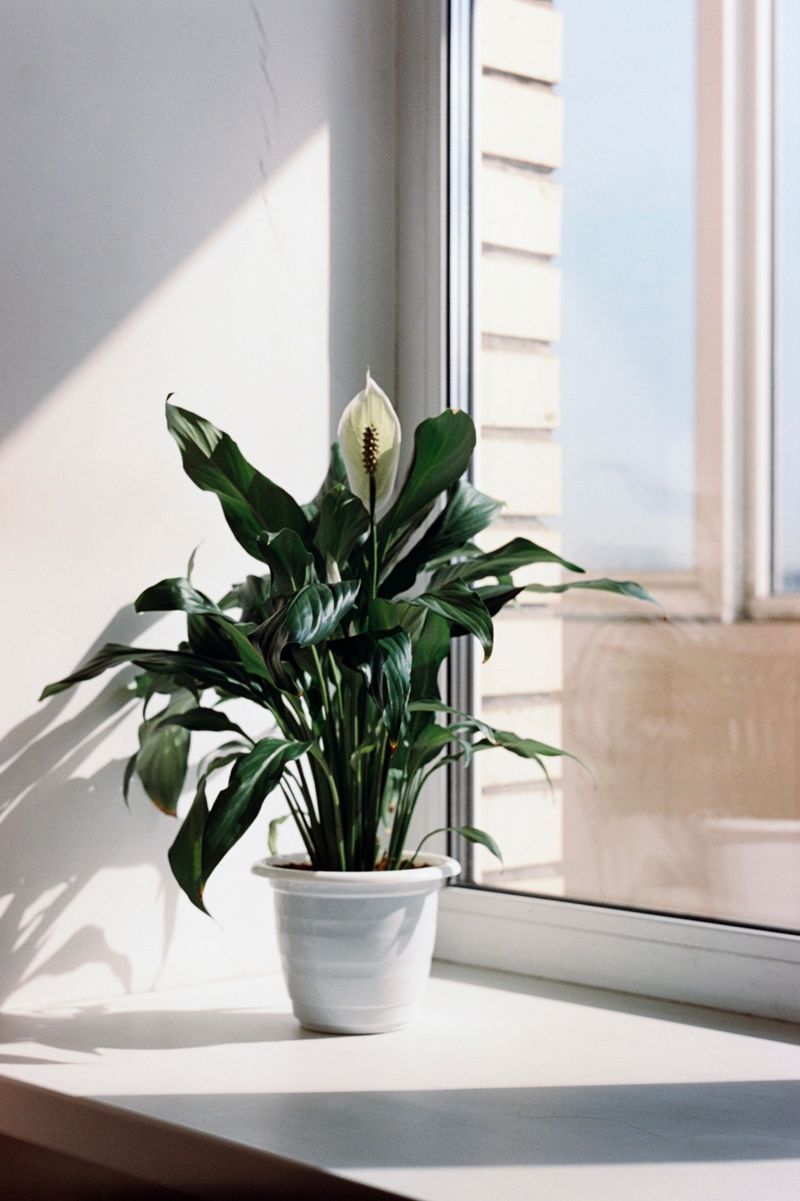
Light and water work as a team, though the link is easy to overlook. A plant in a dim corner uses water slowly, so the soil stays wet longer.
In October, the sun sits lower and daylight shrinks by about two to three minutes each day. Your plant may suddenly find its favorite spot a lot gloomier.
These plants enjoy bright, indirect light, like the glow near a sheer curtain. Direct afternoon sun, though, can fade and brown the leaves.
Try a north or east window during fall and winter months. Those spots offer soft, steady light without harsh midday heat.
Here is an easy test you can do with your own hand. Hold it a foot above the leaves at noon and look at the shadow.
A soft, fuzzy shadow means the light is just right. A sharp, dark shadow means too much sun, while no shadow means too little.
If your home feels dark, a small LED grow light can help a lot. Run it about ten to twelve hours a day for steady growth.
Turn the pot a quarter turn each week so all sides get equal light. Leaning leaves are a polite request for a better view.
Better light helps roots drink faster, which keeps soggy soil from lingering. It also boosts the energy your plant needs to grow white flowers later.
Small moves can make a big difference here. Sliding the pot just three feet closer to a window may help resolve the droop.
Build An Easy Autumn Care Routine

Plants love routines almost as much as cats love sunny windowsills. A simple weekly checklist keeps droopy surprises from sneaking up on you, and these seasonal tips suit the Northern Hemisphere.
Start each week by sticking a finger into the soil to test moisture. Give a drink only when the upper soil feels dry, then empty the saucer.
Next, wipe the leaves with a soft, damp cloth to remove dust. Clean leaves soak up more light, which helps the whole plant work better.
Indoor heat in fall dries the air, so humidity drops fast. Group plants together or use a small humidifier for extra moisture.
Hold off on fertilizer until spring arrives. Plants grow slowly in autumn, and extra food can build up salts that damage tender roots.
Every month or two, flush the soil by running water through it for a minute. That rinse washes away mineral buildup from tap water or old fertilizer.
Some owners switch to filtered or rainwater if leaf tips keep browning. Tap water with lots of chlorine or fluoride can bother sensitive plants.
Keep a tiny notebook or phone note to track watering dates. Patterns appear fast, and you will learn your plant’s real thirst schedule.
A healthy plant should stand tall within a few hours after each drink. If it still slumps, glance back through the earlier causes and adjust.
Before long, the routine feels as natural as brushing your teeth. Your leafy roommate will reward you with perky leaves all season long.