The Pennsylvania Native Shrub That Turns One Yard Into A Bird Feeding Station
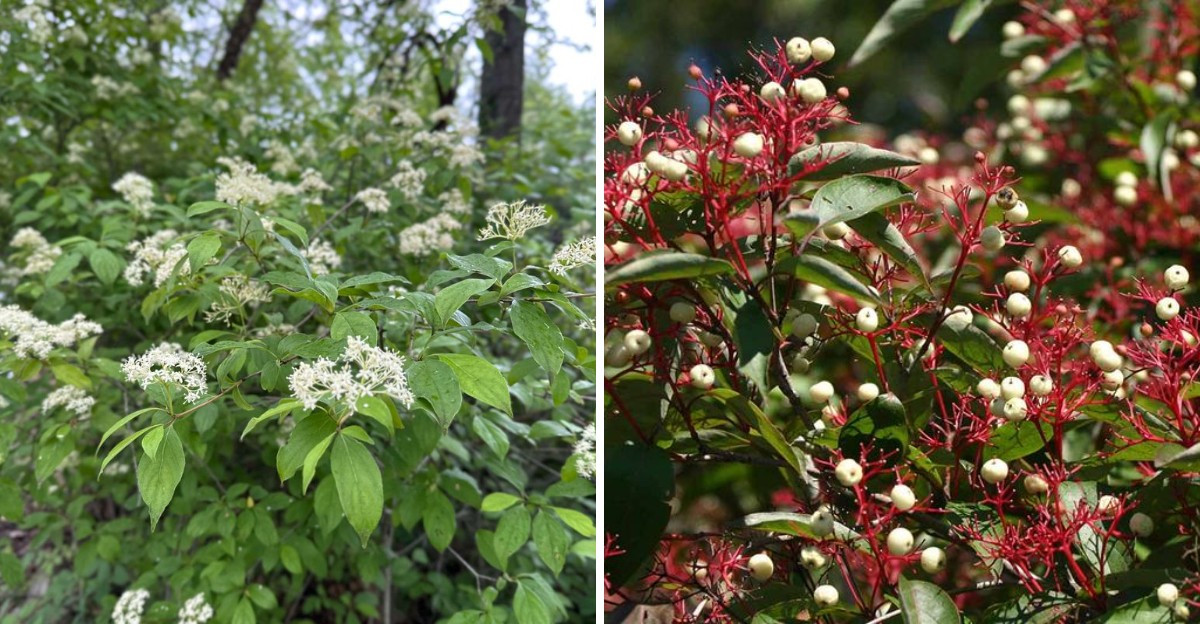
Most bird feeders need constant refilling. This one restocks itself every year. It’s a native Pennsylvania shrub, and late in the season it puts on a surprisingly lively show. Clusters of bright white berries sit atop vivid red stems, almost like tiny ornaments.
Those berries are packed with fat, exactly the kind of high-energy fuel birds need as they prepare for migration or settle in for winter. Dozens of species flock to it, from bluebirds and catbirds to woodpeckers and cardinals.
The benefits don’t stop at food. Its dense, twiggy branches offer safe nesting spots in spring and shelter from predators year-round. Pollinators visit its creamy blooms in early summer, too.
On top of all that, it’s tough, adaptable, and easy to grow. Plant a few, and your yard could become one of the busiest bird hangouts in the neighborhood.
The Native Bird Magnet
Some plants shout for attention with giant blooms. Gray dogwood is more of a quiet achiever. It just sits along the fence line and feeds half the neighborhood birds.
The scientific name is Cornus racemosa. It is a true Pennsylvania native that has grown here for thousands of years. You can find it along fencerows, woodland edges, roadsides, and old farm fields.
Most shrubs grow about 6 to 10 feet tall. The bark is a soft gray color, which is how the plant got its name. Young twigs often have a reddish tint that looks nice in winter.
So why do birds love it so much? The answer is simple. Local birds and this shrub grew up together over a very long time. The birds know its berries, and the berries are made to be eaten and spread by birds.
Many fancy garden shrubs come from other countries. Their fruit may look pretty, but local birds often skip it. Some of those plants also spread into forests and crowd out native plants.
Gray dogwood does the opposite. It supports the insects, birds, and other critters that belong here. Planting it is like putting a welcome mat out for local wildlife.
Here is a helpful tip. Check with your county conservation district in spring. Many hold yearly tree and shrub sales with native plants at low prices.
Native plant nurseries across Pennsylvania also carry it. Ask for plants grown from local seed if you can. They are better suited to your weather and soil.
Once it settles in, you will start seeing birds you never noticed before. That is the magic of going native.
Berries Packed With Energy For Migration
Think of a long road trip with no gas stations. You would fill your tank to the top before leaving, right? Migrating birds face the same problem every fall.
Many songbirds fly thousands of miles to reach warm places in the south. Some travel all the way to Central or South America. They need a lot of fuel to make that trip.
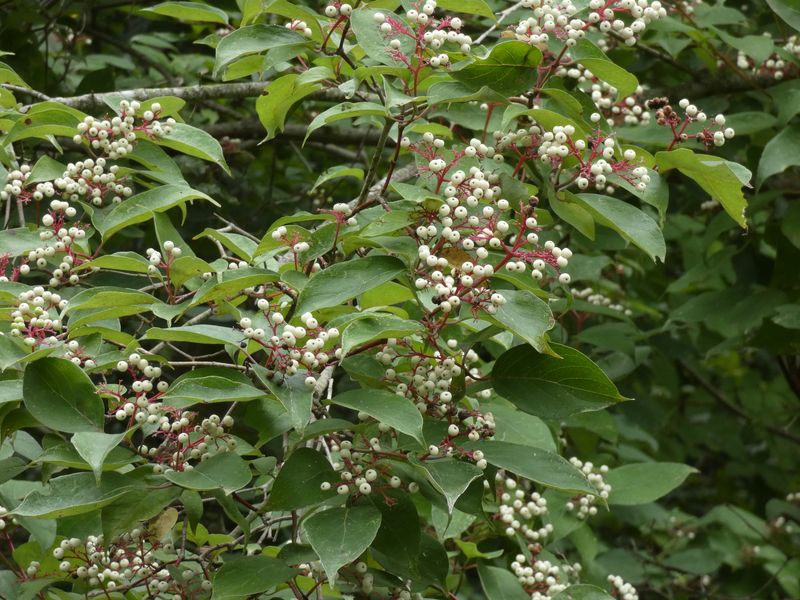
Gray dogwood berries are a perfect energy snack. Each small white berry is rich in fat. Fat gives birds more energy per bite than sugary fruits do.
Your Pennsylvania Garden Changes Every Week. Your Plan Should Too.
Gardening in Pennsylvania changes quickly throughout the season. Every Friday you’ll receive a simple weekly plan showing exactly what to plant, prune, fertilize, harvest, and protect so you never miss the right timing.
Scientists call these high-quality fruits. Birds can eat them fast and build up fat stores in just a few days. That fat powers their wings during long nights of flying.
The berries ripen in late summer and early fall. That timing matches the peak of bird migration in Pennsylvania. It is almost like nature planned a rest stop right on schedule.
Here is the funny part. You may blink and miss the berries completely. Birds often strip a shrub clean within a week or two of ripening.
Do not worry if your bushes look bare quickly. That means your plant did its job well. Empty branches are a sign of happy, well-fed travelers.
Want to catch the action? Start checking your shrub daily in late August. Keep binoculars near a window that faces it.
Early mornings are often the busiest time. Birds wake up hungry after a night of flying. A quiet cup of cocoa by the window might reward you with a great show.
A Long List Of Visitors
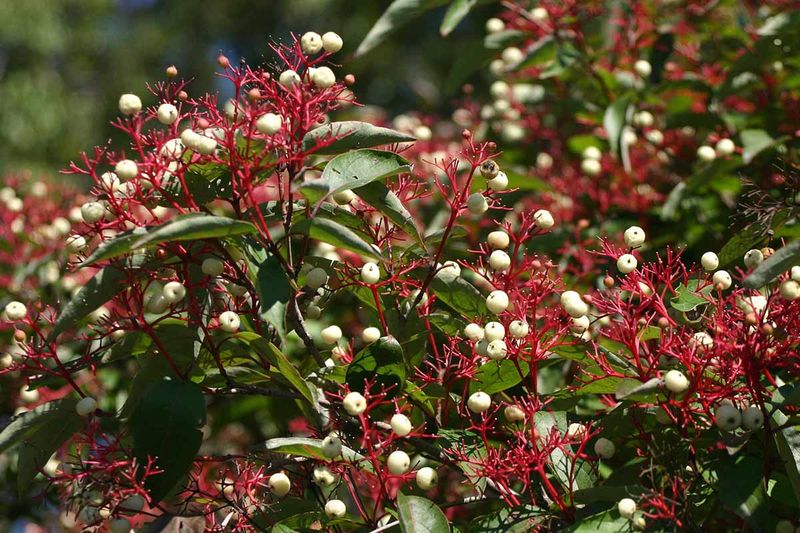
Last September, a backyard birder near Harrisburg counted eleven different species on one gray dogwood in a single afternoon. That is quite a guest list for one bush!
Gray dogwood draws a crowd you might not expect. Over 100 kinds of birds are known to eat dogwood fruit. Many of them visit Pennsylvania yards.
American robins are often first in line. They show up in noisy groups and gobble berries quickly. Gray catbirds are close behind, mewing like little cats from inside the branches.
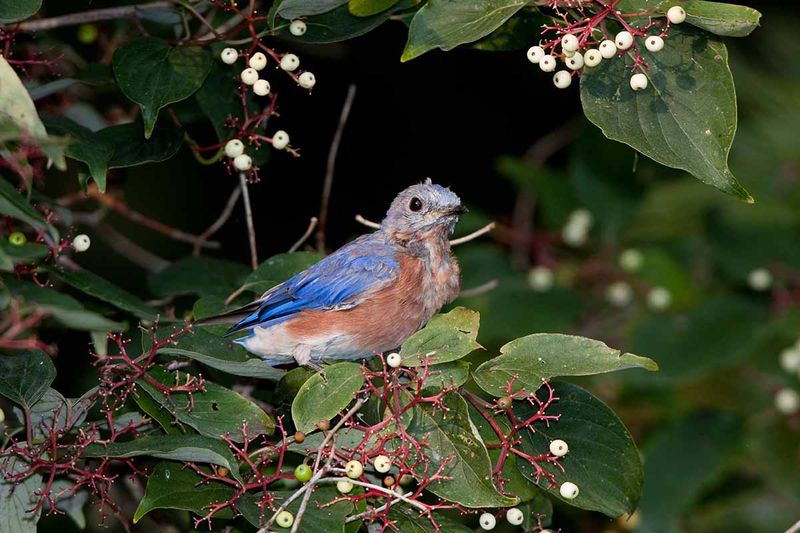
Eastern bluebirds love the fruit too. Their bright blue backs look stunning against the red stems. Seeing them up close is a real treat.
Thrushes are shy forest birds that stop by during migration. Wood thrushes, hermit thrushes, and Swainson’s thrushes may all drop in. Vireos, small greenish birds, also join the feast.
Woodpeckers surprise many people. Red-bellied and downy woodpeckers will grab berries when they find them. Northern flickers, big woodpeckers with spotted bellies, are some of the biggest fans.
Other visitors may include cardinals, cedar waxwings, and eastern kingbirds. Each one brings its own color, sound, and style.
Here is a fun idea. Keep a simple bird journal near your window. Write down each species, the date, and what it was doing.
Kids especially enjoy this game. It turns the backyard into a living science lab. You can even share your sightings with projects like eBird to help real scientists.
A free app like Merlin can help you name birds by photo or song. Before long, you will be the bird expert on your block.
Year-Round Benefits For Wildlife
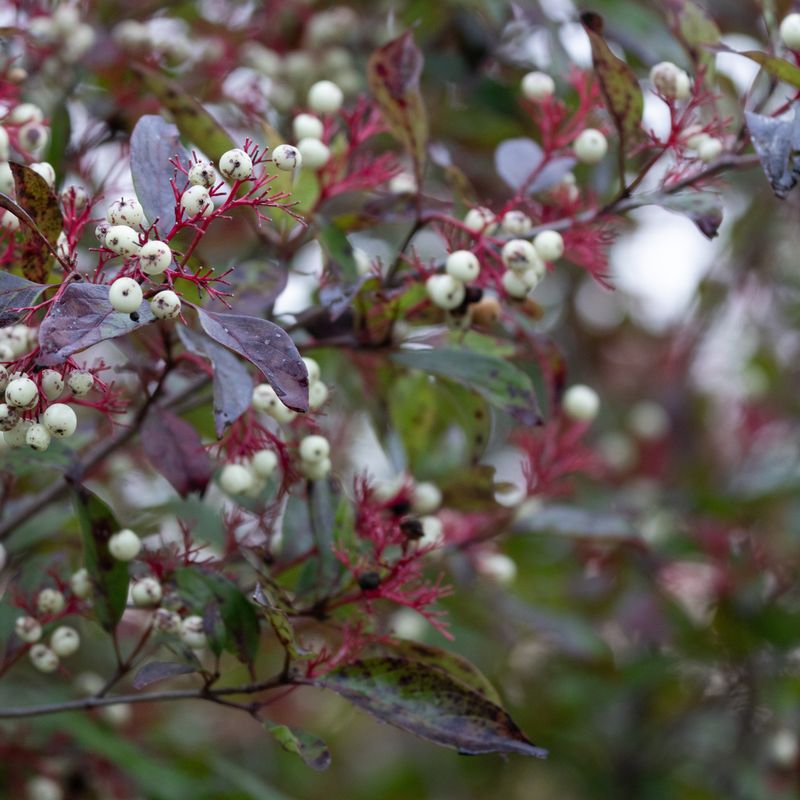
Berries get most of the glory, but the show starts much earlier. In late spring, gray dogwood puts on a lovely flower display. Pollinators come buzzing from all around.
The flowers are small and creamy white. They grow in rounded clusters at the tips of the branches. Each cluster acts like a landing pad for hungry insects.
Bees, butterflies, beetles, and tiny flies all stop to sip nectar. Native bees especially love these blooms. Helping pollinators also helps your vegetable garden and fruit trees.
Those insects matter for birds too. Most baby songbirds eat caterpillars and bugs, not seeds. Native shrubs like this one host many insects that parent birds feed to their chicks.
Shelter is another big perk. Gray dogwood grows thick and bushy. It sends up new shoots from the roots, called suckers, which fill in to make dense clumps.
That tangle of branches is a safe hideout. Birds can duck inside to escape hawks and outdoor cats. Small birds like catbirds and song sparrows often build nests there.
In winter, the shrub still offers cover from cold winds and snow. Rabbits and other small animals may tuck in underneath too.
Want to give wildlife even more help? Leave fallen leaves under the shrub in fall. Many insects spend the winter hiding in leaf litter.
Skip bug sprays near your dogwood as well. Sprays can wipe out the very insects birds need. A few chewed leaves are a small price for a yard full of life.
Showy Color In Fall
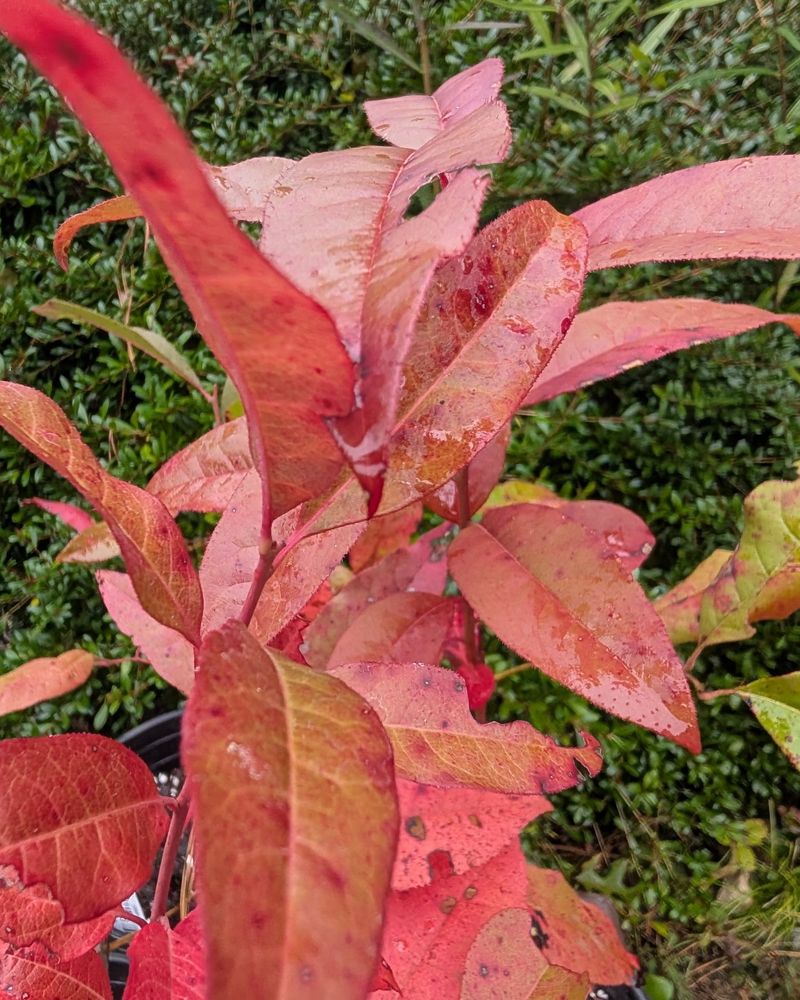
Here is a little secret that surprises new gardeners. Even after the birds eat every berry, gray dogwood keeps looking pretty. It saves some of its best colors for last.
When the berries ripen, they sit on little stalks called pedicels. These stalks turn a bright coral red. The color stays long after the fruit is gone.
From a distance, the shrub looks like it is covered in tiny red fireworks. It is a cheerful sight on a gray fall day. Many people think the plant is blooming again.
The leaves join the party too. In autumn, they often turn shades of reddish purple, maroon, or deep wine. Some years the color is stronger than others.
Weather plays a part in that. Sunny days and cool nights usually bring the richest fall shades. Shrubs in full sun tend to color up better than those in deep shade.
Gray dogwood mixes well with other native plants. Try pairing it with goldenrod, asters, or little bluestem grass. Their yellow, purple, and tan colors look great together in fall.
Here is a design tip. Plant your dogwood where you can see it from a main window. That way you get the color show and the bird show at the same time.
Winter has its own charm, too. The smooth gray stems and reddish twigs stand out against snow.
Take a photo of your shrub each season. By the end of the year, you will have a neat record of how much it changes. Few plants give you this much beauty for so little effort.
Easy To Grow In Tough Spots
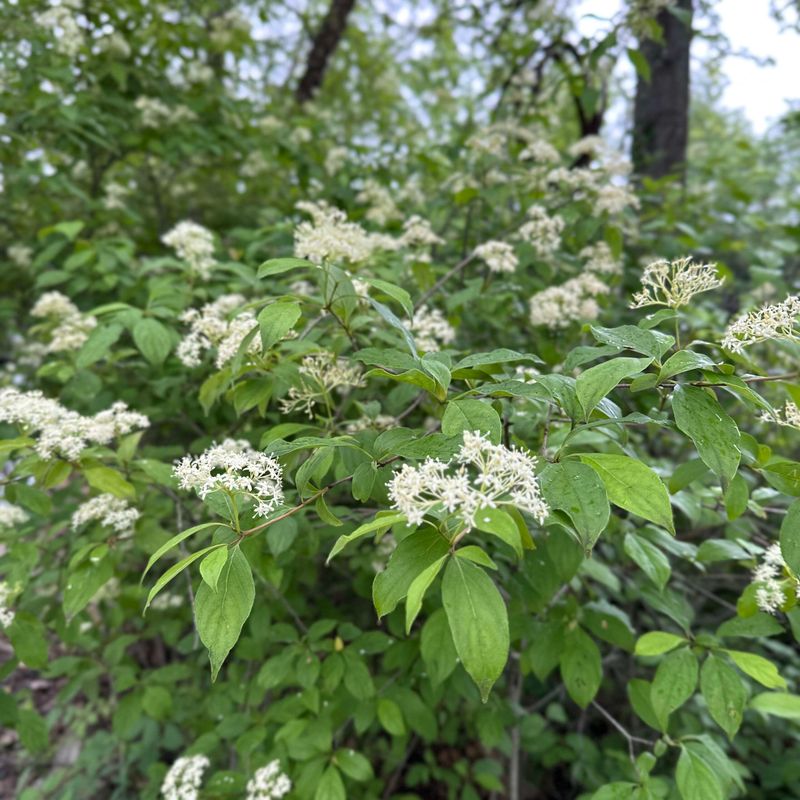
Got a soggy corner, a dry slope, or a patch of hard clay? Good news. Gray dogwood is the kind of plant that shrugs off problems.
Few shrubs are this easygoing. It handles drought once its roots are settled. It also puts up with wet soil that would rot many other plants.
Heavy clay is common across Pennsylvania. Plenty of plants struggle in it, but gray dogwood does just fine. It grows well in full sun or part shade.
Planting is simple. Dig a hole about twice as wide as the root ball. Set the plant at the same depth it grew in the pot, then fill and water well.
Water once a week during the first summer, especially in dry spells. After that, it rarely needs extra help. You can skip fertilizer, since native shrubs are used to local soil.
Now for the one thing to watch. Gray dogwood spreads by suckers, which are new shoots that pop up from the roots. Over time, one plant can form a wide thicket.
That is great for birds, but not always for small yards. Give it space where it can roam, like a back corner or along a fence. A spot 8 to 10 feet wide works well.
If you want to keep it tidy, just cut extra shoots at ground level each spring. A sharp pair of pruning shears does the trick.
You can also dig up suckers and share them with friends. Before long, your whole neighborhood could become one big bird buffet.