Why Virginia’s Fall Foliage Schedule Could Look Different This Year
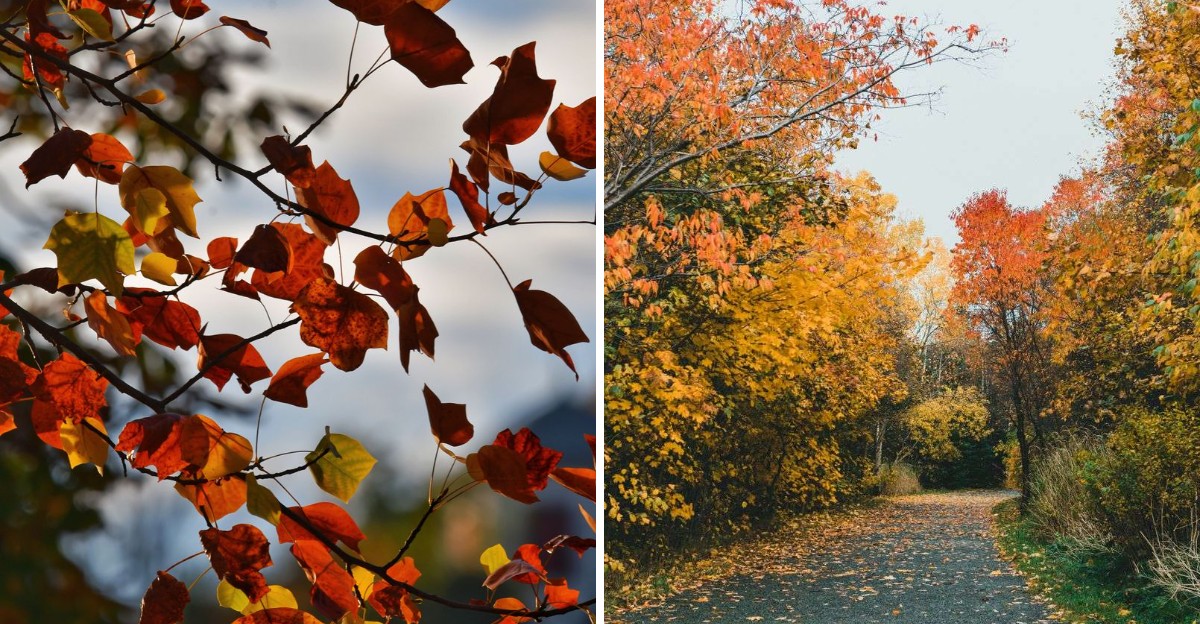
A ridge that should be glowing red and gold can still look stubbornly green, even in the middle of October. Leaf peepers across Virginia are finding out that the usual calendar may not hold up this year.
A dry summer and a hot start to September have shuffled the timing in surprising ways. Some trees are rushing ahead, while others seem to be taking their sweet time.
Stressed trees can also drop leaves early without ever reaching full color. That makes the timing of your road trip matter more than ever.
The show is far from canceled. You just need to know where to look, which trees to watch, and when to go.
Drought Is Browning Some Leaves Early
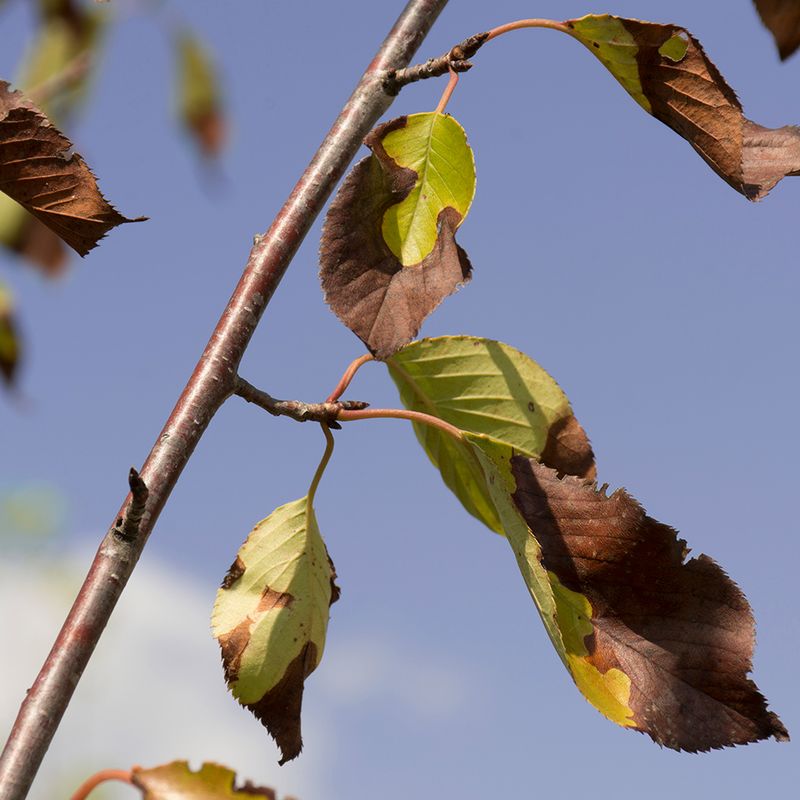
Walk under a yellow-poplar this fall, and you might hear crispy leaves crunching way ahead of schedule. Many Virginia trees spent summer thirsty, and their leaves are showing it.
Dry weather stretched through summer and into early fall across much of the state. Trees along the Blue Ridge, Shenandoah Valley, and central regions felt the strain first.
Leaves need water to stay healthy and make their bright fall pigments. Without enough moisture, many skip the colorful stage and go straight to a dull brown.
Black walnut and yellow-poplar are two species showing extra brown this year. Both tend to react quickly when rain stays away for weeks at a time.
Brown leaves are not a sign that a tree is finished for good. Most trees are simply protecting themselves by shutting down early to save energy and water.
Still, the effect on the big picture can be noticeable from scenic overlooks. Hillsides may look a bit muted, with patches of tan mixed between brighter trees.
Here is a helpful trick for spotting the best views anyway. Look for valleys, creek beds, and north-facing slopes, where soil usually holds more moisture.
Trees near streams and rivers often keep greener leaves longer during dry spells. Later, those same trees tend to put on brighter colors than their hilltop neighbors.
Got trees in your own yard looking stressed? A slow, deep watering once a week can help them through a dry autumn stretch.
Soak the ground around the outer edge of the branches, not just the trunk. Roots spread wide, and they will thank you next spring with healthier growth.
A Hot Start To September Delayed The Chill
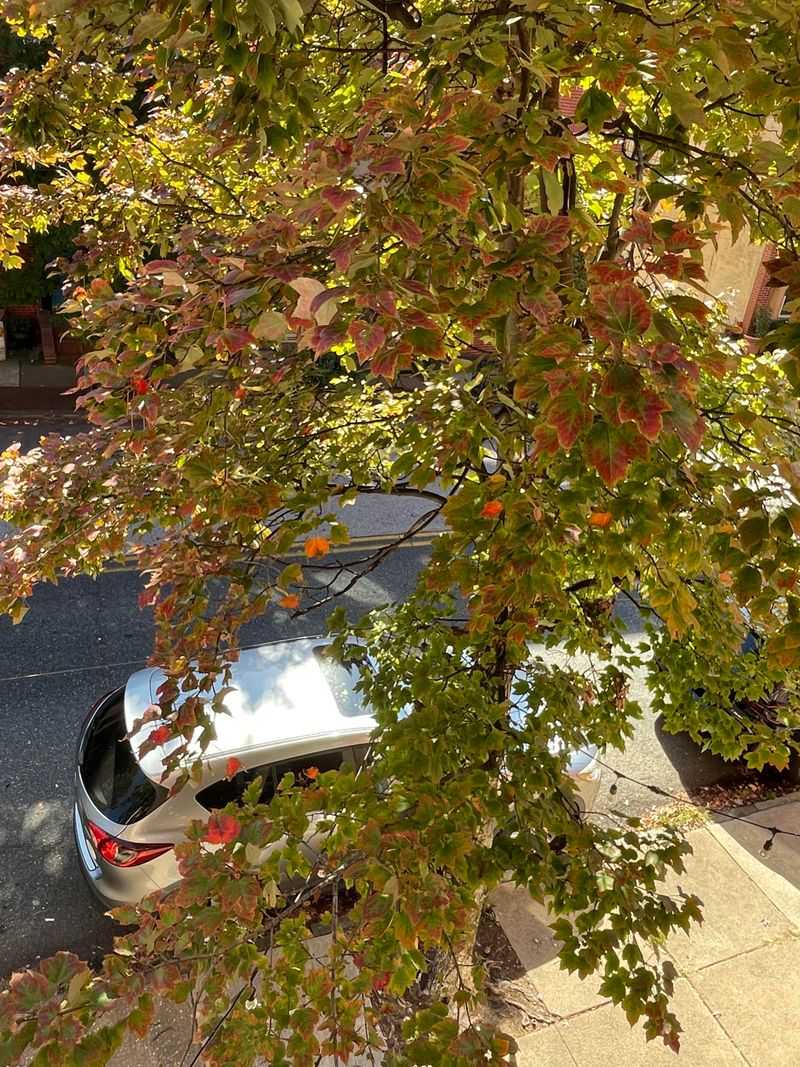
Remember wearing shorts in late September and wondering where autumn went? Trees noticed the heat too, and they hit pause on their color plans.
September brought warmer and drier days than usual across much of the state. Those high temperatures slowed the natural switch that tells leaves to start changing.
Here is the science in simple terms. Leaves react to shorter days and cooler nights, which slowly break down their green chlorophyll.
Warm nights keep that green pigment hanging around longer than normal. As a result, the reds, oranges, and yellows underneath stay hidden a little while longer.
Forecasts disagree this year, with one popular model expecting a later peak. The Virginia Department of Forestry, though, expects many key areas to peak on the earlier side.
Your Virginia Garden Changes Every Week. Your Plan Should Too.
Gardening in Virginia changes quickly throughout the season. Every Friday you’ll receive a simple weekly plan showing exactly what to plant, prune, fertilize, harvest, and protect so you never miss the right timing.
That shift could push many peak viewing windows deeper into October. Plans built around last year’s dates might land you in front of plenty of green.
Fun fact for curious minds: those yellow and orange colors are in leaves all summer. Green chlorophyll simply covers them up until cooler weather arrives.
So what should a leaf lover do with this news? Try booking cabins or campsites with flexible cancellation, just in case timing slides again.
Another smart move is picking a second weekend as a backup option. Having two possible dates gives you a better shot at catching the colors at their brightest.
Keep an eye on nighttime lows in your weather app. Once nights dip into the 40s regularly, color changes usually start picking up speed.
Mountain Peaks Still Lead The Way
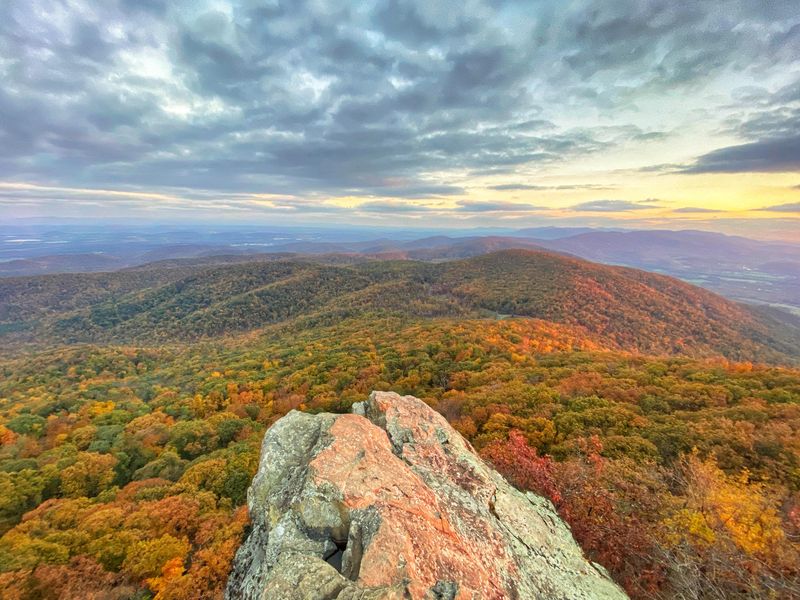
Some things stay reliable even in a strange year. Up in the high country, the first fiery colors are still showing up before anywhere else.
Elevation is the reason the mountains get a head start. Air gets cooler as you climb, and chilly nights there arrive sooner than in the lowlands.
Those cold nights are the signal trees need to begin their color change. Higher ridges in the Blue Ridge and Appalachian highlands feel it first every year.
Highland County is expected to be the first area to reach peak. Forecasts point to around October 17 for its best color this season.
Locals sometimes call Highland County Virginia’s Switzerland, thanks to its lofty farms and cool climate. Its towns sit higher than any other county seat east of the Mississippi.
If you want early color, head uphill and plan around mid-October. Scenic drives like Route 250 offer sweeping views across ridges and valleys.
Pack layers, even if the weather down at home feels warm. Mountain mornings can be surprisingly cold, and winds on ridgetops bite harder than you expect.
A pair of binoculars can also make the trip more fun. You can scan distant slopes and compare how colors shift from summit to valley floor.
Gas stations and restaurants can be few and far between in the high country. Fill your tank and grab snacks before leaving larger towns behind.
The Blue Ridge Peaks Before The Piedmont
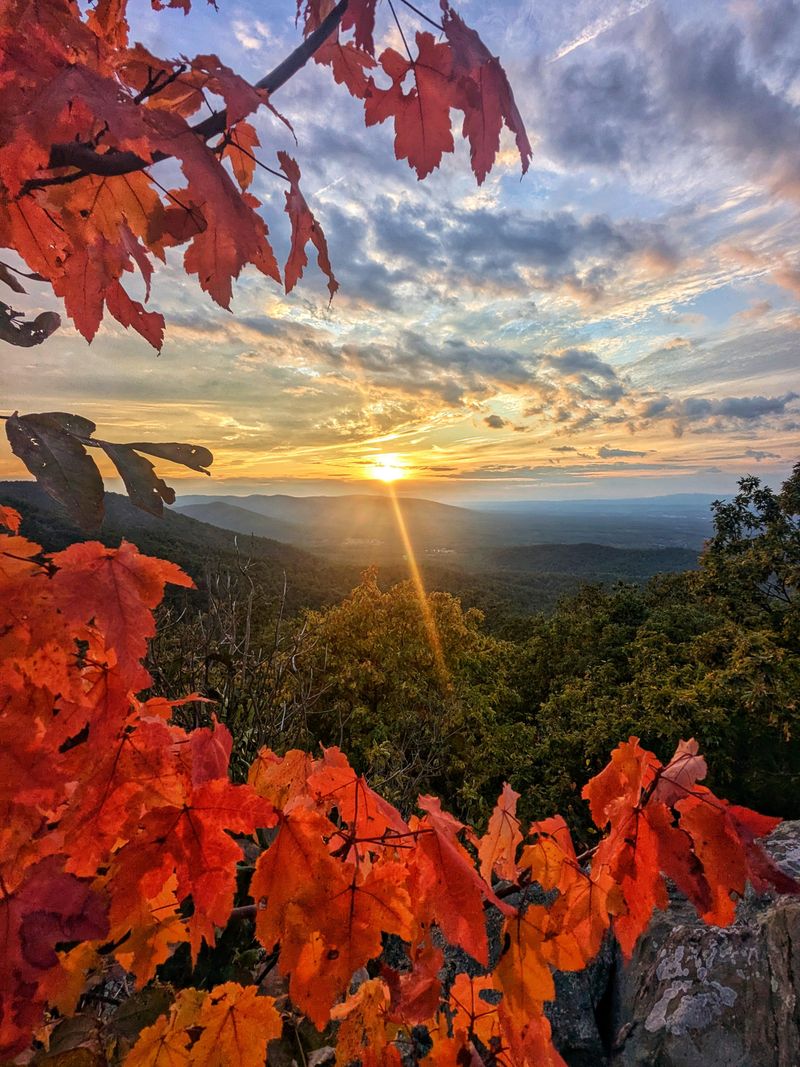
Think of fall color as a slow wave rolling across Virginia from west to east. It starts on the high ridges and gradually spills down toward the rolling hills.
The Blue Ridge Mountains and Shenandoah Valley usually reach their best color first. Mid-October is the typical sweet spot for these western favorites.
Central Virginia, including the Piedmont, tends to follow a little later. Its best displays often arrive in mid to late October.
Why the gap between regions? Lower land holds warmth longer, so trees there feel autumn’s chill a bit later than mountain trees do.
Here is a clever way to use that wave to your advantage. Plan two short trips instead of one big weekend.
Start with a drive along Skyline Drive or the Blue Ridge Parkway in mid-October. Then, a week or two later, explore Piedmont spots near Charlottesville or Lynchburg.
Wineries, orchards, and small-town festivals dot the Piedmont during this season. Pairing colorful backroads with apple picking makes for a cozy day out.
Skyline Drive can get crowded on peak weekends, especially on Saturdays. Arriving early in the morning helps you beat traffic and catch softer, golden light.
Weekdays are even better if your schedule allows it. Overlooks feel calmer, parking is easier, and photos come out without strangers in every shot.
One more bonus of the wave pattern is a longer overall season. Missing peak in one region often means another area is just getting started.
Coastal Areas Hold Color Into November
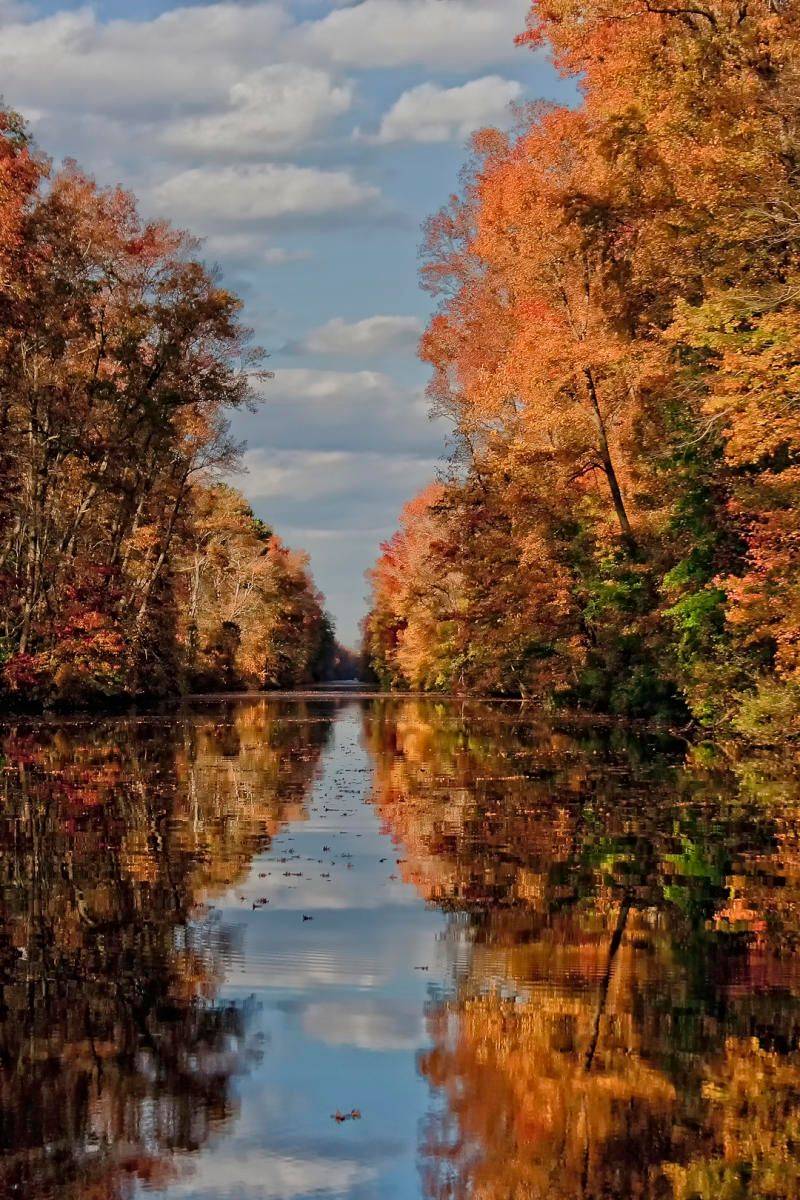
Missed the mountain colors this year? Don’t pack away your camera just yet, because the coast is fashionably late to the party.
Coastal Virginia typically shows its fall colors last of any region. Warm ocean and bay waters keep the air milder for a longer stretch.
Big bodies of water act a bit like giant heat batteries. They soak up summer warmth and release it slowly through autumn evenings.
Because of that gentle warmth, peak color here often lands from late October into early November. Some years, pretty leaves linger even closer to Thanksgiving.
The coastal display looks a little different from the mountains, too. Expect golden hickories, red sweetgums, and cypress trees turning a rusty orange.
Bald cypress trees are a fun surprise for many visitors. They are conifers, yet they drop their needles each fall after turning a coppery color.
First Landing State Park and areas near Williamsburg make lovely late-season stops. Trails wind past marshes, where colorful trees reflect in quiet water.
Fewer crowds are another perk of chasing color near the shore. Many people assume the season ended weeks earlier, so trails feel peaceful.
Bring bug spray even in November, since mild coastal weather can keep mosquitoes active. A light jacket also helps when breezes roll in off the water.
Pair your hike with fresh seafood or a sunset by the bay. Few autumn days feel better than that combination.
Stressed Trees May Drop Leaves Before Peaking
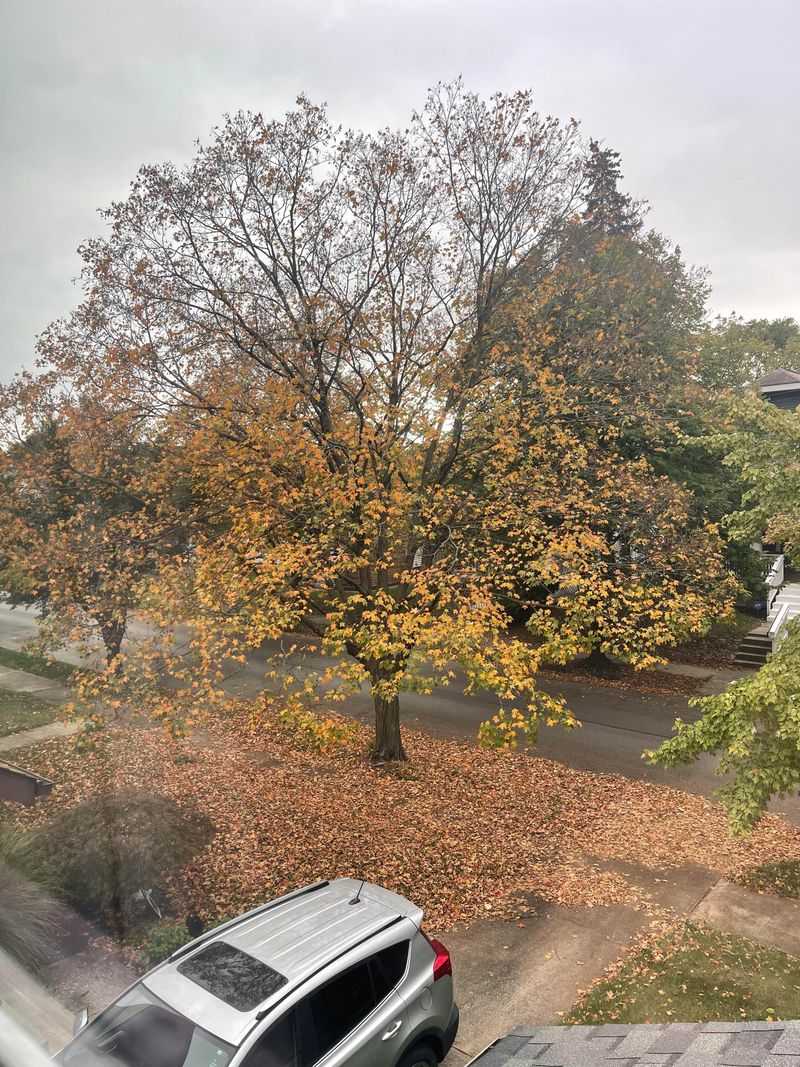
Sadly, some trees are calling it a season before the party even starts. A forest floor covered in leaves in early October tells that story clearly.
Trees under stress often change early or lose leaves too soon. Drought and heat are two of the biggest troublemakers behind this pattern.
Dropping leaves is a survival move for a thirsty tree. Fewer leaves mean less water escaping into the air through tiny pores.
Many trees already shed leaves during the dry summer this year. That early loss can make the season feel shorter and patchier than usual.
Patchy does not mean ugly, though. You may see bare branches right beside brilliant trees, creating interesting contrast for photos.
Here is a practical tip for planning around early leaf drop. Aim for the start of a region’s predicted peak instead of the very end.
Showing up a bit early gives you the best shot at fuller treetops. Waiting too long could mean finding thin canopies and crunchy trails.
Windy days and heavy storms can also speed up leaf loss. If a big front is coming, consider visiting a day or two before it arrives.
Homeowners can help yard trees bounce back next year with simple care. Spread mulch around the base, keeping it a few inches away from the trunk.
Mulch holds moisture and protects roots from swings in temperature. Healthy roots now often mean richer colors next autumn.
Sourwoods And Maples Turn First
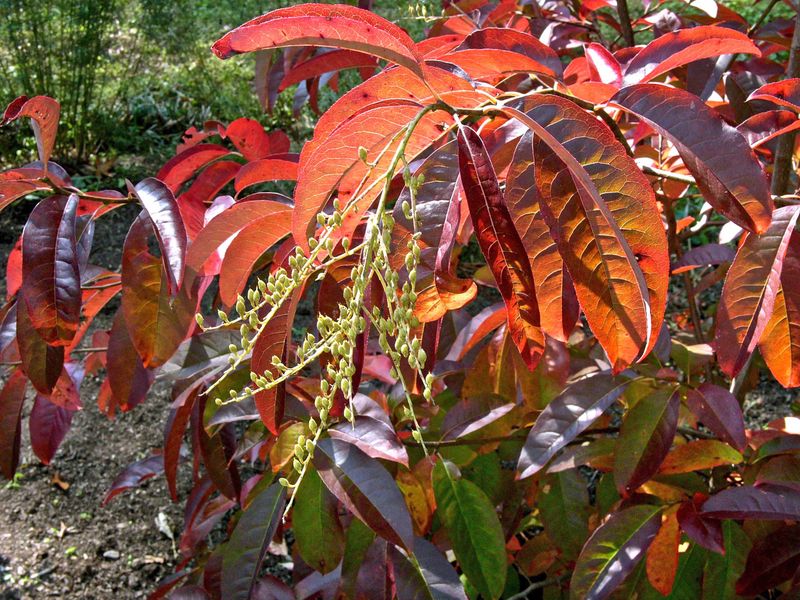
Nature has its own early warning system for autumn. In western Virginia, a few bold trees flash red long before the rest of the forest wakes up.
Sourwoods are often the very first to blush. Their leaves turn a deep crimson, and drooping clusters of pale seed pods hang from the branches.
Beekeepers love sourwoods for another reason entirely. Honey made from their summer flowers is a prized treat across the Appalachian region.
Red maples are another early starter worth watching. Swampy spots and roadside ditches often glow with their scarlet leaves by late September.
Other early bloomers of color include dogwoods, black gum, and sassafras. Together, they add first splashes of red, yellow, and gold to green hillsides.
Sassafras is an especially fun one to find. Its leaves come in three shapes on the same tree, including one that looks like a mitten.
Spotting these early trees can help you predict what’s coming next. When sourwoods and maples are blazing, wider color usually follows within a couple weeks.
Try turning your next drive into a tree scavenger hunt with kids. Give points for each species spotted, with bonus points for a mitten leaf.
A simple field guide or a free plant ID app makes the game easier. You might be surprised how quickly everyone learns to tell trees apart.
Oaks Hang On Longest
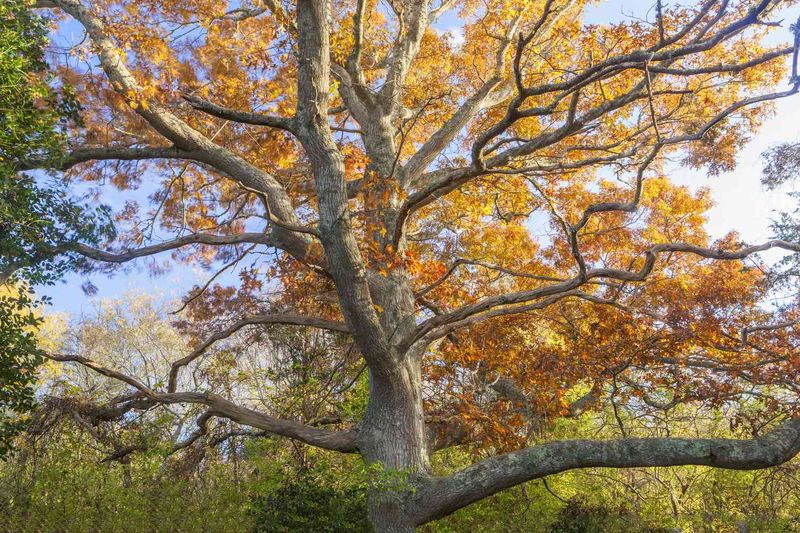
Every fall show needs a strong closing act, and oaks gladly fill that role. Long after maples go bare, these sturdy giants are still holding on.
Oaks are known for keeping their leaves later than most trees. Their colors arrive slowly, often in rich reds, bronzes, and golden browns.
Scarlet oaks can turn a bright, wine-like red. White oaks lean toward softer shades of burgundy and warm brown.
Because oaks change late, they help stretch the season well into November. In Richmond, oaks often help peak color land around November 2.
Some oaks even keep dry leaves clinging through winter. Scientists call this marcescence, and young oaks are especially known for it.
Those rustling winter leaves may protect buds from hungry deer. Brown leaves are not very tasty, so animals tend to look elsewhere.
Oak-filled parks make great late-season destinations for families. Maymont and other Richmond green spaces offer easy walks under big, colorful canopies.
Keep an eye out for squirrels during your stroll. They are extra busy in fall, burying acorns to snack on during colder months.
Many forgotten acorns grow into new trees over time. In a way, those busy squirrels help plant future fall colors.
So if October slipped away from you, don’t worry too much. The oaks are patiently waiting to give you one last warm, glowing view.
Cool, Sunny Weather Can Still Rescue The Show
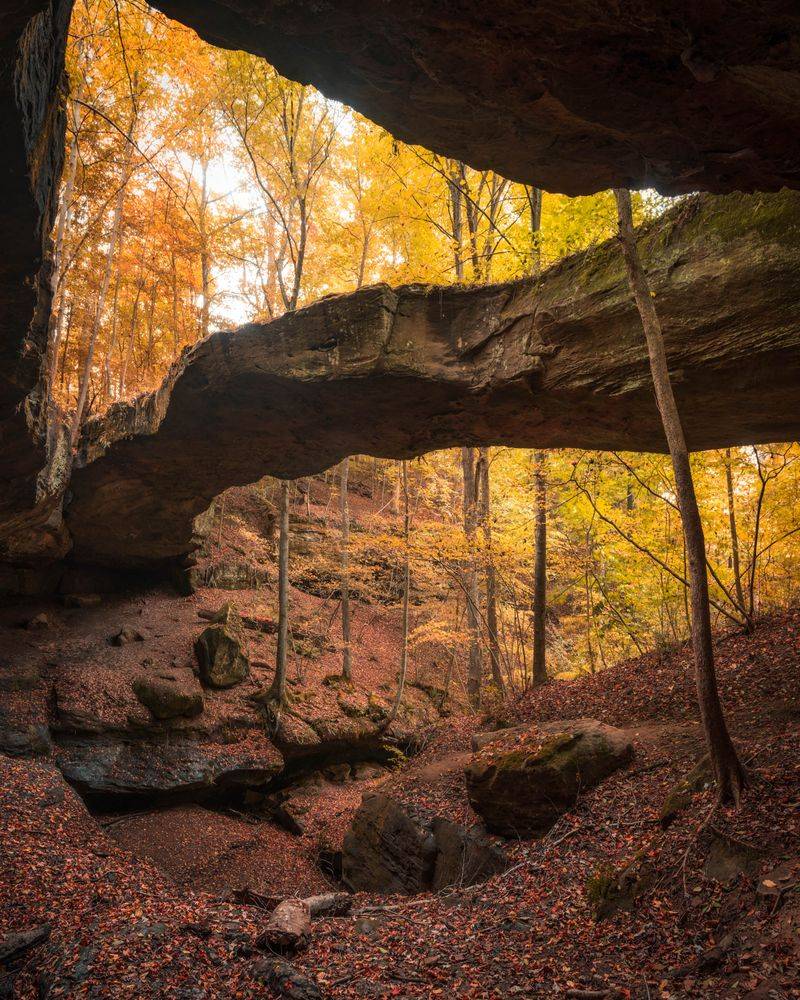
Here is some cheerful news for worried leaf fans. A few weeks of the right weather can turn a so-so season into something special.
Bright fall colors love a simple recipe. You need decent moisture, followed by cool, sunny days and chilly nights without a hard freeze.
Sunny days help leaves make sugars, which feed the brilliant red pigments. Cool nights then trap those sugars inside, making reds even deeper.
Moisture matters too, especially after a dry summer like this one. A rainy stretch in early October could give stressed trees a helpful boost.
Healthier, hydrated leaves tend to hold color longer before falling. Instead of browning, they have a better chance of turning vivid shades.
Weather experts point to good moisture and cooler temperatures as the key ingredients. When both show up, hillsides can really pop with color.
So how can you take advantage of a turnaround? Watch for forecasts calling for clear skies after a few days of soaking rain.
The days right after a rainy spell can be magical for photos. Wet bark looks darker, and colors seem to glow against it.
One caution: a hard frost or strong winds can end the fun early. If both are in the forecast, go see the colors sooner rather than later.
Weekly Foliage Reports Beat Old Calendars
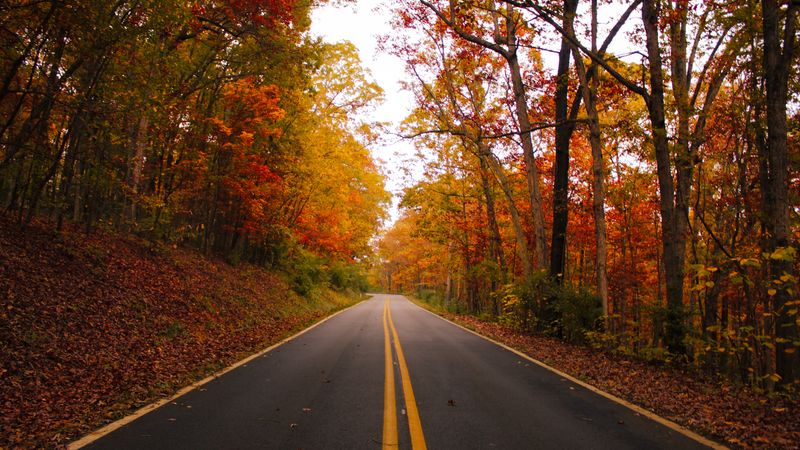
Grandma’s favorite leaf weekend might have worked for decades. This year, though, sticking to an old date on the calendar could leave you disappointed.
Peak timing changes from year to year based on weather. Rain, heat, and cold snaps can all nudge the best colors earlier or later.
Guessing based on past seasons just doesn’t cut it anymore. Real-time information is the smartest tool in any leaf peeper’s pocket.
Virginia State Parks posts weekly foliage updates during the fall season. The Virginia Department of Forestry also shares regular reports on changing conditions.
These updates often include color percentages and notes from local rangers. Some even list which trees are turning and which areas look best.
Here is an easy habit worth building this fall. Check the reports every Thursday before planning your weekend outing.
Thursday updates give you fresh information without too much guesswork. You’ll still have time to book a room or pack a picnic.
Social media can help fill in the gaps too. Search local hashtags or park pages for recent photos from fellow visitors.
Just remember that photos may be edited to look extra colorful. Pair them with official reports for a more honest picture.
With a little planning, the state’s shifting schedule becomes part of the adventure. Stay flexible, stay curious, and enjoy every glowing hillside you find.