What It Means When Your California Coneflowers Suddenly Drop Petals
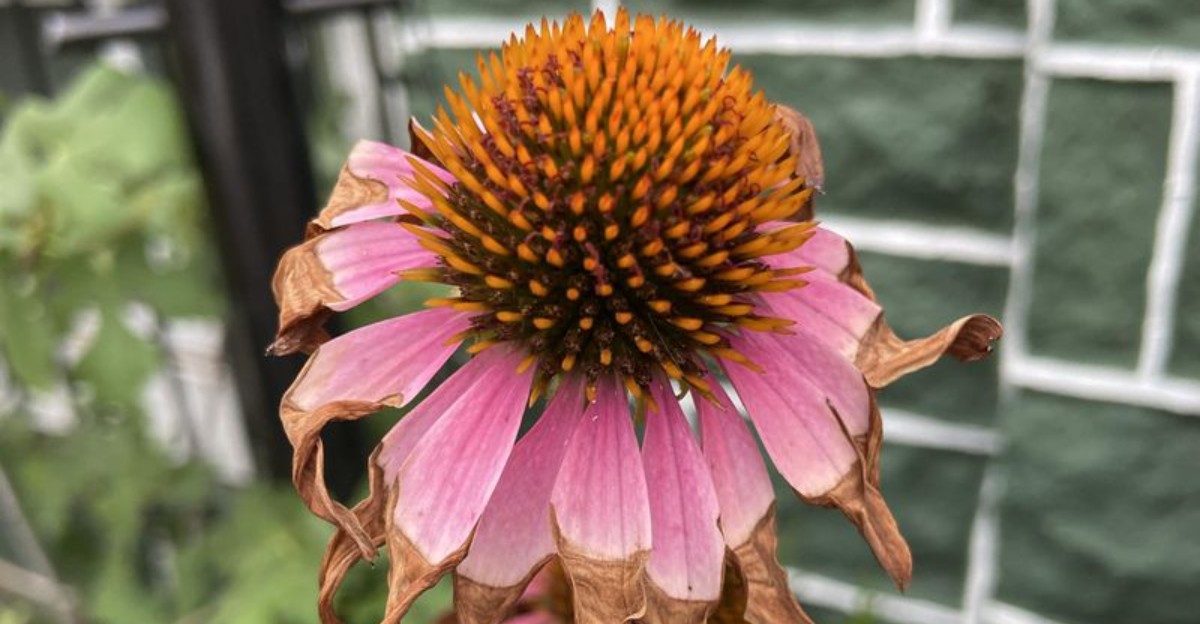
A coneflower bed in full bloom can change surprisingly fast. One week it glows with color, and the next, petals lie scattered across the soil like confetti after a party.
That sudden shift often sparks worry, along with a quick reach for sprays or fertilizer.
In most cases, the plants are simply following a rhythm built into their nature, one that California’s summer heat can push along faster than expected.
What follows the fallen petals carries its own rewards, including a few feathered visitors many gardeners rarely expect.
A rare exception does exist, and it looks quite different once its signs become familiar. Learning to read those clues turns worry into wonder for every season ahead.
Natural Bloom Fade Is The Usual Cause
A coneflower that bloomed brightly for a few weeks eventually begins to droop. Petals curl and slip to the ground one by one, and in most cases, that scene reflects normal bloom fade.
Coneflowers are tough perennials, though they don’t hold their petals forever. Once a flower finishes attracting pollinators, it starts letting go.
The petals have done their work. The plant then stops spending energy on them and shifts focus elsewhere.
Fading usually happens gradually across the plant. Older flowers lose petals first, while newer buds keep opening nearby.
That mix of fresh and faded blooms signals a healthy plant. A plant in trouble often looks odd all over, not just in its oldest flowers.
Leaves deserve a close look, too. Healthy plants keep firm, green foliage even as petals fall, with stems standing upright and normal.
The center cone should stay brown, orange, or dark rather than green and leafy. Those details help confirm that everything is on track.
Many gardeners feel a jolt of alarm at the first pile of petals. That reaction makes sense, since flowers are expected to stay pretty, yet coneflowers follow a cycle that ends with seeds rather than endless color.
Counting fresh buds and checking leaves and cones offers quick reassurance. When everything else looks normal, the plant is simply moving on to its next chapter, taking a well-earned bow.
Each Flower Has A Limited Lifespan
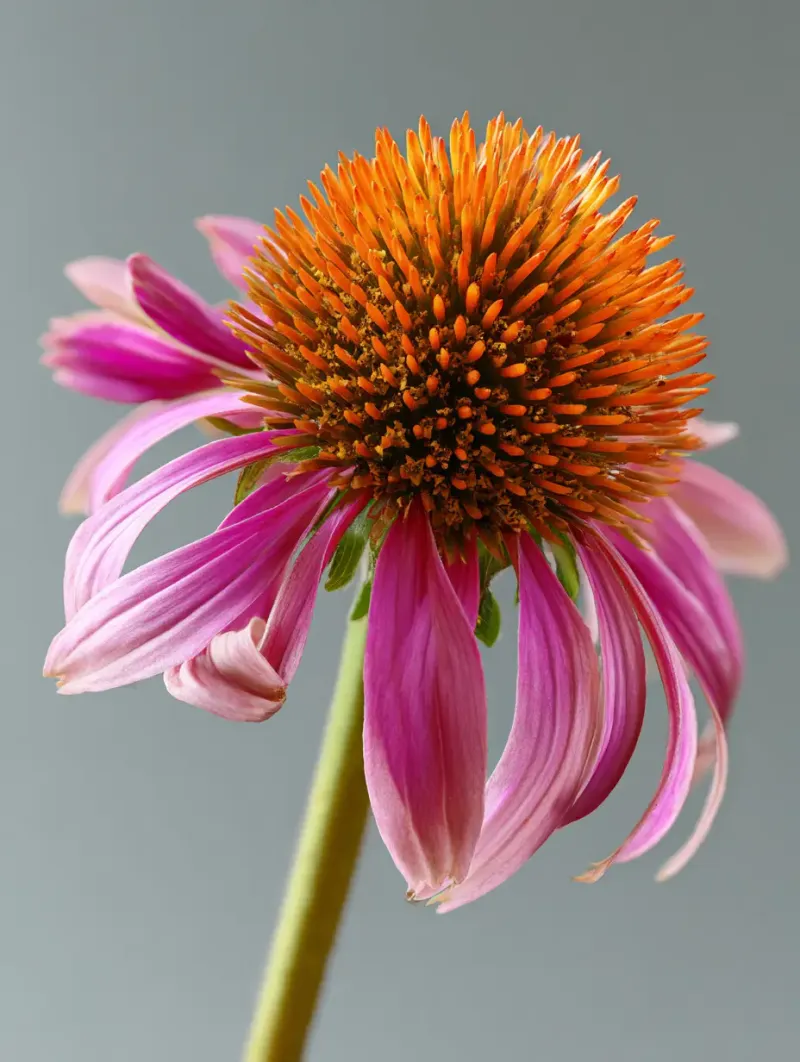
A single coneflower bloom can stay pretty for a good long stretch, then suddenly look tired. Every flower runs on its own clock, and no amount of care can stop it from ticking.
A coneflower bloom often stays attractive for a few weeks. During that time, it opens, flattens out, and welcomes bees and butterflies.
Tiny florets in the center cone open in rings over several days. Once pollination wraps up, the colorful outer petals start to sag.
The structure itself holds a surprise. What looks like one flower is actually a cluster of many small flowers.
The petals belong to ray florets around the edge. The cone holds dozens of disk florets that will become seeds.
Because blooms open at different times, a single plant can flower for many weeks. One stem might be fading while another is just unfolding.
Your California Garden Changes Every Week. Your Plan Should Too.
Gardening in California changes quickly throughout the season. Every Friday you’ll receive a simple weekly plan showing exactly what to plant, prune, fertilize, harvest, and protect so you never miss the right timing.
That staggered schedule keeps the garden colorful through much of summer. It also means petal drop on one stem rarely tells the whole story.
Some gardeners snip off spent flowers. Doing so can encourage a few extra blooms on some plants, though it remains optional rather than a cure.
Leaving faded flowers in place causes no harm.
A quick look at neighboring stems usually reveals buds and fresh flowers waiting their turn, each one ready to shine, fade, and drop on its own natural schedule.
Heat And Dry Weather Speed Up Petal Drop
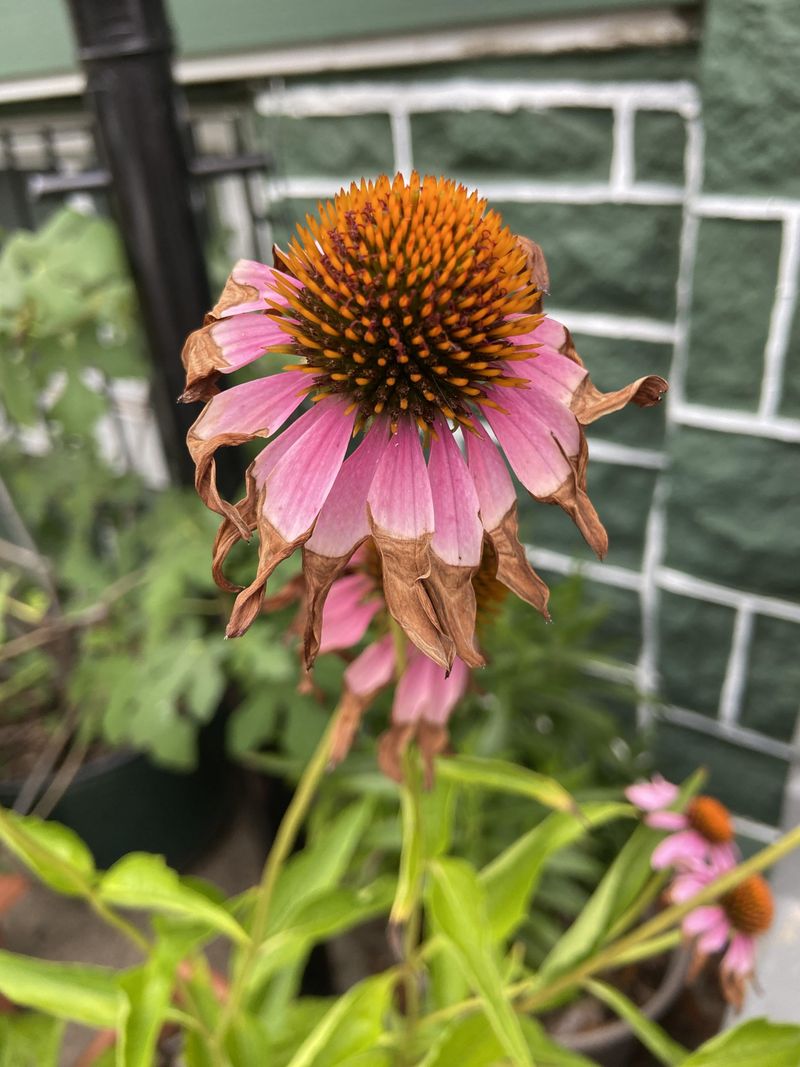
A blazing California heat wave can turn a fresh coneflower into a faded one surprisingly fast. Blooms that might last weeks in mild weather can drop petals sooner when temperatures climb, and dry soil adds to the stress.
Flowers lose water through their petals and leaves. On hot, windy days, they lose it faster than roots can replace it.
Petals may wilt, brown at the edges, or fall early. The plant itself usually stays perfectly fine, though the show gets shorter.
Coneflowers handle drought well once established. That toughness doesn’t mean they enjoy being bone dry.
During long hot spells, especially in inland valleys, a deep drink helps keep blooms fresh a bit longer. Deep, infrequent watering works best.
A thorough soak around the roots, followed by letting the top few inches dry, keeps the balance right. Early morning makes the ideal time.
Soggy soil can cause root problems, so overdoing it is best avoided. A layer of mulch also helps a great deal.
Two or three inches of wood chips keep the soil cooler and slow evaporation. Keeping mulch a few inches away from the stems prevents rot.
Young plants in their first year need more attention than older clumps, since their roots remain shallow.
Steady moisture through summer helps them grow tougher each season, until they keep their cool better than most gardeners do.
Seed Heads Form Right Behind The Petals
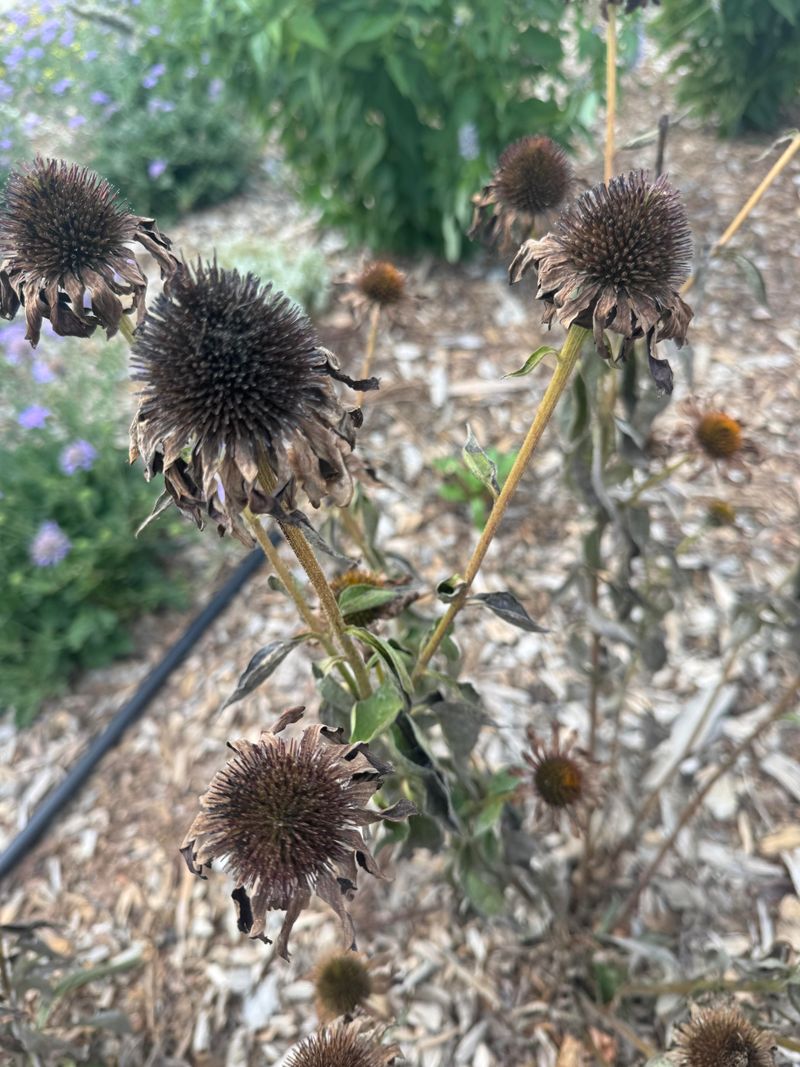
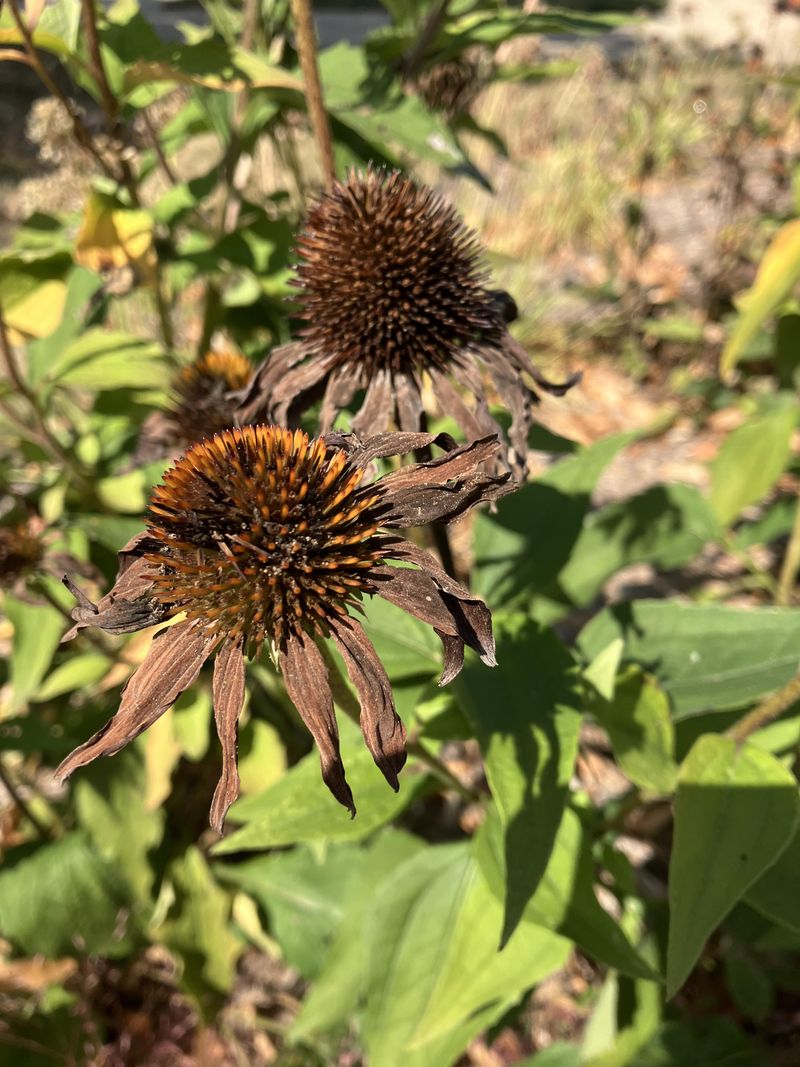
Past the fallen petals waits the real star of late summer. A spiky, dome-shaped cone remains on the stem, with seeds busy forming inside.
The cone has been the center of action all along. Once bees and other pollinators visit those tiny disk florets, seeds begin to develop.
As they mature, the cone darkens and turns stiff and prickly. The plant’s botanical name even comes from a Greek word for hedgehog, thanks to that bristly texture.
Bright petals give way to a rich brown or nearly black cone. The transformation unfolds slowly over several weeks.
Many gardeners find the seed heads just as striking as the flowers, especially against winter skies.
Saving seeds for next year takes only a little patience. Cones work best fully dry and dark before cutting.
A few cut cones placed in a paper bag can finish drying indoors. Gently breaking them apart reveals the slim seeds inside.
Coneflowers may also reseed on their own. Seeds that fall to the ground can sprout into new plants the following spring.
Letting some cones stay put creates a fuller, more natural look over time. Gardeners who prefer fewer volunteer seedlings can simply cut most seed heads once they finish.
Either way, a seed head signals a healthy plant doing exactly its job. That bare cone represents a quiet success story rather than a problem.
Goldfinches Love Those Seed Heads
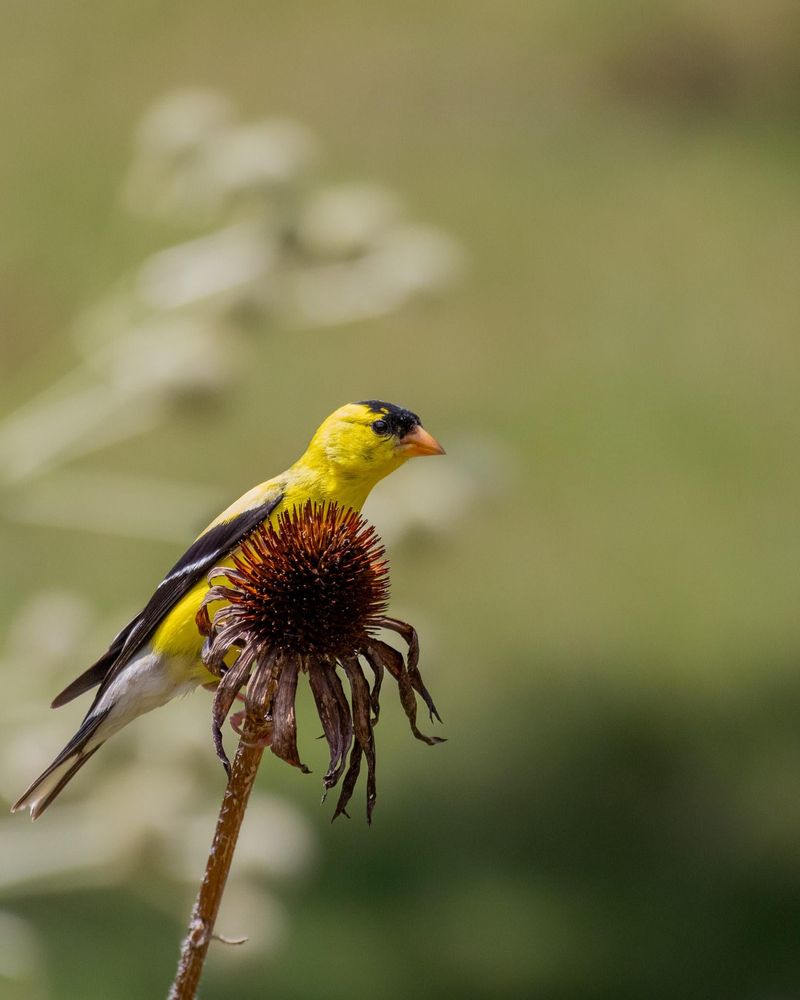
A flash of yellow and a quick chirp often announce a goldfinch clinging to a coneflower stem. That little visitor came for lunch, since coneflower seed heads rank among the favorite foods of goldfinches and other seed-eating birds.
Goldfinches carry small, pointed beaks perfect for prying seeds from spiky cones. They often hang upside down or bend stems sideways while they eat.
Watching them work can rival any television show. In California, both American goldfinches and lesser goldfinches enjoy the feast.
Standing seed heads provide a natural food source through late summer, fall, and even winter. Many gardeners skip the bird feeder entirely and let their coneflowers do the serving.
That self-stocking buffet costs nothing to maintain. It also brings steady color and song to the yard.
Standing stems help other wildlife, too. Some native bees and helpful insects use hollow plant stems for shelter.
A slightly messy fall garden can support far more life than a perfectly tidy one. Neatness and wildlife can still share the space.
Cutting back stems near walkways or the front of the bed, while leaving a cluster standing farther back, offers a happy middle path. Birds still find the seeds easily.
Late winter makes a good time to trim the old stems before new spring growth appears.
By then, the birds will have picked much of the seed clean, and that patience pays off in songs, color, and feathered friends all season long.
Aster Yellows Is A Rare Look Alike
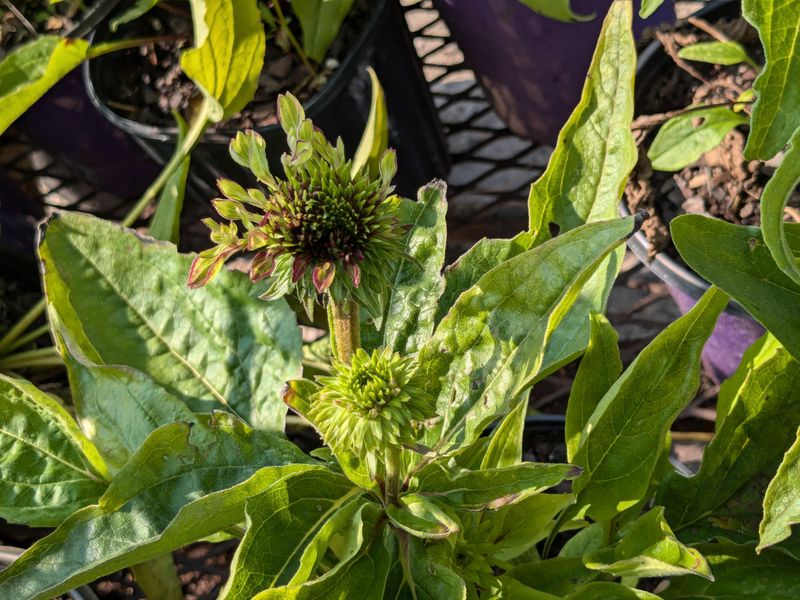
Once in a while, something odd shows up in the coneflower bed. A plant looks off, and its flowers seem strange rather than simply faded.
That unusual case could be aster yellows, an uncommon problem worth recognizing. A tiny bacteria-like organism called a phytoplasma causes it.
The organism lives inside plant tissue and disrupts normal growth. Leafhoppers, small jumping insects, spread it as they feed from one plant to another.
Coneflowers are just one of many plants it can affect. The key difference from normal fade is simple.
Normal fade happens to older flowers after they’ve bloomed well. Aster yellows changes how flowers form in the first place, so blooms may look wrong from the start.
Affected plants often show yellowing leaves and weak, spindly, or unusually bunched growth. Sometimes many thin shoots sprout in a cluster, creating a witches’ broom look.
The rest of the garden may look perfectly normal while one plant stands out as strange. That contrast offers a helpful clue.
Few coneflowers ever encounter aster yellows, so there’s little reason for worry. Ordinary petal drop on a normal-looking plant points to aging rather than infection.
Knowing the signs still helps with quick action when needed. No cure exists, so infected plants are usually removed and bagged to protect nearby flowers.
Catching it early keeps a single problem from becoming a garden-wide headache. Awareness, rather than alarm, makes the right mindset here.
Green Distorted Centers Signal A Problem
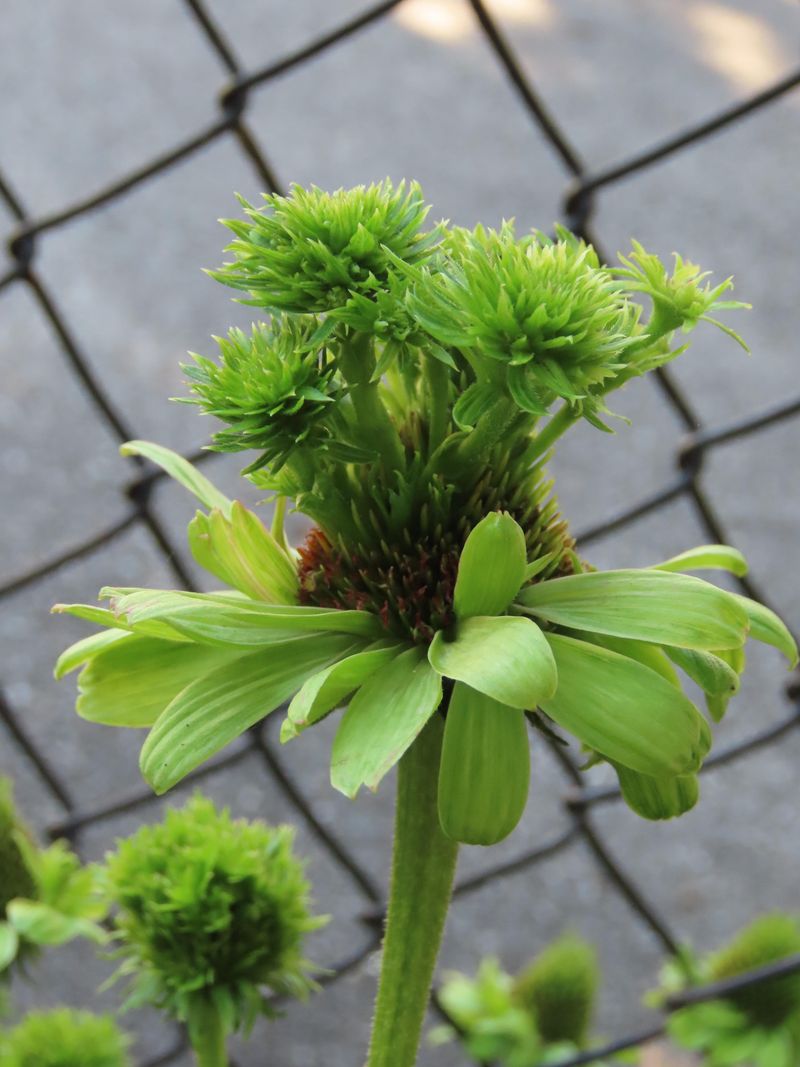
A flower growing tiny leaves out of its center sounds strange, yet it serves as a big red flag. Healthy coneflower cones stay brown, orange, or dark, while a cone sprouting green, leafy tufts tells a very different story.
Aster yellows often turns flower parts green. Plant scientists call this phyllody, which simply means flower parts become leaf-like.
Petals may also turn greenish, stay short, or droop oddly. Sometimes small secondary flower heads poke out of the main cone.
Normal fade looks completely different. A healthy aging flower keeps its usual cone shape and color.
Its petals wilt, brown, and fall, leaving a neat, spiky seed head behind. Nothing grows out of the center.
A quick backyard check sorts things out. Several blooms on the plant with normal, dark cones offer good news.
Cones that look green, twisted, or tufted mean the plant deserves a closer look. Leaves and stems add more clues.
Yellowing foliage with oddly bunched growth strengthens the case. One strange flower is worth watching, while a whole plant with green, distorted blooms likely has aster yellows.
Removing the affected plant, roots and all, and placing it in the trash rather than the compost protects the rest of the bed. Keeping nearby weeds down helps, too, since some host the disease.
UC IPM Pest Notes or a local nursery can help confirm any suspicions.