The September Watering Changes California Citrus Owners Should Make
Your irrigation timer has been running the same program since June.
Nothing wrong with it. The tree looked fine all summer, the fruit is developing, and September afternoons still hit the eighties.
Meanwhile something has shifted that the timer cannot detect.
Days are shorter. Nights are cooler. Evaporation has dropped, and the tree is using measurably less water than it did six weeks ago.
Keep the July schedule running and soil stays wetter than roots want.
Here’s the part that surprises citrus owners: the fix isn’t cutting water back sharply.
It’s a change in rhythm rather than volume, and getting it wrong in either direction shows up in the fruit rather than the leaves.
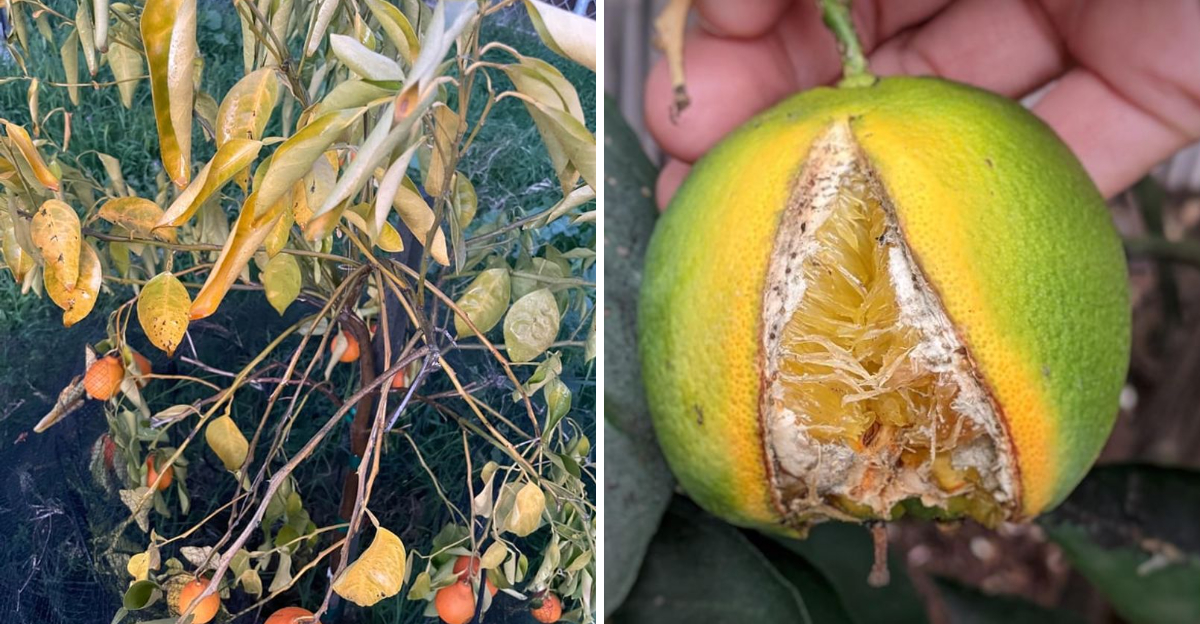
Split fruit is the most common consequence, and it traces directly to how you water this month.
Curious what your tree actually needs now?
1. Switch To Deeper Less Frequent Watering
Plenty of California citrus owners keep the summer routine going well after mornings cool down. By September, trees generally do better when water reaches deeper roots instead of barely wetting the surface.
A slow deep soak encourages roots to spread downward, where moisture lasts longer and soil temperature stays steadier.
That arrangement helps the tree handle warm afternoons without needing another drink every day.
Standard guidance supports adjusting irrigation as weather eases rather than holding peak summer frequency through fall. For most gardeners, that means watering thoroughly and then waiting longer between sessions.
Soil type shapes the interval. Sandy ground drains faster and needs shorter gaps, while clay holds moisture and requires patience so roots aren’t sitting wet.
Check moisture several inches down with a trowel or screwdriver before watering again. A dusty surface over cool damp soil means the tree is fine.
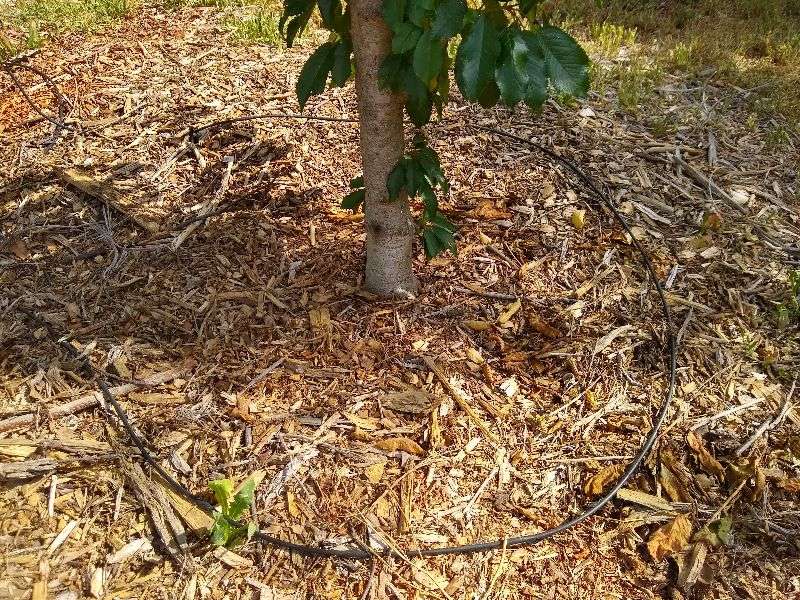
Delivery method matters less than run time. Micro sprayers, drip lines, and soaker hoses all work when they run long enough to moisten the full root zone.
Daily attention isn’t the goal here. Complete watering is.
Think of September as a pacing change rather than a shutoff. Citrus still needs regular moisture while fruit develops, and the shift is toward stretching intervals so roots rely on depth.
Fewer sessions done properly beat shallow splashes that evaporate before roots use them.
2. Let Soil Dry Slightly Between Waterings
Roots need air as much as they need water, which catches gardeners off guard regularly. Letting soil dry slightly between irrigations helps citrus avoid constant saturation.
That drying period differs completely from drought stress. It simply means the top layer shouldn’t stay wet continuously, especially as September cools.
When soil remains soaked, roots struggle to take in oxygen and certain problems become more likely. Persistent wetness also encourages shallow surface rooting.
That shallow habit makes a tree dependent on frequent watering rather than self-sufficient. Phytophthora root rot is the specific concern in consistently wet citrus soil.
A finger test handles most situations. Damp soil several inches down means waiting another day or two before checking again.
California clay soils stay moist considerably longer than people expect. Sandy soil dries faster, so the slight drying happens on its own there.
Your California Garden Changes Every Week. Your Plan Should Too.
Gardening in California changes quickly throughout the season. Every Friday you’ll receive a simple weekly plan showing exactly what to plant, prune, fertilize, harvest, and protect so you never miss the right timing.
Mulch supports this approach by slowing evaporation without keeping the ground permanently wet. Keep it several inches back from the trunk so bark stays dry.
Trunk rot is the reason for that gap. Citrus bark handles constant moisture poorly, particularly near the graft union.
September rewards this rhythm. Slight drying confirms your last irrigation soaked properly, while nonstop wetness signals a crowded schedule.
Waiting becomes easier once you trust it. The tree wants breathing room between good soakings rather than neglect.
3. Watch For Signs Of Water Stress
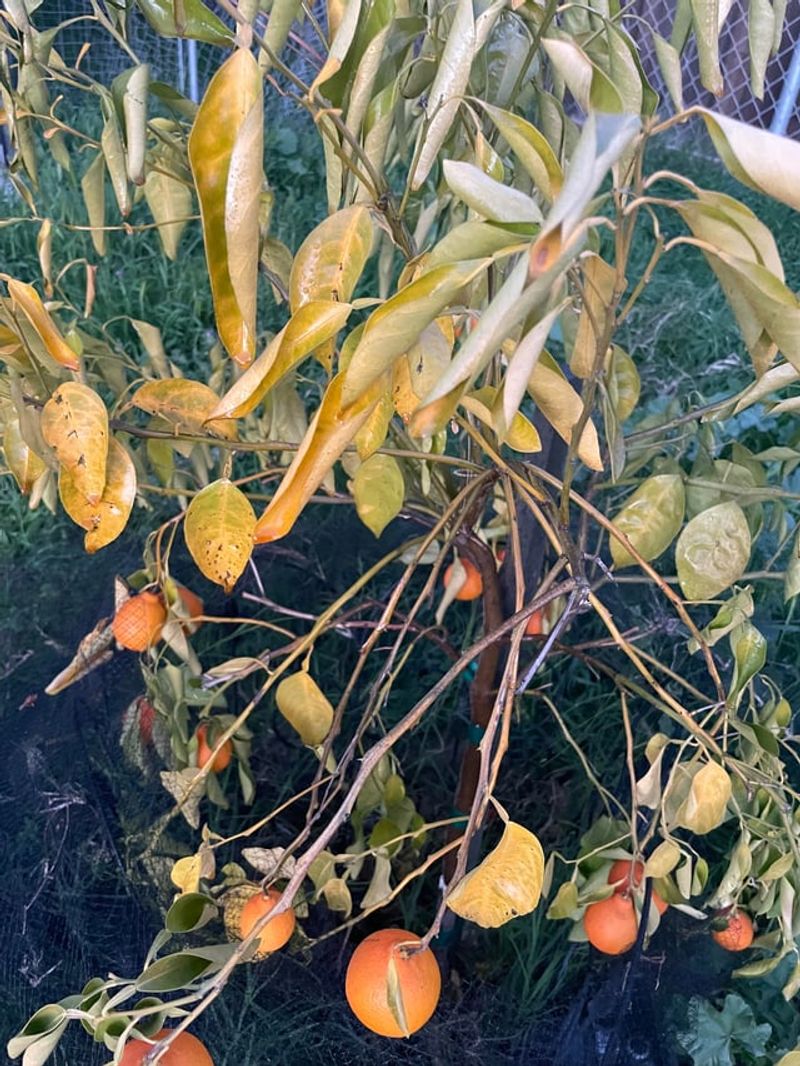
Leaves tell the story before fruit does, and citrus can look unhappy for days before anyone notices.
Underwatered trees show curling, drooping, or dull foliage, particularly through warm afternoons. Fruit stays small and soil may pull away from the basin edge.
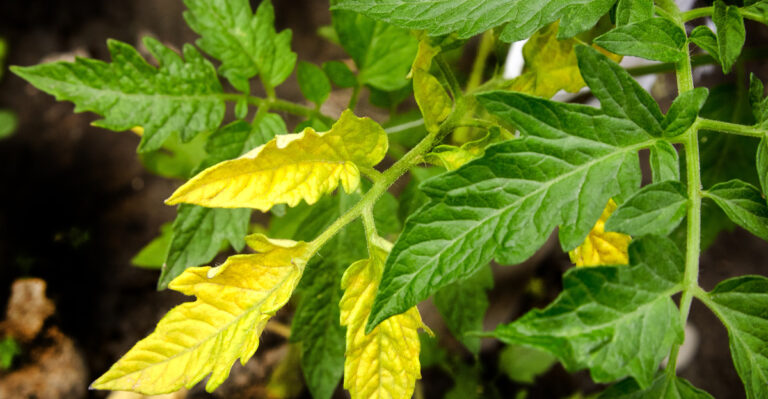
Overwatered citrus creates confusion because yellowing leaves appear in that situation too. New growth looks weak and the ground stays muddy long after irrigation stops.
Wilting happens in both cases, which is the trap. Saturated soil limits oxygen so roots can’t take up water even when it surrounds them.
Gardeners often respond to wilt by adding more water immediately. Checking soil moisture first prevents overcorrecting a problem that was already too much water.
Additional clues help sort it out. A sour smell, mushrooms near the trunk, or algae around emitters all suggest excess moisture.
Crispy leaf edges and hard dusty soil point the opposite direction.
September suits careful observation at different times of day. Morning, afternoon, and evening checks give a fuller picture than one glance.
Persistent symptoms after sensible changes may involve something else entirely. Nutrient deficiencies and root disease both produce similar foliage signs.
Iron and zinc deficiencies are common in California citrus and show as distinctive yellowing patterns rather than uniform decline.
The goal isn’t perfect diagnosis. Noticing whether your tree looks thirsty, waterlogged, or stable lets you adjust gradually.
4. Adjust For Cooling Fall Temperatures
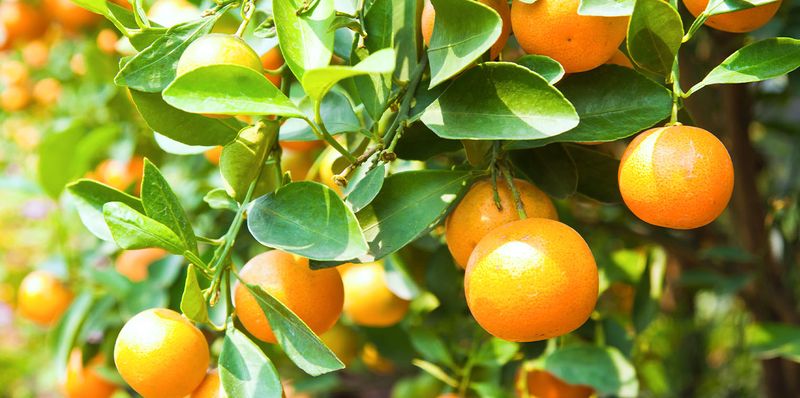
September afternoons still feel warm while the season has genuinely started shifting across California. That change means citrus uses water more slowly than it did in August.
Lower temperatures, shorter days, and cooler nights all reduce evaporation from soil and transpiration from leaves.
Keeping a July schedule under those conditions leaves the root zone wetter than the tree needs.
That doesn’t mean cutting water abruptly or letting fruiting trees dry out. Trimming frequency in steps works better than a sudden change.
Pay attention to how long soil stays moist after each irrigation. That interval tells you more than any calendar date.
Regional differences run substantial here. Coastal gardens, inland valleys, and desert edges all cool at different rates.
A mature orange in Bakersfield needs a different interval than a young Meyer lemon near Half Moon Bay. The general fall pattern holds regardless, meaning less demand than summer.
Checking a local forecast helps you decide when to stretch the schedule another day. A mild week following a heat spell offers the best opening to reset habits.
Santa Ana conditions and unexpected hot spells both call for flexibility rather than rigidity.
Smart tree size accounting matters too. Larger canopies use more water than young trees regardless of season.
Good September watering functions as a weather response rather than a fixed habit.
5. Avoid Sudden Swings Before Fruit Matures
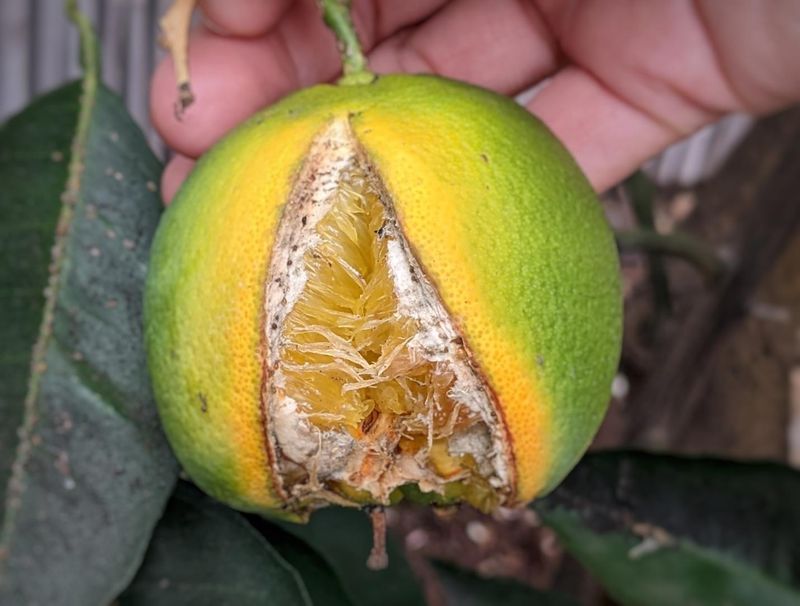
Fruit splitting feels unfair because the tree often looks perfectly healthy right up until the crack appears.
One documented trigger is irregular watering as fruit approaches maturity. The mechanism is straightforward once you know it.
After a dry stretch, citrus fruit takes up water rapidly when heavy irrigation arrives. The interior expands faster than the peel can stretch, and the rind gives out.
September matters because many California citrus trees are still sizing fruit while weather shifts. Consistency beats dramatic cutbacks, surprise soakings, and long neglect.
Navel oranges and mandarins split more readily than lemons, so those deserve extra attention during this window.
Steady moisture doesn’t require wet soil daily. It means avoiding sharp swings between very dry and very wet, particularly on trees carrying heavy crops.
Gardeners sometimes overreact to a cool week by nearly stopping irrigation, then overcorrect during a hot weekend. That back and forth stresses fruit more than a moderate regular schedule would.
Mulch, moisture checks, and simple calendar notes all prevent those swings. Knowing roughly how many days your soil holds moisture removes most of the guesswork.
Inspect ripening fruit after weather changes, since early splits hide under foliage.
Catching the pattern won’t repair split fruit and it protects what remains on the tree.
Calm consistency is the September move worth making.
6. Check Drainage Around The Root Zone
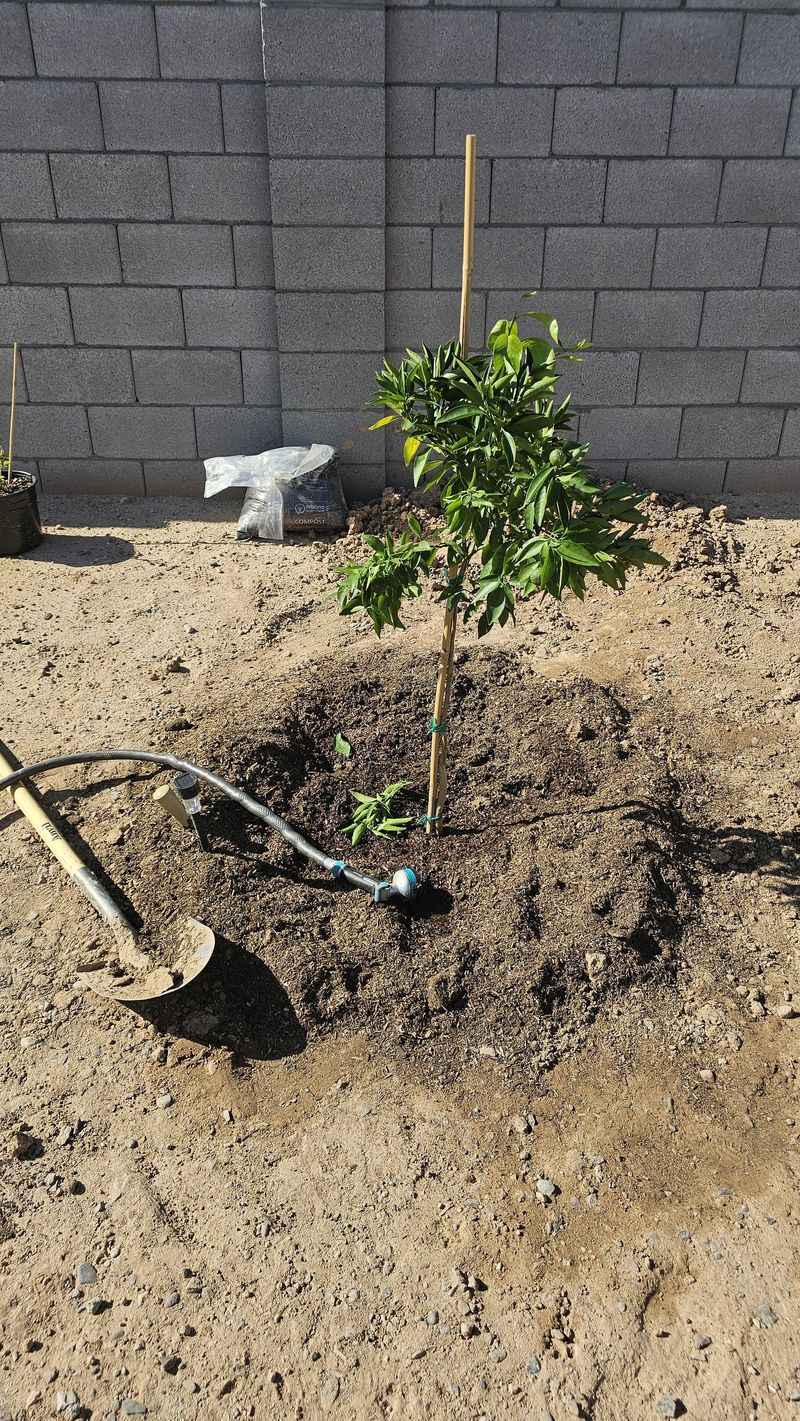
A watering schedule can look ideal and still fail when water can’t move through the soil. Poor drainage converts reasonable irrigation into a root problem.
Citrus wants moisture spreading through the root zone and then draining enough to leave air spaces. Water standing for long periods removes that oxygen.
September works well for inspecting basins, emitters, and low spots around each tree. Compacted soil, clogged drip holes, and sunken areas all keep one side wetter than intended.
Water running off before soaking in defeats a deep watering plan entirely. Water standing for hours means the schedule may be fine while the site isn’t.
A simple test settles it. Fill the basin, watch how quickly water disappears, then dig afterward to see whether moisture reached the main root area without leaving a swampy pocket.
Mulch improves surface conditions without fixing a buried drainage problem. Heavy clay usually responds better to shorter run times with longer gaps between cycles.
Planting on a slight mound helps considerably for future trees, since citrus performs poorly in ground that holds water.
Keep irrigation away from the trunk so bark stays dry and crown problems stay less likely. Citrus roots spread outward, which means targeting the root zone makes practical sense.
Gopher damage sometimes explains drainage oddities too, since tunnels channel water away from where you applied it.
Drainage is the quiet partner in every watering adjustment.
7. Consistency Matters More Than Volume
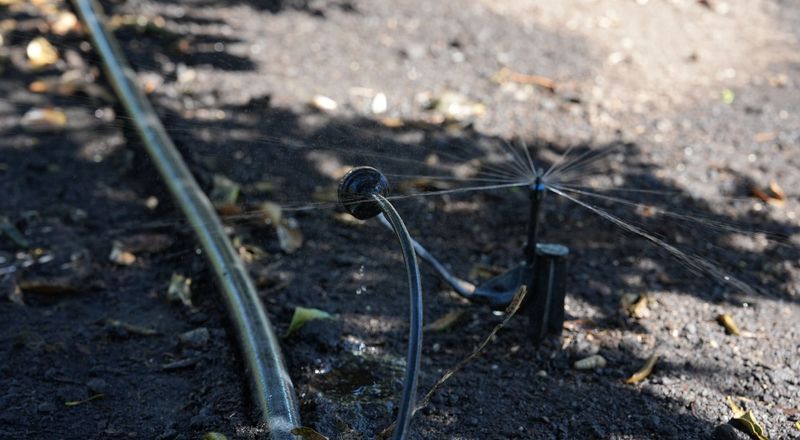
Every gardener wants a specific number, and citrus care rarely cooperates that way in September.
What protects fruit and roots is a steady pattern matched to weather, soil, and tree size rather than a fixed measurement.
One week calls for a longer gap while a hot spell shortens it. Consistency means measured adjustment instead of repeating the same setting indefinitely.
That framing sounds less satisfying than a watering trick and proves considerably more useful.
Trees respond well when moisture stays even enough to avoid both drought shock and saturated soil.
A notebook, phone reminder, or quick soil check keeps your routine grounded in observation. Over time you learn how your yard behaves after heat, fog, wind, and cool nights.
Young trees need closer monitoring since their roots occupy less soil. Established trees handle wider spacing between waterings comfortably.
Neither tolerates wild swings from dry to oversaturated well.
Container citrus follows different rules entirely, drying faster and needing more frequent attention than in-ground trees regardless of season.
If you change one habit this month, thoughtful regularity is the one worth adopting.
Consistency also makes problems easier to spot. A steady schedule means a stressed tree stands out quickly, and you can connect symptoms to weather, drainage, or pests.
September asks for calmer timing and attention to patterns rather than perfection.
8. Adjust Feeding Along With Watering
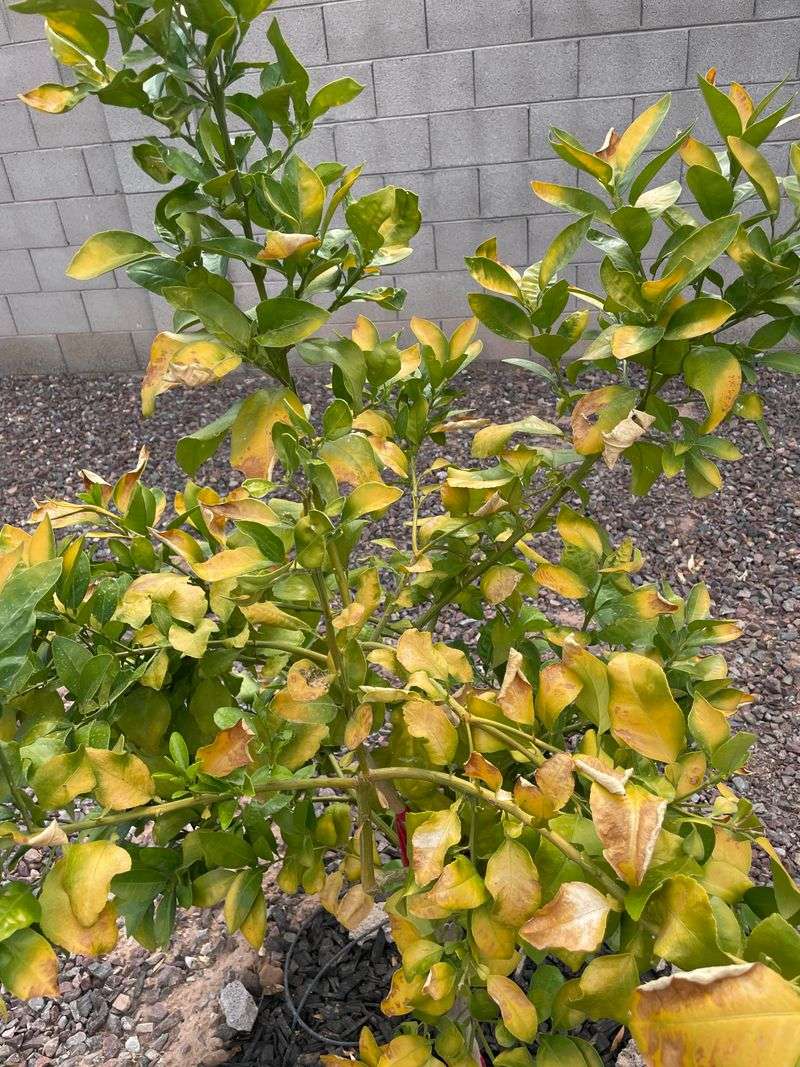
Watering changes go better when feeding shifts alongside them.
Citrus in California generally gets fertilized during active growth, which runs from late winter through summer rather than into fall.
September sits near the end of that window in most of the state.
Late nitrogen applications push new growth at an awkward time. Tender shoots emerging in October have limited time to harden before cooler weather arrives.
That soft growth also attracts aphids and citrus leafminer, both of which favor fresh flush.
Fruit quality factors in too. Excess nitrogen late in the season can affect rind thickness and delay proper coloring.
Most guidance points toward completing the year’s feeding by late summer and resuming in late winter before spring growth begins.
Watering and fertilizer interact more than people realize. Nutrients move with water, so overwatering leaches nitrogen past the root zone where the tree can’t reach it.
Deeper less frequent irrigation actually improves nutrient retention, which means the watering change helps twice.
Micronutrient deficiencies are worth checking now while symptoms are visible. Iron, zinc, and manganese all show distinctive yellowing patterns on citrus leaves.
Foliar applications address those more effectively than soil products in alkaline California soil.
Container trees need more frequent feeding than in-ground trees, since watering flushes nutrients through the pot regularly.
Note what the tree looked like this season and plan next spring’s program accordingly.