7 Venomous Insects Every Texas Resident Should Know About
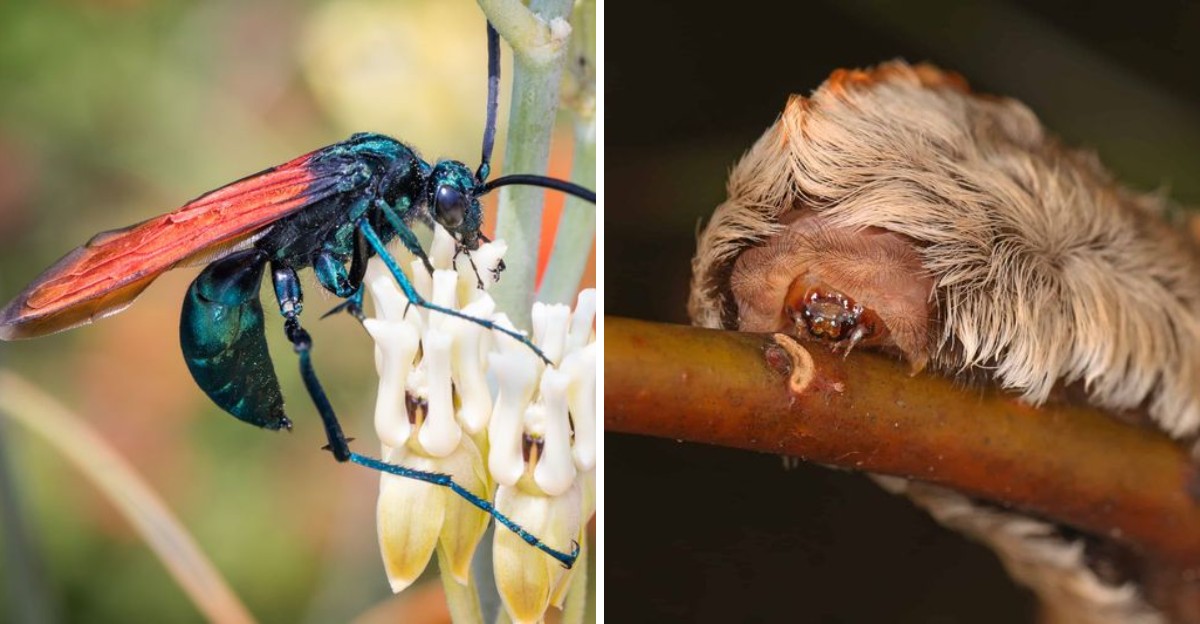
One of the most painful stings in Texas comes from something that looks like a tiny, fluffy toupee. Run a finger across it, and you’ll quickly regret it.
That’s the tricky thing about venomous insects. Many of them don’t look dangerous at all. Some are fuzzy and soft-looking. Others are brightly colored and almost pretty.
A few are so small you’d barely notice them crawling across a leaf, a lawn chair, or the edge of a flower bed.
Texas has no shortage of these stinging and biting critters. Most aren’t out to get anyone and only react when they’re touched or disturbed.
Still, an accidental run-in can mean hours of burning pain, swelling, or a trip to the doctor, especially for kids and anyone with allergies. Learning to recognize them is the simplest way to keep your family safe outdoors.
1. Red Imported Fire Ants
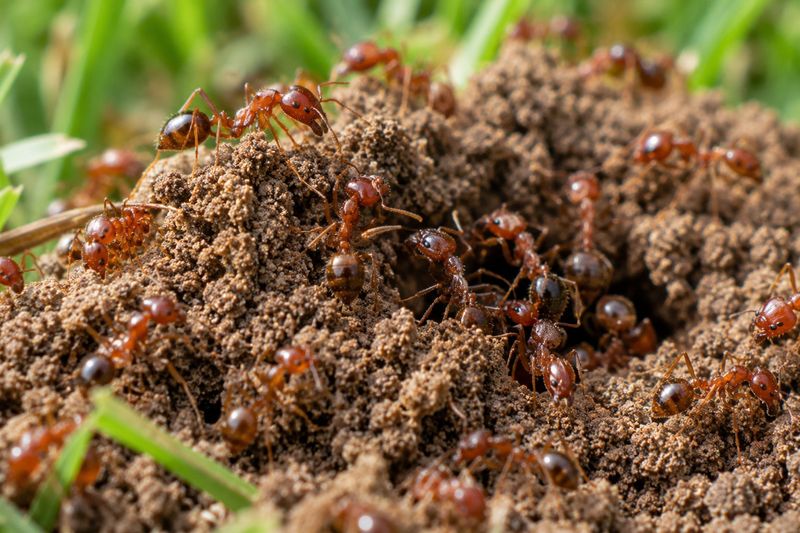
Step on the wrong patch of grass in Texas, and you will learn about fire ants fast. These tiny reddish-brown ants came to the United States from South America by ship in the 1930s. Today, they live in almost every corner of the state.
Fire ants build loose, fluffy dirt mounds in lawns, parks, and pastures. The mounds often pop up after a good rain. When something disturbs their home, hundreds of ants rush out at once.
Each ant grabs your skin with its jaws and stings again and again. The sting feels like a hot burn, which is how they got their name. Within about a day, small white pustules form at each sting spot.
Those little bumps are very itchy, but try hard not to scratch or pop them. Broken pustules can get infected. Wash the area with soap and water, then use a cold pack to ease the burning.
Most people only deal with pain and itching. However, some folks are allergic to fire ant venom. Watch for trouble breathing, swelling in the face or throat, dizziness, or hives spreading across the body.
Those signs mean you need emergency help right away. Call 911 and use an epinephrine pen if one has been prescribed. Quick action makes a huge difference.
Prevention is your best tool. Wear shoes and socks when walking on grass. Check the ground before you sit down for a picnic.
Bait products can help control mounds in your yard. Spread them when the ants are actively foraging, usually on warm, dry days. Keep kids and pets away from treated areas until the product settles in.
2. Red Harvester Ants
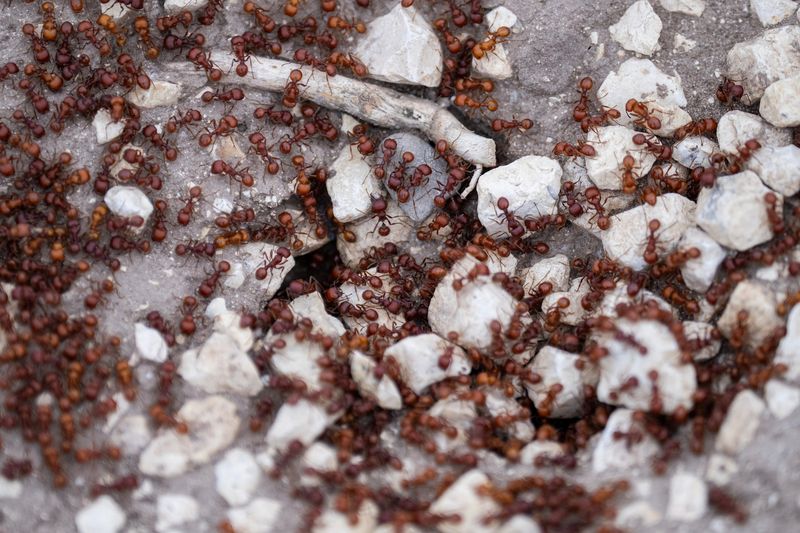
Ever notice a bare, round patch of dirt in a sunny field? Look closely, and you might spot big reddish-brown ants marching in and out of a hole in the middle. Those are red harvester ants, and they are serious stingers.
Harvester ants clear away every plant around their nest. The bare circle can stretch several feet wide. They do this to keep the area warm and dry, and to spot danger coming.
As their name suggests, these ants gather seeds. Workers carry seeds back home and store them in underground rooms. Some colonies stay in the same spot for many years.
Your Texas Garden Changes Every Week. Your Plan Should Too.
Gardening in Texas changes quickly throughout the season. Every Friday you’ll receive a simple weekly plan showing exactly what to plant, prune, fertilize, harvest, and protect so you never miss the right timing.
Their sting is much worse than a fire ant’s. Many people say the pain spreads and throbs for hours. Some even feel sore in their lymph nodes afterward.
The good news is that harvester ants are less likely to swarm. They usually sting when someone steps on them or sits too close to the nest. One or two stings are common, not dozens.
If you get stung, wash the spot and apply ice wrapped in a cloth. An over-the-counter pain reliever can help. Keep an eye out for allergic signs like swelling or trouble breathing.
Here is a fun fact. Harvester ants are the main food of the Texas horned lizard, our official state reptile. Sadly, fewer harvester ants means fewer horned toads.
Because of that, many people choose to leave these ants alone when they live far from homes. If a colony sits right by a play area, mark it clearly. Teach children to recognize those bare circles and steer clear.
3. Africanized Honey Bees
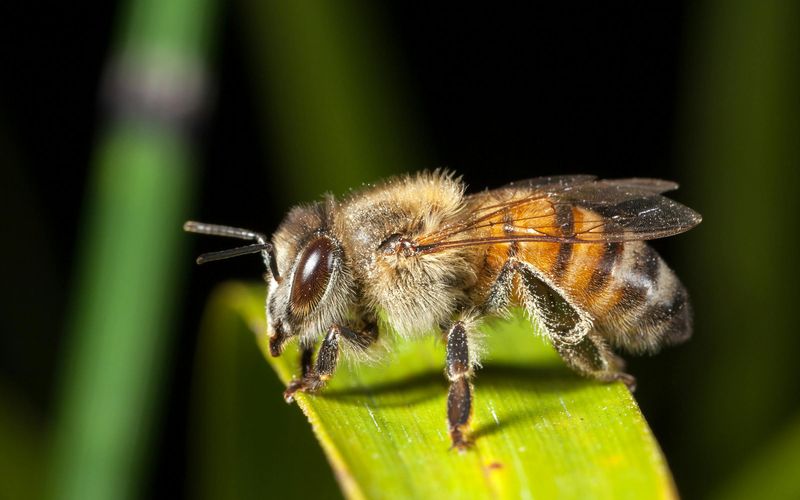
Back in 1990, scientists found the first Africanized honey bees in the United States near Hidalgo, Texas. Since then, these bees have spread across much of the state.
Their venom is actually no stronger than a regular honey bee’s. In fact, they look almost the same. Only experts with special tools can tell them apart.
What makes them different is their attitude. Africanized bees defend their nests with much more energy. They react to noise or movement faster and chase threats much farther.
A regular colony might send a few guards to sting. An Africanized colony can send hundreds or even thousands. Lots of stings at once is what makes them dangerous.
So what should you do if bees start attacking? Run, and run fast. Head straight for a car or building and close the door.
Do not swat at them. Waving your arms only makes them angrier. Pull your shirt over your face as you run to protect your eyes and nose.
Never jump into water to hide. The bees will wait above the surface for you to come up for air. A closed shelter is always the smart choice.
Once safe, scrape stingers out with a fingernail or credit card. If someone has many stings, get medical help.
Around your home, check for nests in old tires, sheds, and empty boxes. Call a licensed beekeeper or pest expert to remove them. Avoid running loud lawn equipment near any spot where bees gather.
4. Paper Wasps And Yellowjackets
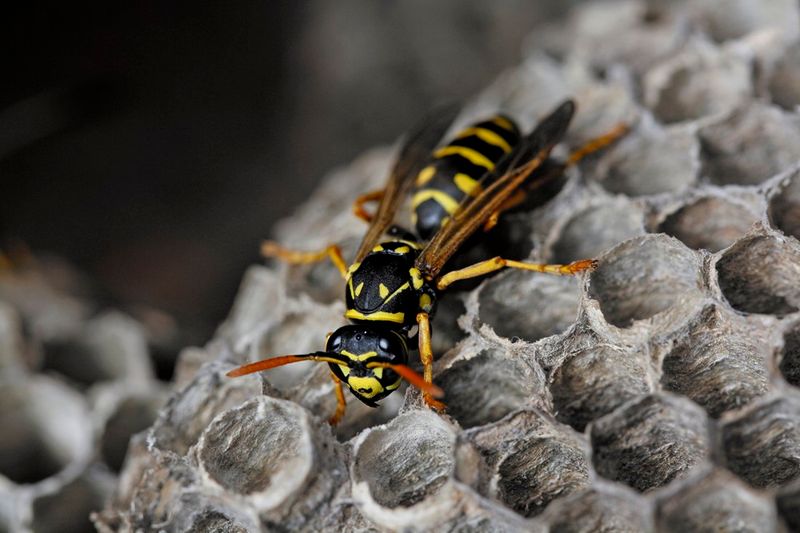
Late summer cookouts in Texas often come with uninvited guests. A soda can, a plate of burgers, or a slice of watermelon can draw wasps from yards away. Paper wasps and yellowjackets are two of the most common.
Paper wasps have long legs that dangle when they fly. They chew wood into a pulp and build open, umbrella-shaped nests. You will find them under eaves, porch ceilings, and even patio chairs.
Yellowjackets are shorter and chunkier, with bright yellow and black stripes. Many build nests underground or inside wall voids. You might not see the nest until you mow right over it.
Unlike honey bees, both wasps can sting more than once. Their stingers do not get stuck in your skin. That means one angry wasp can strike several times.
They become extra defensive near their nests. Late summer and fall is the worst time. Colonies are at their biggest, and food is getting harder to find.
Want to dodge trouble? Keep drinks covered outdoors and use straws. Clean up spilled food and keep trash cans tightly sealed.
Walk around your house each spring to look for small new nests. Tiny nests are much easier to handle early in the season. Larger nests are best left to a pro, especially yellowjacket nests in the ground or walls.
For a sting, wash the spot and use a cold compress. An antihistamine can help with itching and swelling. Anyone who has had a strong reaction before should talk to a doctor about carrying an epinephrine pen.
5. Red Velvet Ants
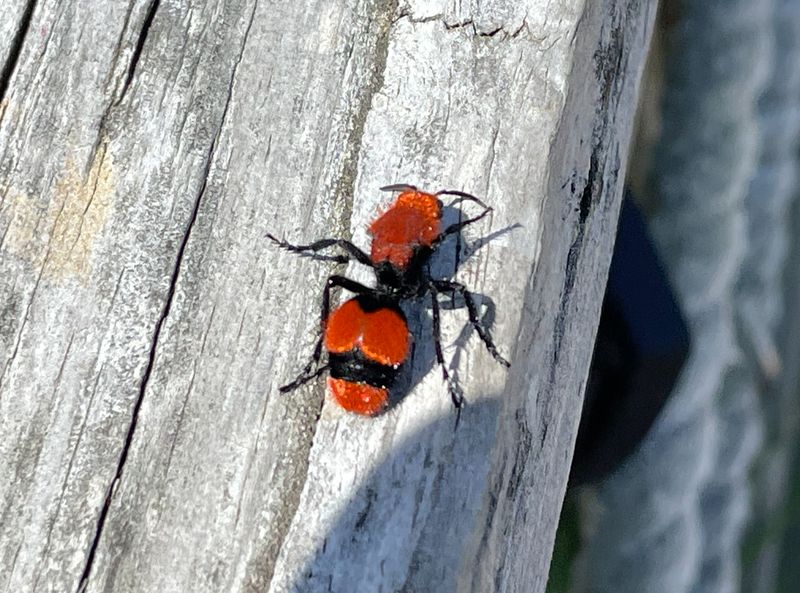
Talk about a trickster! The red velvet ant is not an ant at all. It is actually a wasp, and the fuzzy ones you see crawling around are wingless females.
Their bodies are covered in bright red and black hair that looks like soft velvet. They are about an inch long and scurry quickly across sandy ground. Males have wings but cannot sting.
Luckily, these insects are not aggressive. They spend their days searching for ground-nesting bee burrows. Females lay eggs inside, and their young feed on the bee larvae.
Most stings happen when someone steps on one barefoot or picks one up. Their tough outer shell also makes them hard to squish. So a quick stomp might not stop them.
Did you know they can squeak? When grabbed, velvet ants make a tiny chirping sound. It is a warning to back off.
Their bright colors send the same message. In nature, bold red often means danger. Birds and lizards learn quickly to leave them alone.
To stay safe, wear shoes outdoors, especially on sandy or bare soil. Teach kids that fuzzy does not always mean friendly. Never let children pick one up for a closer look.
If a sting happens, clean the area and apply ice. Pain usually fades within an hour or so. Seek care if swelling spreads or breathing becomes difficult.
6. Tarantula Hawk Wasps
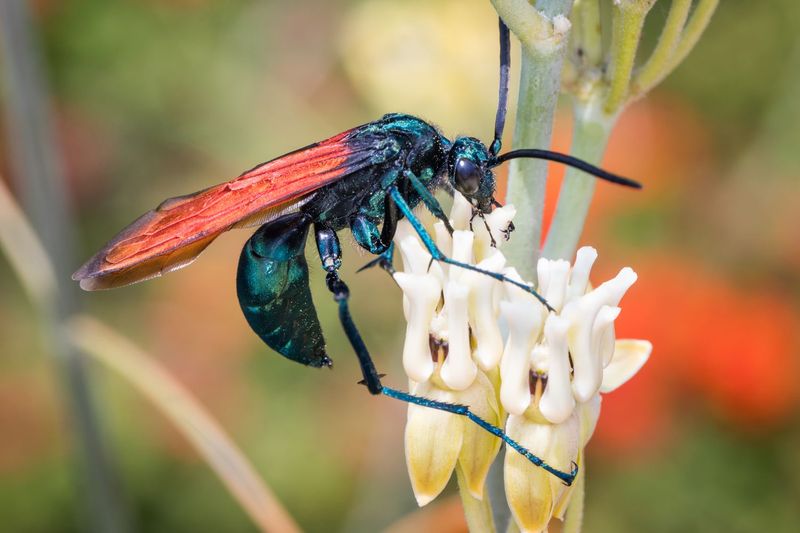
A wasp that hunts tarantulas sounds like something from a monster movie. Yet tarantula hawks are real, and they live right here in Texas. You will often see them in the western and central parts of the state.
These insects are hard to miss. They can grow up to two inches long. Their shiny blue-black bodies and bright orange wings flash in the sun.
Here is how they got their name. A female finds a tarantula and stings it, which paralyzes the spider. Then she drags it into a burrow and lays a single egg on it.
When the baby wasp hatches, it has a ready meal. It is a little gross, but it is also amazing nature at work. Adult wasps, on the other hand, sip flower nectar.
Scientist Justin Schmidt rated insect stings by pain. He ranked the tarantula hawk near the very top. He described the pain as sudden, electric, and blinding.
The good news is that intense pain usually lasts only a few minutes. Their venom is not very harmful to people beyond that. Still, it is something no one wants to experience.
Tarantula hawks are calm around humans. They mostly ignore people unless someone grabs or steps on them. You might spot them buzzing around milkweed or mesquite flowers.
Enjoy watching from a safe distance. Snap a photo, but keep your hands to yourself. If you do get stung, lie down somewhere safe so you do not trip or fall while the pain passes.
7. Puss Caterpillars (Asps)
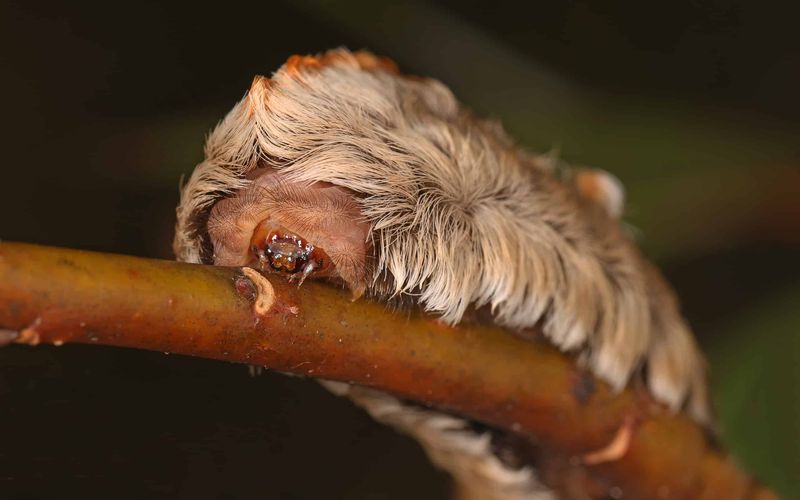
Cute, fluffy, and totally misleading. Puss caterpillars look like little tufts of cat fur or a tiny toupee. Many Texans call them asps.
These caterpillars are shaped like teardrops and covered in soft hair. Colors range from tan and gray to golden brown. They are usually about an inch long.
Under all that fluff hide sharp, venomous spines. When you touch one, the spines break off in your skin. The result is a burning, throbbing pain that many say is worse than a bee sting.
Symptoms can go beyond pain. Some people get swelling, a red grid pattern on the skin, headache, or nausea. Children often have stronger reactions because of their smaller size.
Asps show up most in late summer and fall. Look for them on oak, elm, and maple trees, as well as shrubs. They also crawl on fences, playground equipment, and picnic tables near trees.
Got stung? First, place clear tape over the spot and pull it off. That helps lift out the tiny spines.
Next, wash with soap and water and apply an ice pack. A baking soda paste or antihistamine may help. Call a doctor if pain is severe or if the person has trouble breathing.
Here is a neat fact. The caterpillar later turns into a fuzzy moth called the southern flannel moth. The moth itself is harmless.
Teach kids to look but never touch fuzzy caterpillars. Check playground slides and benches under trees before playtime. Gloves are a smart choice for yard work.