Why Fall Is The Best Time To Plant A Desert Willow In Texas
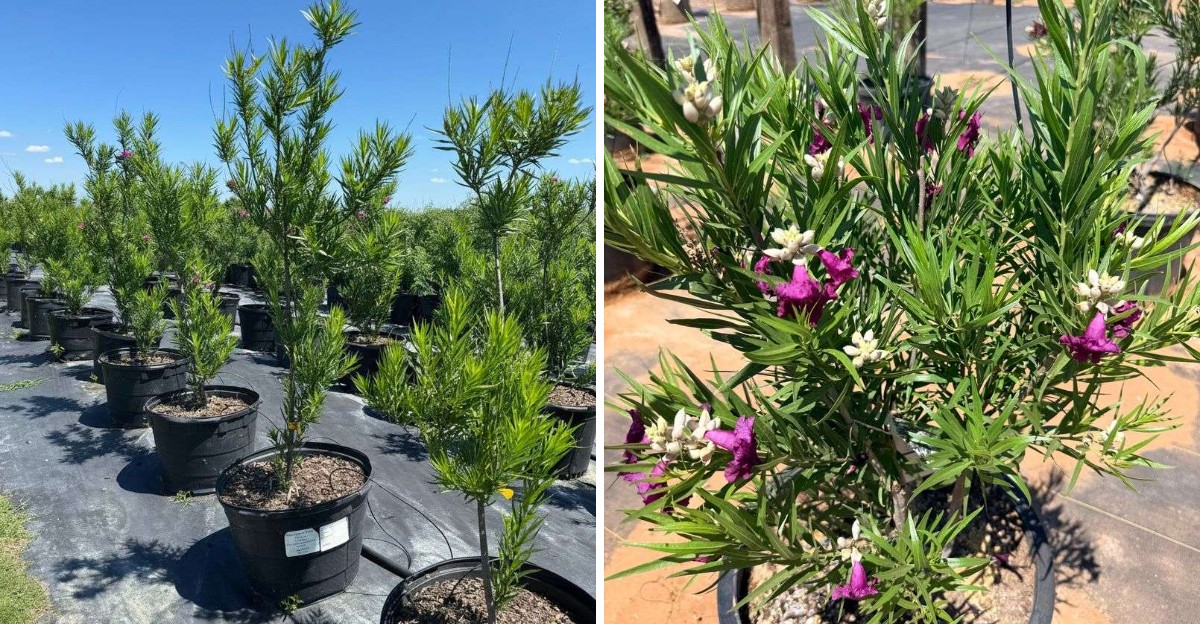
Many people fall for the desert willow in late spring. That’s when nurseries show it off in full bloom, covered in orchid-like flowers in pink, lavender, and white.
It’s tempting to buy one on the spot and plant it right away. But if you want the tree to truly thrive, fall is the smarter choice.
This tough native is a true Texas survivor. It thrives in heat, shrugs off drought, and keeps flowering through summer when many plants are just hanging on. Hummingbirds and bees can’t stay away.
Even so, young trees need a good start. Planting in fall gives roots months of mild weather to dig in and spread out. By the time next summer’s heat arrives, the tree is far better prepared to handle it.
If you’ve been thinking about adding one to your yard, this season offers the perfect window.
1. Roots Get Months To Grow Before Summer Heat
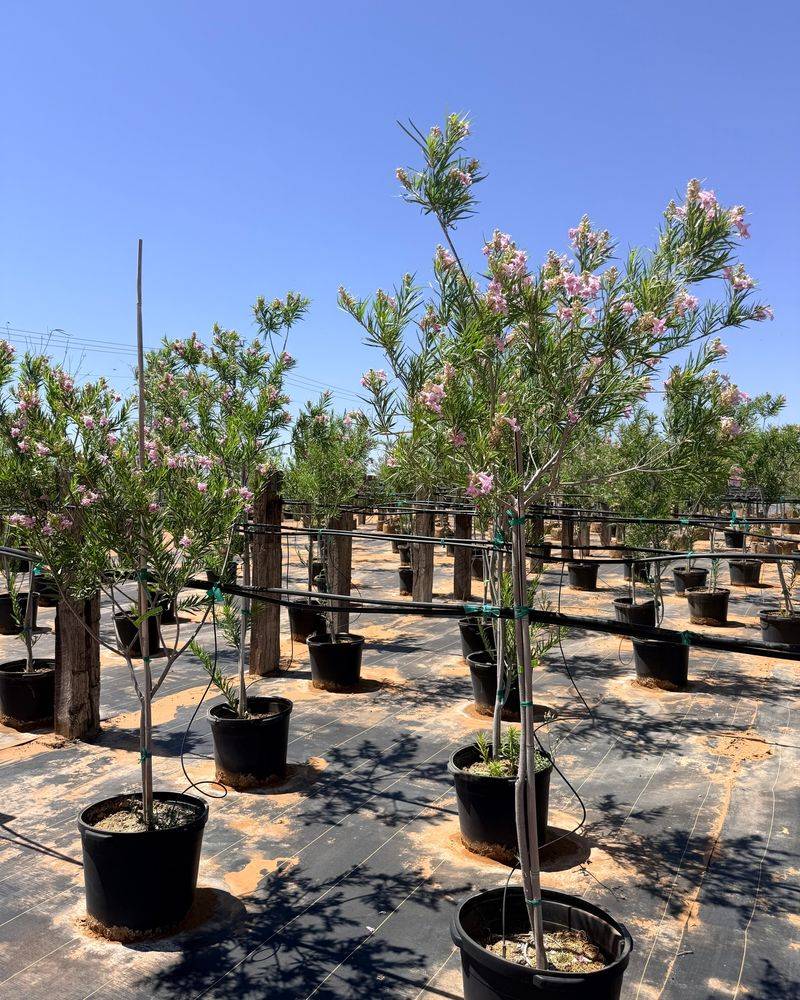
Every gardener in Texas knows the feeling of watching a new plant wilt in August. A fresh tree with tiny roots simply cannot drink fast enough to keep up with triple-digit heat. Fall planting solves that problem by giving roots a long head start.
When you plant a desert willow in October or November, the tree has roughly six to eight months before summer hits hard.
During that time, the roots stretch out, grip the soil, and search for water deep underground. A deeper root system means the tree can reach moisture that the hot sun cannot steal from the surface.
Think of it like training for a big race. A runner who practices for months will finish strong. A runner who shows up with no practice will struggle. Your tree works the same way, and fall gives it plenty of practice time.
Spring-planted trees only get a few weeks before the heat shows up. Their roots are still shallow and weak.
That makes them stressed and thirsty all summer long. Here are a few tips to help those roots grow well:
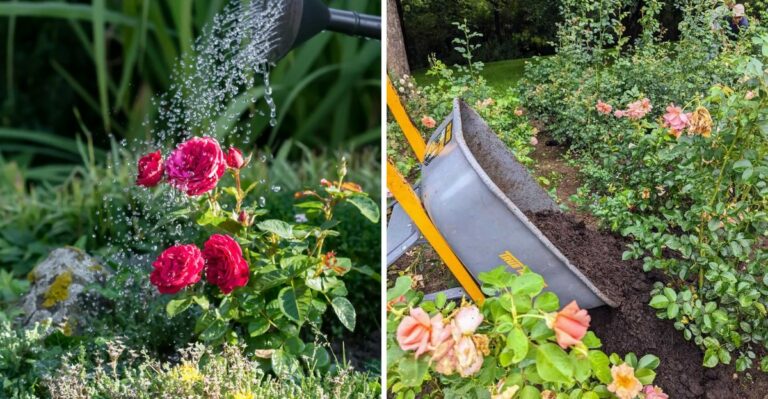
Dig a hole two to three times wider than the root ball but no deeper. Loosen the soil around the sides so roots can spread easily.
Add a few inches of mulch on top to keep the soil from drying out, but keep it away from the trunk.
Pick a planting day between late September and early December for the best results in most of Texas.
Gardeners in the Panhandle may want to plant a little earlier, before hard freezes arrive. With these steps, your desert willow will greet its first Texas summer with strong, steady roots ready for the challenge.
2. Warm Soil And Cool Air Make A Winning Pair
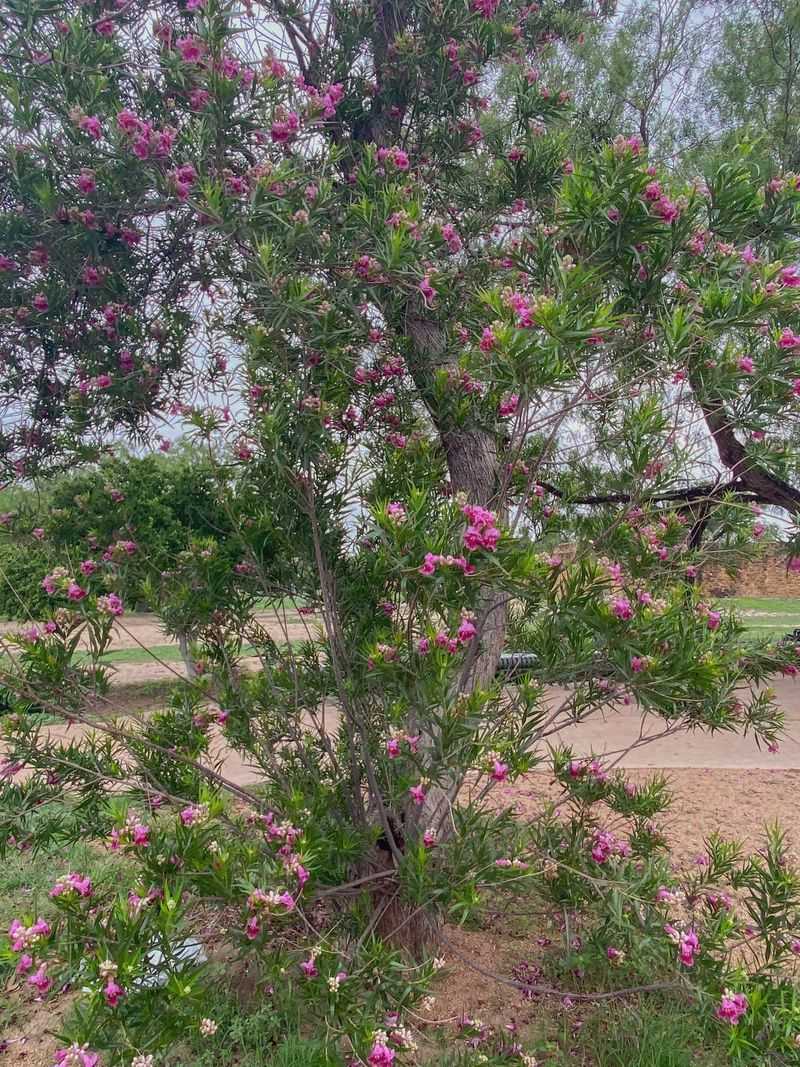
Nature has a sweet spot, and fall in Texas hits it just right. After months of summer sun, the ground holds onto its warmth for weeks. Meanwhile, the air above finally cools down to comfortable temperatures.
Why does that matter so much? Roots love warm soil. Warmth wakes them up and tells them to grow. In spring, the ground is often still cold from winter, so roots move slowly even when the air feels nice.
Your Texas Garden Changes Every Week. Your Plan Should Too.
Gardening in Texas changes quickly throughout the season. Every Friday you’ll receive a simple weekly plan showing exactly what to plant, prune, fertilize, harvest, and protect so you never miss the right timing.
Leaves, on the other hand, prefer mild air. When it is blazing hot, leaves lose water quickly through tiny openings.
A new tree with weak roots cannot replace that water fast enough, so it gets stressed. Cool fall air slows down that water loss and gives the tree a break.
So in fall, you get the best of both worlds. The roots are busy growing underground, and the top of the tree stays relaxed. Gardeners sometimes call this the perfect recipe for establishing a tree, and they are not wrong.
Want to check your soil? You can buy a simple soil thermometer at most garden centers. If the soil reads above 60 degrees Fahrenheit a few inches down, roots will grow happily. Across much of Texas, soil stays in that range well into November.
Fun fact: roots can keep growing in soil as cool as about 40 degrees, long after leaves stop working. That means your tree keeps quietly improving even on chilly days.
To take advantage of this combo, plant on a mild, cloudy day if you can. Water the tree well right after planting to settle the soil around the roots. Then let the season do the heavy lifting for you.
3. Less Watering Means Less Work For You
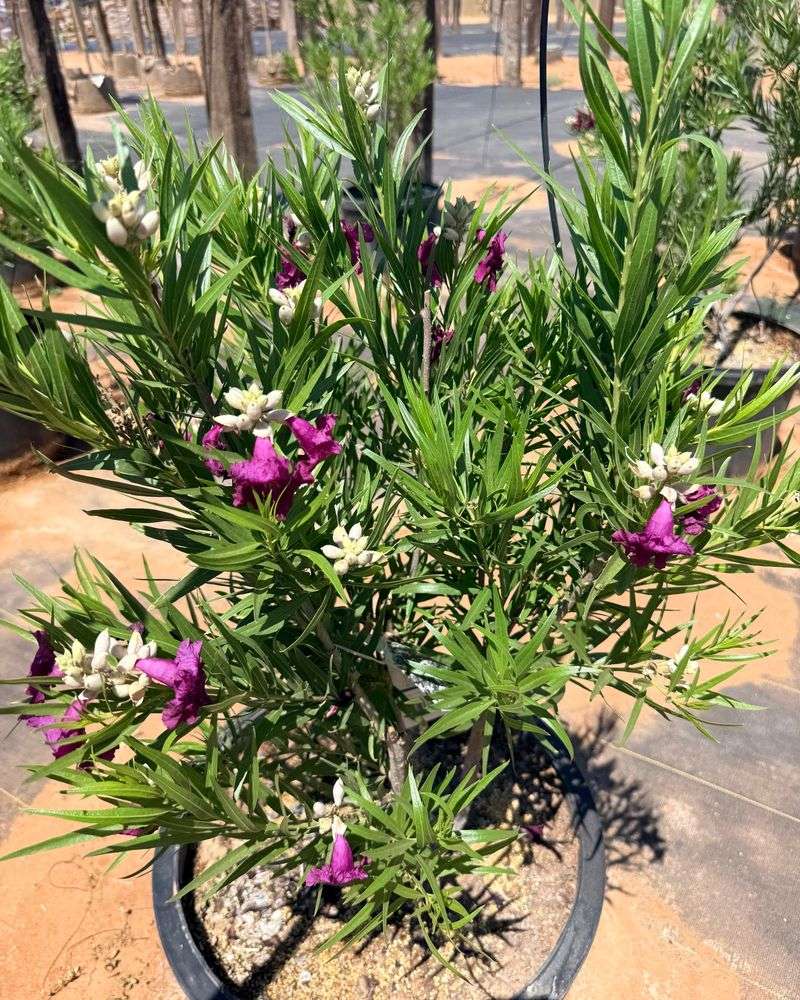
Nobody enjoys standing outside with a hose at noon in July. If you plant in summer, that might become your daily routine. Fall planting lets you skip most of that chore.
Cooler days mean less water escapes from the soil and the leaves. Fall in Texas also tends to bring some welcome rain showers. Together, these help keep the ground moist without much help from you.
For the first few weeks after planting, water your desert willow about two or three times a week.
After that, you can usually cut back to once a week or even less, depending on rain. Compare that to summer planting, when a young tree might need water every single day.
Saving water is a big deal in Texas. Many cities have watering rules during dry months, and some areas face strict limits. Fall planting fits nicely with those rules because your tree simply does not need as much.
Here is an easy way to know when to water. Stick your finger about two inches into the soil near the root ball. If it feels dry, give the tree a slow, deep drink. If it feels damp, wait a few more days.
A slow drip is better than a quick blast. Try leaving a hose on a trickle for 20 to 30 minutes, or use a soaker hose. Water then soaks deep instead of running off the surface.
A rain gauge is another handy tool. When your area gets an inch or more of rain in a week, you can usually skip watering altogether. Your wallet, your back, and your local water supply will all thank you.
4. Resting Branches, Busy Roots
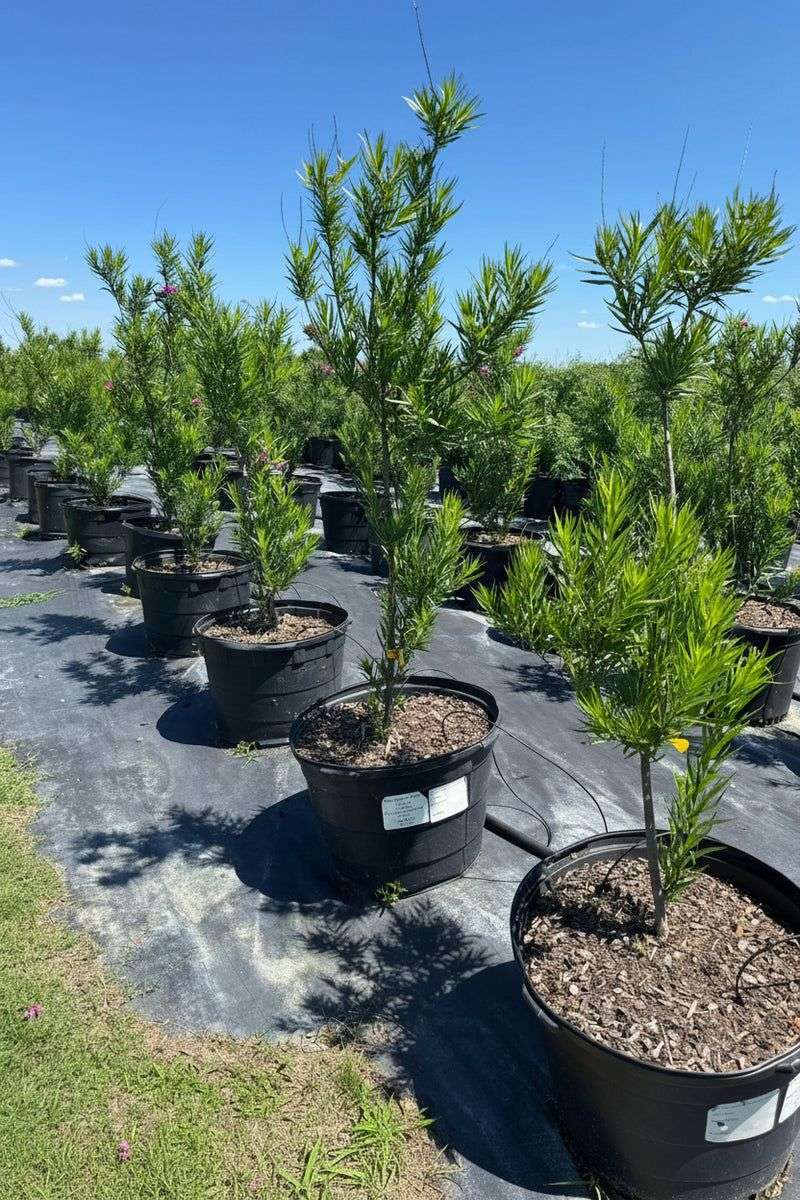
Some trees keep their leaves all year, but the desert willow likes to take a winter nap. As fall cools down, it drops its long, skinny leaves that look a lot like willow leaves. Don’t panic when your new tree suddenly looks bare.
Losing leaves is completely normal for this tree. Trees that drop their leaves each year are called deciduous. Above the ground, the desert willow goes quiet and rests. Underground, though, it stays surprisingly busy.
Without leaves to feed and support, the tree can send its energy down to the roots. It spends the cool months building a strong base. That is exactly what a newly planted tree needs most.
This rest time also helps with something called transplant shock. Moving a tree from a pot to the ground is stressful.
Roots get disturbed, and the plant has to adjust to new soil. When a tree has leaves to care for at the same time, the stress gets worse. A resting tree handles the move much more smoothly.
You may also notice long, thin seed pods hanging from the branches in fall and winter. They look a bit like green beans that dried out.
Some people leave them for winter interest, while others snip them off for a neater look. A few tips for the resting season:
Skip the fertilizer for now. Feeding a resting tree can push out tender growth that cold weather may damage.
Hold off on heavy pruning until late winter, too. Simply let the tree rest, water it lightly when the soil is dry, and trust that good things are happening below the surface.
5. Get Ready For Flowers Sooner
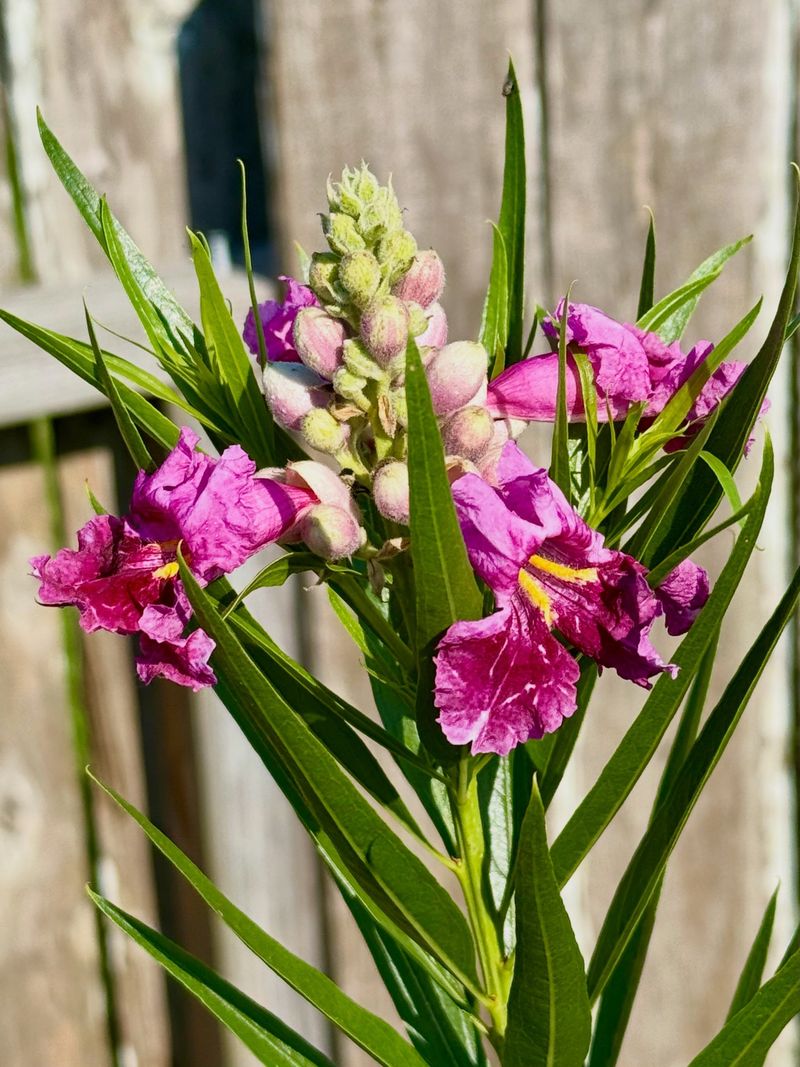
Hummingbirds have excellent taste, and they know a good desert willow when they see one.
The flowers look like tiny orchids, with ruffled petals in shades of pink, lavender, and deep purple. Inside, they hold sweet nectar that hummingbirds and bees cannot resist.
A tree that spent fall and winter growing roots wakes up in spring ready to work. It can push out new leaves quickly and save energy for blooming.
Spring-planted trees, on the other hand, often spend their first year just trying to settle in. They may give you only a few flowers, or none at all.
With fall planting, many gardeners see blooms in the very first late spring or early summer. Desert willows can keep flowering on and off from May through September, especially after a good rain.
Here is a fun surprise. Despite its name, the desert willow is not a willow at all. It belongs to the same plant family as the catalpa and the trumpet vine.
The willow part of its name comes only from its long, narrow leaves. Want even more flowers? Try these simple tricks:
Plant your tree in a spot that gets full sun, at least six to eight hours a day. Shade means fewer blooms. Remove some seed pods in summer, since the tree can then put more energy into making new flowers instead of seeds.
You can also choose a named variety for extra color. Some types offer darker burgundy flowers, while others have pale pink or nearly white blooms.
Pair your tree with other native plants, like salvia or lantana, and your yard will turn into a busy pollinator party.
6. Building A Tough, Drought-Ready Tree
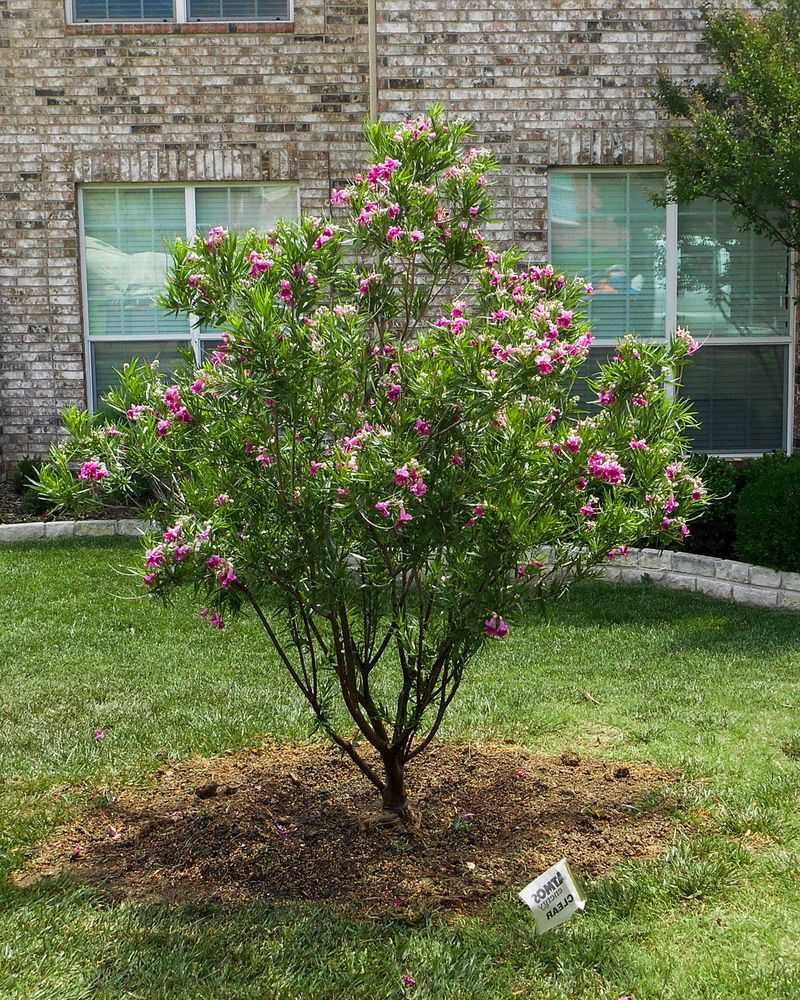
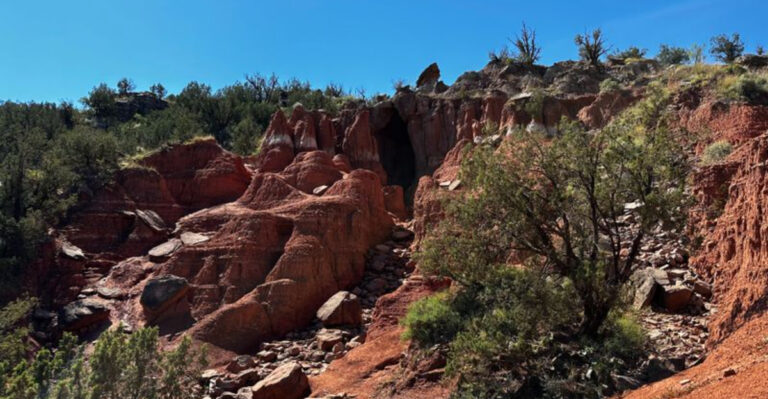
Out in West Texas, where rain can be scarce for months, the desert willow grows along dry creek beds and rocky hills.
It is a true Texas native, found naturally in West and Central parts of the state. Few trees can handle tough, dry weather the way it does.
But there’s a catch. A desert willow only becomes super tough after it gets established. That usually takes about one to two years of steady root growth.
Fall planting helps your tree reach that point faster because it gets extra months of rooting before its first hot, dry summer.
Once established, many desert willows need little or no extra water, except during long dry spells. That makes them a great choice for water-wise yards and xeriscapes.
Still, this tough tree has one big weakness. It hates soggy feet. Too much water around the roots, especially in winter, can cause rot and serious trouble.
Heavy clay soil that stays wet is its biggest enemy. Follow these tips to keep it healthy:
Choose a spot with well-drained soil. Sandy, gravelly, or rocky ground is ideal. If you have heavy clay, plant on a small mound or raised bed so water drains away from the roots.
Go easy on winter watering. When the tree is resting and the weather is cool, water only if the soil has been dry for a few weeks. Avoid planting near sprinkler heads that run often.
Do a quick drainage test before planting. Dig a hole, fill it with water, and see how fast it drains. If water is still sitting there after a few hours, pick a better spot or build up the soil.