The Forgotten Texas Fruit Tree More Backyard Gardeners Are Planting
Most Texas backyard orchards tell the same story. Peaches, figs, maybe a citrus tree or two. These are solid choices, and they earn their place.
But there is a native Texas fruit tree that is quietly gaining attention among gardeners who want something different.
Something with deep roots in the Texas landscape, genuine wildlife value, and fruit that produces in conditions where commercial varieties often struggle.
Most Texans have never planted it. A surprising number have never tasted it.
It’s not exotic or difficult to find at a good native plant nursery, and it requires significantly less intervention than most fruit trees once it’s established.
What it gives back in fruit, wildlife habitat, and spring bloom is genuinely impressive for something so overlooked. Here’s the forgotten Texas fruit tree more backyard gardeners are discovering right now.
Plant Mexican Plum This Fall For Future Fruit
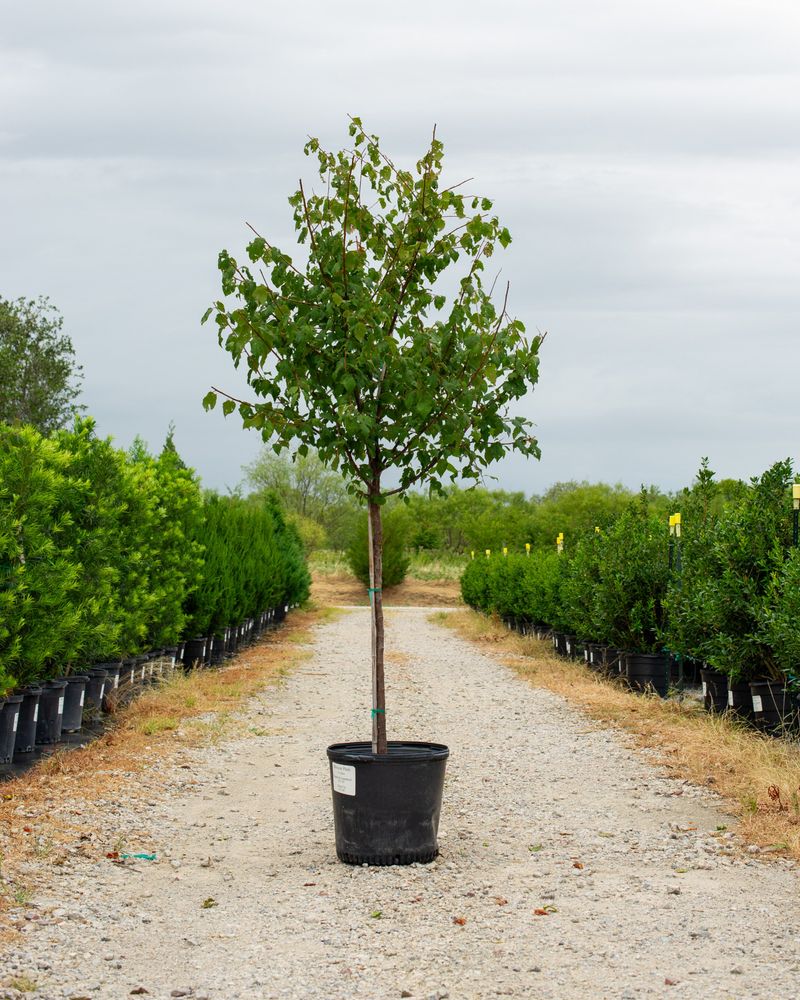
Fall is quietly the smartest time to put a Mexican plum tree in the ground. The cooler air and steady moisture give the roots a calm season to stretch out and grow strong.
By the time next summer’s heat rolls in, your young tree already has a solid root system to lean on. That head start makes a big difference in how well it handles dry, blazing Texas days.
Prunus mexicana is native to the state, so it feels right at home in local soil and weather. You will not need to baby it the way you might fuss over a fussy imported tree.
When you plant, dig a hole about as deep as the root ball and a little wider. Loosen the surrounding dirt so tender new roots can push outward without a fight.
Skip heavy fertilizer at planting time. Rich native soil and a bit of mulch on top are usually all a young Mexican plum needs to feel welcome.
Give it a deep drink of water right after planting. Then water gently through the fall so the ground stays moist but never soggy.
Picking a good spot now saves you trouble later, since this tree does not love being moved. Choose a sunny place with room to spread and let it stay put.
Gardeners who plant in fall often notice faster spring growth and earlier blooms. A little patience during these quiet months pays off with fruit down the road.
Think of fall planting as a gift to your future self and to the birds who will visit.
Why Mexican Plum Is Making A Backyard Comeback
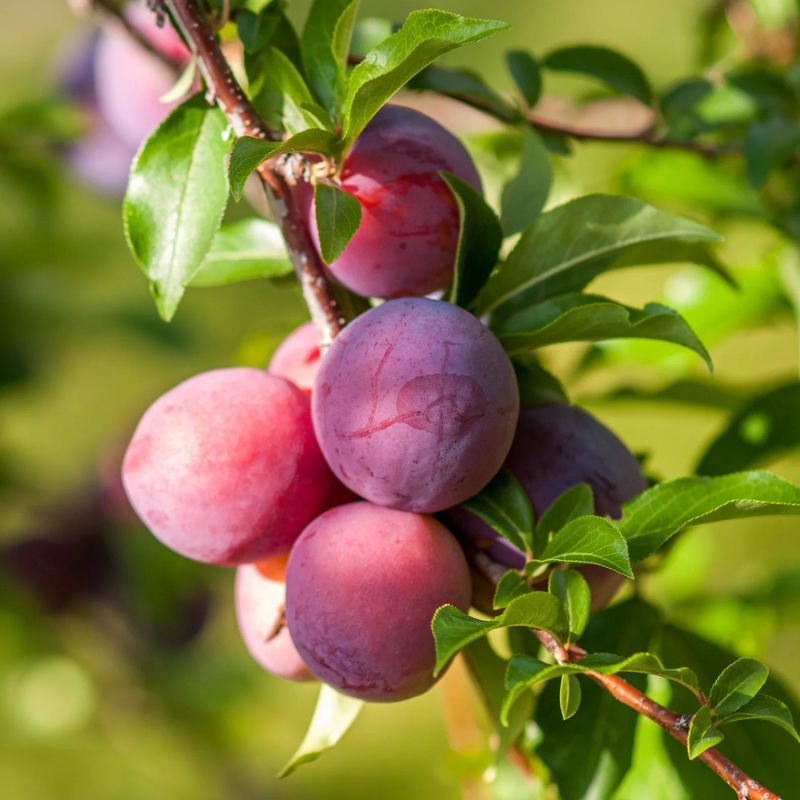
Word is spreading fast among Texas gardeners, and Mexican plum is riding that wave of fresh attention. Folks who once overlooked it are now hunting for one at their local nursery.
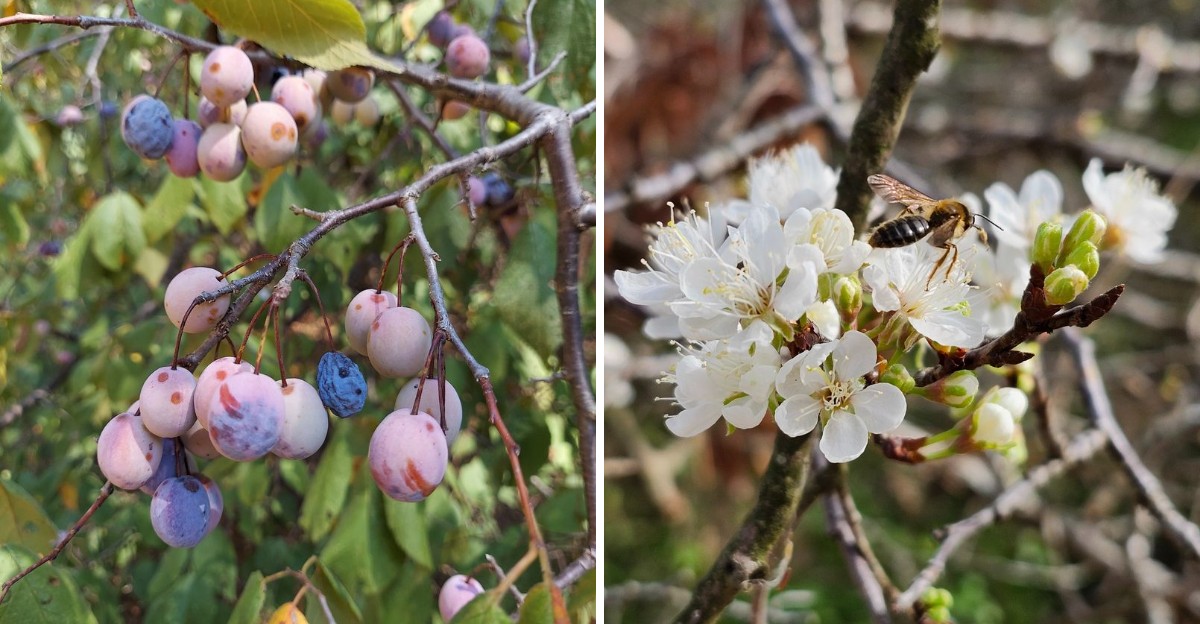
Part of the charm is the show it puts on each spring. Clouds of white blossoms cover the branches before most other trees even wake up, filling the yard with a sweet, gentle scent.
Homeowners also love how tough this little tree is. It shrugs off heat, drought, and clay soil that would trouble many fancier fruit trees.
Your Texas Garden Changes Every Week. Your Plan Should Too.
Gardening in Texas changes quickly throughout the season. Every Friday you’ll receive a simple weekly plan showing exactly what to plant, prune, fertilize, harvest, and protect so you never miss the right timing.
Its modest size fits real backyards, too. Reaching only around fifteen to twenty-five feet tall, it works in smaller spaces where a giant shade tree simply would not fit.
People are also thinking more about wildlife these days. A Mexican plum feeds bees in spring and birds in summer, turning an ordinary yard into a busy little habitat.
Then there is the fruit. The small plums may be tart, but they carry a nostalgic flavor that reminds older Texans of trees from their grandparents’ land.
Because it is native, this tree does not demand sprays, constant pruning, or endless attention. Busy families appreciate a plant that mostly takes care of itself.
Gardeners chasing a more natural, water-wise landscape have found a real friend in this species. It fits perfectly with the growing love for native plants across the region.
All of these reasons stacked together explain the comeback. A tree that gives beauty, food, and wildlife value without much fuss is exactly what many backyards have been missing.
The Small Plums That Feed People And Wildlife
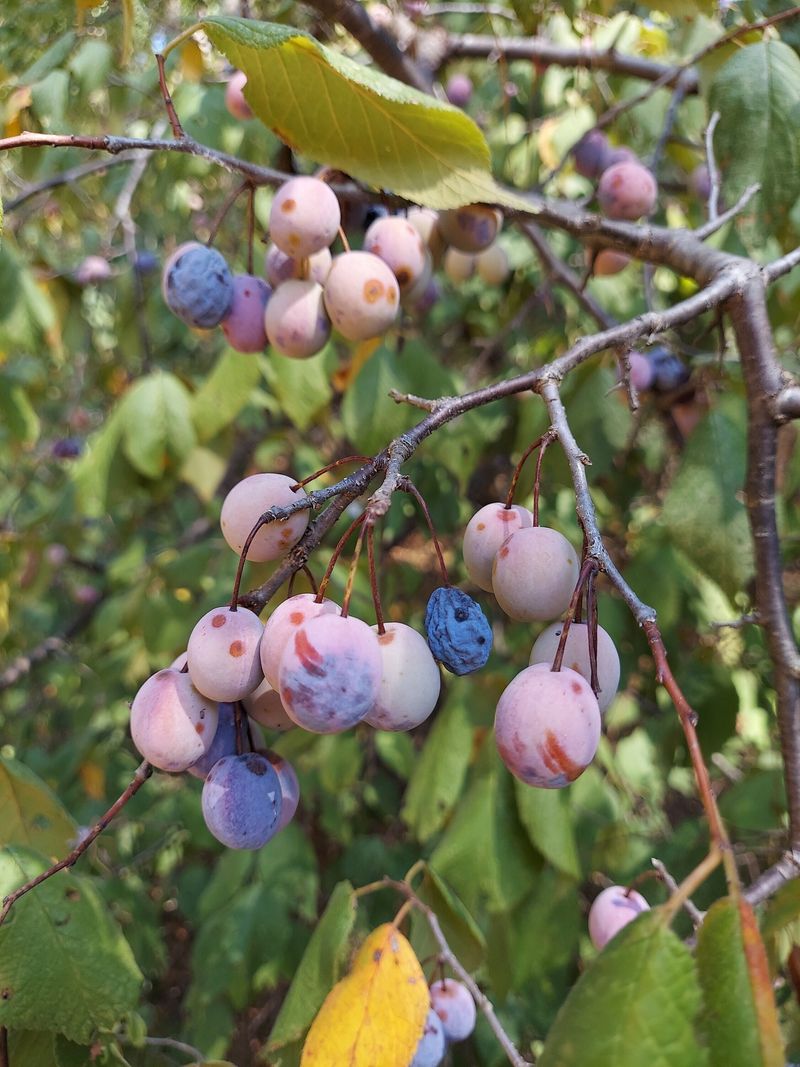
Come late summer, the Mexican plum quietly hands over its little treasures. The fruits are small, usually about an inch wide, and they shift from green to a rosy red or deep purple as they ripen.
Ripening often lands somewhere between July and September, depending on the weather and where you live in Texas. A gentle squeeze tells you when a plum is soft and ready.
Straight off the tree, the flavor leans tart with a hint of sweetness. Many people find them a bit sharp for snacking, though adventurous folks enjoy them fresh anyway.
Where these plums really shine is in the kitchen. Cooks turn them into jam, jelly, and preserves, since a little sugar balances that bright, tangy taste beautifully.
Some gardeners simmer the fruit into syrups or fold it into pies and cobblers. The rich color also makes for gorgeous homemade jars lined up on a shelf.
Wildlife, though, may love these plums even more than we do. Birds flock to the branches, plucking fruit as a natural summer feast.
Raccoons, foxes, and other small animals often gather up plums that drop to the ground. Nothing goes to waste around a healthy tree.
You might even spot deer nibbling at low fruit in rural yards. That constant visitor traffic turns your tree into a lively gathering spot.
If you want to keep some plums for yourself, harvest a little early and let them finish ripening indoors. Sharing with the critters and still filling your jars is easy with a productive tree.
Where Mexican Plum Grows Best In Texas
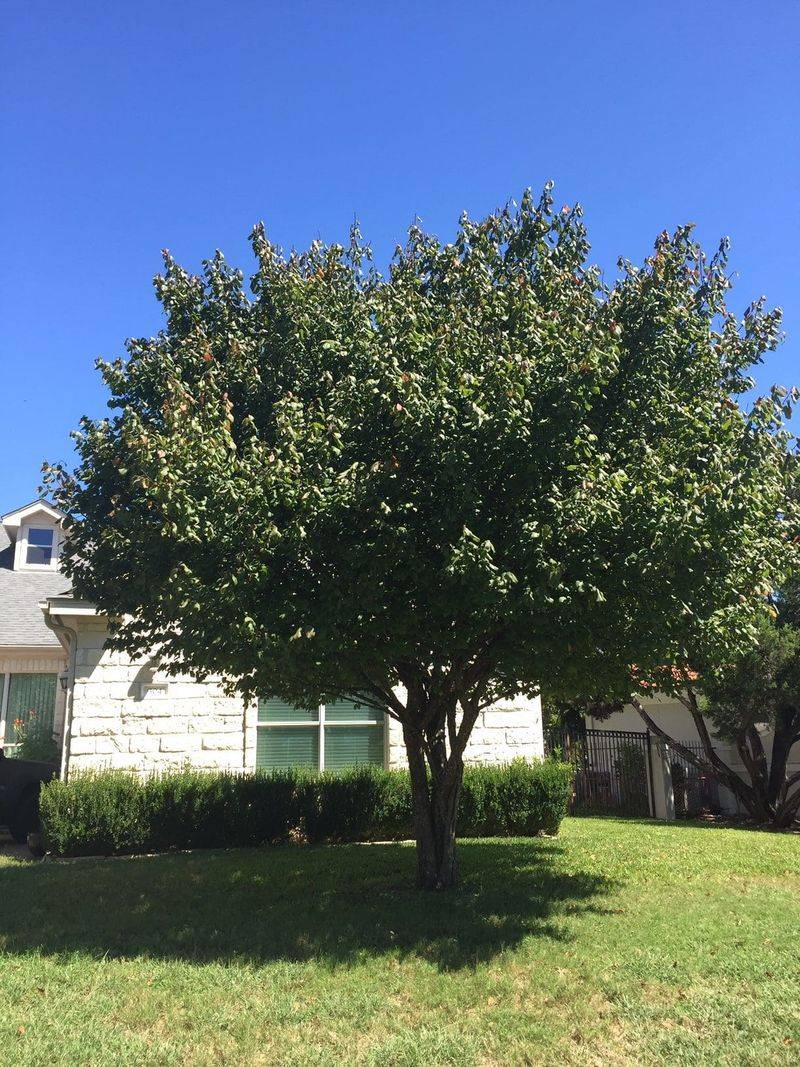
Giving this tree the right home makes all the difference in how happily it grows. Mexican plum loves sunshine and rewards you when it gets plenty of it.
Aim for a spot with full sun to light shade. Around six hours of direct light each day helps it bloom well and set a good crop of fruit.
Drainage matters just as much as sunlight. This tree prefers soil that lets water pass through instead of staying wet and soggy around the roots.
The good news is that it handles many soil types found across Texas. Clay, loam, and rocky limestone ground all suit it, as long as water does not pool.
Try to avoid low spots where rain collects after storms. Roots sitting in standing water can struggle and weaken the tree over time.
Space is worth planning for early on. Since a mature tree can spread fifteen to twenty feet wide, give it breathing room away from fences and buildings.
Planting on a gentle slope can help extra water drain away naturally. That small trick keeps the roots healthy and happy through wet seasons.
This species grows across much of central, north, and east Texas without complaint. Its wide native range shows just how adaptable it truly is.
If your yard bakes in the summer sun, do not worry. Mexican plum is built for tough conditions and handles heat with ease.
Take a little time to scout your yard before planting. Matching the tree to a bright, well-drained spot sets it up for many strong, productive years ahead.
The Wildlife Benefits Hidden In This Native Fruit Tree
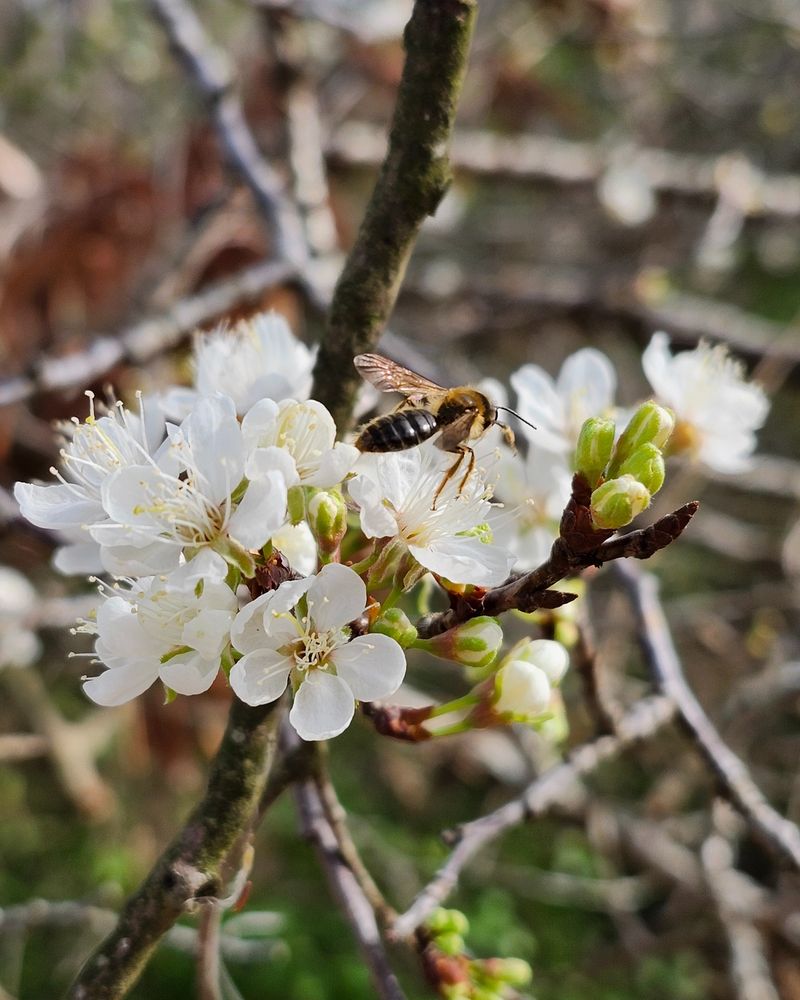
Long before the fruit shows up, this tree throws a spring party for pollinators. Those early white blossoms are some of the first food bees find after winter.
Native bees, honeybees, and butterflies all drift toward the fragrant flowers. Watching them work the branches is a peaceful, buzzing reminder that your yard is alive.
Because Mexican plum blooms so early, it fills a hungry gap in the season. Pollinators depend on that timing when little else is flowering yet.
Later in the year, the fruit keeps the wildlife show going. Songbirds, mockingbirds, and cardinals gather to snack on the ripe little plums.
The tree’s branching shape offers more than food. Its layered limbs give birds a safe place to perch, nest, and hide from hawks or cats.
Small mammals benefit too, gathering fallen fruit from the ground below. A single tree quietly supports a whole web of backyard creatures.
Caterpillars of certain butterflies and moths also feed on the leaves. Those caterpillars in turn become food for baby birds during nesting season.
By planting one native tree, you invite this entire chain of life into your yard. It is a simple choice with a surprisingly big ripple effect.
Gardeners who care about nature love seeing their space grow busier each year. More blooms mean more bees, and more fruit means more birds.
If you dream of a lively, humming backyard, this tree helps make it real. Beauty for you and a buffet for wildlife come bundled together in one hardy native plant.
How To Help A Young Mexican Plum Thrive
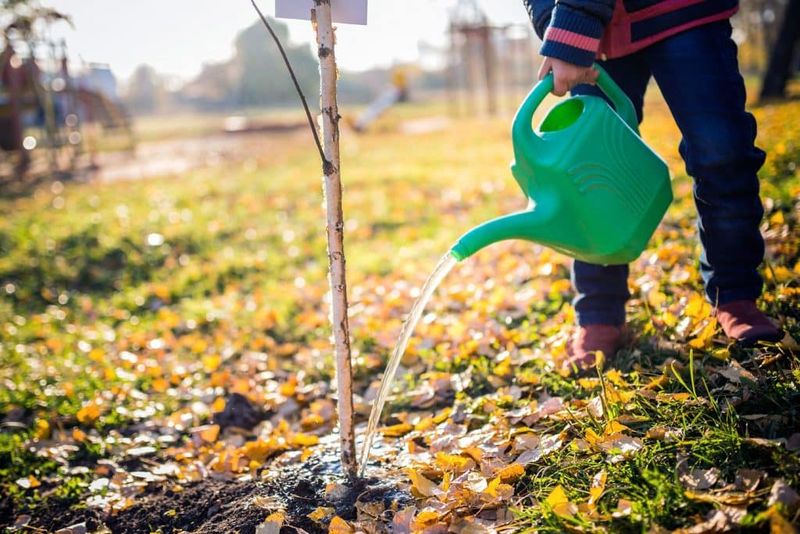
The first couple of years shape how strong your Mexican plum will become. A little steady care early on sets it up for a long, healthy life.
Watering is the biggest job at the start. Give the young tree a deep soak about once a week when rain is scarce, letting the moisture sink down to the roots.
Deep, less frequent watering beats quick daily sprinkles. That approach trains roots to grow downward, which helps the tree find water on its own later.
A ring of mulch around the base works wonders. Keep it a few inches away from the trunk so the bark stays dry and comfortable.
Mulch locks in moisture, blocks weeds, and keeps the soil cooler during scorching afternoons. Just refresh it now and then as it breaks down.
Young trunks can use a little protection too. A simple guard shields the bark from string trimmers, curious animals, and accidental bumps.
Resist the urge to over-prune while it is young. Remove only broken or crossing branches and let the tree find its own natural shape.
Go easy on fertilizer as well. This native does fine in ordinary Texas soil and rarely needs extra feeding to grow well.
Watch for suckers sprouting near the base, and trim them if you prefer a single trunk. Left alone, the tree may form a lovely multi-stemmed shape instead.
Once established after two or three years, your Mexican plum becomes wonderfully independent. From there, you can mostly sit back and enjoy the flowers, fruit, and visitors it brings.