The Best Time To Plant Pansies In North Carolina So They Settle In Before Winter
Pansies are cheerful, but they hate being rushed or left behind. Plant them too early and the heat can wear them out. Plant them too late and the roots never get a chance to grow before cold arrives.
North Carolina’s mild fall gives you a generous window, but it still has an edge. The goal is simple. You want roots to spread through the soil while the plant is still young and the weather is kind.
Once winter comes, a well-rooted pansy keeps blooming through cold snaps that stop other flowers. A poorly settled one just sits there and sulks. Timing matters more than any fertilizer or fancy trick.
Picking the right planting time is the easiest way to get a winter bed full of color.
1. Timing Depends On Soil Temperature, Not Just The Calendar
Your calendar can say October, but the soil might still feel like August. Pansies care far more about what is happening underground than what month it is.
Their roots grow best when soil temperatures settle roughly between the mid 40s and mid 60s Fahrenheit. Soil that is still warm from summer puts stress on young plants.
Roots struggle, leaves droop, and the whole plant spends its energy just trying to cope. On the other side, soil that has already turned cold slows root growth to a crawl, which leaves plants weak heading into winter.
Checking is easier than most people think. An inexpensive soil thermometer from a garden center or hardware store does the job nicely.
Push it about three or four inches into the ground in the morning, when soil is at its coolest, and read the number after a minute or two.
Once that reading drops into the mid 60s or below, you have a green light. Try checking for a few mornings in a row so one odd day does not fool you. A steady trend tells you much more than a single reading.
North Carolina makes this tool extra useful. The state stretches from cool Mountain valleys to the warm, sandy Coastal Plain, so soil cools at very different times across those regions.
A gardener in Boone and a gardener in Wilmington might see a month or more of difference.
Following the soil instead of a fixed date takes the guesswork out of planting. Your pansies get the cool, steady start they love, and you get a garden that is ready to shine when the rest of the yard goes quiet for winter.
2. Each Region Has Its Own Planting Window
Drive from Asheville to the Outer Banks in early October, and you will feel the seasons change along the way. The mountain air already has a crisp bite, while the coast still feels like late summer. That same shift affects when pansies should go into the ground.
Cool weather always reaches higher elevations first. It slides down through the rolling Piedmont next and finally arrives in the flat Coastal Plain. Planting dates simply need to follow that path.
Your North Carolina Garden Changes Every Week. Your Plan Should Too.
Gardening in North Carolina changes quickly throughout the season. Every Friday you’ll receive a simple weekly plan showing exactly what to plant, prune, fertilize, harvest, and protect so you never miss the right timing.
In the Mountains, the sweet spot runs from mid September to early October. Piedmont gardeners in places like Charlotte, Greensboro, and Raleigh usually do best from late September through October.
Down in the Coastal Plain, October into early November tends to work well. Of course, weather never reads the rulebook.
A long, hot fall might push your planting a week or so later, while an early cool spell could nudge it earlier. Keep an eye on the forecast and those soil temperature readings to fine tune your timing each year.
Why not just pick one date for the whole state? A single statewide plan would leave some pansies sweating in warm soil and others shivering in ground that has cooled too much. Neither group would get the healthy start it needs.
Knowing your region is like having a local map for your garden. Neighbors, local nurseries, and your county Cooperative Extension office can also share what has worked in your area over the years.
Combine their advice with your own observations, and you will find the window that fits your backyard perfectly.
3. Pansies Need Several Weeks To Root In Before Cold Weather
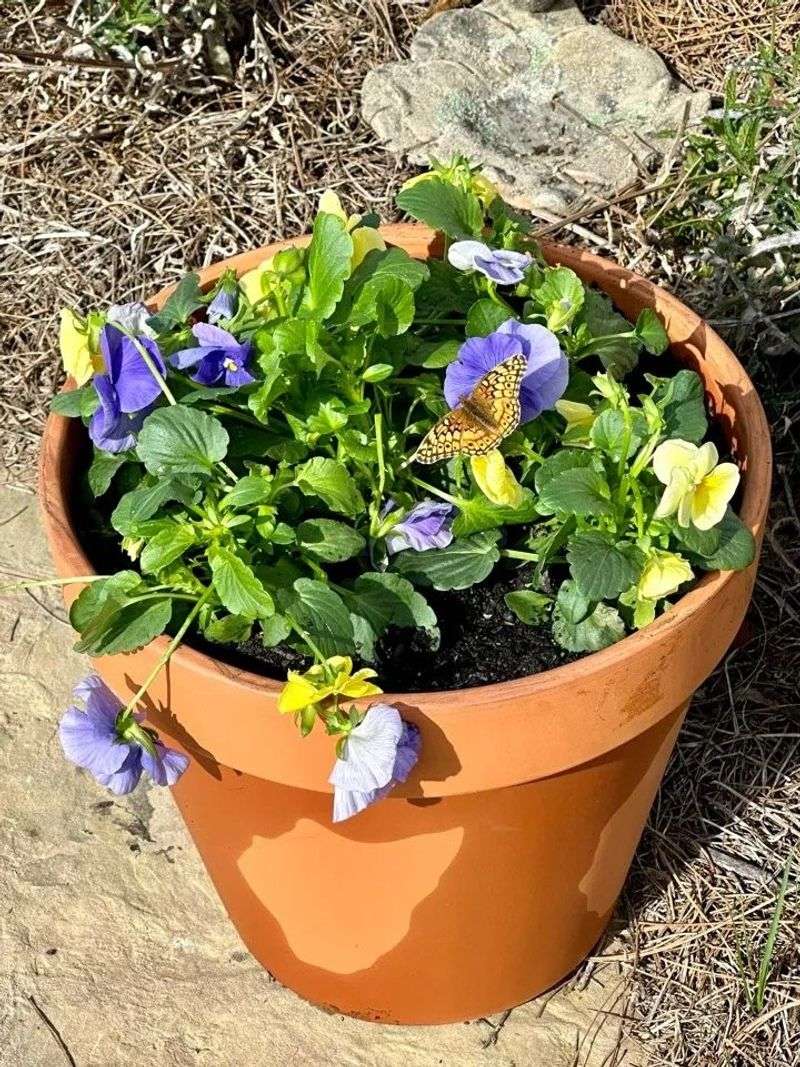
Think of roots as an anchor for a small boat. Without a solid hold, the first strong storm can push it around. Pansies work the same way when winter weather rolls in.
These plants need about four to six weeks of mild weather to grow a strong root system. During that time, roots spread out, grip the soil, and build the strength that helps the plant handle what comes next.
Well-rooted pansies shrug off freezing nights, winter winds, and the ground movement called frost heaving much better than late arrivals.
Frost heaving happens when soil freezes, expands, and then thaws again. Over and over, that motion can lift shallow plants right out of the ground, leaving their roots exposed to cold air. A pansy with deep, spreading roots stays put.
Good care during those first weeks makes a big difference. Water new plants regularly so the soil stays evenly moist but not soggy. A quick finger test helps, since soil that feels dry an inch down means it is time for a drink.
Mulch is the next helpful step. Spread a light layer of pine straw or fine pine bark around the plants, about one to two inches deep. Keep it from piling against the stems, and it will hold moisture, steady soil temperatures, and protect tender roots.
North Carolina winters rarely stay frozen for long. Instead, they swing back and forth between freezing and thawing, which is exactly the pattern that causes heaving.
Giving your pansies those extra weeks to settle in is the best protection you can offer before the cold arrives.
4. Planting Too Early Leads To Heat Stress
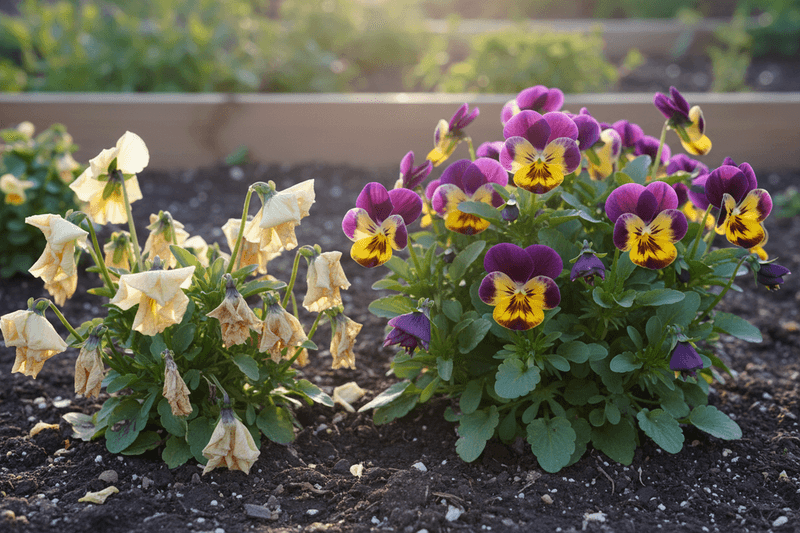
September garden centers in North Carolina can be very tempting. Racks overflow with bright purple, yellow, and orange pansies, and it is hard to walk past without loading up a cart. The catch is that the weather outside often still feels like summer.
Pansies are cool season plants at heart. Warm soil and hot afternoons push them out of their comfort zone fast. You may notice wilting leaves, long and stretchy stems, and far fewer blooms than you hoped for.
Heat brings another hidden problem. Warm, wet soil creates the perfect setting for root rot, a disease that weakens plants from below. Once roots start to suffer, the whole plant has a hard time bouncing back.
So what should you do with those early purchases? Keep them in their nursery containers and give them a spot with light shade, such as a porch or under a tree with filtered sun. Water them regularly, since small pots dry out quickly on warm days.
Patience pays off here. Wait until nights feel consistently cool, not just one chilly evening followed by another warm spell. When the forecast shows a steady pattern of cooler nights, it is a good time to move your pansies into the garden.
Buying early is not a mistake at all. In fact, it can help you grab the healthiest plants and favorite colors before they sell out.
The key is simply holding off on planting until the season catches up with your enthusiasm, giving your flowers a calm and happy start.
5. Planting Too Late Means Fewer Winter Flowers
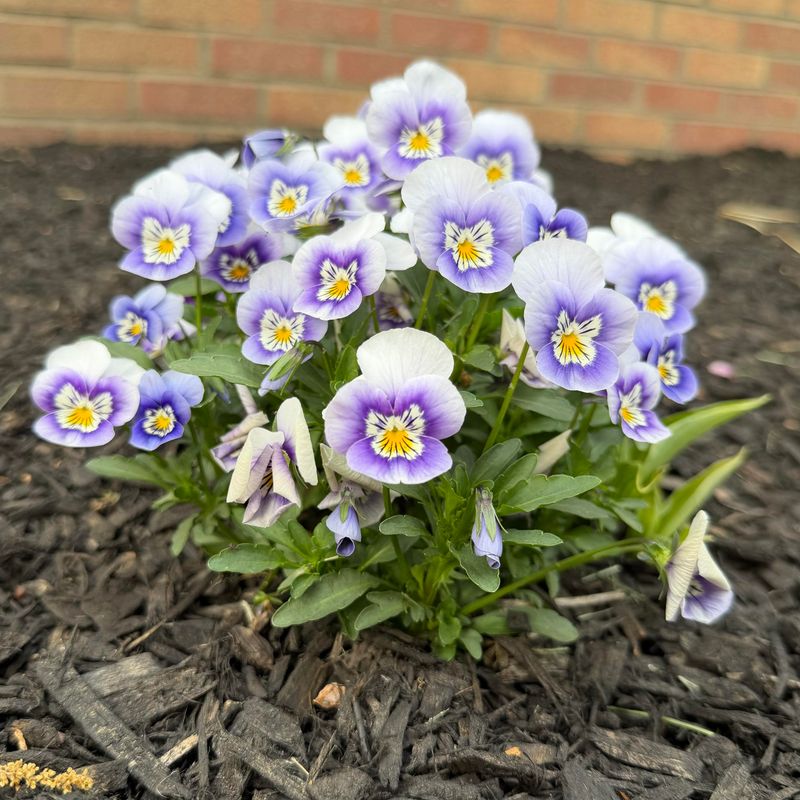
Late planting is one of the most common pansy mistakes, and it happens to busy gardeners all the time. Life gets hectic, the weekends fill up, and suddenly it is mid November. The pansies still go in, but the winter show is often a quiet one.
Cold soil is the main reason. When transplants go into ground that has already chilled, roots grow very slowly. The plants stay small, push out only a few flowers, and often wait until spring to really get going.
Those small, shallow-rooted plants also face more winter trouble. Hard freezes, drying winds, and frost heaving hit them harder than they hit well-settled neighbors. Some leaves may brown or look ragged by January.
Staying within your region’s recommended window is the simplest fix. Mark it on a calendar or set a phone reminder so it does not slip away. A little planning in September can save a lot of disappointment later.
If you do end up near the end of the window, choose larger, healthy transplants. Bigger plants have more roots and stored energy to help them adjust.
Row cover, a lightweight fabric sold at garden centers, can also shield late plantings during hard freezes when you drape it over the bed and secure the edges.
Getting the timing right is worth the effort in North Carolina. In the Piedmont and Coastal Plain especially, pansies planted on schedule can bloom through much of the winter.
That means color on gray days, cheerful beds by the mailbox, and a garden that still feels alive in the coldest months.
6. Well-Established Pansies Bloom Through Mild Winter Spells
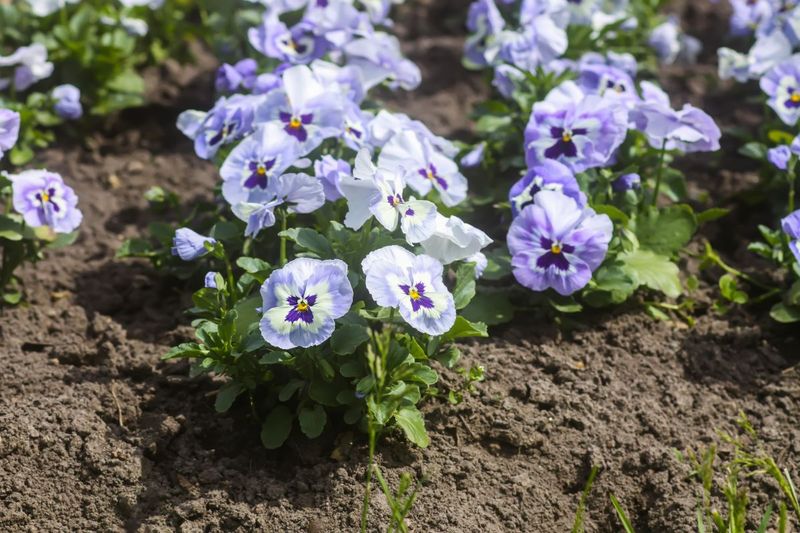
A sunny afternoon in January can feel like a small gift. In North Carolina, those bright, mild days show up more often than many people expect. Pansies that settled in on time are ready to celebrate them.
Strong roots are the reason. Established plants keep growing quietly during mild stretches, then open fresh blooms whenever the weather warms. After a cold snap passes, they often perk up within a few days and carry on as if nothing happened.
The real fireworks come in early spring. As days lengthen and soil warms, well-rooted pansies spread wider and put on their biggest flush of color. Beds that looked tidy all winter suddenly look full and lush.
A few simple habits keep the flowers coming. Pinch off faded blooms regularly so plants focus on making new ones instead of seeds. It only takes a few minutes and makes the bed look neater too.
Water also matters more than people think in winter. Dry spells happen, and pansies still need moisture, so water when the ground is not frozen and the soil feels dry. Midday watering on a mild day works well.
Feeding lightly helps as well. Choose a fertilizer made for cool soil, often one with nitrate nitrogen, and follow the label directions carefully. Cold soil makes some fertilizers less useful, so the right type gives plants a real boost.
North Carolina winters rarely settle into one mood. Cold snaps come and go, followed by mild, sunny days that feel almost springlike. Healthy pansies make the most of every one of those warm breaks.
7. Transplants Are The Most Reliable Choice For Fall
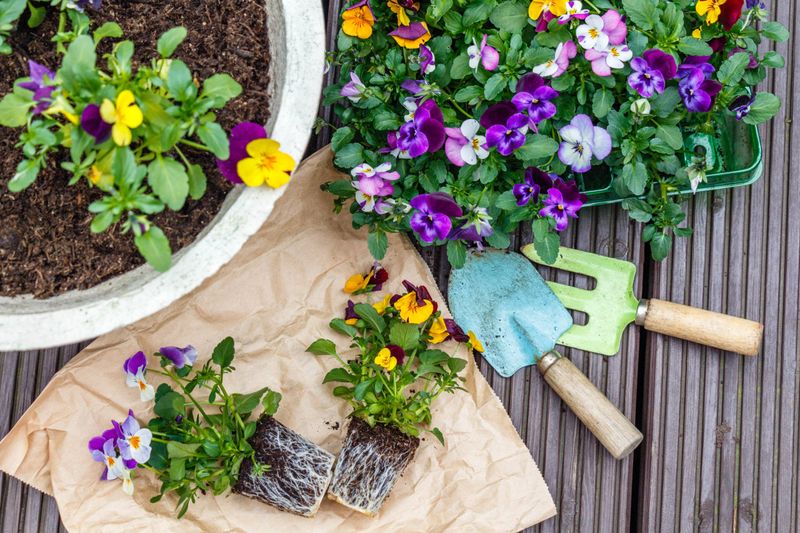
Growing pansies from seed sounds fun, and it can be. For fall planting, though, the timing gets tricky fast. Seeds need to be started indoors in mid to late summer to be ready when the planting window opens.
That means sowing seeds during the hottest weeks of the year, often under grow lights, and caring for tiny seedlings for weeks. Many gardeners simply do not have the space or time for that. Nursery transplants skip all of that work.
Garden center plants are already sized to settle in quickly. They have roots ready to spread and leaves ready to grow, which is exactly what you need in a short fall window. You plant them, water them, and let them get to work.
Picking good plants matters, so shop with a careful eye. Look for compact, sturdy pansies with dark green leaves and plenty of buds. A plant loaded with buds will usually settle in better than one already in full bloom, since it is not spending all its energy on flowers.
Next, gently slide a plant out of its pot and check the roots. Healthy roots look white and fresh. Heavily circling roots wrapped around the pot are a warning sign, so pass on those if you can.
Skip leggy plants with long, stretched stems, along with any showing yellow leaves. Those plants are often stressed and slow to recover.
North Carolina’s fall planting window does not last forever. Strong transplants give your garden the best chance of settling in before winter, so a few extra minutes of choosing wisely can mean months of happy color ahead.