9 Arizona Native Groundcovers You Plant Once This Fall That Cool Bare Dirt For Years
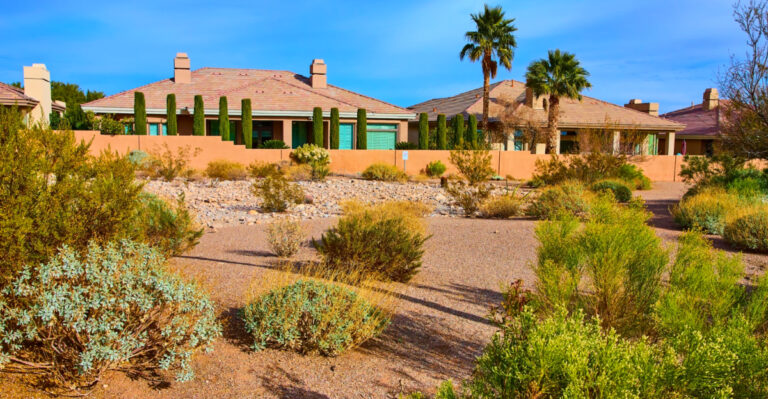
Bare dirt in a Phoenix or Tucson yard can get hot enough to burn bare feet by June. A living carpet of native plants shades that soil, holds it in place during monsoon storms, and gives pollinators a place to feed.
Fall is the secret window, because cooler air and winter rains help roots settle in before summer arrives. Here are nine tough desert natives you can plant once this season and enjoy for years.
1. Frogfruit (Phyla nodiflora)
Picture a lawn that never needs mowing and hums with tiny bees all summer. That is frogfruit in a nutshell, and it might be the closest thing low-desert gardeners have to a grass replacement.
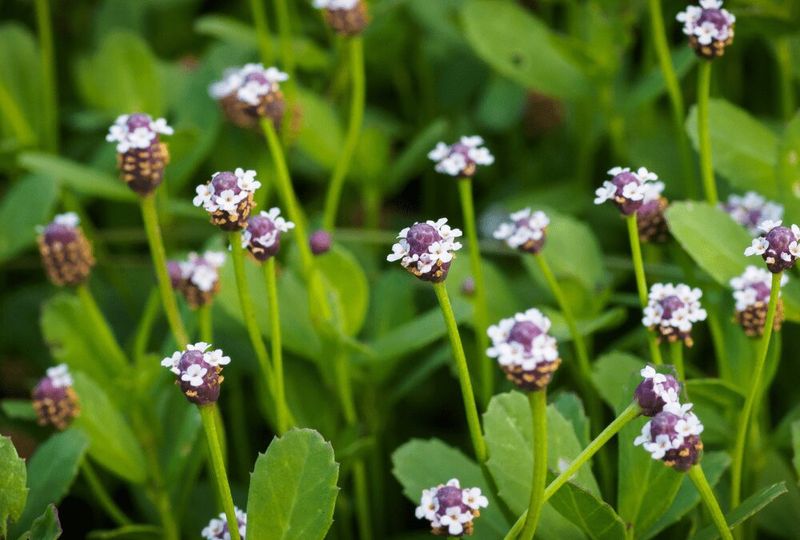
Frogfruit creeps along the ground on runners, rooting as it goes and knitting a flat green mat just a few inches tall. Small white flower heads with pink centers pop up for months, and they draw butterflies, native bees, and other small pollinators.
Because the mat lies so close to the soil, it shades dirt that would otherwise bake under the Arizona sun.
Light foot traffic is no problem, so it works well between stepping stones or around a patio edge. It uses far less water than Bermuda grass, though a deep soak every week or two in summer keeps it lush rather than sleepy.
Plant small plugs about 18 inches apart in October or November. Winter rains help those runners take off, and by late spring you may see the gaps filling in nicely.
One tip: frogfruit can go partly dormant during a hard frost. Leave it alone, and it usually bounces back once warm weather returns in March.
2. Trailing Dalea (Dalea greggii)
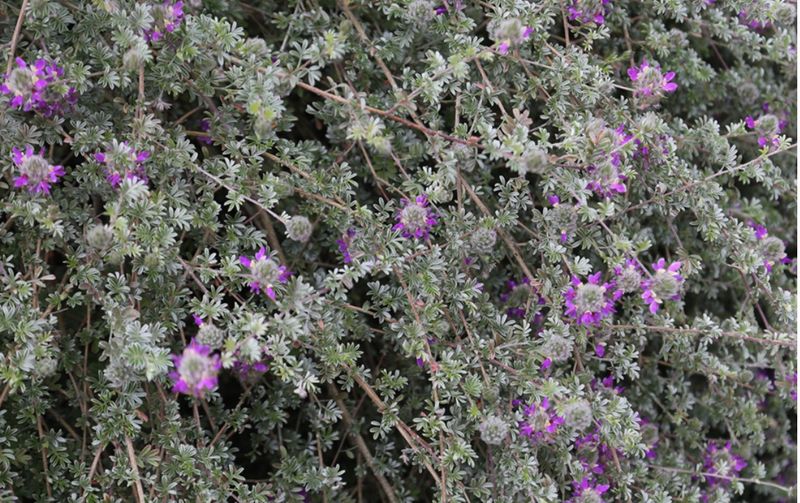
Got a slope that washes out every monsoon? Trailing dalea was practically made for that headache.
Native to the Chihuahuan Desert, this plant spreads into a soft, silvery carpet that can reach six feet or more across while staying under a foot and a half tall. Its stems trail outward and help hold soil in place when summer storms dump an inch of rain in twenty minutes.
That fuzzy gray foliage also reflects sunlight, which is one reason it handles brutal reflected heat from walls and driveways.
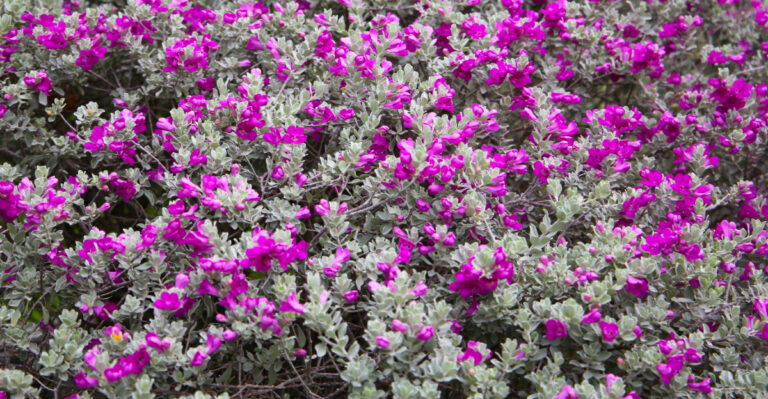
In spring, clusters of tiny purple flowers show up, and bees and butterflies find them quickly. The bloom is not flashy from far away, but up close it adds a pretty lavender haze to the silver mat.
Give it full sun and soil that drains well. Rocky ground and caliche-heavy spots are fine as long as water does not puddle around the roots.
Once established, a deep drink every two to four weeks in summer is often enough.
Fall planting gives roots several cool months to spread before the heat hits. Space plants about five feet apart, then step back and let them do the covering.
3. Angelita Daisy (Hymenoxys acaulis)
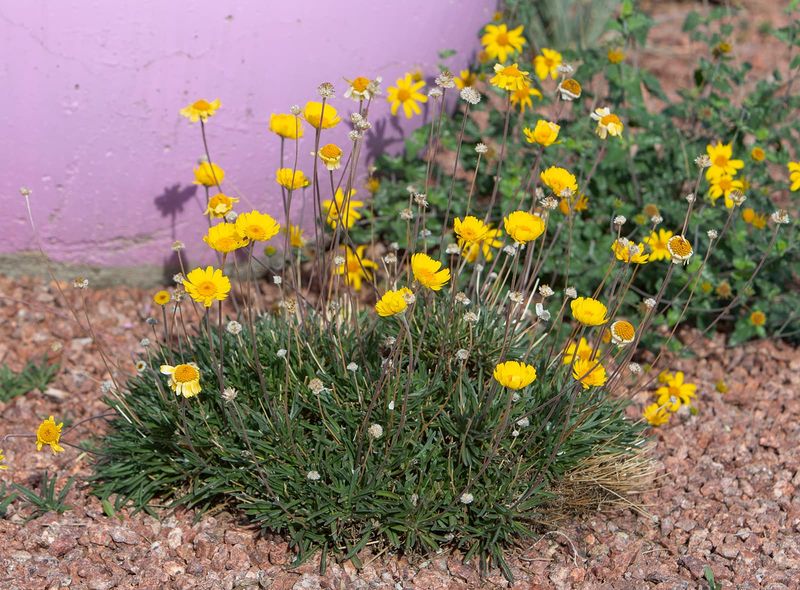
Some plants bloom for a few weeks and call it a year. Angelita daisy seems to have missed that memo, flowering on and off nearly every month in the low desert.
Your Arizona Garden Changes Every Week. Your Plan Should Too.
Gardening in Arizona changes quickly throughout the season. Every Friday you’ll receive a simple weekly plan showing exactly what to plant, prune, fertilize, harvest, and protect so you never miss the right timing.
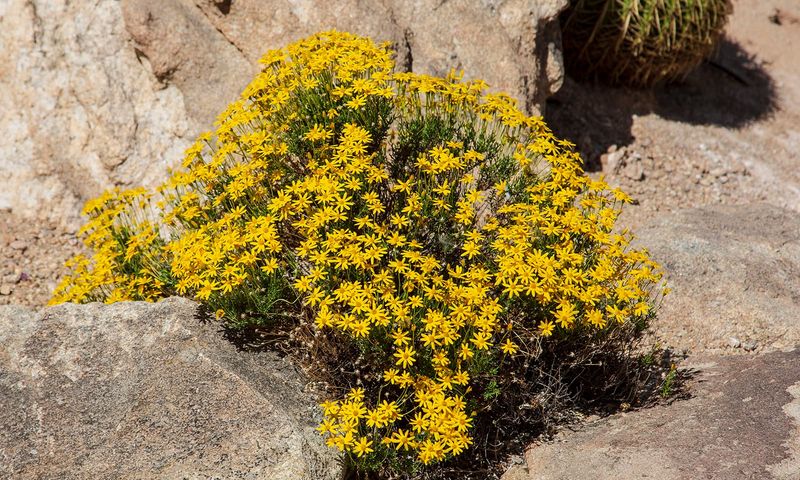
Its cheerful yellow daisies sit on slender stems above tidy tufts of narrow green leaves. Each clump stays around a foot tall and wide, but the plant reseeds gently, so a few starts can turn into a loose drift over time.
That natural wildflower look covers patches of bare gravel and dirt without looking messy.
Angelita daisy shrugs off summer highs over 110 and also handles winter cold well below freezing. Full sun is ideal, and it does fine in lean, rocky soil.
Too much water or rich soil can actually shorten its life, so go easy.
Pollinators love it. Small native bees and butterflies visit the blooms through much of the year, which helps your yard act like a little habitat patch instead of just a décor project.
Plant in fall, water regularly through the first winter, then taper back. Snip off spent flower stems now and then if you want a neater look, or leave some to drop seeds.
4. Damianita (Chrysactinia mexicana)
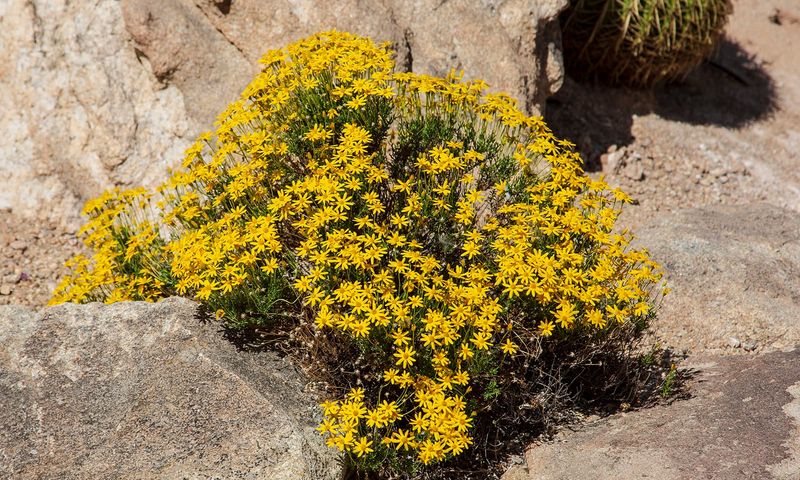
Here is a plant that actually seems to enjoy the hottest spot in your yard. Damianita thrives next to sidewalks, block walls, and driveways where most plants wilt by noon.
It grows in neat little mounds about a foot tall and wide, packed with needle-like, deep green leaves. Crush a leaf and you will notice a strong, resin-like scent.
In spring and again in fall, the mounds disappear under bright golden daisies that look almost electric against gravel mulch.
Planting several close together, about two to three feet apart, creates a bumpy, textured groundcover that shades the soil beneath. The evergreen foliage keeps working through winter, so your yard does not look bare between bloom seasons.
Water needs are low once roots settle. In the first year, water every week or so, then stretch it to every few weeks in summer.
Soggy soil is its biggest enemy, so skip spots near lawn sprinklers.
A light shearing after the spring bloom keeps mounds compact. Fall planting lets damianita build roots through winter, so it can handle its first real summer like a seasoned desert local.
5. Goodding’s Verbena (Glandularia gooddingii)
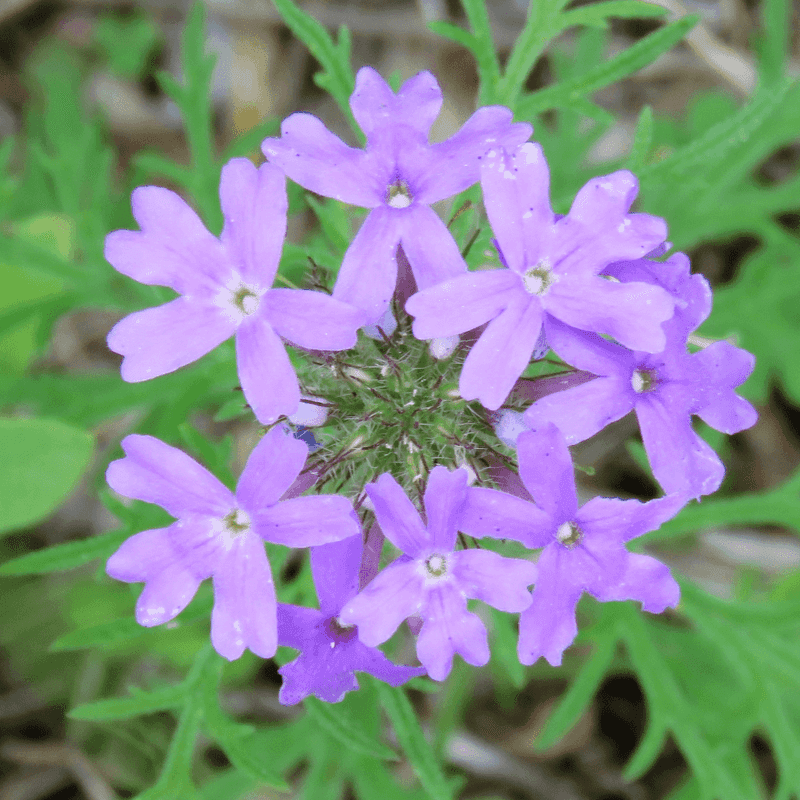
Ask any butterfly in Tucson for its favorite snack, and Goodding’s verbena would probably top the list.
This Arizona native forms low, sprawling patches of lacy green leaves topped with round clusters of pink to lavender flowers. Bloom time peaks in spring, but with a little summer water it can keep going into fall.
Swallowtails, sulphurs, and many native bees tend to visit often, making it a top pick for anyone building a pollinator-friendly yard.
It thrives in poor, rocky soil where other plants struggle. In fact, rich garden soil and heavy watering can make it floppy and short-lived.
Full sun and good drainage are all it really wants.
Goodding’s verbena can be somewhat short-lived, often lasting a few years, but it reseeds freely. Leave some spent flower heads in place, and new seedlings usually appear nearby, keeping the patch going on its own.
Plant in October or November, about three feet apart. Fall rains and cool temperatures give it a head start, and by March you may have a soft purple carpet covering ground that was once just hot, cracked dirt.
6. Desert Zinnia (Zinnia acerosa)
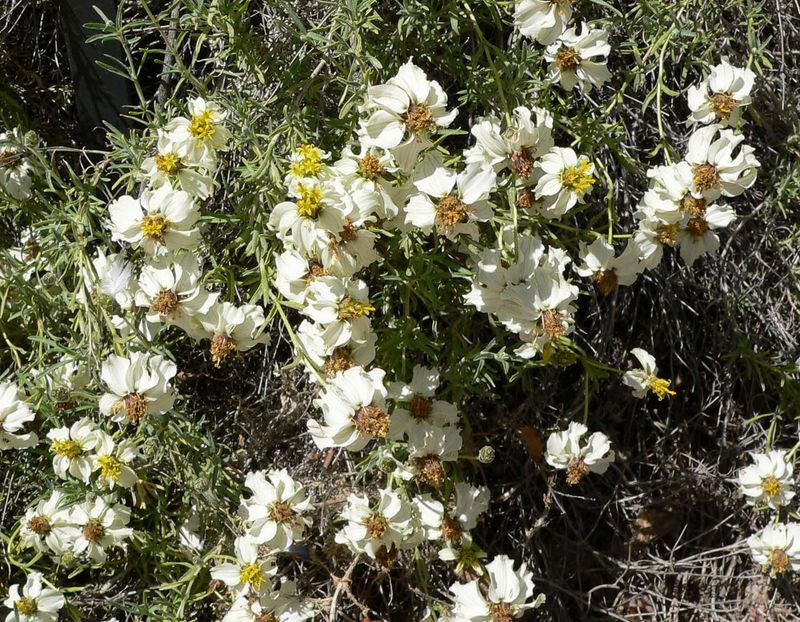
Forget the tall, thirsty zinnias from seed packets. Desert zinnia is the pint-sized, wild cousin that laughs at drought.
Growing just six to ten inches tall and about a foot wide, it forms a tiny shrub of narrow gray-green leaves. From spring into fall, it scatters creamy white flowers with soft yellow centers across its surface.
Planted in groups, those little mounds merge into a low, tidy cover that keeps sunlight off the soil.
Fun fact: desert zinnia is so tough that it often grows wild on dry, rocky hillsides where almost nothing else survives. That toughness translates to easy care at home.
Full sun, fast drainage, and occasional deep watering in the hottest months are enough.
Its small size makes it perfect for tight spaces, like strips between a walkway and wall, or the edges of a cactus bed. It also keeps a low, open shape, so it does not create the thick, damp clutter where scorpions and other critters like to hide.
Set plants about 12 to 18 inches apart this fall. They are slow at first, but patience pays off with years of nearly hands-off coverage.
7. Autumn Sage (Salvia greggii)
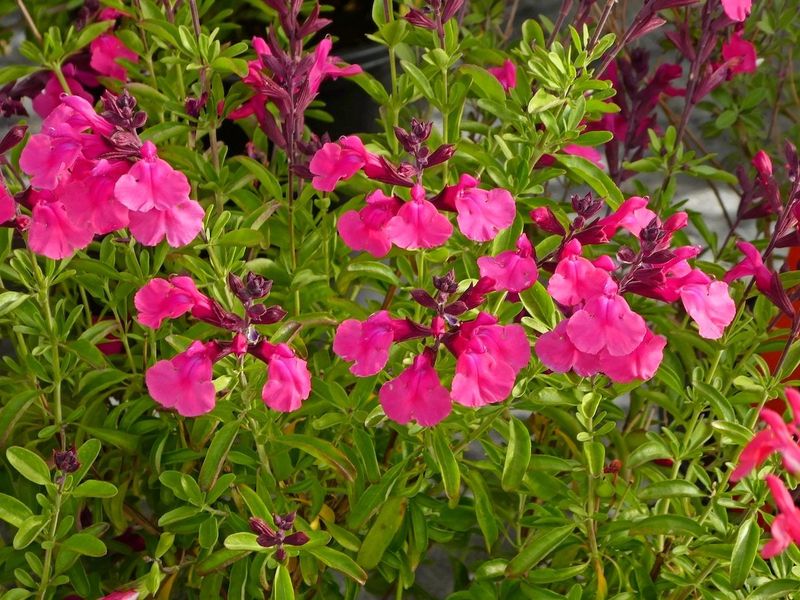
If you have ever wanted hummingbirds zipping past your kitchen window, autumn sage is a strong place to start.
This Southwestern native produces loads of tubular flowers in red, pink, coral, or purple. Hummingbirds are drawn to that shape and color, and butterflies stop by too.
Blooms flush heavily in fall and spring, with lighter rounds through the year when temperatures cooperate.
Autumn sage grows into a bushy plant, usually two to three feet tall. Planted in a mass, with plants spaced about three feet apart, it forms a dense, leafy layer that shades a lot of ground.
Lower-growing selections work especially well when you want coverage without blocking views.
The leaves give off a strong, minty scent when brushed. That aroma may make it less appealing to rabbits, which is a nice bonus in neighborhoods where bunnies munch everything green.
In the low desert, it does best with morning sun and some afternoon shade, though it can handle full sun with regular water. Trim it back by about a third in late winter to keep it full.
Fall planting lets roots grow strong before the stress of June arrives.
8. Tufted Evening Primrose (Oenothera caespitosa)
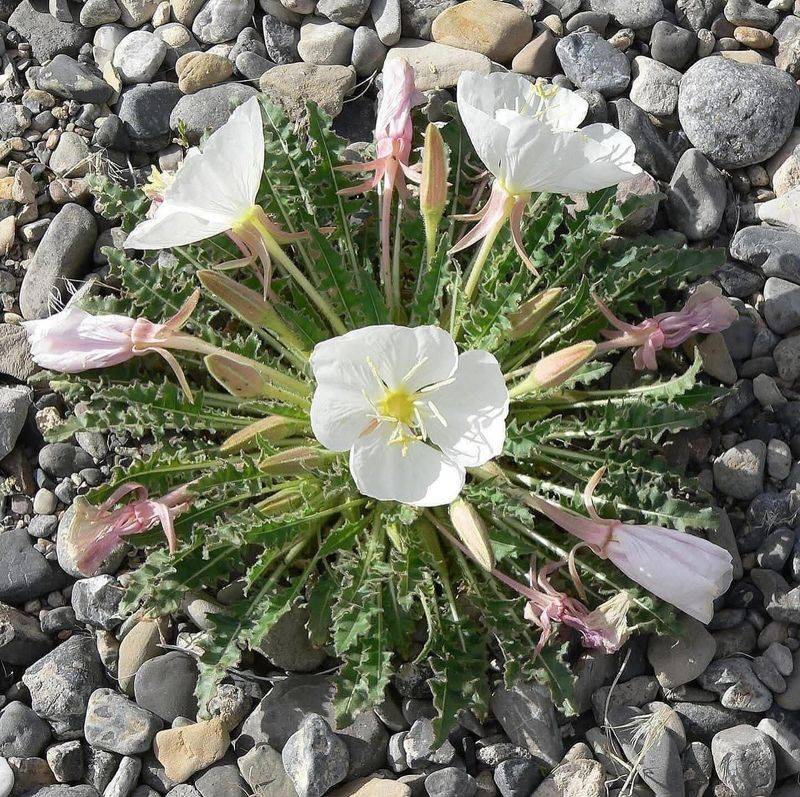
Step outside at sunset in late spring, and you might catch a small magic show. The large white blooms of tufted evening primrose slowly unfold as the light fades.
Each flower can be several inches wide and gives off a sweet fragrance at night. They stay open through the cool morning before turning pink and closing as the day warms.
That timing attracts nighttime pollinators like sphinx moths, giving your yard a habitat role many gardeners never think about.
The plant itself is low and tufted, with rosettes of long, toothy leaves hugging the ground. Several plants placed about two feet apart can blanket a patch of soil and keep it cooler.
Blooms often run from spring through late summer.
Unlike many desert plants, tufted evening primrose tolerates filtered shade in the low desert. That makes it handy under the light canopy of a palo verde or mesquite, where bare dirt often collects.
Plant it near a patio or bedroom window so you can enjoy the evening show. Water deeply but infrequently, and make sure the soil drains well.
Fall planting sets it up nicely for its first spring flowers.
9. Firecracker Penstemon (Penstemon eatonii)
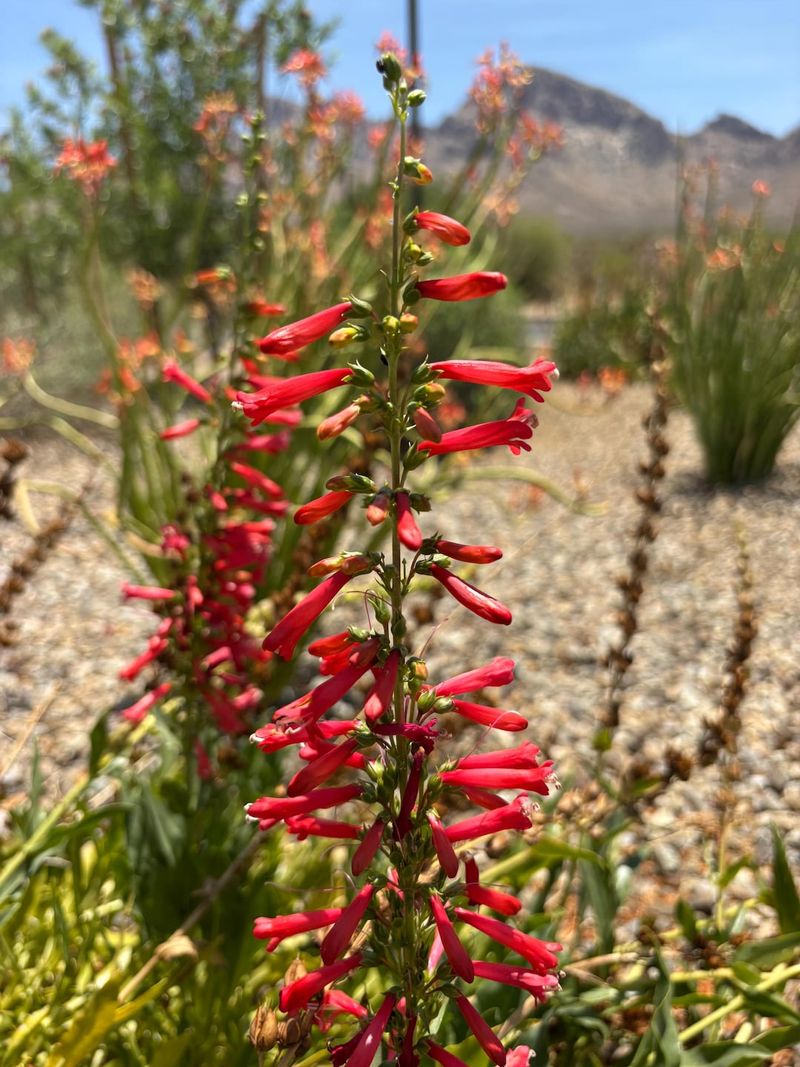
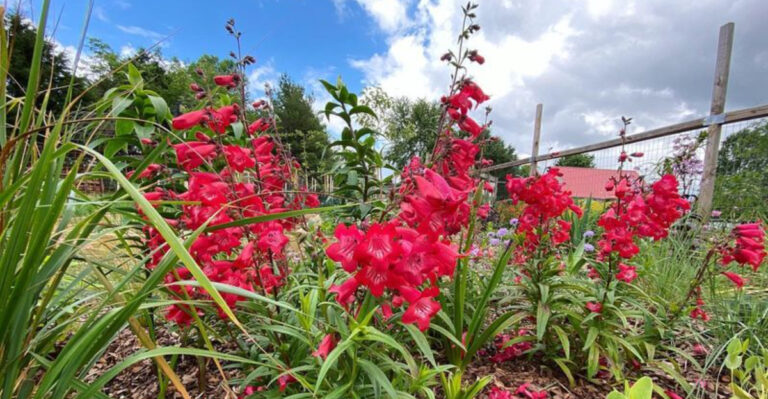
Late winter in Arizona can look a little sleepy. Then firecracker penstemon sends up tall spikes of scarlet blooms, and suddenly the hummingbirds show up in force.
This native forms clumps of dark green, evergreen leaves that stay low to the ground most of the year. From late winter into spring, flower stalks rise about two feet high, lined with narrow, red-orange tubes.
Hummingbirds and other birds visit often, and the show can brighten even a plain gravel yard.
Plants reach roughly two feet by two feet. Group several together, and the leafy bases cover and shade the soil between flowering seasons.
Since it drops very little litter, cleanup stays minimal.
Firecracker penstemon is hardy to around 0 degrees, so a cold snap will not worry it. In summer, it appreciates good drainage and a deep watering every couple of weeks.
Avoid heavy mulch piled against the crown, which can hold too much moisture.
Cut spent stalks after blooming unless you want it to reseed. Planting in October gives roots the whole cool season to grow, setting you up for a fiery spring display year after year.