Why Cardinals Stay In Florida All Winter While Other Birds Leave
Every fall, a good chunk of backyard birds pack up and head out without so much as a goodbye. Warblers, swallows, certain flycatchers, gone.
But one bird stays put through every cool morning, every breezy January afternoon, and every quiet December weekend, showing up at the feeder like it never even considered leaving.
The northern cardinal is one of the most loyal year-round backyard residents you can have, and that flash of crimson against green palms on a cool Florida morning is genuinely one of the better things this state has to offer.
But what actually keeps cardinals here when so many other birds take off?
The answer turns out to be more interesting than most people expect, involving food strategy, territory loyalty, pair bonding, and a cold tolerance that makes mild winters feel like a permanent vacation.
1. Florida Winters Feel Mild To A Cardinal
Shorts in December? For many folks in Florida, that sounds just right, and cardinals seem to agree.
Winter here rarely brings deep snow or weeks of hard freezing.
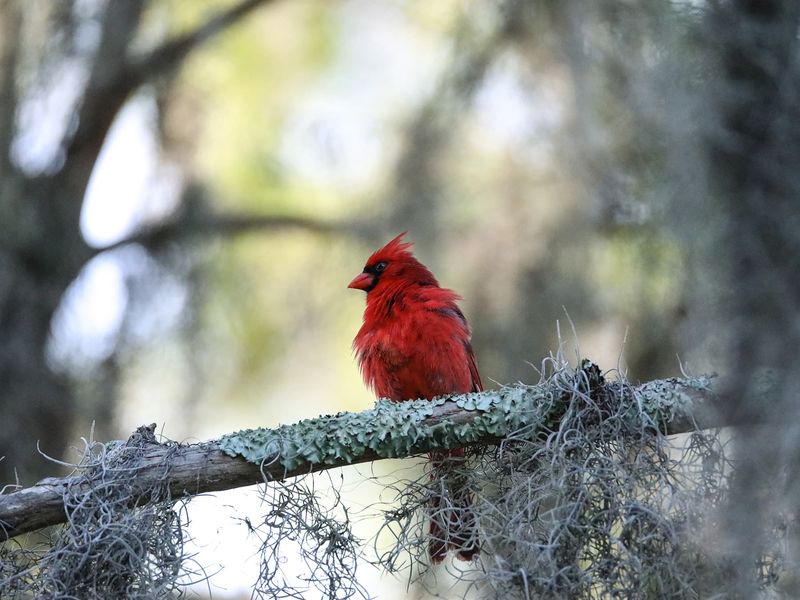
Cardinals are built to handle cold far worse than anything this state usually serves up. Up north, these same birds survive icy storms by fluffing their feathers into little puffballs.
So a chilly 45-degree morning is no big deal for them.
Other birds, like many warblers, depend on bugs that disappear when it gets cold. That is a big reason they travel far south.
Cardinals do not face that same pressure, since mild weather keeps their world fairly steady.
A fluffed-up cardinal can trap warm air close to its body. It works a lot like wearing a puffy jacket.
On cooler nights, they also tuck into thick shrubs to block the wind.
You can help on the rare cold snap by keeping a feeder stocked. Extra food gives them energy to stay warm through the night.
A shallow birdbath with fresh water is helpful too.
Cardinals have actually spread farther north over the last hundred years. Backyard feeders helped them settle in colder places.
If they can handle Ohio winters, a breezy evening in Tampa is easy.
So when you spot one looking puffy on a cool morning, it is not suffering. It is simply wearing its built-in winter coat.
2. Seeds Keep Cardinals Well Fed
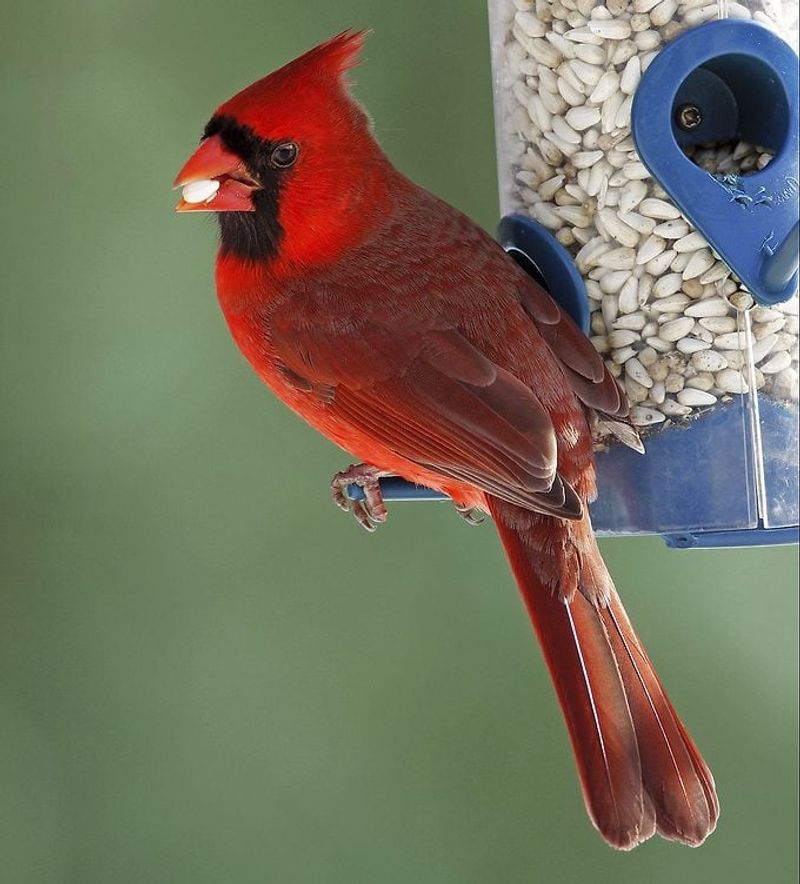
That thick orange beak is not just for looks. It works like a tiny nutcracker, built to crush hard seeds that many birds cannot open.
Here is the key to why cardinals stay put. Bug-eating birds lose their main food source when insects slow down in winter.
Cardinals, on the other hand, happily switch to seeds, berries, and grains.
Florida offers plenty of those choices all year. Wild grasses, weeds, and native shrubs drop seeds through the cooler months.
Backyard feeders add even more to the menu.
Want to treat your local pair? Black oil sunflower seeds are a top pick, and safflower seeds are another favorite.
Bonus tip: squirrels and grackles tend to skip safflower, so the cardinals get more.
Your Florida Garden Changes Every Week. Your Plan Should Too.
Gardening in Florida changes quickly throughout the season. Every Friday you’ll receive a simple weekly plan showing exactly what to plant, prune, fertilize, harvest, and protect so you never miss the right timing.
Cardinals like to eat on flat surfaces or wide perches. A tray feeder or platform feeder suits them better than skinny tube feeders.
Some will also hop on the ground below to snack on spilled seeds.
Many people notice cardinals visiting feeders early in the morning and again near dusk. Those are prime eating times.
Keep your feeder full before sunrise to catch the action.
With a steady buffet like this, there is no reason for them to fly hundreds of miles. Their pantry is right outside your window.
That simple fact keeps them happily rooted in one spot.
3. Cardinal Couples Guard Their Turf
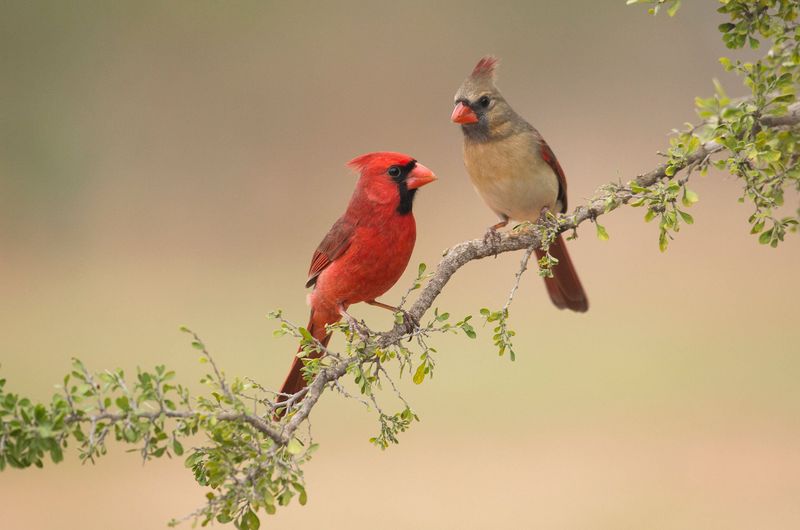
Ever seen a cardinal attack its own reflection in a car mirror? That silly scene shows how seriously these birds take their home ground.
Cardinals claim a territory and defend it. A pair may stick to the same few acres for years.
Leaving for a long trip would mean risking that prime real estate.
In Florida, good territory includes thick bushes, steady food, and safe nesting spots. Once a pair finds a place like that, they hold on tight.
Losing it to rivals would be a real setback.
Males sing loudly from treetops to say, “This spot is taken.” Females sing too, which adds an interesting dimension to how this species communicates. While female song was long considered rare among North American songbirds, recent ornithological research has found it to be more widespread across bird species than previously understood.
In cardinals specifically, female song is well documented and serves real communicative purposes. Their clear whistles carry across neighborhoods.
During breeding season, that defense gets intense. Some males will tap at windows for days, thinking they see an intruder.
If one is bothering your window, try covering the outside with a screen or decals.
In winter, cardinals relax a bit and may join loose flocks. Still, they rarely wander far from their home base.
Think of it like a family staying in the same town year after year.
That loyalty is great news for backyard birders. If you create a cozy, food-rich yard, a pair may claim it for many seasons.
You get the same feathered neighbors on repeat.
4. Lifelong Partners Share A Florida Home
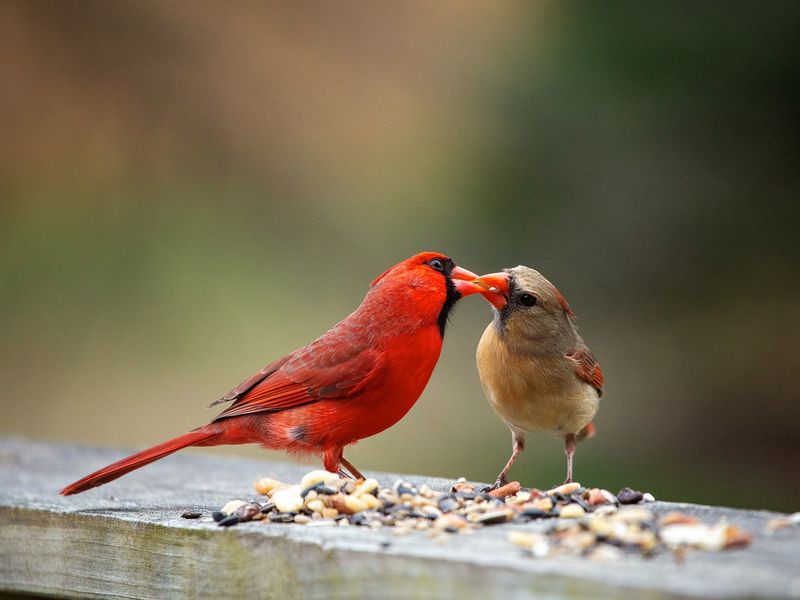
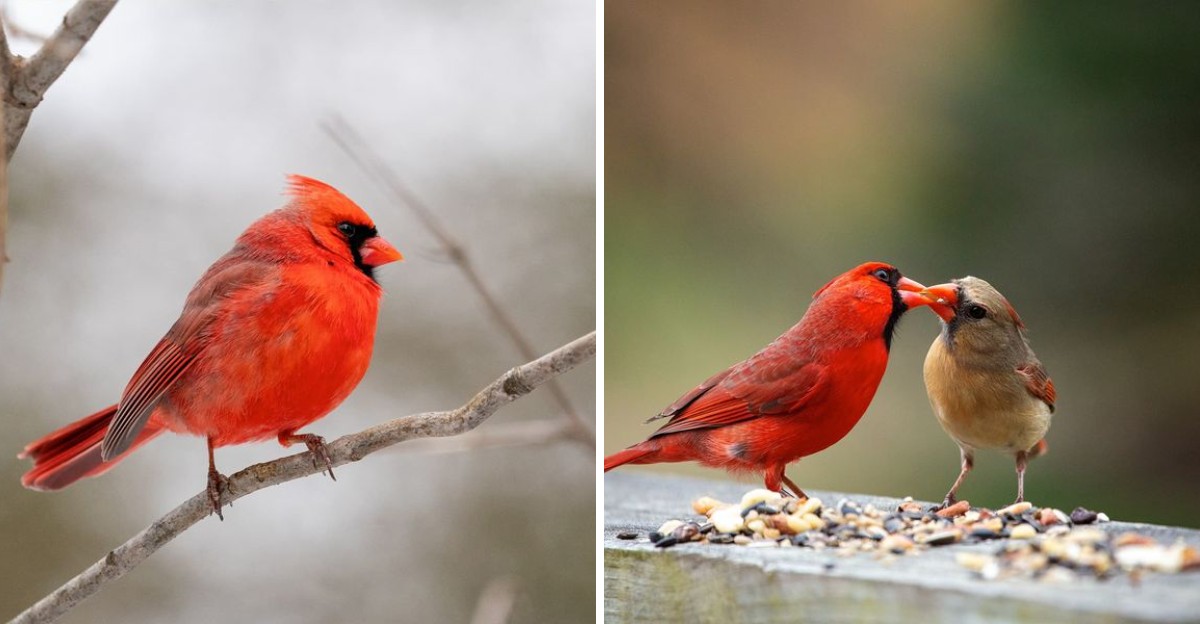
Sweet as it sounds, a male cardinal often feeds his mate seed by seed, beak to beak. Birdwatchers call this cute habit “mate feeding.”
Cardinals usually form pairs that last a long time, often for several seasons. Many stay together through winter instead of splitting up.
That bond gives them one more reason to stay in the same place.
Here in Florida, a pair can stick side by side all year. They forage together, rest in the same shrubs, and call softly to keep track of each other.
Their short “chip” notes are like quick check-ins.
Watch closely and you may tell them apart easily. The male is bright red with a black mask.
The female wears warm tan feathers with red touches on her wings, tail, and crest.
Since the pair you see in fall is likely the same one in spring, you can get to know them. Some people even give their regulars names.
Kids especially love tracking “their” cardinal couple.
Try keeping a simple bird journal. Note the date, time, and what the pair is doing.
Over months, you will notice patterns in their routines.
This teamwork helps them survive, find food, and raise babies. Staying home together simply makes sense.
Who needs a long road trip when you have a partner and a safe home?
5. Thick Florida Shrubs Offer Safe Shelter
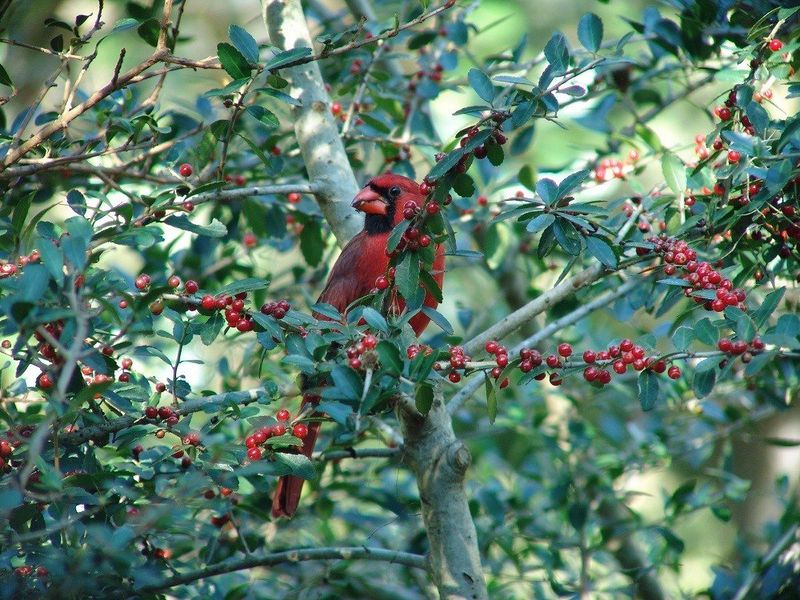
Hide-and-seek champions of the bird world, cardinals love dense cover. Even a bright red male can vanish into a thick bush in seconds.
Shelter is a huge part of why they stay. Thick shrubs block wind, hide them from hawks, and keep them cozy at night.
Florida yards and woods are full of this kind of leafy hideout.
Many plants here stay green through winter, unlike bare northern trees. That year-round cover gives cardinals safe places to rest.
They do not have to search far for protection.
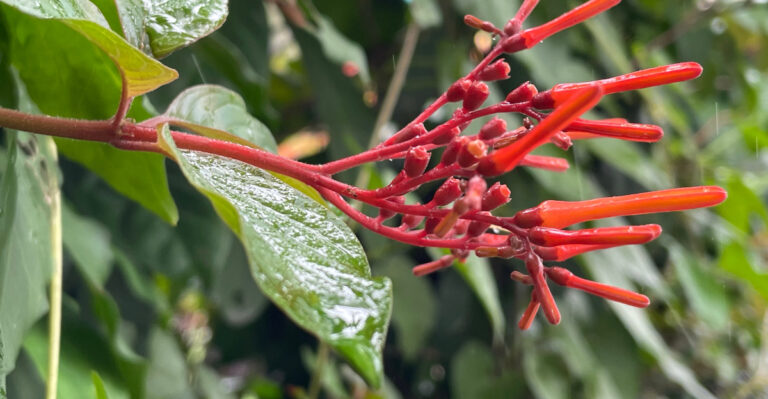
Want to make your yard more cardinal friendly? Plant native shrubs like wax myrtle, firebush, or Simpson’s stopper.
Saw palmetto and holly bushes work nicely too.
Try placing feeders a few feet from shrubs. That gives birds a quick escape route if a hawk swoops by.
Too close, though, and cats might hide there, so find a balance.
A brush pile in a back corner is another simple trick. Stack fallen branches loosely, and small birds will use it for cover.
It costs nothing and looks fine in a natural area.
Cardinals feel safest when food and shelter sit close together. Give them both, and they will reward you with daily visits.
Your garden becomes their favorite hangout.
6. Florida Berries Fill The Winter Menu
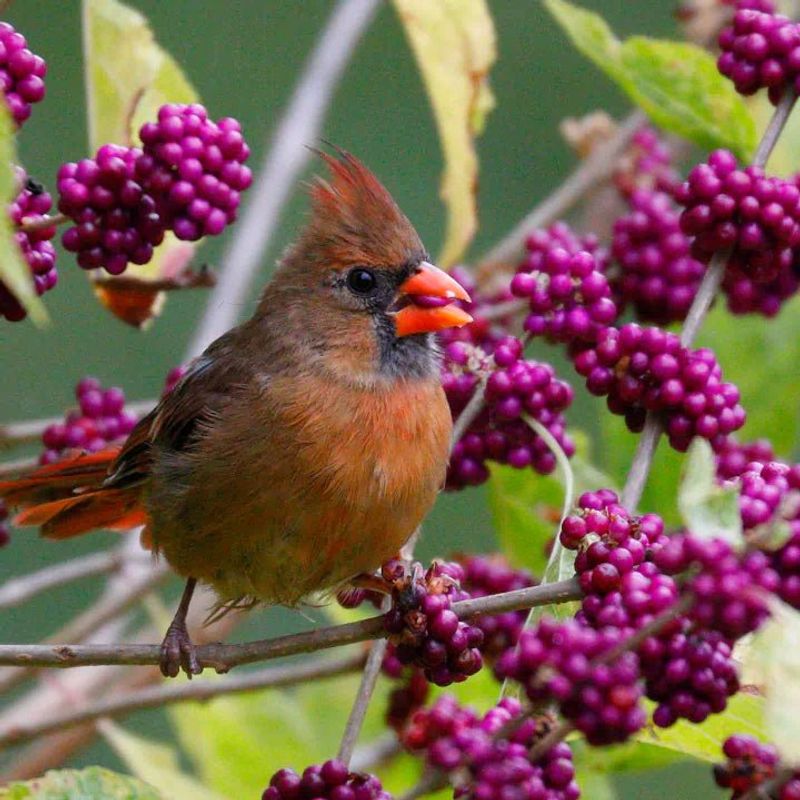
Nature runs its own fruit stand in winter, and cardinals know exactly where to shop. Berries make up a tasty part of their cool-season diet.
Across the state, many native plants produce fruit in fall and winter. Beautyberry and holly offer bright, juicy snacks that cardinals pick off branches with ease.
Gardeners in North Florida may also find that flowering dogwood produces berries that attract cardinals and other birds, though dogwood performs best in the northern part of the state and is less commonly grown in Central or South Florida landscapes.
Berries give quick energy and water. On cool days, that energy helps birds stay warm and active.
Mixing fruit with seeds gives them a well-rounded meal.
Have you ever noticed purple berry clusters along a trail? That is likely American beautyberry, a favorite in many yards.
Planting one can bring cardinals, mockingbirds, and other birds right to you.
Here is a smart gardening tip. Choose plants that fruit at different times of year.
That way, your yard offers snacks in every season.
Skip heavy pesticide use if you can. Chemicals can harm the insects cardinals feed to their chicks in spring.
A natural yard keeps the whole food chain healthy.
Birds help plant new berry bushes too. They eat the fruit and drop the seeds in new places.
Your cardinals may be quietly gardening your neighborhood.
With berries and seeds everywhere, winter feels more like a picnic than a struggle. No wonder they stick around.
7. Long Nesting Seasons Keep Cardinals Busy
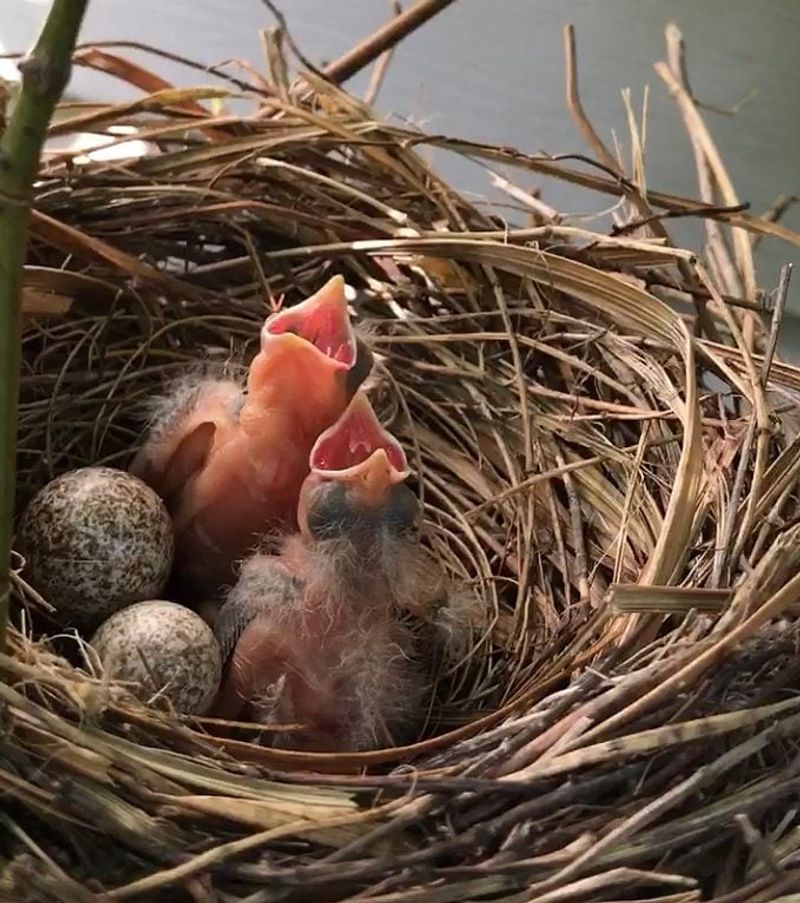
Busy parents barely get a break here. Cardinals in warm southern areas can raise several broods in one year.
Nesting can start as early as late winter in Florida. Because the warm season runs long, pairs may raise two, three, or even more families.
Staying home helps them get an early start.
Migrating birds lose weeks just traveling back and forth. Cardinals skip that trip and stay ready.
When spring hints arrive, they can begin building right away.
The female usually builds the cup-shaped nest from twigs, leaves, and grass. She tucks it deep inside thick shrubs or vines.
The male brings her food while she sits on the eggs.
After the chicks hatch, both parents feed them insects for protein. Later, the dad often cares for fledglings while mom starts the next nest.
Talk about teamwork.
If you find a nest, admire it from a distance. Getting too close can stress the parents or lead predators to the spot.
Binoculars give a great view without causing trouble.
Also, wait to trim hedges until nesting slows down. Late summer or fall is usually a safer time.
Your patience helps protect the next generation of red visitors.
More babies each year means a healthy local population. Staying put pays off big for these devoted parents.
8. Florida Backyards Give Cardinals A Helping Hand
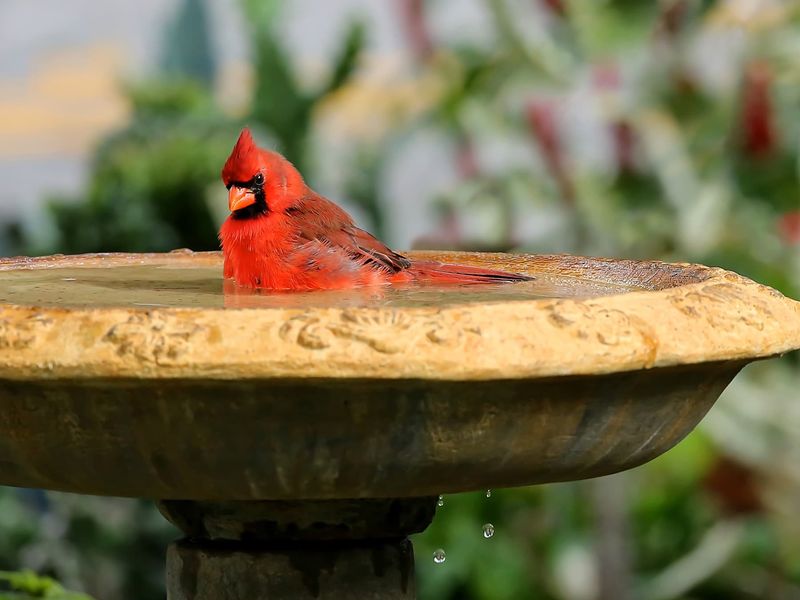
Grandma’s old bird feeder might have done more good than she knew. People have played a real role in helping cardinals thrive near homes.
Suburban yards create a handy mix of open lawn, shrubs, and feeders. Cardinals love that edge habitat.
Many Florida neighborhoods fit the bill perfectly.
Feeders give an easy, steady food source in winter. Birdbaths add clean water, which can be hard to find during dry spells.
Put together, these make a cozy home base.
Here are a few simple ways to be a great bird host:
Clean feeders every couple of weeks with warm, soapy water. Dirty feeders can spread illness among birds.
Rinse well and let them dry before refilling.
Change birdbath water every few days. That keeps it fresh and stops mosquitoes from breeding.
A small bubbler can attract even more birds.
Keep cats indoors when possible. Outdoor cats are a big danger to songbirds.
Your cardinals will feel much safer.
Many families find that feeding birds becomes a fun daily habit. Kids learn patience and gain a love for nature.
Adults often find it relaxing too.
With friendly humans offering snacks and water, cardinals have every reason to stay. Your backyard could be the reason a pair calls your street home.
9. Spotting Cardinals Around Florida In Winter
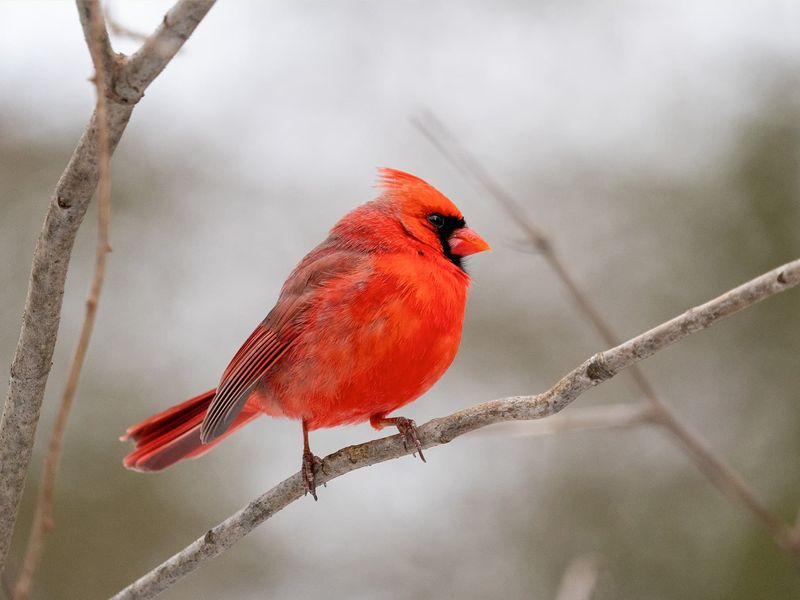
Winter might be the best time of year for cardinal watching. With fewer leaves on some trees and steady feeder visits, those red feathers really pop.
Early mornings are prime viewing time. Cardinals wake up hungry and head straight for food.
Grab a warm drink and watch from a window or porch.
Listen for their sounds, too. A sharp metal-like “chip” often gives them away before you see them.
Their song sounds like “cheer, cheer, cheer” or “birdie, birdie, birdie.”
Parks and nature trails across Florida offer great chances to spot them. Look along edges where woods meet open areas.
Thick brush near water is another good bet.
Bring binoculars and a simple field guide or bird app. Apps can even help identify songs by recording them.
Kids often love this detective-style game.
Each February, you can join the Great Backyard Bird Count. People everywhere count birds for a few days and share results online.
Scientists use that data to track bird populations.
Patience matters most. Sit quietly, move slowly, and let the birds get used to you.
Soon, your local pair may become regular stars of your day.
Watching these loyal neighbors through the cooler months is a simple joy. Their bright color brightens even the grayest winter morning.