Native Florida Trees To Plant Instead Of Water Oaks For Better Storm Resilience
Storms don’t wait for you to feel prepared. Water oaks offer little protection once real wind arrives.
Your roof becomes vulnerable the moment branches start snapping loose in the wind. Florida delivers powerful storms nearly every single year.
Every storm warning on your phone stirs quiet unease. Shallow roots leave your property open to serious damage during heavy weather.
Brittle limbs come down without offering any warning. Cleanup costs pile up after every passing storm.
Smarter trees can spare you that repeated expense. These resilient trees have quietly protected Florida homes like yours for generations.
Endurance on that scale deserves your close attention. Beauty and resilience can both belong to you.
Wildlife gathers around these trees, rewarding you too. Protecting your home means choosing deep roots that truly hold firm.
You deserve real calm when the next warning arrives. Once you see these tougher options, turning back won’t feel possible.
1. Live Oak
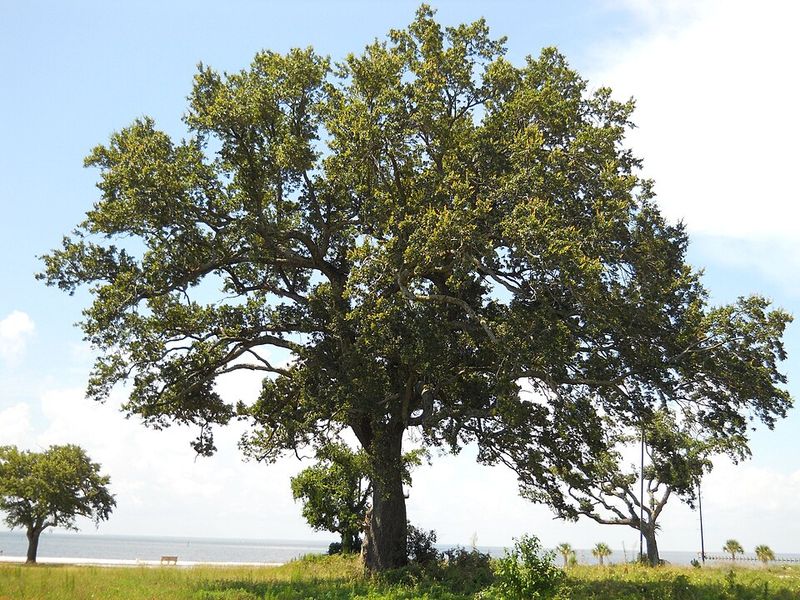
Few trees are as consistently praised for storm performance as the Live Oak. This long-established native tree has grown in Florida landscapes for centuries, holding up through hurricane-force winds that flatten everything around it.
Live Oaks grow with a low, wide canopy that works with wind rather than against it. Their branches flex instead of snap, and their root systems anchor deeply into the soil.
That combination makes them notably wind-resistant compared to most trees in the Southeast.
Mature specimens can spread 60 to 80 feet wide, creating enormous shade patches that cool your yard naturally.
Homeowners with Live Oaks often report lower energy bills during the hottest summer months. That shade is not just comfortable; it is genuinely useful.
Wildlife thrives in these trees. Squirrels, songbirds, and owls all rely on Live Oaks for food and shelter throughout the year.
Oaks are widely recognized as one of the most valuable tree groups for supporting caterpillar and moth species, which in turn feeds nesting birds.
Planting a Live Oak is a gift to future generations. These trees grow slowly at first, then accelerate as they establish deep roots. Over time, you will gain meaningful shade and stronger storm protection.
They prefer well-drained soil and full sun, making most Florida yards a perfect match. Minimal pruning and no fertilizing needed once established.
Compared to the constant headache of water oak cleanup, this tree practically takes care of itself and rewards your patience every single season.
2. Southern Magnolia
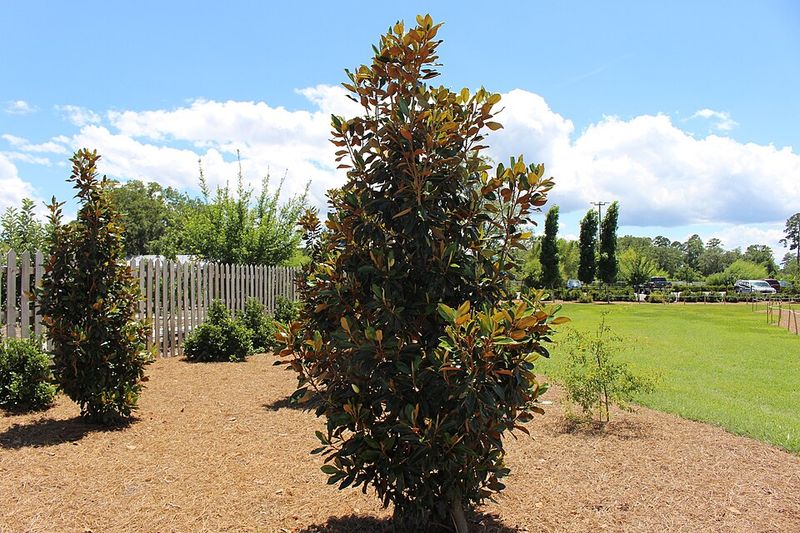
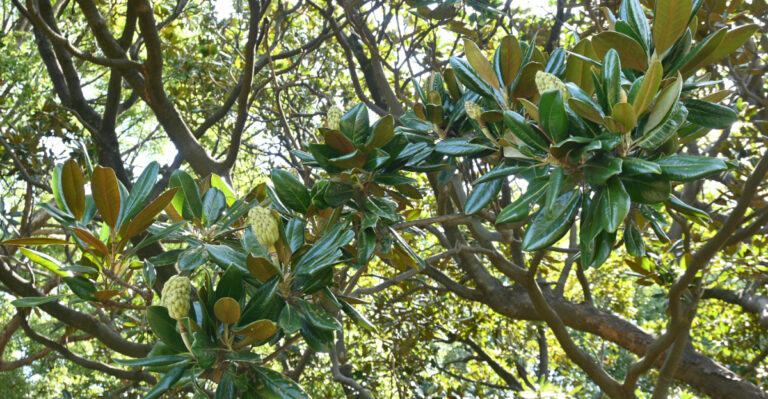
Walk past a blooming Southern Magnolia and you will likely pause to notice it. Those giant white flowers smell like a mix of lemon and cream, and they are distinctive enough to draw immediate attention.
Beyond the beauty, this tree is genuinely tough. Southern Magnolias develop a dense, pyramidal shape that channels wind upward and around the canopy. Their thick, leathery leaves resist tearing even in strong gusts.
The root system is wide and surprisingly tenacious. Unlike water oaks, which often heave and topple under pressure, Magnolias tend to hold their ground.
Your Florida Garden Changes Every Week. Your Plan Should Too.
Gardening in Florida changes quickly throughout the season. Every Friday you’ll receive a simple weekly plan showing exactly what to plant, prune, fertilize, harvest, and protect so you never miss the right timing.
Southern Magnolias are often cited by horticulture extension services as more wind-resistant than water oaks during moderate storm events.
These trees grow 60 to 80 feet tall over time, creating a dramatic vertical presence in any yard. They work beautifully as privacy screens along property lines.
Plant one near a fence and it can become a notable feature in the landscape within a few years.
Evergreen foliage means year-round coverage, which is a major bonus in a state where winter curb appeal matters. The glossy leaves catch sunlight in a way that feels almost theatrical.
Even on cloudy days, the canopy shimmers. One honest note: leaf litter is constant since old leaves drop as new ones emerge. A quick weekly rake keeps things tidy.
That small chore is nothing compared to picking up broken water oak limbs after every pop-up storm.
Southern Magnolia earns its place in any native Florida trees storm resilience conversation without question.
3. Bald Cypress
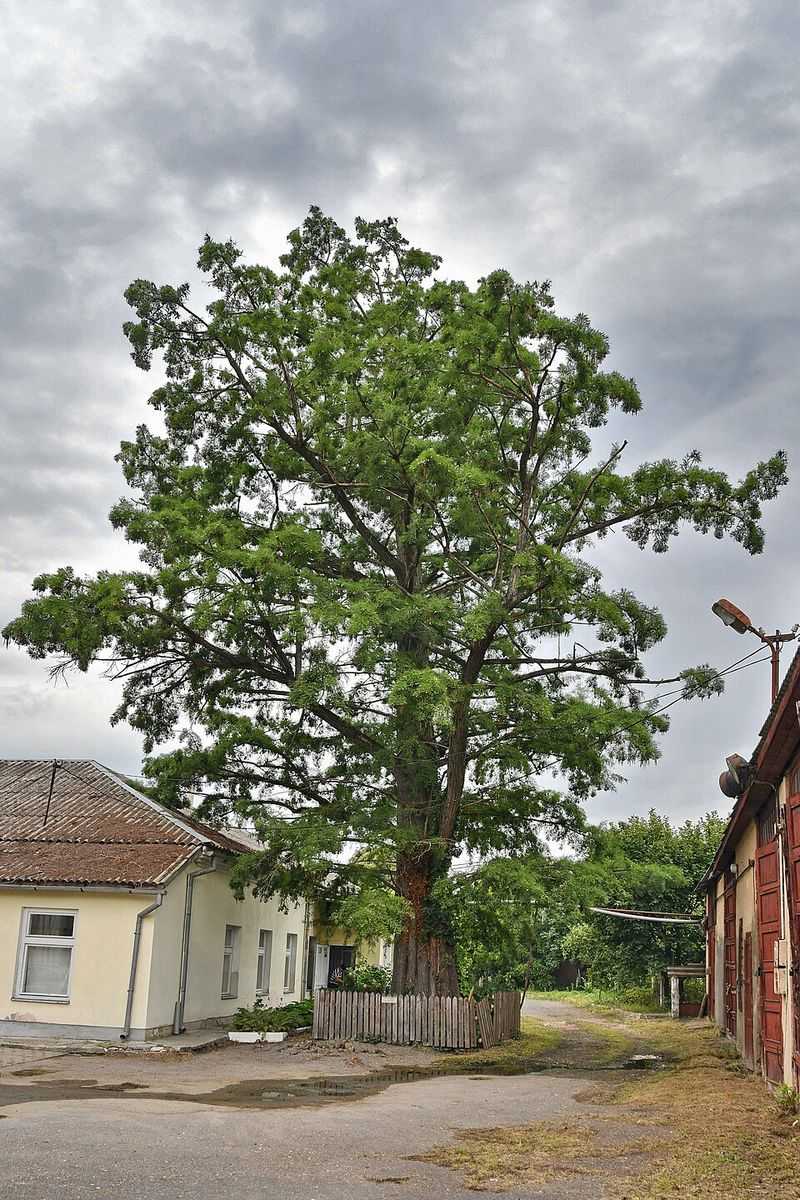
Bald Cypress tolerates standing water better than most species. While other species drown in saturated soil, this native species tolerates standing water for extended periods without difficulty.
That resilience alone makes it remarkable. Storm surge and heavy rain often saturate Florida yards for days after a major hurricane. Most ornamental trees struggle or fail in those conditions.
Bald Cypress simply adjusts its root structure and continues growing. The feathery, soft needles create a delicate appearance that surprises people expecting something rugged.
But do not let the looks fool you. The wood is dense, rot-resistant, and historically used in shipbuilding for good reason.
In fall, the needles turn a warm copper-orange before dropping, giving Florida yards a rare seasonal color show. Most people do not expect autumn foliage this far south.
Planting a Bald Cypress means getting that unexpected seasonal reward every year. These trees grow 50 to 70 feet tall with a broad, tapering crown.
Their root knees, those knobby projections near the base, are fascinating conversation starters for anyone visiting your yard. Kids especially find them endlessly curious.
Bald Cypress thrives near ponds, drainage areas, or any low-lying section of your property. If you have a wet spot where everything else struggles, this is your answer.
No other native Florida tree handles the combination of storm surge, flooding, and wind quite as confidently, making it a top-tier choice for genuine storm resilience in challenging landscapes.
4. Sabal Palm
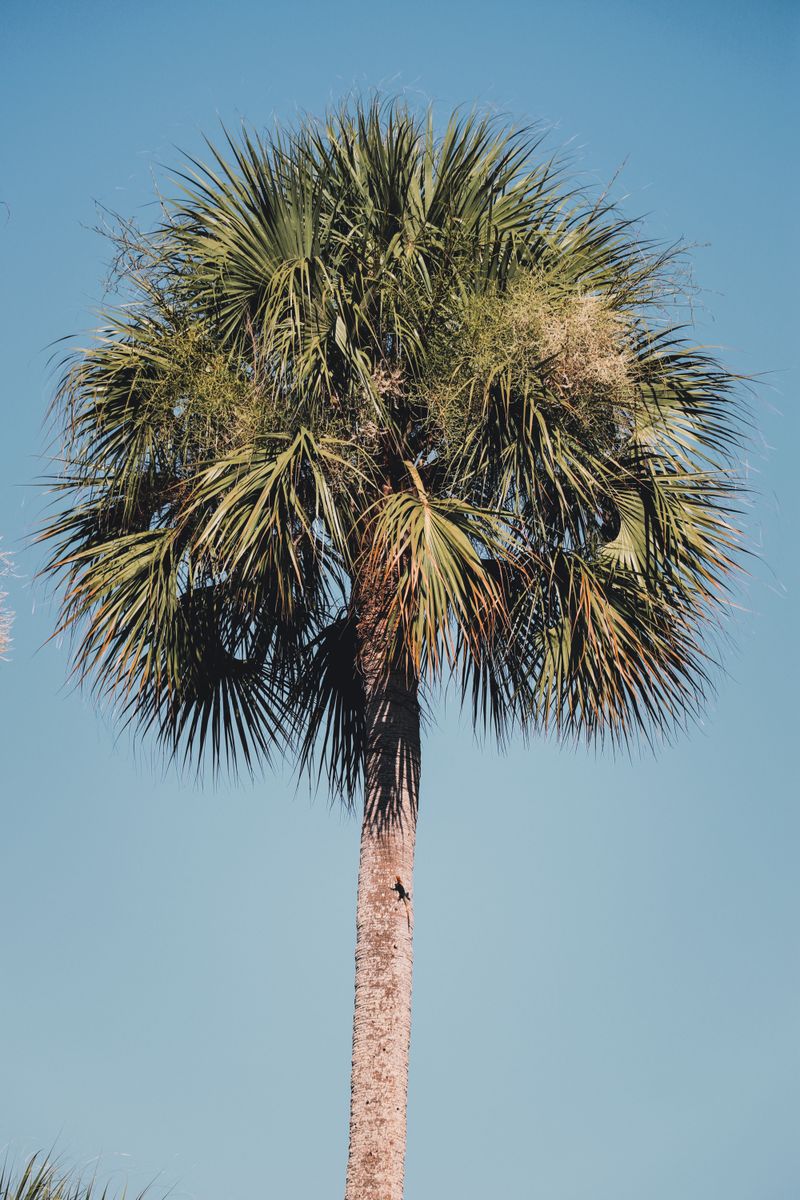
Sabal Palm is Florida’s state tree, and it earned that title the hard way. Sabal Palms are widely known for bending dramatically in extreme winds and returning to an upright position afterward.
The secret is in the trunk. Unlike rigid hardwoods that resist wind until they crack, the Sabal Palm sways dramatically and absorbs energy through movement.
University extension research points to this flexible growth pattern as a key reason for the tree’s wind tolerance. In simple terms, the tree bends rather than breaks.
Fronds may shred in extreme winds, but the growing tip buried deep in the trunk almost always makes it through.
New fronds emerge within weeks of a storm passing. Recovery speed is one of the traits that make this tree so valuable in storm-prone yards.
Sabal Palms grow slowly but are known for their long lifespan. They tolerate salt spray, drought, and flooding, which covers nearly every challenging Florida condition in one species. Few trees offer that range of adaptability.
Wildlife benefits are significant too. Berries feed dozens of bird species, and the fibrous trunk hosts cavity-nesting birds like woodpeckers. A yard with Sabal Palms is never quiet during migration season.
They grow 40 to 60 feet tall with minimal maintenance once established. No fertilizing, no shaping, no drama.
If you want a native Florida tree built for storm resilience without the high-maintenance anxiety, Sabal Palm is the one that delivers year after year with quiet, steady confidence.
5. Southern Red Cedar
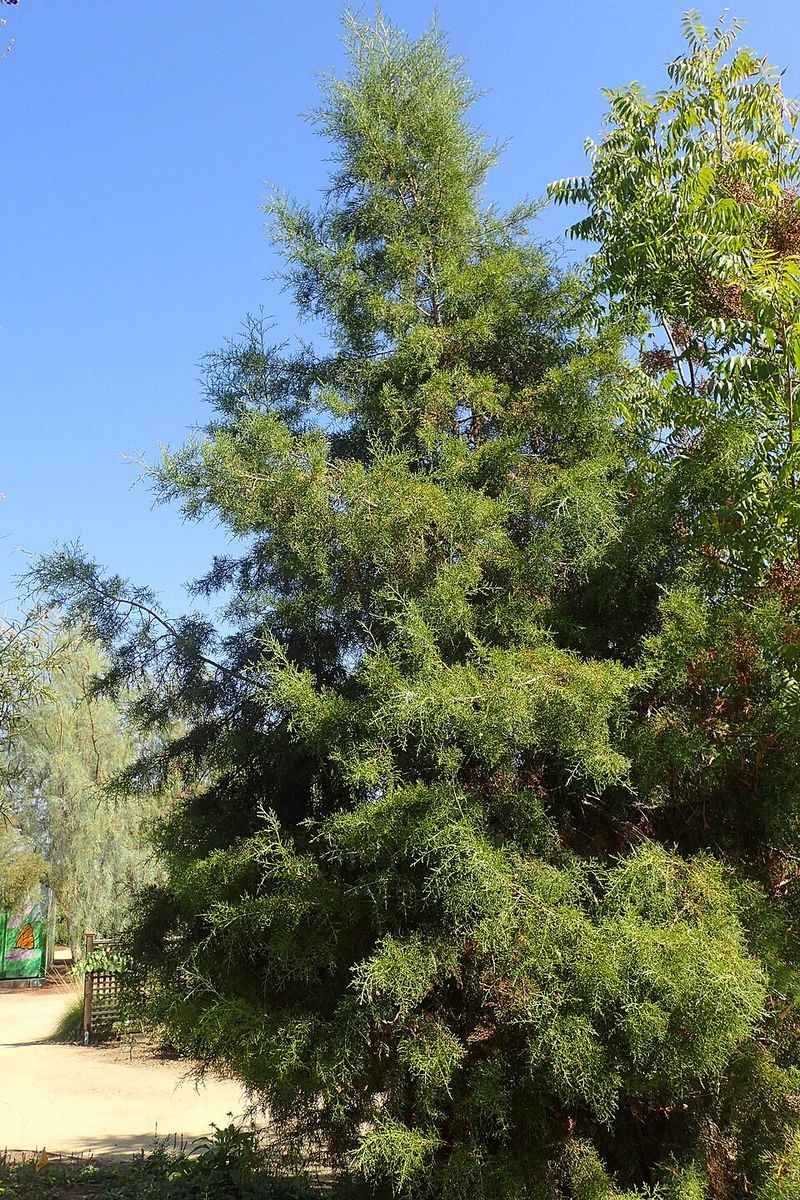
Southern Red Cedar smells like a cedar chest and holds up like one too. This compact, aromatic evergreen is one of the toughest coastal trees in the Southeast, and it looks sharp doing it.
Wind resistance is where this tree genuinely shines. Its dense, narrow canopy creates less surface area for wind to grab, and the flexible branches distribute force evenly across the structure.
This species is frequently recommended by coastal landscapers specifically for its wind tolerance in exposed, storm-prone areas.
Salt tolerance is exceptional. Southern Red Cedar thrives within a few hundred feet of the ocean, where salt spray burns most other species into brown submission. If you live near the coast, this is one of the few trees that will not sulk.
The dark blue-green foliage stays vibrant year-round, making it a reliable privacy screen or windbreak.
Planted in a row, these trees create a dense living wall that blocks wind, noise, and curious neighbors. That dual function is genuinely practical.
Birds go absolutely wild for the small, waxy berries this tree produces. Cedar Waxwings, in particular, descend in flocks when the fruit ripens. Watching that happen in your own yard offers a close look at local bird activity.
Southern Red Cedar tops out around 40 feet with a relatively tight footprint. It fits smaller lots where a massive Live Oak would overwhelm the space.
For native Florida trees storm resilience in a tighter package, this aromatic, wildlife-friendly cedar is hard to beat in any coastal or inland Florida setting.
6. Sweetbay Magnolia
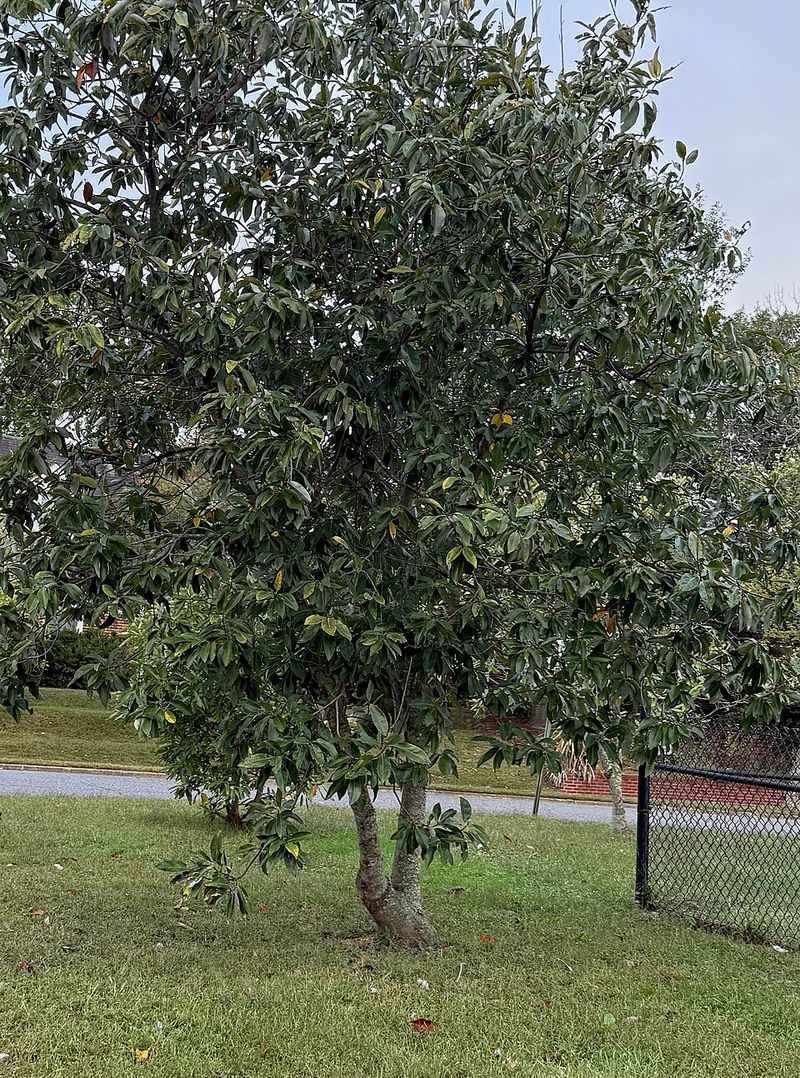
Sweetbay Magnolia is the quieter, more laid-back cousin of the Southern Magnolia, and honestly, it has a lot going for it.
The creamy white flowers smell like vanilla and lemon, and they bloom for weeks longer than most flowering trees.
This tree handles wet soil with impressive ease. Planted near a retention pond or drainage swale, it roots in and stabilizes the bank while adding serious visual appeal. Wet areas that challenge other species are where Sweetbay actually thrives.
Storm resilience comes from a flexible wood structure and a root system that spreads wide and deep in moist soils.
While water oaks tend to heave out of saturated ground during storms, Sweetbay holds firm. That difference becomes especially important during high-wind events.
The leaves are semi-evergreen in North Florida and fully evergreen in South Florida, giving year-round greenery in most of the state.
The silver undersides of the leaves flash in the breeze, creating a shimmering effect on a windy afternoon. Size is approachable too.
Sweetbay typically reaches 20 to 35 feet in North Florida, sometimes taller in South Florida, fitting nicely under power lines and near structures where larger trees create risk.
That manageable height makes it a smart choice for suburban lots with limited vertical clearance.
Pollinators love the blooms, and songbirds eat the bright red seeds that follow. Planting this tree means feeding your local ecosystem while adding genuine storm stability.
Among native Florida trees built for storm resilience, Sweetbay offers beauty and toughness in a perfectly sized, low-fuss package.
7. American Holly
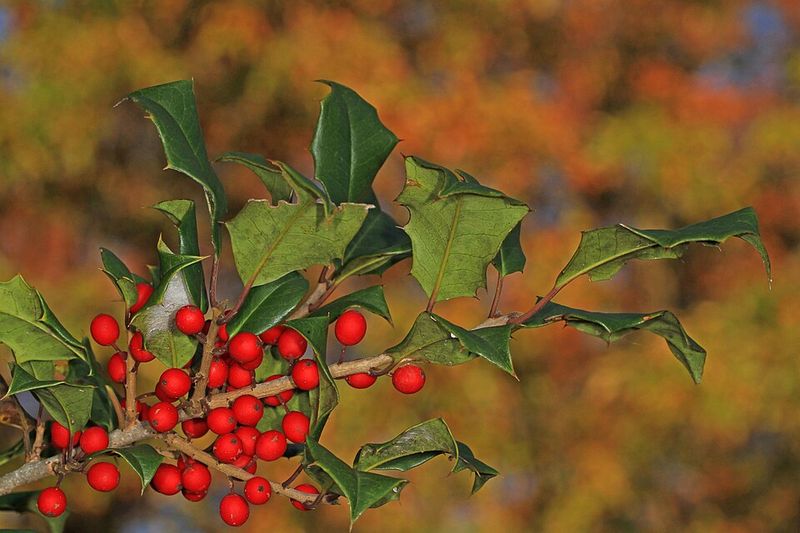
American Holly is the tree that makes December in Florida feel festive without any effort. Those bright red berries against glossy green leaves look like nature decorated your yard on purpose. But this tree earns its keep all twelve months.
Storm performance is better than most homeowners expect from a medium-sized tree. American Holly develops a strong central trunk with well-attached branches that resist breakage in high winds.
The dense canopy structure actually helps it shed wind rather than catch it. Deep tap roots give this tree a firm anchor in sandy Florida soil.
Water oaks are known for tipping over at the base during storms, but American Holly roots down aggressively. That anchoring behavior is exactly what storm resilience looks like underground.
The tree typically grows 15 to 30 feet tall in landscape settings, occasionally taller with age, which makes it ideal for smaller yards or as an understory planting beneath taller canopy trees.
It tolerates partial shade gracefully, filling in spots where other trees struggle. That flexibility makes it easy to work into almost any existing landscape design. Wildlife value is extraordinary.
Cedar Waxwings, mockingbirds, and robins compete fiercely for the berries each winter. A single female tree loaded with fruit becomes one of the most popular spots in the neighborhood for local birds.
One planting tip worth knowing: you need both a male and female tree nearby for berry production. Plant them within 50 feet of each other and let the process take its course.
American Holly is a native Florida gem that rewards patient gardeners with beauty, wildlife, and quiet storm strength every year.
8. Longleaf Pine
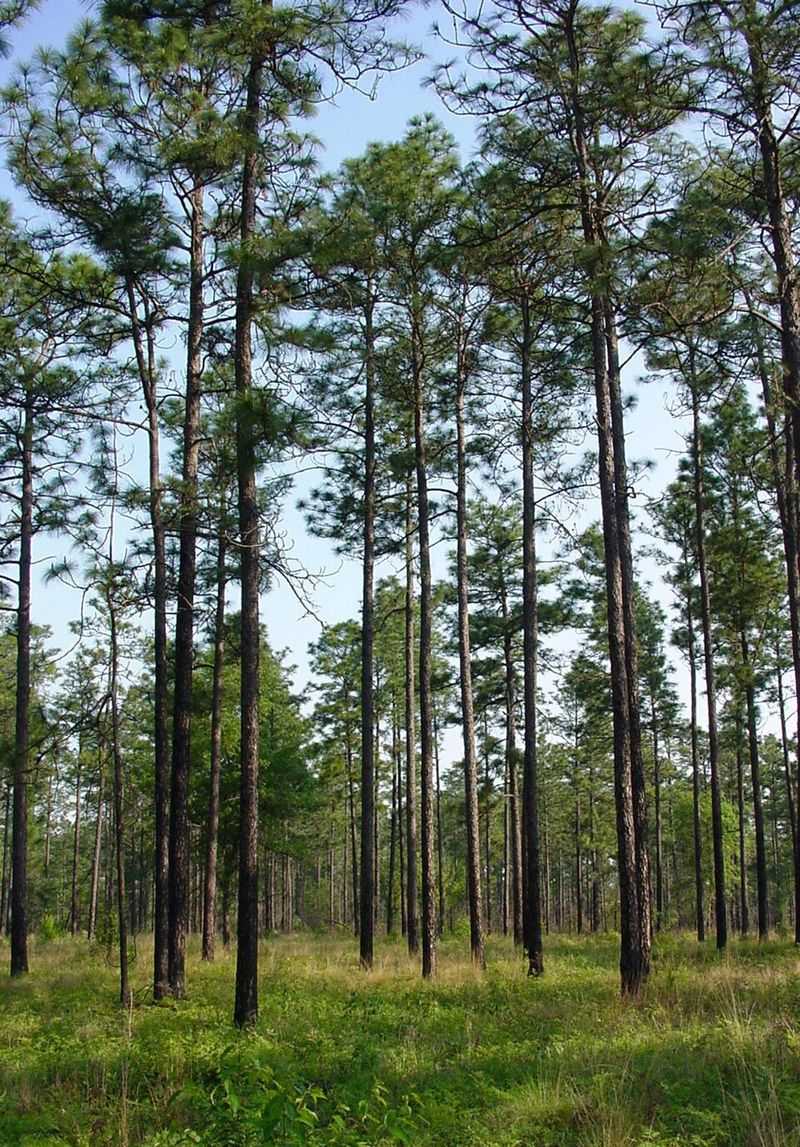
Longleaf Pine once covered an estimated 90 million acres of the Southeast, and there is a reason it dominated for thousands of years.
This tree is built like a structural engineer designed it specifically for hurricane country. Nothing about it is accidental.
The taproot system is extraordinary. Longleaf Pines send a central root straight down several feet before spreading laterally, creating an anchor that rivals anything else in the native Florida trees storm resilience category.
High winds have to work extremely hard to move one of these trees. Young Longleaf Pines spend their first few years in what biologists call the grass stage, looking like a tuft of needles at ground level.
During this phase, the tree is building its root system before investing in height. That patience underground pays off dramatically above ground later.
Once they start growing vertically, these trees shoot up fast, eventually reaching 80 to 100 feet with a straight, clean trunk.
The long needles cluster at branch tips, creating an open canopy that lets wind pass through rather than fight it. That design reduces wind loading significantly.
Longleaf Pines support an astonishing ecosystem. Red-cockaded Woodpeckers, gopher tortoises, and dozens of rare wildflower species all depend on Longleaf habitat.
Planting one connects your yard to a broader conservation story that matters beyond your property line. Fire tolerance is another remarkable trait, though most homeowners will never need to test that.
For long-term storm resilience, structural beauty, and ecological impact, Longleaf Pine stands out as one of the most storm-resilient native Florida trees available.