Why This Invasive Grass Is Quietly Taking Over Pennsylvania Lawns
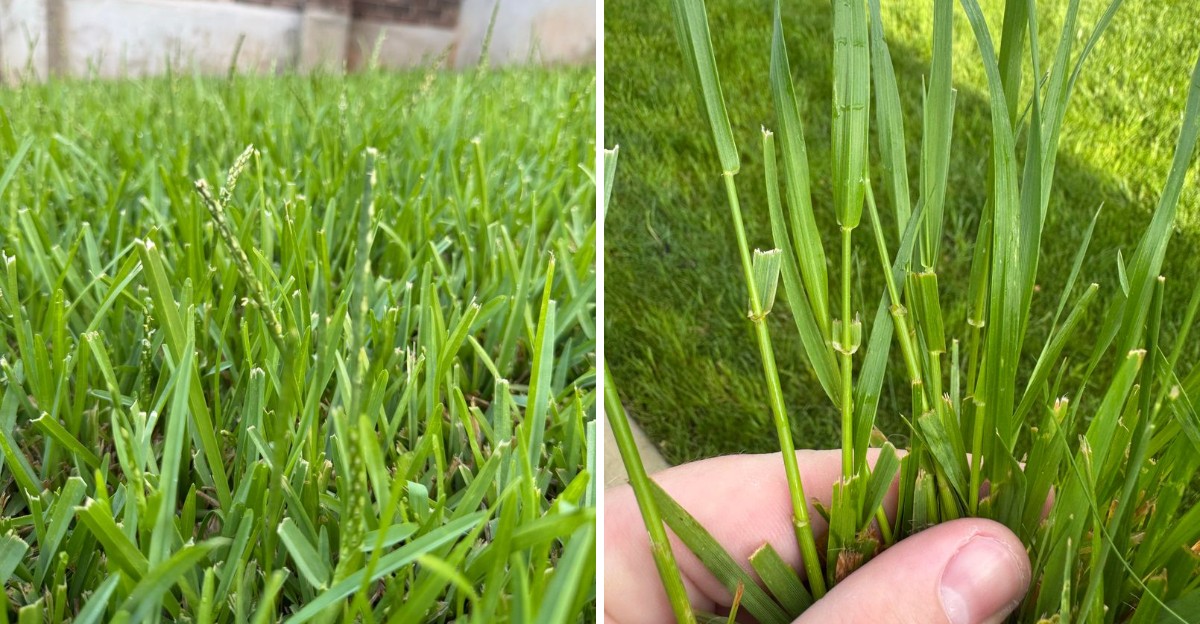
You mow on Saturday, and by Wednesday, a few clumps of grass are already standing taller than the rest of the lawn.
They’re a slightly different shade of green, a little coarser, and they seem to grow twice as fast. That’s often the first clue that an invasive grass has moved in.
This tough invader came from Europe and Asia, and it’s right at home in Pennsylvania’s cool climate. Most of its strength lies below the surface.
It spreads through long, white underground stems that creep in every direction, popping up new plants as they go. Pull it, and even a tiny piece left behind can sprout again.
Because it looks so much like regular grass at first, many homeowners don’t realize what’s happening until it has claimed large patches of the yard.
Learning to spot it early is the best way to stay ahead of it.
The Lawn Invader That Won’t Let Go
Some weeds shout for attention. Quackgrass whispers. It slips into Pennsylvania lawns so quietly that many homeowners live with it for years before they realize something is wrong.
Quackgrass is not from around here. It came from Europe and Asia long ago, likely mixed in with farm seed and hay.
Over time, it spread across North America and settled in comfortably. Today, you can find it in lawns, gardens, farm fields, and even along roadsides throughout the state.
So why does it fit in so well? The answer is simple. Quackgrass is a cool-season grass. Most Pennsylvania lawns are also made of cool-season grasses, like Kentucky bluegrass, fescue, and ryegrass.
That means quackgrass grows during the same months your lawn does.
It greens up early in spring. It stays active in the mild days of fall. It even handles cold winters with ease. Because it keeps the same schedule as your turf, it hides in plain sight.
Quackgrass is also a perennial. That means it comes back year after year. It does not need to drop seeds to return. Its roots and underground stems survive the winter and send up fresh shoots each spring.
Here is a fun fact. Quackgrass has many nicknames, including couch grass, twitch grass, and witchgrass. Farmers have battled it for centuries, so it earned plenty of colorful names along the way.
The best first step is simply awareness. Walk your yard in spring and early fall when quackgrass grows fastest.
Look for spots that seem a bit different from the rest of the lawn. Catching it early saves you a lot of hard work later.
How To Recognize It
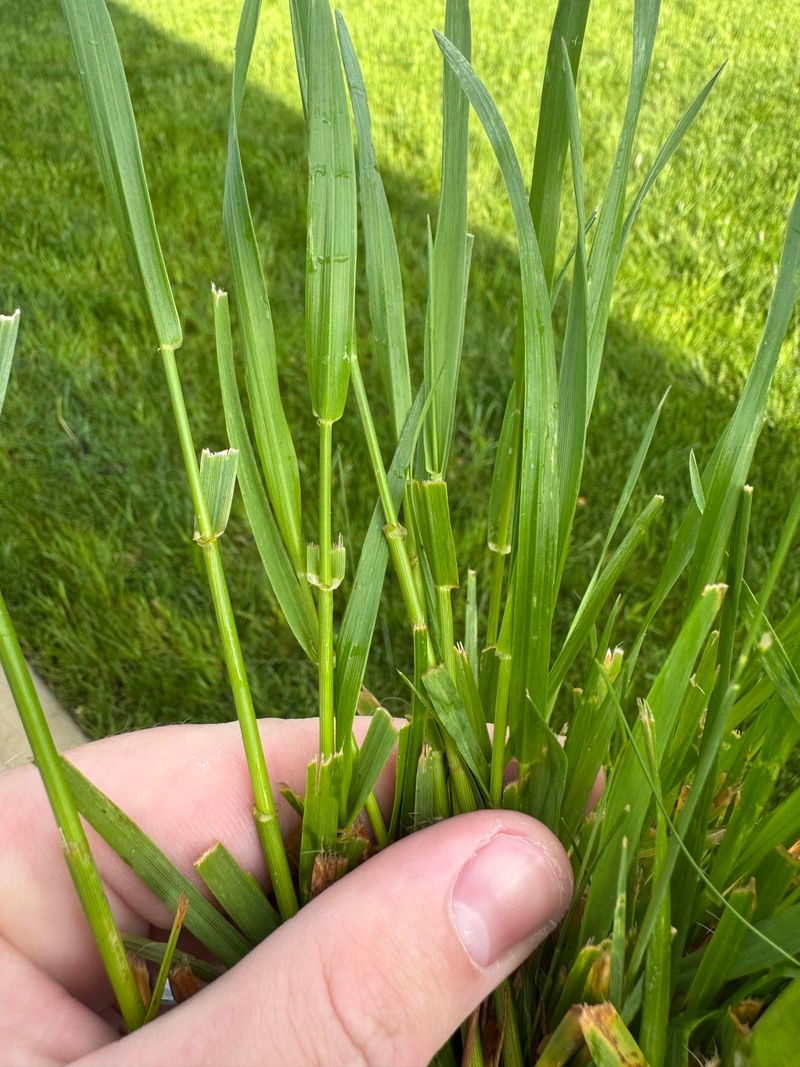
Grab a magnifying glass, because spotting quackgrass is a bit like solving a mystery. The clues are small, but once you know them, you will see them everywhere.
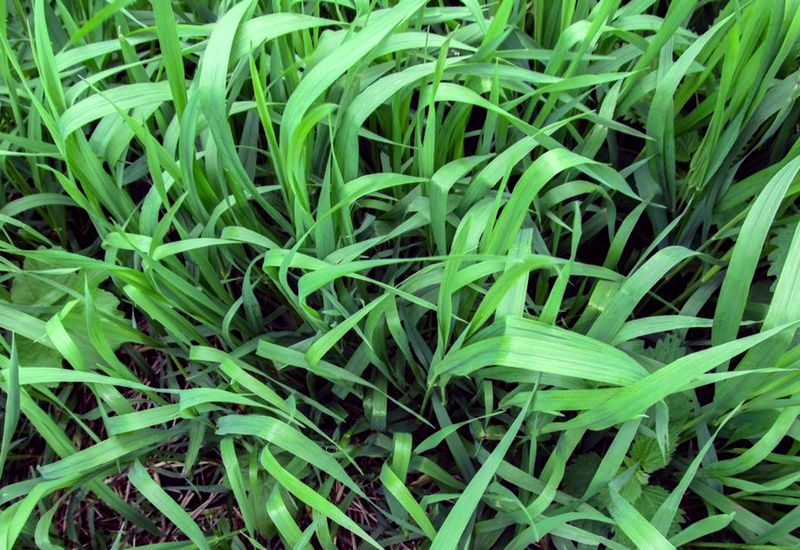
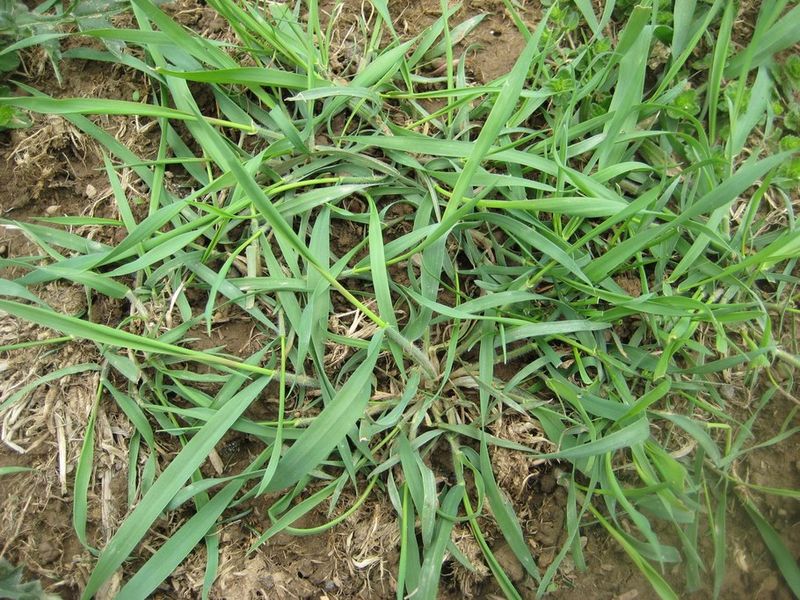
Start with color. Quackgrass blades often have a slightly bluish-green tint. Your regular lawn grass usually looks a little more deep green or bright green. The difference is subtle, so check in good daylight.
Your Pennsylvania Garden Changes Every Week. Your Plan Should Too.
Gardening in Pennsylvania changes quickly throughout the season. Every Friday you’ll receive a simple weekly plan showing exactly what to plant, prune, fertilize, harvest, and protect so you never miss the right timing.
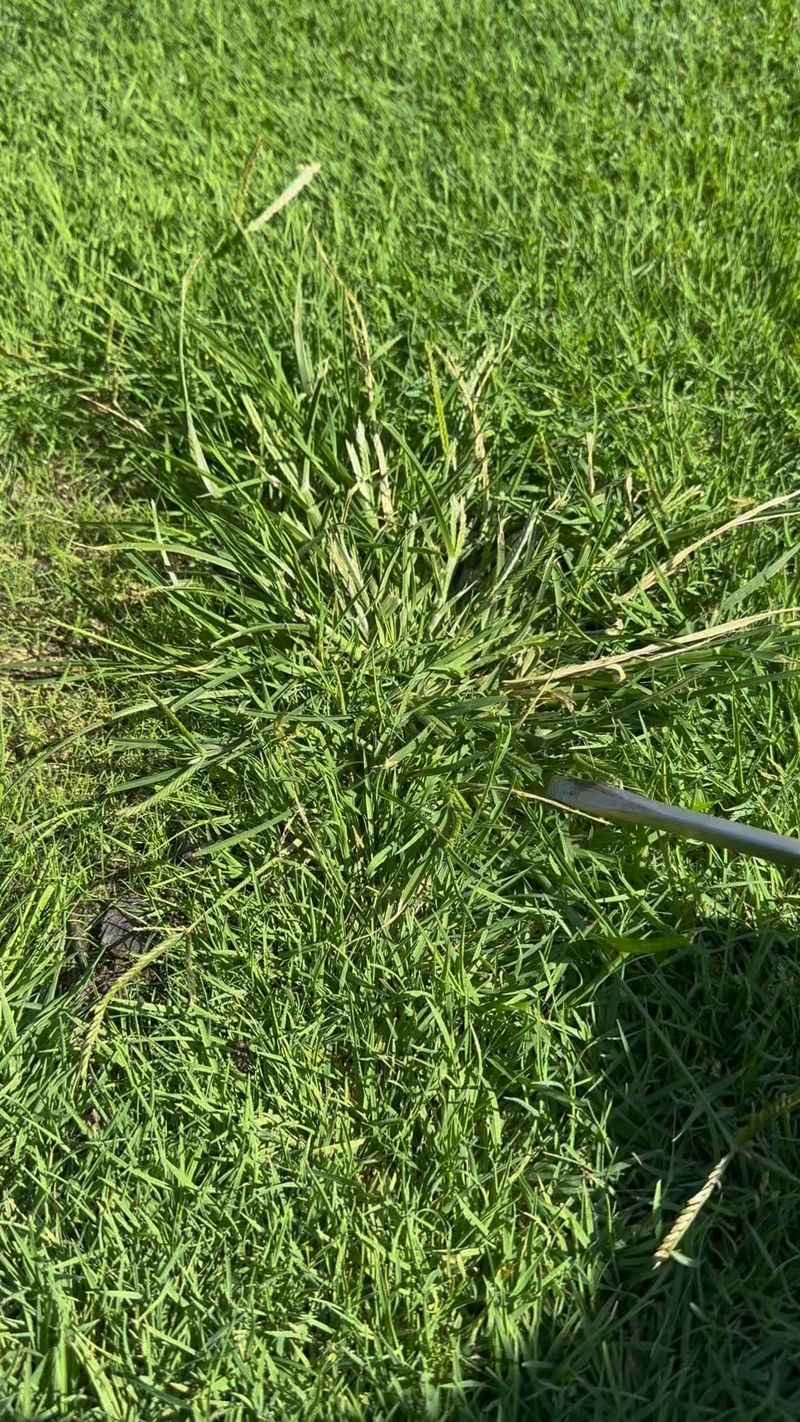
Next, watch your lawn a few days after mowing. Quackgrass grows faster than most turf grasses. It shoots up ahead of the rest and forms uneven tufts.
If your yard looks patchy and shaggy just two or three days after a fresh cut, quackgrass may be the reason.
The blades also feel coarser. Run your fingers over a patch. Quackgrass leaves tend to be wider and rougher than soft bluegrass.
Now for the best clue of all. Pull up a single grass shoot and look closely where the leaf blade meets the stem.
Quackgrass has a pair of tiny, claw-like parts that wrap around the stem, almost like little hands hugging it. Experts call these auricles. Most lawn grasses do not have them, or theirs are very small and blunt.
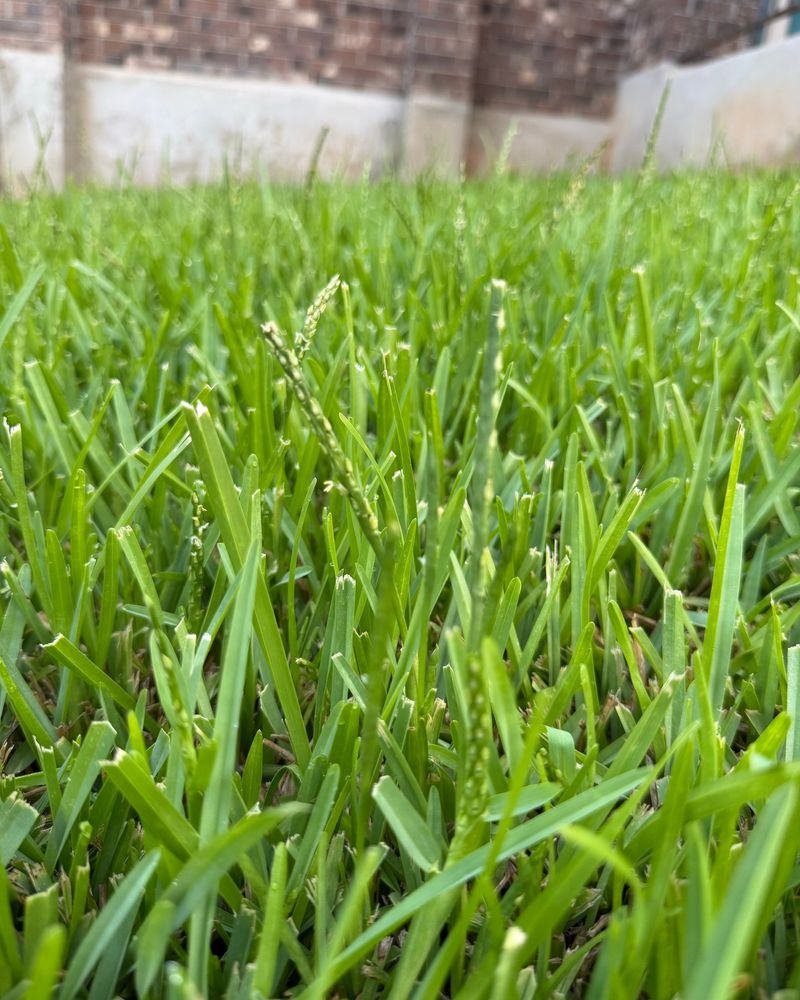
If you skip mowing a section, you may see another sign in early summer. Quackgrass sends up tall seed spikes that look a lot like stalks of wheat. They are flat and narrow, with seeds lined up in two rows.
Keep a few samples in a plastic bag if you are unsure. You can bring them to your local Penn State Extension office. Their experts can confirm what you have and offer advice for your area.
Its Underground Network Is The Secret To Its Spread
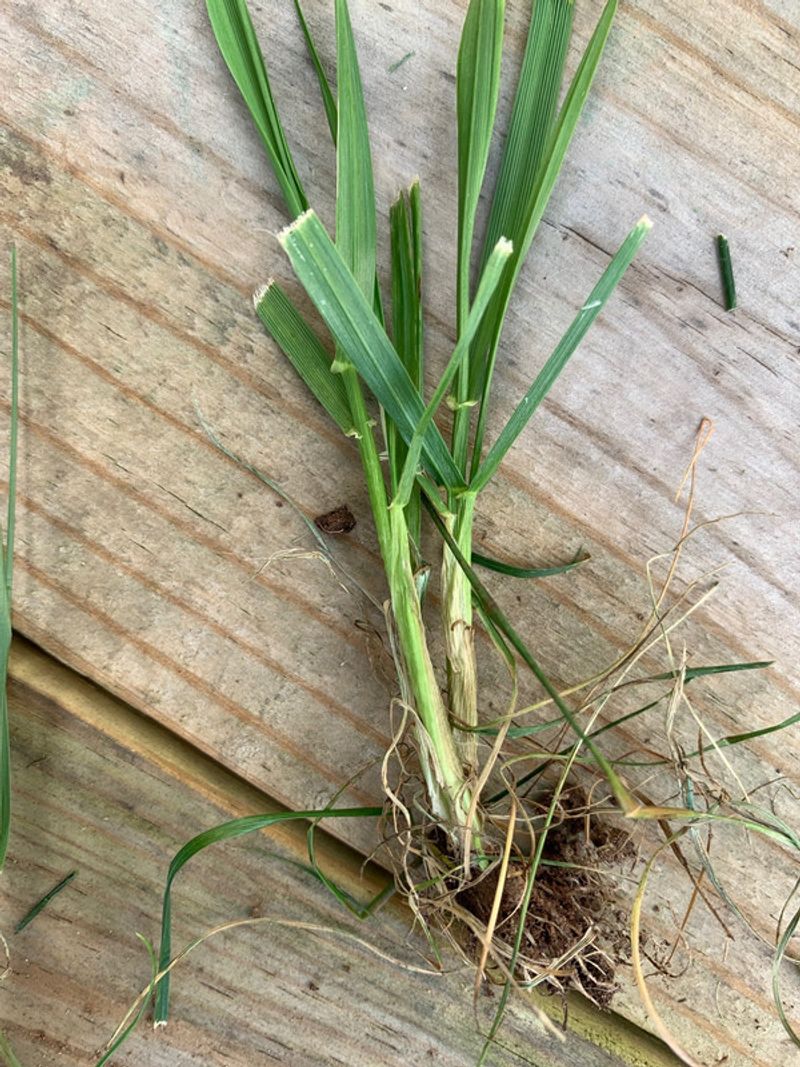
Dig into a patch of quackgrass and you might gasp. Hidden below the surface is a web of long, white stems that looks almost like spaghetti tangled in the dirt.
These stems are called rhizomes. They grow sideways under the soil instead of straight up. A single rhizome can travel several feet in one growing season. Along the way, it sends up new shoots that turn into new plants.
That is how one small clump turns into a large patch. The plant above ground is really just the tip of a much bigger system. What you see on top is only a fraction of what lives below.
The rhizomes also have a sneaky trick. Their tips are sharp and pointed, a lot like a sewing needle.
That sharp tip lets them push right through tough soil. It can even poke through the roots of other plants, including potatoes and tulip bulbs.
Because of this, quackgrass does not stay in one place. It slides under garden edging. It creeps from the lawn into flower beds. It moves into vegetable gardens and wraps around the roots of your tomatoes and peppers.
Rhizomes also store food. They hold energy the plant can use later. So even if the leaves get damaged, the roots have plenty of backup fuel to grow again.
A helpful tip is to install deep edging between your lawn and garden beds. Choose edging that goes at least six to eight inches into the ground.
It will not stop every rhizome, but it slows them down and makes them easier to catch.
Why Digging And Tilling Often Make It Worse
Ever pulled a weed, felt proud, and then watched it return a week later? Quackgrass is famous for that frustrating trick, and the reason is surprising.
Remember those white underground stems? Every little piece of one can grow into a brand new plant.
A fragment only an inch or two long can be enough. Each section has tiny buds, called nodes, that are ready to sprout.
So when you yank a clump of quackgrass, the rhizomes often snap. The top comes out in your hand. The broken pieces stay in the soil. A few weeks later, new shoots pop up from each leftover bit.
Tilling is even worse. A rototiller chops rhizomes into dozens of small pieces. Then it mixes them all through the soil. Instead of one patch, you may end up with quackgrass spread across your entire garden.
Many gardeners learn this the hard way. They till in spring to prepare a fresh bed. By summer, the bed is full of thick, grassy weeds. It feels like the problem doubled overnight, and in a way, it did.
If you choose to dig, go slow. Use a garden fork instead of a shovel. A fork loosens soil without slicing through roots.
Then gently lift the soil and follow each white stem by hand, pulling it out in one long piece if you can.
Never toss pulled rhizomes into your compost pile. Home compost often does not get hot enough to stop them.
Bag them up and put them in the trash instead. That one simple habit can keep quackgrass from sneaking back into your yard.
Why Herbicides Don’t Easily Stop It
Walk down the lawn care aisle at any hardware store and you will see shelves packed with weed sprays. It seems like one of them should handle quackgrass. Sadly, most of them will not touch it.
The reason comes down to plant families. Most lawn weed sprays are made for broadleaf weeds.
These are plants like dandelions, clover, and plantain. They have wide leaves that look very different from grass.
Those sprays are called selective herbicides. They are designed to harm broadleaf plants while leaving grass alone. That is great for your lawn. But since quackgrass is also a grass, the spray skips right over it too.
Here is the tricky part. Your lawn grass and quackgrass are close cousins. Both are cool-season grasses. Both grow at the same time of year.
Chemically, they are so alike that there is no reliable spray that removes quackgrass from a cool-season lawn without also harming your good grass.
Some products for crabgrass exist, but crabgrass is a different plant. It is an annual that grows from seed each year.
Pre-emergent crabgrass products stop seeds from sprouting. They do nothing against quackgrass, which spreads mostly through roots.
This explains why so many lawns stay infested. Homeowners spray, see the dandelions vanish, and assume the job is done. Meanwhile, quackgrass keeps spreading quietly.
Before buying anything, read the label carefully. Look for the exact weed names listed. If quackgrass is not named, the product likely will not help. Saving your money now leaves room for a plan that actually works.
How To Finally Get Rid Of It
Good news, gardeners. Quackgrass is tough, but it is not unbeatable. With patience and the right steps, you can take back your yard.
For lawns, spot treatment is the most effective method. Use a non-selective herbicide, such as one containing glyphosate, on each quackgrass patch.
Non-selective means it affects any green plant it touches, including your lawn grass. So spray carefully and only where quackgrass grows.
Treat when the grass is actively growing and a few inches tall. The plant pulls the product down into its rhizomes. Wait about two weeks and check for new green shoots. Treat again if any come back.
Once the patch is brown and gone, it is time to reseed. Late summer and early fall are perfect in Pennsylvania.
The soil is still warm, nights are cooler, and new grass sprouts quickly. Rake the bare spot, spread seed that matches your lawn, and keep it moist until it fills in.
Garden beds need a different approach. One option is to dig out every single piece of rhizome by hand. Use a garden fork and sift through the soil slowly. It takes time, but it works.
Another option is smothering. Lay down overlapping sheets of plain cardboard over the area. Cover them with a thick layer of mulch, about four inches deep.
Leave it in place for a full growing season. Without sunlight, the quackgrass runs out of stored energy.
Expect to repeat your efforts. A few shoots may sneak back. Pull them right away while they are small. Stay steady, and your yard will slowly become yours again.