Where And When To Hang An Owl Box In An Ohio Yard
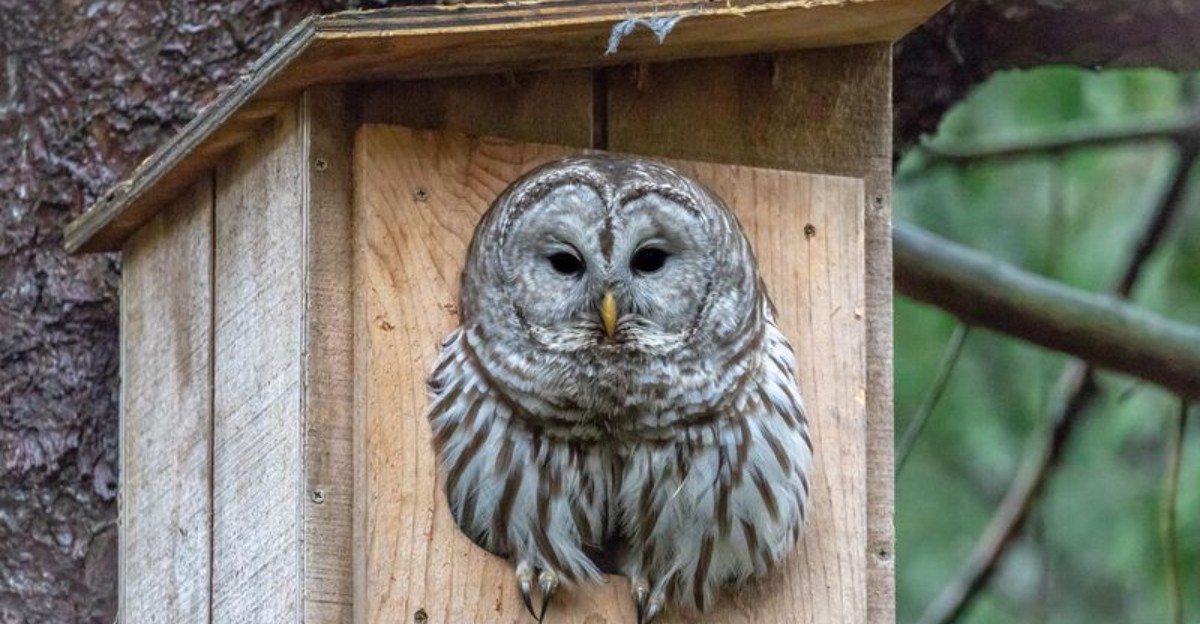
Hang an owl box in the wrong spot, and you’ve built the world’s most expensive birdhouse for a tenant that never shows up.
Ohio has owls looking for homes right now, and a good box can land one. Placement does most of the work.
So does timing, and a lot of folks get both wrong on the first try.
Owls are picky about height, direction, and what sits around the box. Hang it too low, too bright, or too close to the house, and they keep flying.
Fall is more useful than it sounds. Owls scout early, and a box waiting in place by winter gets a head start on the competition.
Walk your yard at dusk before you grab a drill. The right tree is usually the one you least expect.
1. Three Ohio Owls Will Move Into A Nest Box
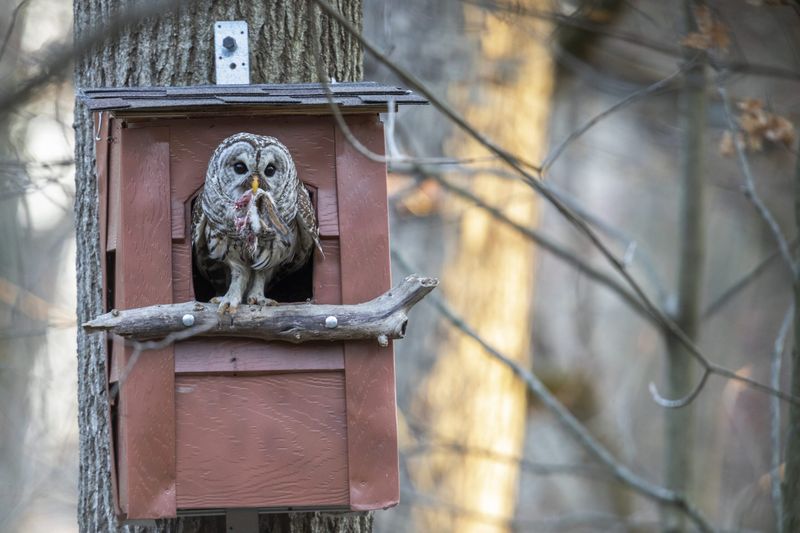
Our state is home to several owl species, but only a few will happily use a box. The three most likely tenants are the eastern screech-owl, the barred owl, and the barn owl.
Each one has its own taste in real estate. Screech-owls want a small, cozy box, while barred owls look for a roomy home deep in older woods.
Barn owls are the picky farm folks of the group. They like wide, grassy fields where mice and voles run through the tall grass.
Knowing who lives near you helps you pick the right box. A suburban yard with mature trees often suits screech-owls, while a big wooded lot along a creek may draw barred owls.
Fun fact: barn owls are listed as a threatened species in Ohio. Many of the ones nesting here today live in boxes set up by farmers and wildlife groups.
Before buying or building, take a walk around your property at night. Listen for whinnies, trills, or the famous barred owl call that sounds like who cooks for you.
Those sounds tell you which owl is already shopping for a home nearby. Matching the box to the bird you hear gives you the best odds of success.
2. Eastern Screech-Owls Are The Likeliest Backyard Tenants
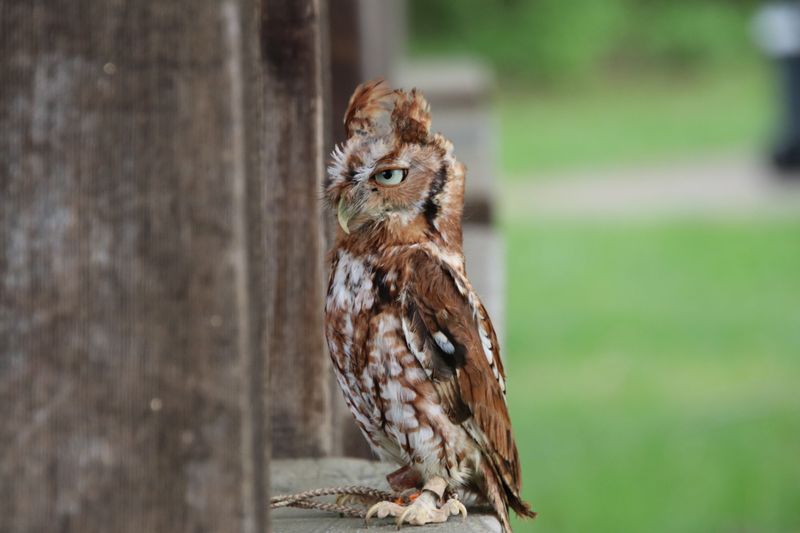
Small enough to fit in your hand, the eastern screech-owl is the star of most owl box stories. It stands about eight inches tall and comes in gray or reddish brown feathers.
Despite the name, it does not really screech. Its calls sound more like a horse whinny or a soft, wobbly trill.
These little owls are surprisingly comfortable around people. They live in towns, parks, and neighborhoods as long as there are some big trees around.
In the wild, they nest in old woodpecker holes or natural tree cavities. Many older trees get trimmed or removed, so a nest box makes a fine replacement home.
Screech-owls eat a wide menu, from moths and beetles to mice and small birds. That makes them handy helpers for keeping garden pests in check.
They also stick around all year in Ohio rather than flying south. A box can serve as a winter roost on cold nights, not just a spring nursery.
Your Ohio Garden Changes Every Week. Your Plan Should Too.
Gardening in Ohio changes quickly throughout the season. Every Friday you’ll receive a simple weekly plan showing exactly what to plant, prune, fertilize, harvest, and protect so you never miss the right timing.
If you want the best chance of an owl family, start here. A simple screech-owl box with a three-inch entrance hole is easy to build and often gets noticed within a season or two.
3. Hang Screech-Owl Boxes 10 To 30 Feet Up
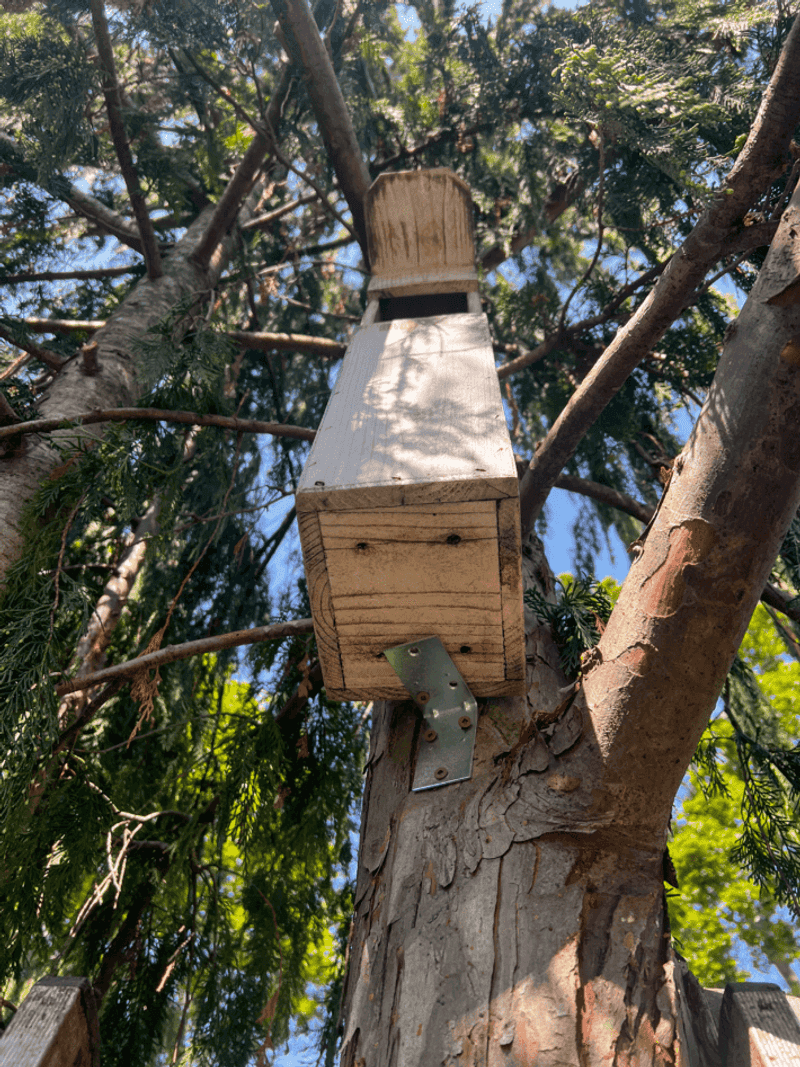
Height matters to a tiny owl that wants to feel safe. Experts suggest placing a screech-owl box anywhere from 10 to 30 feet off the ground.
That range gives you plenty of wiggle room. Most homeowners land around 12 to 15 feet, which is high enough for owls and still reachable with a sturdy ladder.
Going too low can invite trouble. Curious cats, raccoons, and even people walking by may disturb the box if it hangs near eye level.
Going extremely high has its own problems. You will need to check and clean the box each year, and wobbling on a tall ladder is no fun for anyone.
Choose a tree trunk at least a foot wide so the box sits firmly. Oaks, maples, and sycamores work well in Ohio yards.
Attach the box with lag screws or a strap that will not choke the tree as it grows. Leaving a little slack lets the trunk expand over the years.
Safety tip: bring a helper to hold the ladder steady. A box with bedding inside can weigh more than you expect, and an extra set of hands makes the job much smoother.
4. Woodland Edges Make The Best Spots
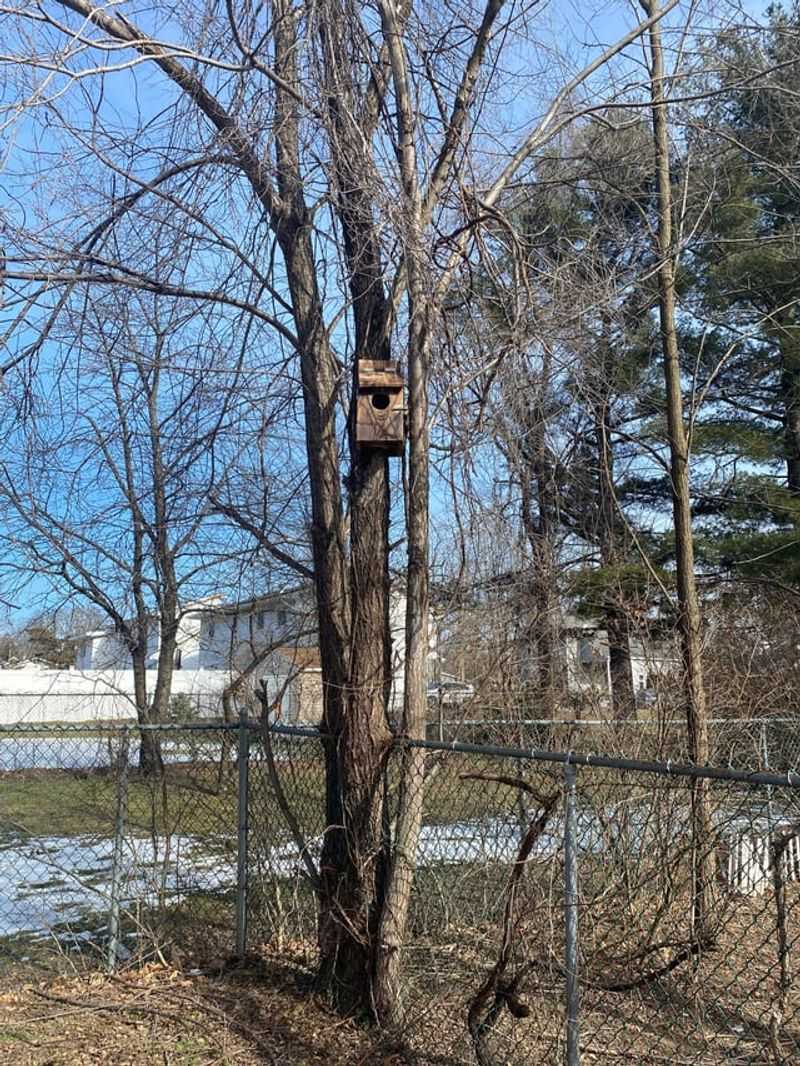
Owls love a good view of the dinner table. The border where trees meet open ground, like a lawn, meadow, or field, is their favorite hunting zone.
From the edge, an owl can sit quietly on a branch and scan the grass below. Mice, voles, and big insects scurry across these open spaces at night.
So when you scout your yard, look for a tree near the line between woods and open space. A row of trees beside a backyard lawn can work nicely.
Nearby water is a bonus. Creeks and ponds attract frogs, crayfish, and bugs that owls happily snack on.
Try not to hang the box in the middle of a wide-open lawn with no cover. Owls want branches nearby where fledglings can hop and hide after leaving the nest.
A few evergreens close by also help. Pines and spruces give young owls and adults shelter from wind, snow, and nosy crows during the day.
Think of it like picking a house near a grocery store and a park. If the box sits close to food and safe hiding spots, owls will see your yard as a smart place to raise a family.
5. Face The Entrance East Or South
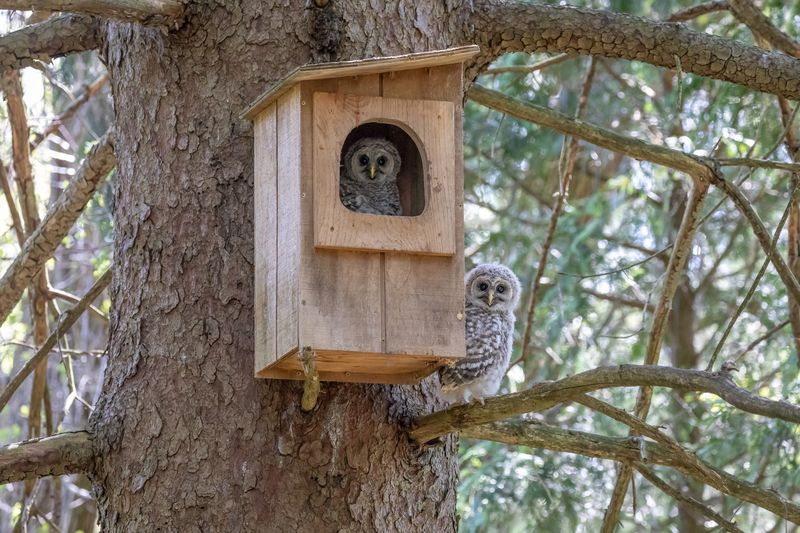
Ohio weather can be moody, especially in early spring. Strong winds and storms usually blow in from the west and northwest.
Pointing the entrance hole east or south keeps that rough weather from blowing straight into the box. Eggs and fuzzy owlets stay drier and warmer that way.
A southern or eastern face also catches gentle morning sun. That bit of warmth can feel nice on a frosty March morning.
Do not stress if the perfect direction is not possible. A box facing southeast or northeast still works far better than one facing straight into the wind.
Also think about what the owl sees when it flies out. A clear flight path without thick branches right in front of the hole makes coming and going easier.
Try to leave a few feet of open space in front of the entrance. Owls are silent fliers, but they still appreciate a tidy runway.
Here is a handy trick: stand at the tree with a phone compass app before you mount the box. It takes ten seconds and saves you from climbing back up later to fix the angle.
6. Mount It On A Pole With A Predator Guard
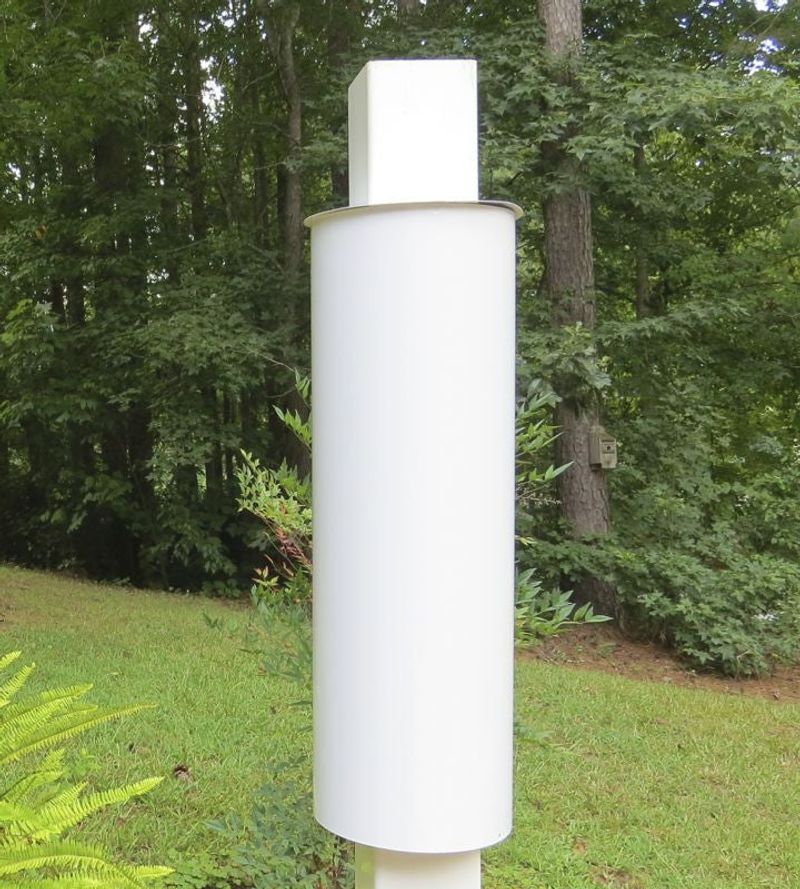
Raccoons are clever climbers with a big appetite for eggs. If they can reach your owl box, they probably will.
Mounting the box on a smooth metal pole is one of the best defenses. A cone or tube-shaped baffle placed below the box stops climbers from shimmying up.
Trees work too, but they need a little help. Wrapping a two-foot band of sheet metal around the trunk below the box can block raccoons and snakes.
Make sure no nearby branches act like bridges. A raccoon can leap several feet from a limb straight onto a box roof.
Poles are also great if your yard lacks big trees. Place the pole near the woodland edge or a tree line so owls still feel sheltered.
Black rat snakes can also raid nests in parts of the state. A tight, well-fitted baffle keeps them from sliding up as well.
Quick tip: set the pole in concrete or use a heavy ground anchor. A wobbly pole in a spring windstorm can rattle nervous parents, and a steady base helps the whole family feel secure through the nesting season.
7. Add A Few Inches Of Wood Shavings
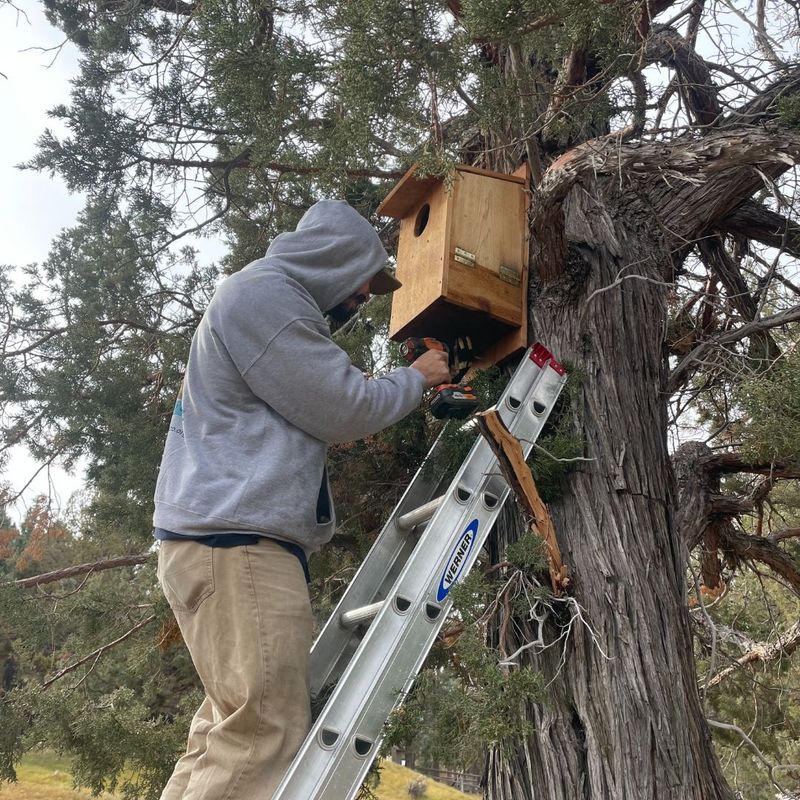
Owls are terrible at home decorating. They do not carry sticks, grass, or feathers into the box like robins do.
Instead, the female lays her eggs right on whatever is already inside. That is why you need to add bedding before nesting season begins.
Two to three inches of pine wood shavings makes a soft, dry floor. The shavings cushion the eggs and keep them from rolling around.
Skip fine sawdust, which can get dusty and soggy. Cedar shavings are also best avoided because their strong oils may bother young birds.
Pet stores and farm supply shops sell bags of plain pine shavings for small animals. One bag usually lasts for several boxes and several years.
Wood chips from untreated lumber work in a pinch, too. Just make sure nothing has been dyed, painted, or treated with chemicals.
Did you know? In natural tree holes, owls nest on crumbly rotted wood and old debris.
Shavings mimic that same comfy layer, so the box feels like a real tree cavity rather than a bare wooden crate.
8. Barred Owl Boxes Go Up In January, 20 To 30 Feet High
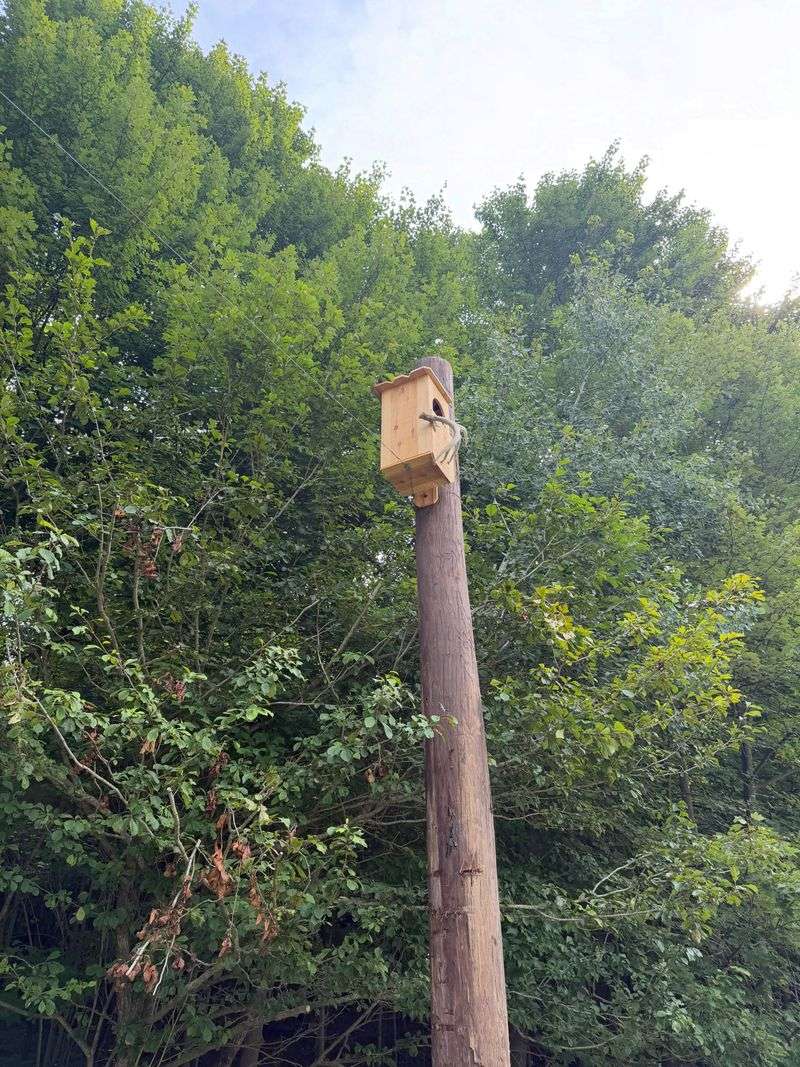
Who cooks for you, who cooks for you all? That booming call belongs to the barred owl, a big, brown-eyed bird of Ohio forests and river bottoms.
Barred owls start their family plans early. Many begin courting in winter and lay eggs by late February or early March.
That is why January is the sweet spot for hanging their box. Getting it up early gives the pair time to find it and claim it.
Their homes need to be much bigger than a screech-owl box. Aim for a floor about 12 by 12 inches, a height around two feet, and an entrance roughly six to eight inches wide.
Height matters even more for these large birds. Mount the box 20 to 30 feet up on a large, healthy tree in mature woods.
Barred owls like big stretches of forest, especially near streams or wetlands. A small suburban lot with a few trees is less likely to attract them.
Because of the height, many people hire a tree service for this job. A pro with climbing gear can set the box safely while you watch from the ground.
9. Get Boxes Up In Winter, Before Nesting Starts
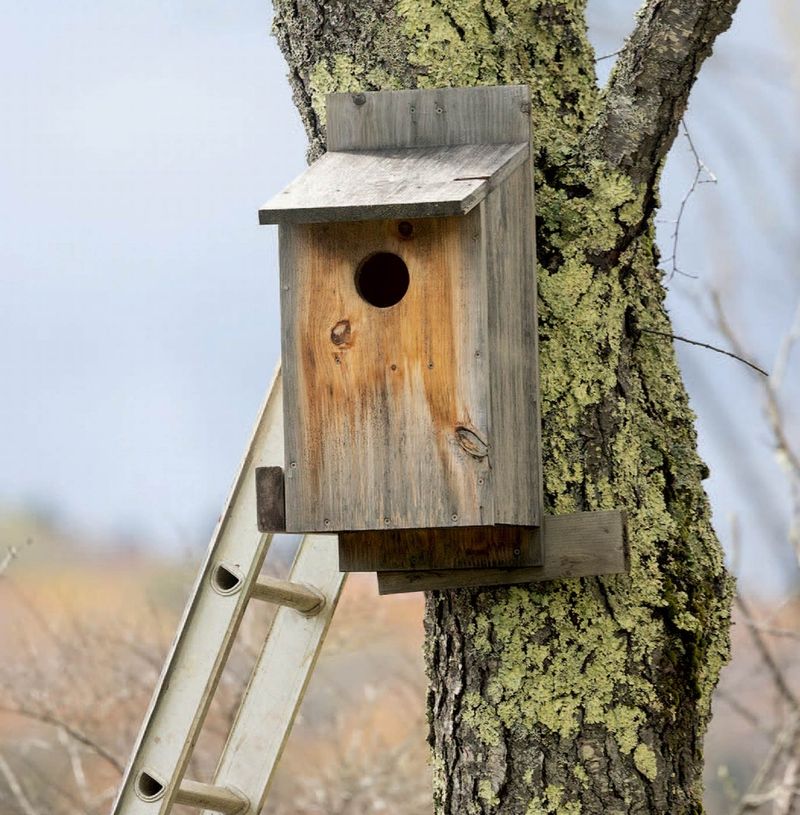
Timing is everything in the owl world. In the state, owls start scouting nest sites long before the spring flowers pop up.
Screech-owls usually lay eggs in late March or April. They pick out homes weeks earlier, often during the cold days of February.
If your box goes up in May, you may have missed the party. The owls will likely have settled somewhere else for the year.
Late fall through early winter is the best window. Bare branches make it easier to see good spots, and you will not disturb any nesting birds.
Fall boxes also double as winter shelters. Screech-owls often roost in boxes on freezing nights, then decide to stay and nest there in spring.
Do not worry if you are late this year. An empty box can still attract roosting owls in summer and fall, setting you up nicely for next season.
A simple calendar reminder helps. Mark early November as box time, and you will have bedding fresh and boxes hung before owls start their spring house hunt.
10. Size The Box Right For Each Owl
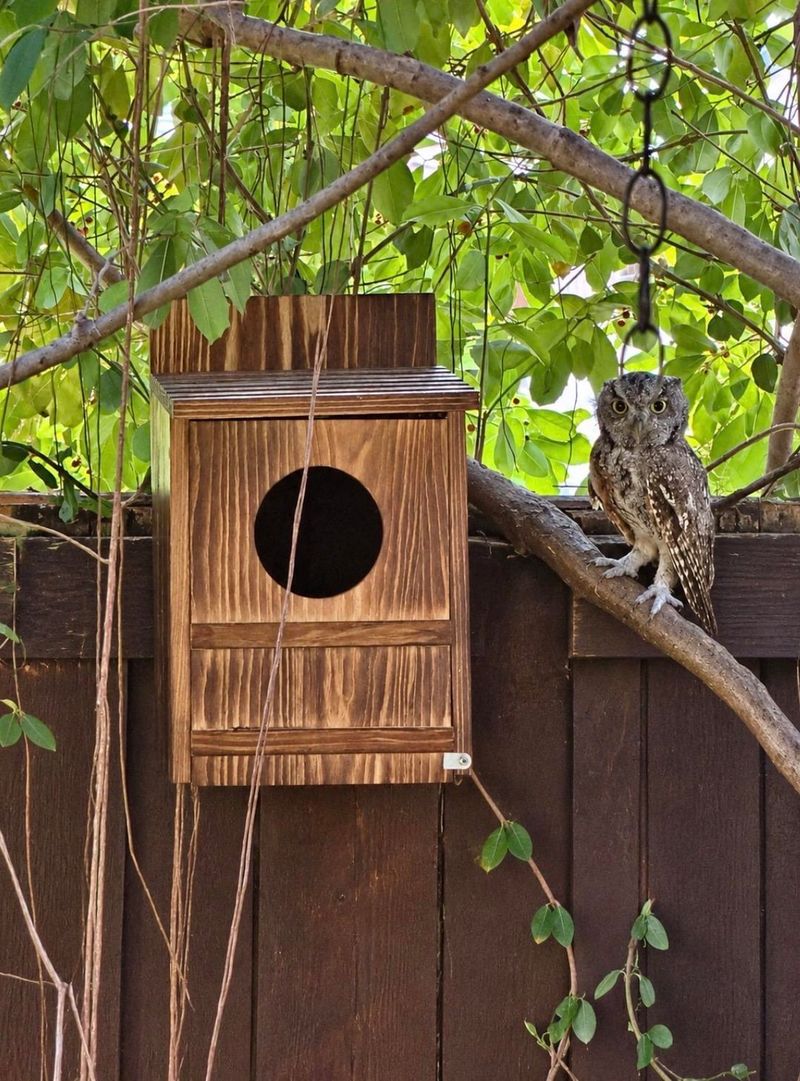
A box that is too big or too small is like shoes that do not fit. The owl might peek in, but it probably will not stay.
For screech-owls, a floor about 8 by 8 inches works well. The box should stand 12 to 15 inches tall with a round entrance close to three inches across.
Place that hole near the top of the front panel. That leaves a deep space below where eggs and owlets stay hidden.
Barred owls need roughly double everything. Their box should be around 12 by 12 inches inside with a hole six to eight inches wide.
Barn owl boxes are bigger still, often shaped like a long rectangle. Many are built inside barns or mounted on poles near hayfields.
Keep the hole size in check, too. A hole that is too large can let in bigger birds or raccoons, while a tiny hole keeps your owl locked out.
Free plans are available online from groups like the Cornell Lab of Ornithology. Their NestWatch website shares measurements for many species, which makes building feel less like guesswork and more like a fun weekend project.