The One Thing California Raised Beds Need In October Or Nutrients Will Run Short By Spring
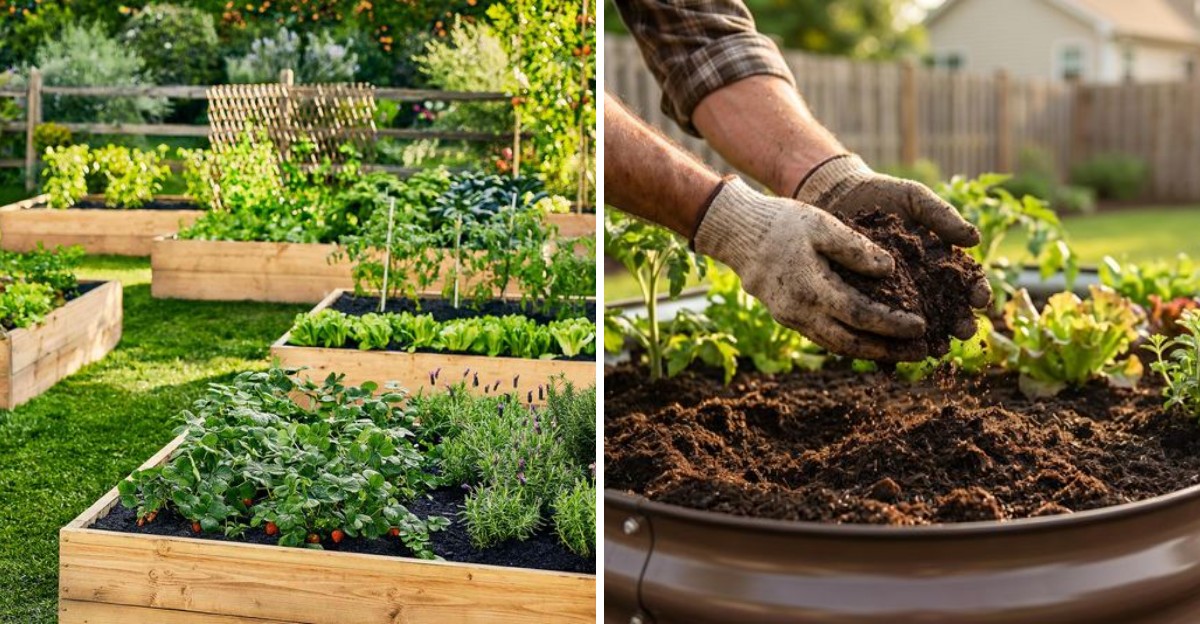
Your raised bed absolutely delivered this summer. Tomatoes, squash, zucchini, herbs, the whole glorious lineup.
Give yourself a well-deserved pat on the back. Now take a look at that soil though, because it is telling a different story.
It looks a little sunken, feels oddly light when you run your fingers through it, and has the general energy of someone who just ran a marathon and needs a serious meal. That is because it basically did.
A full California growing season pulls a remarkable amount of nutrients out of a raised bed, and unlike in-ground gardens, there is no deeper soil to borrow from. The good news is that the fix is simple, affordable, and genuinely satisfying to do on a cool October afternoon.
Miss this window though and your spring seedlings will let you know about it in the most disappointing way possible.
1. Raised Beds Lose Nutrients Faster Than In-Ground Gardens In California
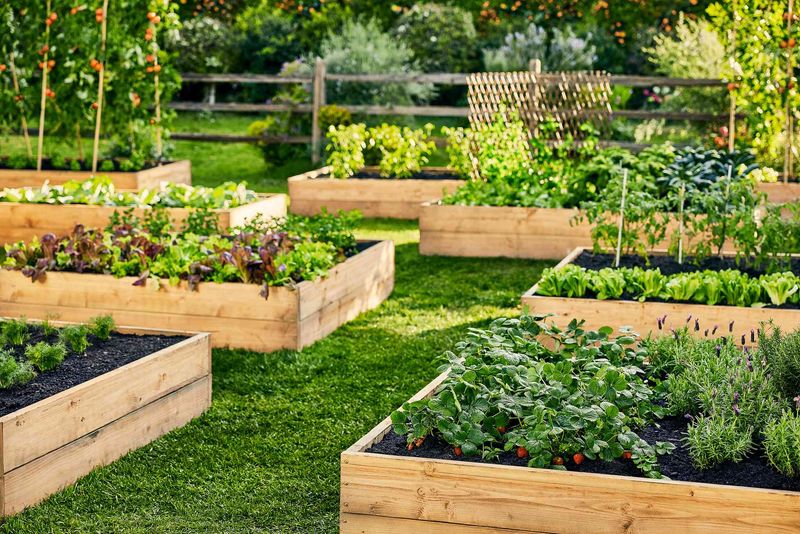
Raised beds are a bit like a fancy coffee mug with no lid. They hold things well, but plenty slips away when you are not looking.
Water drains fast through the loose soil in a raised bed. Every time you water, some nutrients wash right out the bottom with it.
In-ground gardens have a backup plan that raised beds lack. Roots there can reach deep into native soil, where worms and fungi keep refilling the pantry.
A raised bed is a closed box by comparison. Once your plants eat what is inside, there is not much left to borrow from below.
California summers make the drain even faster. Long, hot days mean frequent watering, and that steady flow pulls nitrogen and potassium down and away.
Many gardeners also notice the soil level dropping by fall. Organic matter breaks down over the season, leaving the bed a few inches lower than in spring.
That shrinking soil is a clue worth reading. It tells you the bed has used up its fuel and needs a fresh supply before winter rains arrive.
Here is a quick test you can try today. Squeeze a handful of soil, and if it feels sandy, pale, or crumbles like dust, it is hungry.
The good news is that the fix is simple and cheap. Knowing why beds run low is the first step toward keeping them rich year after year.
2. Compost Restores What A Full Growing Season Takes Out Of California Soil
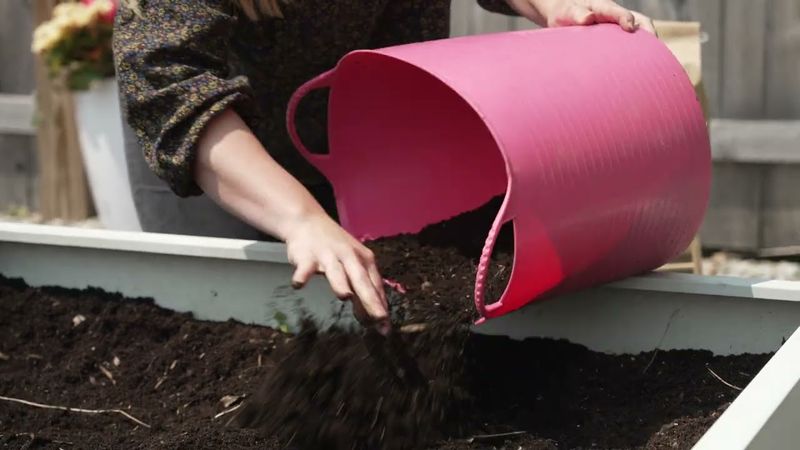
Think about everything your garden gave you this year. Bowls of cherry tomatoes, armloads of zucchini, and enough basil for a dozen pesto nights.
Every one of those harvests came from the soil. Plants built their leaves and fruit from nutrients they pulled out, bite by bite.
Compost is how you pay the soil back. It returns nitrogen, phosphorus, potassium, and a long list of tiny trace minerals plants need.
Unlike a quick bag of fertilizer, compost feeds slowly. It releases food over months, so plants get a steady meal instead of a sudden nutrient surge.
It also improves soil structure, which matters just as much. Compost helps sandy soil hold water and helps clay soil loosen up and breathe.
Your California Garden Changes Every Week. Your Plan Should Too.
Gardening in California changes quickly throughout the season. Every Friday you’ll receive a simple weekly plan showing exactly what to plant, prune, fertilize, harvest, and protect so you never miss the right timing.
Fun fact for curious gardeners. Healthy compost is teeming with billions of living microorganisms per teaspoon, including bacteria, fungi, and other soil life that UC ANR identifies as essential to breaking down organic matter into forms plant roots can absorb.
Those microbes are the real heroes here. They break down organic matter and turn it into forms that roots can easily soak up.
Many California gardens sit on soil that is low in organic matter to begin with. Adding compost each fall slowly builds a richer, darker, more forgiving bed.
So when someone asks for the one thing a tired raised bed needs, the answer is easy. Compost brings back the life that a long season used up.
3. The Right Amount Of Compost For California Raised Beds In October
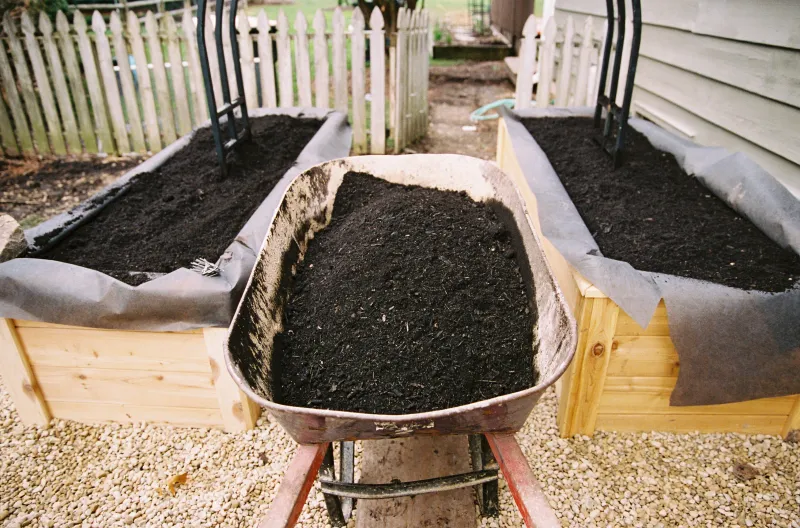
Ask ten gardeners how much compost to add, and you might hear ten answers. Luckily, the sweet spot is easier to find than you think.
For most raised beds, aim for a layer about two to three inches deep. That amount refreshes nutrients without crowding out the existing soil.
Need a quick way to figure out how much to buy? Multiply the length and width of your bed in feet, then divide by six for a two-inch layer in cubic feet.
A common four-by-eight bed needs roughly five to six cubic feet. That works out to about three or four standard bags from the garden center.
If your bed sank a lot this year, go a little thicker. Up to four inches is fine when the soil level has dropped noticeably.
More is not better past that point, though. Too much compost can hold extra water and throw off the balance of minerals in the bed.
Beds that grew heavy feeders deserve a generous helping. Tomatoes, peppers, corn, and squash use up more food than lettuce or herbs.
Many California gardeners keep a simple notebook for each bed. Jot down how much you added and how plants performed, and next October gets easier.
A little measuring now saves money and guesswork later. Your bed gets just what it needs, and your wallet stays happy too.
4. The Best Types Of Compost For California Raised Bed Gardens

Not all compost is created equal. Walk into any nursery and you will see bags labeled with everything from chicken manure to forest products.
Homemade compost is a gold star choice. It costs nothing, uses your kitchen scraps and yard waste, and is packed with local microbes.
Worm castings are another favorite among serious growers. They are rich, gentle, and full of helpful biology, though they cost more per bag.
Aged manure compost works well for hungry crops. Look for words like aged or composted, since fresh manure can burn tender roots.
Mushroom compost is easy to find in many areas. It is great for structure but can be salty, so use it in moderation.
Here is a local perk worth knowing. Many California cities give away free compost made from green waste collection bins.
Check your city or county website for pickup days. Some places even deliver in bulk for a small fee, which beats hauling bags.
Whatever you pick, use your nose and eyes. Good compost smells earthy, looks dark and crumbly, and has no big chunks of wood or trash.
Mixing two types is a smart move too. Combining homemade compost with a scoop of worm castings gives your bed a well-rounded meal.
5. Applying Compost To A Raised Bed The Right Way In California
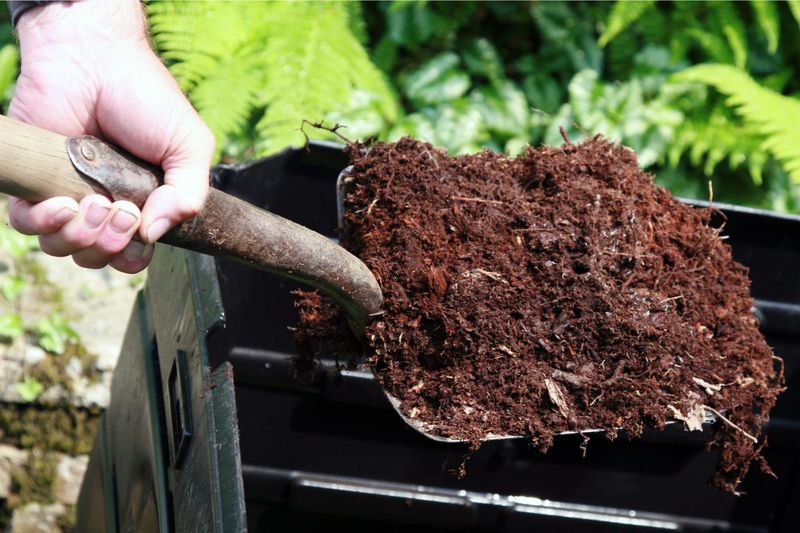
My neighbor once dumped a whole truckload of compost in a pile and walked away. By spring, half his bed was rich and the other half was starving.
Spreading compost evenly is the first real step. Start by clearing out old plant stems, roots, and weeds so you have a clean surface.
Healthy spent plants can go into your compost pile. Toss anything with mildew or pests in the trash so problems do not return next year.
Next, pour the compost across the bed in small piles. Use a rake or your hands to smooth it into an even layer.
Now gently work it into the top few inches of soil. A hand fork or garden fork does the job without disturbing the deeper layers.
Avoid heavy digging or tilling. Deep turning breaks up fungal networks and soil life that took months to build.
Give the bed a good soak once you finish. Water helps the compost settle and wakes up the microbes so they get to work.
Plenty of gardeners skip mixing altogether and just top-dress. That works fine too, since worms will pull the compost down over time.
Either way, wear gloves and take your time. A careful hour in October sets the stage for a strong, healthy bed in spring.
6. October Is The Sweet Spot For Compost Timing In California
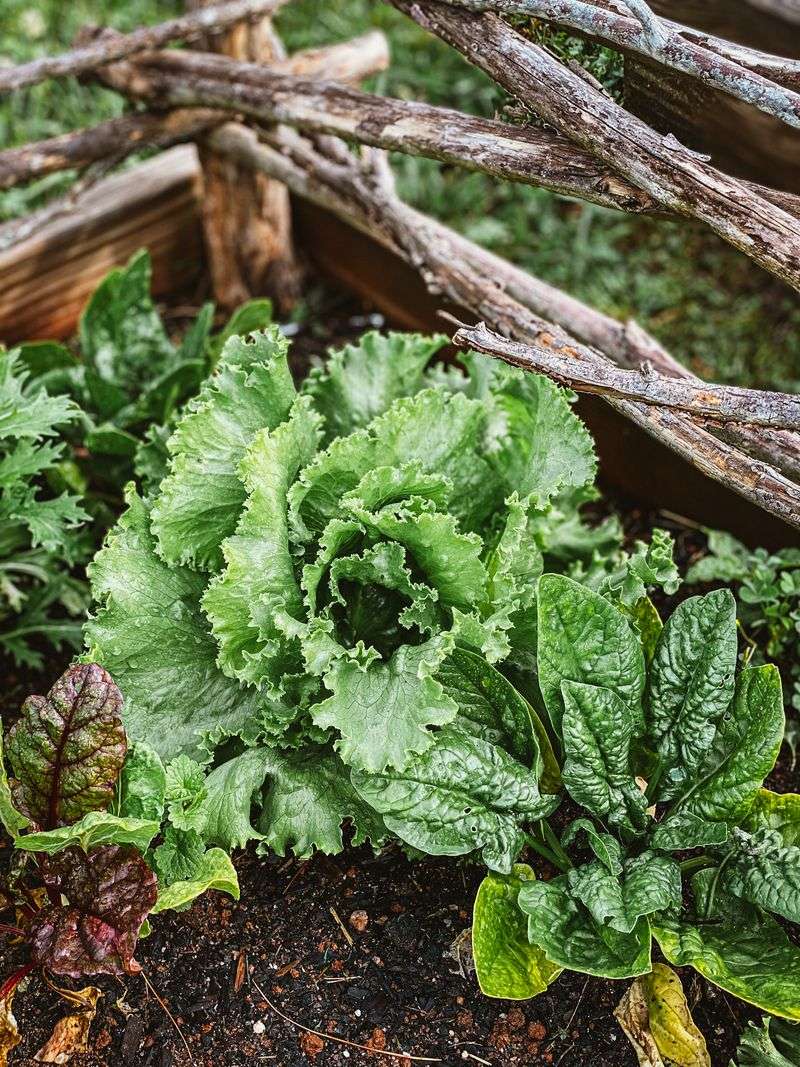
Timing in the garden is a lot like baking bread. Add the right ingredient too early or too late, and the results fall flat.
October lines up perfectly with how California weather works. Summer heat is fading, but the soil is still warm enough for microbes to stay busy.
Warm soil plus a little moisture equals fast breakdown. Compost added now has months to blend in and release nutrients before spring planting.
Winter rains also play a big role. In much of the state, wet months run from November through March, which helps carry nutrients into the root zone.
Wait until January, and the soil turns cold and sluggish. Microbes slow down, and your compost just sits there instead of feeding the bed.
October is also prime time for planting cool-season crops. Garlic, kale, peas, and lettuce love beds freshly loaded with compost.
Gardeners in hotter inland areas can push into early November. Coastal growers with mild weather have a bit more wiggle room as well.
Mark it on your calendar like a birthday. A reminder on your phone for the first weekend of October keeps the habit going each year.
Getting the timing right means less work later. Your soil does the heavy lifting all winter while you stay cozy inside.
7. Skipping Fall Compost Can Leave California Spring Plants Off To A Slow Start
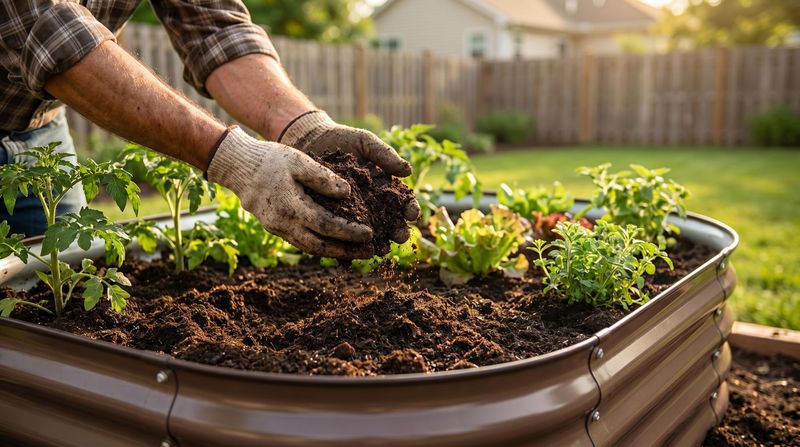
Spring arrives, and you tuck in fresh tomato starts with big hopes. Weeks later, they look pale, small, and stuck in place.
Hungry soil is often the hidden reason. Without a fall boost, the bed simply lacks the food young plants need to grow fast.
Yellowing lower leaves are a common warning sign. That usually points to low nitrogen, the nutrient plants use to build green growth.
Weak roots are another problem you might not see right away. Plants in tired soil struggle to spread out, so they dry out quicker on warm days.
Adding compost in spring helps, but it works slowly. By the time it breaks down, your plants have already lost weeks of growing time.
Quick fertilizers can patch things up in a pinch. Still, they feed the plant without rebuilding the soil, so the problem comes back.
Pests also seem to find stressed plants first. Aphids and other bugs often target soft, struggling growth over strong, healthy leaves.
Many California growers have learned this lesson the hard way. One missed October can mean a whole season of playing catch-up.
The fix is easy and well worth the effort. A few bags of compost this fall can mean a faster, greener, more productive spring.
8. Combining Compost With Mulch For Even Better Results In California
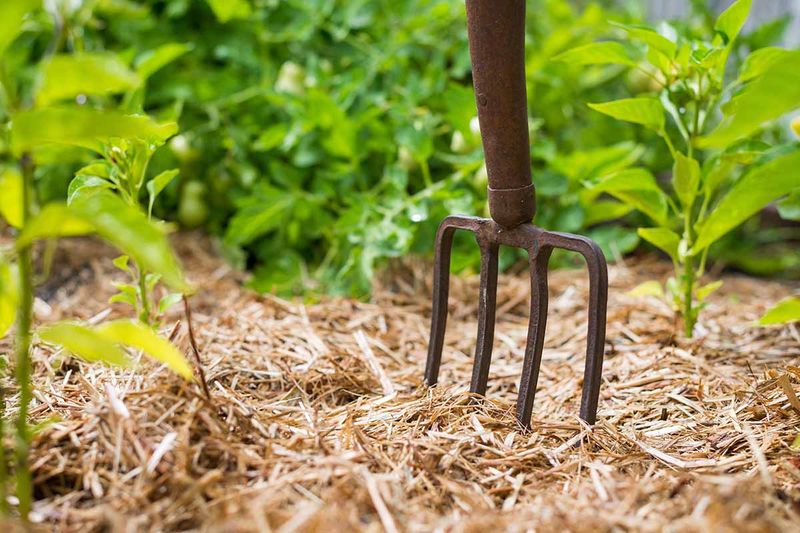
Compost and mulch make a dream team, like peanut butter and jelly. Each one is good alone, but together they really shine.
Compost feeds the soil, while mulch protects it. A layer of mulch on top keeps your fresh compost from drying out or washing away.
Straw, shredded leaves, and wood chips are all solid choices. Spread about two inches over the compost, leaving a little space around plant stems.
Mulch acts like a cozy blanket for the bed. It keeps soil temperatures steady and holds moisture during dry spells between storms.
Weeds also have a harder time breaking through. That means less pulling for you and more food left for your vegetables.
Here is a neat bonus. As mulch slowly breaks down, it turns into more organic matter, adding even more richness over time.
Fallen leaves are free and plentiful each autumn. Run a mower over them first so they break down faster and do not mat together.
In dry parts of California, mulch can cut water use noticeably. That is a big win when water bills climb or restrictions kick in.
Layer compost first, then mulch, and let nature take over. Come spring, you will pull back the blanket to find dark, lively, ready-to-plant soil.