Did You Know Indiana Plant Shoppers Can Find About A Dozen Types Of Monstera?
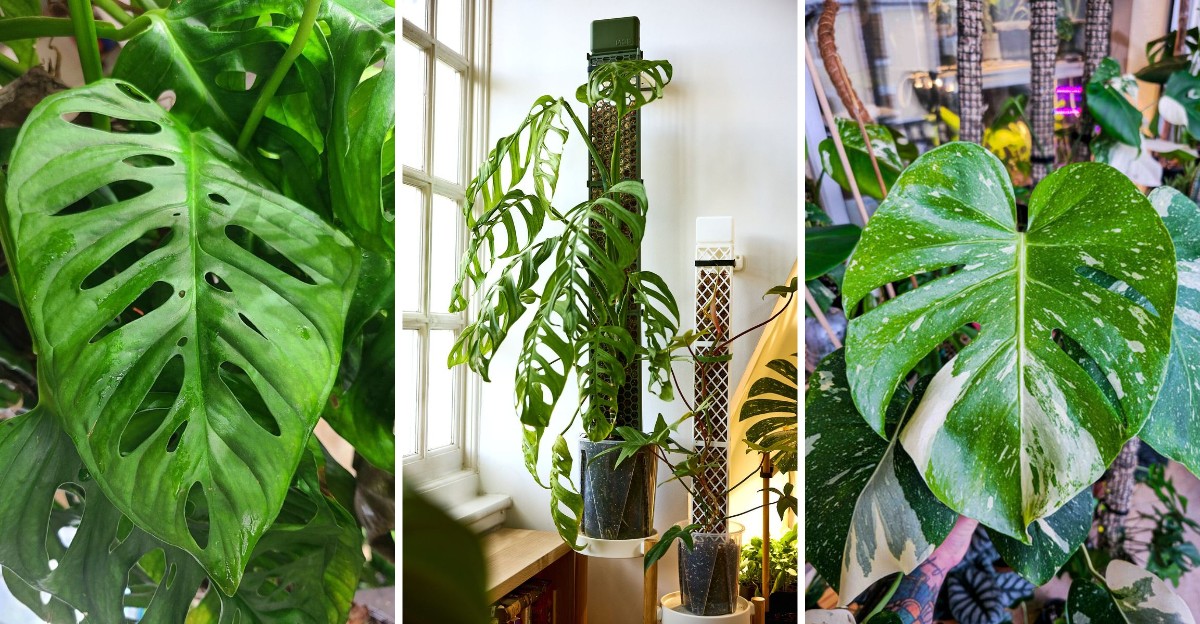
Walk into many Indiana garden shops this fall, and you might spot leaves with holes. They look like someone took a hole punch to a green umbrella, and somehow it looks fancy.
Shoppers often think there is just one version of this tropical charmer sitting by the register. In reality, the shelves can hold a whole family of cousins, each with its own quirky leaf style.
Some have split leaves as wide as a pizza, while others stay small enough for a desk. A few even wear creamy white splashes, like someone flicked paint across the glossy green surface.
As cooler October air settles over Indiana, indoor plants are a simple way to keep some green around. Knowing which version to bring home can save money, space, and a few missteps later on.
Plenty Of Distinct Types Already Sit On Indiana Plant Shelves
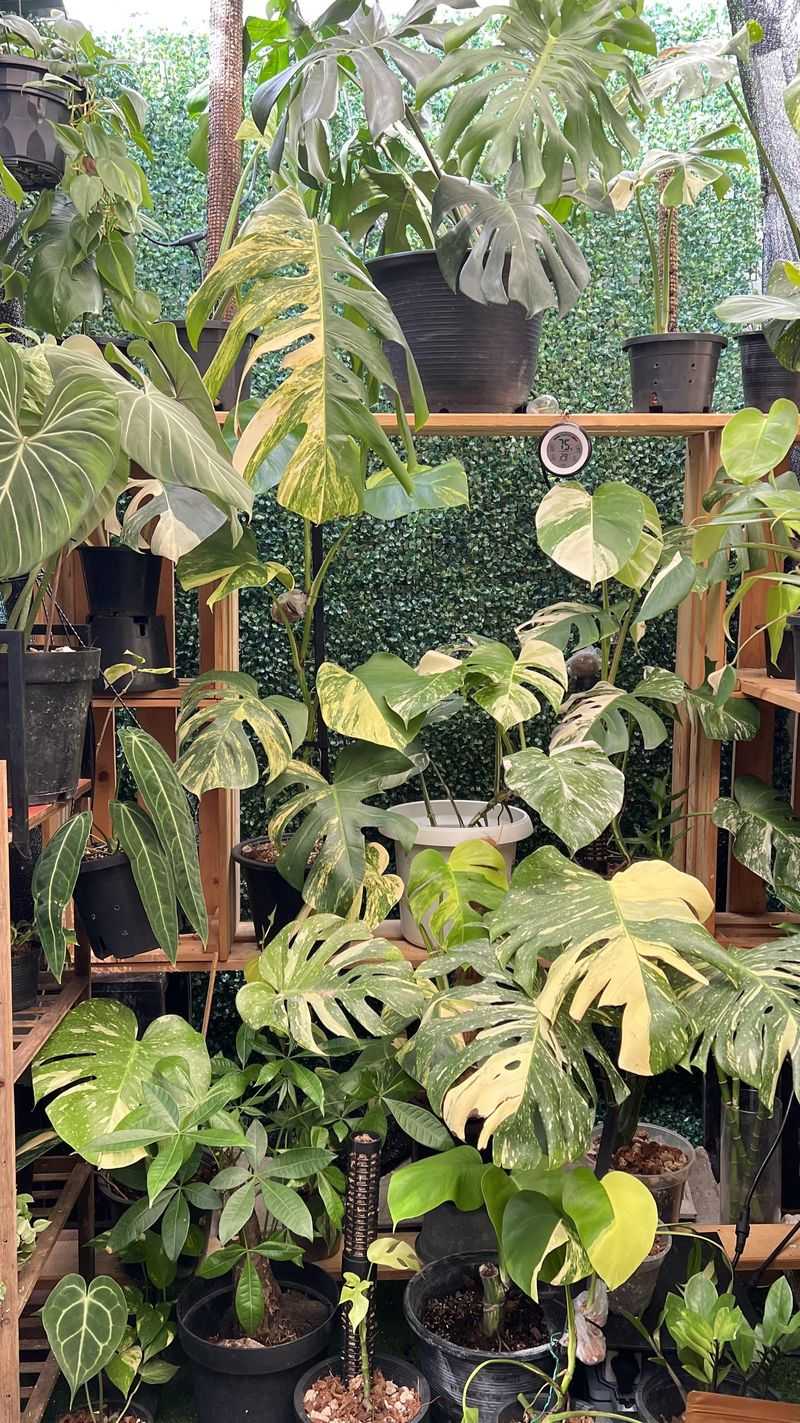
Picture a shopper in an Indiana greenhouse spotting several different monsteras before lunch even ends. Between local shops and online sellers, the range now runs from budget-friendly picks to rare collector plants.
The classic Monstera deliciosa leads the pack, with giant split leaves that can stretch past two feet. Right beside it, you will often find Monstera adansonii, nicknamed Swiss cheese vine for its many holes.
Monstera borsigiana looks like a smaller, faster growing cousin of deliciosa, and some growers consider it a compact form of the same species. Then there is Monstera standleyana, which has long narrow leaves, and some versions show cream speckles across the green.
Monstera dubia and Monstera siltepecana both start as shingling climbers that press their leaves flat against boards. Siltepecana shows off silvery young leaves, which look extra pretty under the soft light of an autumn window.
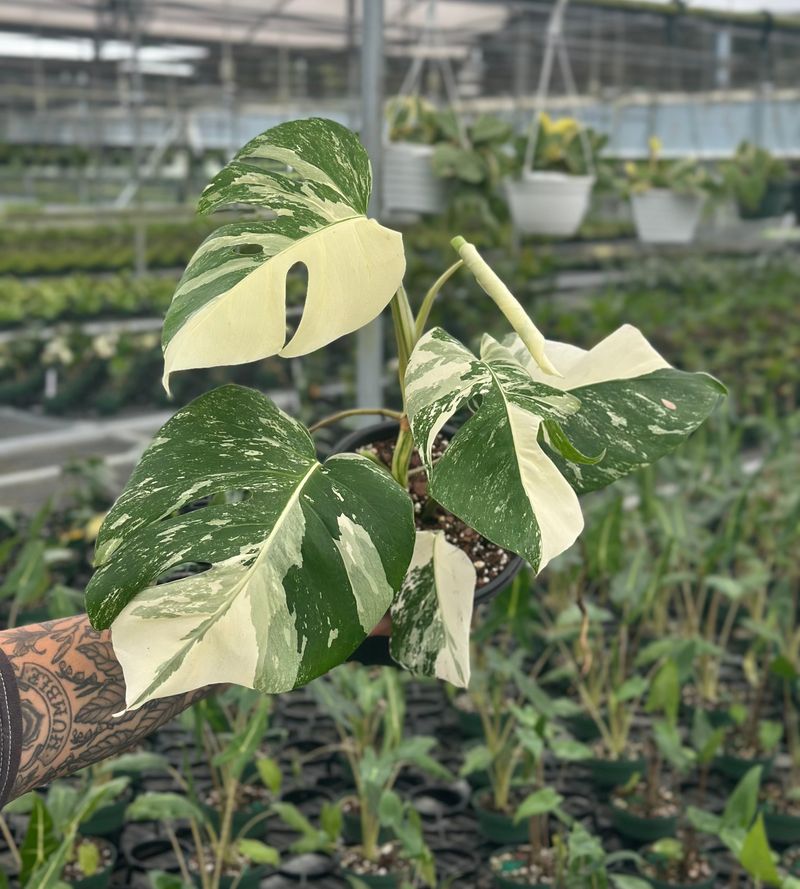
Variegated forms like Thai Constellation and Albo Borsigiana show up too, mostly at specialty shops and plant swaps. Add Peru, pinnatipartita, obliqua, and lechleriana, and the list reaches about a dozen choices.
Fun fact: the name deliciosa comes from the plant’s fruit, which reportedly tastes like pineapple mixed with banana. Indoor plants rarely produce fruit, so most people simply enjoy the big dramatic leaves instead.
Before buying, check the tag carefully, because some stores label several different types as just plain monstera. Snapping a quick photo and comparing leaves online can help you figure out exactly which type you found.
Local Nurseries Compared With Online Sellers For Rarer Types
Touching a leaf before you pay is the biggest perk of shopping locally. Indiana nurseries in cities like Indianapolis, Bloomington, and Carmel often keep healthy monsteras on display.
At a local shop, you can inspect roots, check for pests, and ask staff about the plant’s history. You also skip shipping stress, which matters more in October when nights turn chilly.
Still, local shelves mostly stick to popular types like deliciosa, adansonii, and the occasional borsigiana for casual shoppers. Rarer plants such as obliqua, dubia, or a variegated Thai Constellation usually require a bit more hunting.
Online sellers on Etsy, Facebook groups, and specialty plant websites fill that gap with impressive collections. You can find rooted cuttings, tissue culture babies, and mature plants that local stores rarely stock.
Your Indiana Garden Changes Every Week. Your Plan Should Too.
Gardening in Indiana changes quickly throughout the season. Every Friday you’ll receive a simple weekly plan showing exactly what to plant, prune, fertilize, harvest, and protect so you never miss the right timing.
Shipping in fall brings real risks, since a package sitting on a cold porch can damage tender leaves. Ask sellers to add a heat pack once temperatures dip below fifty degrees, and track deliveries closely.
Reviews matter a lot online, so look for sellers with clear photos of the exact plant you receive. Stock photos can hide yellow leaves, weak roots, or variegation that looks far less striking in person.
A smart middle path is joining Indiana plant swaps, where hobbyists trade cuttings and share growing tips. Some swaps happen indoors at libraries or cafes during fall, making them a fun weekend outing too.
Leaf Shapes That Set The Common Types Apart
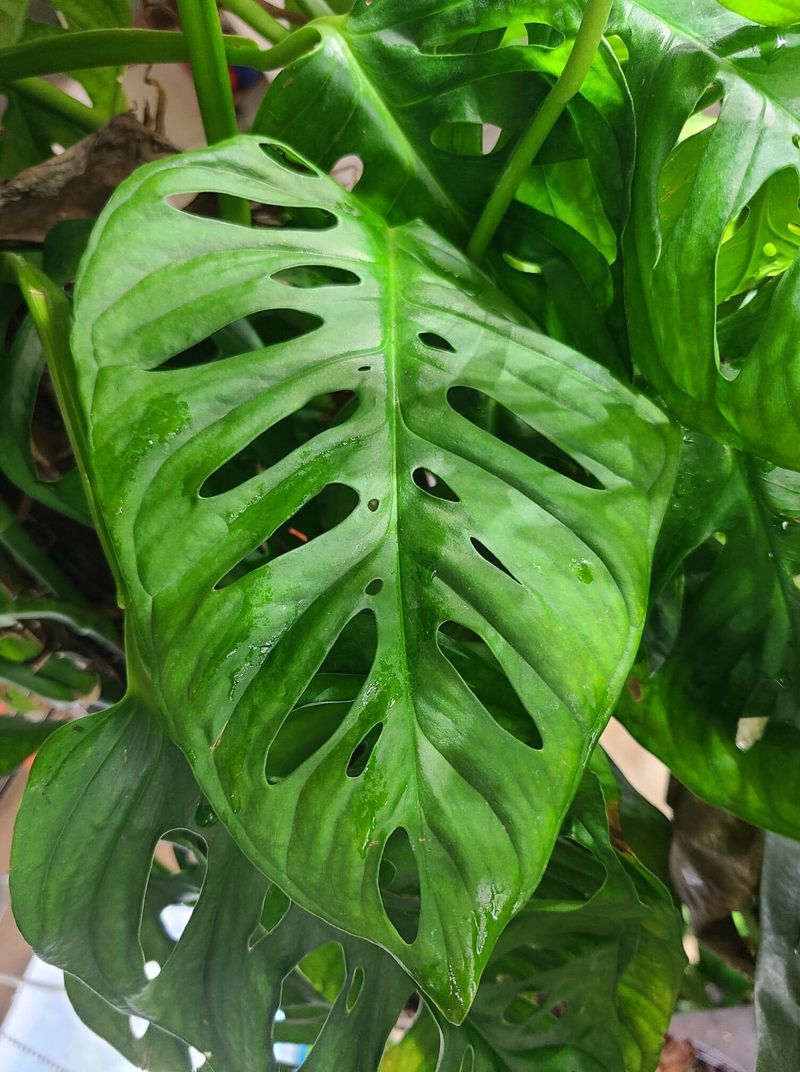
Think of monstera leaves like fingerprints, because each type carries its own pattern of holes, splits, and curves. Once you learn a few clues, telling them apart at the store feels like solving a fun puzzle.
Deliciosa leaves start as solid hearts, then develop deep splits and rows of holes as the plant matures. Look for a wavy ruffle where the leaf meets the stem, since that frilly edge often marks a true deliciosa.
Borsigiana looks similar but usually skips that ruffle, and its leaves tend to stay smaller with a smoother stem. It also grows faster, which makes it a favorite for people who want quick results on a budget.
Adansonii leaves are thinner and more oval, covered with round windows that rarely reach the leaf edge. Obliqua takes that idea to extremes, with paper thin leaves that can be more hole than green tissue.
Peru, also called karstenianum, has thick, puckered leaves without holes, almost like stiff green leather. Standleyana grows long, narrow, lance shaped leaves, and some versions sparkle with creamy white freckles across the surface.
Pinnatipartita is the shape shifter of the group, starting with solid leaves before splitting into feathery strips. Dubia and siltepecana show their dramatic adult leaves only after climbing high, so patience pays off.
Keep in mind that young plants often look alike, since many types skip holes until they mature. Ask the seller for the plant’s full name, and jot it down so future research stays easy.
Climbing Types Versus Compact Types For Small Rooms
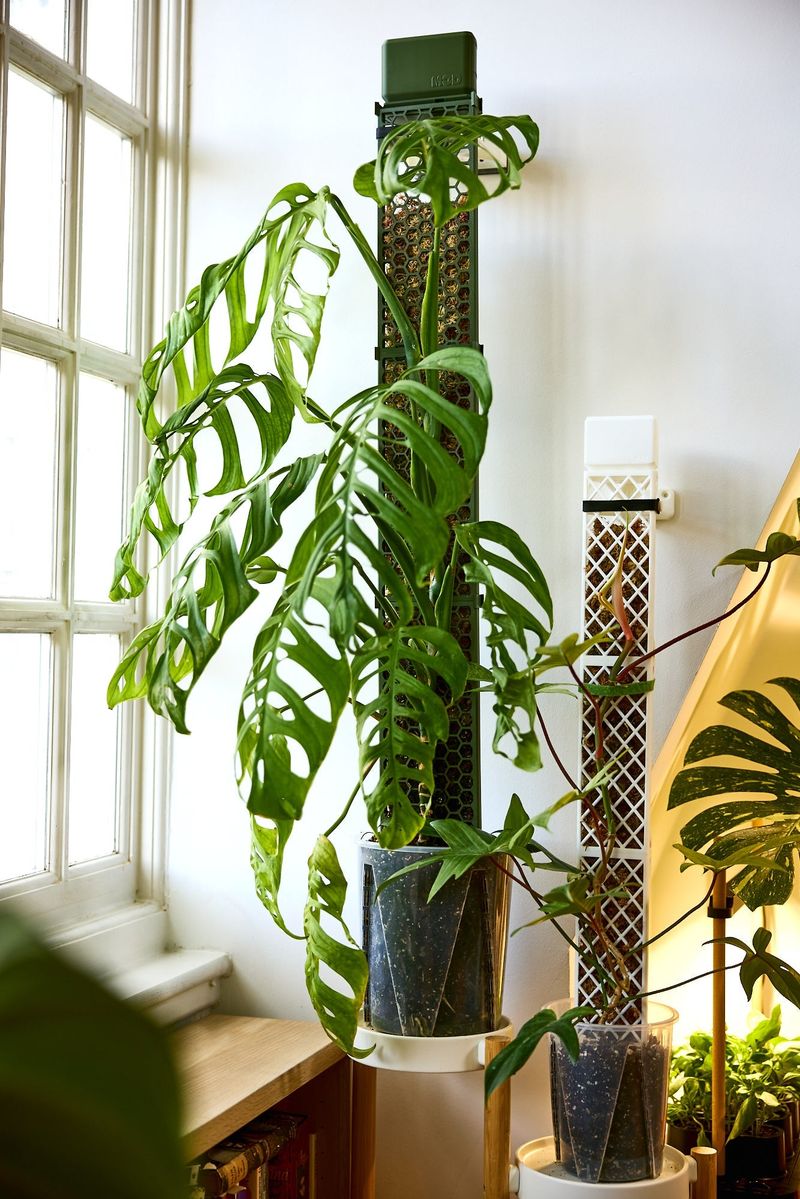
Ever bought a cute little plant, only to watch it take over a big part of your living room? That can happen with monsteras, so choosing the right growth style matters before you head home.
Deliciosa and borsigiana are big climbers that can reach eight feet or more indoors with a sturdy moss pole. They also spread sideways, so a mature plant can easily claim a four foot circle of floor space.
Smaller climbers like adansonii, dubia, and siltepecana stay slimmer, so they suit bookshelves, dorm rooms, and apartments. You can train them up a small trellis or let them trail gracefully from a hanging basket.
Peru is a true space saver, growing slowly with chunky leaves that stay tidy on a desk. Standleyana grows taller over time but keeps a narrow shape, making it handy for skinny corners near windows.
Indiana apartments often get less sunlight as fall moves along. Compact plants are easier to move closer to a bright window, which helps them cope with shorter October days.
Measure your space before shopping, including ceiling height and the distance to your brightest window in the room. A tape measure in your pocket can save you from carrying home a plant that simply cannot fit.
If you love the giant look but lack room, try pruning a deliciosa to keep it manageable. Those trimmed stems can root in water, giving you new plants to share with friends and neighbors.
Price Ranges From Budget Picks To Collector Cuttings
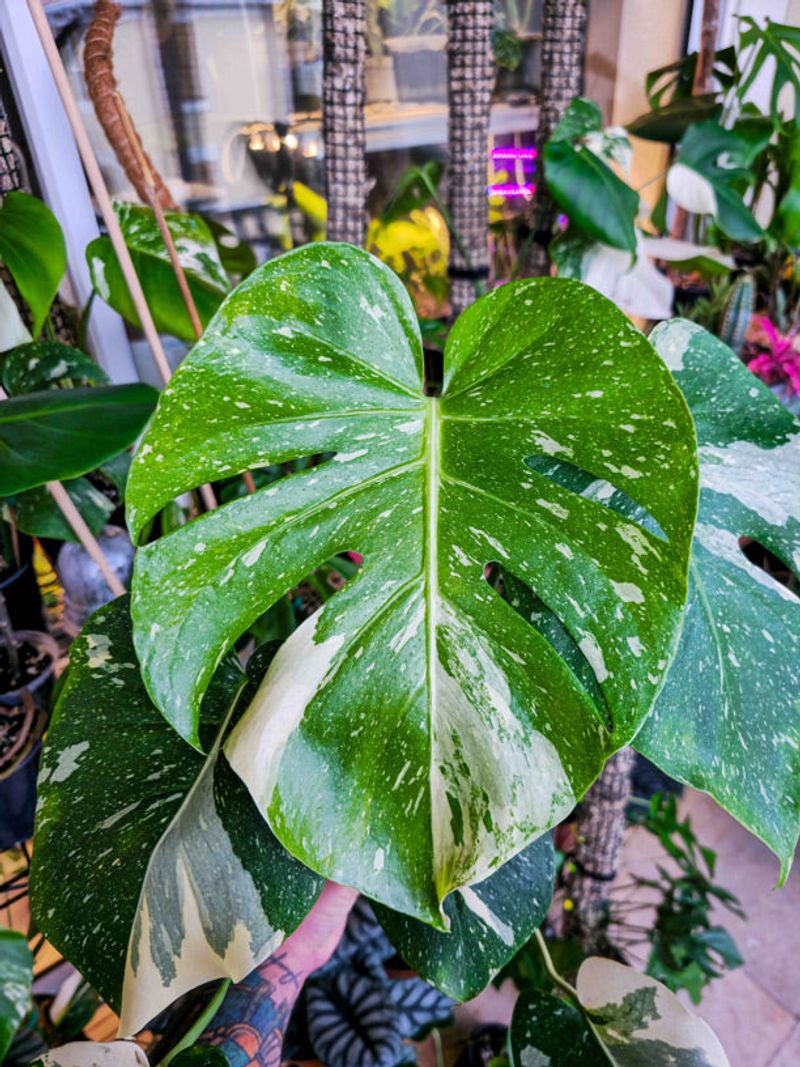
Ten dollars or several hundred dollars, both price tags can hang on plants that share the monstera name. That wide gap surprises many Indiana shoppers, so knowing the typical ranges helps you spend wisely this fall.
Budget picks include small deliciosa and adansonii plants, which often cost between ten and thirty dollars. Big box garden centers and grocery stores sometimes carry them, especially when fresh shipments arrive in early autumn.
Mid range options like borsigiana, standleyana, Peru, and dubia usually sit somewhere between twenty five and sixty dollars. Larger plants in nice pots can cost more, so compare sizes before deciding which offer feels fair.
Collector territory starts with variegated plants, where Thai Constellation often runs from about seventy to two hundred dollars. Albo cuttings with just one leaf can cost over a hundred dollars, depending on how much white appears.
Obliqua sits near the top too, since its slow growth and fragile leaves make it harder to produce. A healthy true obliqua can cost several hundred dollars, so buy only from trusted, well reviewed sellers.
Prices for variegated monsteras have dropped in recent years, thanks to tissue culture labs producing many more plants. Patient buyers can sometimes find fair deals by waiting for end of season sales at local nurseries. Prices vary by seller and season, so treat these as rough ranges.
One money saving trick is buying a single node cutting and rooting it yourself in moist sphagnum moss. Rooting takes a few weeks, but watching that first new leaf unfurl feels like a small celebration.
Care Needs Shared By Most Types Under An Indiana Roof
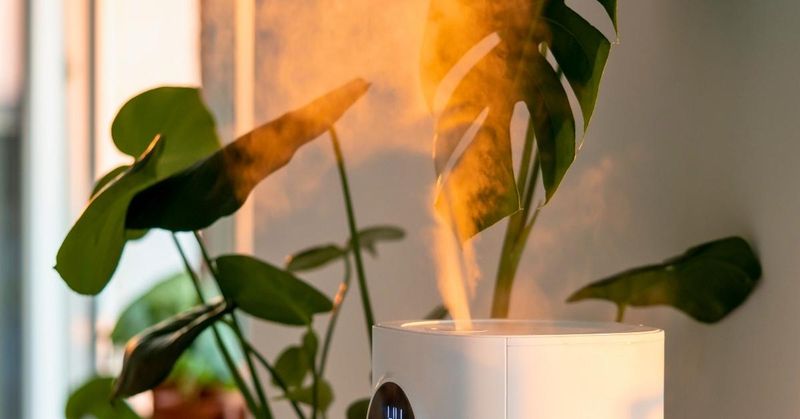
Many Indiana homes turn the heat on in October, and that cozy warmth quietly changes how your monstera drinks. Furnace air dries out soil and leaves faster, so a little extra attention goes a long way now.
Most monsteras love bright, indirect light, so an east window or a spot near a west window works well. As days shorten, move plants a little closer to the glass, but keep leaves from touching cold panes.
Water when the top inch or two of soil feels dry, which usually means every week or so. Growth slows in fall, so overwatering becomes a bigger risk, and soggy roots can cause trouble surprisingly fast.
Humidity can drop below thirty percent inside heated Indiana homes, which may cause crispy brown leaf edges. A small humidifier nearby helps thinner types like adansonii stay happy.
Chunky soil keeps roots breathing, so mix regular potting soil with orchid bark and perlite for drainage. Hold off on repotting until spring, since roots prefer to stay settled while growth naturally slows down.
Cut back on fertilizer now, feeding once a month at half strength or pausing until longer days return. Wipe dusty leaves with a damp cloth, since clean leaves soak up more of that weaker autumn light.
Keep plants away from heating vents and drafty doors, because sudden temperature swings can stress tender new growth. Check undersides of leaves for spider mites, which love dry indoor air and can spread quietly between plants.