Why Buckthorn Keeps Sneaking Into Michigan Fence Lines And What To Plant Instead
Buckthorn did not ask permission to move into Michigan fence lines, and it has absolutely no plans to leave on its own.
This invasive shrub has a genuine talent for showing up where nobody planted it, staying green long after everything else has gone bare, and producing so many berries that birds essentially work as its unpaid delivery service across the entire neighborhood.
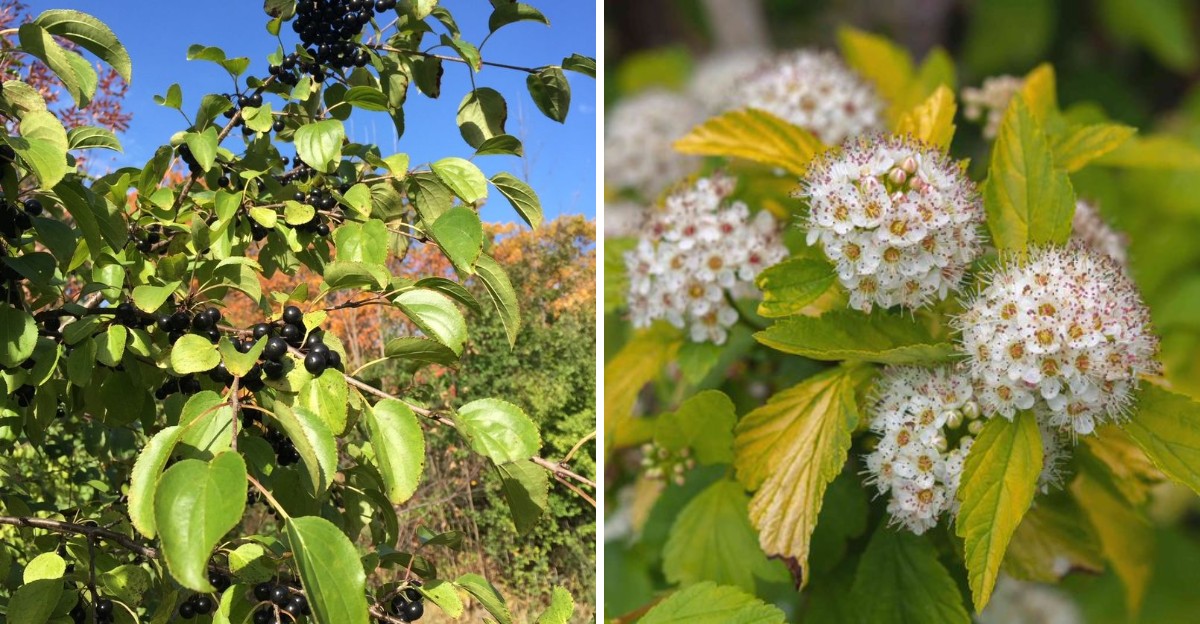
The dark purple berries stain fingers, the twig tips end in small thorns, and the inner bark reveals a distinctive orange layer that confirms identification once you know to look for it.
Getting rid of buckthorn takes some persistence, but the bigger opportunity is replacing it with native shrubs that actually give something back.
Better wildlife value, better fall color, and considerably better manners about staying where you put them.
1. Birds Plant It For Free Along Michigan Fences
Every fence post is a little bird hotel. Robins, starlings, and cedar waxwings love to rest there after a big berry snack.
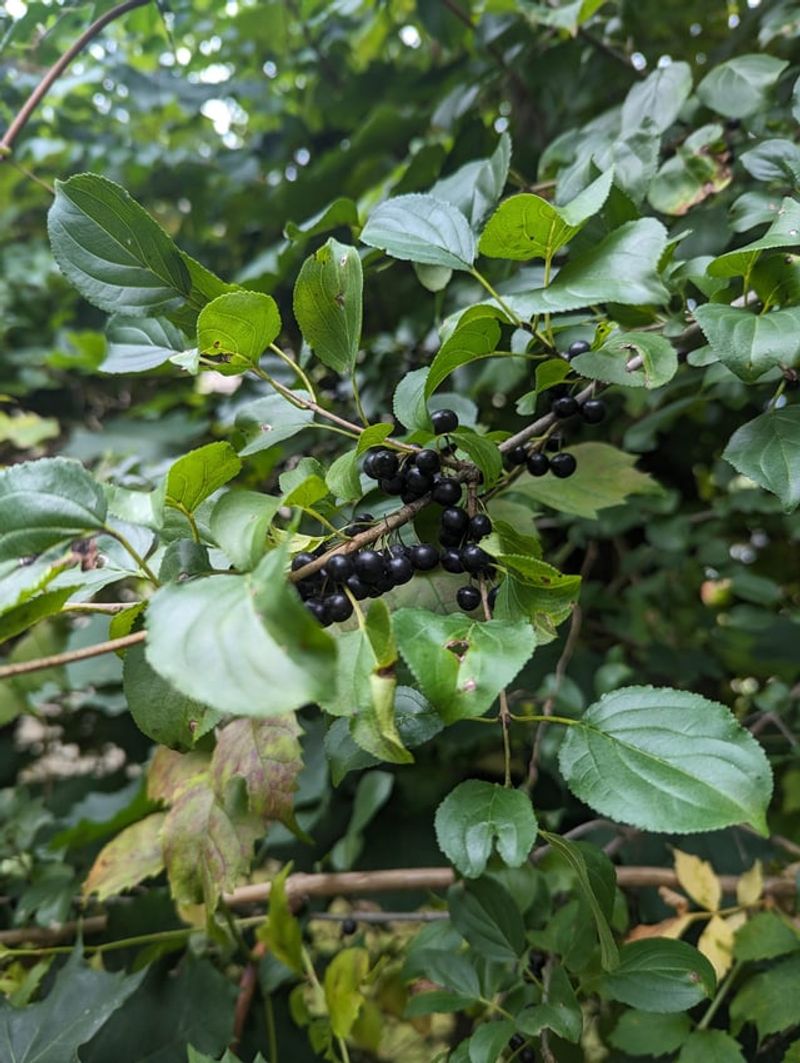
Buckthorn berries act like a strong laxative for birds. They eat the fruit, perch on your fence, and soon drop seeds right below with a bit of natural fertilizer.
Across Michigan, that pattern creates neat rows of buckthorn under wires and rails. Nobody planted them, yet they line up like soldiers.
Here is a fun fact to share at dinner. One buckthorn shrub can make thousands of berries each year, so the seed supply keeps flowing.
You can slow the cycle with a simple habit. Walk your fence line each spring and look for small seedlings with shiny, finely toothed leaves.
Young sprouts pull out easily when the soil is damp after rain. Grab them low near the base and wiggle gently so the root comes up whole.
Keep an eye out for nearby mother shrubs too. If a big berry producer sits within a few hundred feet, your fence will keep catching new seeds.
Talk with neighbors about their fence lines as well. Birds travel freely, so teamwork across property lines makes a much bigger difference than one yard working alone.
Small, steady checks each season beat one giant cleanup later. Your fence will thank you.
2. How To Spot Buckthorn In A Michigan Yard
Think of buckthorn as a shrub with a secret orange heart. Scratch the bark with your fingernail, and a bright orange layer shows up underneath.
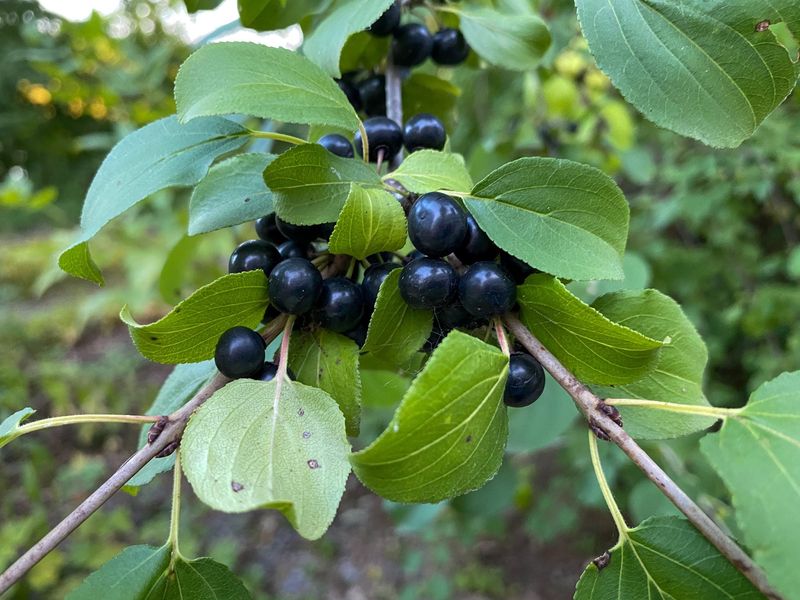
Two kinds cause trouble in Michigan. Common buckthorn has oval leaves with tiny teeth, while glossy buckthorn has smooth, shiny leaves with no teeth.
Look at the twig tips on common buckthorn. Many end in a small, sharp thorn, which is where the name comes from.
Leaves are another big clue. They stay green late into November when maples and oaks have long since dropped theirs.
Berries help too. They start green, then ripen to a deep purple-black, hanging in clusters close to the stem.
The bark on older trunks looks grayish with light, raised spots called lenticels. Compare it with cherry bark, which has similar spots but no orange inner layer.
Your Michigan Garden Changes Every Week. Your Plan Should Too.
Gardening in Michigan changes quickly throughout the season. Every Friday you’ll receive a simple weekly plan showing exactly what to plant, prune, fertilize, harvest, and protect so you never miss the right timing.
A good trick is to take photos with your phone. Apps like iNaturalist can help confirm what you found before you start pulling.
Once you know the look, you will start seeing it everywhere. Parks, ditches, alleys, and woodlot edges are common spots.
Mark each shrub with bright tape when you find it. That way, you can return in the right season with the right tools and a clear plan.
3. Why Buckthorn Wins The Shade Game In Michigan
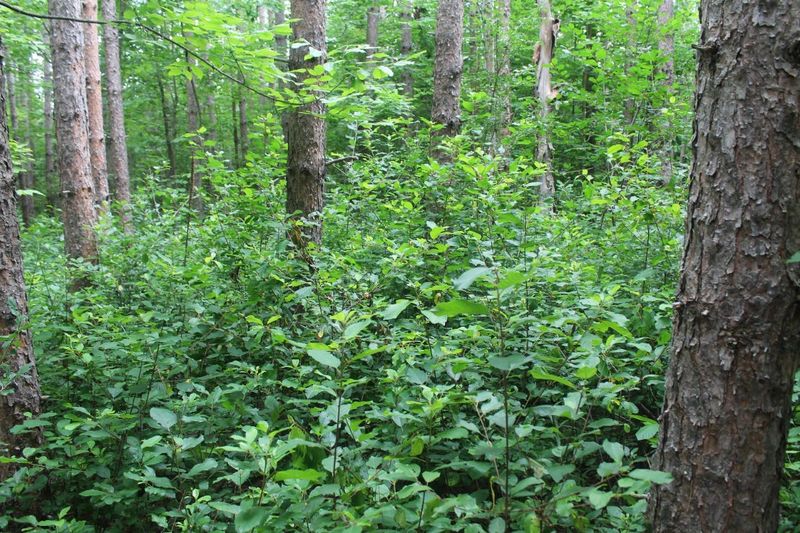
Buckthorn is the kid who shows up first and leaves last. It leafs out early in spring and holds on to green leaves well into late fall.
That long season gives it extra weeks of sunshine that native plants miss. More sunlight means more energy and faster growth.
Its thick leaves also cast heavy shade on the ground. Wildflowers like trilliums and spring beauties struggle when buckthorn blocks their light.
Scientists in Michigan and nearby states have noticed something else. Buckthorn leaves may change the soil, adding nitrogen that helps weeds and earthworms thrive.
Those extra worms gobble the leafy layer on the forest floor. Without that soft blanket, native seeds have a harder time sprouting.
Some research also suggests buckthorn roots and leaves release chemicals that can slow other plants. Experts call this allelopathy, which is a fancy word for plant bullying.
So what can you do? Start by opening up the canopy where buckthorn grows thick.
After removal, spread a layer of shredded leaves or mulch. It helps protect the soil while new plants settle in.
Plant native shrubs quickly so sunlight does not invite a fresh wave of buckthorn seedlings. Filling space is one of your best defenses against a comeback.
4. Smart Ways To Remove Buckthorn
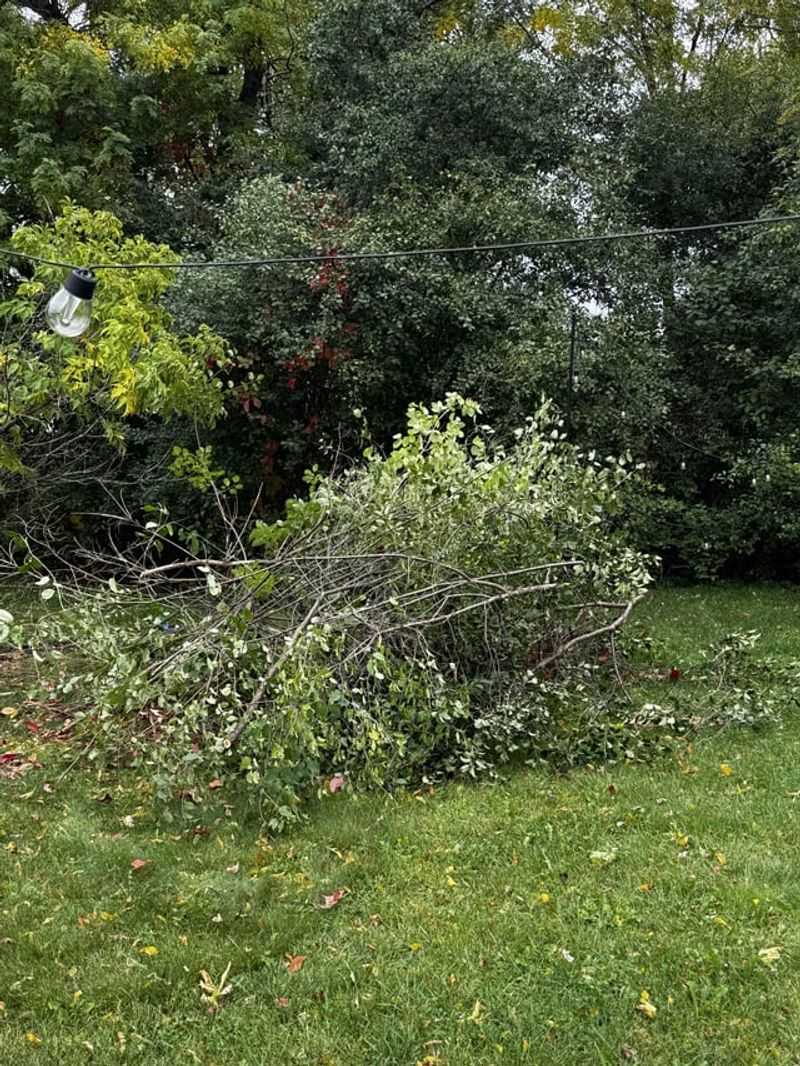
Ask any seasoned land steward and they will grin about their favorite tool. For many, it is a weed wrench, a lever that pops shrubs right out of the ground.
Small plants under an inch thick can usually be hand-pulled or wrenched. Moist soil after a good Michigan rain makes the job much easier.
Bigger shrubs need a different plan. Cutting alone often backfires because buckthorn sends up a crowd of new sprouts from the stump.
Many experts suggest treating a fresh cut stump with an approved herbicide right away. Follow the label carefully and wear gloves and eye protection.
Another option is bagging the stump. Cover it with a thick black plastic bag and zip tie it tight so new sprouts cannot reach light.
Fall is a great time to work. Buckthorn stays green when other plants are bare, so it stands out like a bright flag.
Wear long sleeves because those twig thorns can scratch. Sturdy boots help too, especially near rocky fence rows.
Do not leave berry-covered branches lying around. Bag them or burn them where local rules allow so seeds do not spread.
Patience matters here. Plan to return for a few seasons, catching any sneaky sprouts before they grow big again.
5. Gray Dogwood Makes A Tough Michigan Hedge
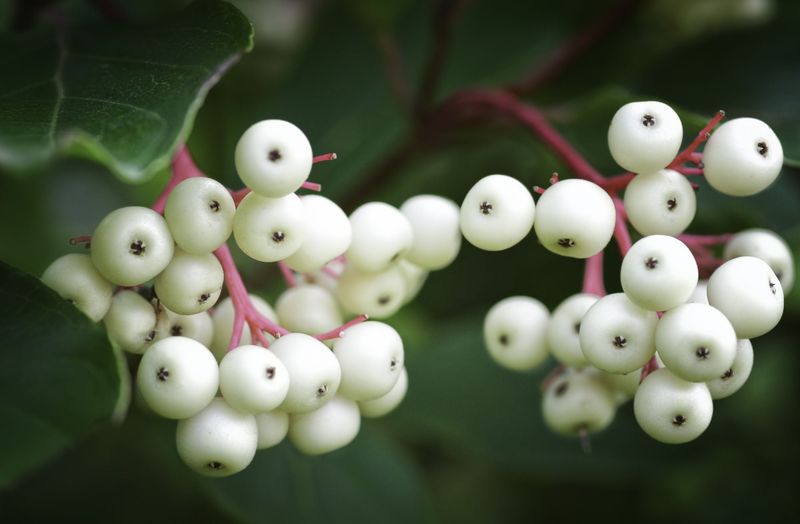
Gray dogwood is the scrappy underdog of native shrubs. It grows in poor soil, dry spots, and windy edges where fussier plants give up.
Native to Michigan, it forms dense thickets that work well along fences. Those thick stems make a natural screen, much like buckthorn did, but with real benefits.
In early summer, creamy white flower clusters cover the branches. Bees and butterflies visit often, so your fence line will buzz with life.
Later, the shrub makes white berries on bright red stalks. The contrast looks almost like candy, and birds such as bluebirds and catbirds love it.
Gray dogwood berries are packed with fat, giving migrating birds a big energy boost before long fall flights.
Plant it in spring or early fall in full sun to part shade. Space shrubs about 8 to 10 feet apart to give each one enough room at maturity.
Gray dogwood spreads by underground runners over time, so closer spacing works only if you plan to prune regularly.
Water young plants weekly during their first summer. After that, gray dogwood handles dry spells without much fuss.
Leaves turn a soft purple-red in autumn, adding color right where buckthorn once stayed dull green.
6. Serviceberry Brings Sweet Berries To Michigan Yards
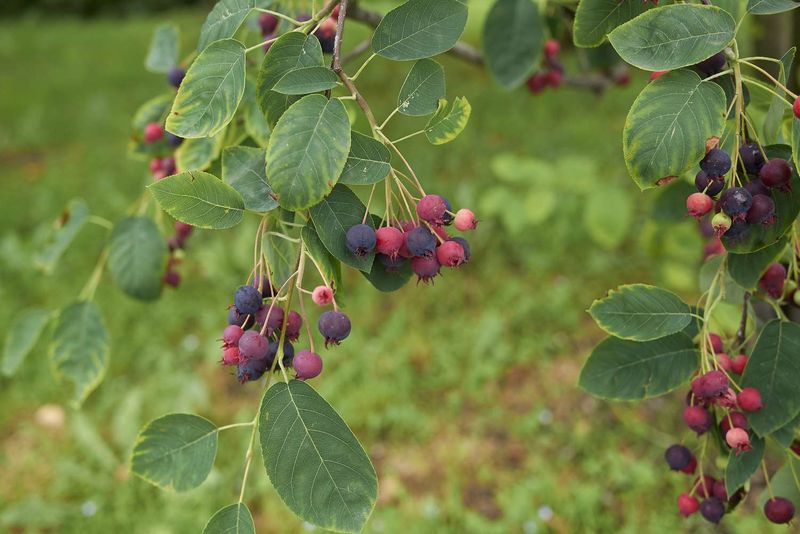
Old-timers called it Juneberry, and you will taste why. The small purple fruits ripen in early summer and taste like a mix of blueberry and almond.
Serviceberry grows wild across Michigan, from sunny fields to forest edges. It works well as a tall shrub or small tree near fences.
In early spring, it bursts into white blossoms before most trees wake up. Those flowers feed early bees when food is scarce.
Fun history bit. Some say the name comes from early settlers, who noticed it bloomed around the time roads thawed and traveling preachers held church services.
You and the birds can share the harvest. Robins, cedar waxwings, and orioles race to grab the berries, so pick quickly.
Plant serviceberry in sun to part shade with well-drained soil. It reaches about 15 to 25 feet tall, depending on the type.
Fall brings another treat. The leaves glow orange and red, giving your fence line a warm finish to the season.
Smooth gray bark adds winter charm too. It looks clean and elegant even when snow covers the ground.
Try making jam, muffins, or pancakes with the fruit. Kids often find it fun to snack straight from the branch.
7. American Hazelnut Shines On Michigan Property Lines
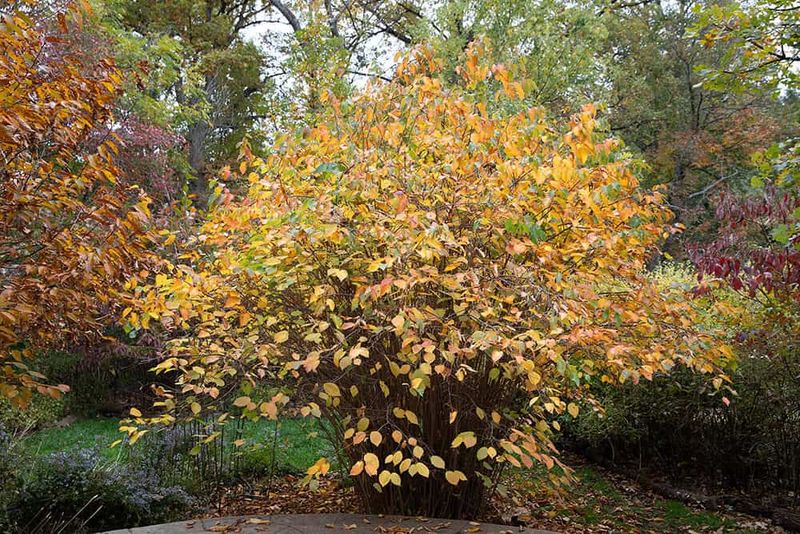
Squirrels will throw you a parade if you plant this one. American hazelnut produces small, tasty nuts wrapped in frilly green husks.
It is native to Michigan and grows about eight to twelve feet tall. That size makes it a good fit for screening a fence without towering over it.
The shrub handles sun or partial shade. It also tolerates a range of soils, from sandy to loamy.
Early spring brings dangling yellow catkins that look like tiny caterpillars. They release pollen long before most plants flower, a quirky sight on chilly March days.
If you want nuts for yourself, plant at least two shrubs. Hazelnuts need a partner nearby to pollinate well.
Harvest timing matters. Pick the husks in late summer when they start turning brown, then let them dry indoors.
Wildlife benefits are big. Deer, turkeys, blue jays, and chipmunks all visit for snacks, and birds use the thick branches for cover.
Its leaves turn yellow, orange, and sometimes red in fall. The colors pair nicely with dogwoods and serviceberries nearby.
Give each shrub about six feet of space. Light pruning every few years keeps it full and bushy along your fence.
8. Ninebark Adds Color To Michigan Fence Rows
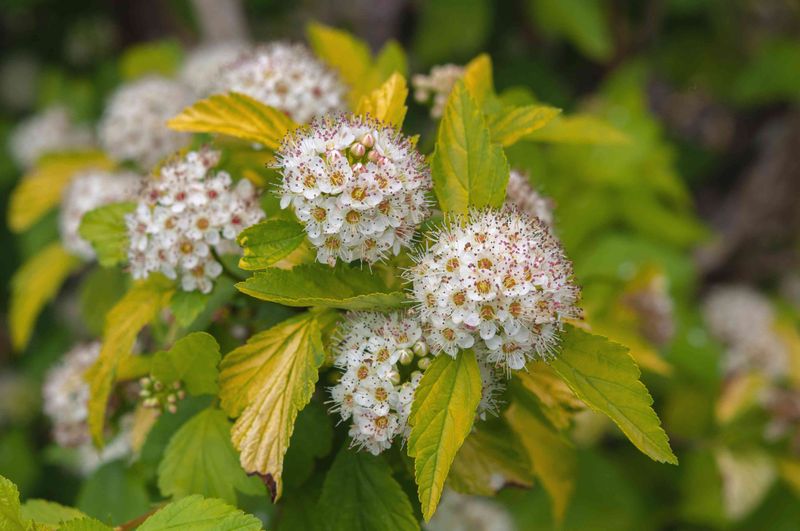
Peel back the story of ninebark, and you will find its name is a bit of a fib. The bark peels in thin layers, but nobody has actually counted nine.
Common ninebark grows naturally along Michigan stream banks and rocky slopes. It is hardy, quick to settle in, and handles cold winters well.
In late spring, round clusters of white or pinkish flowers cover the branches. Pollinators like native bees flock to them.
After flowering, reddish seed pods appear. They add texture and color through late summer.
Winter is when the bark really shows off. Strips of tan and cinnamon brown curl away, giving the shrub a shaggy look.
Gardeners love that many varieties come in different leaf colors. Some have deep purple leaves, while others glow gold or lime green.
For the most wildlife value, choose the straight native species or varieties with green leaves. Insects often prefer them.
Plant ninebark in full sun for the best blooms. It grows about five to eight feet tall and wide.
Prune right after flowering if you want to shape it. Cutting a few old stems at the base every couple of years keeps it fresh and lively.
9. Keeping Buckthorn Out Of Michigan For Good
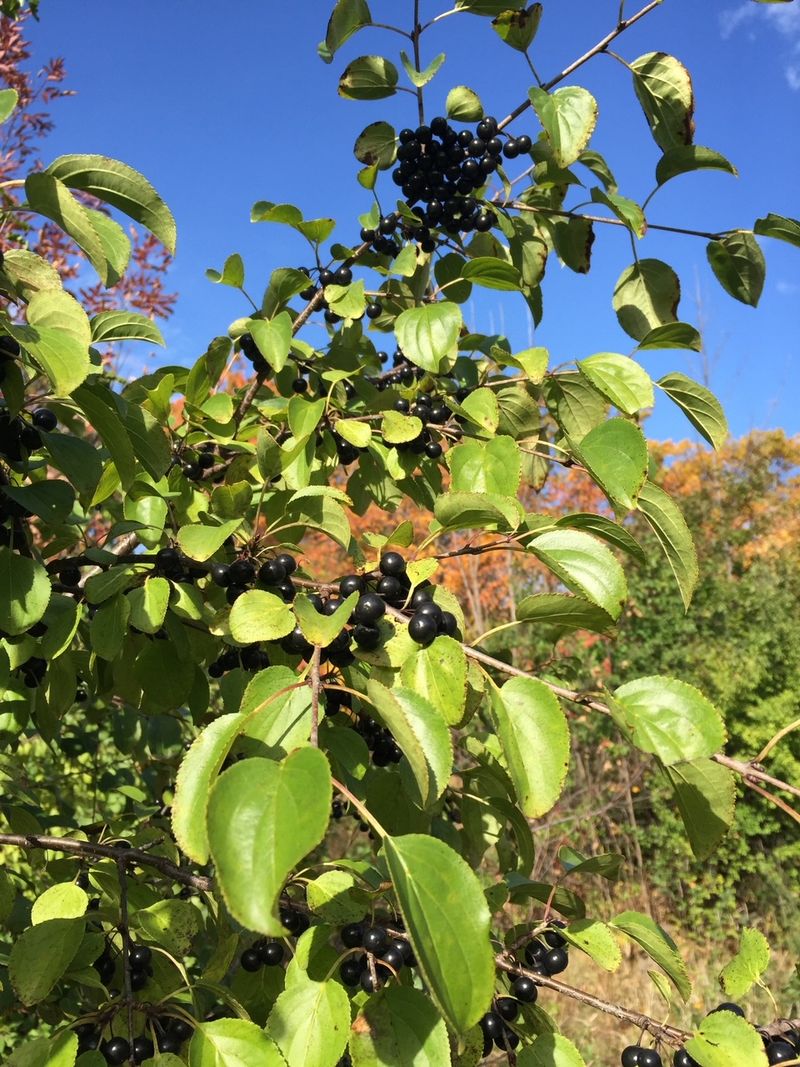
Winning the battle feels great, but keeping the win takes a little routine. A few simple habits make a huge difference over time.
Walk your fence line twice a year, once in spring and once in fall. Pull any buckthorn seedlings while they are small and easy.
Fill empty space fast. Bare soil is an open invitation, so tuck in native shrubs, grasses, or wildflowers wherever gaps appear.
Mulch helps hold moisture and block weed seeds. Spread two to three inches around new plantings, keeping it away from stems.
Join a local group if you can. Many communities hold volunteer workdays to clear invasive plants from parks and trails.
Groups like the Michigan Invasive Species Program and local Cooperative Invasive Species Management Areas share free tips. They can also help with identification.
Buy plants from nurseries that sell native species. Ask staff about natives that suit your soil, light, and space.
Spread the word with friends and neighbors. When one yard gets cleaned up, nearby yards often follow.
Keep a simple notebook or phone log of what you remove and plant. Watching progress over the years is surprisingly rewarding.
Soon your fence line will hum with bees, birds, and berries instead of stubborn green thickets.