This Native Michigan Shrub Feeds Fall Birds Without Running Wild
Michigan fall usually fades into browns, grays, and bare branches. Then one native shrub lights up the wet edges like it missed the memo.
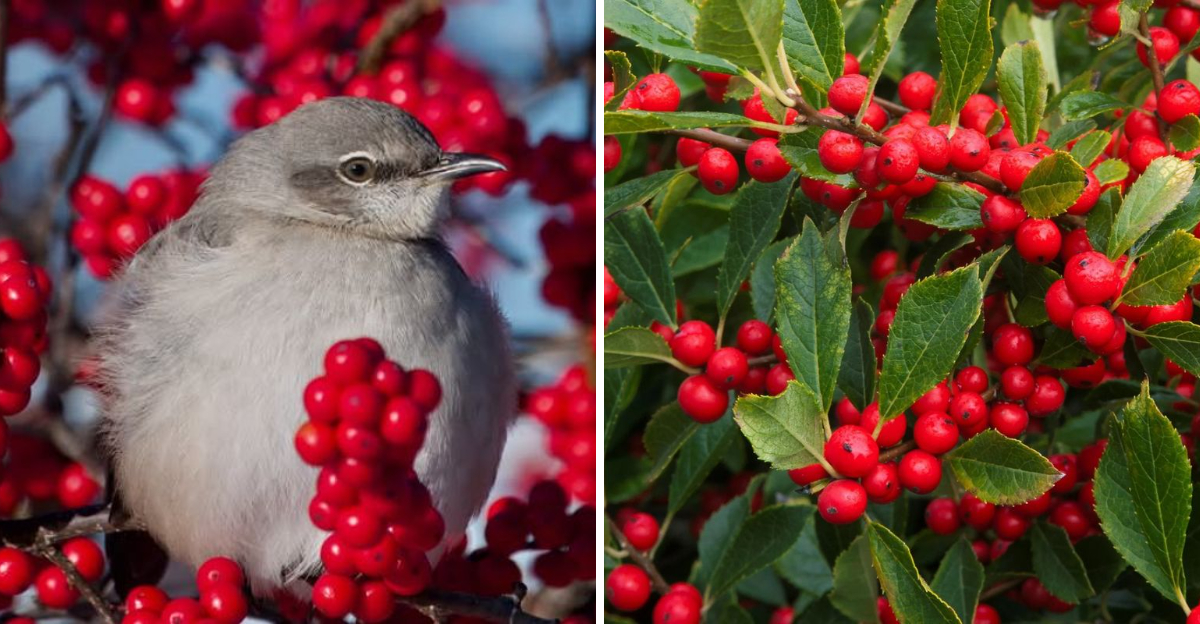
Along ditches, pond banks, rain gardens, and soggy backyard corners, bright red berries cling to winterberry holly long after the leaves have dropped. Birds notice first. Then you do.
That is the magic of this plant.
It does not need a perfect garden bed or constant fuss. It likes the damp places many homeowners struggle to use, and it brings color right when the landscape starts looking tired.
Even better, it feeds birds through the cold months without behaving like one of those shrubs that spreads where nobody invited it.
So why are more Michigan homeowners making room for winterberry in fall garden plans? Start with beauty, bird value, wet-soil tolerance, and good manners.
This native shrub turns a difficult low spot into one of the most useful corners of the yard, and it does it with berries bold enough to brighten the whole season.
Meet The Winterberry
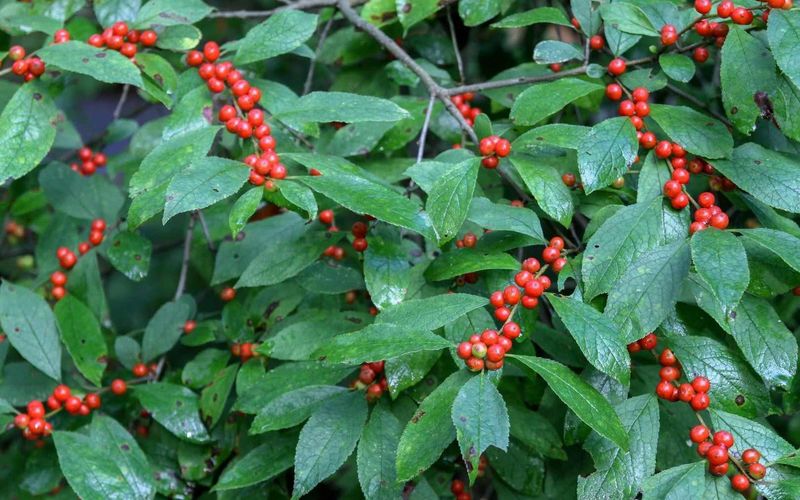
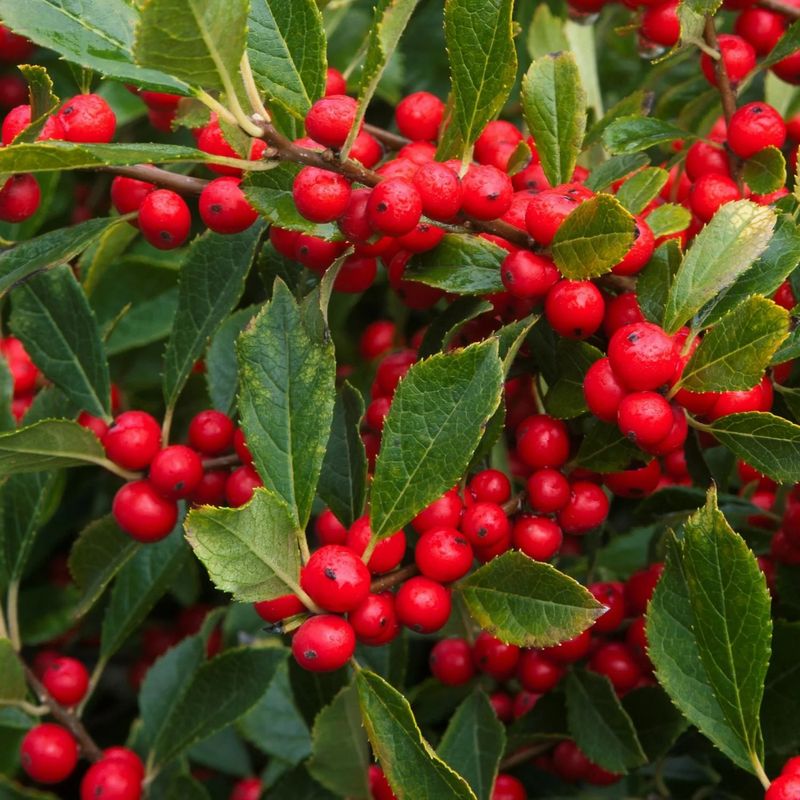
A shrub covered in hundreds of tiny red berries clinging to bare branches after every leaf has dropped is one of the most striking sights in the Michigan autumn landscape.
That is winterberry, known by its scientific name Ilex verticillata, and it is one of Michigan’s most beloved native plants.
It belongs to the holly family, but unlike the classic Christmas holly, winterberry is fully deciduous.
It drops its leaves each fall, which is exactly what makes those berries so eye-catching against the bare gray branches.
Winterberry is native across Michigan, growing naturally in wet woods, swamp edges, and stream banks throughout the Lower and Upper Peninsulas.
Because it evolved here, it is already adapted to Michigan’s cold winters, heavy clay soils, and unpredictable spring frosts. You do not need to baby it once it is established.
Nurseries and garden centers across Michigan stock winterberry in both straight native species and named cultivars.
The straight species can grow eight to twelve feet tall over time, so reading the plant tag carefully before buying matters. Cultivars offer more predictable sizes for typical home landscapes.
Homeowners who want a plant with genuine wildlife value and a strong native pedigree often find winterberry at the top of Michigan State University Extension’s recommended shrub lists.
It earns that spot every single year. Once you see a shrub loaded with red fruit glowing in November light, you will understand why gardeners get so excited about this one.
Red Berries Carry Fall Color
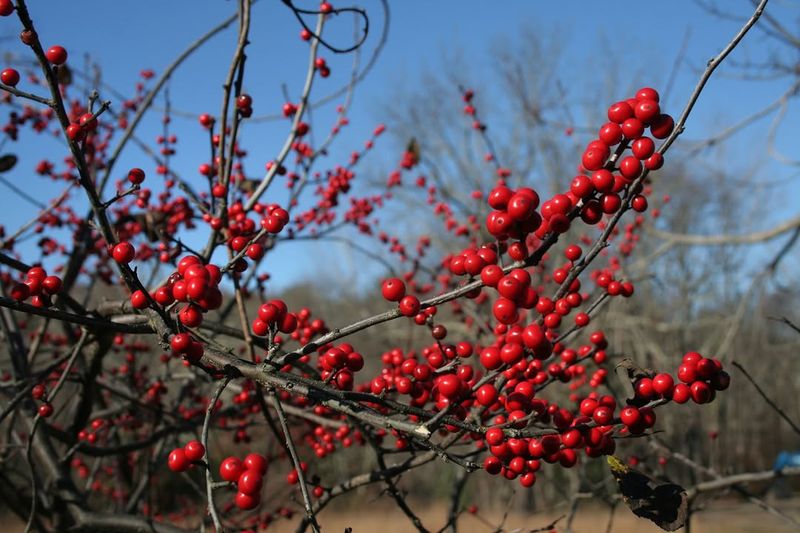
A bright red berry cluster on a bare gray branch is one of fall’s most satisfying sights.
Winterberry delivers that sight in abundance, and the timing could not be better.
Berries begin ripening in September and reach their peak color right around the time the last leaves fall, usually in October and November across most of Michigan.
The contrast between crimson fruit and silver-gray bark is genuinely striking.
Most flowering shrubs finish their show by midsummer. Winterberry picks up exactly where they leave off, carrying strong visual interest deep into the season when most other plants have gone quiet.
Your Michigan Garden Changes Every Week. Your Plan Should Too.
Gardening in Michigan changes quickly throughout the season. Every Friday you’ll receive a simple weekly plan showing exactly what to plant, prune, fertilize, harvest, and protect so you never miss the right timing.
For gardeners who want a yard that looks alive and interesting through November, this shrub is hard to beat.
The berries themselves are small, round, and packed tightly along the stems in dense clusters.
A mature female plant in full berry can hold thousands of fruits at once. From a distance, the effect looks almost like someone decorated the shrub with tiny Christmas ornaments.
Landscape designers in Michigan often use winterberry as an anchor plant in fall and winter beds.
Paired with ornamental grasses or native sedges, the red berries create a color combination that holds its appeal for weeks.
You do not need a large space to enjoy this seasonal display. Even a single well-placed shrub makes a neighborhood stop and look twice.
Birds Find Late Season Fuel
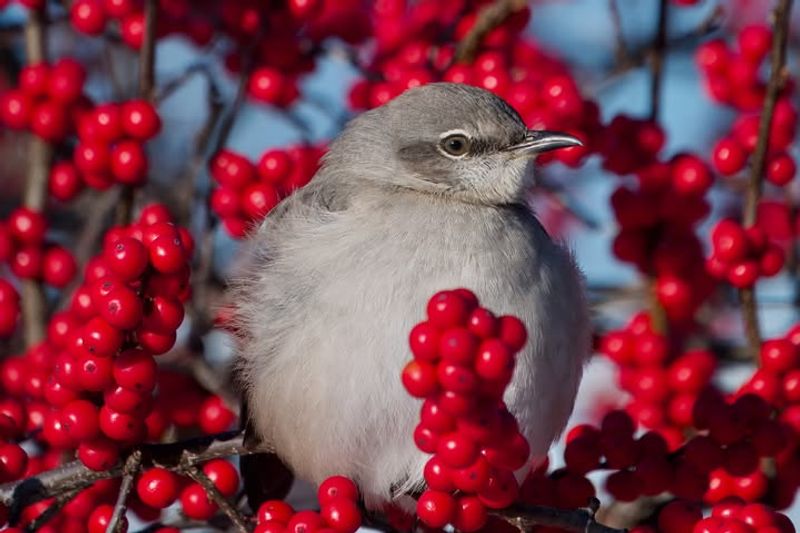
A cedar waxwing lands on a winterberry branch just after the first hard frost, strips a cluster of red berries in seconds, and is gone.
That quick transaction is exactly what makes winterberry so important to Michigan birds during the most difficult stretch of the year.
Late fall and early winter are lean times for wildlife, and high-fat native berries can make a real difference for birds building up fuel reserves.
American robins, eastern bluebirds, hermit thrushes, yellow-rumped warblers, and northern flickers are among the species most commonly seen working winterberry shrubs in Michigan yards.
Cedar waxwings, which travel in flocks, sometimes strip a shrub almost bare in a single afternoon visit.
Watching that happen from a kitchen window is one of the best wildlife moments a Michigan gardener can have.
Winterberry berries are mildly toxic to humans and most mammals, but birds process them without any trouble.
Cold temperatures break down compounds in the berries over time, making them more digestible and more appealing to birds as winter deepens.
This is why you might notice heavier bird traffic on your winterberry shrub in January than in October.
Planting winterberry near a brush pile, a water feature, or other native shrubs increases the chances that birds will find it and return.
Birds feel safer moving between dense plantings than crossing open lawn to reach a single isolated shrub. A little habitat layering goes a long way toward turning your yard into a reliable bird stop.
Moist Soil Keeps It Happier
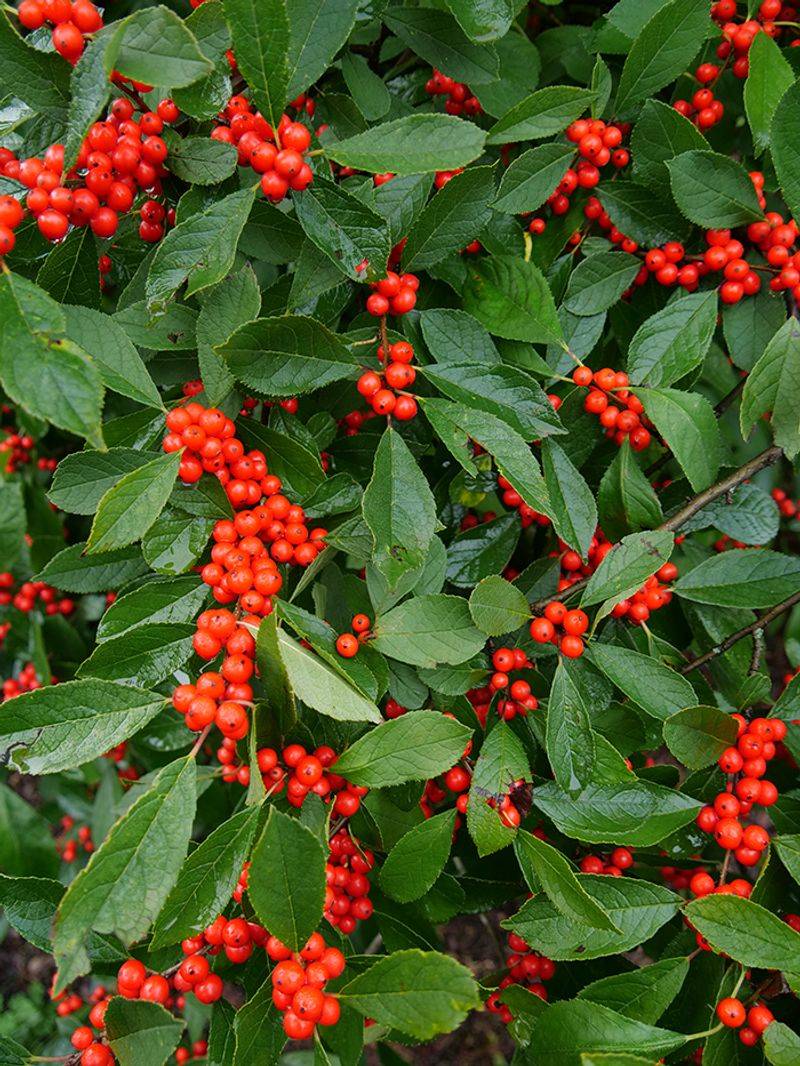
That soggy low spot in the backyard that drowns every plant you try to grow there? Winterberry would love it.
This shrub evolved in Michigan’s wet woods and swamp margins, which means it genuinely thrives in conditions that frustrate most homeowners.
Moist to wet, acidic soil is where winterberry performs at its absolute best.
Soil pH matters quite a bit with this plant.
Winterberry prefers a pH between 4.5 and 6.0, which is on the acidic side. Michigan’s naturally acidic soils in many parts of the state are already a good match.
If your soil tests closer to neutral, adding sulfur or using an acidifying mulch like pine bark can help bring the pH into the right range before planting.
Rain gardens are one of the best spots for winterberry in a home landscape.
A rain garden is a shallow depression designed to collect runoff from roofs and driveways. It fills with water after a storm and drains within a day or two.
Winterberry handles those wet-dry cycles easily and looks gorgeous doing it.
Michigan State University Extension frequently recommends winterberry as a top-tier rain garden plant for exactly this reason.
Full sun to part shade works well, though shrubs in full sun tend to produce more berries.
Avoid planting in areas with standing water that never drains, since even winterberry prefers moving or draining moisture rather than stagnant conditions year-round.
Female Plants Need A Male
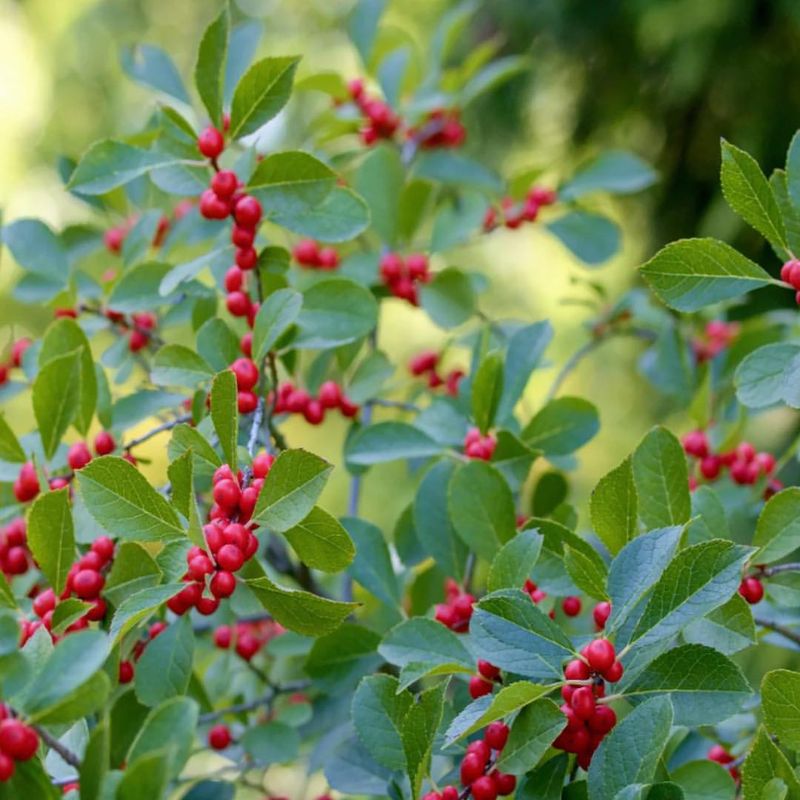
Here is the part of winterberry shopping that surprises many first-time buyers: you need more than one plant to get berries.
Winterberry is dioecious, which means individual plants are either male or female, not both.
Only female plants produce berries, but they need a compatible male plant nearby to pollinate the flowers first. No male means no berries, plain and simple.
The good news is that one male plant can pollinate several females, typically up to five or six within about fifty feet.
Most gardeners plant one male for every three to five females, tucking the male somewhere nearby where it earns its keep without taking up prime display space.
Matching the right male to the right female matters because bloom time has to line up.
Early-flowering females need early-flowering males. Late-flowering females need late-flowering males. Plant tags and nursery staff can help you match compatible pairs.
Common male cultivars include Jim Dandy, which pairs well with early females like Red Sprite, and Southern Gentleman, which works with later-blooming females like Winter Red.
Shopping at a reputable native plant nursery or a garden center with knowledgeable staff makes the selection process much easier.
Some nurseries in Michigan sell pre-matched sets, which takes the guesswork out of the process entirely.
Once you have a compatible pair in the ground and established, berry production tends to be reliable and rewarding every fall season.
It is worth getting the pairing right from the start.
Compact Choices Fit Smaller Yards
A homeowner standing in a garden center, plant tag in hand, does a double-take when they read that the straight species of winterberry can reach ten to twelve feet tall.
That is a lot of shrub for a typical suburban yard.
The great news is that plant breeders have developed compact cultivars that bring all the beauty and bird value of winterberry into a much more manageable package.
Red Sprite is one of the most popular dwarf winterberry cultivars available in Michigan.
It stays around three to four feet tall and wide at maturity, making it perfect for small beds, front yards, and foundation plantings near the house.
Despite its smaller size, Red Sprite produces an impressive crop of large, bright red berries that birds find just as appealing as those on larger shrubs.
Berry Heavy is another compact option worth looking for at Michigan nurseries.
It lives up to its name with a heavy berry load on a plant that stays in the four to five foot range.
Afterglow is a slightly larger cultivar with orange-red berries that offer a slightly different color note in the fall landscape.
Choosing the right size from the beginning saves years of frustration.
A shrub planted too close to a walkway or foundation will need constant pruning, which removes berry-producing branches and reduces wildlife value.
Measuring your space before you shop and matching the cultivar’s mature size to that space is the single best decision you can make.
Compact choices let the shrub shine without crowding everything around it.