The Arizona Plants That Actually Keep Roaches Away From Your House Walls
Few things ruin a warm Arizona evening faster than a roach scurrying up your stucco wall. Our heat, monsoon moisture, and cozy irrigation lines make the edges of desert homes a favorite hangout for these pests.
The good news is that some tough, sun-loving plants give off strong scents that roaches tend to avoid. Plant the right ones along your foundation and your yard can start working as a natural shield instead of a welcome mat.
1. Rosemary
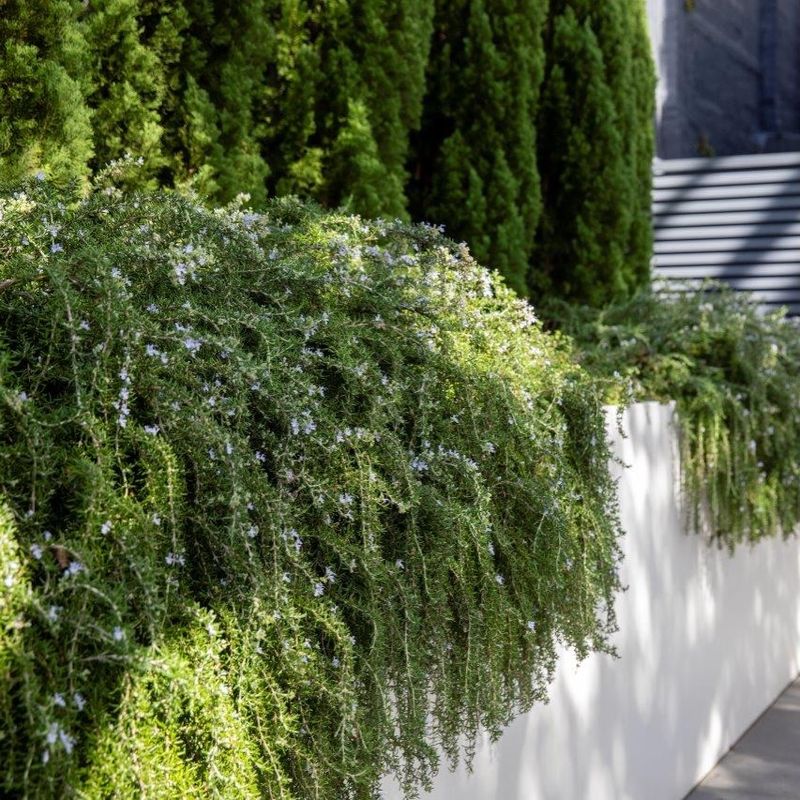
Walk past a rosemary hedge on a 105-degree afternoon and you will smell it before you see it. That piney, woody aroma comes from natural oils that roaches tend to avoid.
Few shrubs work harder when tucked near a stucco wall.
Unlike many herbs, rosemary genuinely enjoys Phoenix and Tucson. It handles full sun, shrugs off reflected heat, and grows happily in lean, rocky soil as long as water drains quickly.
Once established, a deep soak every week or two in summer is usually plenty, with even less in winter.
For foundation duty, try a trailing type like Prostrate rosemary, keeping it about 18 inches from the house so air can move freely. Dense growth pressed right against stucco can trap moisture and leaf litter, which roaches find very appealing.
A little breathing room keeps the plant healthy and the wall less inviting.
Bees flock to the tiny blue flowers in late winter, when little else is blooming. Plant in October or November so roots settle in before the heat returns.
Brush the leaves as you walk by and you release even more scent, so a spot beside a path or side gate pulls double duty as pest deterrent and free aromatherapy.
2. Lavender
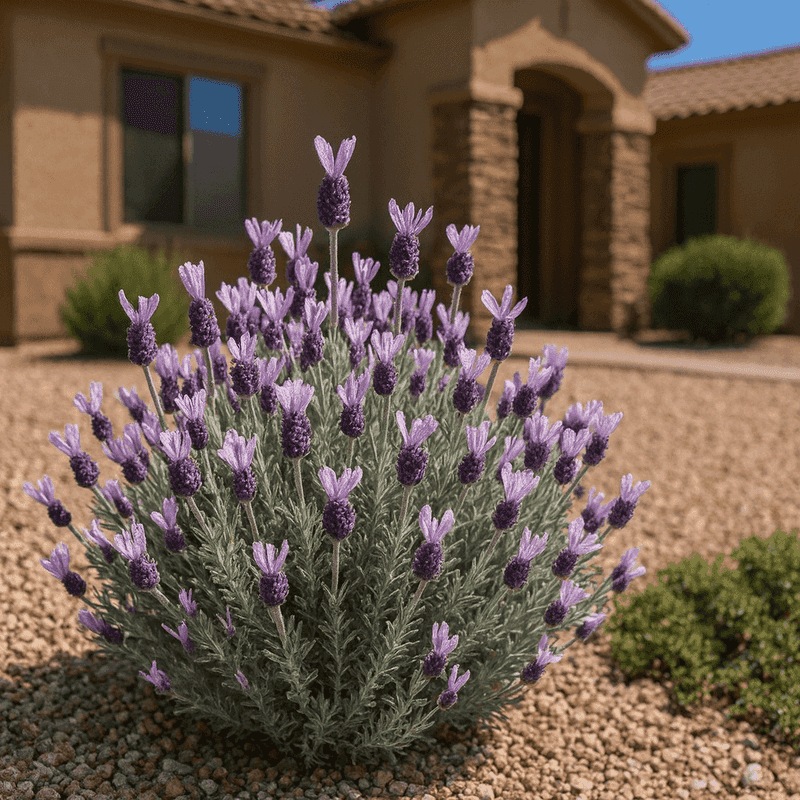
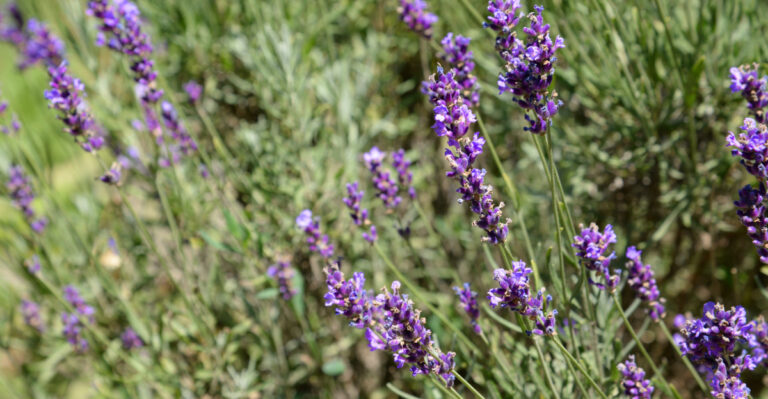
Picture a purple ribbon running along the base of your house, buzzing softly with bees. Lovely, right?
To a roach, that same patch is far less charming, because lavender is packed with linalool, a compound that may help keep these pests at a distance.
Here is the catch most newcomers learn the hard way. Lavender hates wet feet far more than it hates heat.
In the low desert, the plants that thrive are the ones grown in gravelly, fast-draining soil with water given deeply but not often.
Spanish and French lavender usually outperform English types in Phoenix and Tucson summers. Give them full morning sun and, if possible, a touch of late afternoon relief on west-facing walls where reflected heat can bake roots.
Skip heavy bark mulch and use decomposed granite instead, since it stays dry and discourages hiding spots.
Fall planting gives lavender a head start, and a light trim after spring blooms keeps it tidy instead of woody. Snip a few stems now and then and tuck them into a garage corner or pantry shelf.
The fragrance indoors is a sweet bonus, and the plant outside keeps doing its quiet work along your foundation.
3. Lemongrass
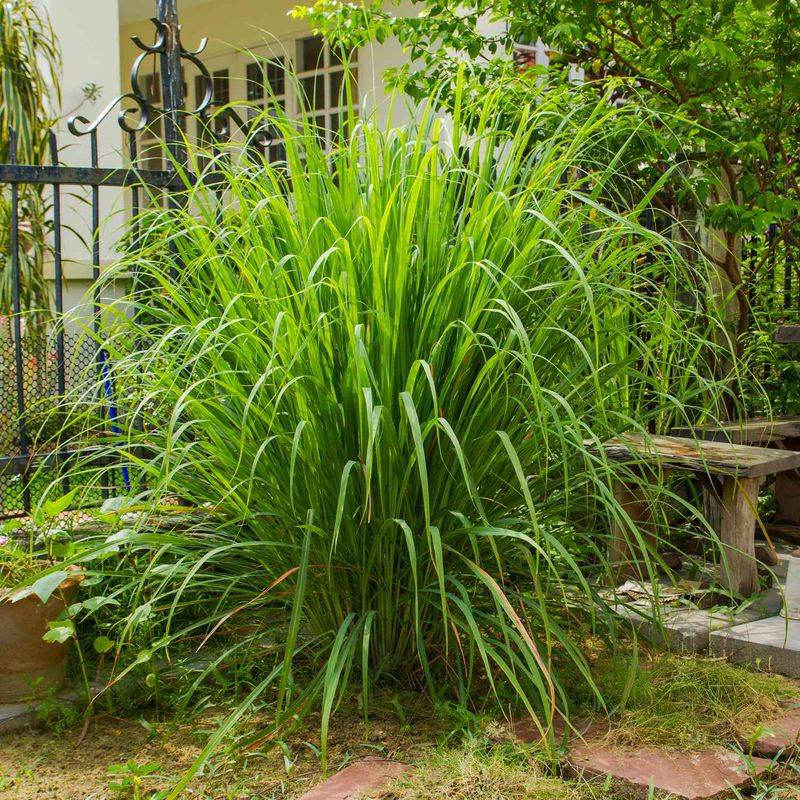
Ever crushed a blade of lemongrass between your fingers? The burst of citrus is instant, and it comes from citronella-type oils that roaches tend to find offensive.
Your Arizona Garden Changes Every Week. Your Plan Should Too.
Gardening in Arizona changes quickly throughout the season. Every Friday you’ll receive a simple weekly plan showing exactly what to plant, prune, fertilize, harvest, and protect so you never miss the right timing.
That makes this grassy clump a smart pick for the spots where pests try to sneak inside.
Think patio doors, back steps, and the corner where your hose bib drips. Lemongrass grows into a fountain of tall leaves that loves Arizona sun, and it adds a tropical look without demanding a tropical climate.
Just know it drinks more than most desert plants, so regular watering during summer keeps it lush.
Because of that thirst, containers are often the best route. A large glazed pot near an entry point lets you water precisely without soaking the soil next to your foundation.
Damp ground beside walls is exactly what roaches go looking for, so keeping irrigation contained is half the strategy.
Plant in early spring after frost danger passes, since cold snaps can brown the leaves. If a chilly January night is forecast, slide the pot under a covered patio.
As a tasty perk, you can harvest stalks for soups and tea, which turns your pest-deterring plant into a handy kitchen ingredient too.
4. Marigold
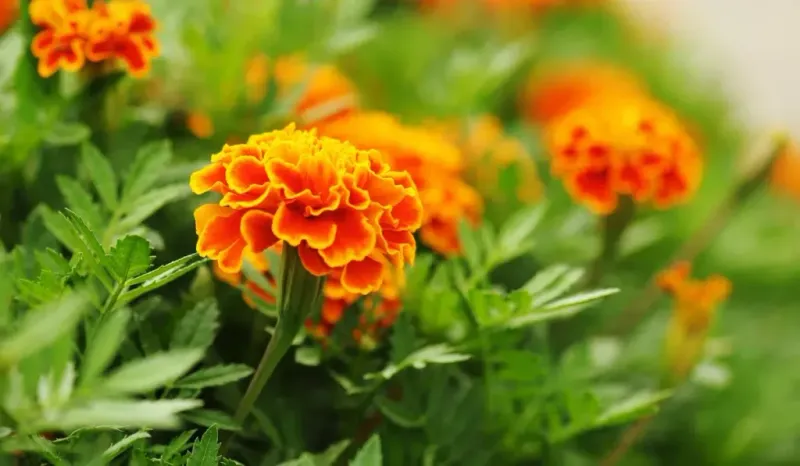
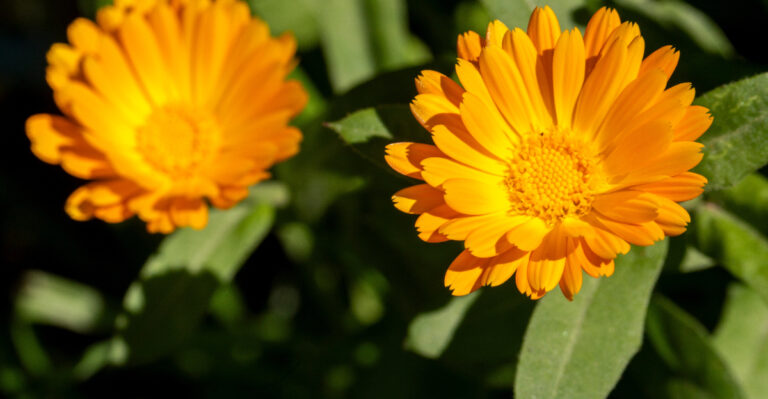
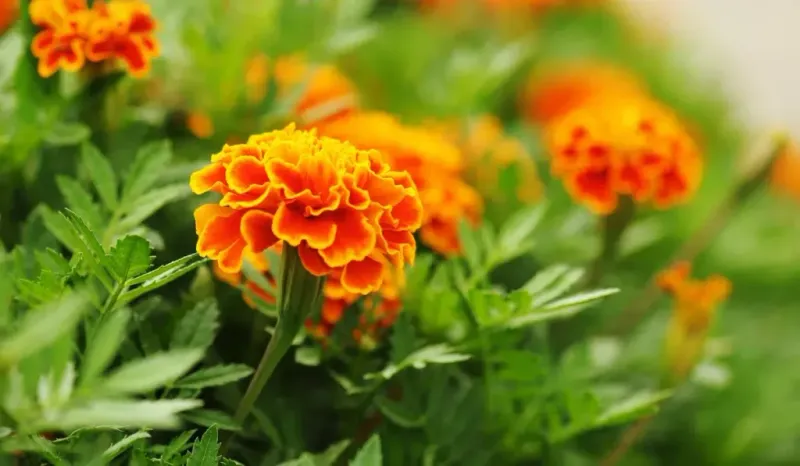
Grandma probably planted marigolds around her vegetable garden, and she was onto something. Those cheerful orange pom-poms release a sharp, pungent smell that many unwanted bugs, roaches included, would rather steer clear of.
Marigolds might be the easiest win on this list. They bloom fast, ask for almost nothing, and do not fuss about soil type, which is great news if your yard is full of caliche.
Full sun suits them perfectly, and they bounce back quickly between waterings.
Timing is the secret in the low desert. Sow seeds or set out transplants in early fall or late winter, because the brutal heat of June and July can make them stall.
Many gardeners treat them as seasonal color, swapping in fresh plants each cool season for a steady scented border.
Line them along walkways and the base of sunny walls as a bright buffer zone. Pinch off faded blooms to keep flowers coming and to stop dried petals from piling up near the house.
Kids love helping plant them, too, so it becomes a fun family project that also makes your foundation a little less welcoming to crawling visitors.
5. Catnip
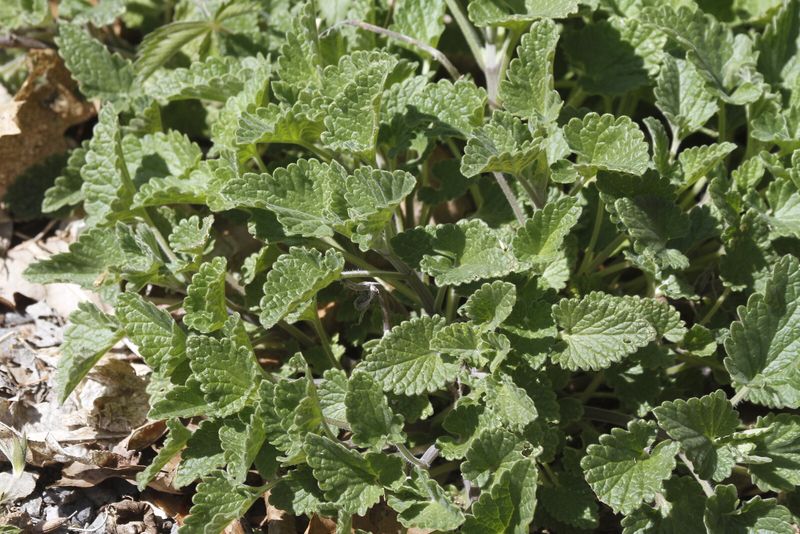
Your cat adores it, but roaches are another story. Catnip contains nepetalactone, the same compound that sends felines into happy rolls, and it may also help push cockroaches and other insects away from the areas where it grows.
Of all the herbs here, catnip is one of the most forgiving about water. It prefers well-drained soil, plenty of light, and only modest moisture, so it fits right into a water-wise Arizona landscape.
In the hottest months, a spot with afternoon shade from a block wall or mesquite canopy keeps it from looking scorched.
A word to the wise for pet owners: neighborhood cats may discover your planting and flatten it during a blissful nap. Growing catnip in a raised bed or tall pot near the garage or side yard helps protect it.
Placing it by utility doors and trash bin areas puts the scent right where roaches like to wander.
Fall or early spring planting works best, and seeds sprout quickly in warm soil. Trim stems regularly to keep the plant bushy and fresh.
Dry the clippings, and you will have a handmade treat for your own cat while the living plant keeps standing guard outside.
6. Peppermint
Open a tin of breath mints and you get a hint of why roaches dislike peppermint. The plant is loaded with menthol, giving it a sharp, cooling aroma that can make doorways and corners feel less inviting to these pests.
Let’s be honest, though. Peppermint is not a true desert plant, and it likes more water than anything else on this list.
It is also an enthusiastic spreader that will happily take over a flower bed if its roots get loose.
That is why containers are the way to go in Arizona. A big pot on a shaded porch or near the kitchen door lets you control both water and roots.
Morning sun with afternoon shade keeps leaves green through summer, and grouping pots together helps them hold moisture longer.
Keep the containers on pot feet or a stand rather than directly against the wall, so excess water drains away instead of pooling by the foundation. Plant in fall or early spring for the strongest start.
Pinch off sprigs for iced tea on a scorching afternoon, and every snip releases a fresh wave of that minty scent around your entryway.
7. Eucalyptus
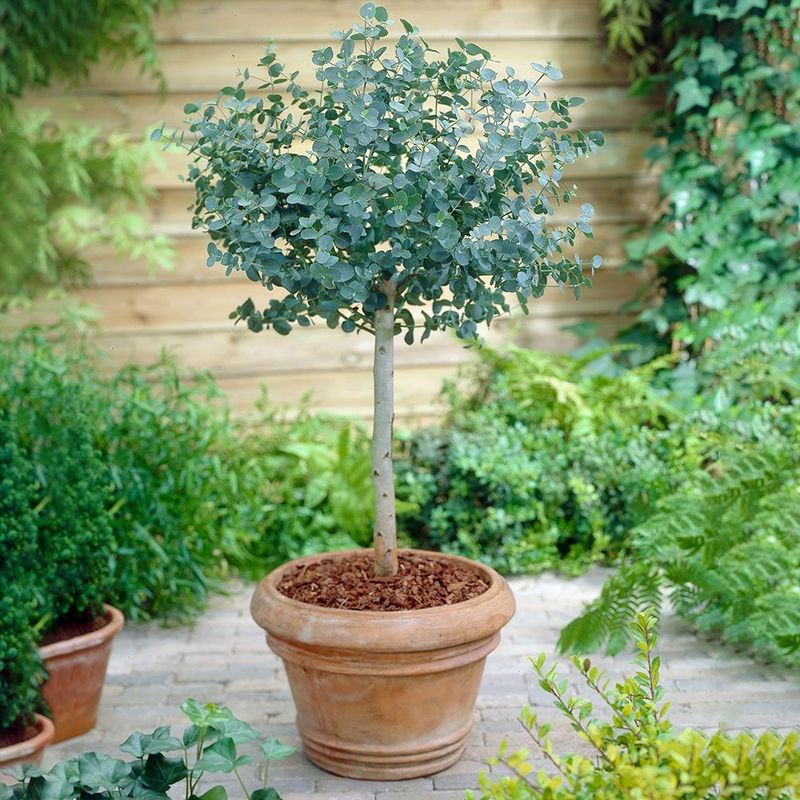
Stand under a eucalyptus after a monsoon storm and the air smells like a giant cough drop. Those powerful, astringent oils are a big reason roaches and other pests tend to dislike this silver-leaved tree.
Eucalyptus has been part of Phoenix landscapes for generations, prized for handling drought and blazing sun. Once its roots are established, it can get by on deep, occasional watering.
Its fast growth also delivers welcome shade, which can help cool the side of a home that bakes all afternoon.
Placement is everything with this one. Mature trees grow large with wide roots, so plant them well away from walls, pipes, and pools, ideally at least 20 feet out.
Smaller types like silver dollar eucalyptus or potted varieties are better fits for compact yards.
Fall is the ideal planting window, giving roots months to grow before summer heat. Keep shed bark and leaves raked from the foundation, since piles of debris can become hiding spots.
For a closer scent barrier, hang trimmed branches in the garage or bundle them near storage shelves, letting the fragrance help keep your walls a bit less appealing to roaches.