9 Dangerous Insects Virginia Homeowners Should Spot And Handle Fast
One barefoot step across the lawn, and your lazy Sunday turns into a hopping, yelping mess. Your backyard is hiding a lot more than pretty flowers and freshly cut grass.
Virginia yards buzz, crawl, and sting with life, and most of it means you no harm. A handful of critters, though, carry venom, spread disease, or shred your favorite plants overnight.
Some lurk under mulch. Some dangle from branches like gray paper lanterns.
Others hitch a ride home on that cute potted fern you just bought.
Then there are the bugs that look terrifying but quietly protect your garden. Swat the wrong one, and you lose a free, hardworking pest control crew.
Knowing the difference can spare you pain, money, and an awkward trip to urgent care. Read on to find out exactly who gets the boot and who earns a free pass to stay.
1. Red Imported Fire Ants With Painful, Venomous Stings
Picture a fluffy pile of dirt that suddenly boils with angry red ants. Fire ants have lived in Virginia since 1989, and their range keeps growing.
Disturb a mound, and the whole colony rushes out to defend it. Each ant grabs on with its jaws, then stings again and again.
A fire ant sting burns right away, like a tiny hot match on your skin. About a day later, small white blisters called pustules usually pop up.
Most people get itching and swelling that fades with time. Folks allergic to bee stings may face serious reactions and should get medical help fast.
Pets, chickens, and livestock can suffer too. Young animals and birds have a hard time escaping a big swarm.
Look for mounds in open, sunny spots like lawns, garden beds, and sidewalk edges. Many also pop up against foundations, where the soil stays warm.
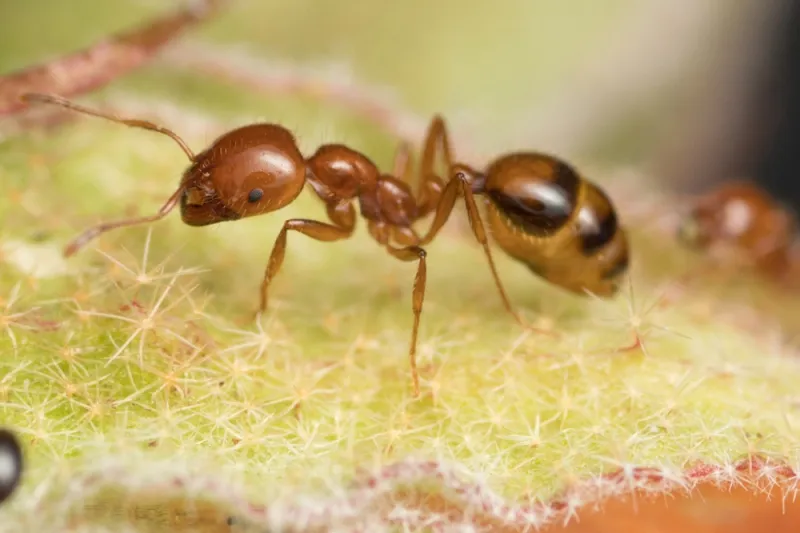
Adult ants are reddish-brown with a two-part waist and a visible stinger. Their antennae end in a small two-segment club, though you need a magnifier to see it.
Skip kicking or poking the mound with a stick. Instead, use a labeled fire ant bait broadcast around the yard, then treat individual mounds.
Baits work slowly because workers carry them back to the queen. Apply them on dry days when ants are actively foraging for the best results.
Parts of the state sit under quarantine for these ants. Check with your local extension office before moving soil or sod.
2. Asian Needle Ants Hiding Under Mulch
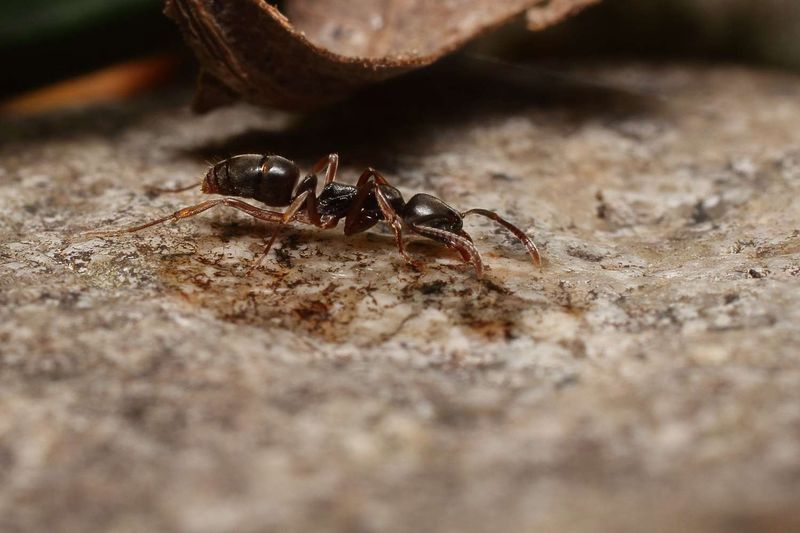
Gardeners often meet this ant the hard way, with a sharp jab while spreading mulch. Asian needle ants are small, quiet, and easy to overlook.
Originally from Asia, they now live across the East Coast, including many Virginia counties. They crowd out native ants, which upsets the local balance of tiny wildlife.
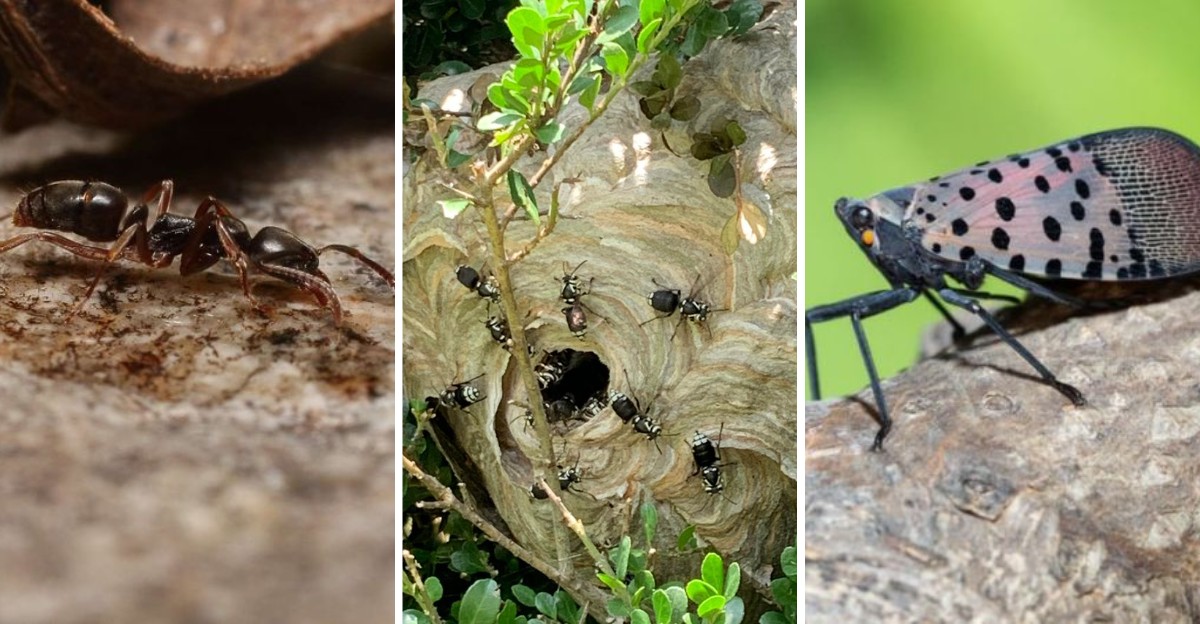
Size is a clue, since workers measure only about one-fifth of an inch. Bodies look dark brown to black, with lighter legs, antenna tips, and orange jaws.
Unlike most ants, they skip building tall hills. They wander alone or in loose little groups instead of marching in neat lines.
Your Virginia Garden Changes Every Week. Your Plan Should Too.
Gardening in Virginia changes quickly throughout the season. Every Friday you’ll receive a simple weekly plan showing exactly what to plant, prune, fertilize, harvest, and protect so you never miss the right timing.
Damp places suit them best. Check under rocks, rotting logs, leaf litter, firewood stacks, and thick layers of mulch.
Shy by nature, they usually try to run away from people. Trouble starts when you press one against your skin while working the soil.
The sting feels sharp and can linger for a while. Some sensitive people develop strong allergic reactions, so watch for hives or trouble breathing.
Dress for the job before digging into mulch beds. Gloves, long sleeves, long pants, and closed shoes make a big difference.
Hot, dry spells may push them into basements or crawlspaces. Seal cracks near the foundation and fix leaky spigots to keep spots less inviting.
Thin your mulch to about two or three inches deep. Raking old leaves away from the house also removes their favorite hiding places.
3. Yellow Jackets Nesting In The Ground
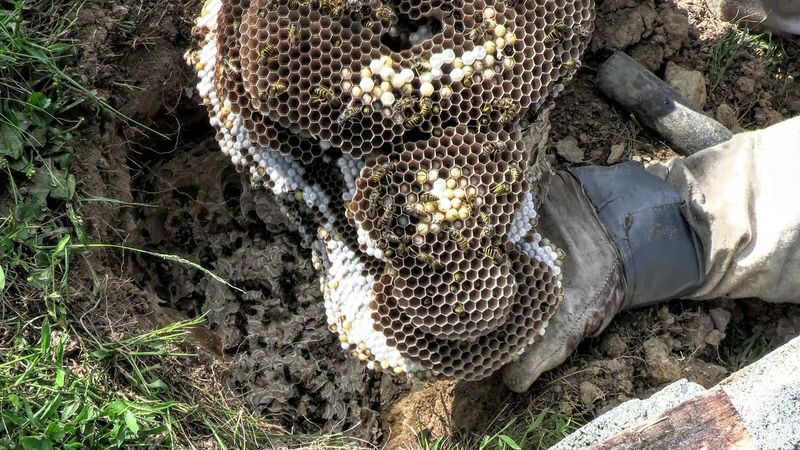
Ask anyone who has mowed over a hidden nest, and they will tell a story with lots of running. Yellow jackets turn an ordinary chore into a sprint.
Across the state, these black and yellow wasps build colonies underground. Old rodent burrows, holes in the soil, and hollow stumps make favorite homes.
Spotting the entrance takes patience. Watch for a steady stream of wasps zipping into one small hole in the grass.
Vibration from a mower or rake can set off a mass attack. Hundreds of defenders may pour out within seconds.
Smooth stingers let them sting over and over. Swelling can be impressive, and allergic people may need emergency care.
By late summer, a single colony can hold thousands of workers. Bigger crowds mean grumpier guards, so fall is the riskiest season.
Picnics attract them too. Sugary drinks, grilled meat, open trash cans, and pet food bowls all draw hungry scavengers.
Keep soda in cups with lids and cover food outdoors. Tight trash lids and indoor pet feeding cut down on visitors.
Mark any nest you find with a flag so nobody mows over it. Avoid pouring gasoline into the hole, since that creates a fire and pollution hazard.
A pest professional can treat ground nests safely, often at dusk when workers settle in. For a big colony near play areas, calling for help is the smart choice.
4. Bald-Faced Hornets Guarding Aerial Nests
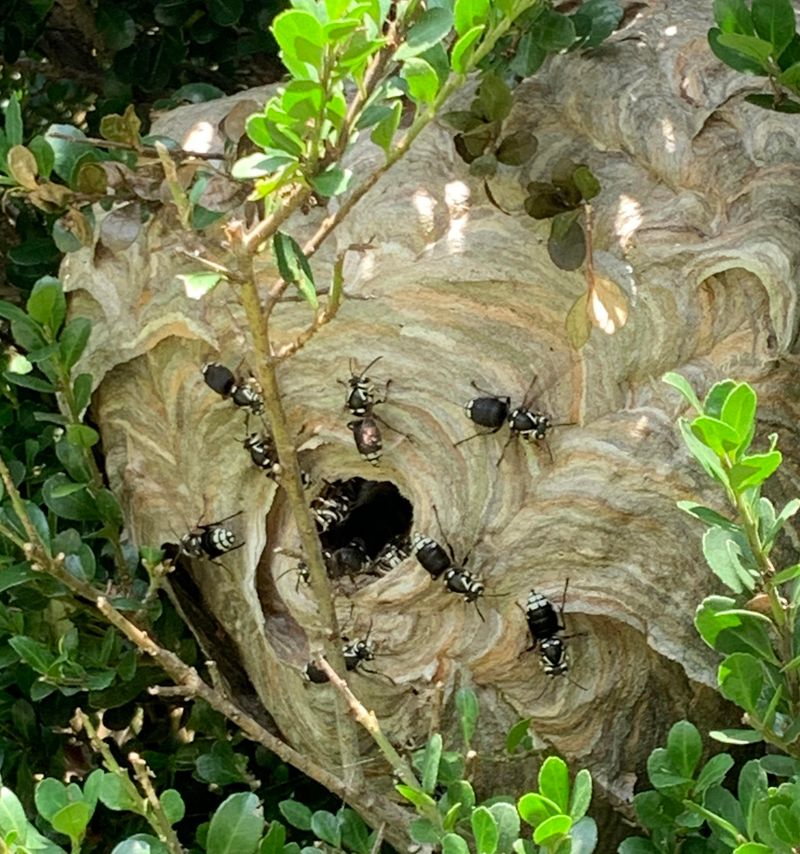
Here is a fun twist: bald-faced hornets are not true hornets at all. Scientists classify them as a type of aerial yellow jacket.
Their look is sharp and easy to remember. Black bodies carry ivory-white markings on the face, back, legs, and tail end.
Workers grow about three-quarters of an inch long, and queens run a bit larger. Up close, that white face gives them a masked appearance.
Nests are the real showstoppers. Picture a gray paper football hanging from a tree branch, shrub, porch ceiling, or roof overhang.
Some nests stretch up to two feet long by fall. Colonies usually peak from July through October.
Get too close, and many guards launch at once. They sting repeatedly, causing pain, swelling, and possible allergic reactions.
Resist the urge to knock a nest down with a broom or hose. Spraying it from below often ends with an angry cloud headed your way.
Nests beside doors, decks, or swing sets deserve professional attention. Experts have protective suits and tools to remove them safely.
Out in the back woods, a high nest may be fine to leave alone. Away from home, these hunters snack on flies and garden pests.
Cold weather ends the colony each winter, and old nests are not reused. Only new queens survive, tucked away until spring.
5. Paper Wasps Building Under Eaves
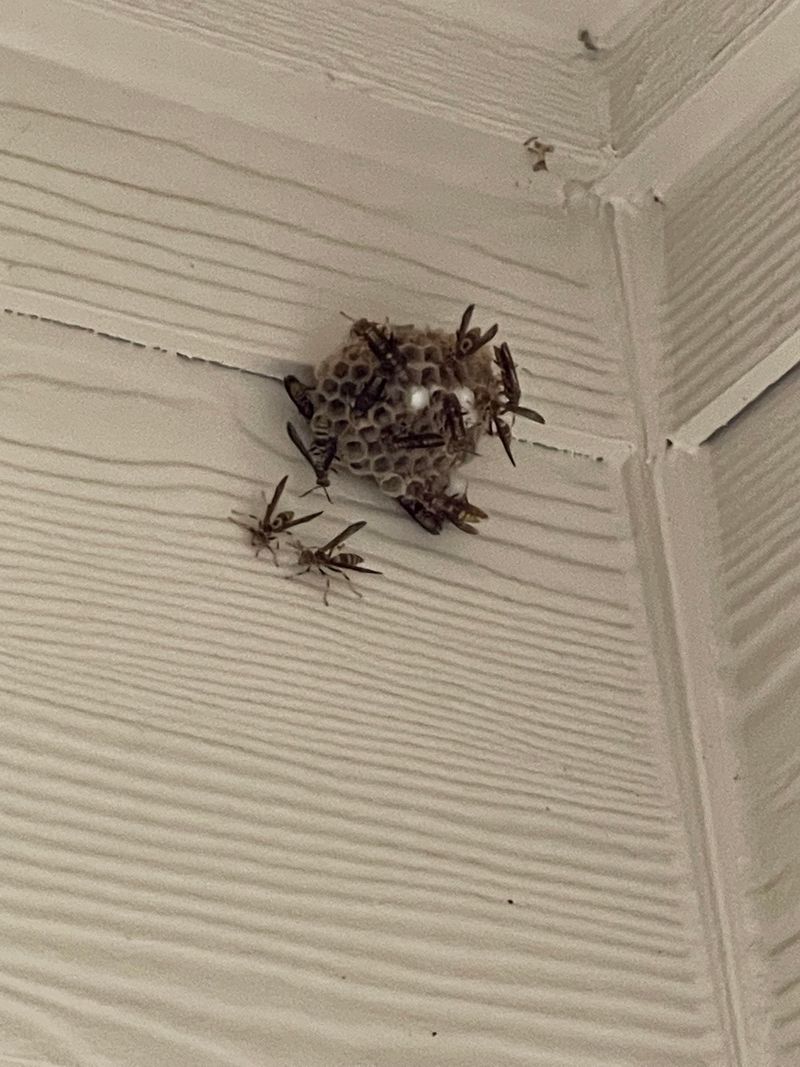
Look up under your porch roof on a spring morning. There is a good chance a tiny gray umbrella is hanging there, covered in slender wasps.
Paper wasps build open nests with visible six-sided cells. Workers chew wood fibers, mix them with saliva, and spread the pulp like papier-mache.
Bodies look long and thin, usually brown with yellow or reddish marks. Their legs dangle below them while they fly.
Favorite spots include eaves, door frames, deck railings, and shed corners. Grills and outdoor light fixtures make cozy hideouts too.
Compared to yellow jackets, paper wasps act fairly calm. Bump their nest, however, and they will defend it with multiple stings.
Stings cause sharp pain and local swelling. Sensitive people may react more strongly, so keep allergy medicine handy.
Gardeners get a bonus from these wasps. They hunt caterpillars and other soft pests that chew on vegetables.
Scraping wood for nests can leave small marks on fences and siding over time. The damage is mostly cosmetic but worth noticing.
Small, early nests are easiest to handle. Check eaves every few weeks in spring, when a single queen starts building alone.
Nests above doorways or near play areas deserve removal. Treat them at night with a labeled wasp spray, or call a pro for bigger ones.
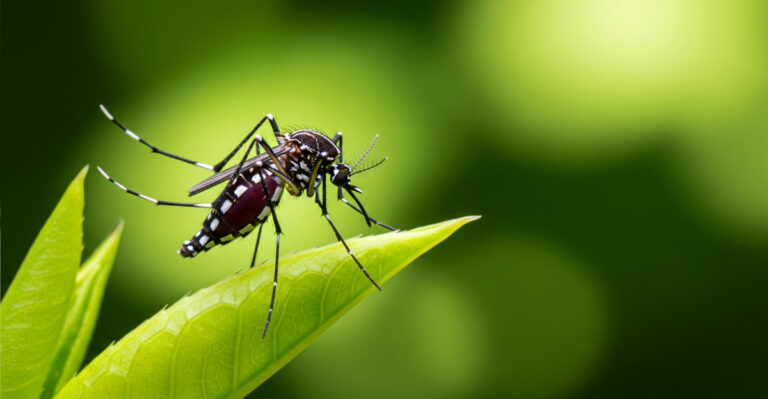
6. Asian Tiger Mosquitoes Breeding In Standing Water
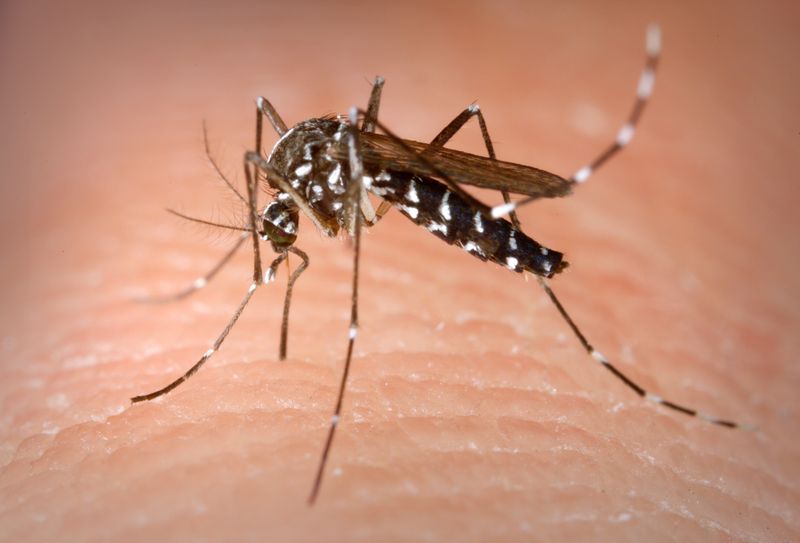
Swatting at your ankles during a sunny lunch outside? Odds are good that an Asian tiger mosquito found you first.
Found throughout Virginia, this is one of the most common mosquitoes in the state, especially around homes and towns.
Most mosquitoes bite near dawn and dusk. Tigers break the pattern and bite hard during the day.
Health risks are real.They can carry West Nile virus, La Crosse encephalitis, and Eastern equine encephalitis.
They can also transmit viruses such as dengue and Zika, but these infections in Virginia are generally associated with travel rather than local transmission.
Breeding needs very little water. A bottle cap holds enough for a batch of wigglers to grow.
Walk your yard once a week and dump anything holding water. Check flower pot saucers, toys, tarps, old tires, and kiddie pools.
Clogged gutters hide lots of larvae. Clean them in spring and fall so rain drains away quickly.
Refresh birdbath water every few days. For ponds or rain barrels, mosquito dunks with Bti target larvae and spare fish and birds.
Adults rest in shady shrubs and tall weeds. Trimming thick plants near patios and wearing repellent outdoors helps you enjoy summer again.
7. Spotted Lanternflies, Worth Squashing On Sight
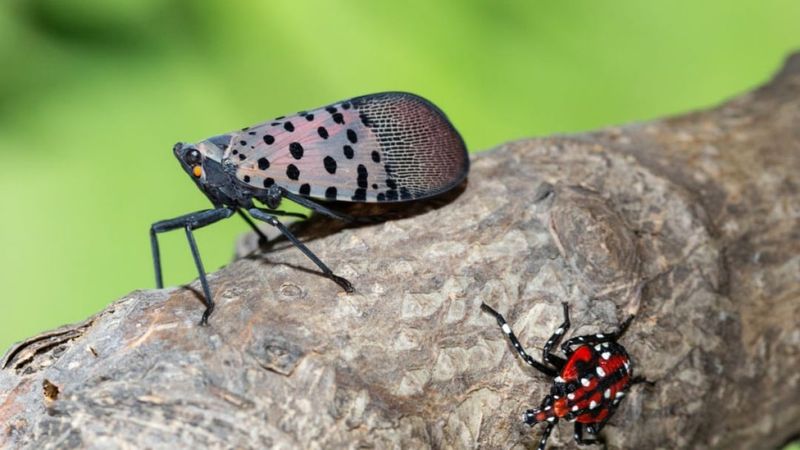
State wildlife officials once called this bug a vampire in a black tuxedo, white shirt, and red bowtie. That description fits surprisingly well.
Spotted lanternflies first showed up near Winchester in 2018 and have since settled into dozens of Virginia cities and counties. If they haven’t reached your yard yet, give them time.
Harmless to people, they still cause plenty of grief. They suck sap from grapevines, fruit trees, hardwoods, and young plantings.
Adults leave behind a sticky, sugary goo. Black sooty mold often grows on it, coating decks, cars, and patio furniture.
Here, the advice is simple: squash on sight. Few natural predators keep them in check, so every stomp counts.
Young nymphs look black with white spots. Later they turn red with white dots, then become adults around July.
Adults have gray, spotted front wings and flashy red hind wings. When startled, they hop away instead of flying far.
Tree of Heaven is their favorite food plant. Removing that invasive tree from your property makes the yard far less appealing.
Check vehicles and firewood before traveling. Virginia repealed its spotted lanternfly quarantine in March 2025, though businesses shipping regulated items to other states may still face that state’s requirements.
Gray, mud-like egg masses appear on trees, stones, and outdoor gear in fall. Scrape them into a bag with rubbing alcohol to stop next year’s hatch.
8. Box Tree Moths Worth Reporting
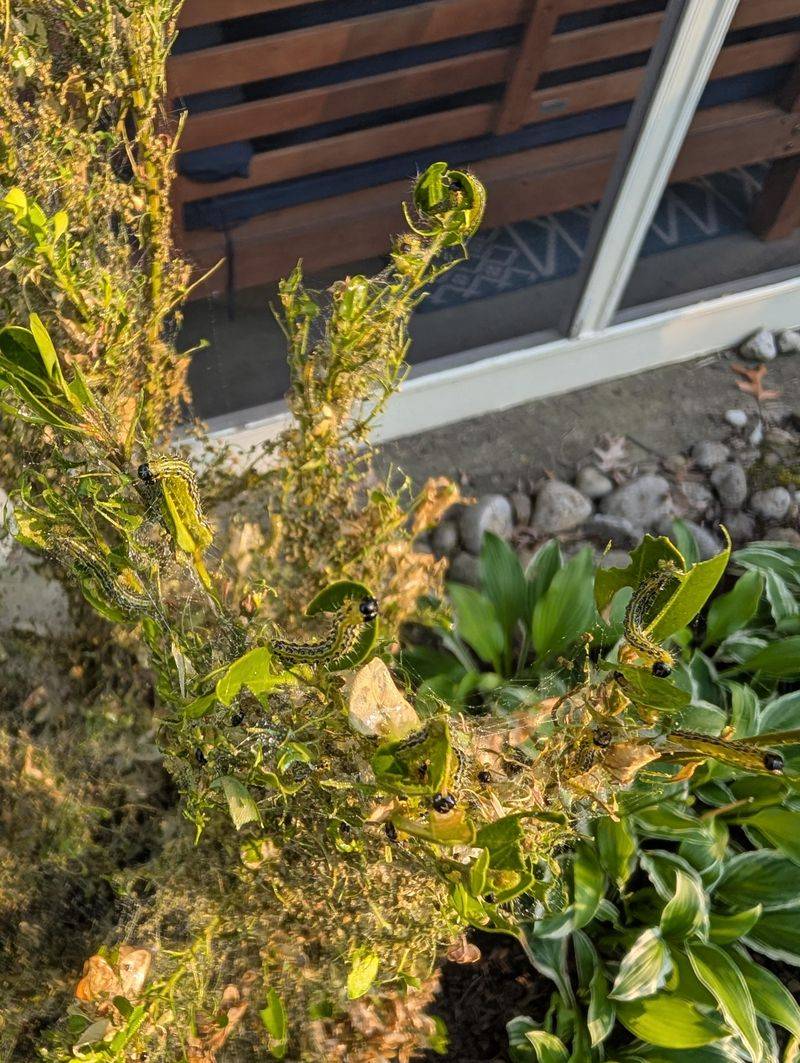
Boxwoods are practically a symbol of old Virginia gardens. A hungry newcomer now threatens those tidy green hedges.
Summer 2025 brought the first box tree moth sightings in the state. Detections came from Clarke, Loudoun, and Frederick counties, plus Winchester.
Native to East Asia, this pest raced across Europe and into Canada. Its caterpillars focus almost entirely on boxwood plants.
Young caterpillars scratch or peel leaf surfaces. Older ones strip whole branches bare, leaving curly leaf midribs behind.
Heavy feeding can leave a shrub with no leaves at all. Then the caterpillars can move on to the bark, and a badly hit shrub may not survive if nobody steps in.
Watch for green and black striped caterpillars with webbing among the leaves. Brown and black pellets of droppings, called frass, are another giveaway.
Adult moths are mostly white with a brown border on their wings. A rarer form shows nearly all brown wings.
Early reporting matters with any new invader. Fast action keeps a small problem from spreading across neighborhoods.
Living outside the quarantine zone? Report suspected sightings through the VDACS online Invasive Species Reporting Tool.
You can also email [email protected] with photos. When box tree moth is confirmed inside the quarantine area, contact your local Cooperative Extension office for treatment recommendations.
Inspect any new boxwoods before planting them. Buying from local nurseries that follow state rules lowers your risk.
9. Honey Bees And Native Bees, Which Deserve A Pass
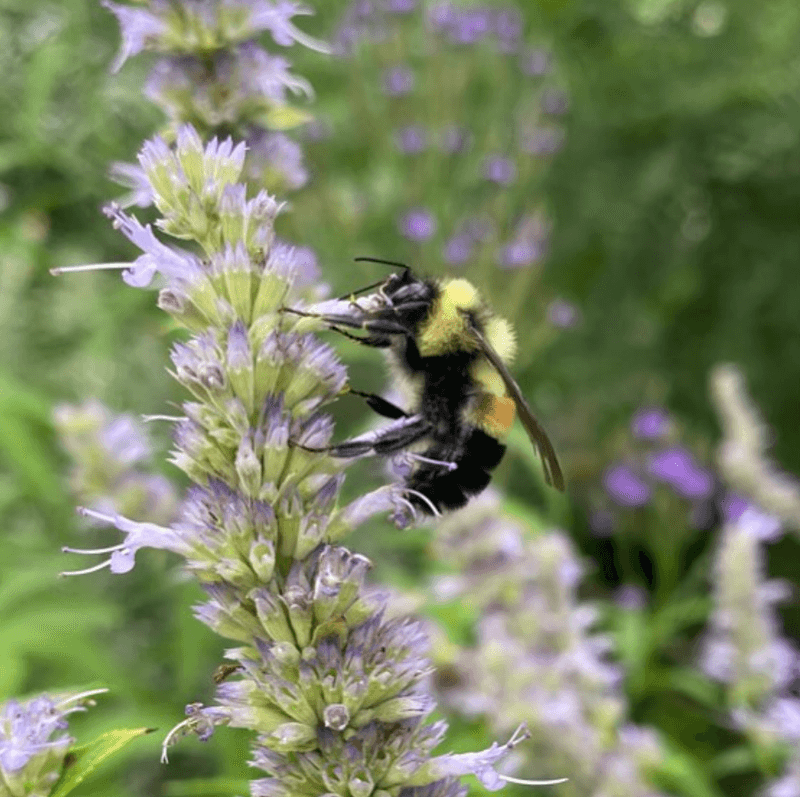
Not every buzzing visitor needs a fly swatter. Bees sit firmly on the good list, even if they look a little intimidating.
Surprisingly, honey bees are not native to North America. Settlers brought them over, and many experts consider them farm livestock.
Meanwhile, Virginia hosts over 400 kinds of native bees. They evolved alongside local wildflowers and often pollinate them better.
Your squash, apples, and berries depend on these busy helpers, and your tomatoes get a nice boost from a buzzing bumblebee. Native bees alone add billions of dollars to the U.S. economy each year.
Sadly, many native bees face decline. Habitat loss, pesticides, and a changing climate all take a toll.
Bumblebees are big, fuzzy, and fairly mellow. Leave their nests be unless one sits right in a busy walkway.
Carpenter bees look similar but have shiny, hairless black rear ends. They bore neat holes into decks and siding to raise young.
Painting or staining bare wood discourages carpenter bees. Filling old holes in fall also keeps them from returning.
Most native bees live alone in tiny tunnels in soil or stems. Leaving a patch of bare ground and some hollow stems gives them homes.
Plant coneflowers, bee balm, and asters to feed them all season. If a honey bee swarm shows up, call a local beekeeper to collect it.