Why Ohio Asters Flop Over In October And How To Stop It Next Year
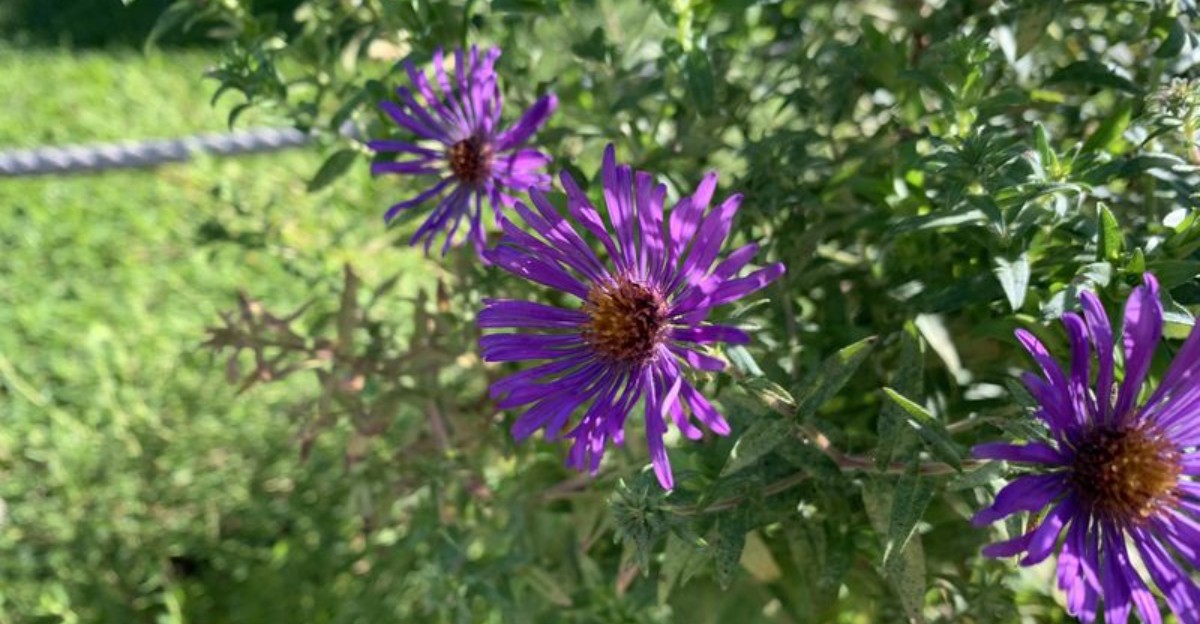
Tall asters loaded with purple flowers can end up sprawled across the walkway after a single windy night.
The stems may look healthy, yet they bend outward and leave a bare gap in the middle of the clump.
Much of that flopping comes from how the plant grew earlier in the season. Soft, lanky summer growth often cannot hold up the weight of so many blooms.
Propping up the worst clumps with stakes now can save what you have left of this year’s show.
Stakes only help for one season, though, and the same flopping often returns next fall in many Ohio gardens.
A lasting fix starts months before the first buds appear. One simple step in early summer can keep stems shorter and sturdier without giving up much bloom.
1. Tall Stems Loaded With Blooms Can Topple Under Their Own Weight
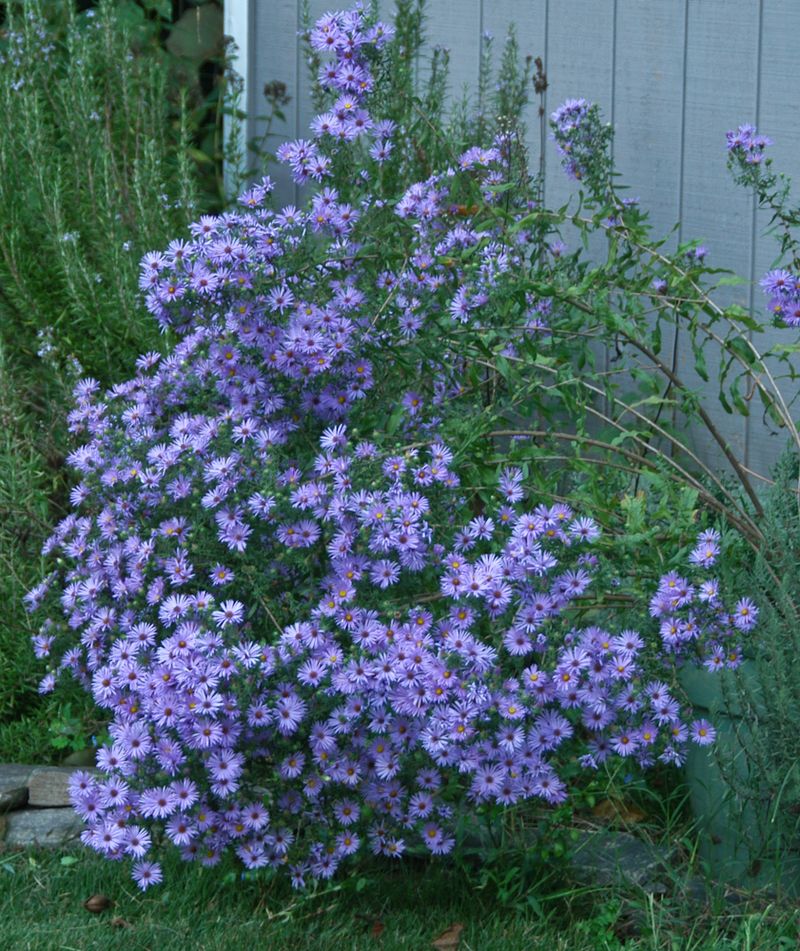
Success can be the very thing that knocks your asters down. A plant covered in hundreds of flowers looks amazing, but all those blooms add up to real weight at the top of each stem.
New England asters can grow several feet tall, and their flower clusters form mostly near the tips.
That setup works a bit like a top-heavy umbrella. When the stem is long and the weight sits high, even a light breeze can start a lean that keeps getting worse.
Rain makes the problem bigger, since wet petals and leaves hold extra water.
Fall storms in Ohio often roll through right when asters hit peak bloom. A steady soaking followed by gusty wind can flatten a clump overnight, even if it looked fine the day before.
Stem strength also varies from plant to plant and depends on how the plant was grown that year.
So what can you do about it? Pinching or cutting back stems earlier in the season can lower the final height, which shifts that bloom weight closer to the ground.
Planting asters near sturdy neighbors, like grasses or other upright perennials, can give leaning stems something to rest against. Some gardeners also thin crowded clumps in spring so each remaining stem gets more light and grows a little thicker.
2. Too Much Fertilizer Can Encourage Weak And Lanky Growth
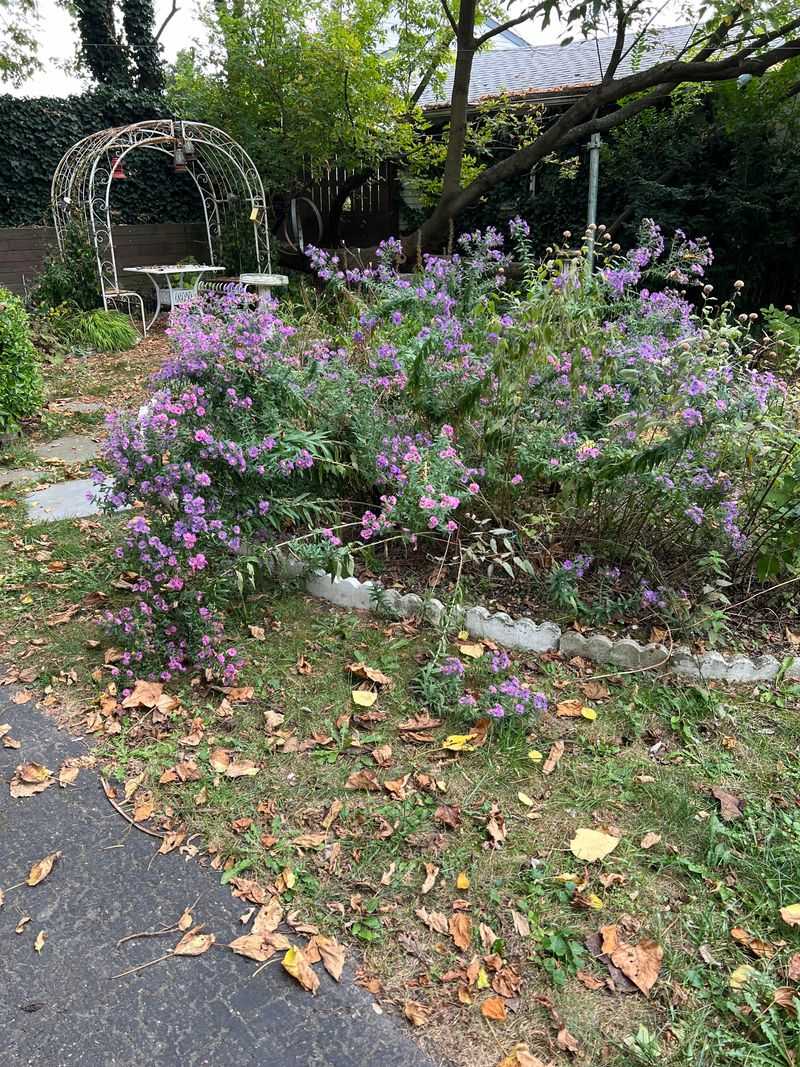
Feeding your plants sounds like kindness, yet asters often do better with less. Most native asters grow happily in average soil without regular fertilizer.
Extra nitrogen tends to push fast, leafy growth rather than strong, compact stems.
Those quick-growing stems can end up taller and softer than normal. By fall, they may struggle to hold up a full load of flowers.
Think about where your asters sit in the yard. Beds that get lawn fertilizer runoff, or that sit next to heavily fed vegetables, might be giving them more nutrients than you planned.
Rich compost piled on every year can have a similar effect in some gardens.
Results depend a lot on your soil, though, since many Ohio yards have heavy clay that already holds nutrients well. A soil test through your county Extension office can show whether your bed truly needs anything added.
Your Ohio Garden Changes Every Week. Your Plan Should Too.
Gardening in Ohio changes quickly throughout the season. Every Friday you’ll receive a simple weekly plan showing exactly what to plant, prune, fertilize, harvest, and protect so you never miss the right timing.
If the test shows decent fertility, try skipping fertilizer for a season and watch how the plants respond.
A thin layer of shredded leaves or bark mulch can still help keep moisture steady without pushing extra growth. Water during dry spells, especially for young plants, but avoid treating asters like hungry annuals that need constant feeding.
Leaner care often leads to sturdier stems and plants that hold their shape better.
3. Too Much Shade Leaves Plants Stretching Toward The Light
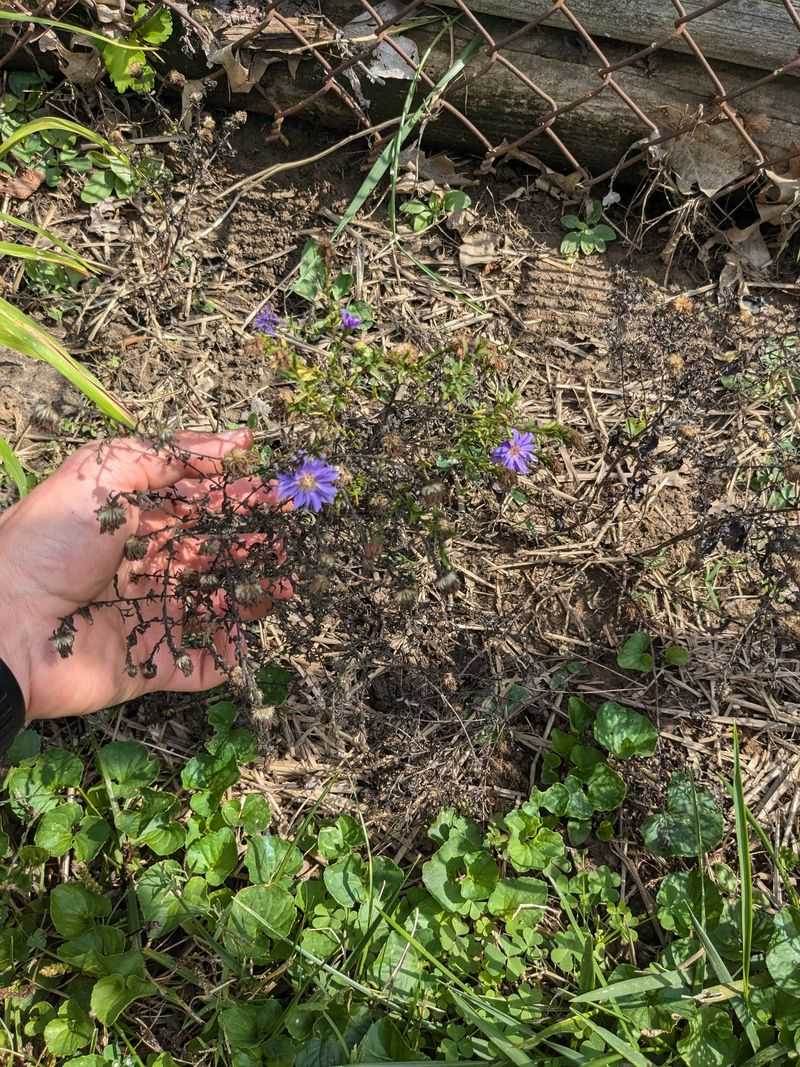
Look closely at a floppy clump, and you might notice every stem tilting the same way. That pattern is a strong clue that the plant has been reaching for sun all summer.
Most popular garden asters, including New England and New York types, prefer full sun.
Without enough direct light, stems grow longer and thinner as the plant searches for brightness. Flower numbers often drop too, so you get fewer blooms on weaker stalks.
Shade can sneak up over the years as trees and shrubs fill out. A bed that was sunny when you planted it may now sit in partial shade by midsummer.
Watch your garden through a full day and count the hours of direct sun.
Full sun generally means at least six hours a day, and asters stretching hard are often getting less. Moving a clump to a brighter spot in spring is usually the most reliable fix.
Trimming low tree branches nearby can help if moving the plant isn’t practical.
Some asters tolerate shade much better, so it helps to match the plant to the spot. Blue wood aster and white wood aster are native to Ohio woodlands and handle partial shade, making them smart choices for dimmer corners of the yard.
4. Some Tall Native Types Naturally Lean By Fall
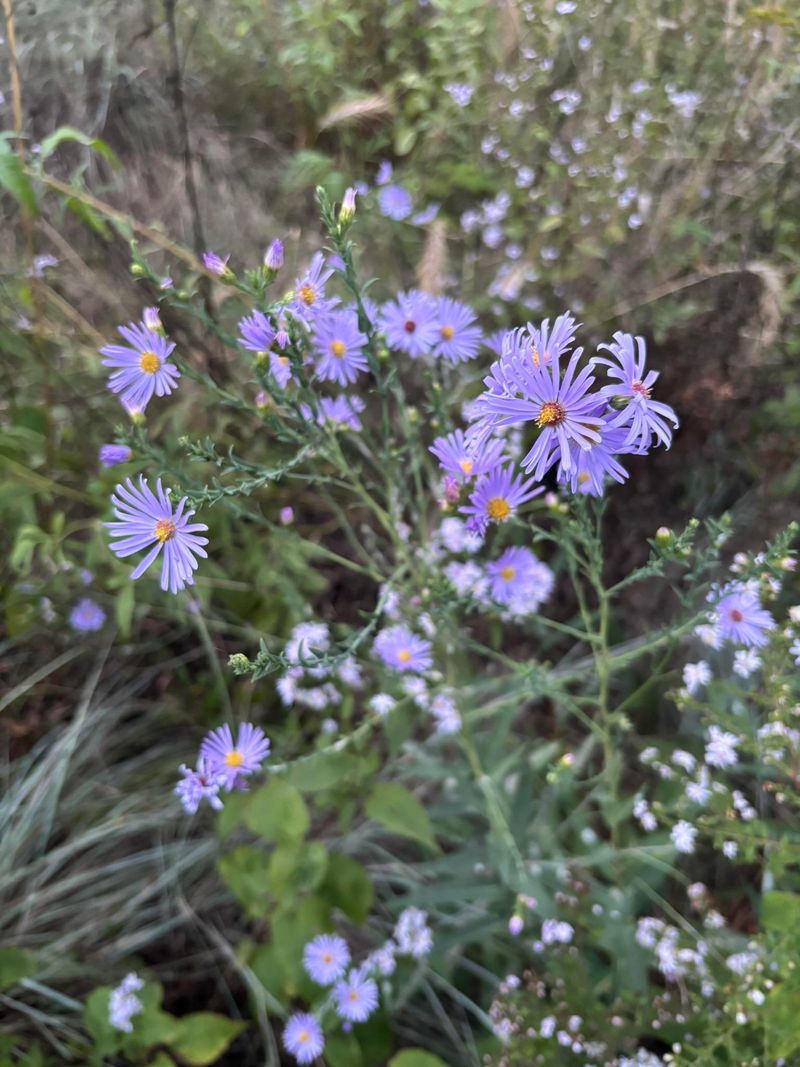
Not every lean means trouble. Some asters simply grow tall and loose, and a relaxed shape is part of their natural style.
Out in wild meadows, tall asters often grow packed among grasses, goldenrod, and other plants that hold them up.
In a tidy garden bed, they lose that crowd of neighbors. Standing alone with open space around them, they are more likely to sag by bloom time.
New England aster is a common example, and older or wild-type plants can reach several feet tall in good conditions across Ohio. Smooth aster and some other natives can also take on an arching shape late in the season.
Height still varies with soil, moisture, and sunlight, so the same plant may behave differently in two yards.
Gardeners have a few choices here. One is to accept the casual look and plant these asters in a meadow-style area where leaning fits right in.
Another option is to give them company. Pairing them with sturdy grasses like little bluestem or switchgrass can create a natural support system.
You can also place tall types toward the back of a bed, where a slight lean is less noticeable.
Leaning plants still feed late bees and butterflies just as well as upright ones do.
5. Cutting Plants Back By Early Summer Encourages Sturdier, Bushier Growth

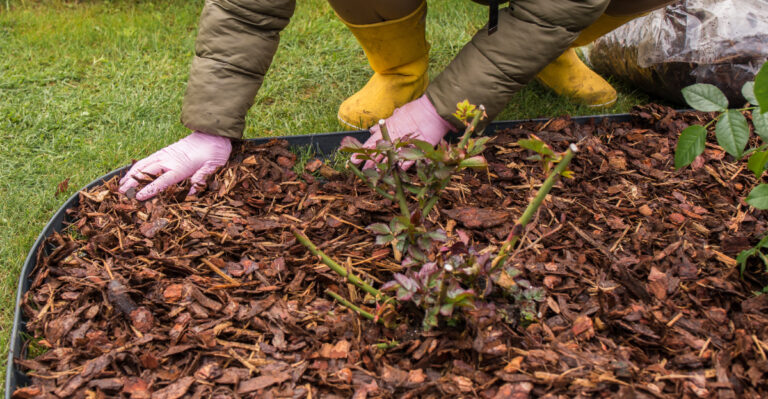
A pair of pruners in June might be your best tool against October flopping. Cutting asters back partway in late spring or early summer can make them shorter, fuller, and better able to stand.
Gardeners often call this pinching, and it works for many tall fall-blooming perennials.
A common approach is trimming stems back by about a third to a half. After a cut, the plant usually sends out several side shoots, which share the flower load across more stems.
Timing matters, because asters set flower buds later in summer. Many Extension guides suggest finishing trims by early July so the plant has time to regrow and still bloom on schedule.
Gardeners in northern Ohio, with a slightly shorter season, may want to stay on the earlier side of that window.
Cutting too late can delay flowering or reduce blooms before frost arrives.
You don’t have to trim everything the same way. Some people cut the front stems of a clump harder than the back ones, which creates a layered look and stretches out the bloom time a little.
Expect slightly smaller flowers, but often more of them.
Results depend on variety and growing conditions, so take notes and adjust your timing next year.
6. Supports Set In Place Early Disappear Into The Foliage
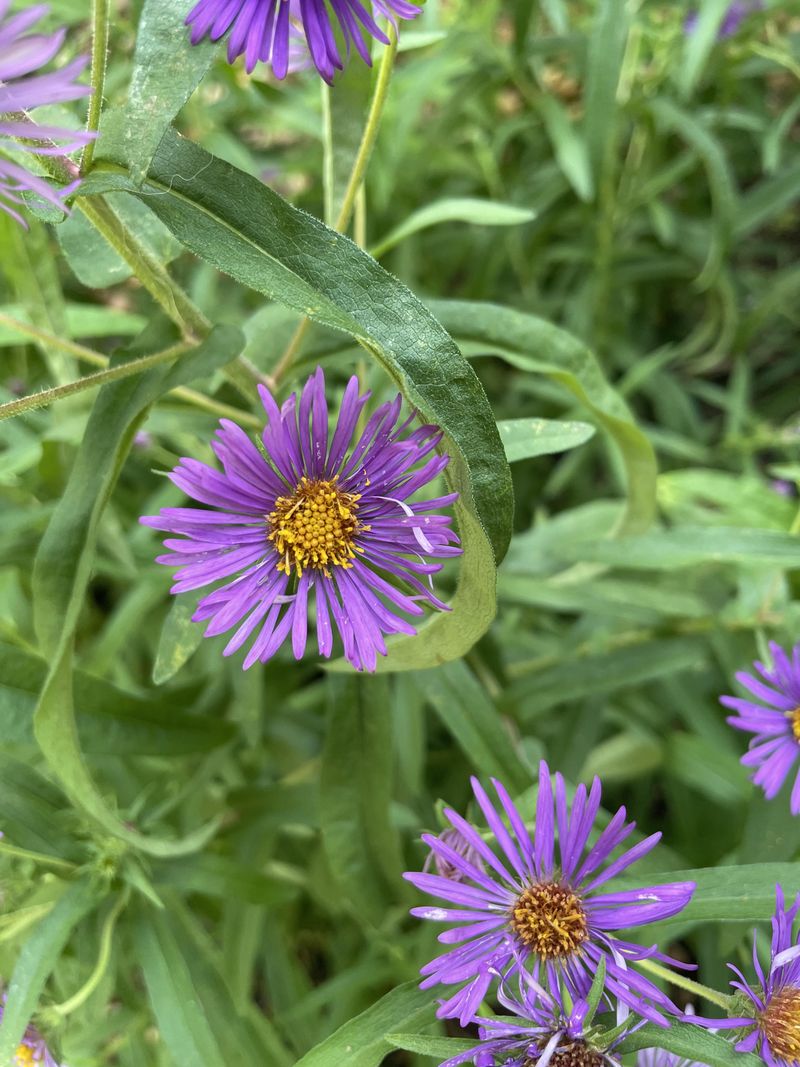
Trying to stake a sprawled aster in October is like wrestling a wet mop. Stems snap, flowers get crushed, and the finished result rarely looks natural.
Getting supports in early solves most of that frustration.
Set them in late spring, when new shoots are still short and easy to work around. As the plant grows, leaves and stems fill in around the frame and hide it from view.
Grow-through grids and round metal hoops are popular choices. Place the ring at a height where the plant will grow up through it, and many models let you raise the grid as stems get taller.
Twiggy branches pushed into the soil around a clump can work too.
Gardeners sometimes call this pea staking, and it uses free material from pruned shrubs. In Ohio yards, trimmings from shrubs or small trees with lots of fine branches can do the job well.
Another simple method uses a few stakes around the outside of the clump. Run garden twine between them in layers as the plant gets taller.
Keep the supports a little shorter than the expected final height so tops can spill naturally.
No support stops every storm, but early help usually means much less mess come fall.
7. Compact Varieties Like Purple Dome Seldom Need Staking
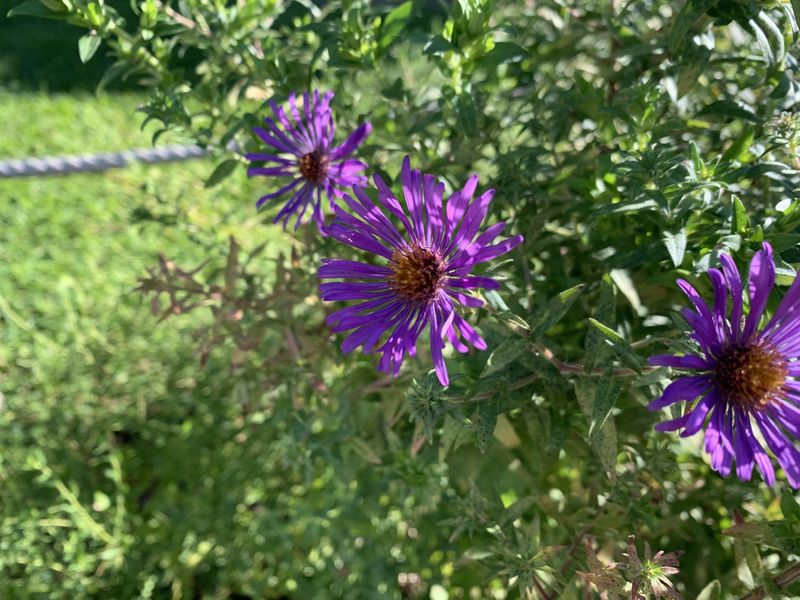
Sometimes the easiest fix is simply picking a shorter plant. Compact asters stay low enough that flopping is rarely a big issue.
Purple Dome is a well-known New England aster cultivar that forms a tidy mound.
It usually grows only around one and a half to two feet tall, with a spread about as wide. Its deep purple blooms cover the plant in fall, and the shape tends to hold up without stakes.
Results still depend on sun and soil, so a shaded or overly rich spot can make even compact types stretch.
Other shorter options exist as well. Some New York aster cultivars stay small, and aromatic aster forms a low, bushy plant that handles dry, sunny spots that are common in parts of Ohio.
Check plant tags and nursery descriptions for mature height before buying.
Compact asters work nicely along walkways, in front borders, and in containers. They also pair well with taller types planted behind them, giving you layers of color without as much leaning up front.
Because native asters support late-season pollinators, shorter cultivars can still be a useful addition. Keep them in full sun, divide crowded clumps every few years in spring, and they should stay neat for many seasons.