10 Perennials New York Homeowners Should Never Prune This Fall
Put down those shears and step away from the garden bed. Fall in New York tempts every tidy gardener to chop everything flat, but some perennials need their stems left alone.
Frost sparkles on seed heads, finches chatter over dried cones, and grasses sway in the cold breeze. That scene only happens if you hold off on the cleanup.
Leaving certain plants standing protects their crowns, feeds hungry birds, and gives your yard real winter charm. A little patience now often means fuller, stronger plants in spring.
The plants below are the ones to walk past with your hands in your pockets. Work less this fall, and your garden will thank you in April.
1. Hardy Mums, Whose Stems Shield The Crowns
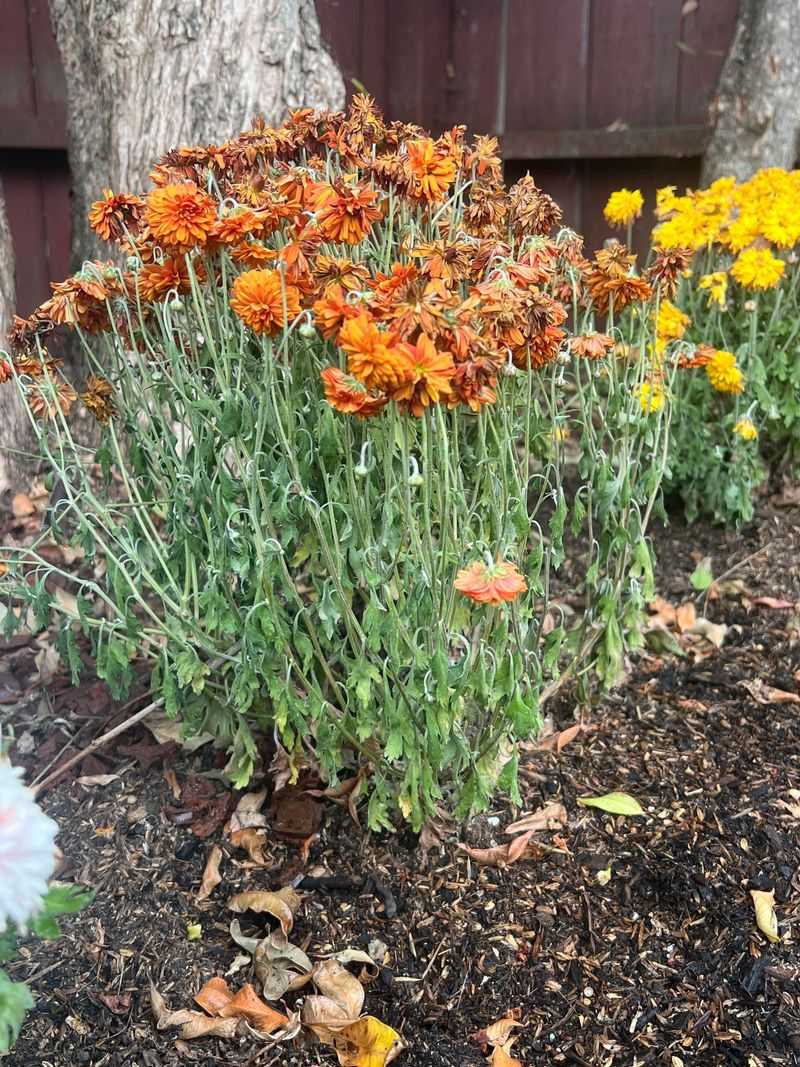
Garden mums look tired by November, and the urge to tidy them is real. Those brown stems are quietly guarding the plant’s heart through winter.
Hardy mums grow from a crown sitting right at soil level. Old stems and leaves trap snow and still air around that crown like a cozy scarf.
Cutting them down early leaves the crown open to harsh wind and deep freezes. Many New York gardeners lose mums each year simply because they trimmed too soon.
Here is an easy plan for fall. Let the stems stand, then pile two or three inches of shredded leaves around the base.
Wait until early spring, when fresh green shoots appear near the soil. At that point, snip the old stems down to just above the new growth.
Drainage matters just as much as stem cover. Mums sitting in soggy clay often rot over winter, so pick a spot where water drains fast.
Fun fact for curious growers: chrysanthemums have been grown in China for over 2,500 years. Gardeners there prized them as symbols of long life and steady strength.
Another helpful trick is planting new mums in spring rather than fall. Spring planting gives roots a full season to settle in before cold weather arrives.
Fall-bought mums from store displays can still return next year. Get them into the ground by early September and leave the stems standing afterward.
Your future self will thank you for being lazy here. Messy mums in winter often become lush, bloom-covered mounds by the following autumn.
2. Lavender, Which Hates Fall Cuts
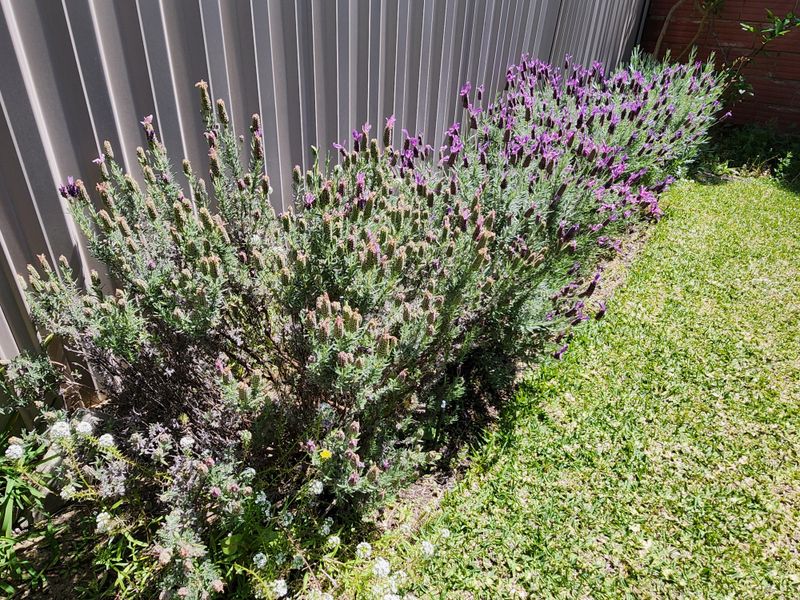
Lavender is a Mediterranean diva living in a snowy climate. Treat it right, and it rewards you with fragrant purple spikes every summer.
Fall pruning is one thing lavender truly dislikes. Fresh cuts can trigger tender new shoots that freeze before they toughen up.
Experts suggest finishing any lavender shaping six to eight weeks before your first hard frost. Across much of New York, mid-August works as a smart cutoff.
After that point, leave the plant alone and enjoy its silvery winter look. The leafy stems also shelter the woody base from icy wind.
Spring is the better moment for a real trim. Wait until you spot small green leaves sprouting along the lower stems.
Cut back about one third, staying above those fresh green buds. Avoid slicing into bare, old wood because lavender rarely sprouts from it.
Your New York Garden Changes Every Week. Your Plan Should Too.
Gardening in New York changes quickly throughout the season. Every Friday you’ll receive a simple weekly plan showing exactly what to plant, prune, fertilize, harvest, and protect so you never miss the right timing.
Soggy soil gives lavender more trouble than cold does. Plant it in gravelly, fast-draining ground or a raised bed for better winter success.
Skip heavy mulch right against the stems, too. Wet mulch holds moisture and invites rot, so a light layer of gravel works nicely instead.
Curious about varieties? English types like Munstead and Hidcote handle cold winters much better than French or Spanish lavender.
Picture yourself next July, brushing past a fragrant hedge of blooms. Holding back the shears now makes that sweet summer moment possible.
3. Russian Sage, Better Trimmed In Spring
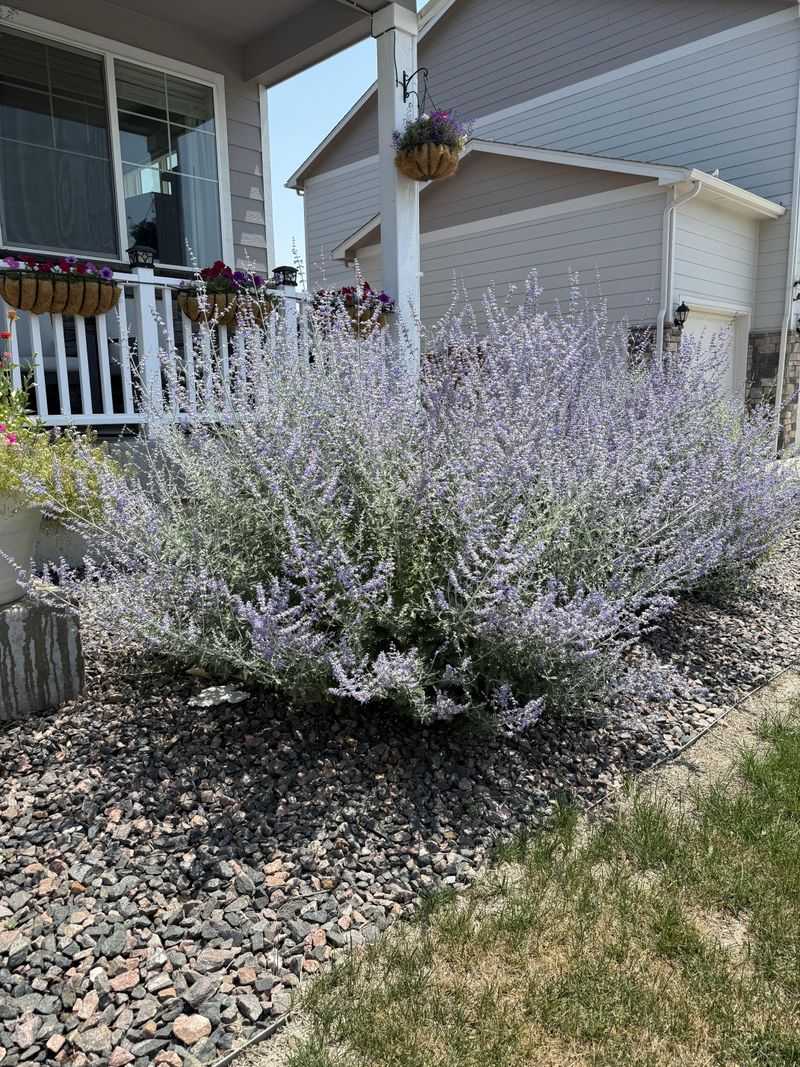
Ghostly silver stems swaying in January? Russian sage pulls off that look beautifully when you leave it standing through winter.
Gardeners love this plant for its airy lavender-blue haze in summer. Its pale stems stay surprisingly pretty long after the flowers fade.
Leaving those stems in place helps the plant handle cold weather. They protect the crown and make the plant hardier overall.
Fall cuts can expose the base to freezing water and harsh wind. Russian sage handles winter best when gardeners resist the urge to tidy.
Late winter or early spring is the right window for pruning. Look closely for tiny green buds forming along the lower stems.
Cut stems back to about six to twelve inches, just above those buds. Spring trimming like this encourages sturdy, upright growth and plenty of flowers.
Floppy plants are a common complaint with Russian sage. Rich soil and too much water often cause the sprawl, so lean, dry ground works better.
Here is a neat bit of trivia. Its botanical name, Perovskia, honors a Russian general named Vasily Perovsky.
Pollinators adore this plant during summer, especially bees. Deer usually ignore it thanks to its strong, sagey scent.
Snowy mornings show off its best winter trick. Frost clings to every thin stem, turning a plain corner of your yard into a little sculpture garden.
4. Coneflowers, Feeding Finches All Winter
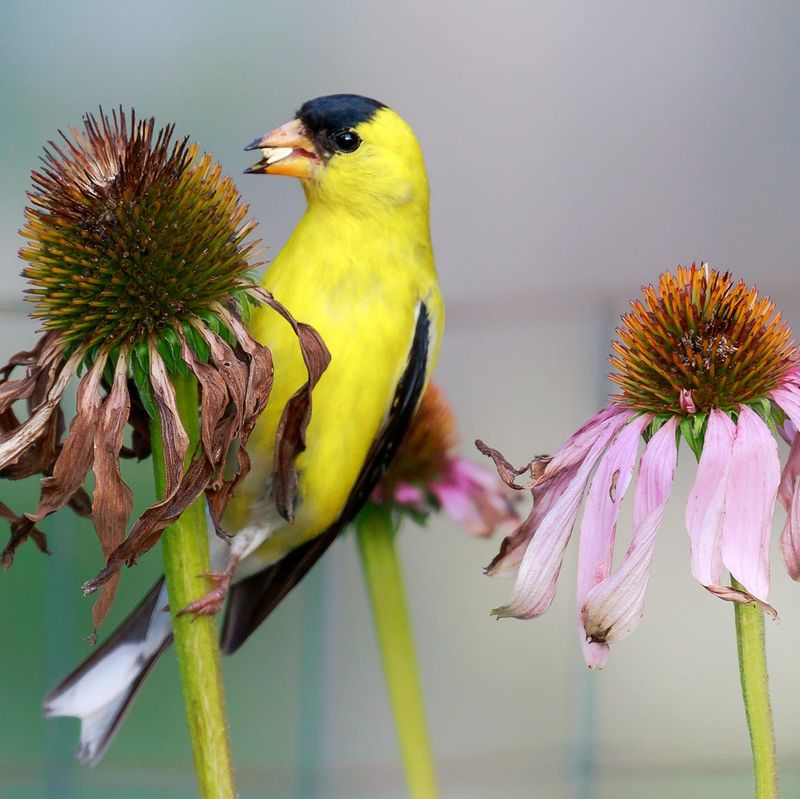
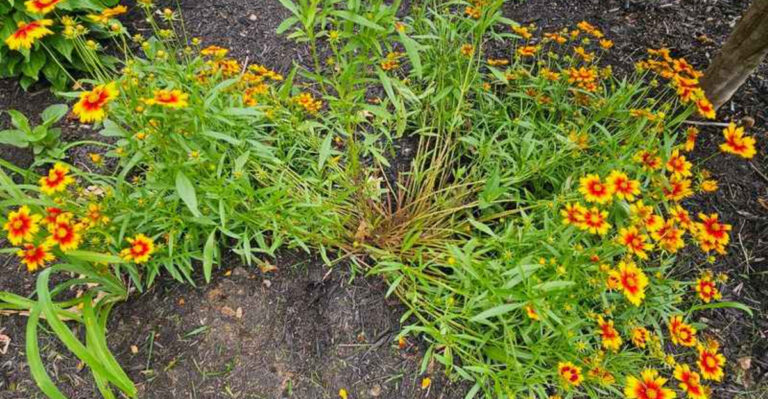
Watch a goldfinch balance on a dried coneflower, and you will understand why lazy gardening pays off. Those spiky brown cones are a winter snack bar.
Echinacea seed heads hold dozens of small seeds. Goldfinches, juncos, cardinals, and blue jays all visit when other food runs low.
Winter can be tough on backyard birds. Natural seed sources help them stay fueled during cold snaps and snowy weeks.
Leaving the stems also adds texture to a bare yard. Dark cones topped with snow look charming against white ground and gray skies.
Some gardeners worry about a messy look. A simple fix is cutting down floppy or broken stems while keeping the sturdy ones standing.
Spring cleanup is quick and easy. Cut old stalks to the ground once new leaves begin poking up at the base.
A bonus surprise often follows. Dropped seeds can sprout into baby coneflowers, giving you free plants to share or move.
Did you know? Native Americans used coneflower roots as a traditional remedy for many ailments long before it became a garden favorite.
Plant several in a sunny spot near a window for the best show. You will get summer butterflies and winter birds from the same plants.
Keep a pair of binoculars handy this winter. Coneflower patches can turn a quiet morning into a lively bird-watching session.
5. Ornamental Grasses, Adding Winter Drama
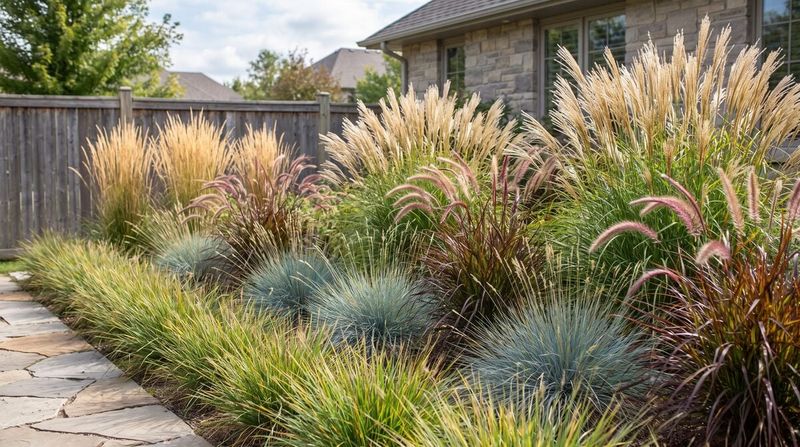
Few sights beat golden grass plumes glowing in low winter sun. Ornamental grasses bring movement and sound to a yard that might otherwise feel frozen.
Their tall foliage does more than look pretty. It shields the crown from freezing temperatures and keeps extra moisture away from roots.
Birds and helpful insects also use standing grasses for cover. Small creatures tuck into the dense clumps during cold, windy nights.
Fall cutting removes that shelter and leaves stubby crowns exposed. Hollow stems can even collect water, which may freeze and damage the plant.
Late winter or early spring is the best time for cleanup. Aim to finish before fresh green blades start pushing through.
Here is a handy trick for big clumps. Wrap twine or a bungee cord around the bundle, then cut beneath it for easy hauling.
Leave about four to six inches of stubble on most types. Warm-season grasses like switchgrass and little bluestem handle this method nicely.
Cool-season grasses such as blue fescue need gentler care. Simply comb out dried blades with gloved fingers instead of chopping them down.
Fun fact: switchgrass is native to prairies and once covered huge parts of North America. Its deep roots can reach over ten feet underground.
Try placing grasses where winter light hits them in the afternoon. Glowing plumes can make even a gray February day feel a little warmer.
6. Sedum, Whose Seed Heads Catch Frost
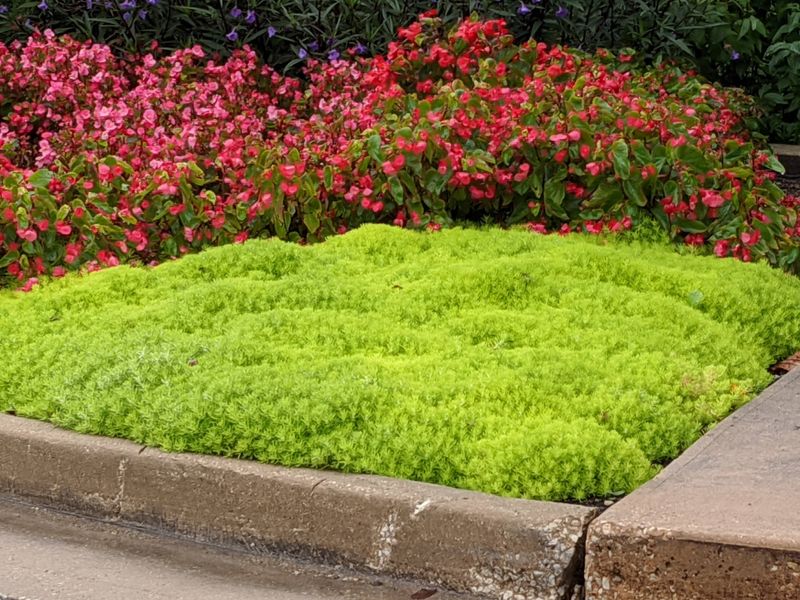
Sedum is the plant that refuses to quit looking good. Even in deep winter, its flat seed heads stay sturdy and full of charm.
Varieties like Autumn Joy turn pink, then rusty red, then a rich chocolate brown. Those dried heads hold their shape through months of cold weather.
Frosty mornings bring the real magic. Tiny ice crystals cling to each bloom cluster, making it sparkle like sugar-dusted broccoli.
Snow also piles neatly on top of the flat heads. Little white caps across a sedum patch can brighten a dull winter view.
Wildlife gets a perk from your patience, too. Finches and other small birds sometimes pick through the dried heads for seeds.
Cleanup is simple once spring arrives. Snap or snip old stems when you see small, rosette-like green buds at the base.
Watch out for flopping stems in summer. A quick trim of one half in late May, called the Chelsea chop, keeps plants compact.
Sedum thrives on neglect, which makes it perfect for busy homeowners. Sunny spots and well-drained soil are about all it asks for.
Here is a quirky detail. Sedum’s thick leaves store water, so it often shrugs off droughts that leave other perennials droopy.
Pair it with grasses for a winter scene with plenty of contrast. Fluffy plumes and chunky seed heads look wonderful side by side.
7. Hellebores, Keeping Their Evergreen Leaves
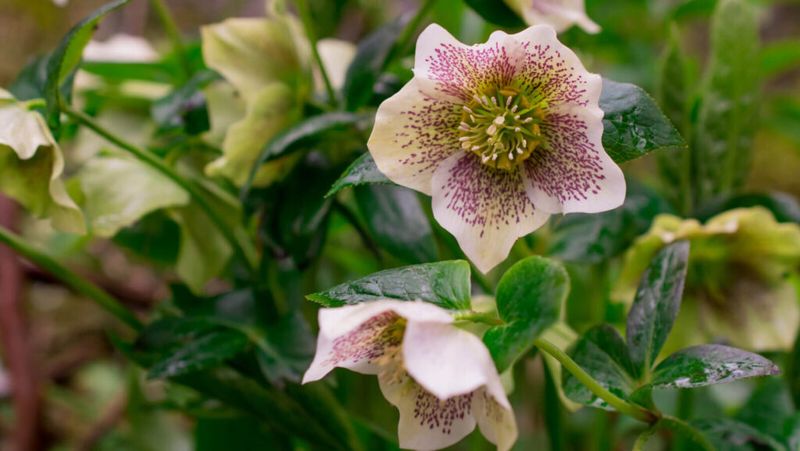
Imagine spotting fresh flowers while snow still covers the ground. Hellebores make that happen, often blooming from late winter into early spring.
Their leathery leaves stay green all year long. Such steady color is rare when most of the garden has gone brown and bare.
Cutting those leaves in fall robs the plant of winter protection. Foliage also helps feed the plant through sunny winter days.
Patience pays off with hellebores. Wait until late winter, just as flower buds start rising from the center of the plant.
At that point, snip off old, tattered, or spotted leaves at the base. Removing them shows off blooms and lowers the risk of leaf disease.
Gloves are a smart idea during this job. Hellebore sap can irritate skin, and all plant parts are toxic if eaten.
Deer and rabbits usually leave them alone for the same reason. Shady spots under trees suit these tough plants perfectly.
A fun nickname gives a clue about their timing. People often call them Lenten roses because blooms appear around the Lent season.
Their flowers also face downward, so plant them on a slope or raised edge. You will see their freckled faces much more easily.
Once established, hellebores can live for decades with little fuss. Treat them kindly now, and they will greet you every late winter for years.
8. Coral Bells, Holding Foliage Through Winter
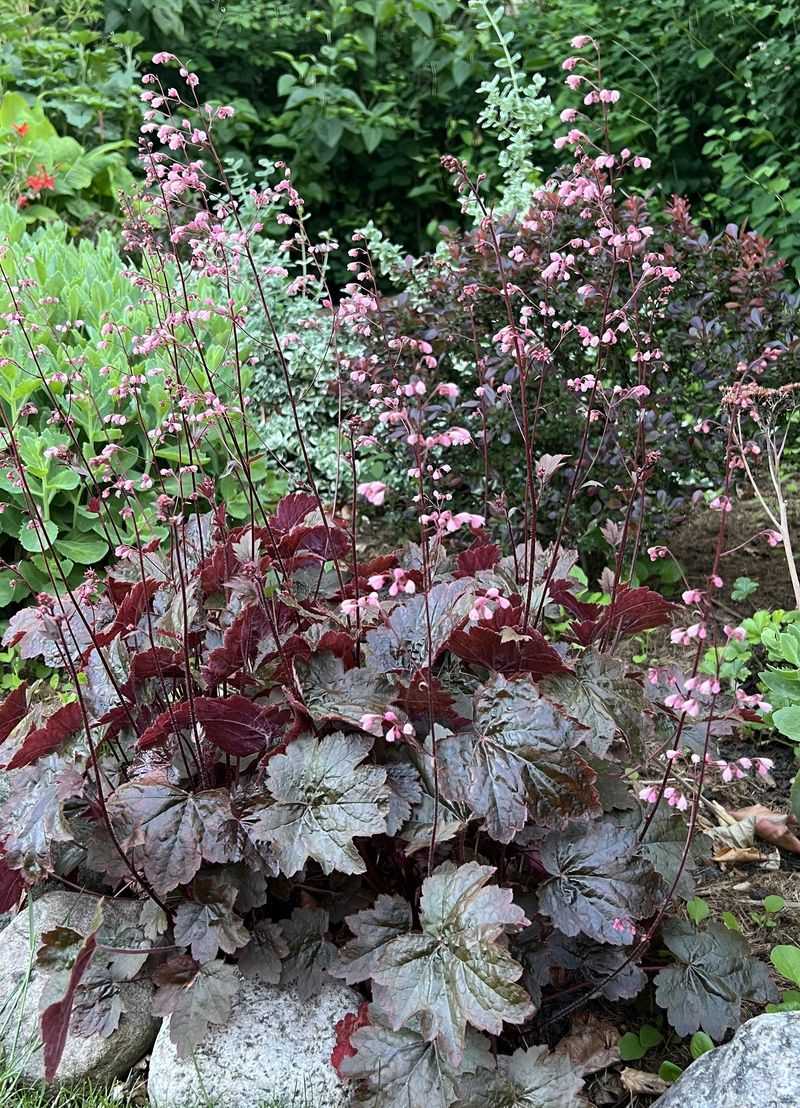
Coral bells are the colorful jewels of shady gardens. Their leaves come in purple, lime, caramel, and silver, and many hang on through winter.
Heuchera is native to North America, so it handles cold fairly well. Even so, its leaves play a big role in winter survival.
Tattered foliage might look shabby by January. Still, those leaves act as insulation, keeping the crown warmer during freezing nights.
Fall trimming leaves the crown bare and open to trouble. Frost heave is a common problem in New York with exposed coral bells.
Frost heave happens when soil freezes and thaws over and over. Shifting ground can push shallow roots right out of the soil.
Here is a helpful habit. Check your coral bells after warm spells and gently press any lifted plants back into the ground.
A light layer of shredded leaves around the base adds extra protection. Keep mulch loose so the crown can still breathe.
Spring cleanup is easy and kind of satisfying. Pull or snip ragged leaves once fresh new ones unfurl from the center.
Older plants sometimes grow woody, leggy stems above the soil. Dividing them every three or four years in spring keeps them neat and vigorous.
Hummingbirds visit the tiny bell-shaped flowers during summer. Protecting the leaves now means more of those delightful visitors next year.
9. Rose Mallow Hibiscus, Slow To Wake In Spring
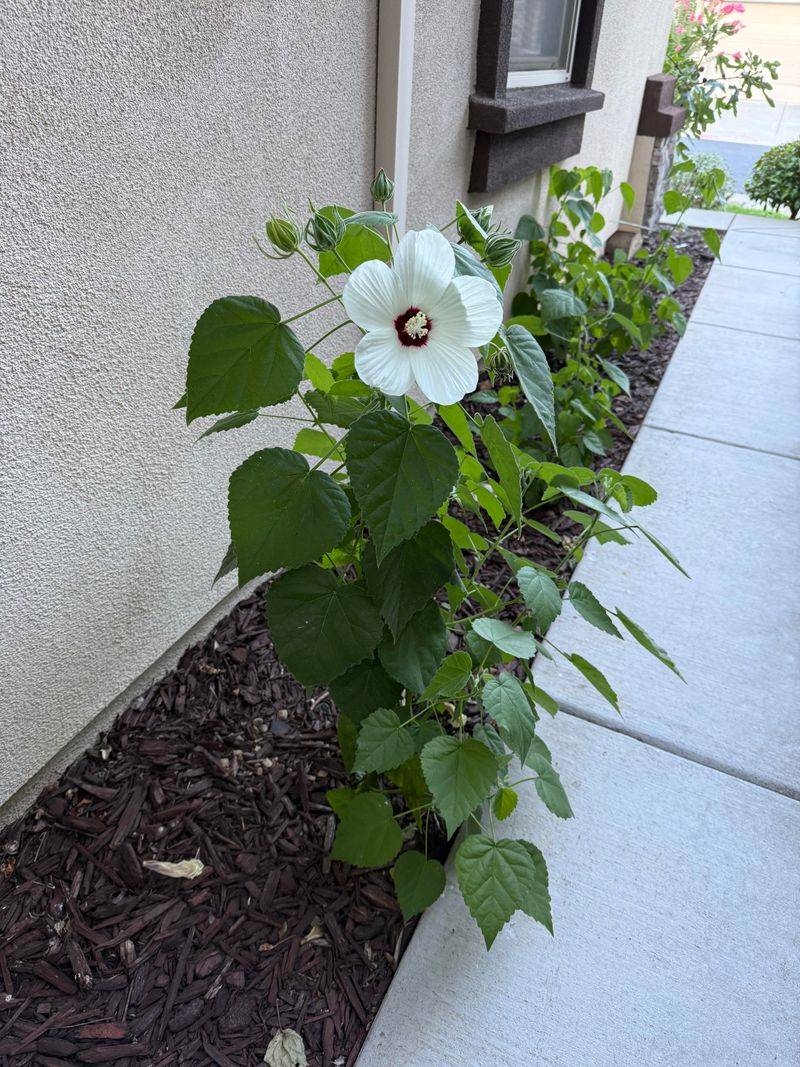
Many gardeners panic every May when their rose mallow shows no sign of life. Relax, because this plant is simply a famously late sleeper.
Hibiscus moscheutos produces dinner-plate blooms in midsummer. Those huge flowers can measure up to twelve inches across.
Its woody stems turn brown and bare after frost. Leaving them standing has a very practical purpose in spring.
Old stems mark exactly where the plant is buried. Without them, it is easy to dig or plant right on top of a sleeping hibiscus.
New shoots grow from the base, not from the old stems. So pruning can wait until early spring, right before or as new growth appears.
Cut the old stalks down to about six inches tall. Some gardeners wait until late May or even June to see fresh shoots.
Patience matters here more than skill. In colder parts of New York, rose mallow often wakes weeks after nearby perennials.
A small plant marker adds extra peace of mind. Pop one in during fall, and you will not wonder where it went.
Rose mallow loves moisture and full sun. It even grows naturally along marshes and wet ditches in the eastern United States.
Once it finally wakes up, growth is speedy and impressive. Plants can shoot up several feet in just a few weeks of warm weather.
10. Joe-Pye Weed, Sheltering Beneficial Insects
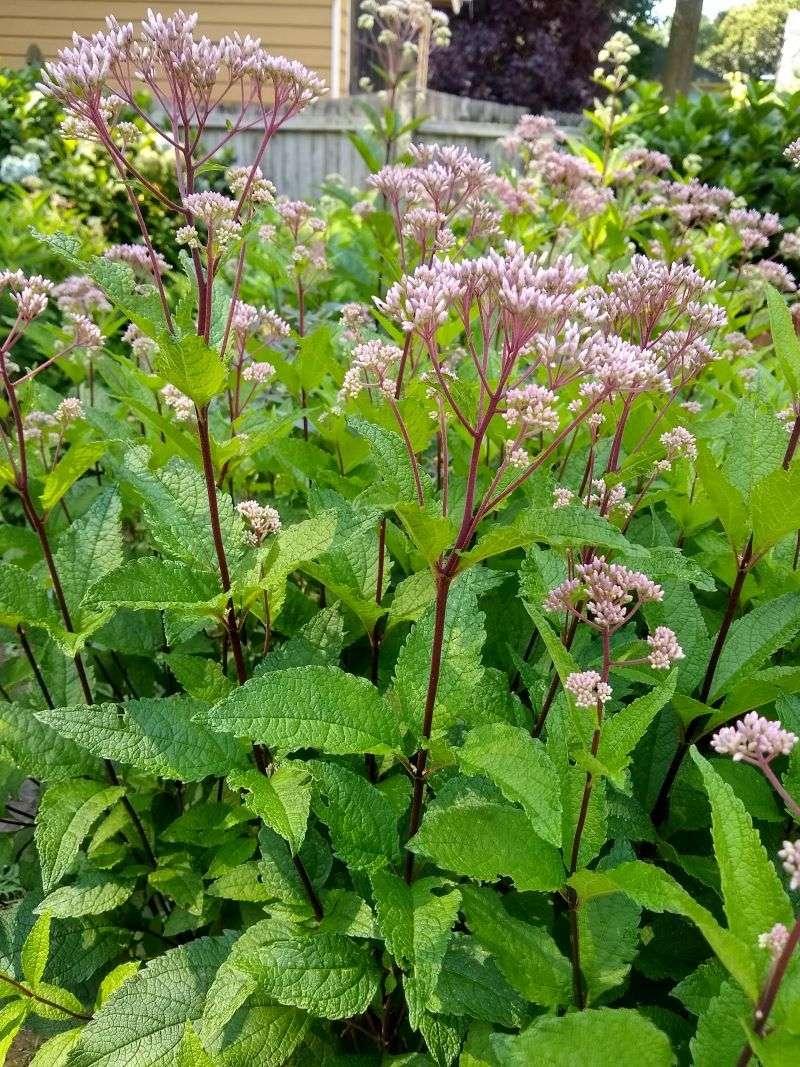
Towering over most of the garden, Joe-Pye weed is a gentle giant with a big job. Its tall stalks become winter housing for helpful insects.
Some native bees nest inside hollow or pithy plant stems. Other beneficial bugs tuck themselves into dried leaves and seed heads.
Cutting everything down in fall removes those cozy shelters. Leaving stalks standing supports pollinators that will help your garden next summer.
Birds benefit as well from your restraint. Small seed-eaters pick through the fluffy heads during cold months.
Wait until late winter or early spring for cleanup. Even then, consider leaving cut stalks about a foot tall for nesting bees.
A loose brush pile in a back corner works great for trimmed stems. Insects still emerging in spring can crawl out safely.
Here is a bit of folklore. Legend says the plant was named after Joe Pye, a healer who used it to treat fevers.
Butterflies flock to its mauve flower clusters in late summer. Swallowtails and monarchs are frequent guests across New York gardens.
Give it room, since plants can reach five to seven feet tall. Compact varieties like Little Joe suit smaller yards nicely.
Leaving a few messy stalks might feel odd at first. Think of it as hosting a winter hotel for the tiny helpers who keep your garden thriving.