Pansies Or Violas And Which One Handles North Carolina Winters Better
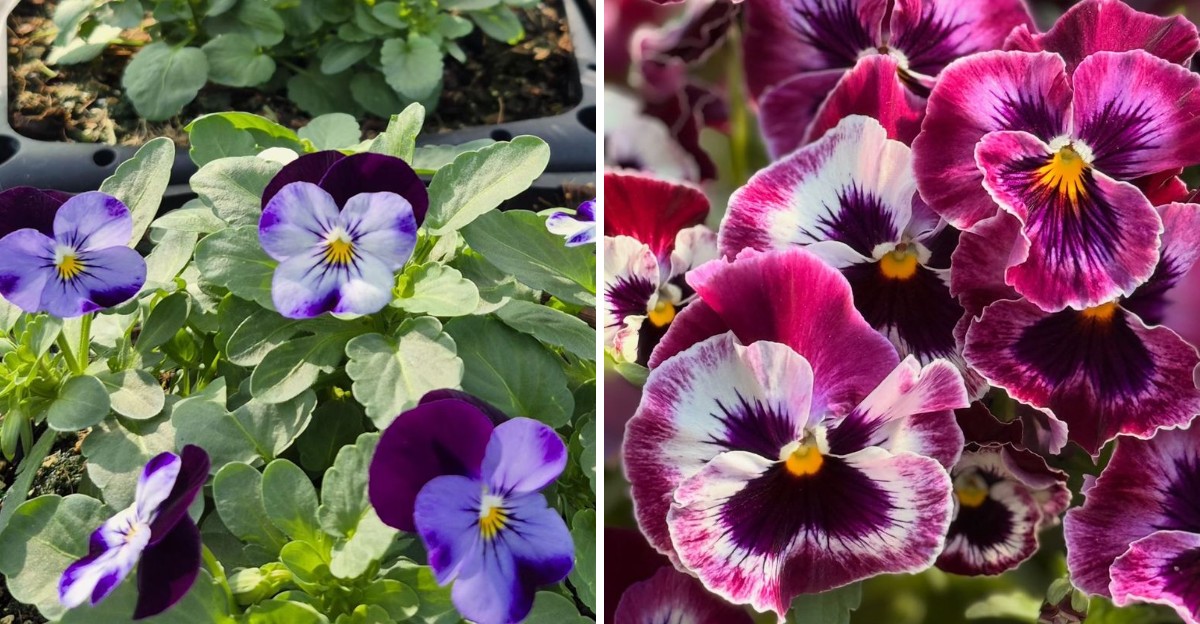
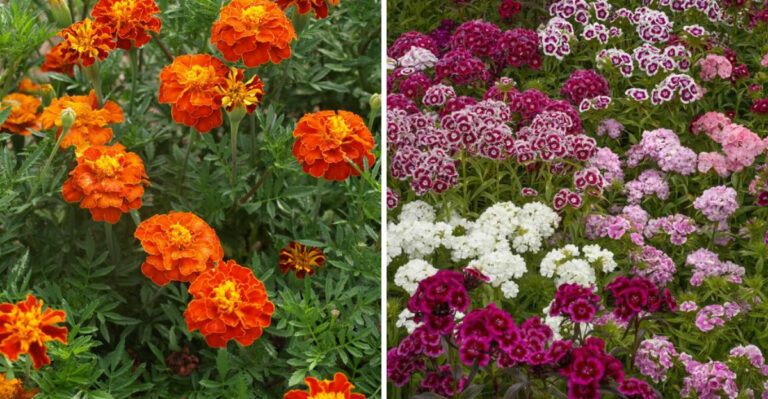
At first glance, pansies and violas look like cousins, and they are. They belong to the same plant family, yet they behave differently once winter comes. Pansies have large, bold faces that stand out in a bed or pot.
Violas have smaller flowers, but they bloom in greater numbers and often seem tougher. North Carolina winters swing between mild days and hard freezes, so that toughness matters.
Gardeners often pick whichever looks prettier at the garden center, then wonder why one thrives and the other struggles.
Size, bloom habit, and cold response all play a part. Choosing the right one for your spot can mean the difference between steady color and a tired-looking bed in January. A quick comparison makes the decision easy.
1. Both Are Cold Hardy Members Of The Viola Family
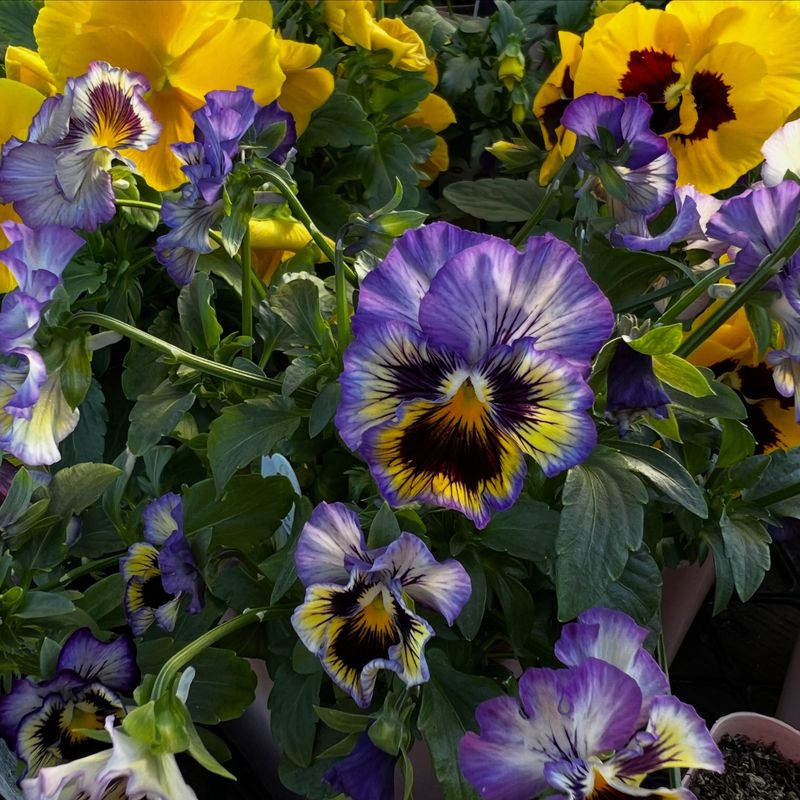
Think of pansies and violas as cousins who grew up in the same cold house. They belong to the same plant group, and both love cool weather far more than summer heat.
Pansies go by the name Viola x wittrockiana, while most garden violas come from Viola cornuta and its hybrids.
Family ties show up in how they handle winter. Both plants can take frost and many freezes without much fuss. Their leaves may droop on a bitter morning, yet they usually stand back up once the sun warms the bed.
Flowering happens in three waves. You get a nice round of blooms in fall, scattered color during mild winter spells, and then a big, happy flush in spring. That spring show is often the best part, when plants spread out and cover the soil with blossoms.
So here is the good news. Neither plant is a poor pick for winter beds. The better choice really comes down to the look you want and where the plants will grow.
Bold, large faces suit some spots, while a carpet of tiny blooms fits others. Sunny corners, windy slopes, and cozy porches all call for slightly different plans. Once you know what each plant does best, choosing gets much easier.
North Carolina gardeners have trusted both flowers for years. Walk past garden centers in October, and you will see tables loaded with flats of each kind.
They rank among the most widely planted flowers for fall and winter color across the state, from mountain towns to beach cottages.
That popularity is well earned, because few other plants give this much cheer during the coldest months of the year.
2. Violas Usually Bounce Back Faster After Hard Freezes
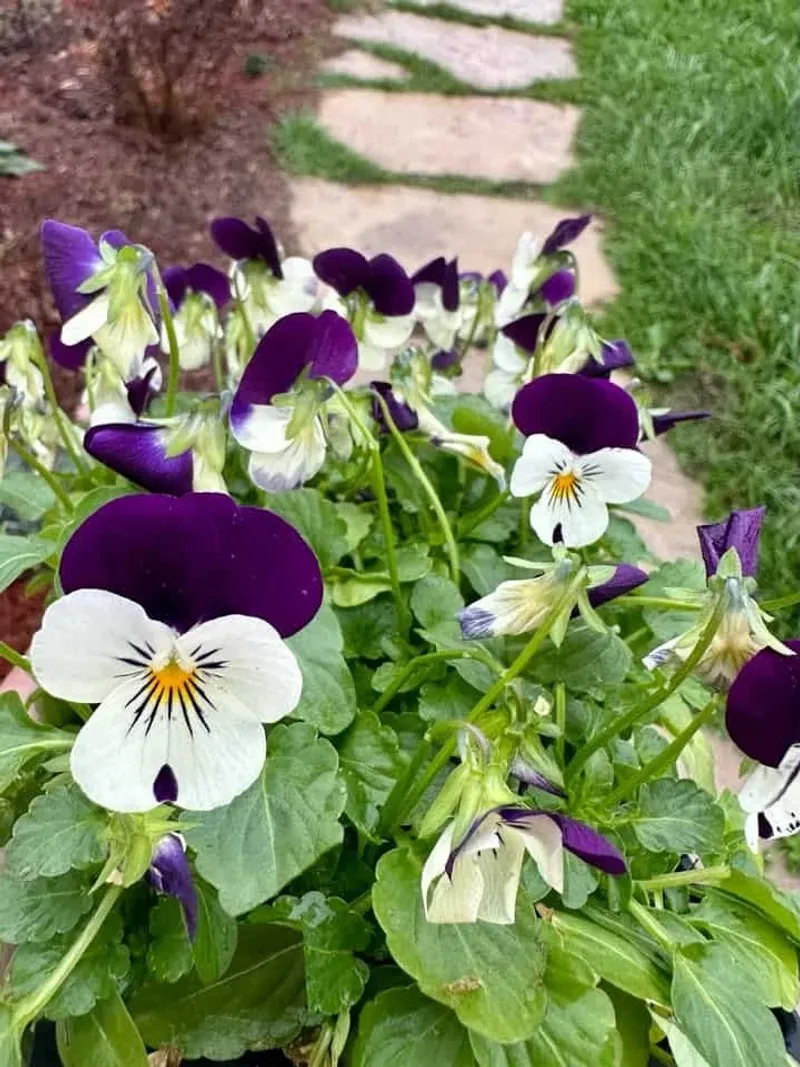
Wake up to a frozen yard in January, and the violas might look like wilted salad. Give them a sunny afternoon, though, and they often perk right back up. That quick recovery is one of their biggest strengths.
Size plays a big role here. Violas have smaller leaves and smaller flowers, and they grow in a tight, dense mound. That compact shape helps protect the plant, so after a hard freeze it can start blooming again sooner.
Pansies are tough too, but their large flowers and wide leaves show damage more easily. A big petal hit by ice can turn mushy and brown. You will often notice more cleanup work in a pansy bed after a cold snap.
Your North Carolina Garden Changes Every Week. Your Plan Should Too.
Gardening in North Carolina changes quickly throughout the season. Every Friday you’ll receive a simple weekly plan showing exactly what to plant, prune, fertilize, harvest, and protect so you never miss the right timing.
A few simple habits help both plants recover. First, keep your hands off frozen plants, since bending or stepping on icy leaves can crack the tissue inside. Wait until everything thaws before you touch anything.
Once the bed warms up, snip off any mushy flowers and brown leaves. Clean plants look better and put their energy into fresh growth. Removing damaged parts also cuts down on rot and disease.
On the coldest nights, cover beds with frost cloth. Lay it loosely over the plants and pin the edges down so wind cannot lift it. Take it off the next day when temperatures rise.
All of this matters a lot in North Carolina. Our winters love to swing wildly. One week brings a hard freeze in the teens, and the next feels like spring with sunny days near 60 degrees.
Plants that recover fast handle those ups and downs with far less drama, and violas shine in that kind of weather.
3. Violas Often Carry More Flowers Through Winter
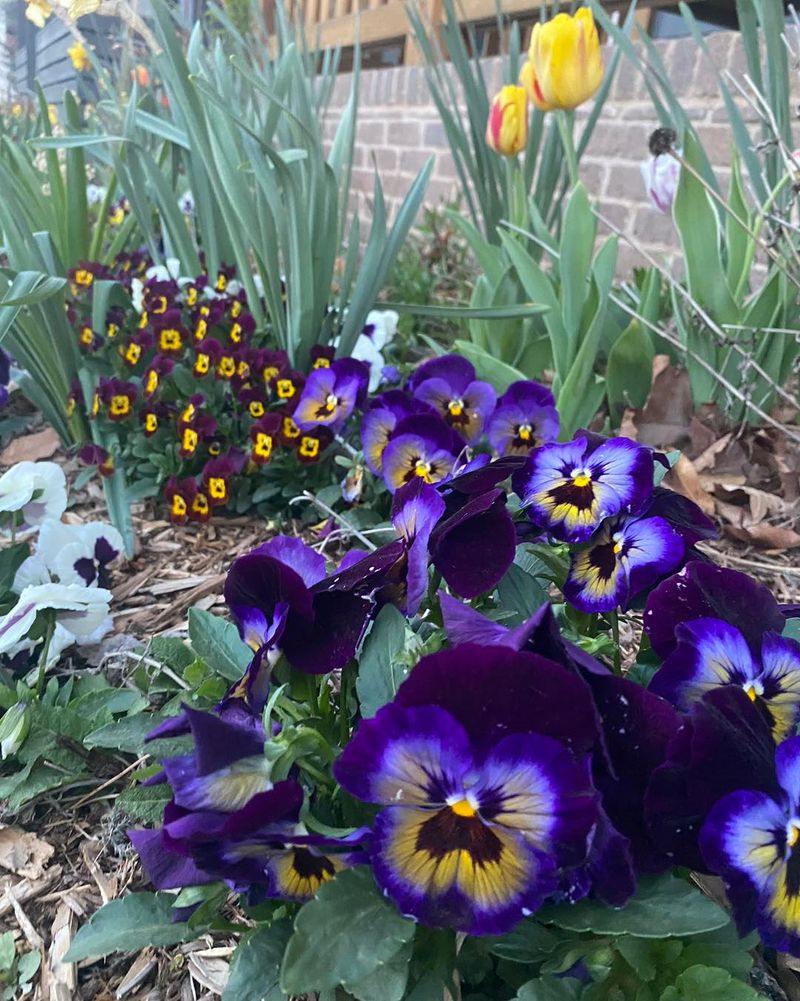
Count the blooms on a single viola plant, and you might lose track. These little plants are flower factories. A healthy one can be covered with dozens of tiny faces at once.
More flowers means a steadier show. When a cold night damages a few blooms, plenty of others are still standing. Pansies tend to carry fewer flowers, so losing even a handful can leave a plant looking bare for a while.
Want a true carpet of color? Plant violas a little closer together than you would pansies. Spacing them about six to eight inches apart helps them knit together into a solid sheet of blooms by spring.
Small flowers fade quickly, so regular cleanup pays off. Pinch off spent blooms every week or two when you walk by. The plant then pushes out new buds instead of making seeds.
Water is easy to forget in winter, yet it matters. North Carolina can go weeks without much rain in the cold months. When the soil feels dry an inch down and the ground is not frozen, give your plants a good drink, ideally in the morning.
Moist soil also holds heat better than dry soil. That small bit of warmth can help roots ride out a cold night. It is a simple trick that many gardeners overlook.
In the Piedmont and the Coastal Plain, violas can keep flowering through much of the winter. Charlotte, Raleigh, Greensboro, and Wilmington gardens often have color right through January and February.
For anyone who wants cheer in every month, violas are a smart and steady choice that rarely lets you down.
4. Pansies Make A Bigger Statement With Large Flowers
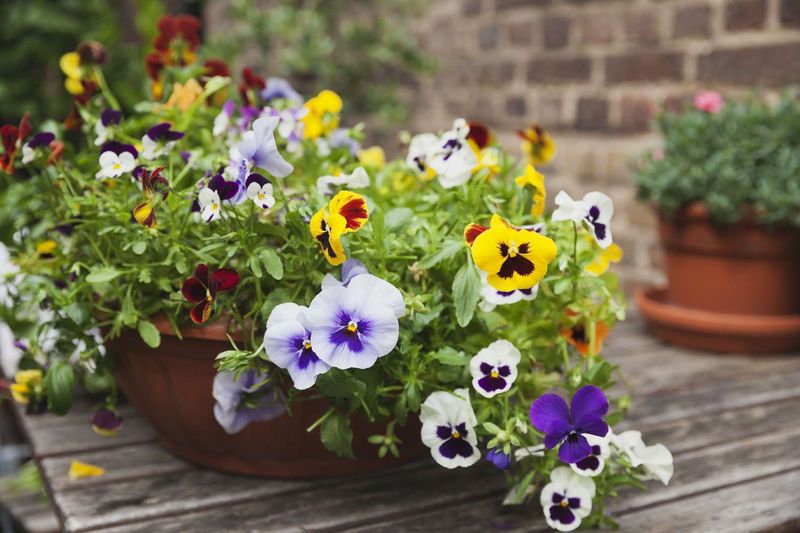
Nothing says welcome home quite like a pot of big, smiling pansies by the front door. Their flowers can reach two to four inches across, which is several times larger than a typical viola. Many have dark blotches that look like little faces staring back at you.
Those faces have charmed gardeners for centuries. The name pansy even comes from the French word pensee, meaning thought, because the drooping flowers seemed to be lost in thought. It is a sweet bit of history for such a cheerful bloom.
Big flowers create color you can spot from the street. A bed of yellow pansies glows on a cloudy day, and a mass of deep blue looks rich and elegant. If you want people to notice your garden, pansies deliver.
There is a tradeoff, though. Pansies usually make fewer flowers per plant, and those large petals show cold damage more easily. After a hard freeze, they may need a little more cleanup and time to recover.
Use them where bold color counts most. Front entry beds, mailbox plantings, and containers on steps are perfect spots. Grouping one or two colors together makes the display look even stronger.
Deadheading keeps the show going. Pinch off faded flowers along with the small stem behind them. This tells the plant to keep blooming rather than setting seed.
Pansies have long been the classic winter bedding plant across North Carolina. Banks, churches, and shopping centers fill their beds with them each fall.
That tradition continues because nothing else gives such large, bright flowers during the cold months, and they truly brighten a dreary day.
5. Hybrid Types Offer A Middle Ground
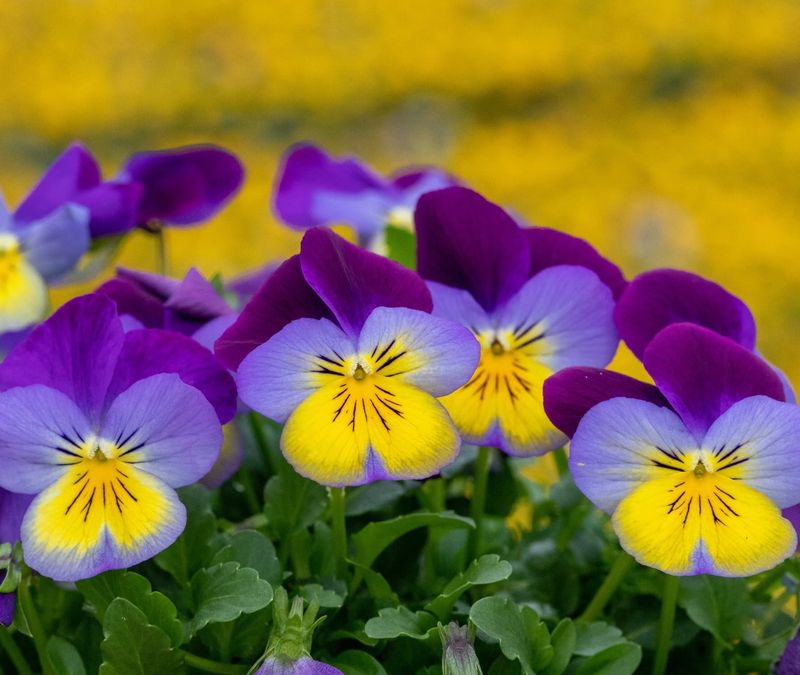
Can’t decide between big blooms and tough, busy plants? Plant breeders heard that question loud and clear. They created hybrid types that blend the best traits of both.
The Panola series is one of the best known examples. Its flowers are larger than violas but smaller than standard pansies. That medium size gives you real impact without the weaker spots that come with very big blooms.
These hybrids were bred to produce more flowers than typical pansies. They also carry good cold tolerance, so they handle freezes better than many large flowered types. In short, you get a plant that looks bold yet keeps going through rough weather.
Shopping for them is easy once you know what to look for. Check the plant tags at the garden center. Good tags list the flower size, the spread of the plant, and the series name.
Other series also fall into this in-between group. Some are sold as trailing or spreading types that work nicely in hanging baskets and window boxes. Reading labels helps you match the habit to your space, whether that is a tall pot or a low border.
Ask staff at local nurseries too. They often know which varieties held up best last winter in your area. That kind of local wisdom is worth a lot.
For North Carolina gardeners, hybrids solve a common problem. Many people want strong winter color but do not want to give up flower size completely.
A hybrid lets you enjoy noticeable blooms in January without as much worry about every cold snap, which makes winter gardening feel a lot more relaxed and rewarding.
6. Plant Both On Time For The Best Winter Results

Timing beats variety every single time. A viola planted in late November may struggle more than a pansy planted in early October. Roots make all the difference.
Plants set out early have weeks of warm soil to grow strong roots. Those roots anchor them firmly and feed them through cold spells. Late plantings sit in chilly ground, grow slowly, and have a harder time coping with winter.
Frost heaving is another reason to plant early. When wet soil freezes and thaws over and over, it can push young plants right out of the ground. Well rooted plants hold tight, while weak ones end up with exposed roots.
North Carolina has three main regions, and each has its own planting window. In the Mountains, aim for mid September to early October. Cold arrives early up there, so a head start helps a lot.
Piedmont gardeners can plant from late September through October. That covers cities like Charlotte, Raleigh, and Winston-Salem. In the Coastal Plain, October into early November works well, since warm fall weather lasts longer near the coast.
After planting, spread a light layer of pine straw around your plants. Keep it about an inch or two deep and away from the crowns. Mulch holds moisture, keeps soil temperatures steadier, and helps prevent heaving.
Water new plants well for the first few weeks. Steady moisture helps roots spread into the surrounding soil. Once they settle in, they need less attention.
Here is the big takeaway for North Carolina gardeners. Planting on time matters more to winter success than choosing pansies over violas. Get them in the ground early, and either one will reward you.
7. Choose Violas For Colder Spots And Pansies For Showy Beds
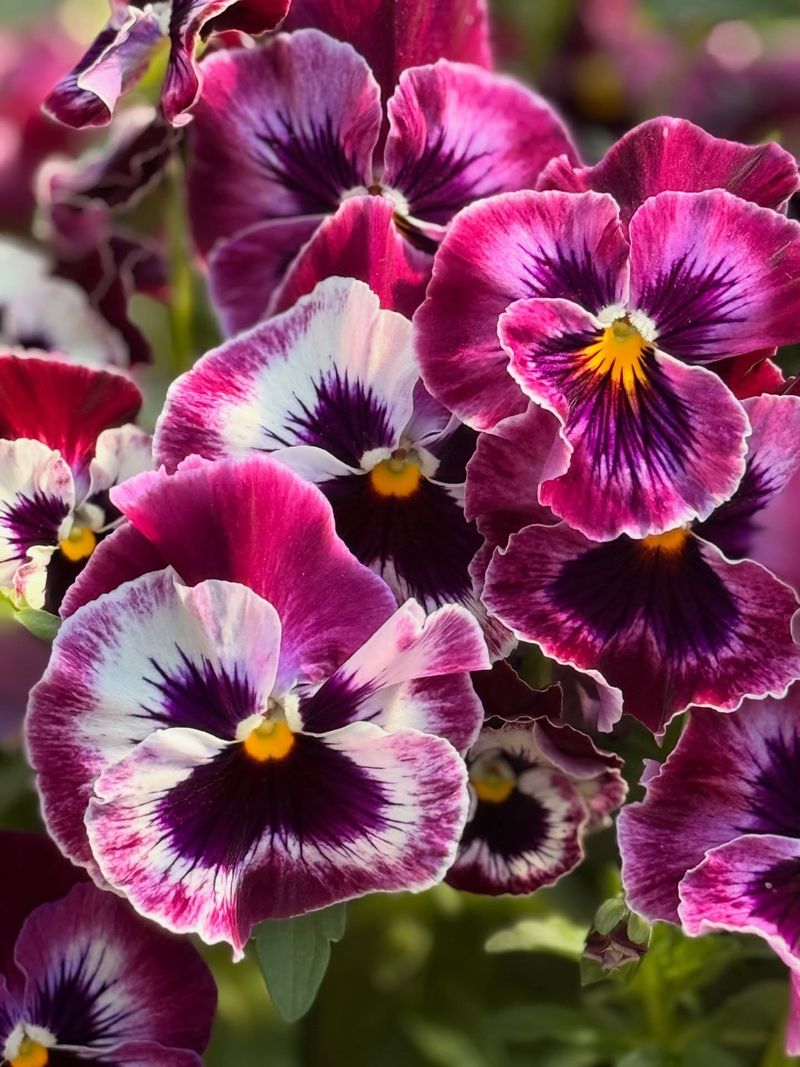
Every yard has its own little weather zones. The open bed by the road may catch every icy gust, while the porch corner stays snug and calm. Matching plants to those spots is a simple way to win at winter gardening.
Violas belong in the tough places. Their compact shape and quick recovery make them great for exposed, windy, or colder sites. Open beds, hillsides, and low spots where cold air settles are all fair game.
Pansies shine where people see them up close. Their big faces deserve a front row seat along walkways and beside entries. A little shelter from a wall, fence, or roof overhang also helps protect those large petals.
Containers give pansies an extra advantage. When a severe cold snap is coming, slide the pots into a garage or against the house. Move them back out once the weather softens.
Mixing both plants is a fun option too. Try a border of violas in front of a bed of pansies. The tiny blooms fill gaps, while the larger flowers add height and drama.
Color combos can tie everything together. Pair yellow violas with purple pansies, or use white with soft blue for a calm look. Repeating a color across the yard makes it feel planned and polished.
Mountain gardeners have extra reason to lean on violas. Places like Boone and Asheville see longer, harsher cold than the rest of the state.
Violas handle that weather especially well and keep coming back after rough nights. Down in warmer regions, you have more freedom to use pansies boldly wherever you like.
8. Care Is The Same For Both
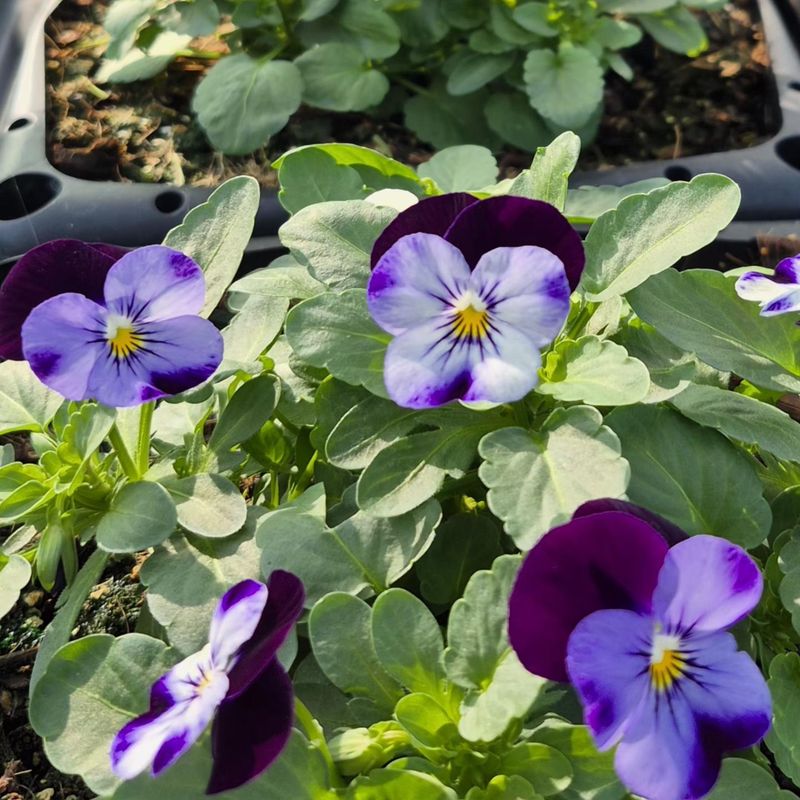
Good news for busy gardeners: one routine keeps both plants happy. Pansies and violas share the same basic needs. Learn it once, and you can use it everywhere.
Start with location. Both grow best in full sun to part shade, with at least six hours of light for the most flowers. Well drained soil is a must, since soggy roots in cold weather lead to rot.
Raised beds or loose, amended soil work great. Moisture comes next. Water during dry spells, checking the soil with your finger first. Skip watering when the ground is frozen, and aim for mornings so leaves dry before night.
Deadheading keeps flowers coming. Pinch off faded blooms every week or so. It takes only a few minutes and pays off with a longer show.
Feeding needs a special touch in cool months. Cold soil slows down the microbes that turn some fertilizers into food plants can use. Choose a fertilizer that supplies nitrogen mainly as nitrate, often sold as a cool season or pansy formula, and follow label rates closely.
Keep an eye out for pests during mild spells. Slugs love damp nights and chew ragged holes in petals. Aphids cluster on new growth, and a strong spray of water or insecticidal soap usually handles them.
Following this routine in North Carolina keeps both plants blooming from fall into late spring.
Many beds look their very best in April, when warm days spark a final burst of color. With steady care, your pansies and violas will give you months of joy for very little effort.