What To Do With Unripe Melons When Michigan Frost Comes Early
Fall nights in Michigan can turn sneaky, slipping a chilly blanket over gardens before anyone feels ready. You step outside at sunrise, see silver crystals on the leaves, and worry about the melons still out there.
Out in the patch, round fruits still sit pale and heavy, nowhere near the sweet treats you imagined. They smell faintly grassy instead of honeyed, and the rinds feel firm and hard.
Plenty of gardeners give up on them, but that can waste months of watering and weeding. Those green melons may still be useful if you know a few simple tricks and recipes.
Some tricks buy extra days on the vine, while others turn firm fruit into tangy jars for the fridge. A few ideas even set you up for a stronger garden when Michigan warms again next year.
1. Pick Fruits With Faint Yellow Ground Spots First
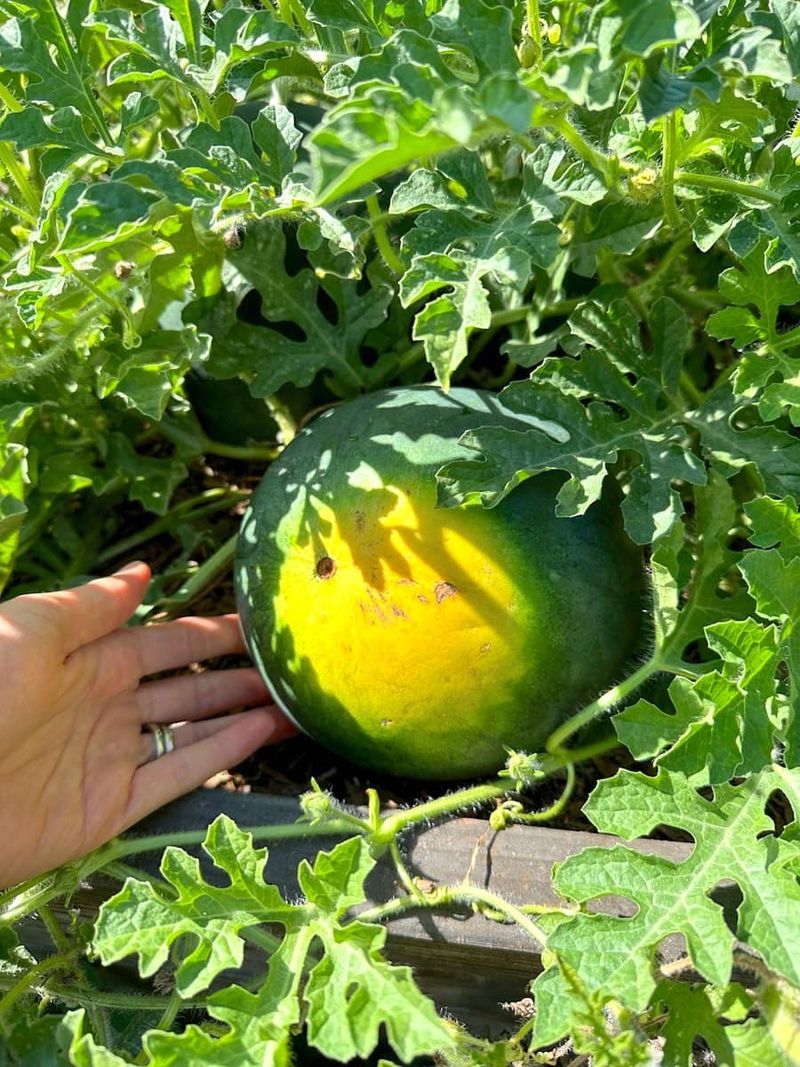
Experienced growers often judge ripeness from underneath the fruit, on the pale patch that rested against the cool soil all season.
That spot is called the ground spot, and its color is a useful ripeness clue. A bright white patch usually means the fruit needs more time, while creamy yellow signals real progress.
When frost threatens in early October, gently roll each melon over and check the underside with your eyes. Pick the ones with even a faint yellow blush first, since they have the best chance to finish.
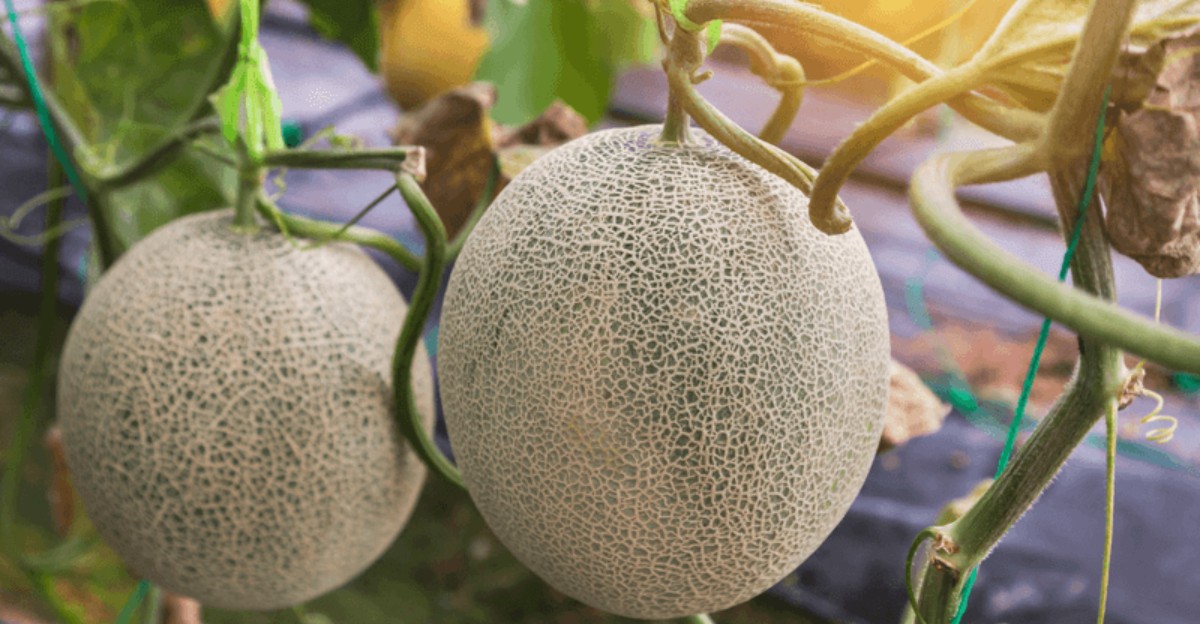
For cantaloupes, also look for netting that looks raised and corky, plus a small crack near the stem. Watermelons give a different clue, since the curly tendril closest to the fruit often turns brown and dry.
Use clean pruning shears and leave about two inches of stem attached to each melon you harvest. Pulling or twisting can tear the rind, which opens a doorway for mold during storage indoors.
Handle each fruit gently, because bruises spread fast once the weather turns cold. Set them in a single layer inside a sturdy basket lined with an old towel or newspaper.
Sorting your harvest this way helps you decide which melons to ripen, which to cook, and which to compost. A quick check before a frosty night can save fruit that might otherwise be lost.
2. Cover Vines Overnight With Frost Cloth
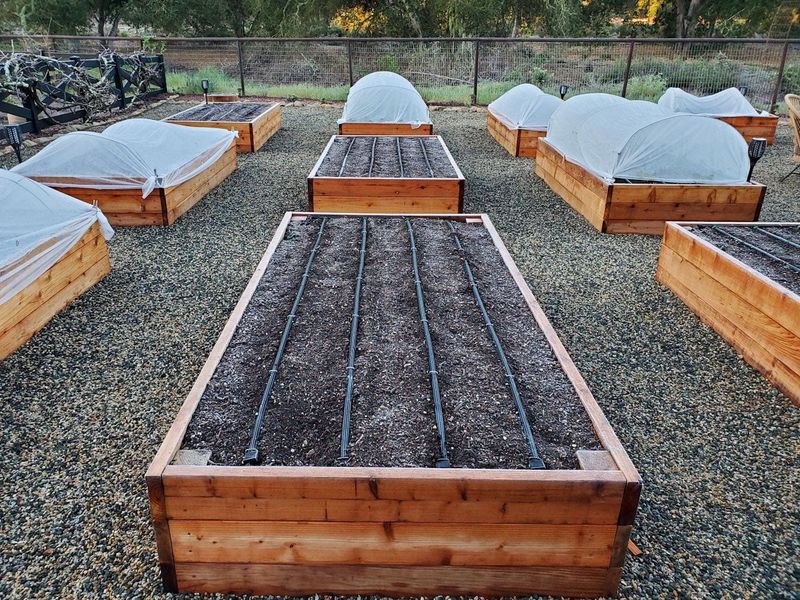
Think of frost cloth as a light blanket for your garden, tucked in right before the sun sets. Your melons cannot cover themselves, so a little help on cold nights goes a long way.
Light frosts in Michigan can arrive weeks before a hard freeze, giving you a chance to buy time. A few extra sunny days in early October can push borderline fruit closer to ripeness.
Garden centers sell lightweight row cover fabric that traps warmth rising from the soil during the night. Heavier versions can protect plants down to about twenty-eight degrees, depending on the weight you choose.
Drape the cloth loosely over the vines so it reaches the ground on every side of the bed. Weigh down the edges with rocks, bricks, or garden staples so gusty fall winds cannot lift it away.
Your Michigan Garden Changes Every Week. Your Plan Should Too.
Gardening in Michigan changes quickly throughout the season. Every Friday you’ll receive a simple weekly plan showing exactly what to plant, prune, fertilize, harvest, and protect so you never miss the right timing.
Without frost cloth in the shed, old bedsheets, light blankets, or cardboard boxes can work in a pinch. Skip plastic tarps resting directly on leaves, since they can chill the foliage they touch overnight.
Pull the covers off each morning once temperatures climb above freezing and the frost melts from the lawn. Sunlight needs to reach the leaves, and trapped moisture under fabric can invite mildew on warm afternoons.
Keep an eye on your local forecast, especially clear and calm nights when heat escapes fastest from gardens. Covering vines takes only a few minutes, and it can buy extra days of growing when frost is brief.
3. Move Green Melons Indoors To A Warm Windowsill
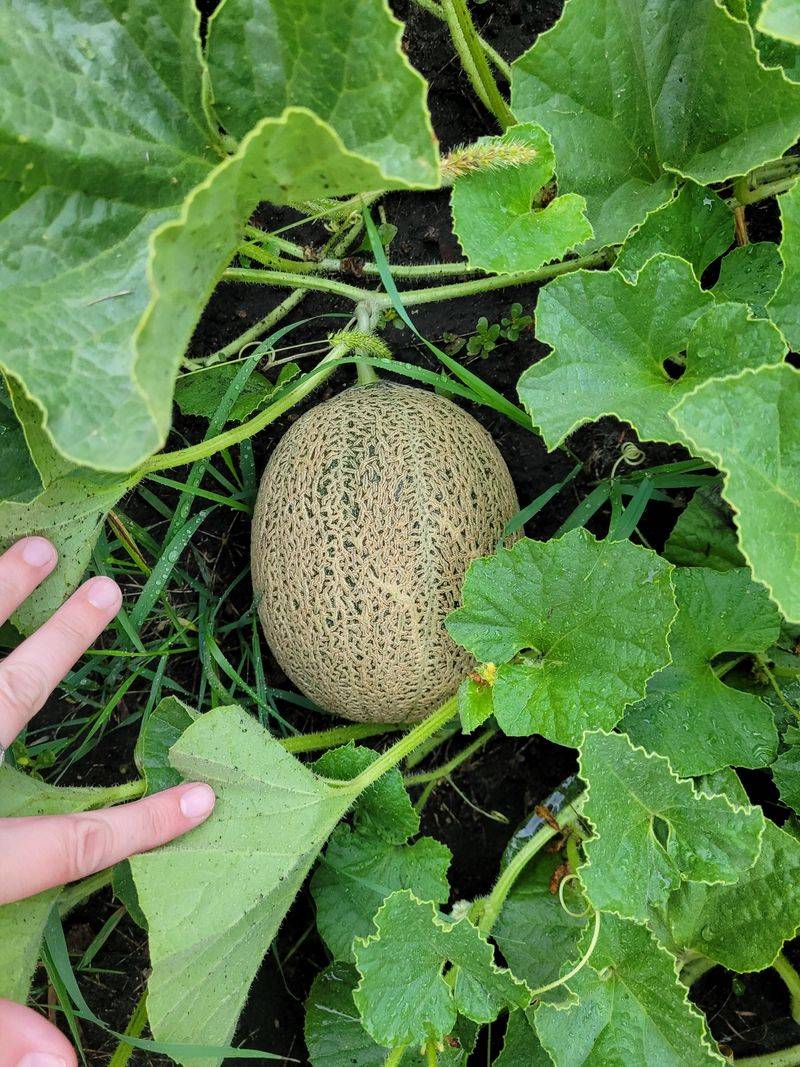
Lining a kitchen windowsill with almost-ready fruit is an old fall habit, and it still makes sense for melons that are close but not quite ready to eat.
Melons will not gain much sugar once they leave the vine, so set your expectations with care. Cantaloupes and honeydews can still soften, turn more fragrant, and develop juicier flesh while resting indoors.
Watermelons are the exception, because they mostly stay the same after picking, no matter how long they wait. Save the windowsill spots for muskmelon types, and plan other uses for green watermelons right away.
Pick a bright spot where the room stays between seventy and eighty degrees during the day. Avoid drafty spots near doors, since chilly air slows softening and can cause mushy patches on rinds.
Rest each melon on a folded dish towel so air moves underneath and moisture does not collect. Turn each fruit a quarter turn every day or two so no single side stays pressed against the towel.
Check the blossom end daily by pressing lightly with your thumb, feeling for a slight, springy give. A sweet, musky smell near the stem usually means that melon is ready for slicing and sharing.
Many windowsill melons finish within three to seven days, though cooler kitchens can stretch that timeline longer. Move any fruit showing soft spots or mold to the compost pile before problems spread to their neighbors.
4. Pair Them With Ripe Apples In A Paper Bag
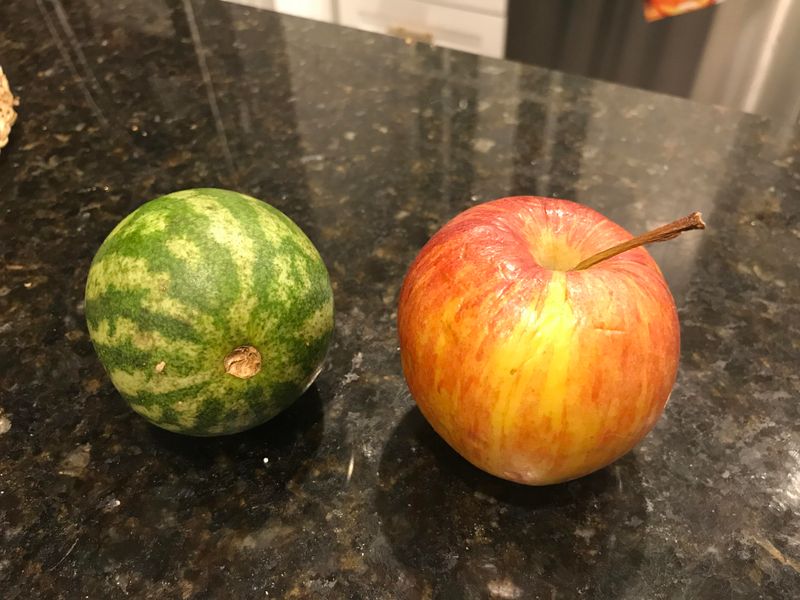
Apples are the gossips of the fruit bowl, quietly spreading a ripening message to everything sitting nearby. That message comes from ethylene, a natural, invisible gas that tells fruit it is time to soften.
Michigan apples are in season in early October, so you may have a few handy already. Honeycrisp, McIntosh, and Gala all give off ethylene, making them useful partners for green melons.
Grab a large brown paper grocery bag, since paper holds the gas while still letting extra moisture escape. Plastic bags trap more dampness, and that humidity can lead to fuzzy mold within days.
Place one melon and two ripe apples inside, then fold the top over loosely a couple of times. Store the bag on a counter at room temperature, away from heaters and direct afternoon sunlight.
Peek inside every day, sniffing for a sweet aroma and checking the rind for any soft spots. Swap in fresh apples after three or four days, since older ones may release less gas over time.
Bananas also give off ethylene and can stand in when apples run out. Commercial ripening rooms use controlled ethylene to ripen bananas shipped green across oceans to grocery stores.
Keep your hopes realistic, since the bag helps with texture and smell more than with sugar content. A slightly bland melon can still work well in smoothies, fruit salads, or blended drinks.
5. Slice Firm Ones For Quick Pickles

Picture a crunchy, tangy bite that tastes like a cucumber pickle with a faint whisper of honeydew. Pickled melon is a traditional way to use up fruit, and it works well when frost cuts the season short.
Firm, underripe flesh holds its crunch in vinegar better than soft ripe fruit does. That means the melons you worried about might actually be a good choice for this recipe.
Start by peeling the rind and scooping out the seeds, then cut the flesh into thin spears or cubes. Pack the pieces snugly into clean glass jars, leaving about half an inch of space at the top.
For the brine, simmer one cup of vinegar, one cup of water, and a tablespoon of salt together. Add a spoonful of sugar plus garlic, dill, ginger, or red pepper flakes to match your taste.
Pour the hot brine over the melon until every piece sits underwater, then tap out any air bubbles. Let the jars cool on the counter, screw on the lids, and tuck them into the refrigerator.
Quick pickles taste best after a full day of chilling, and they stay tasty for about three weeks. Because they skip the canning process, keep them cold and enjoy them within that time.
Serve the spears beside grilled sausages, chop them into tuna salad, or layer them on a turkey sandwich. Friends who taste them for the first time may guess cucumber, then smile when they learn the secret.
6. Cook Underripe Fruit Into Chutney
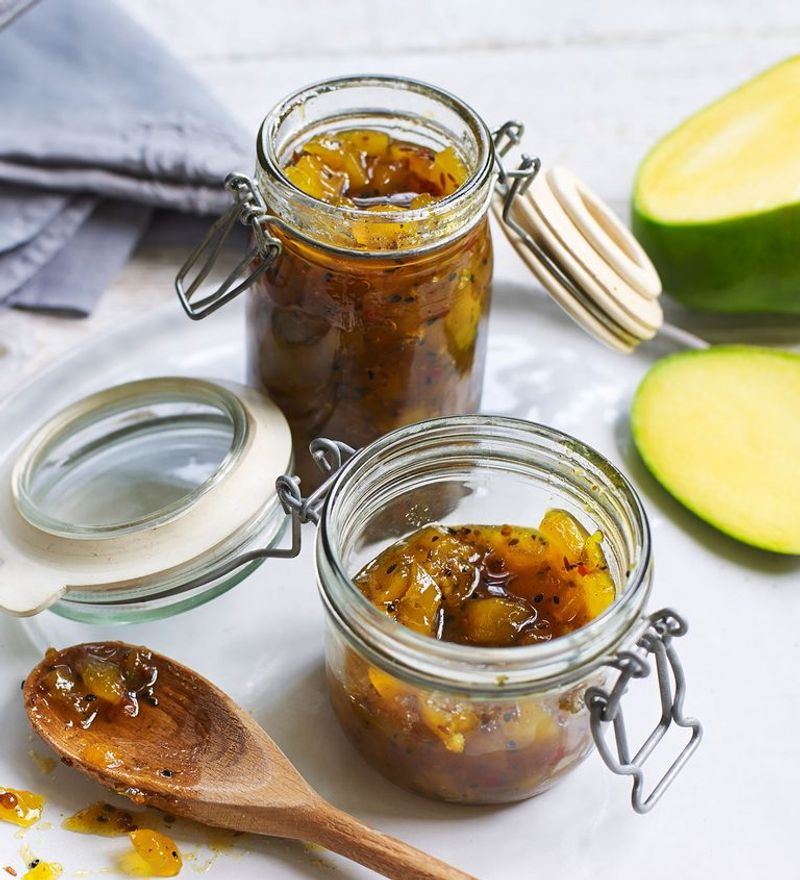
Ever walked into a kitchen that smelled like cinnamon, ginger, and simmering fruit on a crisp October afternoon? That warm, spicy scent is what you get when green melons meet a pot and a little patience.
Chutney is a chunky sauce that originated in India, blending fruit, vinegar, sugar, and spices. Underripe melon works well here, because long cooking softens the flesh and the spices add plenty of flavor.
Begin with about four cups of peeled, diced melon, plus one chopped onion and a handful of raisins. Toss in a diced Michigan apple for extra body, since apples are in season this month.
Add one cup of apple cider vinegar, one cup of brown sugar, and grated fresh ginger to taste. A pinch of cinnamon, cloves, and mustard seed rounds out the mix with warm, layered flavor.
Simmer everything uncovered over low heat for about an hour, stirring every few minutes with a wooden spoon. The chutney is ready when it turns thick, glossy, and slightly sticky, almost like a chunky jam.
Spoon the hot mixture into clean jars and keep them in the fridge for up to a month. For shelf-stable storage, use a tested canning recipe from a source like Michigan State University Extension rather than canning this one.
Try a spoonful beside roast pork, swirl some into plain yogurt, or pair it with sharp cheddar and crackers. Small jars tied with ribbon also make thoughtful gifts for teachers, neighbors, and grandparents this winter.
7. Save Seeds From Fruit That Stays Firm
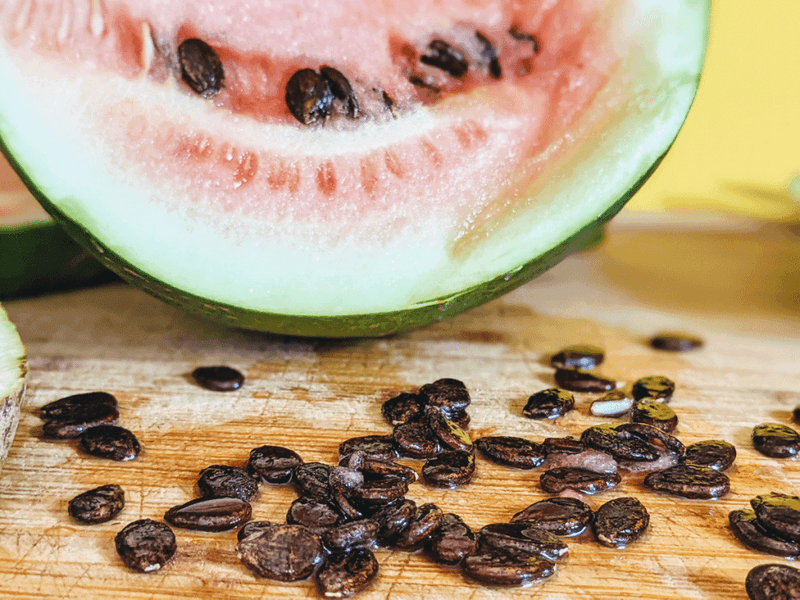
Seed saving is one of the oldest garden traditions, and gardeners have kept favorite melon lines going for generations. Your frost-nipped patch can join that tradition with just a little extra care this fall.
Seeds need time to mature inside the fruit, so pale, immature seeds rarely sprout well next spring. Choose melons that stayed firm and healthy on the vine longest, ideally ones showing some yellowing or netting.
Let those chosen fruits sit indoors for two or three extra weeks before you cut them open. That rest period gives seeds a final chance to plump up and darken inside the protective rind.
Scoop the seeds into a bowl of water, rub off the slippery pulp, and watch which ones sink. Sinkers are usually plump and healthy, while floaters tend to be hollow and can go straight to compost.
Spread the good seeds on a paper plate or screen and let them air dry for about a week. Paper towels tend to stick to wet seeds, so a plate or mesh screen usually works much better.
Store dried seeds in a labeled envelope inside a jar, kept somewhere cool, dark, and dry until planting time. Write the variety name and harvest year on each envelope, since memories get fuzzy over a long winter.
Seeds from hybrid melons may not grow true to the parent, so open-pollinated or heirloom types work best. Varieties like Minnesota Midget and Blacktail Mountain mature quickly and handle cool nights, which suits short Michigan seasons.
8. Compost The Remaining Vines After Final Harvest
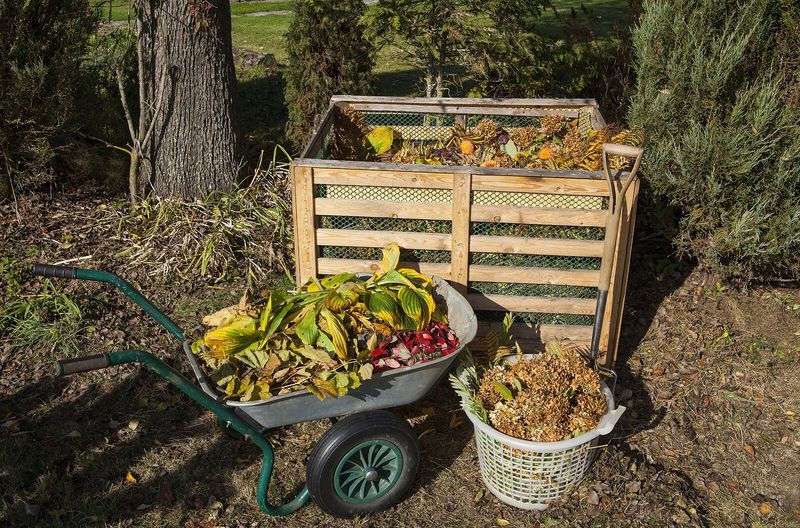
Tangled, frost-wilted vines might look messy, but they hold nutrients your next garden can use. Turning them into compost closes the loop and gives back to the soil that fed you all season.
Wait until the final melons are picked and a hard frost has flattened the leaves before pulling anything. Gently tug the vines from the soil, shaking loose dirt back into the bed where it belongs.
Inspect the leaves closely, because powdery mildew or other plant diseases can linger in a cool compost pile. Bag any spotted or fuzzy foliage for yard waste pickup instead of mixing it in with healthy material.
Chop the healthy vines into pieces about six inches long using shears or a sharp spade. Smaller pieces break down faster, which matters in Michigan where cold weather slows composting through winter.
Layer the green vines with crunchy brown leaves raked from the yard, aiming for roughly two parts brown to one part green. October brings a free supply of fallen maple and oak leaves, so take advantage of them.
Mix in any overly soft or moldy melons too, chopped into chunks so they break down quickly. Keep the pile about as damp as a wrung-out sponge, and turn it with a fork every few weeks.
By late next spring, that heap may become dark, crumbly compost ready to feed fresh melon seedlings. Planting into rich soil often helps young vines grow faster, giving them a better shot at beating early frost.