This California Evergreen Hedge Could Become A Pest’s Winter Nursery
Glossy evergreen hedges line countless California driveways, prized for fast growth and tidy privacy. A fresh trim leaves them looking crisp, every edge squared like a freshly made bed.
A few weeks later, though, something small may quietly move in among the newest leaves.
That uninvited guest has a very specific taste, and one popular hedge offers exactly what it needs to raise the next generation. The routine many homeowners follow can make the welcome mat even bigger.
The fix doesn’t require ripping anything out or reaching for harsh sprays.
A few smart changes in timing and care can turn the tables, enlisting some remarkably tiny helpers that are already working in many neighborhoods.
Eugenia Hedges Attract Their Own Psyllid
Picky eaters exist in the insect world, too. The eugenia psyllid feeds only on eugenia, also called brush cherry, leaving roses, citrus, and lavender completely alone.
That narrow menu makes eugenia hedges its home base. A long row along a driveway works like an all-you-can-eat buffet with a built-in hotel.
The insects hatch, feed, mate, and lay eggs without ever leaving the hedge. Generation after generation can call a single row home.
The psyllid is native to Australia, just like eugenia itself. It arrived in Southern California in 1988 and spread quickly through coastal and inland gardens.
Back then, many hedges looked scorched and ragged. Some homeowners gave up on eugenia entirely.
Help arrived in the early 1990s. Researchers introduced a tiny parasitic wasp that lays its eggs inside psyllid nymphs.
That wasp now lives in many California neighborhoods. It keeps psyllid numbers in check through much of the year.
Outbreaks still happen, especially when hedges push out plenty of new leaves. The bug and the wasp remain locked in a constant race, and simple choices about trimming and care can tip the balance either way.
The pest’s narrow diet also helps with planning. Gardeners tired of the battle can mix other hedge plants into the row, while eugenia fans can rely on the tips ahead to keep their hedge looking sharp.
Either path works.
New Growth Is The Nursery
Soft, red leaves make the perfect crib for a eugenia psyllid. Females lay their tiny eggs along the edges of tender new leaves, skipping the tough, older foliage below.
That choice makes plenty of sense. Young leaves are soft and full of sap, so newborn insects can feed on them easily.
Older, leathery leaves are much harder to pierce. The fresh flush at the tips becomes the hedge’s busy nursery wing, especially in spring.
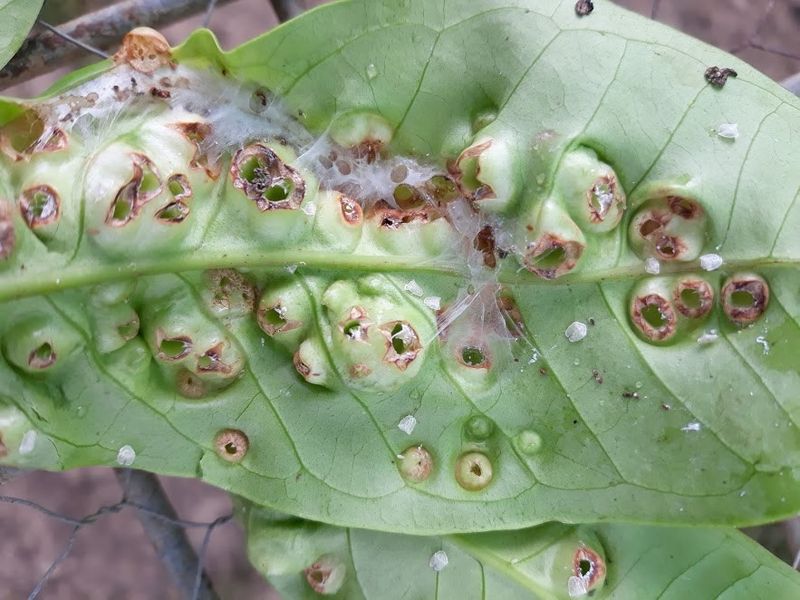
Once eggs hatch, the young insects, called nymphs, crawl to the undersides of leaves. They settle in and begin sucking sap.
As they feed, the leaf tissue around them sinks into little pits. Each nymph seems to dig its own tiny bedroom.
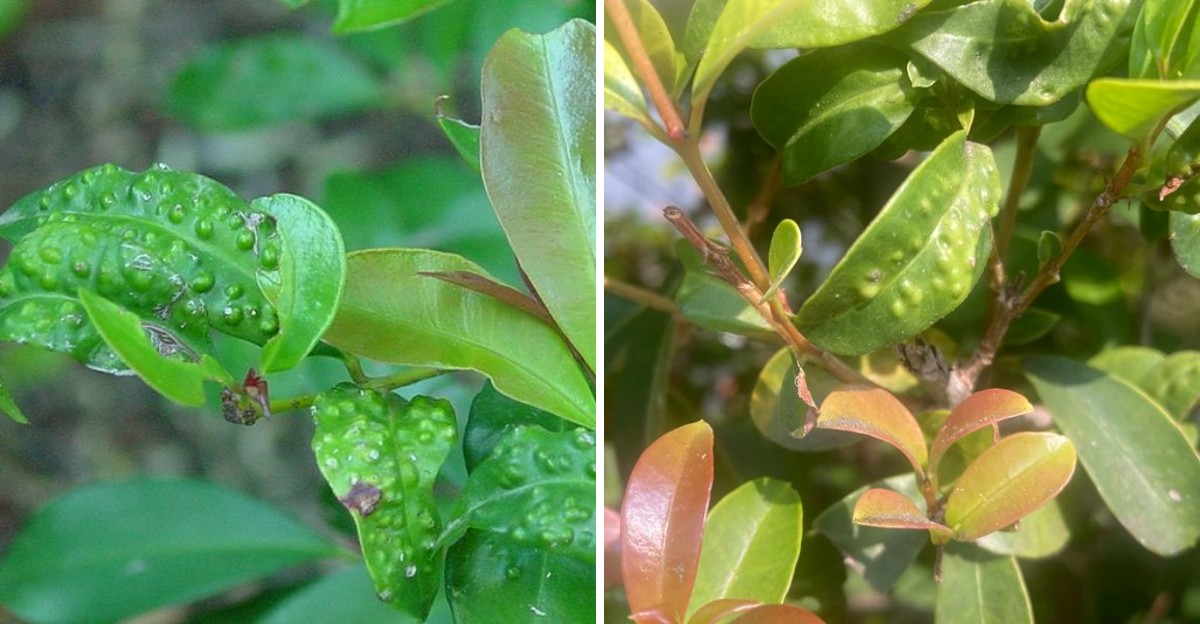
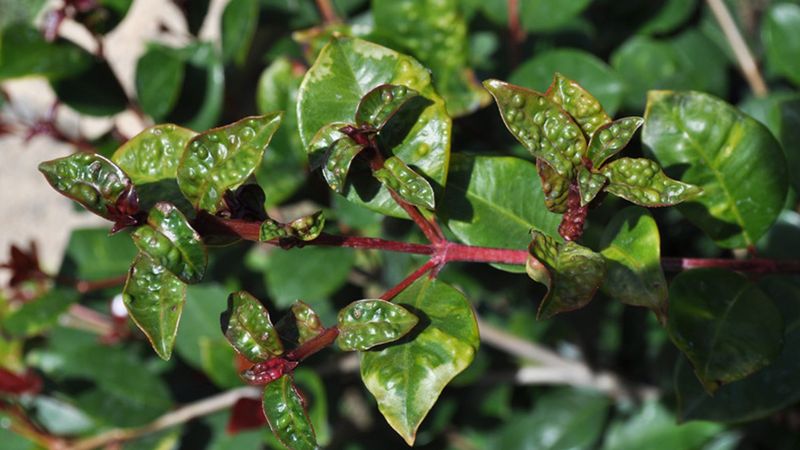
The result shows up clearly on the upper surface. There, those pits appear as bumps or blisters, and a puckered leaf flipped over may reveal flat, pale nymphs tucked into the hollows.
Your California Garden Changes Every Week. Your Plan Should Too.
Gardening in California changes quickly throughout the season. Every Friday you’ll receive a simple weekly plan showing exactly what to plant, prune, fertilize, harvest, and protect so you never miss the right timing.
They’re small, so a hand lens makes inspection easier. Populations rise quickly whenever the hedge produces new growth.
Fewer soft leaves mean fewer places to lay eggs. Plenty of soft leaves, on the other hand, can spark a population boom within just a few weeks.
That link drives nearly every tip in this article. Controlling new growth controls the nursery, while letting fresh shoots run wild during active psyllid season simply hands out free cribs.
Shearing Triggers Soft Fresh Growth
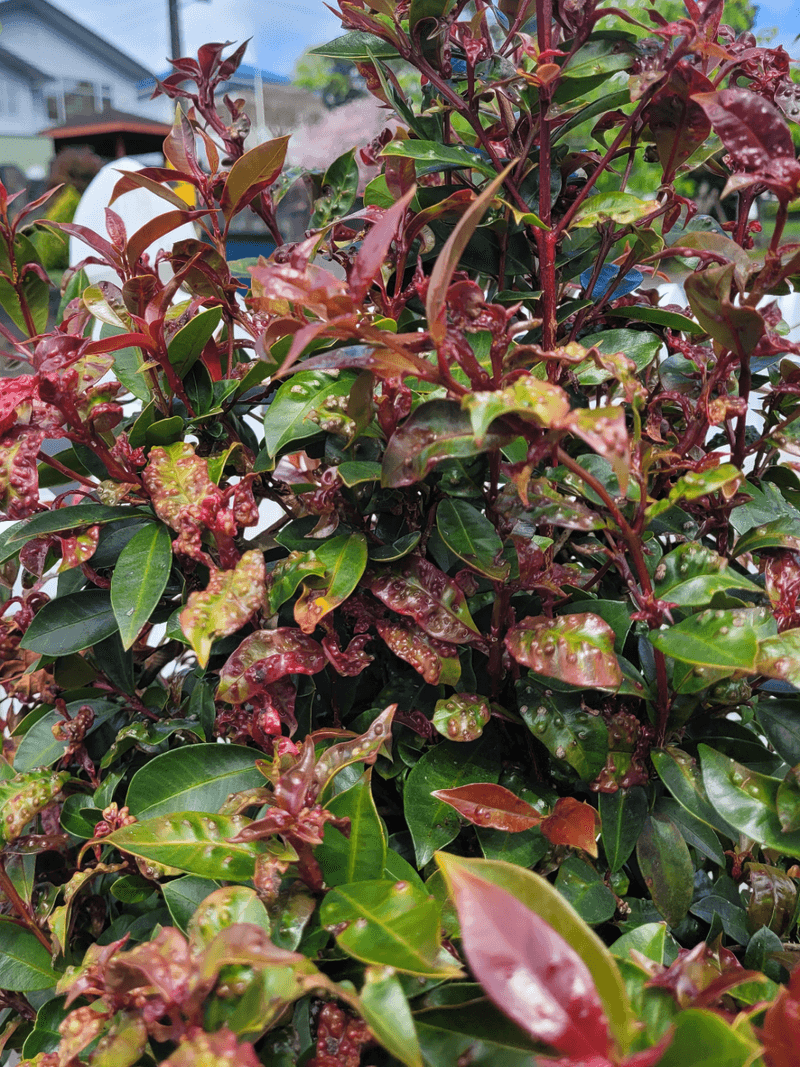
Snip, snip, and the hedge looks perfect. A couple of weeks later, though, it answers back, since every cut tells the plant to grow new shoots right below the wound.
UC IPM points out that shearing stimulates new growth, which psyllids prefer for feeding and egg laying. A freshly trimmed hedge can turn into a psyllid magnet.
The neater the hedge stays, the more baby leaves it may produce. Eugenia grows fast, which explains its popularity for privacy.
That same speed means it bounces back quickly after every haircut. In mild California weather, it can flush new leaves almost any time of year.
A common pattern shows the problem clearly. A heavy late fall trim followed by months of neglect lets soft regrowth fill with eggs and nymphs.
By March, the tips look lumpy and bronze. The hedge essentially raised a full generation of pests over winter.
Shearing itself isn’t the enemy, though. A eugenia hedge left alone turns tall and shaggy fast.
Shearing also forms part of the solution, as long as the timing works. Used once and forgotten, shears switch on a fresh nursery.
Used on a steady schedule, they remove that nursery before its residents grow up. Timing makes all the difference.
The shears work a bit like a remote control for psyllid populations, and the sections ahead explain how to set the right schedule.
Pitted Distorted Tips Give It Away
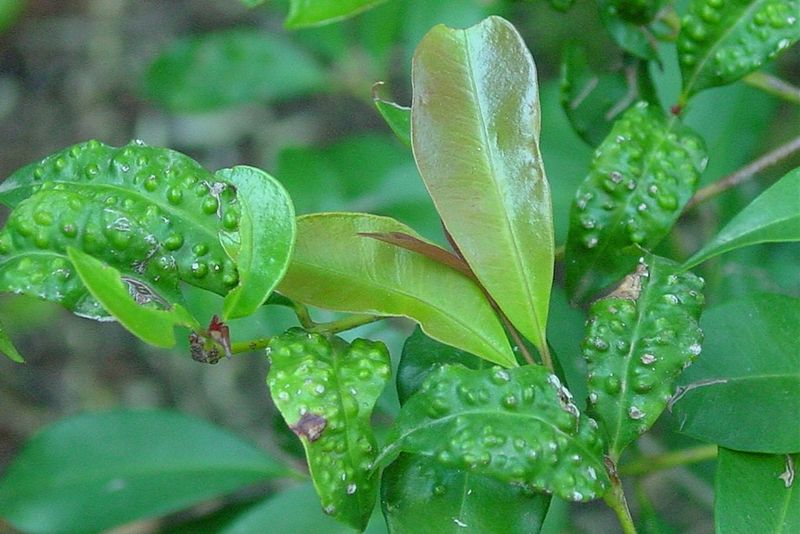
A hand brushed along the top of the hedge may feel something odd. Newest leaves that feel bumpy, almost like bubble wrap, offer one of the clearest signs of eugenia psyllids.
Healthy new eugenia leaves are smooth and shiny, often a pretty reddish color. Leaves with psyllids look pitted on top, with raised bumps where nymphs feed underneath.
They may also curl, twist, or pucker instead of opening flat. Color changes offer another clue.
Damaged leaves can turn pale, yellowish, or bronze in patches. A heavily affected hedge may look scorched at the tips, even when older leaves below seem fine.
The terminals, or growing ends of branches, deserve the closest attention. Older, hardened leaves usually keep old bumps but rarely host new nymphs.
The action always centers where the hedge is actively growing. A quick weekly walk keeps tabs on it.
A few tips checked on each side of the hedge, with some leaves flipped over, reveal plenty. Nymphs in the pits, tiny eggs on leaf edges, or adult psyllids hopping away when disturbed all signal activity.
Mild damage remains mostly a cosmetic issue. The hedge carries on fine, even with some ugly tips.
Heavy, repeated damage can slow growth and leave the hedge looking thin. Catching the bumps early leaves time to shear them off before the next generation hatches, keeping the problem small and manageable.
Honeydew Brings Ants And Sooty Mold
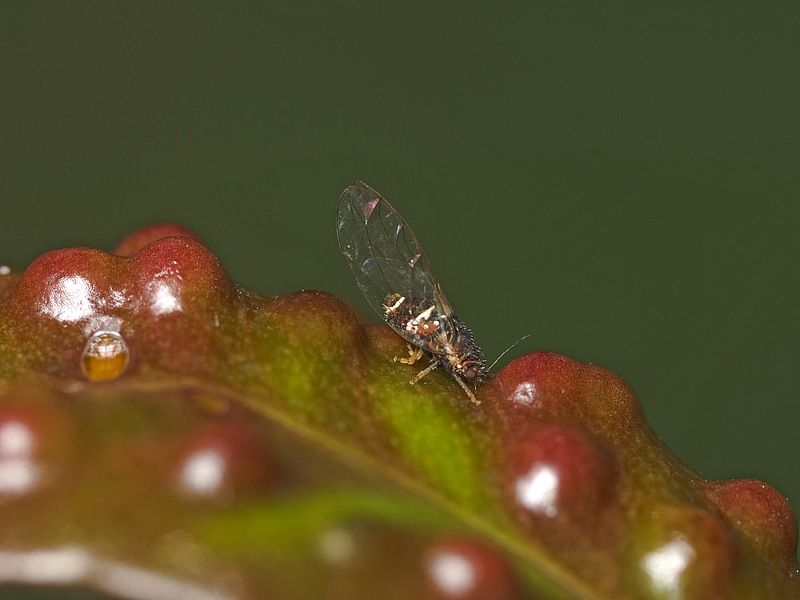
A sticky car, a sticky patio, and sticky hands after brushing past the hedge often point to psyllids. As nymphs suck sap, they release a sugary liquid called honeydew.
Honeydew drips onto leaves below and anything parked nearby. On a sunny day, it makes leaves look shiny, almost as if someone sprayed them with syrup.
Bare feet on the path beneath notice it fast. Ants notice it even faster.
Trails of ants often march up and down the stems. Ants actually protect psyllids from predators and parasites, since they want the honeydew supply to keep flowing.
That arrangement creates a sweet deal for the pests. Black sooty mold usually follows.
This dark fungus grows on the honeydew rather than on the leaf itself. It looks like soot or a dusting of black pepper and can block some sunlight from reaching the leaves.
Sooty mold usually fades once honeydew stops. Rain and time slowly wash it away, and a gentle spray of water can help clean leaves, though reducing the psyllids remains the real fix.
Ant control helps, too. Keeping ants off the hedge lets parasitic wasps and other natural enemies do their job.
Branches touching walls or fences act as ant bridges, so trimming them back helps. Bait stations placed near ant trails can also lower ant numbers without spraying the whole plant.
Shear Tips About Every Three Weeks
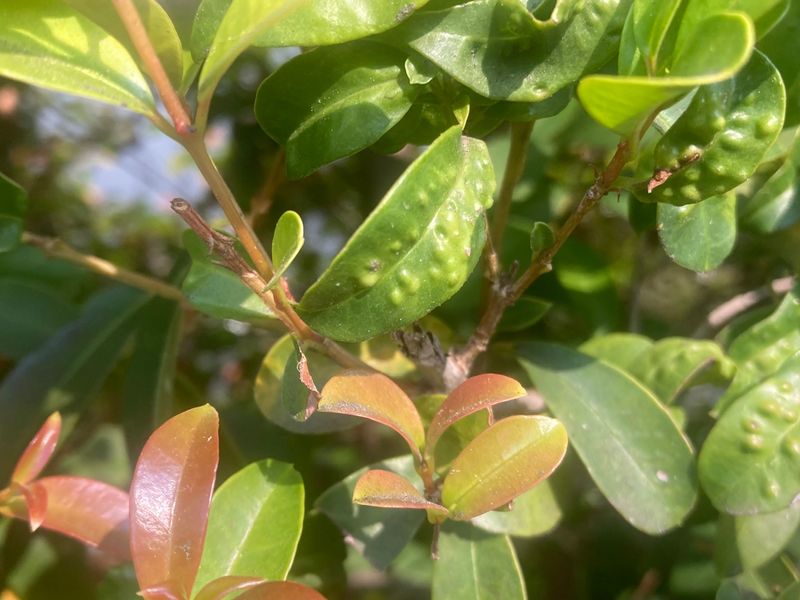
A phone reminder makes a handy tool here. While eugenia pushes out new growth, UC IPM suggests shearing the tips about every three weeks, since light, regular trims beat one big chop.
That timing serves a clear purpose. It removes soft new leaves while eggs and young nymphs still sit on them.
Clipping off the nursery before most babies grow into egg-laying adults keeps numbers low. Each trim resets the clock.
Light cuts work best. Only the tender new flush needs removing, rather than deep cuts into the hedge.
A quick pass with shears or a hedge trimmer across the top and sides usually handles it. The job takes just a few minutes.
Growth flushes make the best guide. Spring brings a busy season, though eugenia in mild areas can flush at other times, too.
A wave of reddish tips signals time to start the three-week rhythm. Continuing until the flush slows keeps the plan on track.
Skipping a session or two causes no disaster, though consistency helps most. One long gap can let a whole generation finish growing, while steady trims keep numbers down and the hedge looking tidy.
A bonus perk comes along, too. Frequent light shearing creates a dense, even surface that many people prefer anyway.
Regular trims replace rare dramatic makeovers, and the psyllids lose their best real estate in the process.