What St. Augustine Lawns Need In California After A Hot Summer
Your backyard probably looks a little tired right now, like a beach towel left out too long. Months of blazing California sun baked the ground until it felt crunchy under your bare feet.
Now the mornings feel crisp, and the air finally smells like damp soil instead of hot pavement. That cooler shift is a golden window, and what you do next shapes how your yard looks.
Plenty of homeowners rush to fix things, tossing random products around like confetti at a backyard party. Sadly, that rush often causes more harm than help, especially after a season of heavy heat stress.
A smarter plan uses simple steps, a little patience, and some careful looking at what lies below. Think of it as a gentle recovery routine for the green carpet that frames your California home.
1. Raise The Mower Height Before Fall Growth Slows
Picture your grass blades as tiny solar panels, each one soaking up light to feed the roots below. Cutting them too short in early fall is like unplugging half the panels right before a cloudy week.
St. Augustine grass in California generally does best when mowed between about two and a half and four inches tall, depending on the variety. Taller blades shade the soil, which keeps moisture from escaping and helps cool the root zone naturally.
After months of scorching heat, your lawn needs every bit of leaf surface it can get for recovery. More leaf area means more food stored in the roots before the cooler months slow everything down.
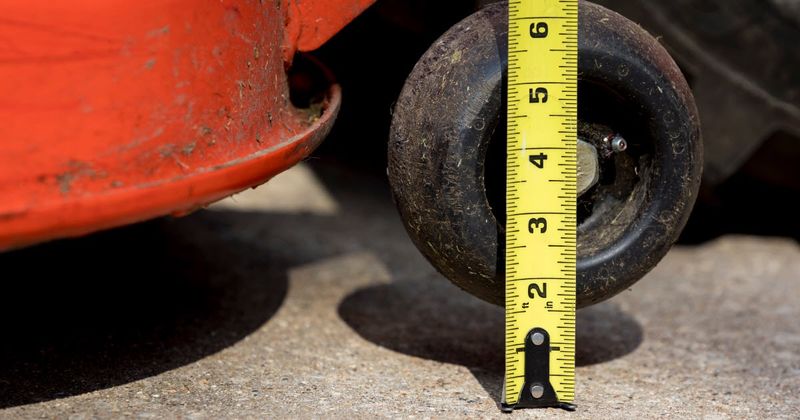
Start by checking your mower deck setting, since many machines sit at a low height from the factory. Measure from a flat driveway to the bottom of the blade, then adjust the wheels until it matches.
Follow the one-third rule, which means you only remove about a third of the blade each time. Chopping off more than that shocks the plant and leaves brown, scalped patches that heal very slowly.
Sharp blades matter too, because dull ones tear the grass and leave ragged tips that turn tan. A quick sharpening at a local hardware store costs little and makes your lawn look clean and crisp.
Fun fact: St. Augustine grass spreads by thick runners called stolons, which creep across the ground like green ropes. Mowing high protects those runners, so your yard can fill in thicker before winter arrives in California.
2. Water Deeply Once Cooler Mornings Arrive
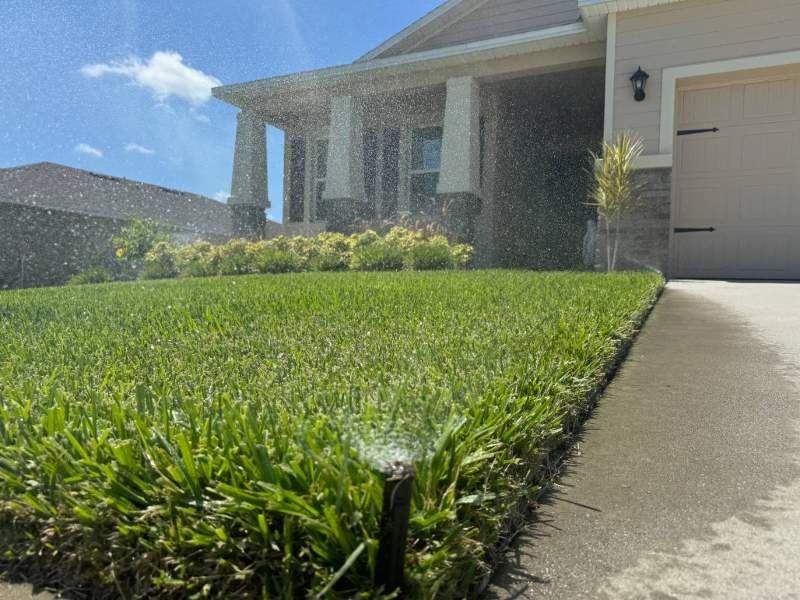
Longtime gardeners in San Diego will tell you fall watering is a whole different game. The sun sits lower, the nights grow cooler, and your lawn simply drinks less than it did before.
Many people keep their sprinklers on the same schedule they used in July, which wastes water and money. Soggy soil can also invite fungus, especially when cool air keeps blades wet for many hours overnight.
A better approach is deep, less frequent watering that soaks the ground about six inches down each time. Roots follow the moisture, so deep soaks encourage them to grow longer and tougher before the winter months.
Your California Garden Changes Every Week. Your Plan Should Too.
Gardening in California changes quickly throughout the season. Every Friday you’ll receive a simple weekly plan showing exactly what to plant, prune, fertilize, harvest, and protect so you never miss the right timing.
For most California yards in October, watering once or twice a week works well for St. Augustine grass. Coastal areas with foggy mornings may need even less, while hot inland valleys may need a bit more.
Try the screwdriver test to check your progress, pushing a long screwdriver into the soil after watering. If it slides in easily about six inches, you watered enough, and if it stops early, add time.
Early morning is the best time to run sprinklers, ideally between four and eight before the breeze picks up. Blades dry off quickly as the day warms, which lowers the chance of mold and leaf spots.
Keep an eye on the weather app too, since early fall storms can roll in off the Pacific. Skipping a cycle after a good rain saves water and gives your lawn a healthy breather between drinks.
3. Test The Soil Before Adding Any Fertilizer
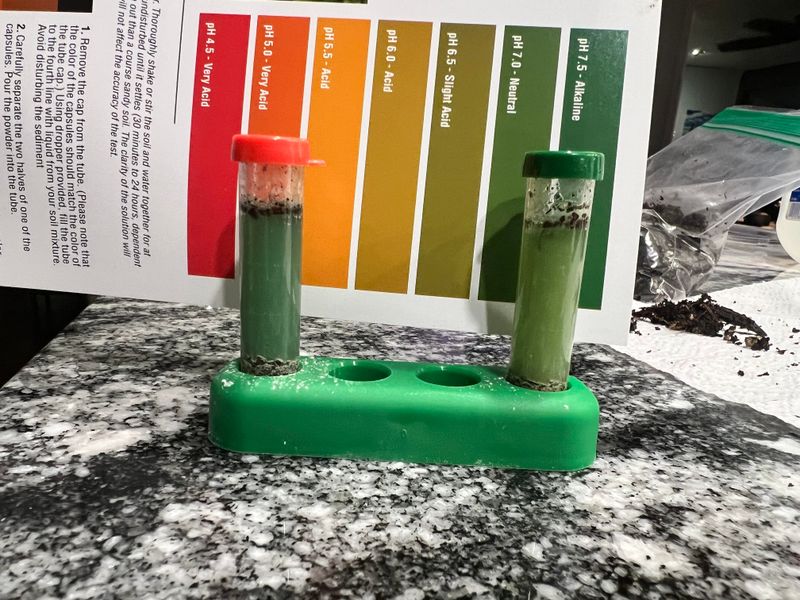
Would you buy replacement parts for a car without knowing what was wrong with it? Feeding a tired lawn without a soil test is a lot like that, and the results can disappoint.
A simple test tells you the pH level and which nutrients your soil has plenty of or lacks. St. Augustine grass likes slightly acidic to neutral soil, somewhere between a pH of six and seven and a half.
Many California soils lean alkaline, especially in the Central Valley and desert regions with salty irrigation water. High pH can lock up iron, which causes yellow blades even when you think you fed them well.
Home test kits from garden centers are cheap and quick, giving you a rough idea in minutes. For more detail, mail a sample to a lab or check with your local University of California extension office.
To collect a good sample, dig small cores about four inches deep from several spots around the yard. Mix them together in a clean bucket, let the soil air dry, and then send in a cupful.
Early October is a smart time to test, because results arrive before you plan any fall feeding. You can then pick products that fix real problems, like iron for yellowing or sulfur for high pH.
Skipping the test often leads to wasted money and extra runoff that washes into storm drains and creeks. A few dollars spent now can save you a whole season of guessing, frustration, and patchy color.
4. Check For Chinch Bugs In Thinned Patches
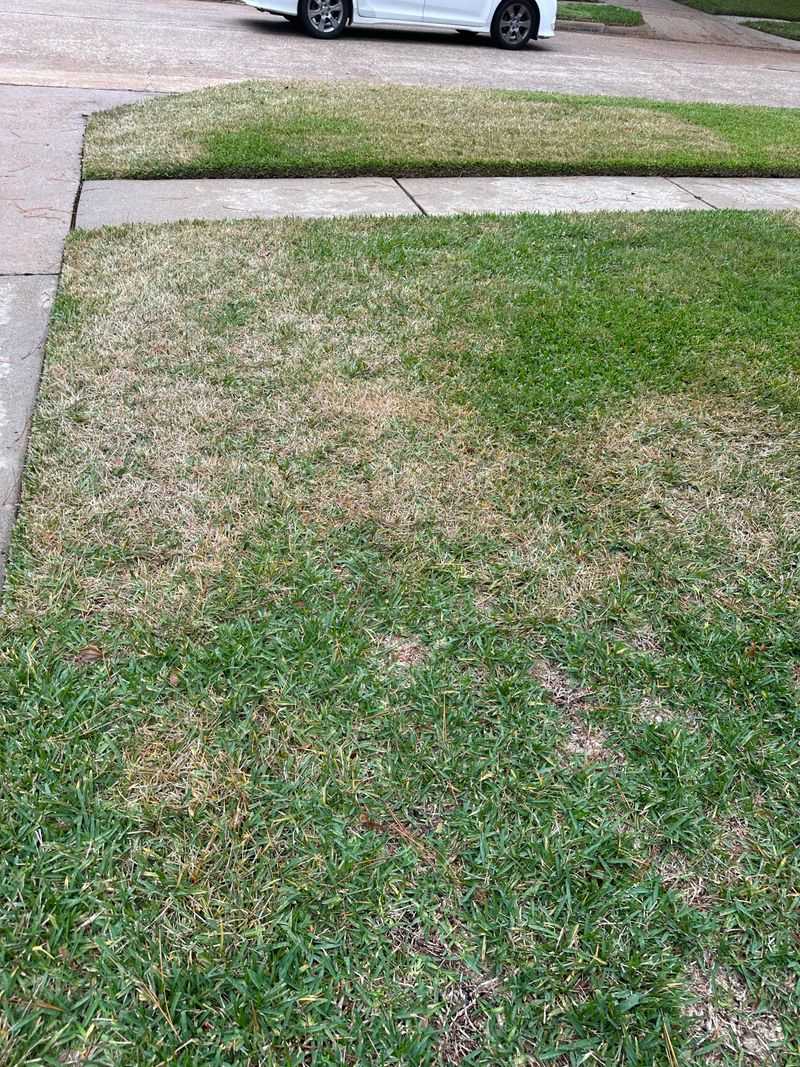
Those strange yellow patches near your sidewalk might not be heat damage at all, even though they look similar. Tiny insects called chinch bugs love St. Augustine grass, and they often hide right where the lawn looks worst.
Adult chinch bugs are smaller than a grain of rice, with black bodies and white wings folded on their backs. They suck juices from the blades and inject a toxin that turns grass straw colored in irregular spots.
Hot, dry weather helps them multiply quickly, so populations can still be high in early fall across California. Warm October afternoons in inland areas keep them active longer than many homeowners expect them to be.
Checking is easy with an old coffee can that has both ends cut off to make a tube. Push it into the soil at the edge of a yellow patch, where green and brown grass meet.
Fill the can with water and wait about five to ten minutes while watching the surface closely. Chinch bugs will float to the top, and finding more than a few means it is time to act.
Start with the gentlest option, like insecticidal soap or products with natural ingredients from a garden center. Read every label carefully, and treat only the affected areas plus a few feet around the edges.
Healthy habits help prevent future trouble, since chinch bugs prefer stressed lawns with thick thatch layers. Proper watering, smart mowing, and light feeding make your yard far less inviting to these sneaky pests.
5. Aerate Compacted Areas To Reopen Root Zones
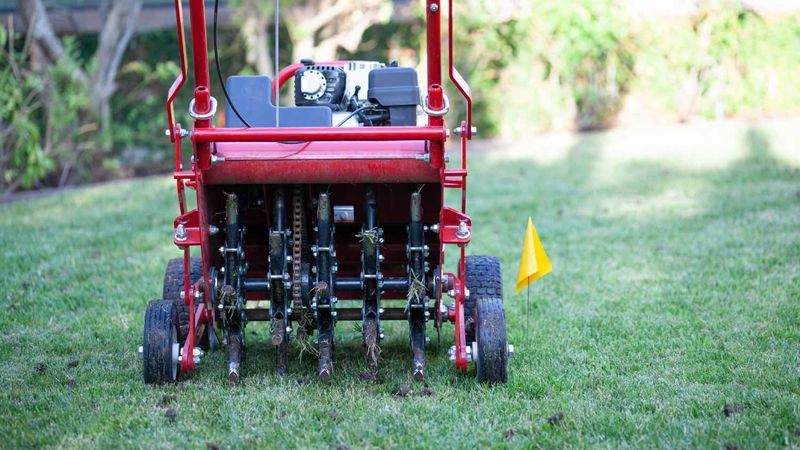
Kids racing through sprinklers, dogs zooming in circles, and backyard barbecues all left their mark on your soil. All that foot traffic packs the ground tight, squeezing out the tiny air pockets that roots need to breathe.
Compacted soil feels hard as a brick, and water tends to run off instead of soaking in. You might notice puddles after watering or thin grass along paths where people walk most often each day.
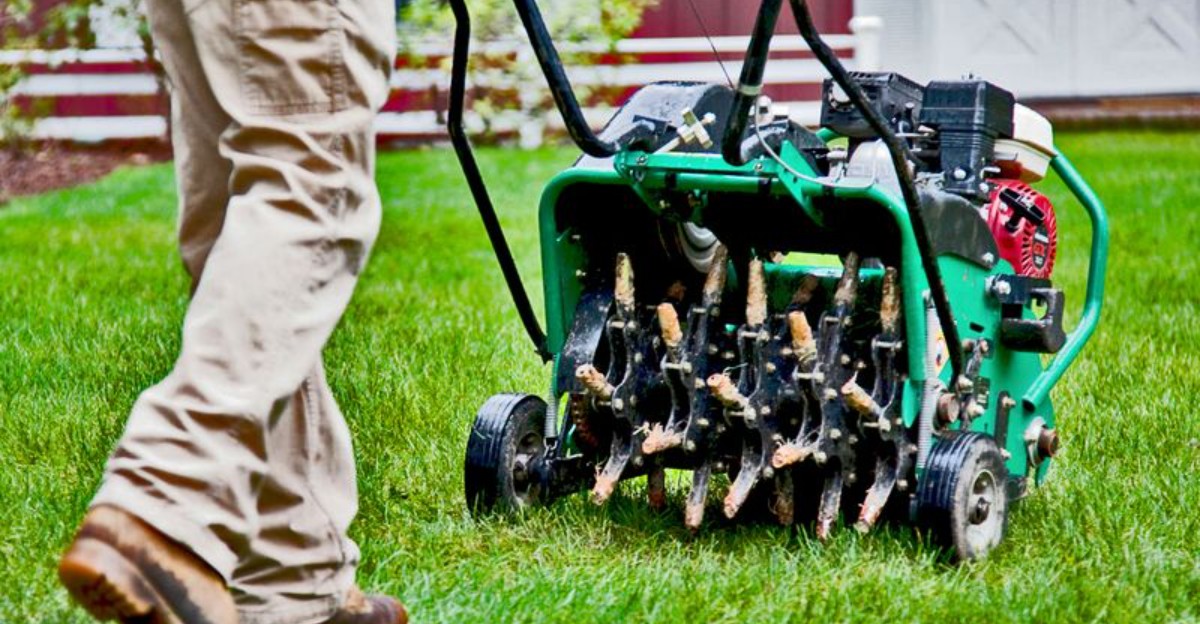
Core aeration pulls small plugs of soil out of the ground, opening channels for air, water, and nutrients. Those little holes act like doorways, letting roots stretch deeper and grab moisture more easily over time.
Early October in California still offers warm soil, which gives St. Augustine grass time to recover from aerating. Try to finish the job before mid-October, since growth slows down as nighttime temperatures continue to drop.
Water the lawn a day ahead of time, because moist soil lets the machine dig deeper plugs. Rental stores carry core aerators, or you can hire a local lawn service for a reasonable price.
Focus on the problem zones rather than the whole yard, since healthy areas may not need any help. Be careful near sprinkler heads and buried lines, marking them with small flags before you start rolling.
Leave the soil plugs on top of the lawn, where they will break down within a week or two. Aerating sandals with spikes might look fun online, but they mostly poke shallow holes and can pack the soil even more.
6. Patch Bare Spots With Fresh Plugs
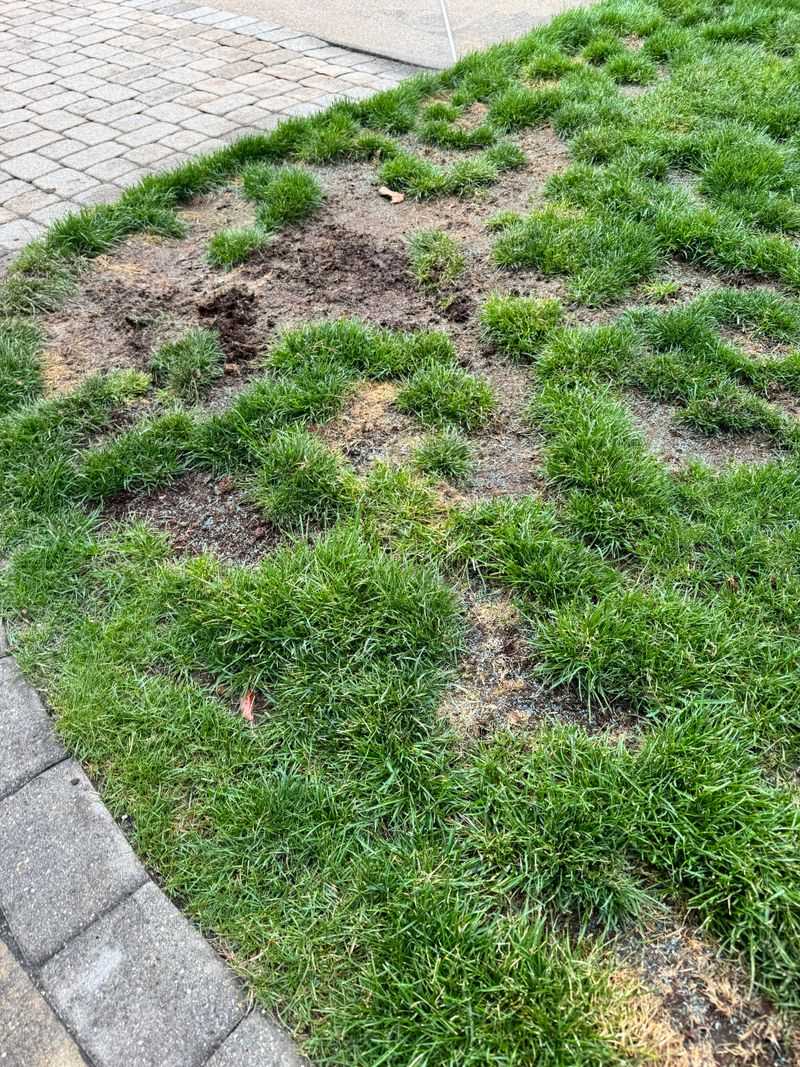
Unlike many other lawn types, St. Augustine grass is rarely planted from seed, since seed is hard to find and unreliable. Most homeowners fill gaps with plugs or sod instead, which is why bare spots need a different plan.
Plugs are small squares of living grass, usually about two to four inches wide, with roots attached underneath. Once planted, their runners spread sideways and slowly knit together to cover the empty patch of dirt.
Early fall in California is a solid window for plugging, since the soil stays warm but the air cools. Plugs set roots faster in warm ground, and milder days mean less stress on the tender new grass.
Begin by raking out any brown debris and loosening the soil with a hand trowel or garden fork. Dig holes about the size of each plug, spacing them six to twelve inches apart in a checkerboard pattern.
Press each plug firmly into place so the roots touch the soil and no air pockets remain below. Water lightly every day for the first two weeks, then slowly shift to deeper and less frequent soaks.
Closer spacing fills the patch faster, while wider spacing saves money but takes a few extra months. Garden centers and sod farms across the state often sell trays of plugs in varieties suited to local conditions.
Before planting, figure out what left the spot bare, like shade, pests, poor drainage, or heavy traffic. Fixing the cause first gives your fresh plugs the best shot at thriving through the cool months ahead.
7. Dethatch Only When The Layer Passes Half An Inch
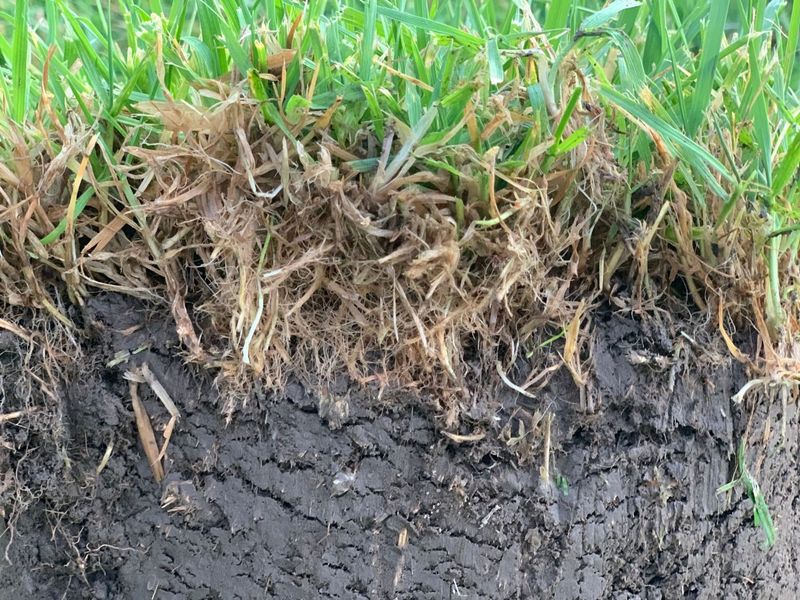
Thatch sounds like something from a fairy tale cottage roof, but in lawns it means a spongy brown mat. This layer of old stems, runners, and roots builds up between the green blades and the soil surface.
A thin layer is actually helpful, acting like mulch that holds moisture and cushions your feet as you walk. Trouble starts when thatch grows thicker than half an inch, blocking water and creating a cozy home for pests.
To measure it, cut a small wedge of turf with a knife and look closely at the side view. Use a ruler to check the brown layer sitting above the soil, then press the wedge back into place.
St. Augustine grass can be sensitive to aggressive dethatching because its thick runners sit right on the surface. Power rakes with sharp blades can rip those runners apart, leaving your yard looking worse than before.
If the layer is too thick, use a vertical mower set to a shallow depth, or rake by hand. Work in early October only if the grass is still actively growing, since recovery is slow once growth stops. Otherwise, wait until late spring.
Afterward, rake up the loose debris, water deeply, and avoid heavy foot traffic for a short while. The removed material can go into a compost pile, where it will break down over the coming winter.
Interesting tidbit: overwatering and heavy feeding are two of the biggest reasons thatch builds up so fast. Balanced care keeps the mat thin, so you may rarely need to dethatch at all in most years.
8. Hold Off On Heavy Nitrogen Until Spring Returns
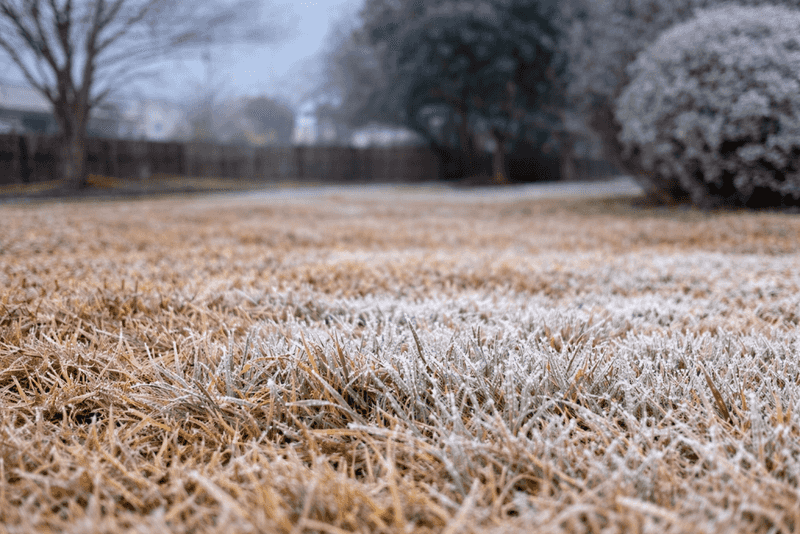
Giving your lawn a big dose of nitrogen in October is like serving pancakes right before bedtime. The grass gets a sudden burst of energy just as it should be winding down for the cooler season.
Heavy nitrogen pushes soft, leafy growth that looks bright green at first but struggles once cold nights arrive. That tender growth is also a favorite target for fungal diseases like large patch, which loves cool, damp weather.
St. Augustine grass in California slows down a lot as temperatures dip, especially in northern and inland regions. Roots need to store energy now, not spend it all on extra leaves that need constant mowing.
If your soil test shows a need, choose a light fall fertilizer with more potassium and less nitrogen. Potassium helps strengthen cell walls, which improves cold tolerance and helps the lawn handle winter stress better.
Many California cities also have rules about fertilizer runoff, since extra nutrients can wash into streams and the ocean. Using less product in fall protects local waterways and keeps more money in your pocket for spring.
Mark your calendar for late spring, when the soil warms up and the grass starts growing strongly again. That timing lets the lawn use nitrogen efficiently, turning it into thick, healthy runners instead of weak blades.
Patience can feel hard when your yard looks a little pale, but restraint now pays off later on. Think of fall as a rest period, and your lawn will reward you with richer color next year.