California Homeowners Should Watch These Garden Structures When Rats Start Looking For Shelter

Every fall and dry season in California, rats move. They leave open fields and overgrown lots in search of somewhere warm, sheltered, and close to food.
Many homeowners focus on the house itself when thinking about rodents. The garden shed sits quietly in the backyard, gets checked maybe twice a year, and gets ignored the rest of the time.
That is exactly why it is often the first place rats settle in.
A shed offers gaps to squeeze through, stored food to eat, soft materials to nest in, and months of undisturbed darkness.
California’s two main problem rat species, roof rats and Norway rats, are both opportunistic and both capable of finding their way into a structure most homeowners never think to inspect until something has already gone wrong.
The sections below cover what to look for, where to look, and what to change before a single scout rat decides the shed is worth moving into.
Most of the fixes are simple. None of them require a professional. All of them work better before there is a problem than after.
1. Start With The Garden Shed First
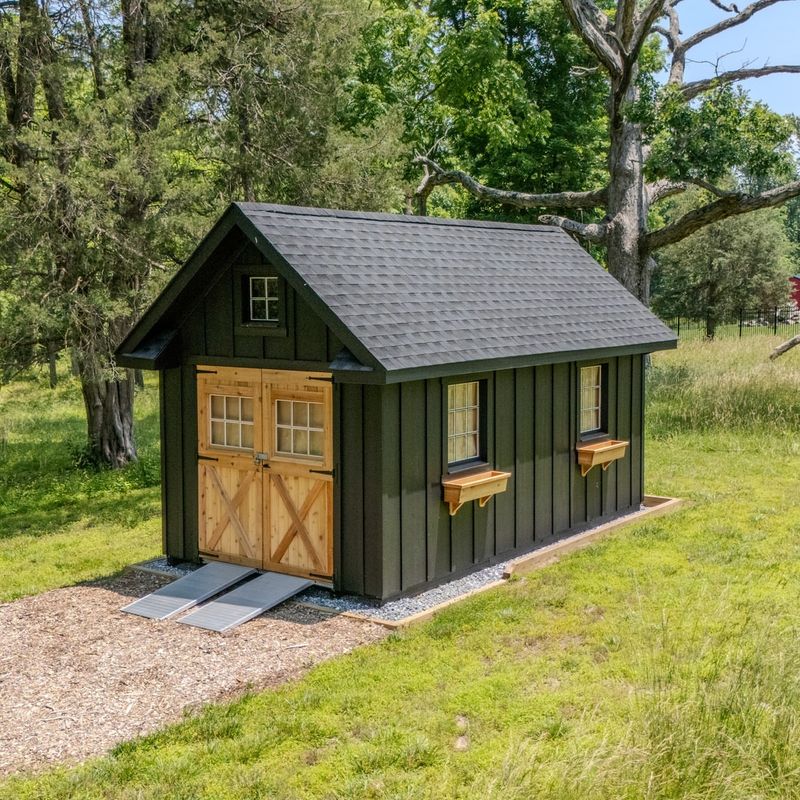
The backyard shed might be the most overlooked structure on a California property.
It collects tools, bags of seed, and years of accumulated items that never quite make it back to the house, and most homeowners only open it when they need something specific.
That routine, or the absence of one, is exactly what makes sheds so useful to rats that are actively looking for somewhere quiet and undisturbed to settle in.
Rats prefer enclosed spaces that offer warmth, darkness, and proximity to food. A shed hits all three at once. Roof rats are skilled climbers that can reach a shed roof or vent without much effort.
Norway rats tend to burrow along the outer base of structures.
Both species can find their way in from different angles, which means a shed that goes uninspected for weeks or months is being assessed by potential occupants far more regularly than the homeowner realizes.
Starting a rodent prevention routine with the shed rather than the house is a practical priority shift. Walk around it completely: every side, the roof edge, the door frame, the base, any vents, any utility openings.
A structure that gets regular visual attention is significantly less likely to become an established rat shelter than one that gets checked only when something seems wrong.
Make it a monthly habit from late summer through early winter, which is when California rats are most actively searching for new shelter as natural food sources and ground cover decline.
Five minutes of consistent attention prevents the kind of established infestation that takes considerably more time to address after the fact.
The shed is quiet, undisturbed, and full of useful things from a rat’s perspective. A homeowner who checks it monthly gives rats very little time to move from scouting to settling. That window matters more than most people realize.
2. Small Gaps Turn Into Easy Entry Points
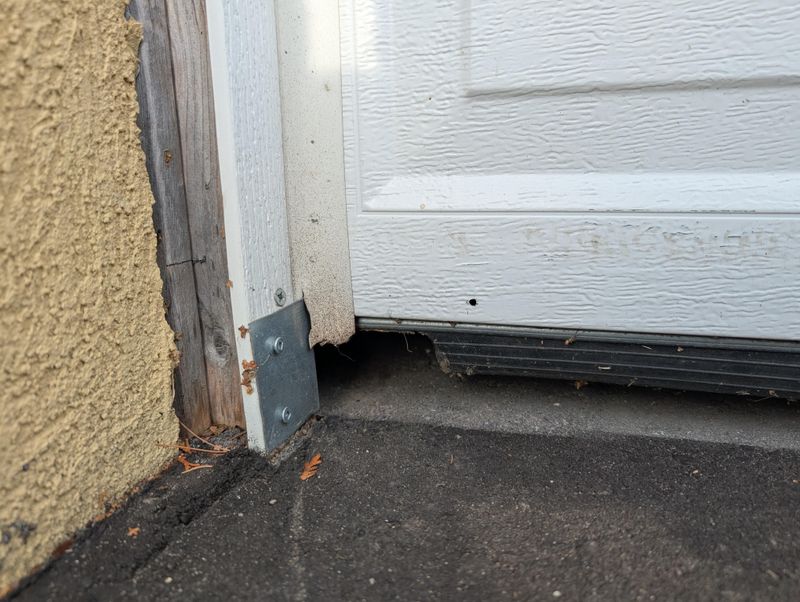
A gap the size of a quarter is enough for a roof rat to squeeze through a shed wall.
Your California Garden Changes Every Week. Your Plan Should Too.
Gardening in California changes quickly throughout the season. Every Friday you’ll receive a simple weekly plan showing exactly what to plant, prune, fertilize, harvest, and protect so you never miss the right timing.
That sounds implausible, but rats have flexible skeletal structures that allow them to compress through openings that seem too narrow for their body size.
Norway rats need a slightly larger opening, roughly half-dollar sized, but both species are persistent and will gnaw at weak spots to widen an entry point once they detect warmth or food on the other side.
Common shed entry points include the gap under the door, warped or rotted siding sections, damaged or missing vent screens, and holes where irrigation pipes or utility lines pass through the wall.
A small crack where the floor meets the wall can serve as an entry point just as effectively as a visible gap higher up.
The variety of possible entries is what makes a walk-around inspection valuable rather than checking only the most obvious spots.
Sealing gaps larger than a quarter inch with materials rats cannot chew through is the practical response. Hardware cloth, sheet metal, and copper mesh all work. Foam and soft caulk do not: rats chew through both without significant difficulty.
Walk the shed at ground level and examine the base, corners, and door sweep carefully. Shine a flashlight along the roofline inside to spot daylight coming through gaps in eaves or vents.
Replacing a worn door sweep takes about ten minutes and costs a few dollars. That single repair closes off one of the most commonly used entry routes before anything gets a chance to use it.
Rats do not need a large opening. They need a consistent one, and they are patient about finding it. A shed with no accessible quarter-inch gaps is a shed that stays empty of uninvited tenants.
The inspection and the repair are both faster than dealing with what happens when neither gets done.
3. Stored Seed Makes The Shed More Tempting
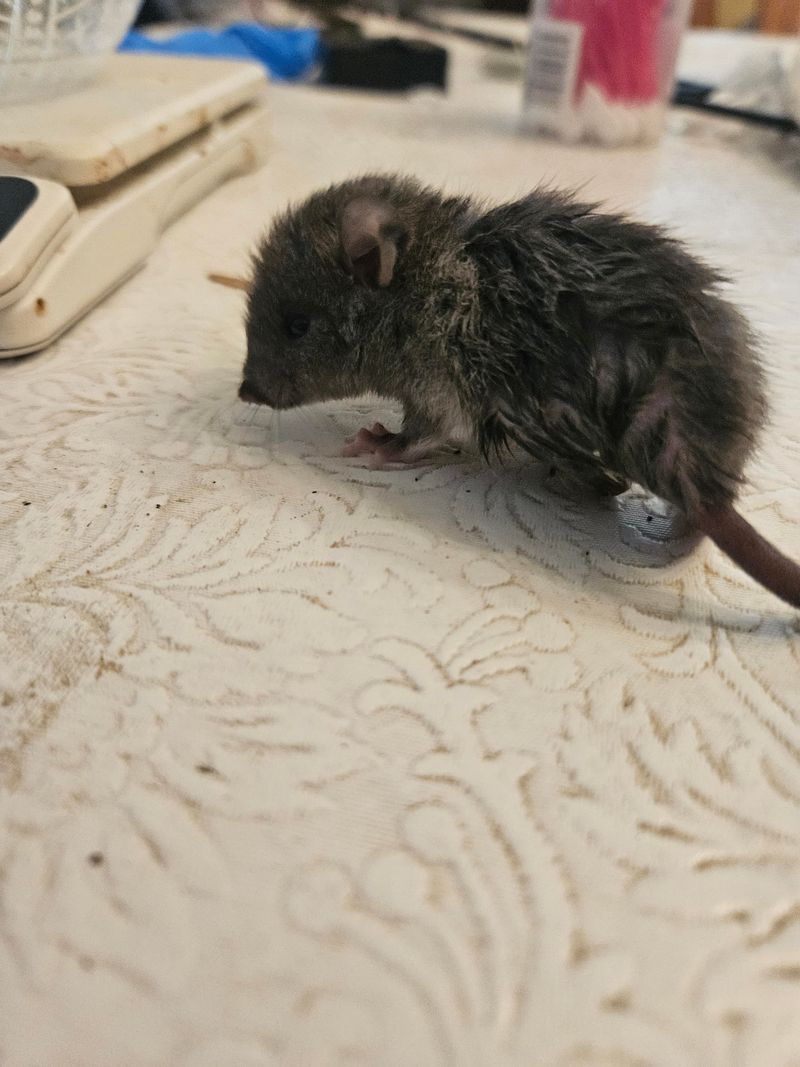
Birdseed is one of the most reliable reasons rats move into a garden shed and stay.
It is calorie-dense, easy to access when stored in paper or thin plastic bags, and often left sitting for months between uses.
From a rat’s perspective, an open bag of sunflower seed mix on a shed shelf is a free, high-quality food source inside a structure that is already offering shelter. Both requirements met in one location.
Improperly stored seed is consistently cited as a primary attractant around outbuildings and sheds. Rats do not need large quantities of food to sustain activity.
Even a small spill on the shed floor can support regular visits for weeks. They also cache food, carrying seed to hidden corners and wall gaps for later, which spreads the problem to areas of the shed that are less frequently checked.
Moving all seed into rigid, sealed containers made of metal or thick pest-rated plastic with tight-fitting lids removes the food source that made the shed worth investigating.
Thin plastic bins are not sufficient. Rats can chew through them without much effort. Store containers off the floor on a sturdy shelf and inspect regularly for gnaw marks or small seed piles that indicate something has been accessing the contents.
Grass seed and wildflower seed carry the same appeal as birdseed. Any seed product stored in its original bag or a lightweight container in a shed is essentially advertising the location to any rat that gets close enough to detect the scent.
The right containers make that advertising stop. Removing the food source is one of the highest-return prevention steps available, and it costs nothing if you already own appropriate storage.
A shed with no accessible seed is a shed with one fewer reason for a rat to stay. The seed stays in the shed. The storage changes. The rats find somewhere else with a more accessible food supply.
That is a very efficient outcome for the cost of a metal container.
4. Pet Food Inside Becomes A Buffet
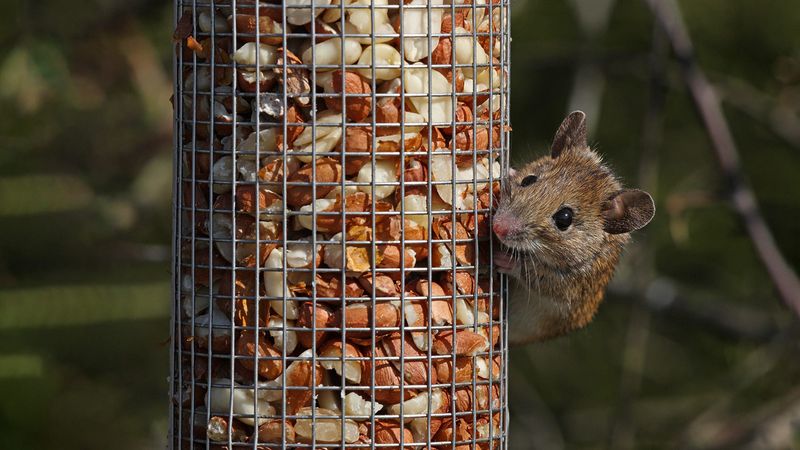
Leaving a bag of dog food or a container of cat kibble in the shed seems harmless, especially when feeding outdoor pets nearby makes the proximity convenient.
Dry kibble is high in protein and fat, two nutrients rats actively seek when natural food sources become scarce during California’s extended dry season.
A shed with pet food inside stops being just a shelter option and becomes a shelter with guaranteed meals attached.
Rats are cautious around new environments by nature, but once they locate a consistent food source, they return to it reliably every night.
A shed with accessible pet food becomes part of their regular patrol route. They mark the trails with urine and pheromones, which signals the location to other rats.
What starts as one curious visit can establish a recognized feeding site faster than most homeowners expect, and a feeding site near shelter tends to become a nesting site over time.
Store pet food inside the house whenever the option exists. Where outdoor storage is genuinely necessary, a heavy-gauge metal container with a secure locking lid is the appropriate vessel.
Check it regularly for gnaw marks on the exterior, which are an early warning that something has been testing the container before successfully entering it.
Avoid leaving food bowls in or near the shed overnight. Rats are most active after dark, and a bowl left out from an evening feeding gives them a reliable food signal during their peak activity hours.
Bringing bowls inside before sunset eliminates the nighttime food advertisement while keeping the feeding routine otherwise unchanged.
The feeding schedule stays the same. The food storage location changes. The shed loses the characteristic that was making it worth investigating every night.
Rats are efficient about allocating their foraging effort, and a shed that stops offering food becomes less of a priority destination relatively quickly.
5. Clutter Gives Rats Nesting Material
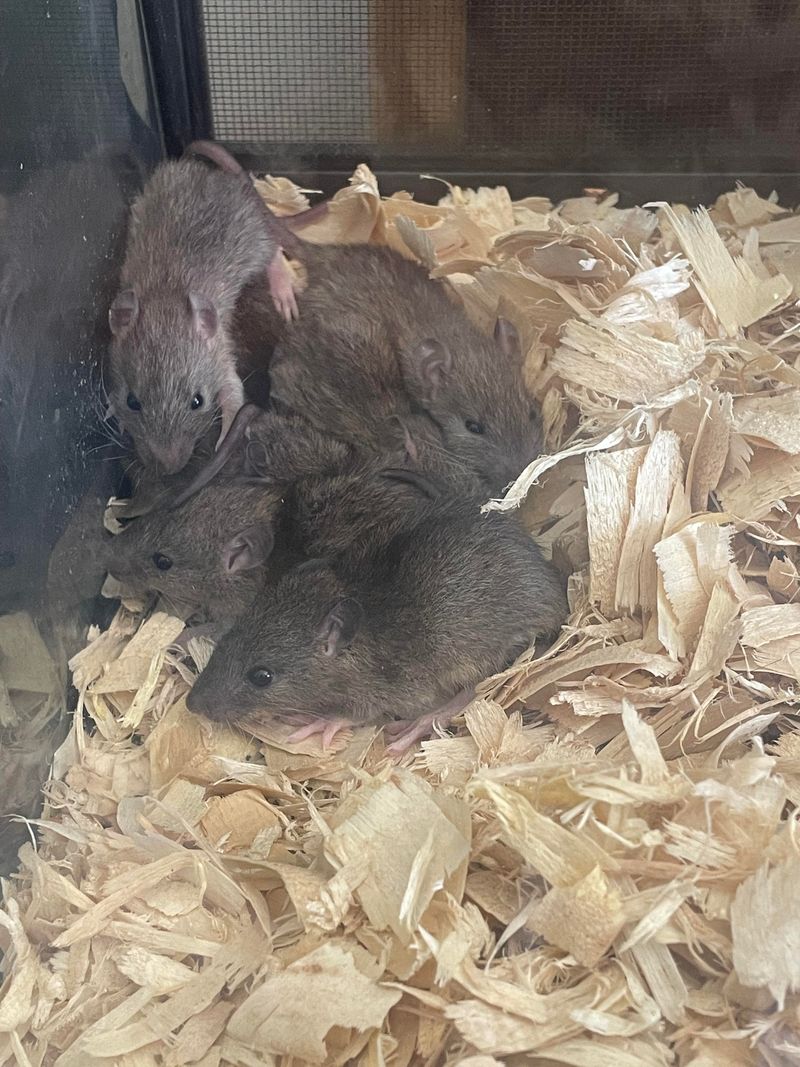
Garden sheds accumulate things over time in a very specific way.
Cardboard boxes, worn burlap bags, folded drop cloths, stacks of old newspapers, and leftover fabric scraps pile up in corners and on low shelves without ever quite rising to the level of a problem that needs addressing.
From a rat’s perspective, that accumulation is not a storage problem. It is a well-stocked nesting supply cache with no one monitoring access.
Rats build nests from soft, shredded material, and cardboard is one of their preferred raw materials. It tears easily, insulates well, and is typically available in quantity in a shed that has not been cleared recently.
A rat can shred a cardboard box into functional nesting material in a single night. Once nesting is established, reproduction follows on a timeline that surprises most homeowners when they learn about it.
A female rat under good conditions can produce multiple litters of six to twelve pups within a few months.
Clearing soft, loose materials is a genuine pest prevention action rather than a purely aesthetic improvement.
Replace cardboard boxes with sealed plastic or metal bins. Store fabric items in sealed containers rather than folded loosely on shelves.
Sweep the floor regularly and look for shredded material in corners, which is a direct sign that nesting has already started somewhere in the space.
A clean, organized shed with no loose soft materials available at floor level is structurally less useful to a rat looking for nesting supplies.
The rat does not disappear from the property, but the shed stops being the location that meets its nesting requirements most efficiently. That shift redirects the activity to less problematic areas and makes early detection considerably easier.
Clutter that accumulates over years does not need to be addressed all at once. One pass through the shed to remove loose cardboard and fabric from low shelves and floor corners closes off most of the nesting material availability in an afternoon.
A cluttered shed and a clean shed look very different from a rat’s practical assessment of the space.
6. Vines Around Sheds Add Extra Cover
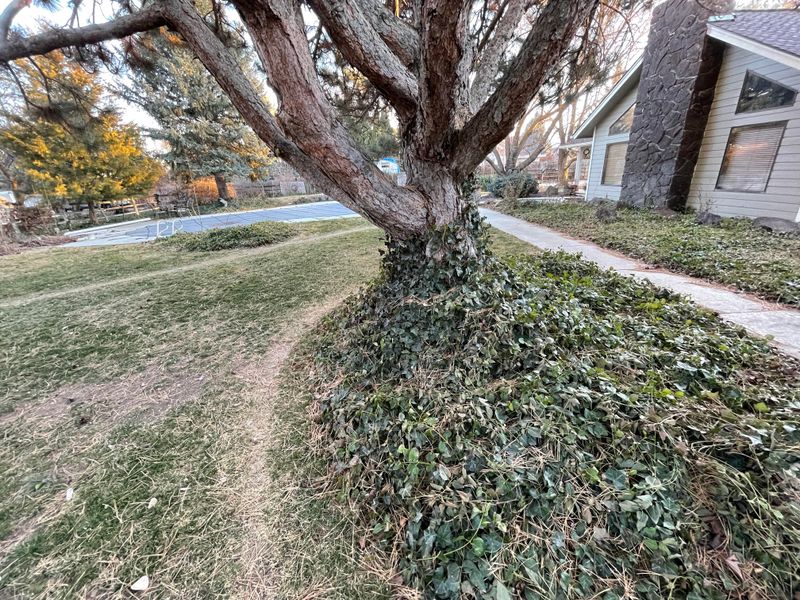
Overgrown ivy on a shed wall looks intentional from a distance and functions as a rat highway up close.
Dense vines give rats covered pathways to move along shed walls, reach vents and roofline gaps, and travel between feeding areas and the structure without crossing open ground.
Roof rats are agile climbers that operate most comfortably in exactly this kind of vegetated environment, and a vine-covered shed is one of the more accommodating routes to the structure a homeowner can inadvertently provide.
Dense vines also prevent effective inspection.
They hold moisture against the wall, create dark tunnels at ground level, and make it impossible to see the shed exterior clearly enough to spot gnaw marks, entry holes, or gap damage.
Removing ivy from shed walls and maintaining at least eighteen inches of clear space between any climbing plant and the structure restores the visibility that makes early detection possible.
Prune overhanging tree branches that touch or hang over the shed roof. These act as direct bridges for roof rats moving between trees and the structure, and removing them eliminates one of the most commonly used access routes for this species.
Clear the ground around the shed base of dense low growth that creates sheltered corridors at ground level.
Reducing plant cover around the shed changes how approachable the structure looks to a rat doing reconnaissance.
An exposed shed perimeter requires crossing open ground to reach the wall, which is a risk rats weigh carefully. A vine-covered shed wall is, from a rat’s perspective, an assisted approach to shelter that removes most of the exposure risk.
Clearing the vines removes the assistance. The ivy stays beautiful elsewhere in the yard. The eighteen inches of clear space around the shed wall is the functional change.
That gap between plant and structure converts the shed perimeter from a sheltered corridor into open ground, which is a very different proposition for a rat deciding whether to approach.
7. Raised Floors Hide Early Activity
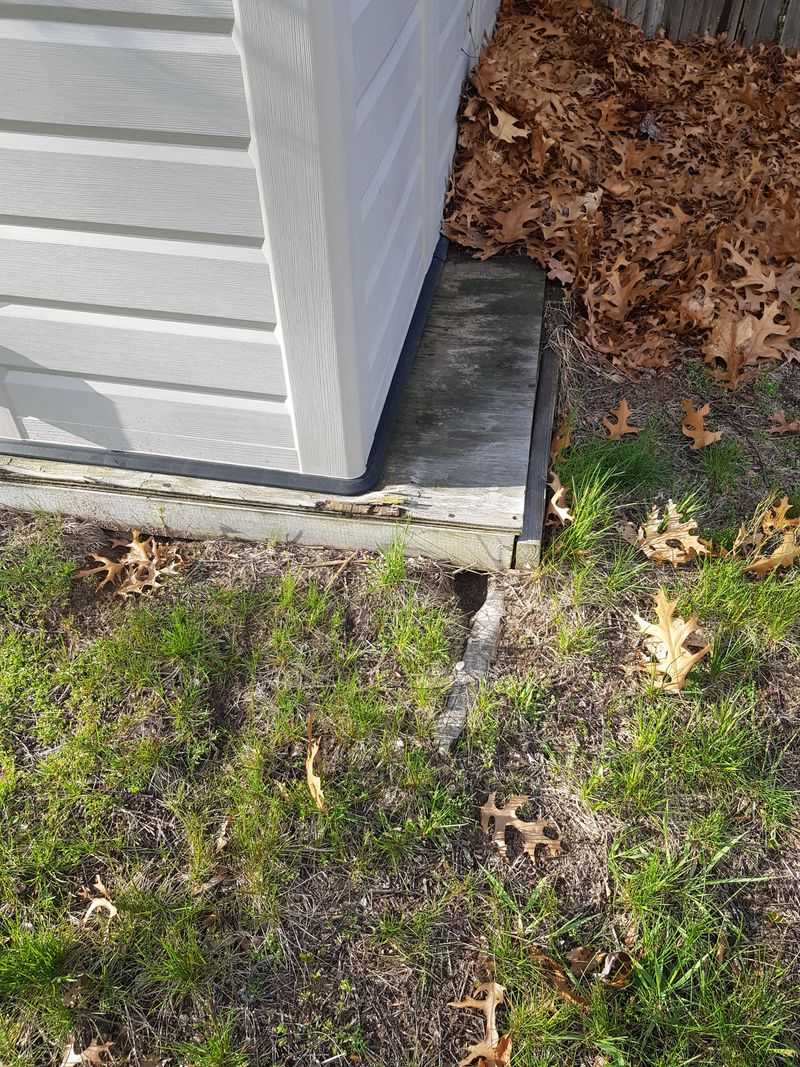
Sheds built on skids or raised wooden frames create a dark, sheltered crawl space underneath that requires no entry gap, no gnawing, and no effort to access.
That gap between the shed floor and the ground is protected from weather and predators, stays dark during daylight hours, and holds warmth at night.
Norway rats especially favor ground-level situations and will readily establish a burrow beneath a raised shed floor that stays completely invisible from above.
Under-shed activity can go undetected for a significant period because the rats do not need to enter the shed structure itself to use it as a base.
They tunnel along the foundation, burrow into adjacent garden beds, and use the covered space for daytime rest and nighttime foraging across the entire yard.
The shed owner experiences no visible evidence inside the shed while a burrow system develops quietly underneath it.
Check the perimeter of the shed base monthly.
Fresh soil disturbance, small entry holes roughly two to three inches in diameter, and smooth-edged tunnels in the surrounding dirt are the indicators to watch for.
An L-shaped hardware cloth skirt buried at least six inches into the ground and bent outward at the bottom prevents Norway rats from burrowing under the structure from the outside.
Installing the hardware cloth skirt before any burrowing activity begins is significantly easier than addressing an established burrow system after the fact.
The material is inexpensive, the installation takes an afternoon, and the barrier remains effective indefinitely once properly installed.
Addressing under-shed access early is one of the most impactful single interventions available for sheds built on raised frames.
The burrow that develops under a raised shed is invisible, comfortable, and already connected to the foraging territory around it by the time most homeowners notice anything.
The hardware cloth skirt installed before any sign of activity is a far simpler project than the one that becomes necessary after. That timing difference is worth acting on.