The Zone-Friendly Fruit Trees New York Gardeners Are Trying This Fall
Something sneaky is happening in backyards across New York, and it smells a lot like tropical custard. Gardeners who used to play it safe are now planting trees that seem to belong much farther south.
Milder winters and smarter planting tricks have made room for trees that were rarely tried here a couple of decades ago. Picture biting into sweet, sticky fruit that you grew yourself, right outside your own chilly kitchen window.
Fall is a smart time to plant, because cool air and warm soil help young roots settle in. Crunchy leaves underfoot and crisp October mornings make digging feel less like a chore and more like fun.
Of course, pushing your growing zone takes a bit of nerve, some planning, and a dash of patience. The right variety can make the difference between a sad stick and a tree loaded with tasty surprises.
Grab a shovel and check your sunniest corner. The neighbors may start asking questions about your yard by next harvest.
1. Pawpaw
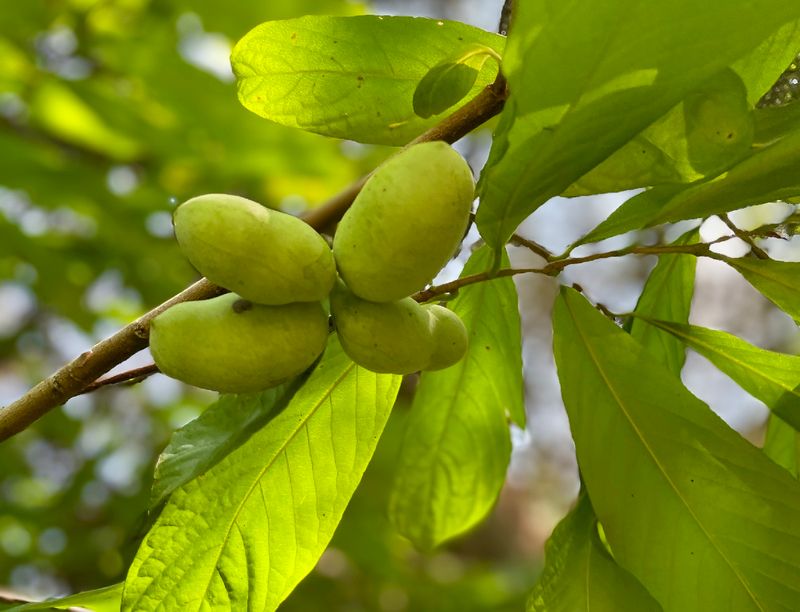
Imagine a fruit that tastes like banana, mango, and vanilla pudding all mixed together in one green skin. Native to the eastern United States, the pawpaw is the largest edible fruit that grows wild in North America.
Wild pawpaws already grow in parts of western New York, so they handle cold winters better than you might expect. Most types are hardy down to Zone 5, which covers a big chunk of the state.
Young trees are a little fussy, because their tender leaves can scorch in strong afternoon sun during the first year. A simple shade cloth or a spot near taller plants gives them a gentle start while roots grow.
Pawpaws also need a buddy, since most trees cannot pollinate themselves and need a second variety nearby. Popular picks like Shenandoah, Sunflower, and Mango offer bigger fruit than wild trees and fewer seeds inside.
Planting in early October works well, as long as you water deeply before the ground starts to freeze. Pawpaws grow a long taproot, so container-grown trees usually transplant much better than bare-root ones do.
Flowers are oddly maroon and give off a mild, musky scent, which attracts flies and beetles instead of honeybees. Some growers hand-pollinate with a small paintbrush in late spring to boost their harvest the following fall.
Expect your first fruit in about four to six years, ripening in September and early October each year. Ripe pawpaws bruise easily and spoil fast, so homegrown fruit is a treat you rarely find in stores.
2. Cornelian Cherry
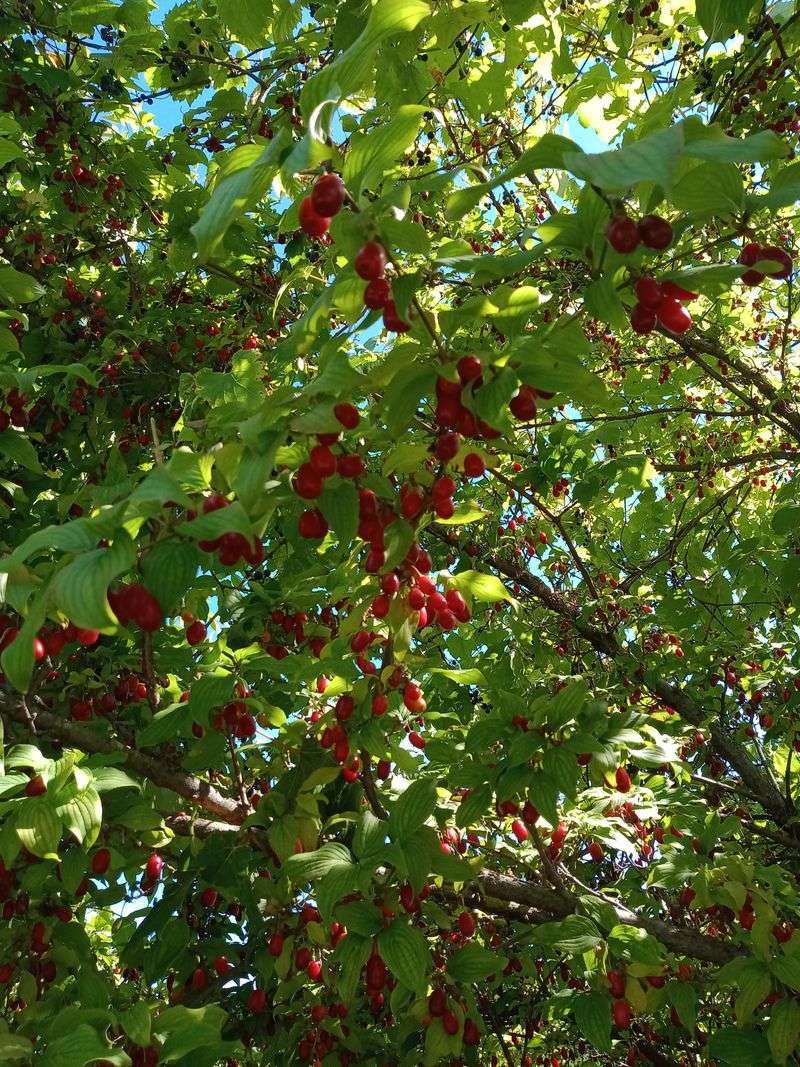
Long before most trees wake up, cornelian cherry bursts into tiny yellow flowers in late winter or very early spring. Despite the name, it is not a true cherry at all, but a member of the dogwood family.
People in Europe and western Asia have enjoyed this tough little tree for thousands of years, even in ancient Greece. It handles cold down to Zone 4, which suits most of upstate New York.
The red fruits look like oblong cherries and taste tart, a bit like a mix of cranberry and sour cherry. Many folks turn them into jam, syrup, or sauces, while ripe ones can be eaten fresh off the branch.
Your New York Garden Changes Every Week. Your Plan Should Too.
Gardening in New York changes quickly throughout the season. Every Friday you’ll receive a simple weekly plan showing exactly what to plant, prune, fertilize, harvest, and protect so you never miss the right timing.
Fruit usually ripens from August into September, and you will know it is ready when it drops on its own. Spreading an old sheet under the tree makes gathering easy and keeps the soft fruit clean and unbruised.
Early October is a great window to plant one, since the soil stays warm enough for roots to spread. Choose a spot with full sun or light shade, and the tree will handle clay or average soil fine.
Pests and diseases rarely bother it, which makes it a wonderful pick for anyone who prefers low-maintenance gardening. Planting two different seedlings or named varieties often improves fruit set, though some trees produce well alone.
Look for improved varieties like Pioneer or Elegant, which carry larger, sweeter fruit than the wild type. Your patience will be rewarded with cheerful spring blooms, glossy summer leaves, and ruby fruit by late summer.
3. Chicago Hardy Fig
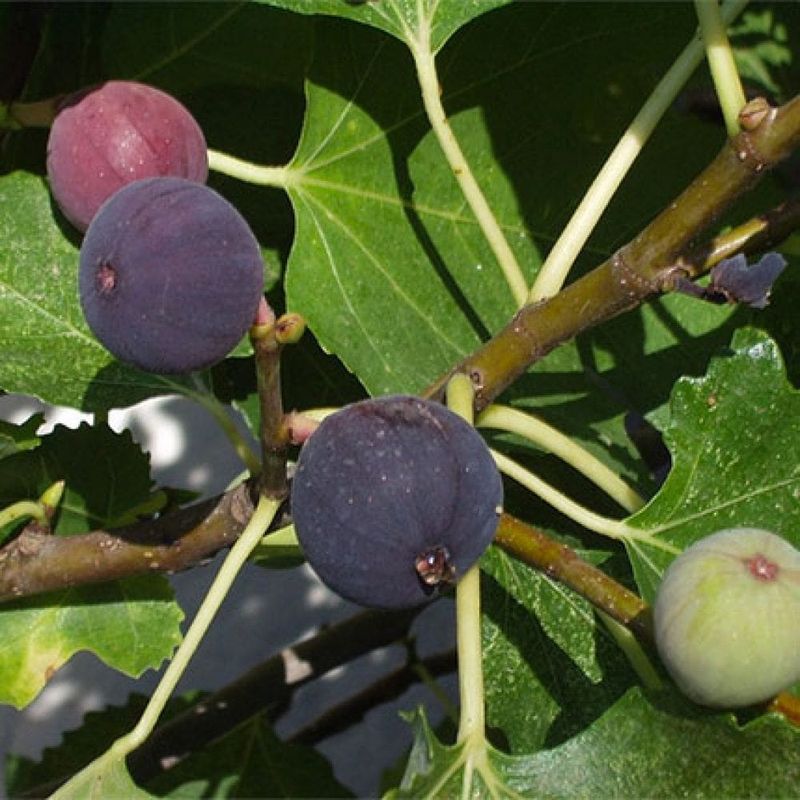
Who says figs belong only in sunny Italian courtyards when one tough variety thrives in Brooklyn and beyond? Chicago Hardy earned its name by handling cold Midwest winters and pushing out fresh growth each year.
The branches may freeze back to the ground around minus ten degrees, yet the roots often handle temperatures down to minus twenty. Better still, it fruits on new wood, so a plant that lost some stems to cold can still set figs the same season.
In New York City and Long Island, many gardeners grow it in the ground against a warm brick wall. Upstate growers often keep theirs in large pots and roll them into an unheated garage for the winter.
Fall is the season to prepare, because the first hard frost arrives anywhere from early October upstate to November near the coast. After the leaves drop, pile shredded leaves or straw around the base to protect the roots and crown.
Some people go further and wrap the whole bush in burlap, then stuff the inside with dry leaves. A wrapped fig keeps more live wood, which means an earlier and bigger crop the next season.
Spring planting is the safer choice for new figs in New York, since young roots need a full season to settle before winter. Pick the sunniest, most sheltered spot you have, because figs love heat and hate cold, whipping winds.
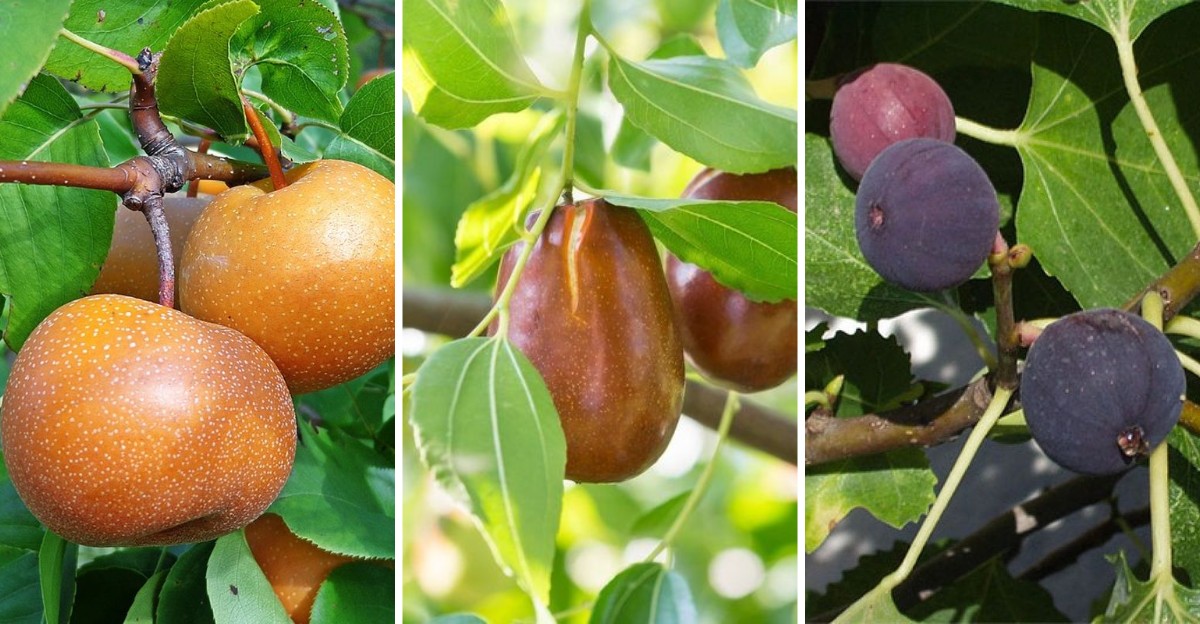
The fruits are small, purple-brown, and full of sweet, jammy flesh with a lovely berry-like flavor. Most crops ripen from late August through September, so a warm fall can stretch your harvest a little longer.
4. Nikita’s Gift Persimmon
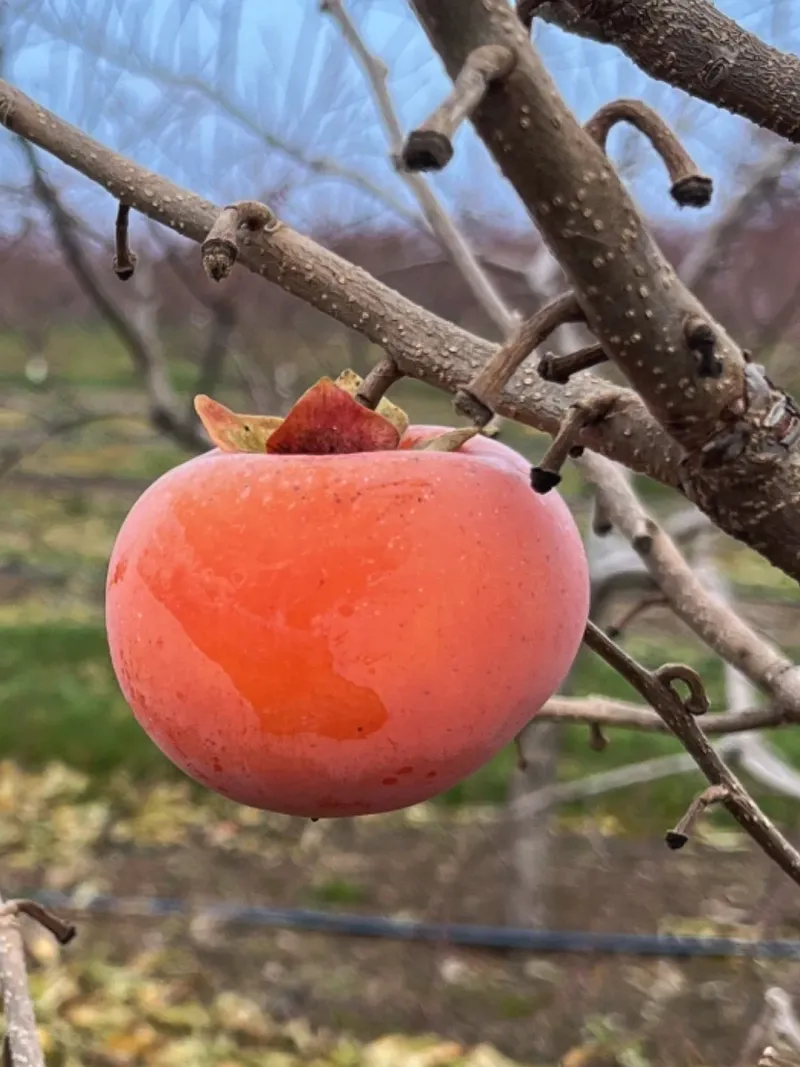
Picture a glowing orange fruit hanging on bare branches in November, like ornaments on a tree waiting for the holidays. Nikita’s Gift makes that scene possible, and it is a hybrid between Asian and American persimmons.
Breeders at the Nikita Botanical Garden on the Black Sea created this tree, blending the big fruit of Asian types with the toughness of native ones. The result is a tree that handles winters down to about minus ten degrees, making it Zone 6 friendly.
Gardeners in the Hudson Valley, New York City, and Long Island are planting it with growing confidence. Colder upstate spots may still work if you choose a protected site near the south side of your house.
One warning before tasting, because unripe fruit is astringent and will make your whole mouth pucker up. Wait until the persimmons feel soft like a water balloon, and then they turn sweet and honey-like.
Fruit ripens from October into November, so this tree gives you something fresh to pick late in the year. Many folks harvest firm fruit before a hard freeze and let it soften indoors on the kitchen counter.
Most trees are self-fertile, so a single plant can bear fruit without a partner growing close by. The tree stays fairly compact, usually under fifteen feet, which makes it handy for suburban yards.
Planting in early fall works best with a potted tree, since persimmons also have deep, sensitive taproots. Add a ring of mulch and wrap the trunk with a guard to block hungry mice and rabbits this winter.
5. Shinko Asian Pear
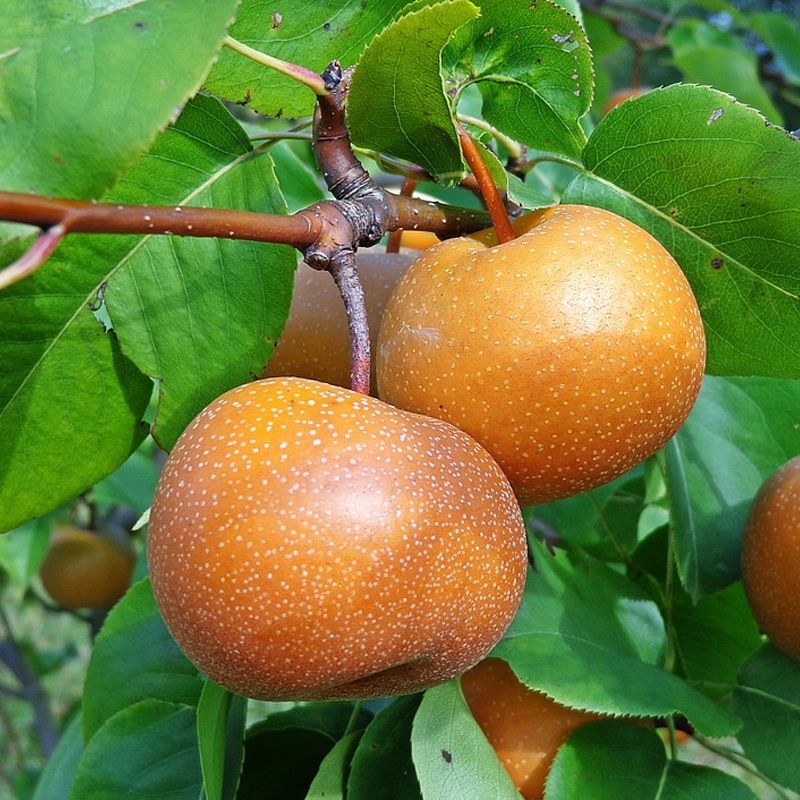
Crunch is the first thing you notice when biting a Shinko pear, followed by a burst of sweet, juicy flavor. Asian pears look like apples, feel like apples, but taste like a refreshing mix of pear and melon.
Shinko comes from Japan and stands out because it has good resistance to fire blight, a bacterial disease that troubles many pears. That resistance matters in humid New York summers, when blight spreads quickly through blossoms and young shoots.
Hardy to Zone 5, it pushes a little past where most Asian pears feel comfortable in the Northeast. Its golden-brown, russeted skin hides crisp white flesh that stores well in the fridge for several months.
Harvest usually comes in late September or early October, right when crisp fall air makes everything taste better. Unlike European pears, Asian pears ripen on the tree, so you can pick and munch them right away.
You will need a second pollinator, such as Hosui, Chojuro, or even a European Bartlett blooming at the same time. Plant the two trees within about fifty feet so bees can easily carry pollen between the spring flowers.
Shinko trees often set heavy crops, and too many fruits can leave you with lots of tiny pears. Thinning each cluster down to one fruit in early summer leads to bigger, sweeter pears by autumn.
Fall planting gives bare-root or potted trees a head start, since roots keep growing until the soil freezes. Choose a sunny, well-drained spot, and water every week until the ground turns cold and hard.
6. Harcot Apricot
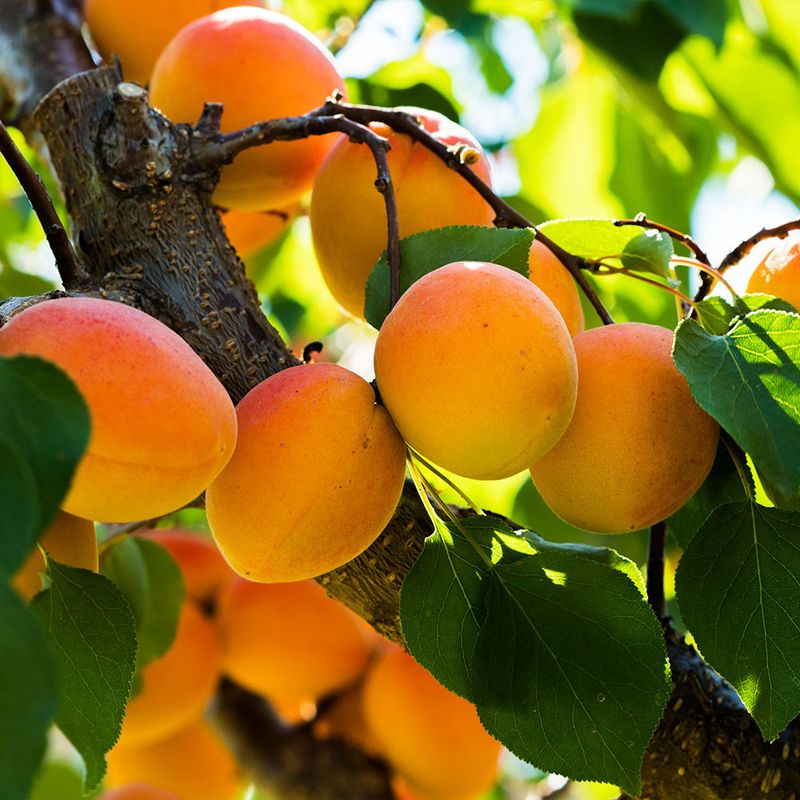
Apricots are famous for blooming too early, and a late spring frost can wipe out much of the year’s crop. Harcot was bred in Ontario, Canada, to bloom a little later and handle the chill of northern winters.
That Canadian background makes it a smart match for New York, where spring weather often swings wildly. It is hardy to about Zone 5, and it shows some tolerance to common problems like brown rot and canker.
Anyone who remembers fresh apricots from an old orchard knows store-bought ones rarely taste as rich. Harcot brings back that memory, with smooth orange skin, a rosy blush, and sweet, perfumed flesh.
Location matters a great deal with apricots, so avoid low spots where cold air settles on chilly spring nights. A north-facing slope can actually help, because it keeps buds cooler and slows their urge to bloom early.
The tree is self-fertile, so one Harcot can produce a crop without needing another apricot in the yard. Fruit usually ripens in mid-July, which gives you a sweet summer treat after a few years of waiting.
Early October planting works for potted trees, though many growers prefer spring in colder parts of the state. Dig a wide hole, keep the graft union above the soil line, and water slowly and deeply afterward.
Painting the lower trunk with diluted white latex paint can help prevent winter sunscald on young, thin bark. Some growers also keep frost blankets handy in spring, ready to toss over blossoms when temperatures suddenly drop.
7. Reliance Peach
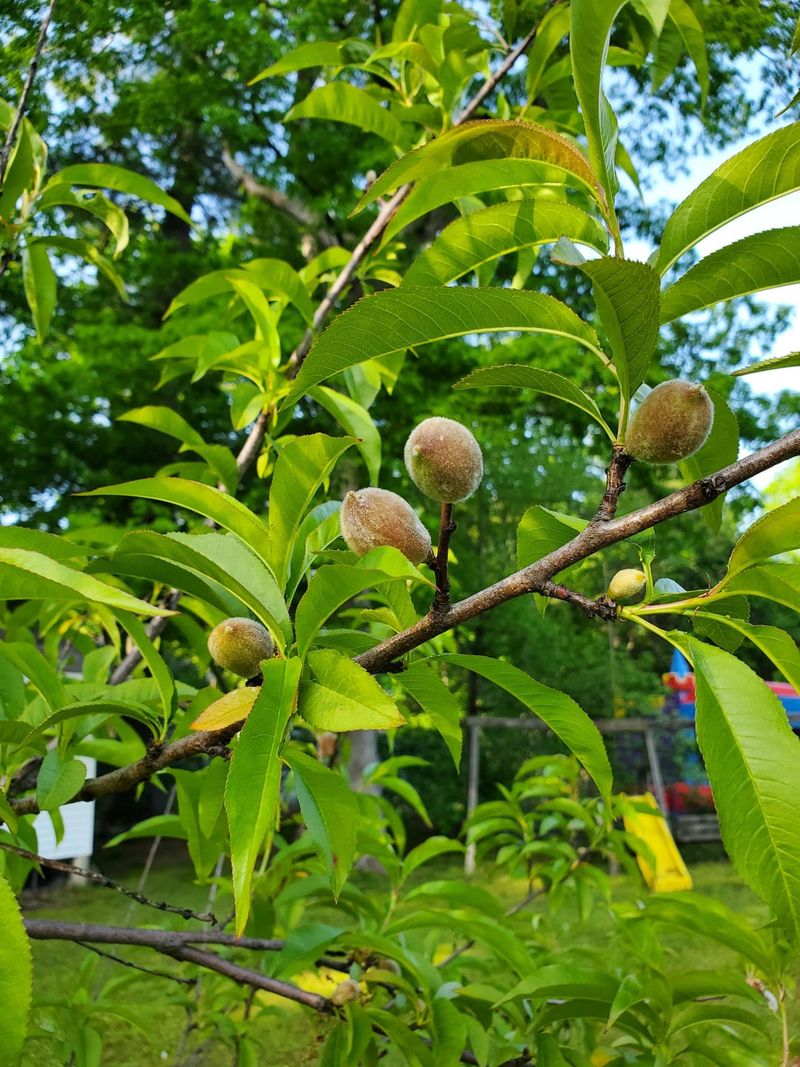
Fuzzy, juicy, and dripping down your chin, a homegrown peach is one of the sweetest rewards a garden can offer. Reliance was released by the University of New Hampshire in 1964, built specifically for tough northern winters.
Its flower buds often handle temperatures near minus twenty degrees, which is far colder than most peaches tolerate. That toughness lets gardeners in Zone 4 and Zone 5 regions of New York try peaches at home.
The fruit is medium-sized with yellow flesh and a soft, sweet flavor that shines in pies and cobblers. Peaches are freestone, meaning the pit pops out easily, which makes canning and freezing much less messy.
A single tree can pollinate itself, so you do not need a second peach to enjoy a full crop. Expect fruit in about three years, which is quicker than many other trees on this list.
Peach leaf curl is a common headache, causing puffy, reddish leaves that can weaken the tree over time. Fall is a smart moment to act, since a copper spray after leaves drop helps reduce next year’s trouble.
Early October works for planting potted Reliance trees, but bare-root peaches usually do better when planted in spring. Pick a sunny spot with good air flow, because peaches sulk in soggy soil and shady corners.
Reliance tends to grow lots of fruit, so thin the small peaches to about six inches apart each summer. Branches will thank you by holding bigger, juicier fruit without snapping under the heavy weight in August.
8. Jujube
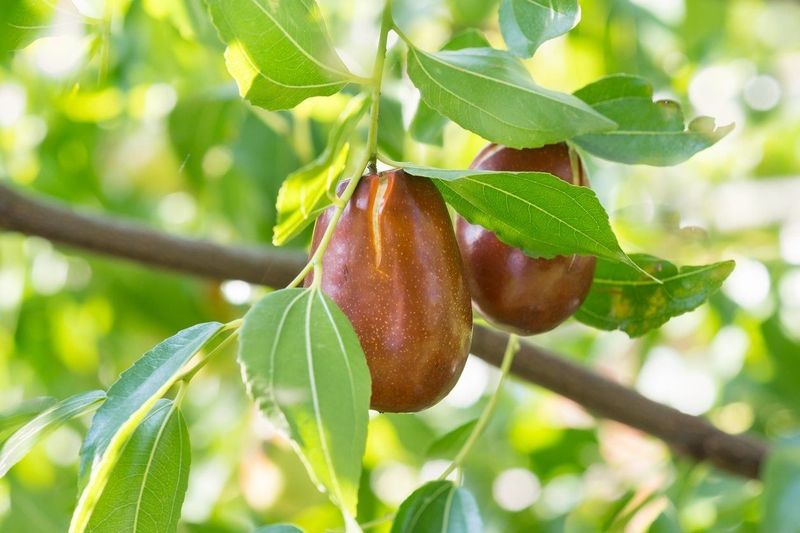
Sometimes called the Chinese date, jujube has been grown in Asia for more than four thousand years. Bold New York gardeners are now giving this ancient tree a try, and many are pleasantly surprised by the results.
Jujubes handle cold down to about minus ten to minus twenty degrees once established, which puts them in Zone 5 or 6 territory. The catch is that they crave summer heat, so the warmest spot in your yard gives the sweetest fruit.
Fresh jujubes taste like crisp, mildly sweet apples, and they turn wrinkly and date-like when left to dry. Varieties like Sugar Cane and Honey Jar are favorites for northern growers wanting earlier ripening fruit.
Fruit usually ripens from September into October, so early fall is when you see shiny brown fruits appear. Pick them when they are half brown for crunch, or wait until fully brown for extra sweetness.
One quirky trait is that jujubes leaf out very late in spring, often after other trees look fully green. New owners sometimes worry their tree is not waking up, but patience usually brings tiny leaves by late May.
Pests and diseases rarely bother jujubes here, and the trees handle poor, dry soil better than most fruits. Watch out for thorny branches on some types, and wear sturdy gloves when pruning or picking the fruit.
Planting a potted jujube in early October gives roots time to settle, though spring planting suits colder upstate areas. Many types produce some fruit alone, but planting two varieties together often leads to a much bigger harvest.