Why Pennsylvania Tree Bark Is Suddenly Covered In Gray Putty-Like Patches
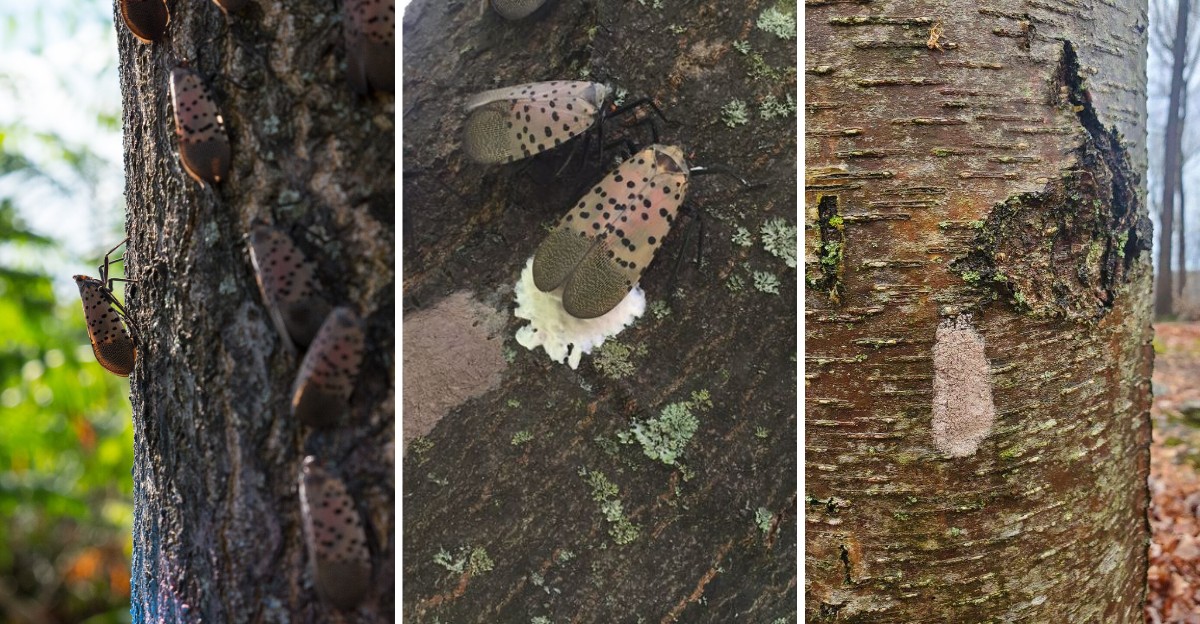
Those gray crusts on your maple trunk are not mud. You are looking at spotted lanternfly egg masses, packed with future nymphs.
Pennsylvania hosted this invader’s U.S. debut in Berks County, likely on imported stone. Females lay from late September until a hard frost arrives. Each mass gets a glossy coating that dries into gray putty.
Beneath it sit rows of tiny eggs, ready to hatch next spring. Scrape them into a bag with rubbing alcohol before then. Eggs dropped on soil can still hatch, so bag them.
Check beyond trunks, since females also lay on fences, vehicles, and firewood. Tree of heaven nearby is a red flag, since adults gather there. Neighbors who skip their trees can undo your work.
Report your sighting to the Pennsylvania Department of Agriculture to help scientists track the spread. Act before April arrives.
1. Adult Lanternflies Are Laying Eggs Right Now
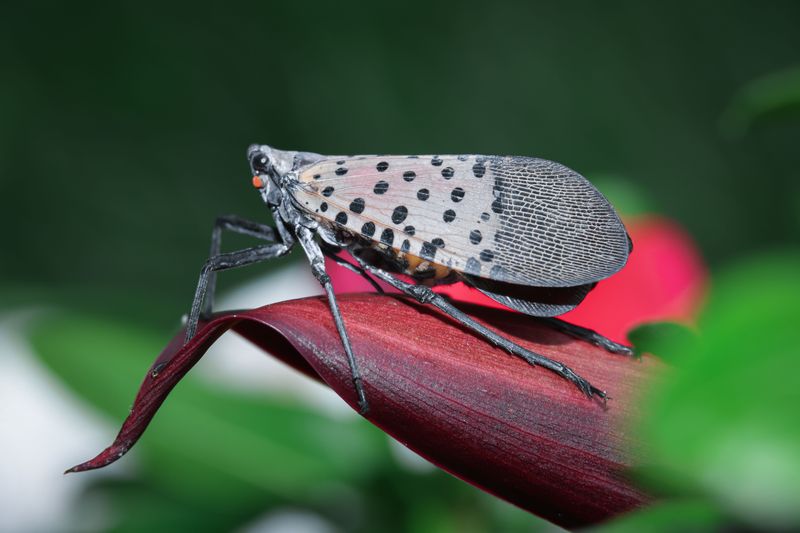
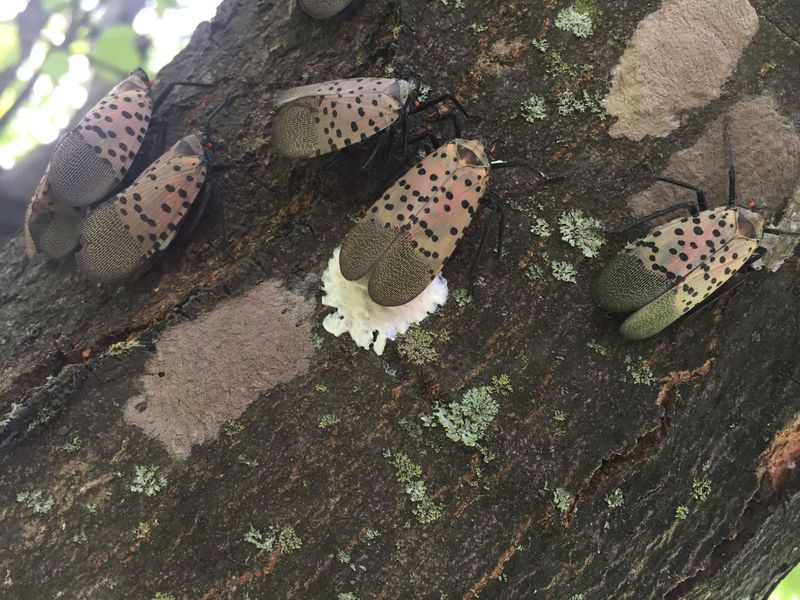
Meet the cause of those mystery smears, the spotted lanternfly. By October, the adults are big, bold, and busy finishing their final job of the year.
Adults have grayish wings with black spots and a flash of bright red underneath. When they hop or fly, that red shows up like a tiny warning flag.
All summer long, they sucked sap from trees, vines, and shrubs across the state. Now that the weather is cooling, their focus has switched from eating to egg laying.
Females start laying eggs in late September and keep going until the first hard freeze. That is why October trunks seem to change overnight.
The adults will not survive the winter cold. Their eggs will, though, and that is the whole point of this autumn rush.
Think of it like a parent packing lunches before a long trip. The adults are setting up the next generation before they run out of time.
Spotted lanternflies showed up in Berks County in 2014, likely riding along on imported stone. Since then, they have spread across much of Pennsylvania.
So if your yard is full of them right now, you are not alone. Keep an eye on nearby trunks, because the gray patches are coming soon.
Spotting adults now gives you a real head start on the problem. Adults you see this month point to egg patches nearby.
2. Females Cover Their Egg Batches With A Gray Coating
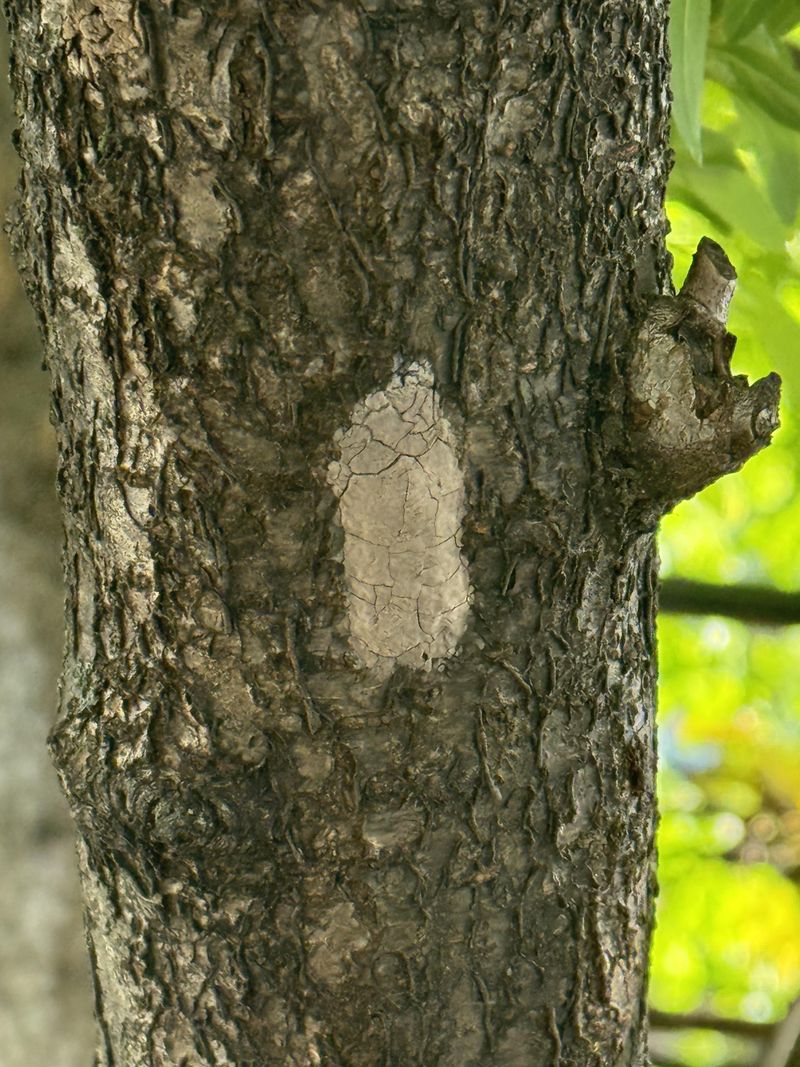
Picture a cake decorator spreading frosting, except the cake is a tree and the frosting is a bug-made coating. Female lanternflies lay eggs in neat rows, then cover them up.
The covering starts out soft and glossy, almost like putty. Within a few days, it dries, cracks slightly, and turns that familiar muddy gray.
Scientists think this coating protects the eggs from winter weather and hungry predators. It also works like camouflage, blending right in with rough bark.
Each patch is roughly one to one and a half inches long, about the size of your thumb. Some people say they look like dried mud, while others compare them to old putty.
Your Pennsylvania Garden Changes Every Week. Your Plan Should Too.
Gardening in Pennsylvania changes quickly throughout the season. Every Friday you’ll receive a simple weekly plan showing exactly what to plant, prune, fertilize, harvest, and protect so you never miss the right timing.
Older patches start to crack and flake, showing the seed-like eggs underneath. Those little rows look a bit like grains of rice lined up in columns.
Not every female finishes the coating job, so some egg rows stay bare. Bare rows are easier to spot, but they are just as much of a threat.
To check a suspicious patch, look for cracks or bare spots where rows of small seed-like eggs show through. Real egg masses show that tidy pattern, while mud does not.
Lichen and mud can look similar, so a close look helps. Lichen often looks leafy or crusty, while egg masses stay flat and gray.
Once you learn the look, you start seeing them everywhere. Many Pennsylvania families now treat fall walks like a scavenger hunt for these easily overlooked smears.
Kids can be great spotters since their eyes sit closer to low bark. Hand them a flashlight and watch the hunt begin.
3. October Weather Triggers The Egg-Laying Rush
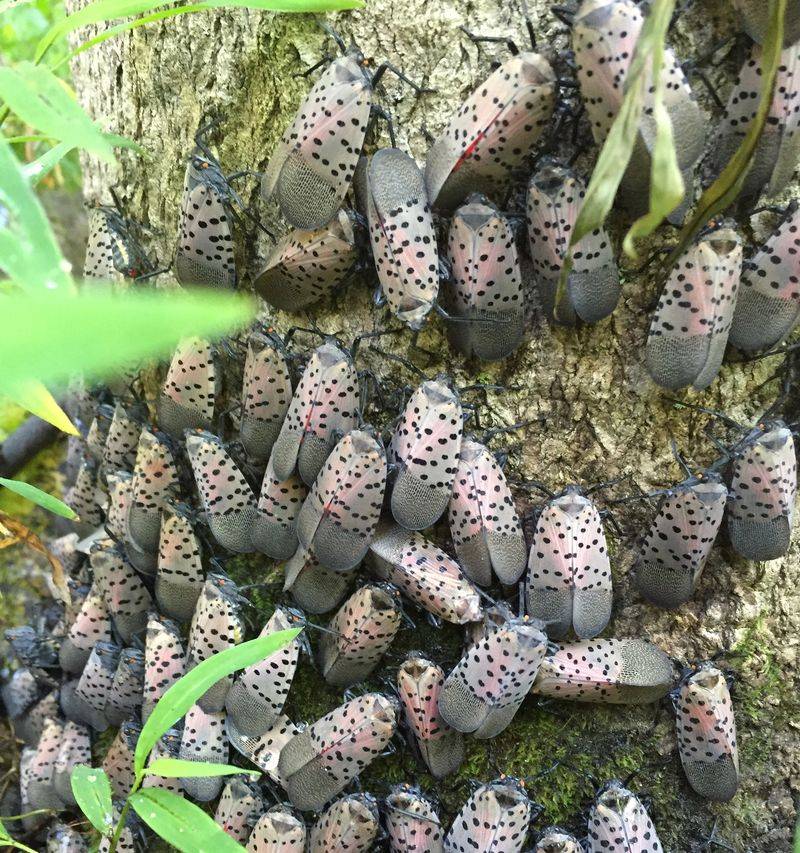
Cool mornings, crunchy leaves, and pumpkin everything. For spotted lanternflies, those signs of fall mean one thing: it is time to lay eggs fast.
Shorter days and dropping temperatures signal the adults that their season is ending. Females respond by laying their egg masses before the cold arrives.
Egg laying typically runs from late September until a hard freeze, sometimes into December. October tends to be the busiest month, which is why patches seem to appear overnight.
A hard frost usually ends adult activity for the year. Until then, warm afternoons can keep females climbing trunks and laying eggs.
Each female can lay one or two egg masses during her lifetime. With thousands of adults in a single area, the numbers add up quickly.
The eggs sit quietly through winter, unbothered by snow and ice. Come late April or May, tiny black nymphs hatch out and start feeding.
That long wait gives you a big window to act. From October to April, you can scrape, crush, and report egg masses wherever you find them.
Warmer falls may stretch the egg-laying season a bit longer. Keep checking trees into November, especially after a stretch of mild, sunny days.
Mark your calendar for regular yard checks this month. A quick weekly walk around your trees can catch fresh patches before they harden.
Pairing the check with raking leaves makes it feel less like a chore. You are already outside, so glance at the trunks while you work.
4. Tree Of Heaven Draws The Biggest Crowds

If lanternflies had a favorite restaurant, it would be the tree of heaven. This fast-growing invader from China is their top choice for feeding and gathering.
Tree of heaven has long leaves made of many small leaflets. Crush one and you will notice a strong smell, a lot like burnt peanut butter.
Adults crowd these trees all summer, so egg masses often show up nearby. Still, females do not limit egg laying to their favorite snack.
Maples, black walnuts, birches, willows, and oaks are common targets in Pennsylvania. Females also lay eggs on trees they would not eat at all.
Grapevines and fruit trees can attract heavy feeding, which worries farmers and vineyard owners. Pennsylvania wine country has seen real crop losses from these bugs.
If you have tree of heaven on your property, check its trunk and nearby trees first. Those spots tend to be egg-laying hot zones each fall.
Some homeowners remove tree of heaven to reduce lanternfly visits. Cutting it alone can backfire, since it sprouts lots of new shoots from the roots.
Experts suggest treating it with an approved herbicide before cutting it down. A local extension office or tree care pro can guide you safely.
Knowing your trees makes egg hunting much easier. A free plant ID app can help you spot tree of heaven in seconds.
Look for clusters of winged seeds hanging from branches in fall. Those papery seed bunches are another easy clue that tree of heaven is nearby.
5. Bark, Fences, And Outdoor Gear Can Be Affected Too
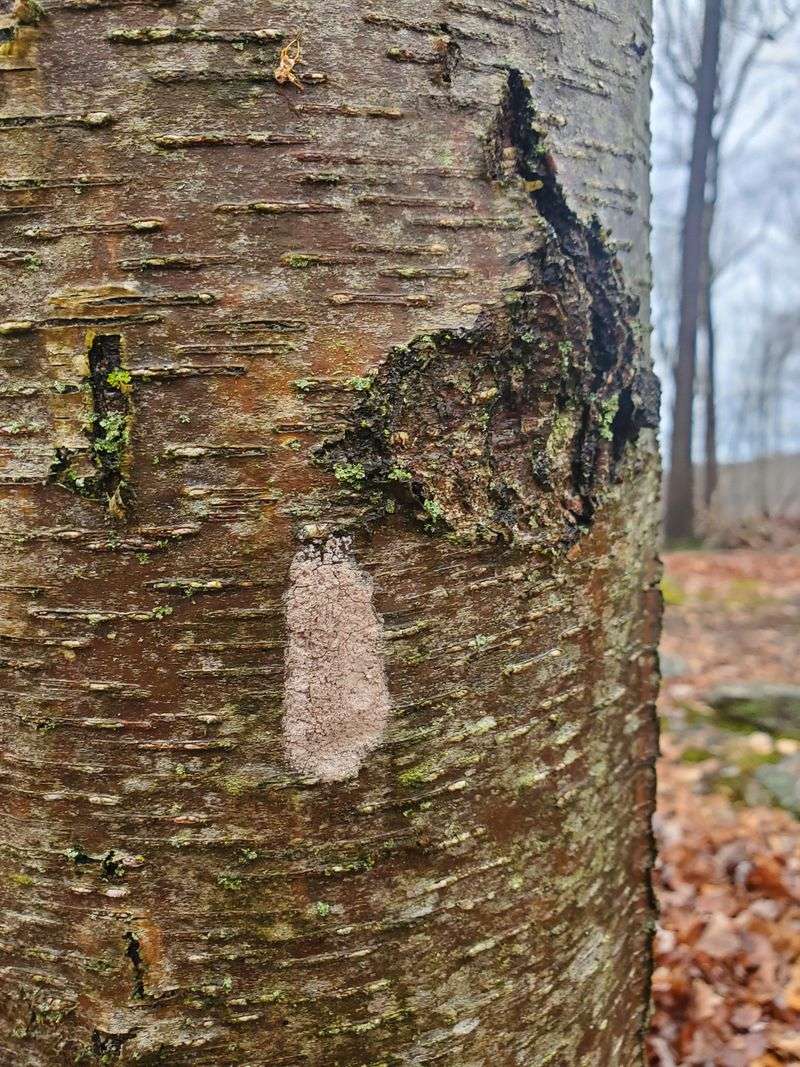
Something surprises many people the first time they look closely. Lanternfly egg masses are not just on trees, and they can show up on almost any flat, sturdy surface.
Females lay eggs on smooth and rough surfaces alike, including trees, rocks, fences, and the sides of sheds.
Outdoor furniture, grills, trailers, and stacked firewood are also common spots. Even lawn ornaments and children’s playsets can end up decorated with gray smears.
Vehicles are a big concern because they travel. An egg mass on a truck bumper can ride to a whole new county without anyone noticing.
Pennsylvania has a quarantine zone covering many counties for this reason, so check the Department of Agriculture for the current list. Businesses moving goods out of the zone need permits and must inspect their loads.
Homeowners should check items before moving them, too. Before a camping trip or a move, look under patio chairs, trailer hitches, and wheel wells.
Firewood is another easily overlooked carrier. Buy it near where you plan to burn it, and do not haul it across county lines.
Rusty metal and painted surfaces can hide patches well, since the gray blends right in. Run your hand along edges to feel for raised, crusty spots.
A flashlight helps on cloudy days or in shady corners. Shining it at an angle makes the bumpy texture of egg masses easier to see.
The underside of things deserves a check. Females often choose hidden, protected spots that stay out of rain and wind.
Give your mailbox post and outdoor stairs a peek as well. Those overlooked spots can hold egg masses too.
6. Each Patch Hides Up To 50 Eggs
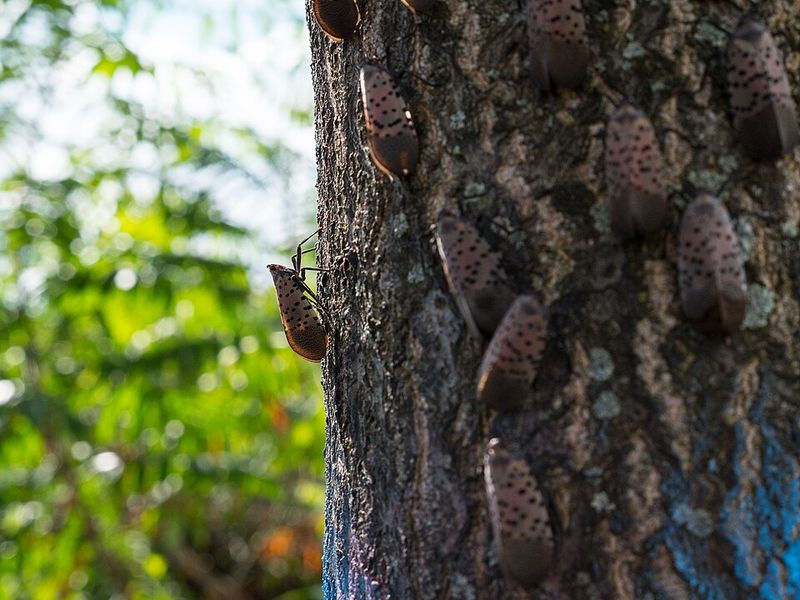
Thirty to fifty. That is about how many eggs are tucked inside a single gray patch, all lined up in rows.
Now picture one tree with ten patches on it. That single trunk could release hundreds of nymphs next spring.
Some heavily infested trees carry dozens of egg masses from the base to the high branches. Many patches sit far above where people can easily reach.
The numbers add up fast across a whole neighborhood. One missed patch on a fence can grow into a large population by July.
Newly hatched nymphs are tiny, black, and covered in white dots. Later in summer, they turn bright red with black and white markings.
Nymphs and adults feed on plant sap, which weakens trees and stresses crops. They also drip a sticky waste called honeydew everywhere they gather.
Honeydew attracts black sooty mold, plus wasps and bees looking for sugar. Patios, cars, and deck chairs can turn messy and sticky quickly.
That is why each patch you remove matters so much. Removing one egg mass can prevent dozens of bugs from hatching.
Keep a simple tally as you find and scrape them. Kids especially enjoy counting, and big numbers make the effort feel rewarding.
Some families even compete to see who finds the most. Friendly contests turn a messy job into a surprisingly satisfying weekend activity.
Higher patches may need a long-handled scraper or help from a tree care company. Do not climb ladders alone just to chase a few eggs.
7. Scraping The Patches Helps Reduce Next Year’s Numbers
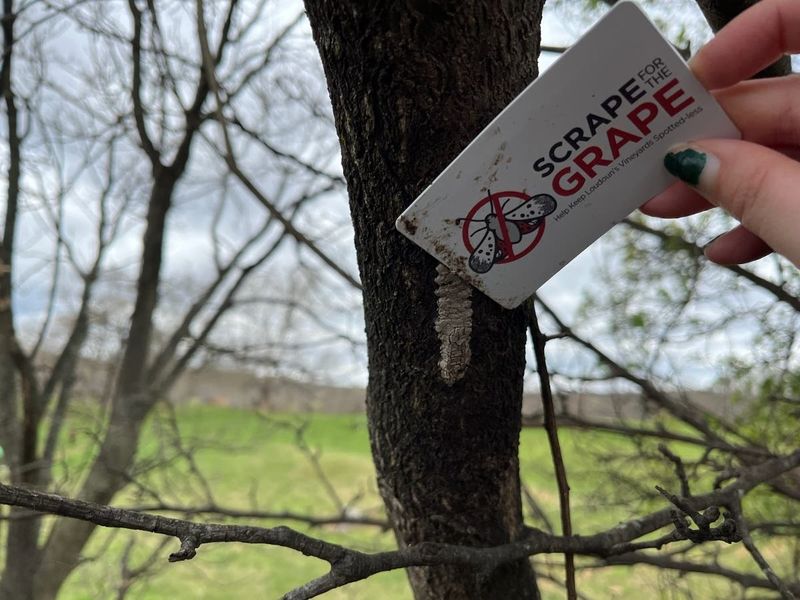
Grab a plastic card, a zip-top bag, and some rubbing alcohol. Those three simple tools are all you need to take action this fall.
Hold the bag under the egg mass and scrape downward with firm pressure. The eggs should pop off and fall right into the bag.
Fill the bag with rubbing alcohol or hand sanitizer, then seal it tight. Toss it in the trash once the eggs have soaked.
Another option is crushing the eggs on the spot. Press hard enough to hear a pop, which means the eggs inside have burst.
Scraping eggs onto the ground does not work, since they can still hatch from the dirt. Collect them, crush them, or soak them.
Wear gloves if the bark is rough or splintery. A cheap putty knife works well on tougher surfaces like stone or wood fences.
Be gentle with tree bark so you do not peel away the living layers. Scrape lightly at an angle rather than digging into the trunk.
Egg masses can be removed anytime between October and early May. Scraping now lets you tackle them before winter makes outdoor chores harder.
Several companies sell scraper kits made for this job. Check the same trees again a week later. Females may return and lay fresh patches until the first hard frost.
Every bag you fill is a small win for your yard. Your future summer picnics will thank you for the effort.
8. Reporting Sightings Helps Pennsylvania Track The Spread
Your phone can be a powerful tool for tracking lanternflies. A quick report helps scientists track where the bugs are spreading across Pennsylvania.
The Pennsylvania Department of Agriculture asks people outside the quarantine zone to email photos of sightings to its Bad Bug team. Penn State Extension also offers helpful guides, so check its website for current reporting instructions.
Snap a clear photo of the egg mass or adult before you remove it. Note the location, date, and what surface you found it on.
Reports matter most in areas outside the known quarantine zone. A new county sighting can alert officials to act before an outbreak grows.
Scientists also use reports to study how the bugs move and what they eat. Some researchers are testing fungi and tiny wasps that target lanternfly eggs.
Neighbors can make a huge difference by working together. If only one yard gets cleaned up, bugs from next door can easily move right in.
Try sharing photos and tips in local community groups or at school. Many people still mistake egg masses for mud or bird droppings.
Schools can turn lanternfly hunting into science projects. Students learn about invasive species while helping protect local trees and farms.
Every report adds a pin to a giant statewide map. Together, those pins show where the effort needs the most help next spring.
So the next time you spot a gray smudge on bark, do not just shrug. Snap it, scrape it, and share it with your community.