This Is The California Shrub Known For Hiding Rattlesnakes In Plain Sight
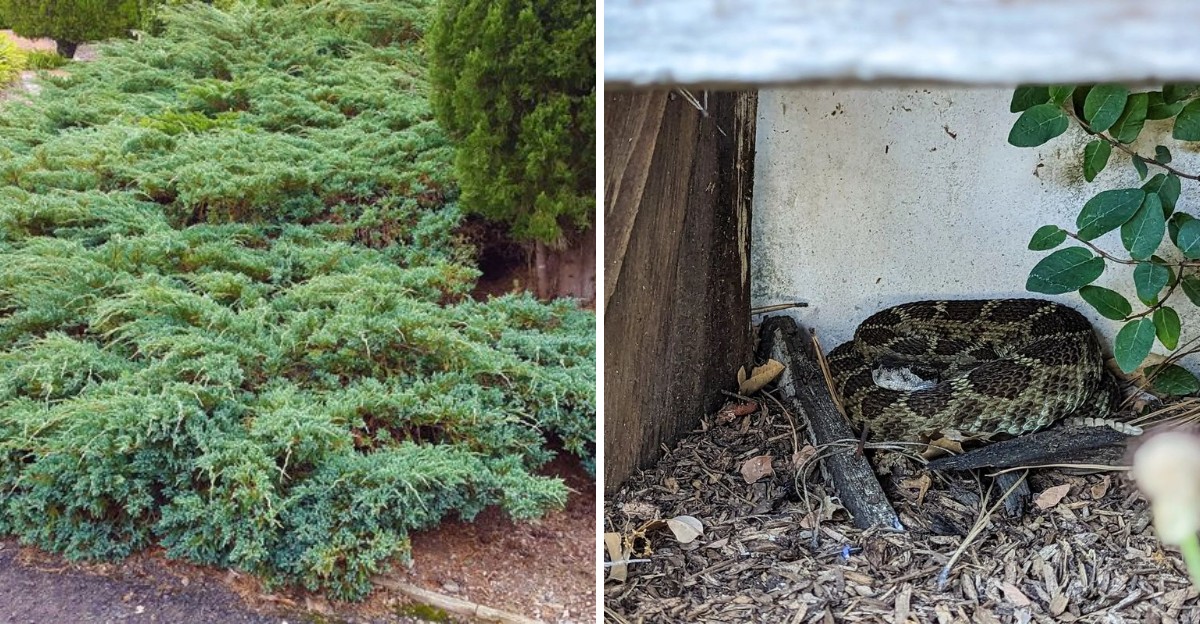
A familiar evergreen covers slopes, parkways, and foundation beds in many California yards. Low and tidy, it rarely draws a second glance from people walking past.
Underneath tells another story. Cool shade, soft litter, and a steady supply of small visitors create a hideaway with everything a certain famous reptile could want.
Few homeowners ever peek below the surface, and that privacy suits anything resting there just fine.
October adds a seasonal twist, as cooler nights set wildlife searching for shelter before winter.
Understanding what happens beneath those branches makes every trip along the garden path a little calmer.
A familiar planting can turn out to be the most popular address in the neighborhood, at least among neighbors with scales.
Juniper Became A California Landscape Staple
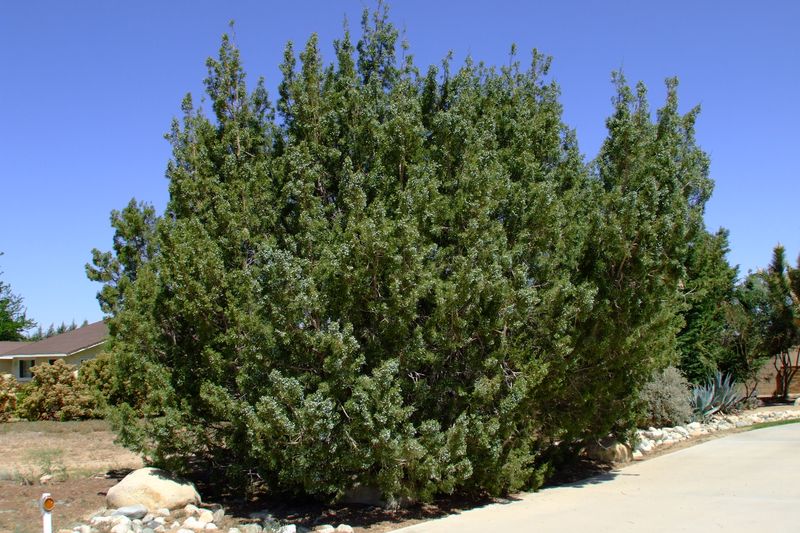
Decades of California landscaping leaned on one dependable evergreen. Spreading juniper covered slopes, parkways, medians, and foundation beds in neighborhood after neighborhood.
Builders and homeowners loved it for good reasons. It handles heat, poor soil, and dry summers while staying green all year.
Popular types include tam juniper, a classic of older yards, along with low selections such as ‘Blue Rug’ and ‘Bar Harbor.’ Some stay just inches tall, while others mound two or three feet high.
Width is where these shrubs really show off. A single plant can stretch ten feet or more across, and a row of them quickly blends into one continuous carpet.
That carpet often runs right up to walkways, driveways, and the walls of the house. People pass beside it daily without a second thought.
Low maintenance played a big part in its fame. Once established, juniper asks for little water and almost no trimming, so many plantings go years without anyone touching them.
That hands-off history matters here. A shrub that nobody disturbs becomes a quiet, private space underneath, especially as it ages and thickens.
Many of those plantings are now thirty or forty years old. Their size and density have increased with every passing year, creating plenty of hidden ground.
Rattlesnakes take advantage of that hidden ground in several ways, from shade and shelter to food. Each one starts with the way these branches grow.
Flat Layered Branches Hide The Soil
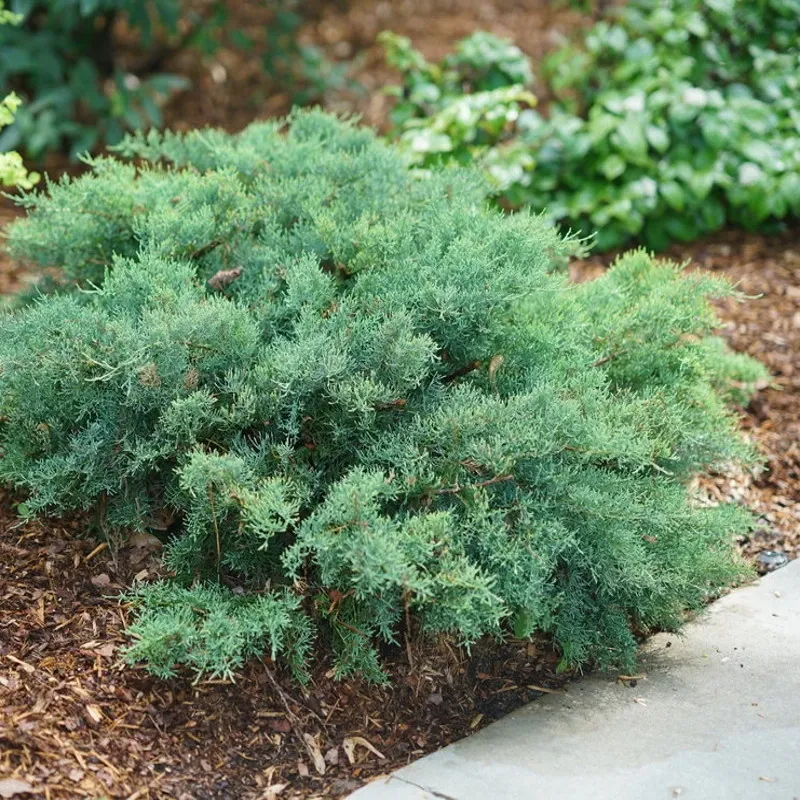
Most shrubs grow upward from a central trunk, leaving some open space near the ground. Spreading juniper takes a different route.
Its branches travel outward, close to the soil, and stack in flat layers one over another. Each new season adds another level to the pile.
From above, the effect looks like a smooth green blanket. From the side, it forms a low ceiling a few inches to a couple of feet off the ground.
That ceiling hides nearly everything beneath it. Light barely reaches the soil, and eyes reach it even less.
Tips of the branches often touch or rest on the ground. They form a living curtain around the edges, sealing off the space inside from passing views.
For a rattlesnake, that arrangement offers ideal cover. UC IPM Pest Notes explain that resting rattlesnakes seek shelter beneath dense vegetation, along with rock crevices and rodent burrows.
Your California Garden Changes Every Week. Your Plan Should Too.
Gardening in California changes quickly throughout the season. Every Friday you’ll receive a simple weekly plan showing exactly what to plant, prune, fertilize, harvest, and protect so you never miss the right timing.
A coiled snake needs only a small pocket of open ground. Juniper mats provide dozens of those pockets, linked together like rooms in a long, low hallway.
Snakes can also travel under the mat with little exposure. A long juniper bed beside a fence or driveway works as a sheltered path from one part of the yard to another.
The layered growth explains why snakes beneath juniper so often go unnoticed. A person standing right beside the bed may have no clue anything rests a few feet away.
Prickly Foliage Keeps People And Predators Out
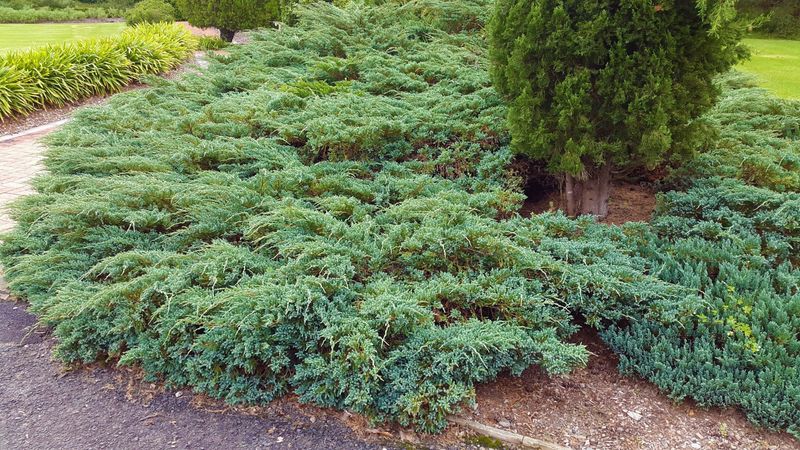
Anyone who has weeded around juniper knows the feeling. Many common types carry sharp, needle-like foliage that scratches bare arms and pokes through thin gloves.
Some gardeners also notice an itchy rash after handling it. That prickly reputation leads most people to keep their hands well away from the shrub.
From a snake’s point of view, that reluctance works out nicely. Fewer hands and feet reaching in means fewer disturbances during long hours of rest.
The same prickly barrier helps against natural predators. Hawks, roadrunners, and other hunters have a hard time spotting or reaching a snake tucked deep inside stiff, scratchy branches.
Shelter from above matters a great deal to a resting snake. Out in the open, a coiled rattlesnake makes an easy target for a sharp-eyed hawk circling overhead.
Under a juniper mat, that same snake sits behind a thick, spiky shield. Few predators bother pushing through, especially when easier meals wait elsewhere.
Pets offer the one notable exception. Curious dogs sometimes nose into shrubs after a scent, and a startled snake may defend itself.
Keeping dogs leashed or supervised near juniper beds lowers that risk. Some dog owners also ask their veterinarian about rattlesnake avoidance training or vaccine options in snake-prone areas.
For people, the lesson stays simple. A plant few people want to touch also becomes a plant few people check, and that combination gives a hidden snake plenty of privacy.
Years Of Needle Litter Build A Hidden Floor
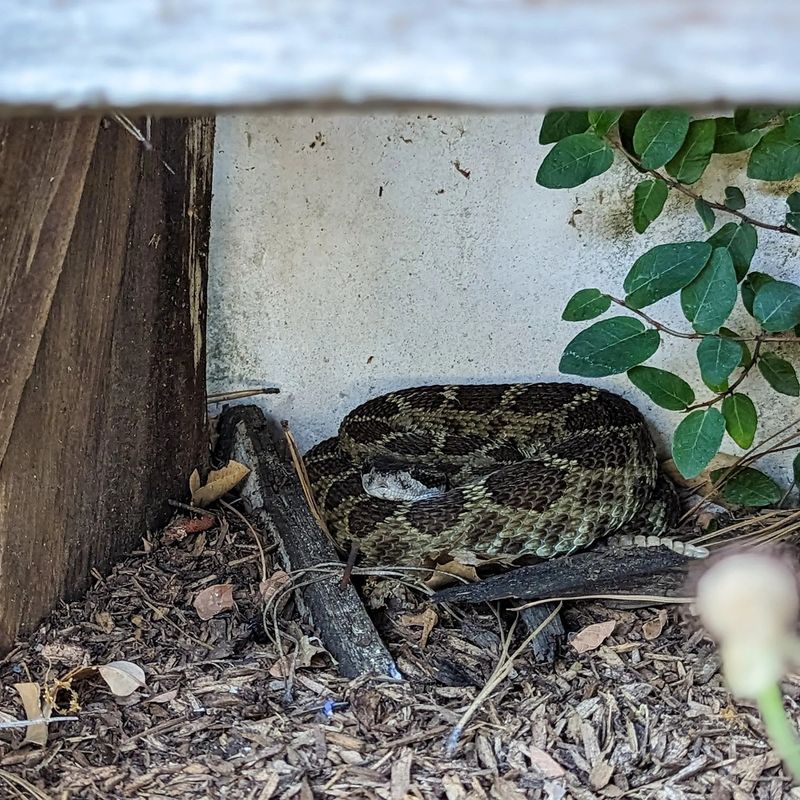
Beneath the green surface of an older juniper sits a surprisingly brown world. Most of the living foliage grows only on the outer layer, where sunlight reaches.
Inner branches slowly lose their leaves as the outer growth shades them. Over time, the center turns into a web of bare, brittle twigs.
All that shed foliage has to land somewhere. Brown needles and scales drop straight down, adding a fresh layer to the soil every year.
Decades-old plantings can hold several inches of this soft, dry litter. Fallen leaves from nearby trees often blow in and settle there, too.
The result looks a lot like a forest floor in miniature. It stays loose, dry on top, and full of small gaps and hollows.
Rattlesnakes blend right into that setting. Their blotchy patterns of tan, brown, and gray match the color of old juniper litter remarkably well.
A coiled snake resting on that brown floor can look like just another shadow or a pile of twigs. Even a sharp-eyed person peering under the branches may miss it entirely.
Camouflage lets rattlesnakes rely on staying still rather than fleeing. That habit means a resting snake often holds its position as someone approaches.
Clearing the litter along the edges with a long-handled rake improves visibility and removes dry fuel at the same time. Working slowly from the outside in keeps any surprise at a safe distance.
Rodents Nest Beneath The Mat
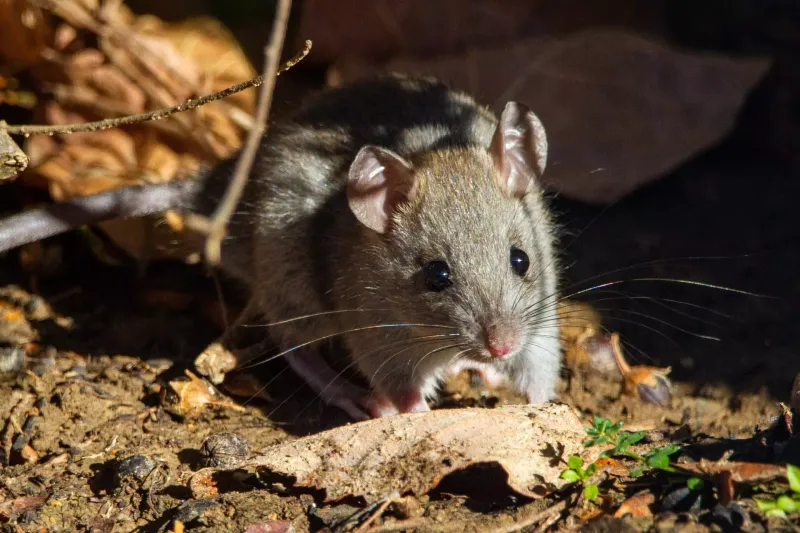
Rats and mice appreciate the same features that draw snakes. A thick, prickly mat with a dry floor makes an excellent place to nest, rest, and travel unseen.
Roof rats often build nests in dense plantings near homes, and mice find soft litter for bedding. Ground squirrels and voles may dig burrows beneath the outer edges.
Food adds to the appeal. Many junipers produce blue, berry-like cones, and fallen seeds, fruit, and birdseed from the yard round out the offerings.
Rattlesnakes follow that food supply. Rodents rank among their main prey, and UC IPM Pest Notes list rodent burrows among the places snakes use for shelter.
A juniper bed full of rodents gives a snake a hiding place and a dinner menu in one spot. Rattlesnakes often hunt by ambush, waiting along a trail until prey passes close.
Heat-sensing pits on the snake’s face help it detect warm-bodied rodents in darkness. A shaded juniper runway gives that hunting style a perfect setting.
Reducing rodents makes the whole bed less inviting. Picking up fallen fruit, storing birdseed and pet food in sealed metal bins, and bringing pet dishes indoors overnight all help.
Clutter nearby deserves attention, too. Woodpiles, stacked boards, and old pots beside a juniper bed add more rodent hideouts.
Persistent rodent trouble may call for a pest professional. UC IPM Pest Notes on rats and mice also offer practical guidance, and fewer rodents usually means fewer reasons for a snake to stay.
Cool Shade Suits Resting Snakes By Day
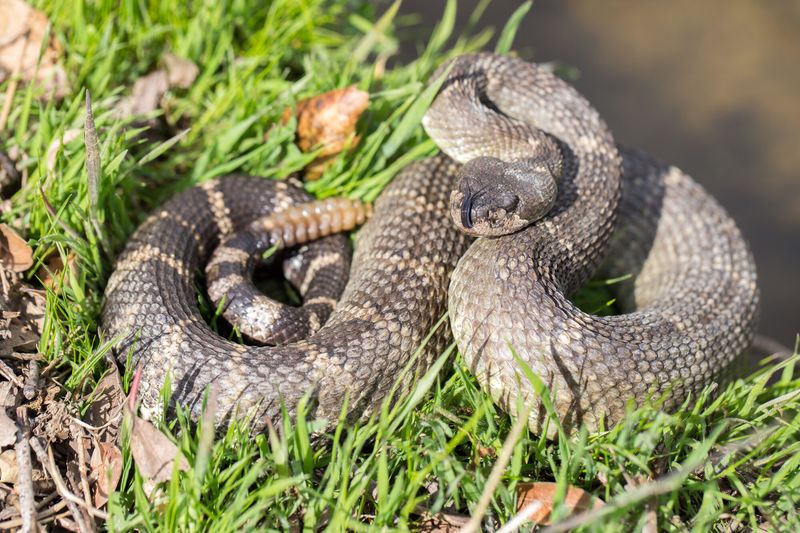
Reptiles handle temperature very differently from people. Rattlesnakes cannot make their own body heat, so their temperature rises and falls with their surroundings.
Too much sun can quickly overheat a snake. On hot afternoons, a rattlesnake caught in the open needs shade fast, and a nearby juniper mat offers it within inches.
Ground beneath those layered branches stays noticeably cooler than bare soil or pavement nearby. The thick canopy blocks direct sun, while the litter below holds a steady, mild temperature.
A rattlesnake’s daily schedule shifts with the seasons. UC IPM Pest Notes explain that rattlesnakes tend to stay active by day in mild spring weather, then shift toward dusk and night during summer heat.
That pattern leaves daylight hours for resting under cover. Midday also happens to be when many people garden, mow, or water the yard.
A resting snake usually lies in a loose coil, perfectly still. It isn’t hunting people or lying in wait. It simply wants to be left alone.
Trouble tends to start when someone gets too close without knowing a snake is there. Reaching under the mat for a dropped tool or stray weed puts hands right where a snake might rest.
Sturdy boots and long pants make sense for work near juniper beds. Sandals and bare ankles are best saved for patios and open lawns.
Evening walks need care, too. A flashlight makes the edges of juniper beds easier to scan once the sun goes down.