7 Sneaky Reasons Your North Carolina Raised Bed Veggies Are Struggling And How To Turn Them Around
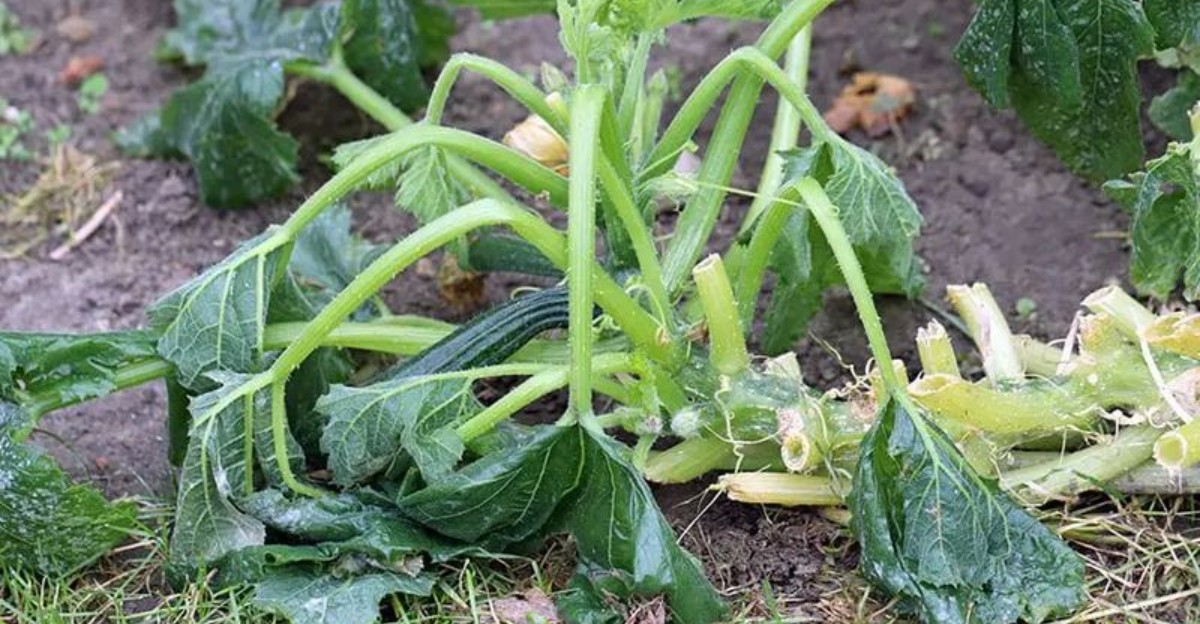
Raised beds are supposed to make gardening easier. So it stings when the plants look weak anyway. Leaves stay small, growth stalls, and harvests come up short.
You water, you feed, and nothing improves. In many North Carolina gardens, the real causes are hidden in plain sight. They hide in the soil mix, the water habits, the sunlight, and even the shape of the bed itself.
Raised beds behave differently from ground soil. They dry out faster and heat up quicker, and nutrients wash out in ways you might not expect. Some problems are easy to spot once you know where to look.
Others sneak up slowly. Seven common culprits explain most of the trouble, and each one has a simple fix.
1. The Soil Has Settled And Run Low On Nutrients
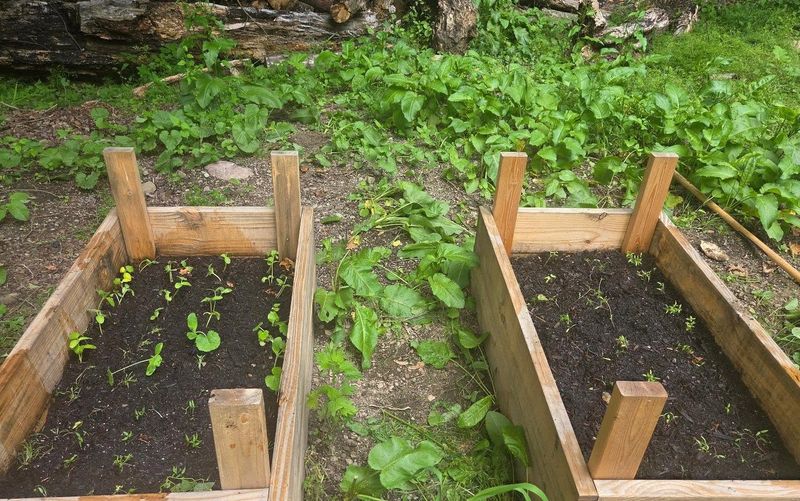
Remember how full and fluffy your raised bed looked on day one? Soil almost reached the top boards, and your first crops grew like crazy. Fast forward a couple of years, and the soil line may have dropped several inches.
Nothing went wrong, exactly. Most raised bed mixes contain lots of organic matter, like compost and bark, and tiny soil creatures slowly break it down each season. As that material disappears, the soil sinks.
At the same time, every crop you harvest pulls nutrients out of the ground, so the bed that once fed big plants starts producing smaller, weaker ones.
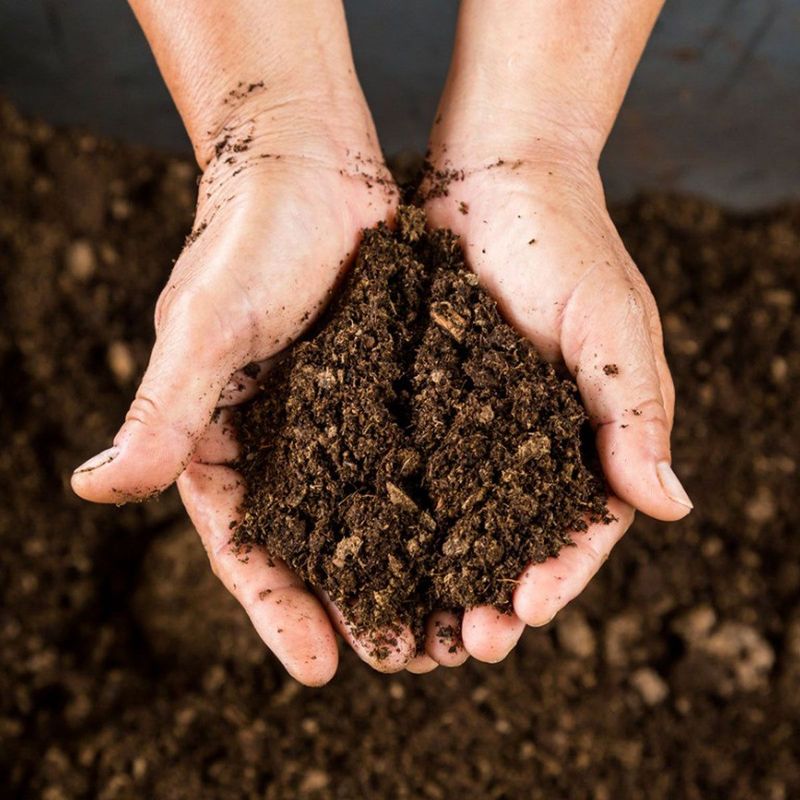
Fixing it is simple and actually kind of satisfying. Each year before planting, spread 2 to 3 inches of good compost over the bed. Then use a garden fork or hand trowel to mix it into the top few inches of soil.
You are not trying to flip the whole bed, just refresh the layer where most roots grow.
Compost adds organic matter, but it may not supply everything your plants need. A soil test shows which nutrients are running low, so you can add only what helps. Guessing often leads to too much of one thing and not enough of another.
North Carolina gardeners should pay extra attention here. Warm, humid weather keeps soil microbes busy for much of the year, and they munch through organic matter faster than they would up north.
That means your bed may shrink and lose fertility quicker than garden books suggest. Making compost top-ups a yearly habit keeps your soil rich, loose, and ready for another strong season.
2. Raised Beds Dry Out Faster Than You Think
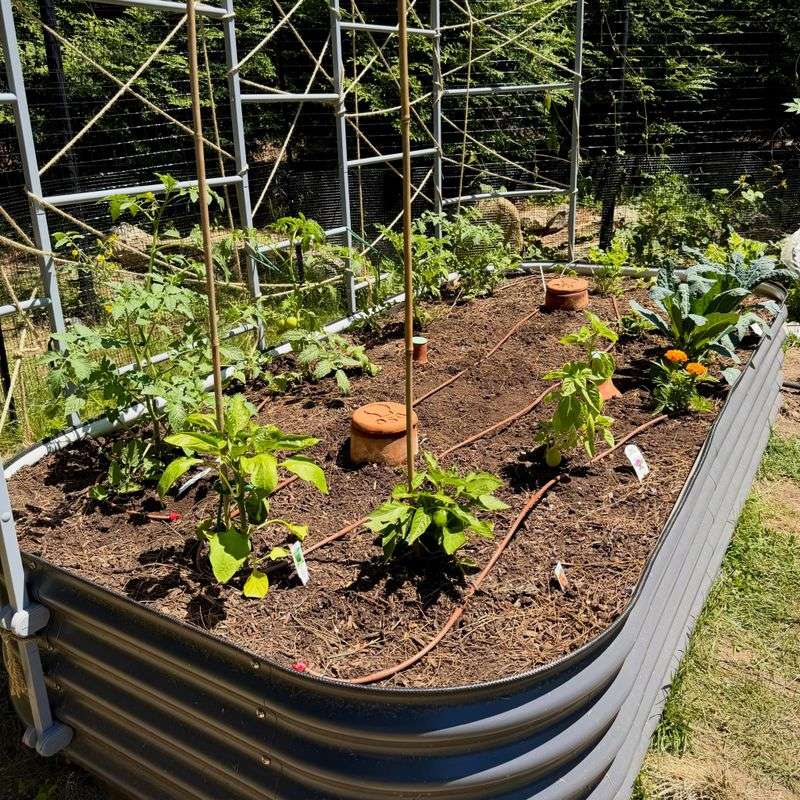
Your plants are drooping in the afternoon, yet the soil on top looks a little damp. Confusing, right? Raised beds have a habit of hiding thirst below the surface.
Great drainage is one of the reasons people love raised beds, but it comes with a catch. Water moves through the loose soil quickly.
On top of that, the sides of the bed sit out in the open, soaking up sun and catching breezes, which pulls even more moisture away.
On hot, windy days, the soil can dry out far faster than an in-ground garden, and plants may wilt or simply stop growing.
Your North Carolina Garden Changes Every Week. Your Plan Should Too.
Gardening in North Carolina changes quickly throughout the season. Every Friday you’ll receive a simple weekly plan showing exactly what to plant, prune, fertilize, harvest, and protect so you never miss the right timing.
Start by checking moisture the hands-on way. Push a finger two or three inches into the soil. If it feels dry at that depth, it is time to water, no matter how the surface looks.
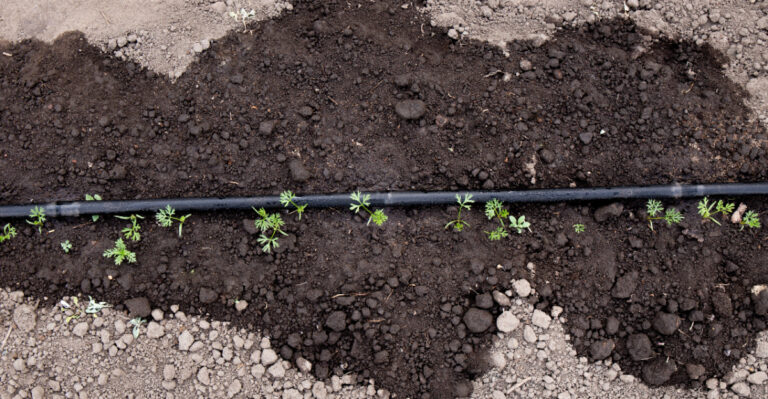
When you do water, go deep. A quick sprinkle only wets the top layer, so aim to soak the bed until moisture reaches the bottom. Drip irrigation lines or soaker hoses make this much easier because they deliver water slowly and evenly right at the roots.
Adding a timer can save you from forgetting during busy weeks. Mulch is your secret weapon. A couple of inches of straw, shredded leaves, or pine straw shades the soil and slows evaporation.
Summers across North Carolina bring long stretches of heat, and early fall often delivers surprise dry spells. Raised beds feel those swings first. A steady watering plan keeps your vegetables growing instead of sulking.
3. Peat-Heavy Soil Repels Water When Dry
Here is a strange garden mystery. You pour water onto your bed, and instead of soaking in, it puddles, beads up, and runs right off the edges. Underneath, the roots stay bone dry.
Peat moss is usually the culprit. Many raised bed mixes contain a lot of it because peat holds water nicely while it stays moist. Once it dries out completely, though, it turns stubborn and actually pushes water away.
Water then slides across the top or rushes down the inside walls of the bed, skipping the root zone entirely.
Patience solves this one. Instead of one big flood, water slowly in several short sessions, waiting a few minutes between each round. The first splash softens the surface, and later rounds can finally sink in.
A gentle shower setting on your hose nozzle helps a lot. Prevention matters even more. Try not to let the bed dry out all the way, especially during heat waves. Keeping the soil lightly moist means peat stays friendly to water.
Mixing compost into the bed also helps over time. Compost absorbs water easily and spreads moisture through the soil, balancing out the peat.
Topping everything with mulch keeps the surface cooler and slows drying, so you rarely face that rock-hard crust again.
Plenty of North Carolina gardeners fill their beds with bagged mixes from local stores, and many of those blends lean heavily on peat.
Add blazing July afternoons, and a bed can go from moist to water-repelling in just a few days. Staying ahead of the dryness keeps your veggies happily sipping.
4. Soil pH Has Drifted Out Of Range
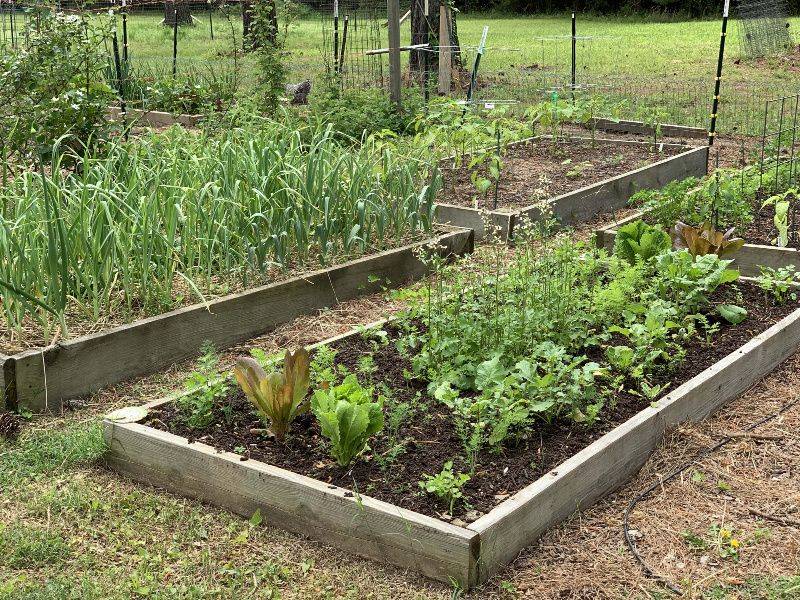
Pale leaves, slow growth, and plants that just look tired even after feeding them can drive any gardener a little nuts. Sometimes the problem is not a missing nutrient at all. It might be pH.
Soil pH measures how acidic or alkaline your soil is, and it shifts slowly over the years. Rain washes away certain minerals, many fertilizers leave acidic leftovers behind, and decomposing organic matter adds its own acids.
Little by little, the soil can become more acidic. When pH drifts too far, plants struggle to take up nutrients that are sitting right there in the soil, and you end up with yellowish or discolored leaves.
Luckily, North Carolina makes testing easy. The North Carolina Department of Agriculture runs a soil testing lab, and you can pick up sample boxes and forms from your local Cooperative Extension office.
Fill a box with soil from your bed, mail it in, and you will get a report explaining your pH and nutrient levels. Testing during spring and summer is free for residents, while busy winter months have a small fee.
Follow the report closely. If it calls for lime, apply the amount listed and no more. Adding lime or other amendments by guesswork can push pH too far the other way. Try to retest every few years, since changes happen gradually.
Most vegetables grow best with a pH around 6.0 to 6.5. Many soils across the state lean acidic, and popular amendments like pine bark do too. A simple test keeps your bed in that sweet spot.
5. Tree Roots Have Moved Into The Bed
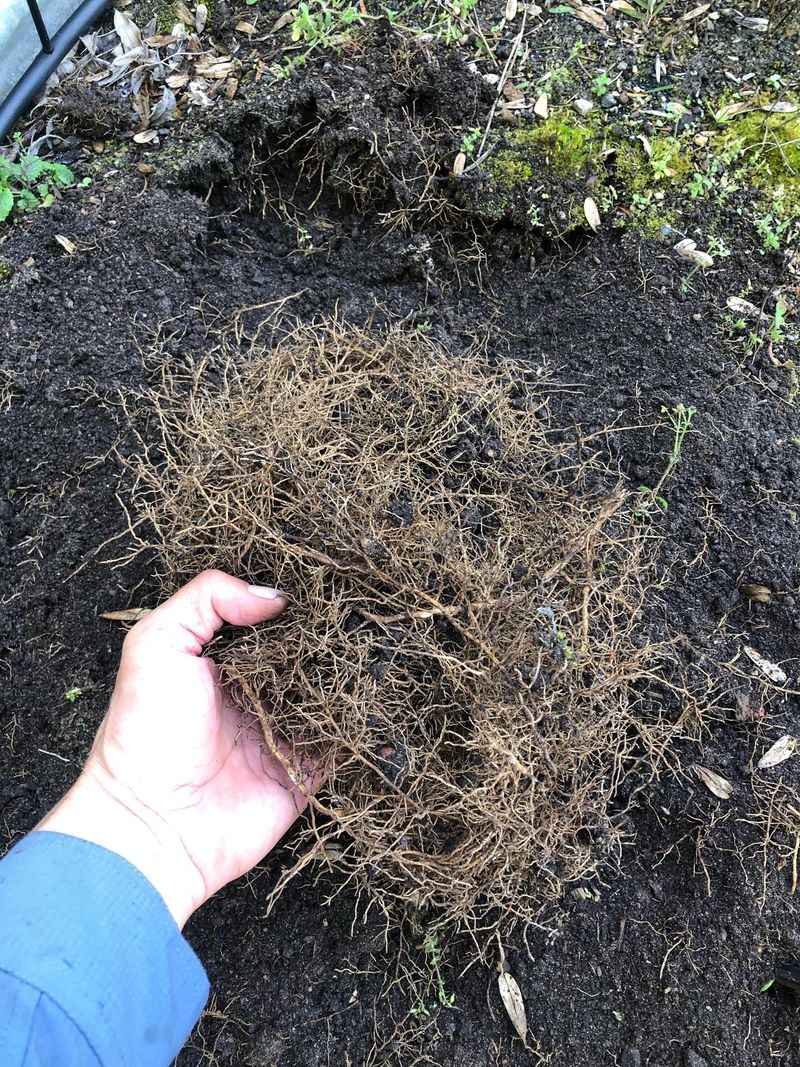
Trees are sneaky neighbors. While you water and feed your vegetables, roots from that big oak across the yard may be quietly helping themselves to the buffet.
A raised bed full of loose, rich, well-watered soil is basically a dream home for roots. Trees and shrubs send feeder roots surprisingly far, often well past the edge of their branches.
Once those roots find your bed, they grow upward into it and soak up water and nutrients meant for your crops. Your vegetables end up thirsty and hungry, even though you are doing everything right.
Checking is pretty easy. Dig down several inches in a few spots, especially along the side closest to trees. If you see a mat of thin, stringy roots, you have found the thief.
Cut those roots back with sharp pruners or a spade, then refill and refresh the soil. Expect to repeat this every season or two, since roots tend to come back. For new beds in root-prone spots, line the bottom with a root barrier or heavy landscape fabric before filling.
Some gardeners raise beds on legs or use deeper liners for extra protection. Location makes a huge difference too. Whenever possible, place new beds well away from large trees. You will get more sun and fewer root battles.
All over North Carolina, yards are full of towering oaks, maples, and pines growing close to garden spaces.
Those trees bring shade and beauty, but their thirsty roots can quietly sabotage your harvest. A quick dig each year keeps the bed working for your vegetables.
6. Crowded Plants Are Competing With Each Other
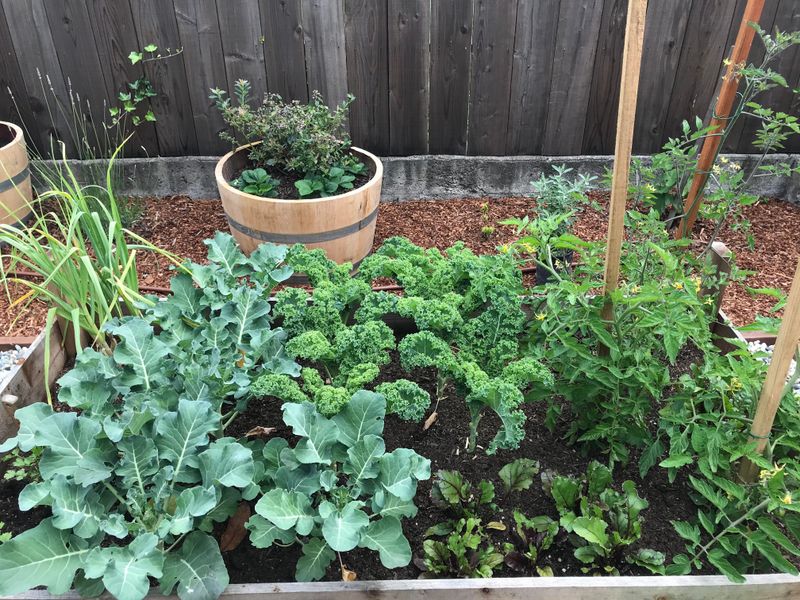
Every gardener has done it. Those seedlings look so tiny in spring that squeezing in a few extra seems totally harmless. By July, the bed looks like a jungle, and the harvest is surprisingly small.
Crowded plants spend their energy fighting each other. They compete for sunlight, water, and nutrients, so nobody gets enough. Thick foliage also blocks air from moving through the bed, trapping moisture around the leaves.
That damp, still air is exactly what fungal diseases like powdery mildew love, and sick plants produce less food.
Spacing guidelines on seed packets and plant tags exist for a reason, so treat them like friendly rules. They show how big each plant gets when fully grown, not how big it is today.
Thinning is the hardest part for many people, but it pays off. When seedlings of carrots, beets, or lettuce sprout close together, snip extras at soil level early on. The ones left behind grow bigger and healthier.
Bonus tip: thinned lettuce and beet greens make tasty little salads. Small beds call for smart choices. Look for compact or bush varieties of tomatoes, beans, and squash that are bred for tight spaces.
Vining crops like cucumbers and squash will happily climb a trellis, which lifts leaves off the soil and frees up room below. If you skip the trellis, give them plenty of space to sprawl.
Humidity is a fact of life in North Carolina summers, and it makes good airflow especially important. Giving plants a little breathing room is one of the easiest ways to keep disease away.
7. The Bed Gets Less Sun Than It Used To
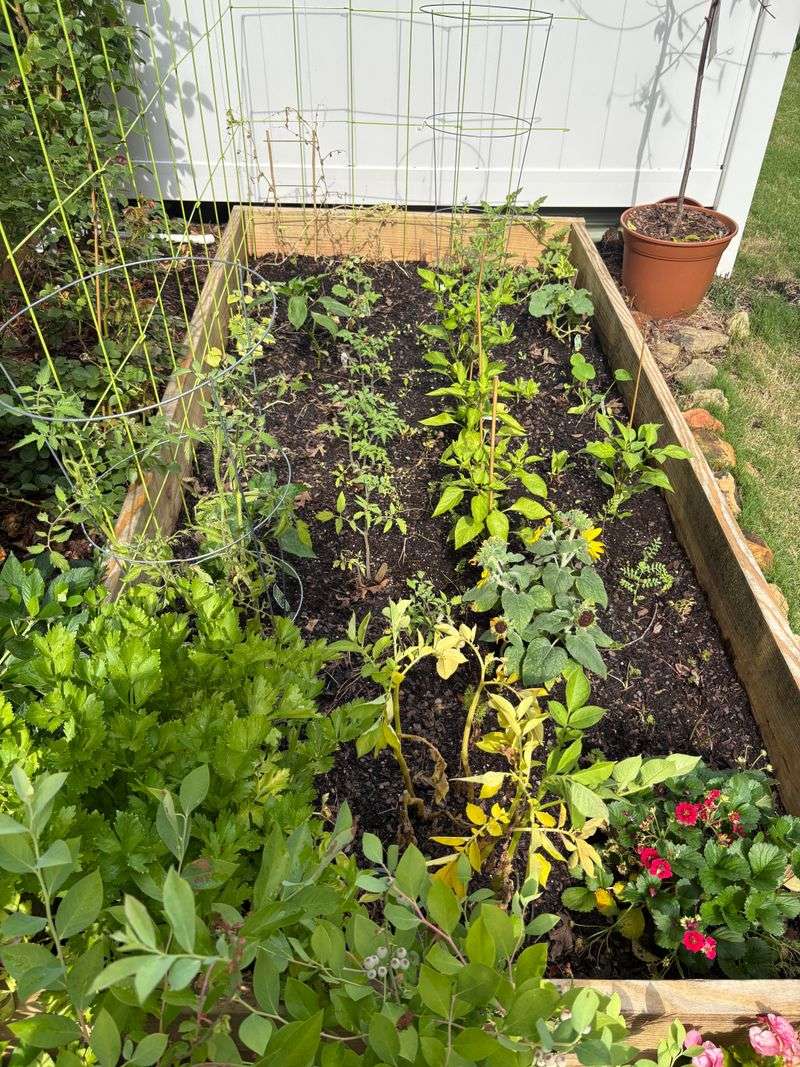
Five years ago, that corner of the yard was the sunniest spot you had. Your tomatoes loved it. So why does everything there seem sluggish now?
Light changes more than most people realize. Trees keep growing taller and wider every year, slowly stretching their shade across the garden. The sun also moves through the sky differently with the seasons.
In summer it rides high overhead, but in fall and winter it hangs much lower in the south, so shadows grow long. A bed that bathed in full sun in June might sit in shade for half the day by November, and plants slow down without that energy.
Become a sun detective for a day. Check the bed every couple of hours from morning to evening and note when it gets direct light. Repeat this in different seasons, because the results can surprise you.
Fruiting crops generally need at least six to eight hours of direct sun. Once you know your light, match crops to it.
Leafy greens like lettuce, spinach, kale, and chard handle partial shade quite well. Save your brightest beds for sun lovers such as tomatoes, peppers, squash, and eggplant.
Pruning can also help. Trimming lower or overhanging branches may let in a lot more light. For big trees, hire a certified arborist to keep the work safe and healthy for the tree.
Here in North Carolina, mild weather makes fall and winter gardening a real treat. With shorter days, though, every hour of sunlight counts, so a little planning keeps those cool-season crops thriving.