Thick Green Husks Splitting Open Under Missouri Hickories Hold Prized Nuts
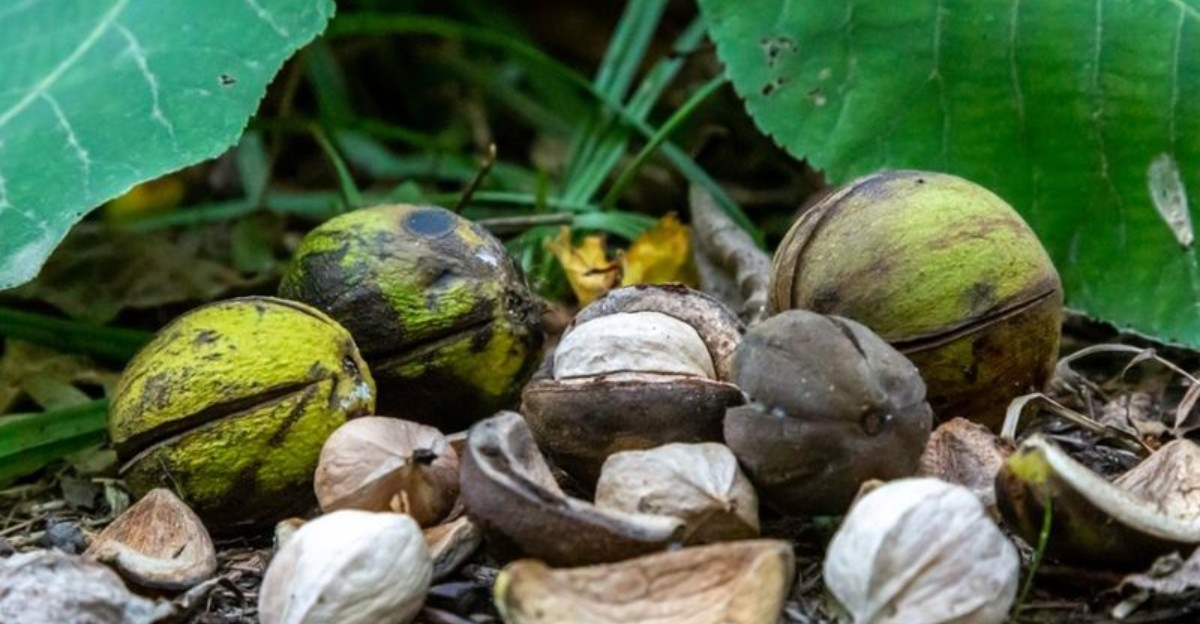
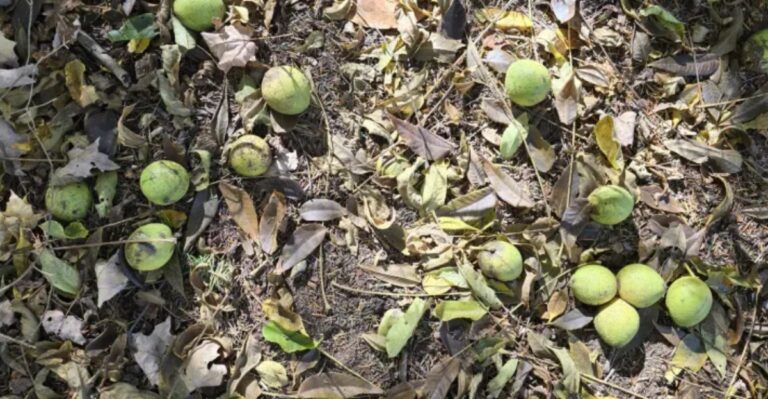
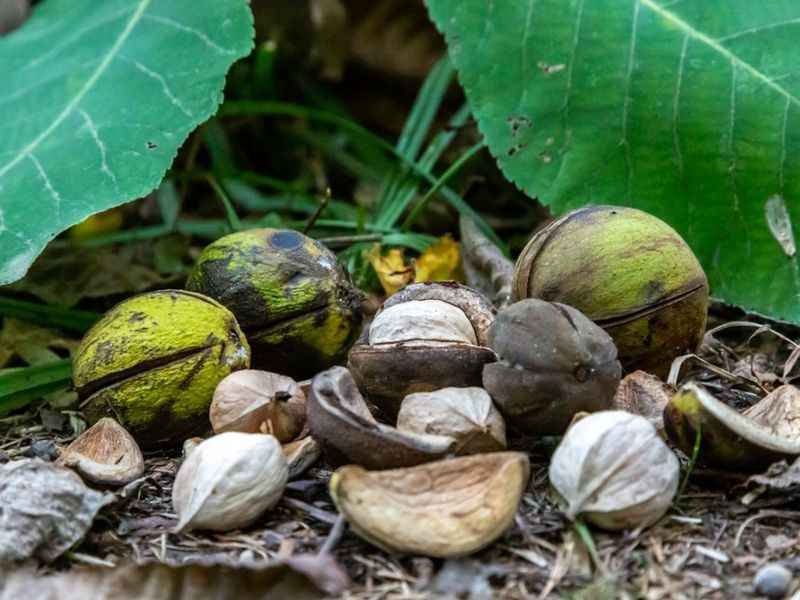
Under certain tall trees in Missouri this month, the ground may crunch underfoot. Fat green shells split into four neat pieces, showing pale treasures hiding inside.
Peel back one of those leathery shells and you find a hard nut with a smoky, buttery smell. Many people who taste one fresh from the woods enjoy its rich, sweet flavor.
Getting that flavor home takes some timing and a little patience. Early fall in Missouri brings cool mornings, golden leaves, and the best window for gathering this wild crop.
Miss that window by a couple of weeks, and the ground may hold only empty shells and chewed scraps. The forest floor clears out faster than most people expect.
Bring a bucket and a pair of sturdy gloves. Your fingers may end up stained brown for days, and that is the proof of a good harvest.
Treasure Hiding Inside Each Split Husk
Look for a tree that seems to have forgotten to tuck in its shirt, with bark curling off in long strips. That shaggy giant is the shagbark hickory, and its husks hold some of the sweetest wild nuts in Missouri.
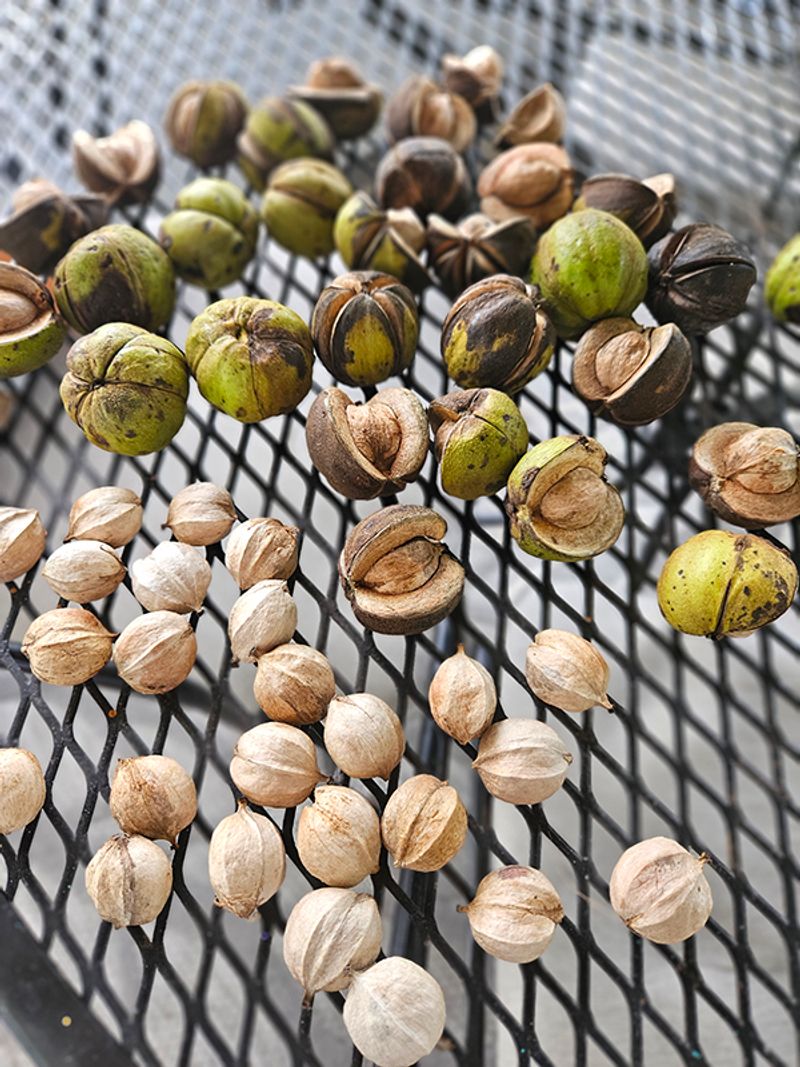
Each round green husk is fairly thick and splits into four sections as it dries. Inside sits a pale tan shell with four faint ridges, slightly flattened like a smooth river stone.
Crack that shell open, and you find a sweet kernel with a flavor often compared to pecan and maple. Many cooks enjoy it in place of store pecans because the taste is rich and slightly smoky.
Not every hickory in the woods offers such a reward, so learning the right tree matters. Bitternut and pignut hickories grow nearby, but their nuts are often bitter or small.
Look for that peeling bark first, then check for husks that are thick and split cleanly to the base. Bitternut husks are thin and split only partway, while shagbark husks usually come away easily.
Fun fact: Native peoples once pounded and boiled these nuts to make a milky drink they called pawcohiccora. That old word slowly changed over the years and gave us the name hickory that we use today.
Once you spot one good tree, mark it on a map or take a phone photo. Healthy shagbarks can bear nuts for well over a century, so a single find can supply nuts for many years.
Early October Timing Across Missouri
Back when my neighbor first went nut hunting, she showed up in late October and found only shells. Squirrels had gotten there weeks earlier, and she learned that timing matters more than a fancy basket.
Across Missouri, shagbark nuts usually start falling in mid to late September and keep dropping into early October. Trees in the southern Ozarks may drop a little sooner than trees near the Iowa border.
Watch the husks for clues, because they shift from bright green to a darker brownish green as they ripen. Small cracks appear along the seams, and a windy afternoon can bring dozens tumbling down at once.
Your Missouri Garden Changes Every Week. Your Plan Should Too.
Gardening in Missouri changes quickly throughout the season. Every Friday you’ll receive a simple weekly plan showing exactly what to plant, prune, fertilize, harvest, and protect so you never miss the right timing.
Early nuts that fall in late summer are often empty or wormy, so the tree drops them first. The heavy, filled nuts tend to come later, which makes early October a sweet spot for gathering.
Try visiting your favorite tree every two or three days during this window, ideally in the cool morning. Tan shells are easier to spot against green grass early in the day, before the squirrels clean up.
A light shake of a low branch can help, but avoid climbing or striking the tree with long poles. Hard blows can bruise the bark and injure the small buds that will form next year’s crop.
Keep in mind that shagbarks rarely produce big crops every single year, often resting between heavy seasons. When your tree is loaded this fall, gather what you can, because next year may be lighter.
The Costly Mistake Of Keeping Every Nut
Nothing stings quite like cracking fifty nuts on a cozy evening and finding half of them hollow. Many new gatherers make this mistake, scooping up every nut they see without checking the quality first.
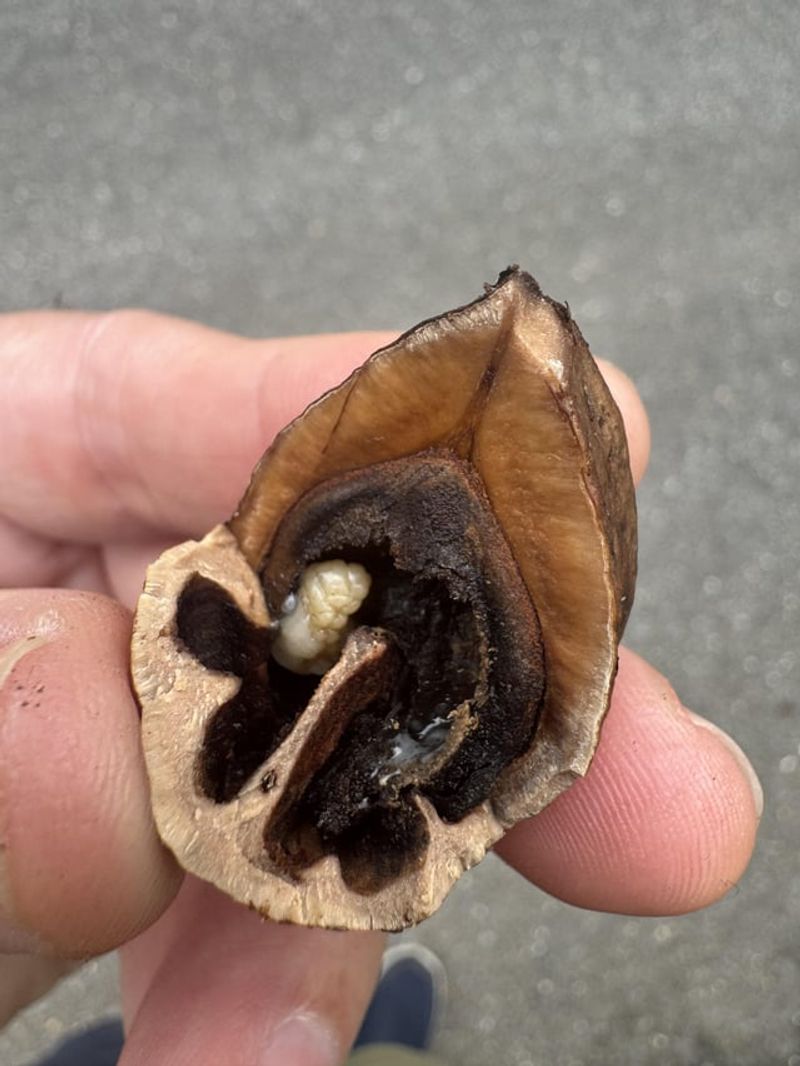
Some nuts look perfect on the outside but hide a shriveled kernel or a hungry weevil grub inside. Others have tiny round holes, which means a pest already chewed its way out and left nothing behind.
Luckily, a simple bucket of water can sort most of the good nuts from the duds in about ten minutes. Dump your husked nuts in, stir them gently with your hand, and watch which ones bob to the top.
Floaters usually have empty shells or bug damage, so scoop those out and discard them in the trash. Sinkers are usually full and heavy, which is exactly what you want for baking or snacking later this fall.
Another sneaky error is leaving nuts on the ground for days while you wait for more to fall. Damp soil can cause mold, and weevil larvae can crawl out into the dirt before you notice them.
Pick up fallen nuts within a day or two, and peel away any husks that are already loose. Husks that cling tightly often signal an unripe nut, so set those aside for a few days instead.
Gloves are helpful too, because the husks leave dark brown stains that can last on your fingers for days. A little care at the start saves you hours of frustrating cracking at the kitchen table later.
Curing Methods For Fresh Shagbark Nuts
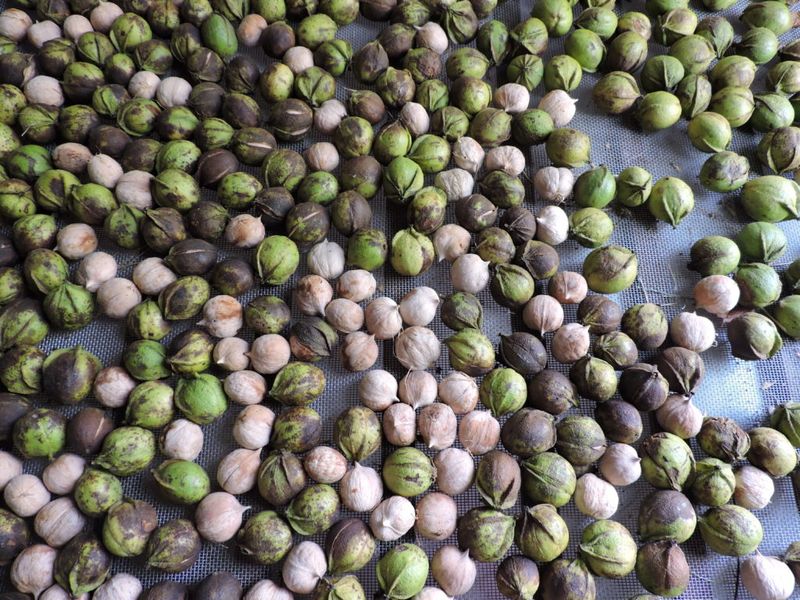
Fresh nuts straight from the yard are a bit like bread dough, since they need time before they shine. Curing lets extra moisture escape, which improves the flavor and texture of the kernel.
Start by spreading your sorted nuts in a single layer on screens, old window frames, or shallow cardboard trays. Keep them somewhere dry and airy, like a garage shelf or a screened porch out of direct rain.
Squirrels and mice will happily get into an open tray, so cover the nuts with hardware cloth if needed. A cool, dry spot helps the drying go slowly and evenly.
Most shagbark nuts need about two to three weeks of curing before the kernels taste their very best. Crack a test nut each week, and when the meat snaps cleanly instead of bending, the batch is ready.
Avoid heating them in an oven or dryer to speed things up, since high heat can turn the oils rancid. Rancid nuts taste sharp and bitter, and that flavor is hard to remove.
After curing, store the nuts in their shells inside mesh bags or breathable sacks in a cool spot. Shelled kernels last longer in sealed jars in the fridge, or in freezer bags for up to a year.
A sturdy nutcracker designed for hickories saves sore hands, because these shells are tougher than pecan shells. Slow, steady pressure often keeps the kernels in larger pieces for baking.
Sweet Rewards From A Patient Harvest
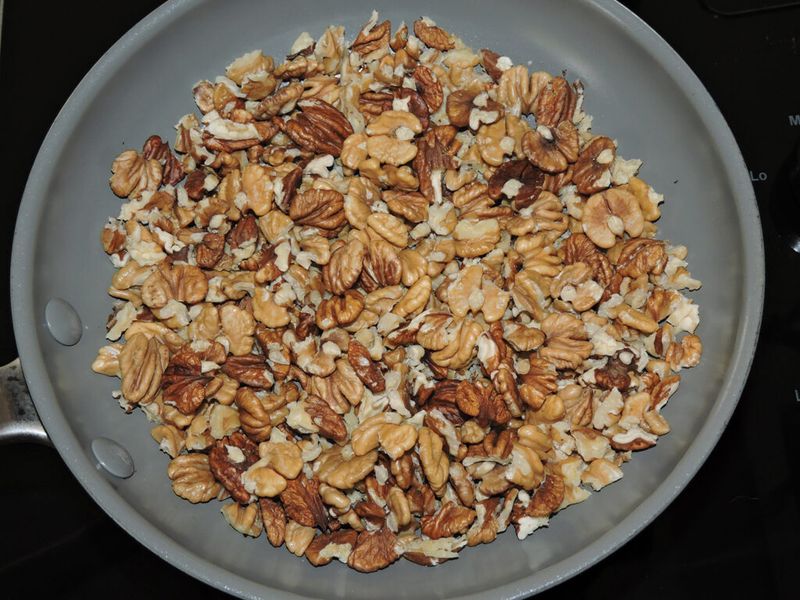
Grandma Ruth from Rolla used to say that a single cup of hickory nuts was worth a whole afternoon. After one bite of her hickory nut cake, most of her grandkids understood why.
Shagbark kernels taste buttery and sweet, with a light maple note that many people find richer than pecans. They work in almost any recipe that calls for pecans, from cookies and pies to warm breakfast oatmeal.
Toasting the kernels in a dry skillet for a few minutes brings out a deeper, nuttier smell. Stir them often and pull them off the heat once they turn golden, since they can scorch quickly.
Expect a fair amount of work, because one pound of whole nuts gives only about a quarter pound of meat. Picking out the kernels with a nut pick makes a relaxing task for chilly October evenings by the fire.
Nutrition is another perk, since the kernels pack healthy fats, protein, and minerals like magnesium and zinc. A small handful makes a filling snack for hikers, students, or anyone who needs energy between meals.
Hickory kernels are hard to find in stores. A jar of homemade pickings makes a thoughtful holiday gift.
Do not forget the empty husks either, because they can add flavor when smoking meats on a backyard grill. Dry them well first, then toss a handful onto hot coals for a sweet, woodsy smoke.
A Weevil Plan For Next Year’s Crop
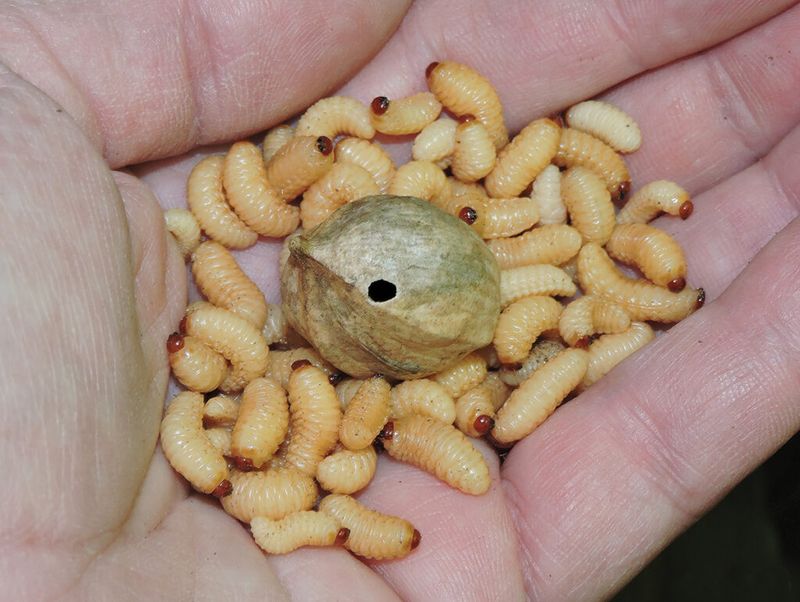
Think of the hickory nut weevil as a tiny beetle with a very long snout and excellent timing. Females chew into developing nuts in late summer and lay eggs, so the grubs grow up eating your future snacks.
Once the infested nuts fall, the fat white grubs chew out and burrow into the soil below the tree. They can stay underground for one to two years before emerging as adults to repeat the cycle.
That buried stage gives you a chance to act right now, while the nuts are still dropping. Gather fallen nuts every day or two this October, so fewer grubs reach the soil.
Toss floaters and any nuts with small holes into a sealed bag, then put that bag in the trash. Avoid composting them near the tree, because the grubs can wriggle out and settle back into the soil.
Chickens can be helpful if you keep them, since they scratch and peck for grubs under trees. Letting a small flock roam the area each fall may help lower weevil numbers over a few seasons.
A tidy patch under the tree helps too, so rake away old husks and leaves after harvest wraps up. Clean ground makes fallen nuts easier to spot and gives hiding pests fewer places to rest.
Healthy trees also resist trouble better, so water young shagbarks during dry spells and skip heavy pruning. With steady habits each autumn, your Missouri hickory can reward you with plump, clean nuts for decades.