The Reason North Carolina Gardeners Are Keeping Fallen Leaves For Wildlife This October
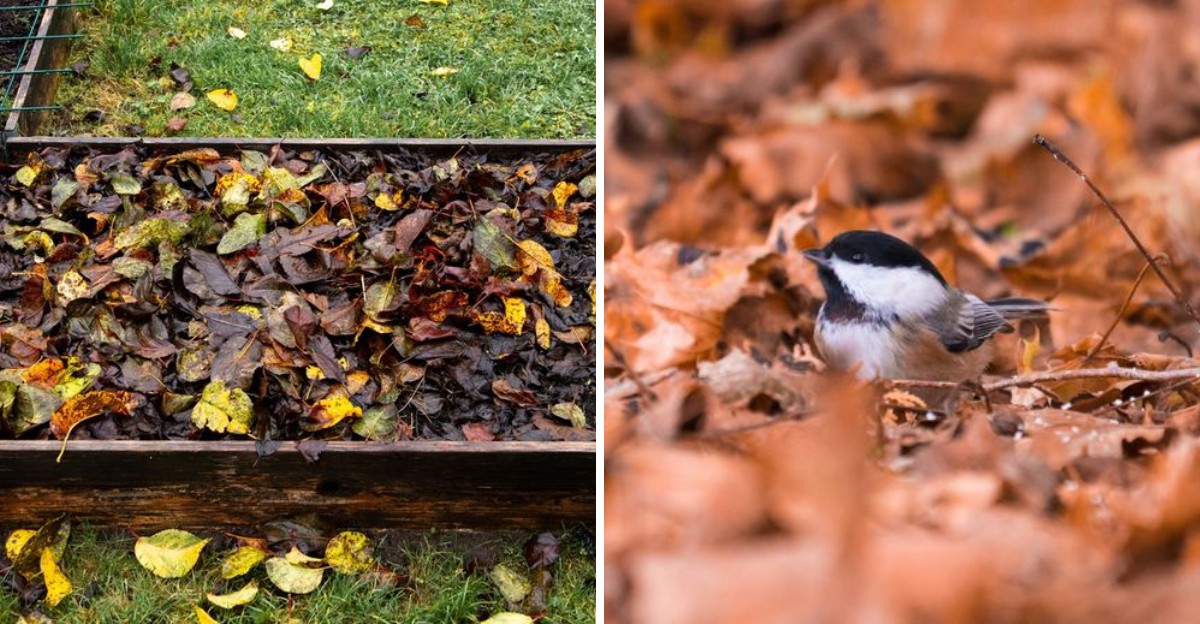
October in a North Carolina yard is a full sensory experience. The leaves are crunching underfoot, the air has that sweet earthy smell that genuinely cannot be replicated by any candle company no matter how hard they try, and the maples are absolutely showing off.
Natural instinct says grab the rake and get to work. But something interesting is happening across yards all over the state this fall.
A growing number of gardeners are deliberately leaving that rake in the shed and walking back inside without a single bag of leaves at the curb. And they are not being lazy about it either.
Turns out that messy, rustling carpet of fallen leaves is doing something genuinely important for the wildlife trying to make it through winter. The science behind it is pretty fascinating.
1. Fallen Leaves Are A Winter Home For Native Bees
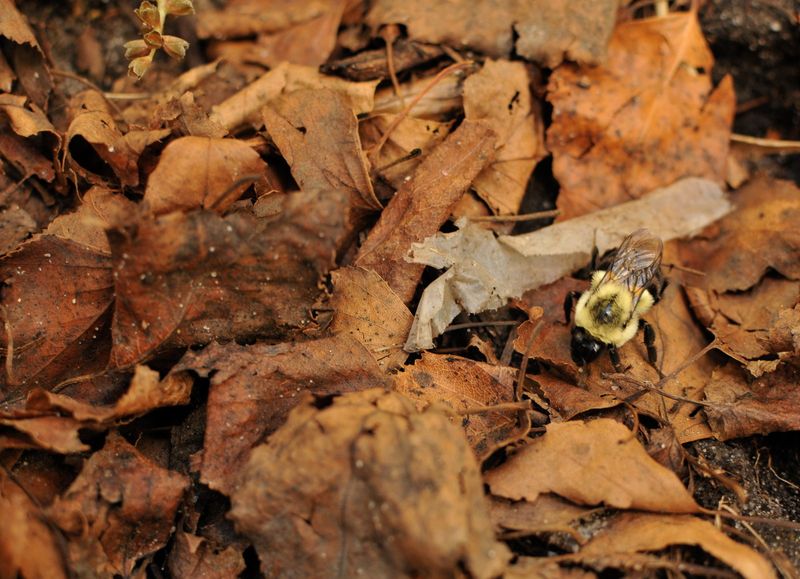
Bumblebee queens have a cozy secret for surviving winter. Each fall, many of them burrow just under the soil and tuck themselves beneath a blanket of leaves.
North Carolina is home to hundreds of native bee species that buzz around our flowers, gardens, and wild spaces. Some of them, like mining bees and sweat bees, spend the cold months in the ground.
A loose layer of leaves acts like a fluffy quilt that keeps the soil from freezing too hard.
When a yard is raked bare, that quilt disappears. The soil gets colder and drier, and sleeping bees lose their shelter.
Come spring, fewer bees may wake up to visit your tomatoes, squash, and blueberries.
Helping them is easier than you might think. Rake leaves off the lawn and gently pile them into flower beds, under shrubs, or along fence lines.
Aim for a layer about two to three inches deep so it stays fluffy and light.
Skip the leaf blower in those areas if you can. Strong blowers and shredders can harm insects hiding in the litter.
A simple rake or your hands work just fine.
Here is a fun fact to share with friends. A single bumblebee queen that makes it through winter can start a whole new colony of hundreds of workers.
That means one small pile of leaves could help feed your garden for an entire summer.
2. Butterflies And Moths Pupate In Leaf Litter
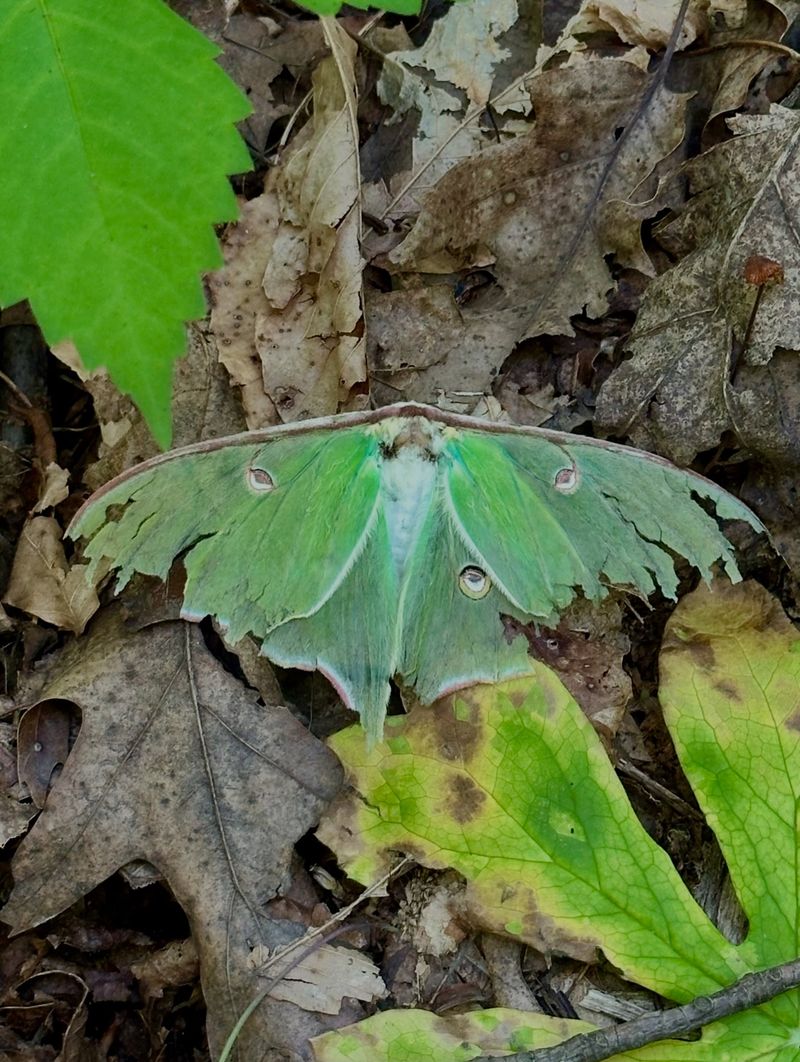
Ever found a crumpled leaf that felt a little too heavy? There is a good chance a cocoon was hiding inside it.
Many beautiful moths, like the luna moth and the polyphemus moth, spin their cocoons right inside fallen leaves. Some swallowtail butterflies also spend winter as chrysalises tucked near the ground.
In North Carolina, these little bundles sit quietly in leaf piles from fall until the warm days of spring.
Here is the tricky part. When leaves get bagged and hauled to the curb, those cocoons go right along with them.
Gardeners often toss out next year’s butterflies without ever knowing it.
Moths might not get as much love as butterflies, but they matter a lot. Their caterpillars are a major food for baby songbirds.
Your North Carolina Garden Changes Every Week. Your Plan Should Too.
Gardening in North Carolina changes quickly throughout the season. Every Friday you’ll receive a simple weekly plan showing exactly what to plant, prune, fertilize, harvest, and protect so you never miss the right timing.
One pair of chickadees may need several thousand caterpillars to raise a single nest of chicks.
So what can you do? Leave leaves under trees where caterpillars naturally drop to pupate.
Oaks, cherries, and hickories are especially popular with moths, so the ground beneath them is prime real estate.
Try not to mow over those areas until late spring. That gives sleepy moths and butterflies time to wake up and fly away.
Your reward will be fluttering wings around your porch light and flowers on warm summer evenings.
3. Firefly Larvae Need Leaf Litter To Make It Through Winter
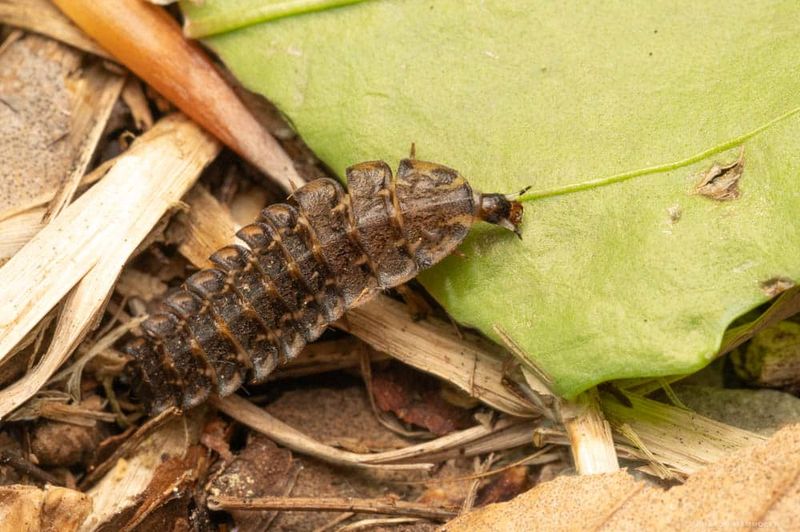
Remember chasing fireflies as a kid on warm June nights? Those glowing summer memories actually begin under a pile of soggy leaves.
Fireflies spend most of their lives as larvae, not as flying adults. These tiny, spiky critters live in damp leaf litter and soil for one to two years.
They even glow a little, which is why some people call them glowworms.
North Carolina is famous for its fireflies, including the synchronous fireflies that flash together in the mountains. Back home in our yards, the common kinds depend on moist, shady ground to grow.
Bare, raked soil dries out fast and leaves larvae with nowhere to hide.
Leaf litter also helps fireflies find food. The larvae munch on snails, slugs, and worms that love damp places.
Fewer leaves often means fewer snacks for these hungry little hunters.
To give fireflies a boost, keep a leafy, shady corner that stays a bit wild. Spots near trees or along the edge of the woods work great.
Cut back on lawn chemicals too, since fireflies are sensitive to them.
Turning off bright outdoor lights in summer helps as well. Adult fireflies use their flashes to find each other, and strong lights can confuse them.
A dark, leafy yard could become the brightest show on your block.
4. Beneficial Beetles And Spiders Shelter In Fallen Leaves Too
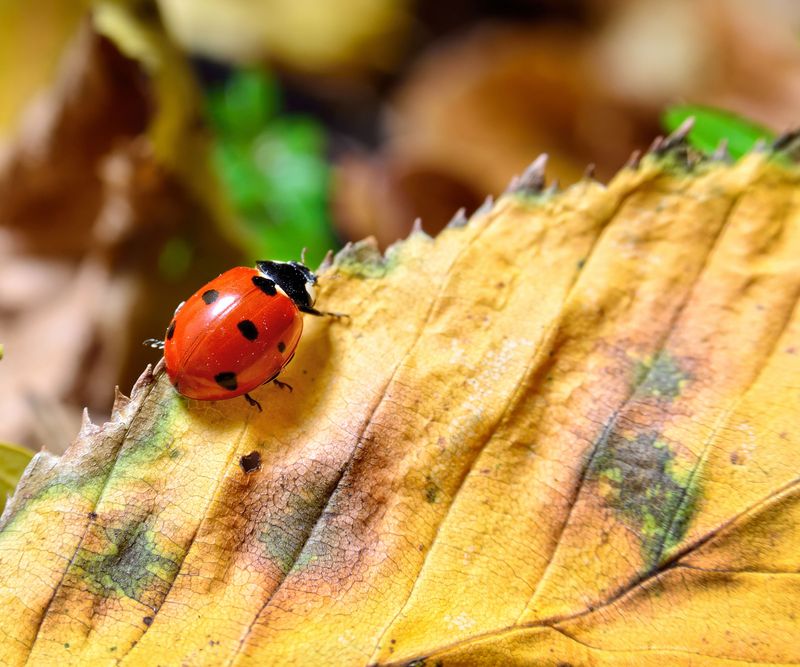
Some of the hardest workers in your garden never ask for a paycheck. They just want a warm place to crash for the winter.
Ground beetles, lady beetles, and rove beetles all spend cold months in leaf piles. So do many spiders, like wolf spiders and jumping spiders.
Each one is a natural pest control helper that eats aphids, cutworms, slugs, and other garden troublemakers.
Think of your leaf layer as a winter hotel for these bug-eating guests. When spring rolls around in North Carolina, they check out and head straight to your vegetable beds.
Ground beetles are voracious predators that can consume impressive numbers of garden pests daily, making them some of the most valuable allies a North Carolina gardener can have working quietly on their behalf.
Without that shelter, many of them move away or simply do not make it. Then gardeners often reach for sprays to handle pests the beetles would have eaten for free.
That costs money and can harm other helpful critters.
A smart trick is to pile leaves around the edges of your vegetable garden. That keeps helpers close to where you need them most.
You can also leave a few rocks or logs nearby for extra hiding spots.
Do spiders make you nervous? Most garden spiders are shy and harmless to people.
They would much rather snack on mosquitoes and flies than bother you.
5. Leaf Litter Keeps Amphibians Safe Through The Cold
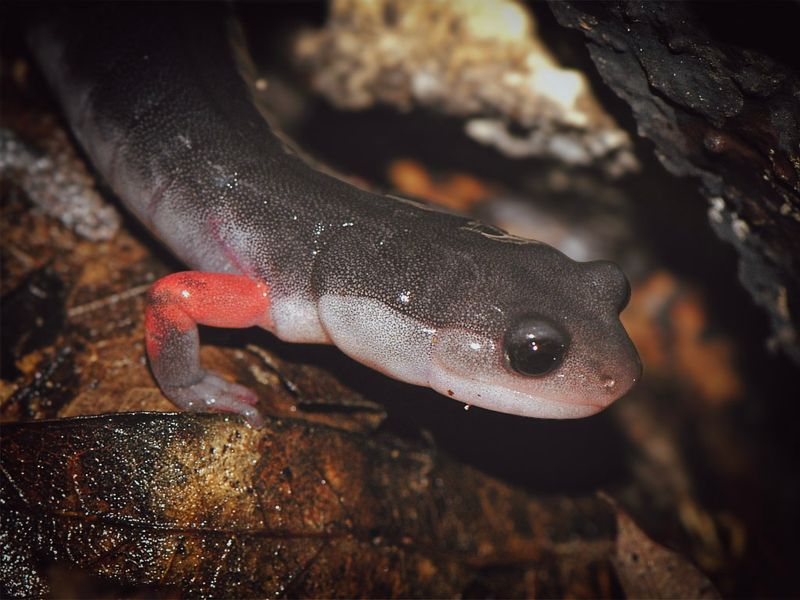
Salamanders are one of the best-kept secrets in the South. In fact, the southern Appalachians hold more kinds of salamanders than almost anywhere else on Earth.
Many of those slippery friends live right here in North Carolina. Red-backed salamanders, spring peepers, and American toads all hide under leaves to stay cool and moist.
Their skin needs dampness to breathe, so a dry yard is a tough place for them.
As winter sets in, leaves act like insulation over the ground. Toads dig in underneath, and frogs tuck into the soft, wet layer.
Certain tree frogs, including the gray tree frog and the spring peeper, have a remarkable ability to survive partial freezing during winter thanks to specific physiological adaptations that help protect their cells. It sounds like something from a science fiction movie, and honestly it kind of is.
Amphibians pay you back in a big way. Toads gobble up slugs, beetles, and cutworms by the hundreds.
A single toad may eat thousands of insects in one summer.
To welcome them, leave a thick layer of leaves in shady, damp corners. Areas near a rain garden, pond, or downspout are especially inviting.
You can also flip a clay pot on its side for a simple toad house.
Avoid using chemicals in these spots whenever possible. Amphibian skin soaks up whatever it touches.
A clean, leafy hideout keeps them happy and healthy until the frogs start singing again in March.
6. Birds Forage Through Fallen Leaves For Food All Season Long
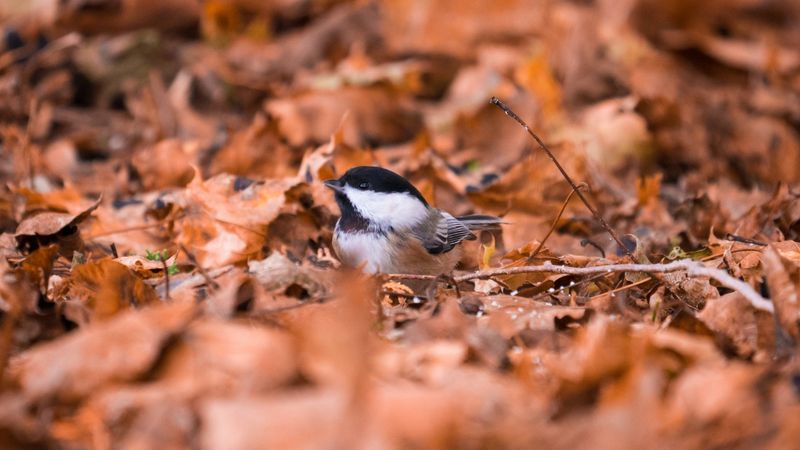
Listen closely on a quiet morning and you might hear a loud rustling under the bushes. Nine times out of ten, it is an eastern towhee doing its famous two-footed hop and scratch.
Towhees, Carolina wrens, brown thrashers, and white-throated sparrows all love leaf litter. They flip leaves over to find spiders, beetles, seeds, and insect eggs.
For them, a leafy yard is like a buffet that stays open all winter.
North Carolina gets lots of winter visitors too. Hermit thrushes and juncos fly down from the north to spend the cold months with us.
They depend on leafy ground to find enough food when bugs are hard to spot.
Bird feeders are great, but they are only part of the menu. Most songbirds need insects, especially in early spring when they start raising chicks.
Leaves keep those insects close by and easy to find.
You can make your yard even more bird friendly by leaving leaves under shrubs and hedges. Birds feel safer foraging where they can dart into cover quickly.
Native plants like hollies and dogwoods offer berries as a bonus treat.
Grab a pair of binoculars and watch your leaf piles for a few minutes. You might be surprised how many feathered guests show up for breakfast.
7. Fallen Leaves Break Down Into Free Fertilizer
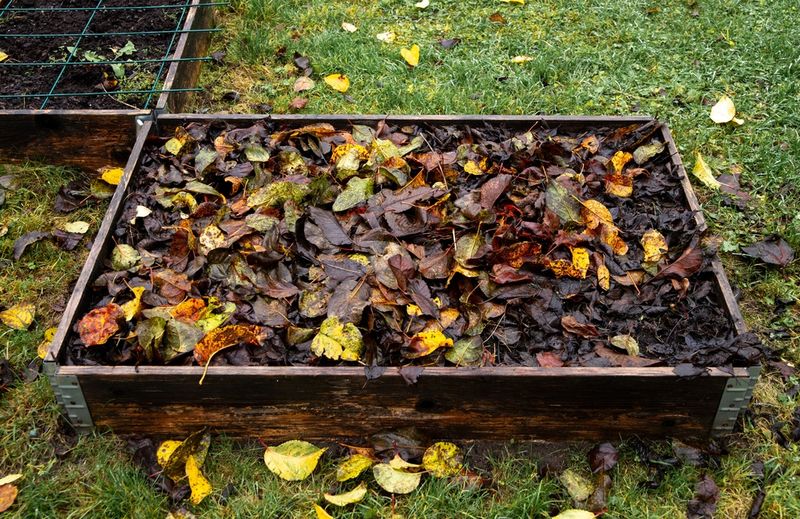
Why pay for bags of mulch when your trees drop it for free every fall? Gardeners who catch on to that idea rarely go back.
Leaves are packed with nutrients that trees pulled up from deep in the soil. As they break down, they feed worms, fungi, and tiny microbes.
Those helpers then turn the leaves into rich, dark soil called humus.
That is great news for North Carolina gardens. Much of the state has heavy red clay that drains poorly and packs down hard.
Over time, rotting leaves loosen clay, hold moisture, and make it easier for roots to spread.
Leaves also work like mulch. They keep weeds down, protect roots from cold snaps, and help soil hold water during dry spells.
Your plants get a cozy blanket while wildlife gets a home.
Here are a few easy ways to use them. Spread a few inches of leaves around shrubs and perennials.
Pile extras in a simple wire bin to make leaf mold, which is crumbly and wonderful for potting mix.
One quick tip helps a lot. Keep thick, matted leaves off small plants and tender seedlings, since they can block air and light.
Loose, fluffy layers work best for both garden beds and the critters living inside them.
8. Not Every Spot In Your Yard Needs A Leaf Layer
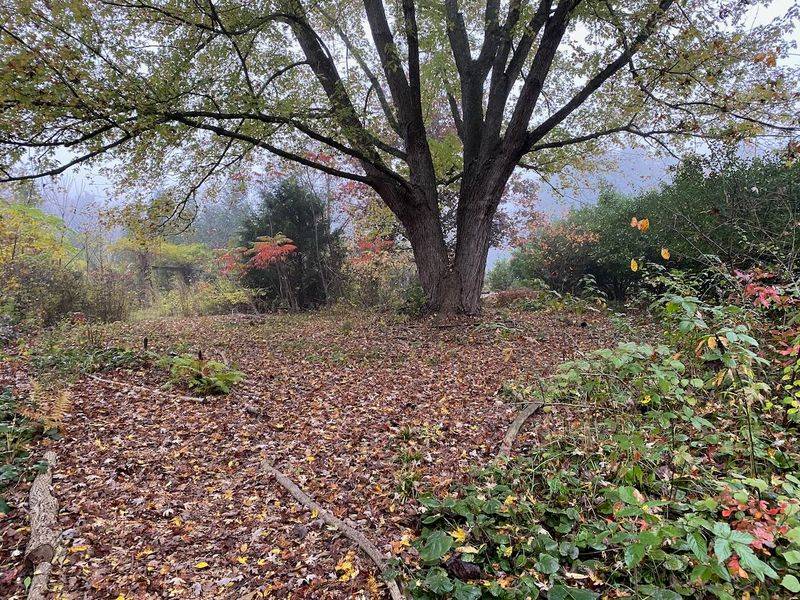
Good news for tidy folks: you do not have to turn your whole yard into a leafy jungle. A little balance goes a long way.
Thick leaf mats on grass can block sunlight and make the lawn patchy by spring. Instead of bagging those leaves, rake or mow them up and move them to beds.
A mower with a bagger can chop them into a light mulch in minutes.
Walkways, driveways, steps, and decks should stay clear for safety. Wet leaves get slick, and nobody wants a surprise slide on the way to the mailbox.
Storm drains also need to stay open so rain can flow away during heavy North Carolina downpours.
Watch out near your house too. Piling leaves right against siding or foundations can invite moisture problems.
Keep a gap of a foot or so between leaf piles and the walls.
Many neighborhoods and HOAs care about curb appeal. A neat edge along beds, a small sign saying wildlife habitat, or a tidy border of stones shows the mess is on purpose.
Neighbors often get curious and start asking questions.
The goal is simple. Keep the lawn and paths neat, and let leaves rest where wildlife can use them.
That way your yard looks cared for while still helping bees, birds, and frogs.