Cut Back These Perennials In Early August For Fall Blooms In Missouri
Your garden may have more potential than it currently shows. Missouri heat makes everything look finished, exhausted, done for the year. Nothing could be further from the truth.
Beneath those tired stems, dormant buds wait for permission. Cutting back now sends a signal plants cannot ignore. Stems shrink slightly, energy redirects, fresh growth becomes truly inevitable.
Timing matters more than most gardeners realize. Wait too long and blooms never return before frost. Act now, and Missouri gardens can rival June’s brightest displays.
Warm afternoons test patience, but pruners offer redemption. Neighbors will assume your garden peaked weeks ago.
Their yards will fade while yours ignites again. Precision matters here, not guesswork or gentle trimming.
Each cut carries consequences, some good, some wasted. You hold more control over autumn color than you actually think.
Certain plants respond dramatically to this exact technique. This is where your fall garden transformation begins.
1. Yarrow

Yarrow is tougher than it looks, and it looks pretty tough already. This flat-topped, feathery plant blooms hard in June and July, then starts to fade fast.
By early August, though, the plant begins to look stressed and depleted, with spent flower heads turning brown.
Cutting those flower heads off completely encourages the plant to redirect its energy downward and then back up again.
Slice the stems back by about half, or even two-thirds if the plant is especially leggy. New lateral shoots will sprout within days in Missouri’s summer heat.
Yarrow comes in a stunning range of colors, from creamy white to deep red to golden yellow. That second flush of fall blooms often carries softer, more saturated tones than the first round.
This plant has been used medicinally for thousands of years, making it one of the oldest documented medicinal herbs. Ancient warriors reportedly used it to treat wounds in combat.
That historical toughness translates directly to garden performance. Yarrow laughs at poor soil, skips watering days without complaint, and still produces flowers.
In clay-heavy Missouri soils, yarrow tends to perform well, often better than in rich, heavily amended beds. Too much fertility makes it floppy and prone to flopping over by fall.
Plant it where it gets full sun for at least six hours daily. Shade makes yarrow stretch and weaken, so a sunny spot gives the fall re-bloom its best shot at success.
2. Coreopsis
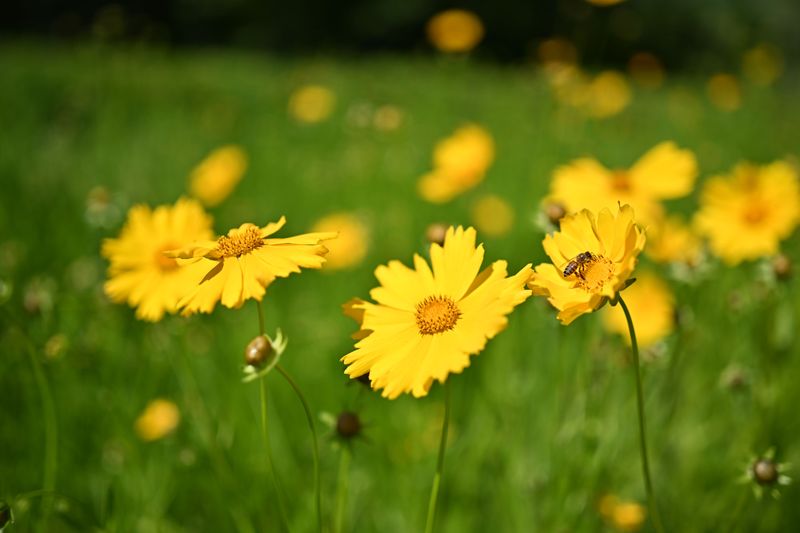
Coreopsis is especially vivid in summer sun with its cheerful, daisy-like yellow blooms. It starts flowering in June and often blooms straight through July without any help at all.
By early August, though, the plant starts to look stressed and depleted. Stems get wiry, blooms fade, and the whole clump starts to collapse inward.
A firm cutback to about half the plant’s height changes everything quickly. Within ten to fourteen days, fresh green stems push upward and new buds begin forming at the tips.
Coreopsis is one of the most rewarding perennials to cut back because the turnaround is so fast and so dramatic. You go from a tired mess to a tidy, budding plant almost overnight.
Your Missouri Garden Changes Every Week. Your Plan Should Too.
Gardening in Missouri changes quickly throughout the season. Every Friday you’ll receive a simple weekly plan showing exactly what to plant, prune, fertilize, harvest, and protect so you never miss the right timing.
The fall bloom often arrives in early-to-mid September in most parts of the state, depending on weather. That timing pairs beautifully with the cooler nights that make outdoor time enjoyable again.
Choose varieties like Moonbeam or Zagreb for especially reliable re-blooming habits. These compact cultivars hold their shape better after cutting and bloom more freely in fall.
Water consistently after trimming to help the plant push new growth without stress. A layer of mulch around the base also helps keep moisture in during late summer heat spikes.
Coreopsis pairs beautifully with purple salvias and ornamental grasses in fall borders. That golden-and-purple combo is practically a Missouri autumn tradition worth celebrating every year.
3. Hardy Geranium
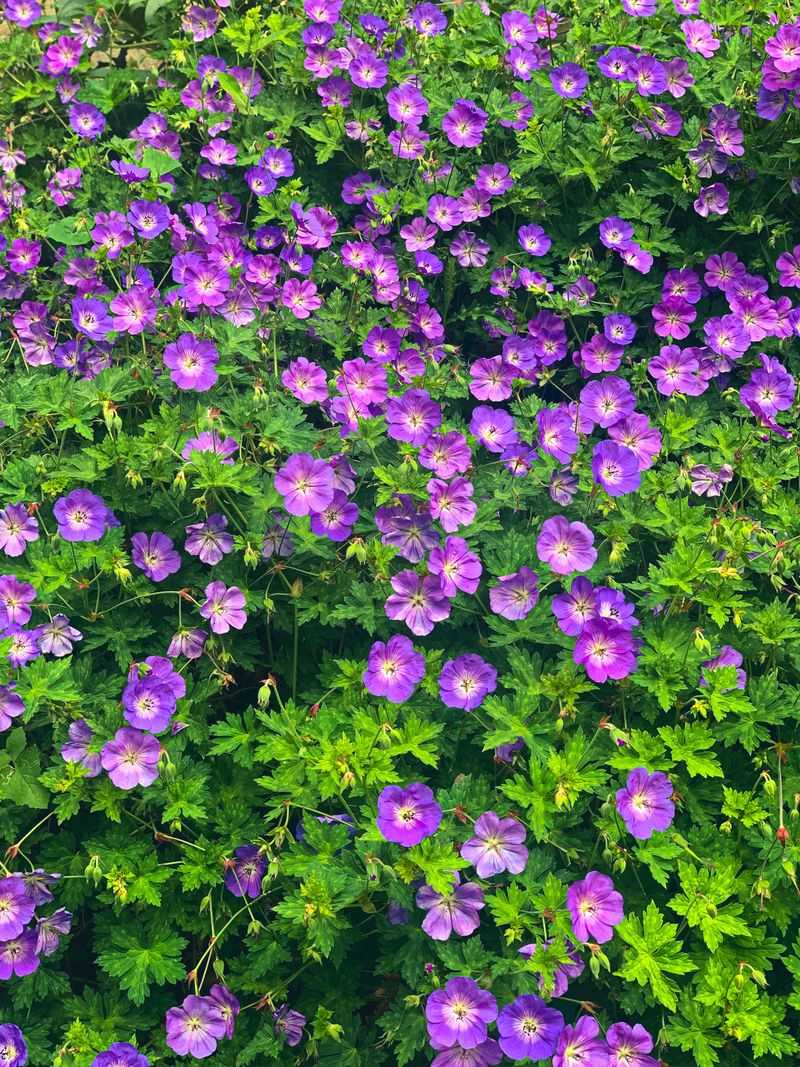
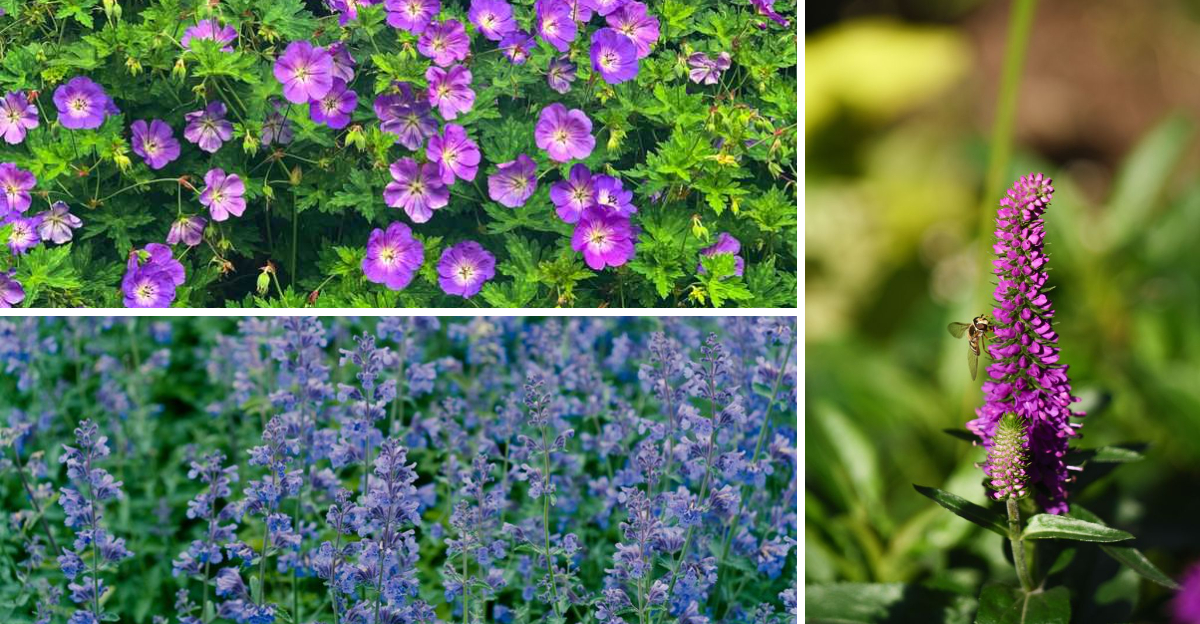
Hardy geraniums are the comeback kids of the perennial world. After their first big bloom in early summer, they tend to look ragged and tired by late July.
Cutting them back hard in early August is the reset button they desperately need. Trim the whole clump down to about three inches from the ground.
Within two weeks, fresh foliage pushes up from the base like a mini spring. That new growth brings a second round of cheerful blooms in shades of pink, purple, and white.
These plants thrive across most of the state without much fuss. They handle heat, tolerate some drought, and bounce back fast after a trim.
One tip worth keeping: water the plant well the day before you cut it back. A hydrated plant recovers faster and sends up new shoots with more energy.
Hardy geraniums also spread gently over time, filling gaps between other perennials. That spreading habit makes them a smart filler for any mixed border.
Their low profile, usually under eighteen inches, keeps them from blocking other plants in the fall garden. They play nicely with taller neighbors like salvia and phlox.
If you want a reliable, low-effort plant that rewards a simple August trim with weeks of fall color, this geranium consistently delivers. This perennial is notably low-maintenance and reliable.
4. Blanket Flower
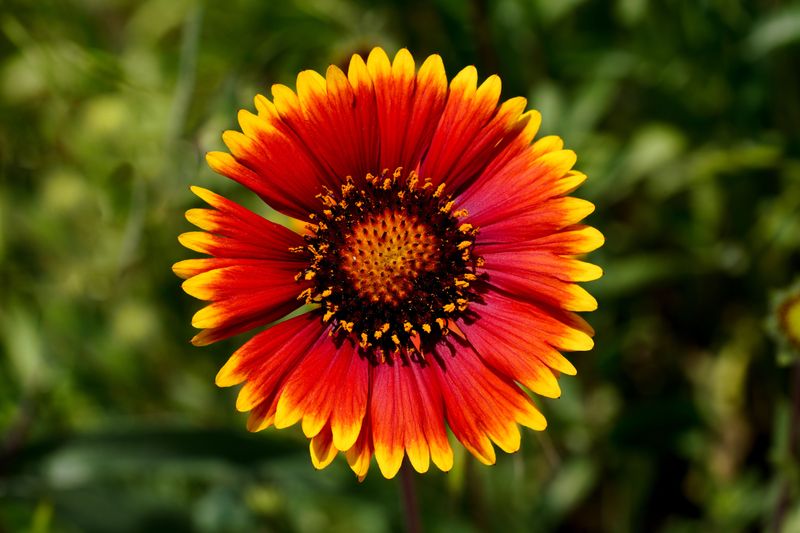
Blanket flower brings a fiesta of red, orange, and yellow to any garden bed. It is believed to be named for its resemblance to Native American woven blankets.
By midsummer, blanket flower can start to look exhausted, with spent blooms drooping on long, floppy stems. A cutback in early August refreshes the whole plant and sets up a strong fall showing.
Removing individual spent blooms helps, but a full cutback every few weeks gives much better results. Trim the plant back by about one-third to encourage compact, bushy regrowth.
Blanket flower loves heat and sun, which makes it perfectly suited for Missouri summers. The more sun it gets, the more flowers it pushes out in that fall second round.
One thing to watch: blanket flower can be short-lived as a perennial, sometimes acting more like a biennial. Letting a few seed heads form in fall helps it self-sow and return reliably.
The flowers attract a range of pollinators, including butterflies and native bees, late in the season. A fall-blooming patch becomes a real wildlife destination in September and October.
Sandy, well-drained soil suits blanket flower far better than heavy clay. If your yard has drainage issues, consider raising the bed slightly before planting.
Pair it with blue salvias or purple coneflower for a bold, warm-toned fall display. That color combination is a standout in fall borders.
5. Garden Phlox
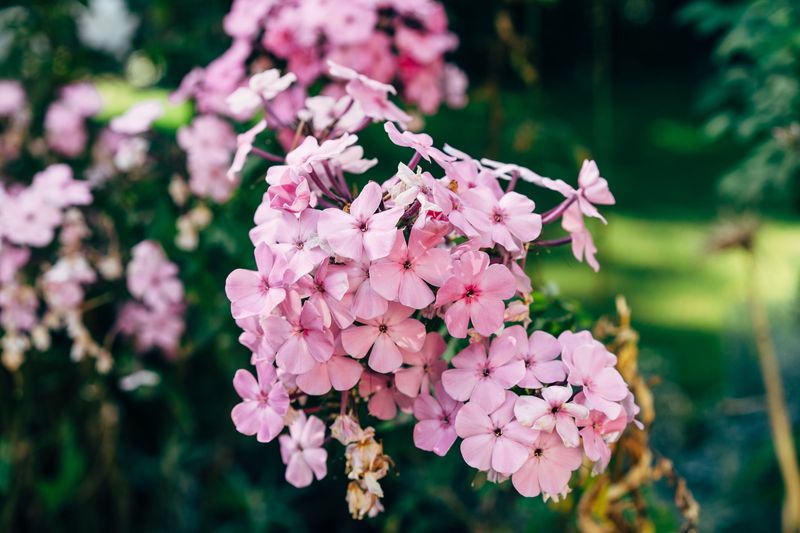
Garden phlox is the showboat of the summer perennial border, with massive flower clusters in pink, white, lavender, and red. It blooms gloriously in July, then starts to fade as August heat sets in.
Cutting it back by about one-third in early August does two important things at once. It removes spent flowers and also reduces the plant’s surface area, which cuts down on powdery mildew risk.
Mildew is the number one complaint about garden phlox in humid Missouri summers. Thinning stems and trimming back improves airflow dramatically, which keeps foliage cleaner and healthier through fall.
After cutting, expect new side shoots to emerge within ten days. These shoots carry smaller but still beautiful flower clusters that open up in September and last well into October.
Choose mildew-resistant varieties like David, Jeana, or Shortwood for the healthiest plants. These cultivars handle Missouri’s sticky summers with far more grace than older, susceptible types.
Water at the base of the plant rather than overhead to keep foliage dry. Wet leaves in humid conditions are basically a welcome mat for fungal problems.
Garden phlox also benefits from a balanced fertilizer application right after the August cutback. That nutrient boost fuels the new growth and helps the fall bloom reach its full potential.
Few perennials can match the sheer fragrance of garden phlox in bloom. That sweet, slightly spicy scent drifting across an autumn evening is a reward all on its own.
6. Salvia
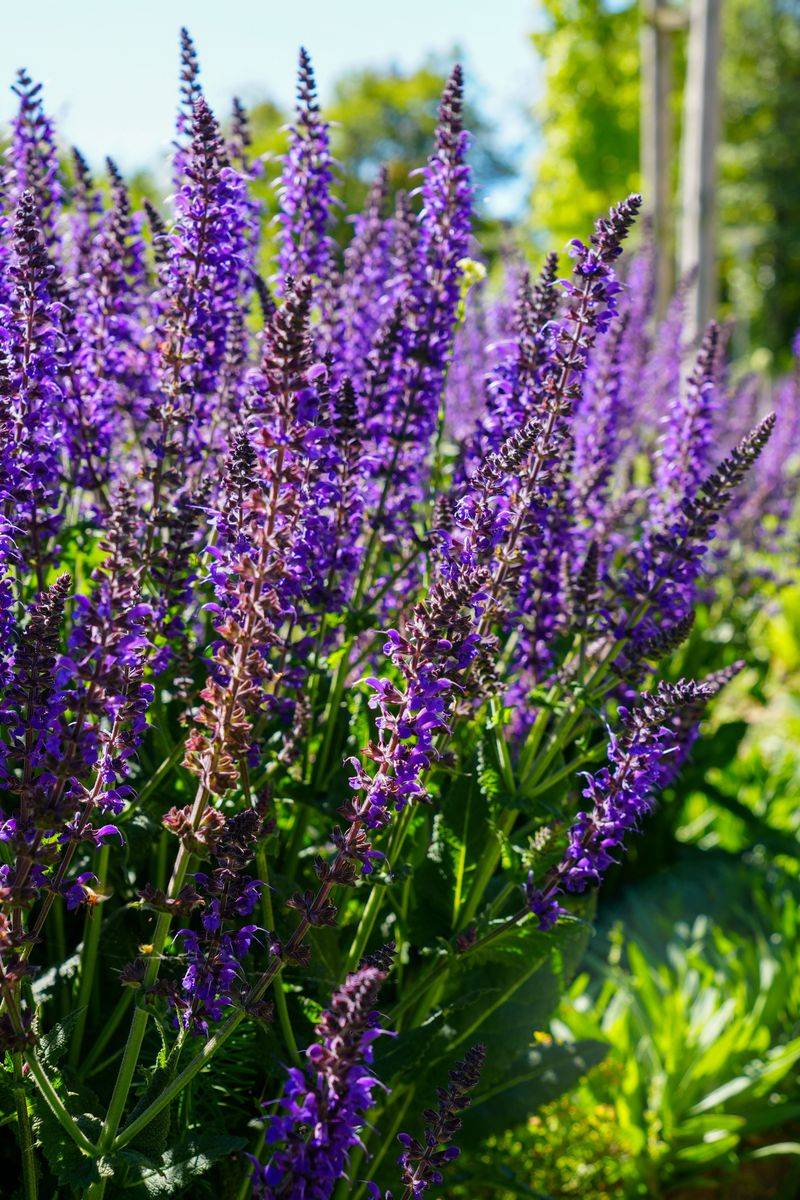
Salvia is the dependable backbone of many Missouri perennial gardens. Its tall purple or blue spikes rise up in early summer with authority, attracting bees and hummingbirds almost immediately.
By late July, those spikes start to go brown and seedy, and the plant can look faded and unkempt. An August cutback fixes that impression fast and completely.
Cut salvia stems back to just above the lowest set of healthy leaves. That precise cut point encourages branching and produces multiple new flowering stems instead of just one.
Salvia nemorosa types, like May Night or Caradonna, are especially responsive to this treatment. They bounce back quickly and often produce a second flush that rivals the first in density and color.
The fall bloom of salvia can attract pollinators, including butterflies, as they move through the state in late summer. Planting a patch near a sunny window gives you a front-row seat to that annual spectacle.
Salvia prefers well-drained soil and full sun for best performance. In shadier spots, the plant stretches and produces fewer flower spikes, making the fall rebloom weaker and less impressive.
After cutting, avoid heavy fertilizing since too much nitrogen pushes leafy growth over flower production. A light top-dressing of compost is all this plant really needs to thrive.
Salvia also pairs beautifully with coreopsis and yarrow in fall borders. That blue-and-yellow combination carries serious visual energy straight through the first frost of the season.
7. Catmint
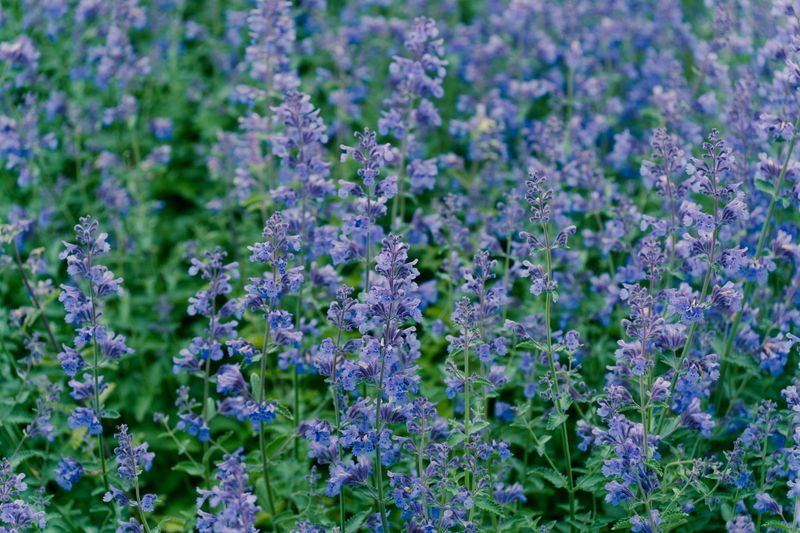
Catmint is one of those plants that gives gardens a polished, well-tended look. Its soft, lavender-blue flower spikes and silver-green foliage look elegant in almost any garden setting.
After a big bloom in late spring and early summer, catmint sprawls outward and flops open at the center. An August shearing pulls it back into shape and triggers a lush second wave of blooms.
Use hedge shears or sharp pruners to cut the whole mound back by about half. The plant responds almost immediately, pushing up fresh gray-green foliage within a week.
That new foliage is followed quickly by a fresh round of flower spikes, usually in four to six weeks. Timing an early August cut puts the fall bloom right around mid-September in most areas.
Catmint is famously drought-tolerant once established, making it a smart choice for gardeners who travel in summer. Even if you forget to water during a hot August stretch, it keeps pushing forward.
Cats do love this plant, which can be charming or annoying depending on your perspective. A small wire cage around newly cut plants keeps neighborhood cats from rolling all over fresh growth.
Catmint also works beautifully as a border edging plant along walkways or driveways. Its mounding habit and soft color soften hard edges in a way that feels both casual and intentional.
Few plants earn their keep as reliably as catmint does across three full seasons. That fall rebloom is just the final proof of how much this plant gives back.
8. Veronica
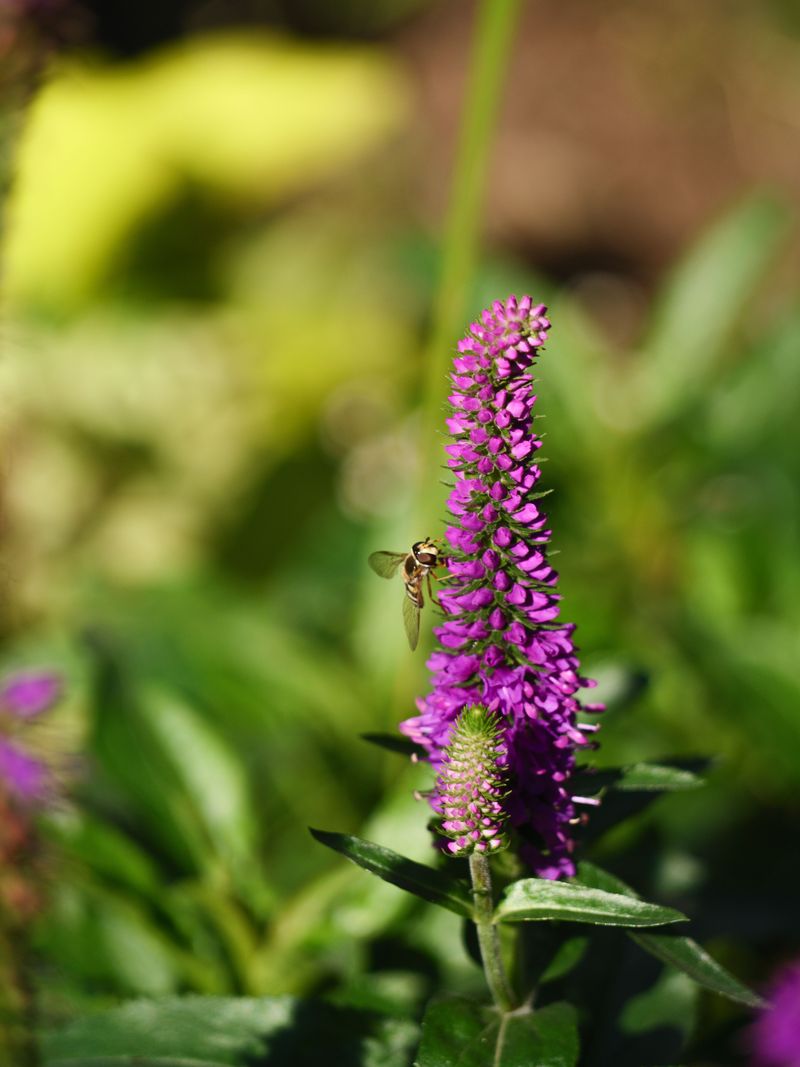
Veronica, also called speedwell, shoots up elegant flower spikes in shades of blue, purple, pink, and white starting in early summer. It looks like a smaller, sleeker cousin of garden phlox.
After the first bloom fades in July, the spent spikes turn brown and the plant loses its upright energy. Cutting those spent stems back to the base of each spike encourages rapid new bud formation.
For a fuller cutback, trim the entire plant down by about one-third in early August. This approach works especially well for varieties like Sunny Border Blue or Royal Candles.
The fall flush of veronica blooms tends to be a bit shorter in spike height but equally rich in color. Those compact spikes fit neatly into mixed fall borders without overwhelming neighboring plants.
Veronica attracts beneficial insects like small native bees and hover flies throughout the blooming season. A healthy patch in fall provides an important late-season nectar source before winter sets in.
This plant prefers full sun and average, well-drained soil without a lot of organic amendment. Rich soil makes veronica floppy, while leaner conditions keep it upright and productive through fall.
Dividing veronica every three to four years keeps it blooming at peak intensity. Older clumps develop woody centers that produce fewer flowers, so division refreshes the whole plant’s energy.
Cutting back these perennials in early August is one of the smartest moves any Missouri gardener can make. Veronica proves that a little effort in the heat pays off in spectacular fall color.