The Ohio Shrubs You Shouldn’t Prune This October (And The Few You Can)
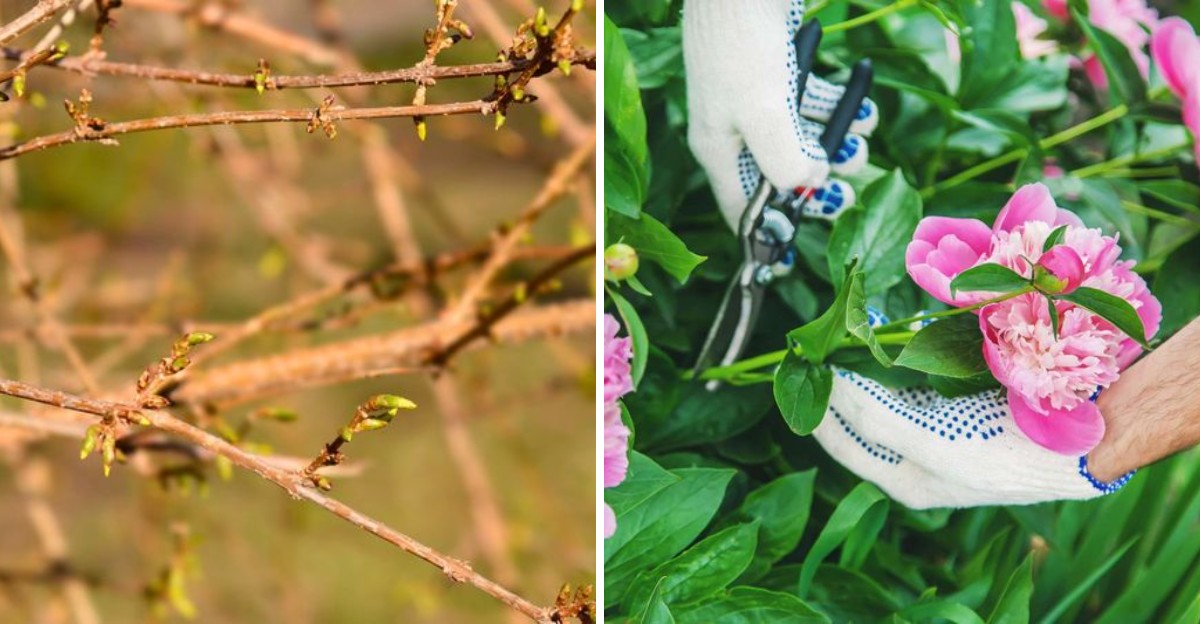
Grab the pruning shears too soon in an Ohio fall, and you could create more work for yourself next spring. Some shrubs benefit from a trim before winter, while others need every branch left alone for now.
The tricky part is that they can look equally overgrown in October.
A warm afternoon makes the yard look ready for a cleanup, and those unruly branches can be hard to ignore. But a tidy garden today does not always mean a healthier garden come spring.
Certain cuts can leave plants vulnerable to winter damage or remove next year’s flowers before you even get a chance to enjoy them.
Ohio’s unpredictable fall weather makes timing matter even more. Before you start cutting back everything in sight, take a look at which plants can handle a trim and which ones are better left alone.
Your spring garden may depend on that decision.
1. Fall Cuts Steal Next Spring’s Azalea Blooms
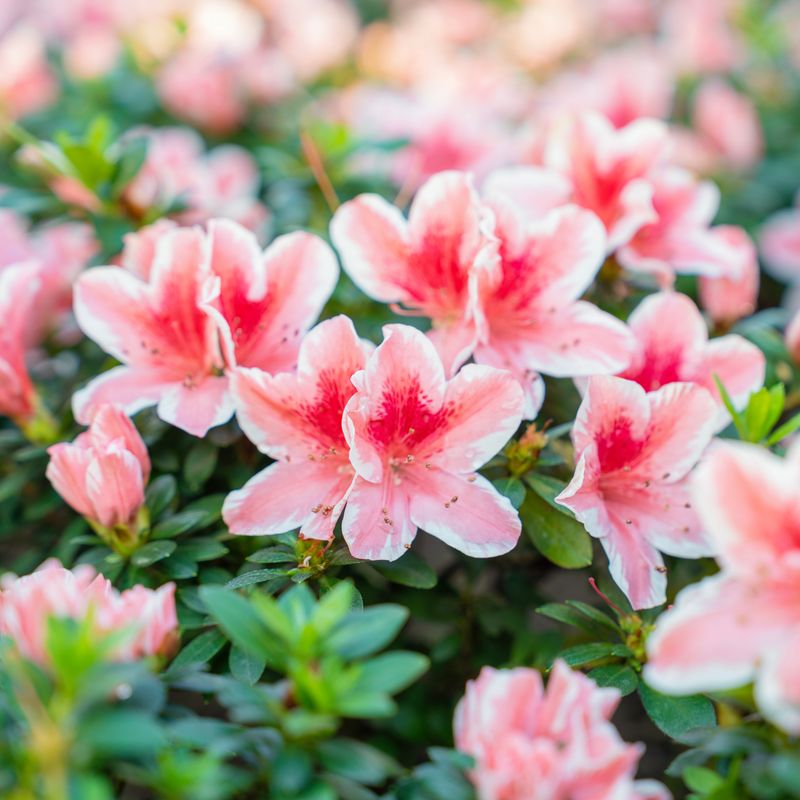
Picture a May morning with azaleas glowing pink and coral along your walkway. That bright show actually starts months earlier, during the warm days of summer.
Azaleas form next year’s flower buds in July and August. By October, those tiny buds are sitting right at the tips of the branches, waiting quietly for spring.
If you trim now, you snip away the flowers before they ever get a chance to open.
Many Ohio gardeners learn this the hard way. They give their shrubs a neat fall haircut, then wonder why the plant looks green and plain the next spring.
The shrub is perfectly healthy, but the blooms ended up in the yard waste bin.
The best time to shape an azalea is right after it finishes flowering in late spring. That gives the plant all summer to grow fresh stems and set new buds.
A quick trim within a few weeks of the last bloom keeps things tidy without any loss.
In fall, focus on care instead of cutting. Water deeply if the weather has been dry, since azaleas have shallow roots.
Spread a few inches of shredded bark or pine needles around the base to protect those roots from winter freezes.
2. Hardy Camellias Are Already Holding Their Buds
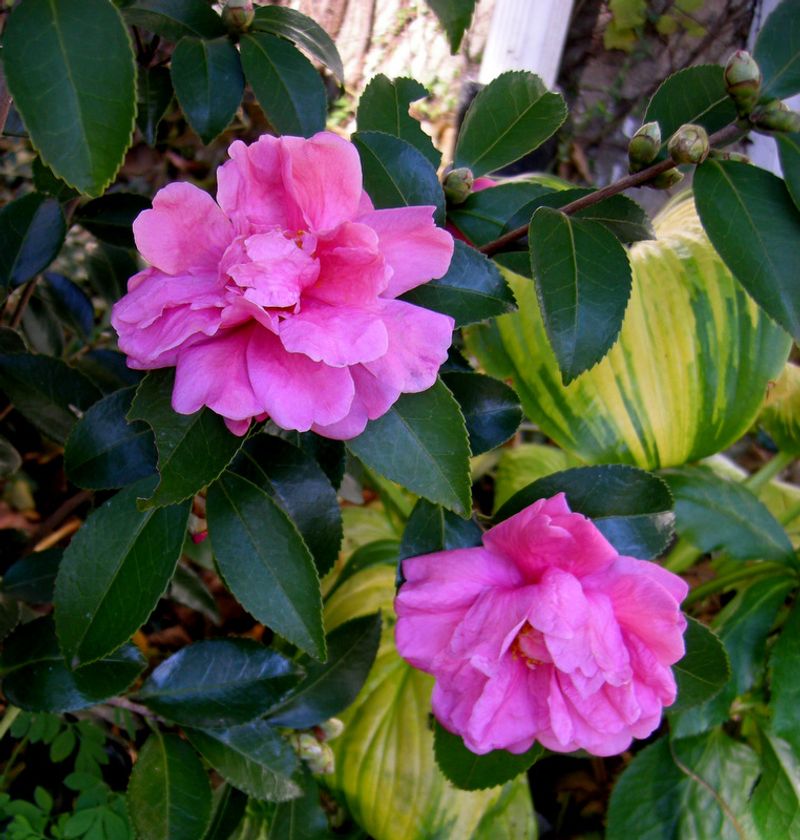
Round little buds that look like green marbles are hiding among those shiny camellia leaves. Each one is a promise of a big, rose-like flower.
Camellias set their buds during summer, much like azaleas. In Ohio, many gardeners grow them in pots or in sheltered spots, since winters here can be rough.
Either way, October is a poor time to grab the pruners.
Cutting now removes buds that took months to form. You might end up with only a handful of flowers, or none at all.
That is a tough trade for a plant many people baby through the cold season.
Wait until the blooms fade, usually in late winter or spring depending on the variety. Then you can shorten long stems, thin crowded branches, and shape the plant.
Your Ohio Garden Changes Every Week. Your Plan Should Too.
Gardening in Ohio changes quickly throughout the season. Every Friday you’ll receive a simple weekly plan showing exactly what to plant, prune, fertilize, harvest, and protect so you never miss the right timing.
New growth that follows will carry next year’s buds.
For potted camellias, fall is the time to plan a winter home. A cool, bright garage window or an unheated sunroom works well.
They like temperatures that stay chilly but above freezing.
Keep the soil lightly moist through autumn. Buds can drop if the plant dries out too much while they are forming.
Here is a neat tidbit: tea comes from a camellia species. Your garden plant is a fancy cousin of the leaves in your mug.
3. Lilacs Have Already Set Next May’s Flowers
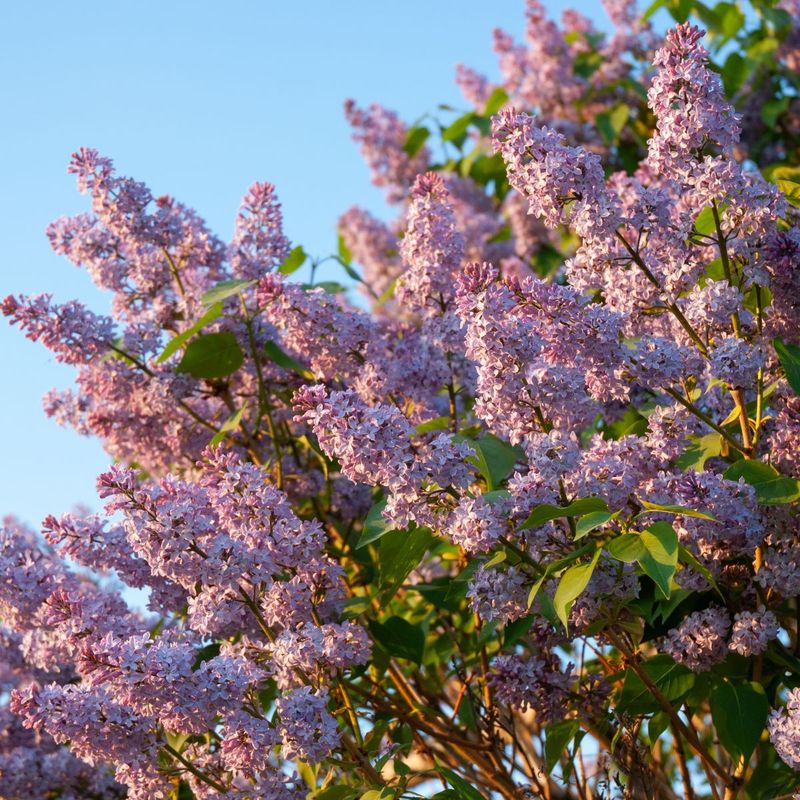
Lilacs bloom on old wood, which means flowers come from stems that grew the year before. The plant sets those buds in summer, soon after it finishes blooming.
By October, every fat bud on the branch tips is a future flower cluster.
Prune now, and you clip off next spring’s blooms along with the stems. The shrub will leaf out just fine, but it may barely flower.
The best time to prune is within a few weeks after the flowers fade. That gives the plant all summer to grow new stems and set fresh buds.
Overgrown lilacs respond well to renewal pruning. Each year after bloom, remove about a third of the oldest, thickest stems right at the ground.
Over three years, the whole shrub gets younger and blooms better.
That white, dusty coating on lilac leaves in late summer is powdery mildew. It looks rough but rarely harms the plant, so there’s no need to cut those leaves off now.
4. Forsythia Buds Are Waiting For March
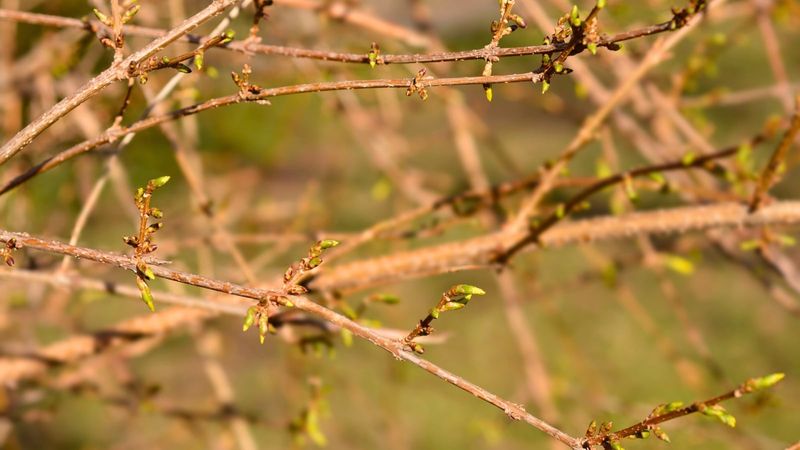
Forsythia is the first shrub to shout that spring has arrived. Bright yellow flowers cover its bare branches in March or April, before a single leaf appears.
To bloom that early, the shrub has to plan ahead. Forsythia sets its flower buds during summer and fall on the stems it already has.
Those buds then sit through winter, ready to open on the first warm days.
A fall trim removes that whole early show. Shearing forsythia into a tidy ball in October is one of the most common ways Ohio gardeners lose their spring color.
Wait until right after it blooms in spring. That’s the moment to prune.
The best method is to thin, not shear. Cut a few of the oldest, grayest canes down to the ground, and let the younger stems arch naturally.
Forsythia looks its best with a loose, fountain-like shape. Tight, boxy hedges tend to flower only on the outer edges.
If yours has grown into a tangled thicket, you can cut the whole shrub down to a few inches right after it blooms. It grows back quickly, though you’ll skip a year of flowers.
5. Bigleaf Hydrangeas Hide Next Summer’s Blooms In Their Stems
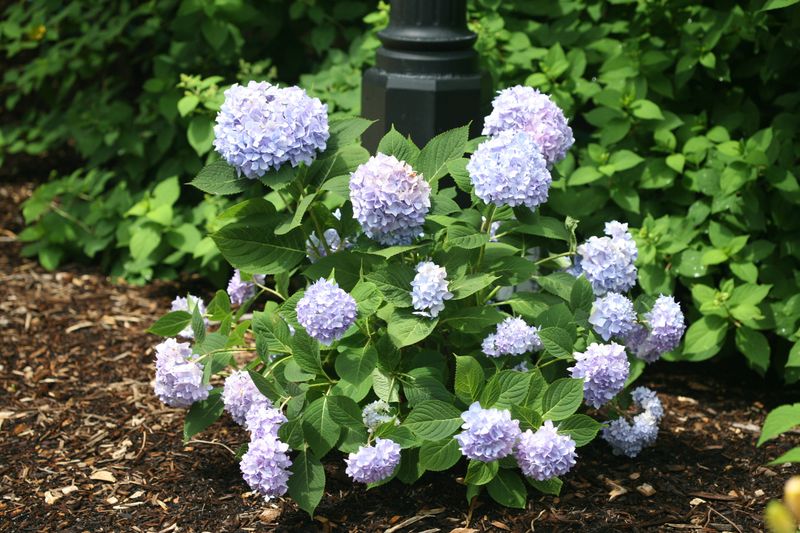
Bigleaf hydrangeas, known as Hydrangea macrophylla, set their flower buds in late summer on old wood. Cutting stems in fall takes those buds with them.
That’s why so many Ohio gardeners end up with leafy hydrangeas and no flowers.
Leave the stems alone this fall. Snip off faded flower heads if you like, but stay above the plump buds lower on the stem.
Broken or damaged stems can come off anytime.
Rebloomers like the Endless Summer series flower on both old and new wood. They forgive a mistake better, but protecting the old stems still gives you the earliest, fullest show.
If your shrub needs size control, wait until right after it blooms next summer.
Ohio winters can be hard on bigleaf buds. Spreading a thick layer of mulch around the base after the leaves drop, and wrapping exposed plants in burlap, helps more buds make it to spring.
6. Oakleaf Hydrangeas Keep Their Buds And Their Fall Color
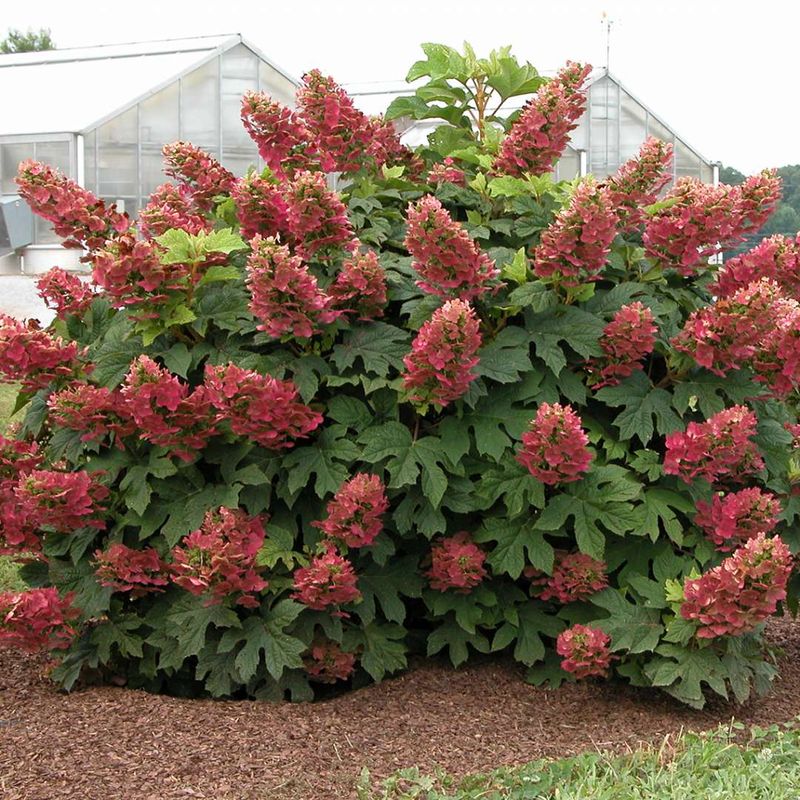
Oakleaf hydrangeas are putting on their best show right now. Their big, lobed leaves turn wine red, orange, and deep purple as October cools down.
It’s tempting to tidy them up while admiring the color. Resist the urge, because oakleaf hydrangeas also bloom on old wood.
The buds for next June’s white flower cones formed in late summer and fall.
Pruning now removes them, so you’d trade next year’s flowers for a neater shrub. That’s rarely worth it.
The best time to prune is right after flowering, usually in June or July. Even then, oakleaf hydrangeas need very little trimming.
They look their best in their natural, mounded shape.
Leave the dried flower heads in place too. They age to a rosy tan that looks lovely against the fall leaves and adds texture through winter.
Once the leaves drop, older stems reveal peeling, cinnamon-colored bark. That gives this shrub something interesting to look at in every season.
7. Boxwoods And Junipers Can Handle A Light Early-October Trim
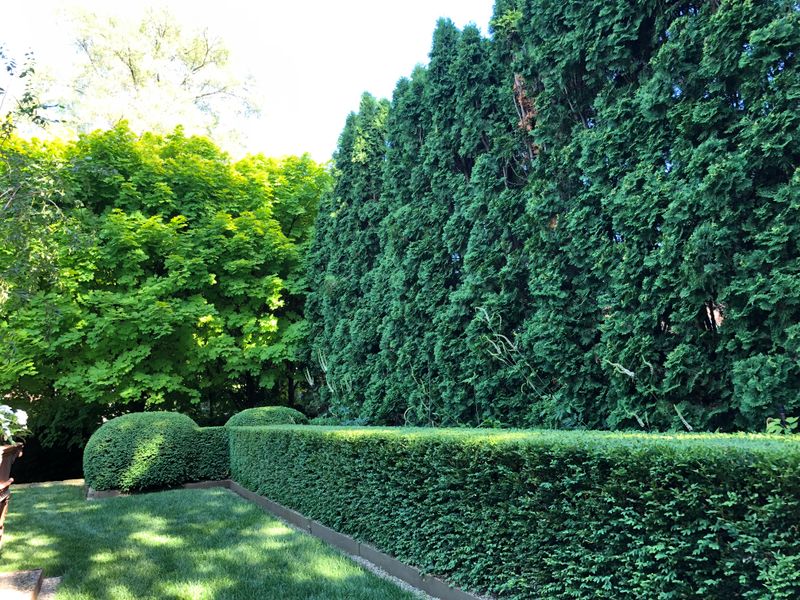
Good news for neat freaks: your evergreen shrubs can still get a little tidy-up. Boxwoods, junipers, and arborvitae can handle a light touch in early October.
The key word is light. Think of it like trimming split ends rather than getting a whole new haircut.
Snip off a few stray shoots that stick out, and stop there.
Small cuts do not push out much new growth. That means the shrub stays tough and ready for winter.
Big cuts, on the other hand, can leave bare spots that will not fill in until spring.
Early October is better than late October in Ohio. The sooner you finish, the more time cuts have to seal before hard freezes.
By November, it is wise to put the shears away.
Use sharp hand pruners instead of electric hedge trimmers for this job. Hand cuts look more natural and do less damage.
Trim inside the outer layer so cuts stay hidden.
Here is a holiday bonus: those evergreen clippings make lovely wreaths and table decorations. A few boxwood sprigs in a jar look festive all winter.
Finish up by giving evergreens a deep watering before the ground freezes. Well-watered shrubs handle drying winter winds much better.
8. Peonies, Hostas And Daylilies Can Be Cut Back Now
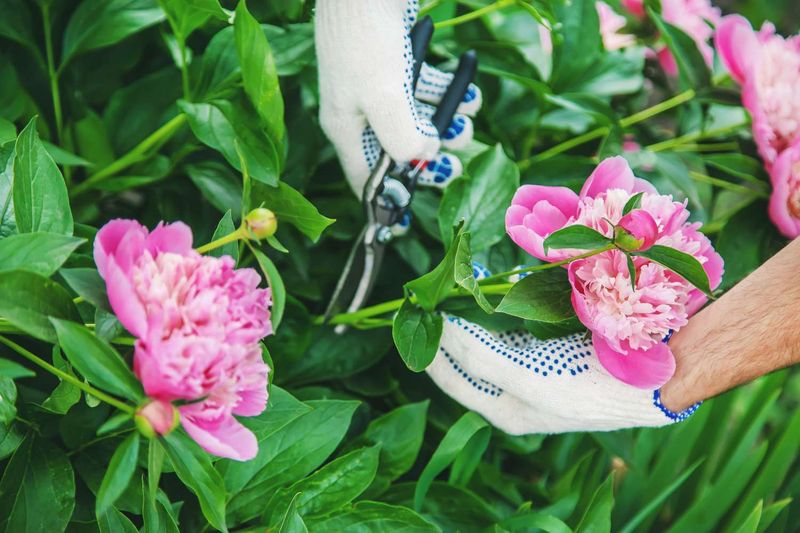
Trimming spent flowers helps plants stop putting energy into seeds and send it to roots instead.
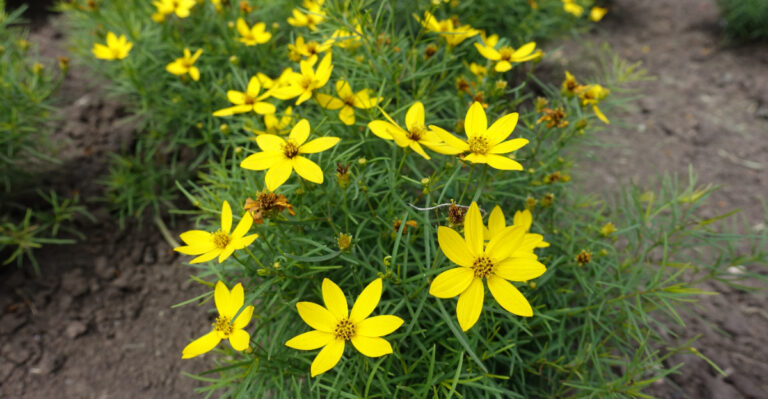
Some perennials, like salvia and coreopsis, may even push out a few last flowers before frost.
Go ahead and cut back plants that have turned mushy or brown. Hostas, daylilies, and peonies often look messy after the first frost.
Clearing them can also reduce spots where diseases overwinter.
That said, you do not have to tidy everything. Coneflowers and black-eyed Susans have seed heads that goldfinches love.
Leaving a few standing feeds birds and adds winter texture.
Hollow stems also give native bees a cozy place to spend the winter. Many gardeners now leave some stems about 12 inches tall for that reason.
It is a small gift to the pollinators that helped all summer.
Toss healthy trimmings in your compost pile. Anything with signs of mildew or spots should go in the trash instead.
Fun fact: goldfinches time their nesting for late summer. They rely on seeds from flowers like coneflowers to feed their chicks.