Plant This Bulb This Fall And It May Take Over Your Ohio Lawn
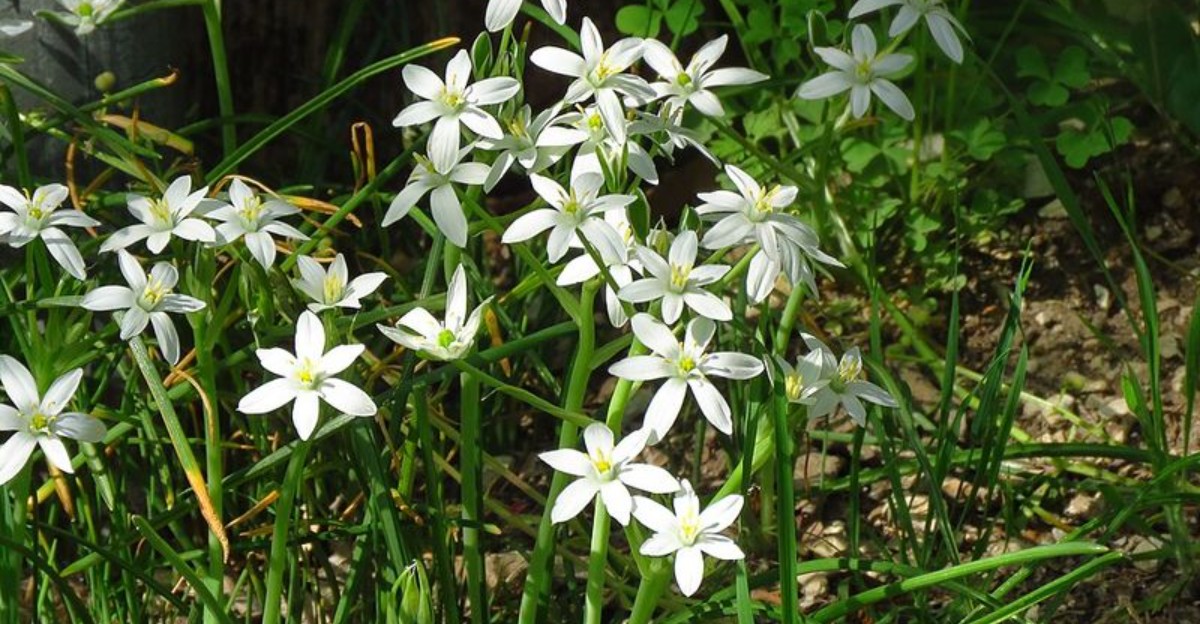
Garden centers tuck a little bag of starry white bulbs next to the tulips every September, priced low and named like a lullaby. Easy to grab on a whim.
Ohio gardeners plant a handful and forget about them. Spring brings the surprise.
A dozen blooms become a hundred, and the hundred march across the grass like they hold the deed.
A mower barely slows them down. A shovel only hands them more to work with.
Neighbors start asking what you did to your lawn.
Landscapers have a short, unfriendly nickname for this plant, and they warn clients before the first bag gets opened.
Linger in that aisle a little longer this fall. A bargain this small can cost you the whole yard.
1. The Bulb Is Star Of Bethlehem
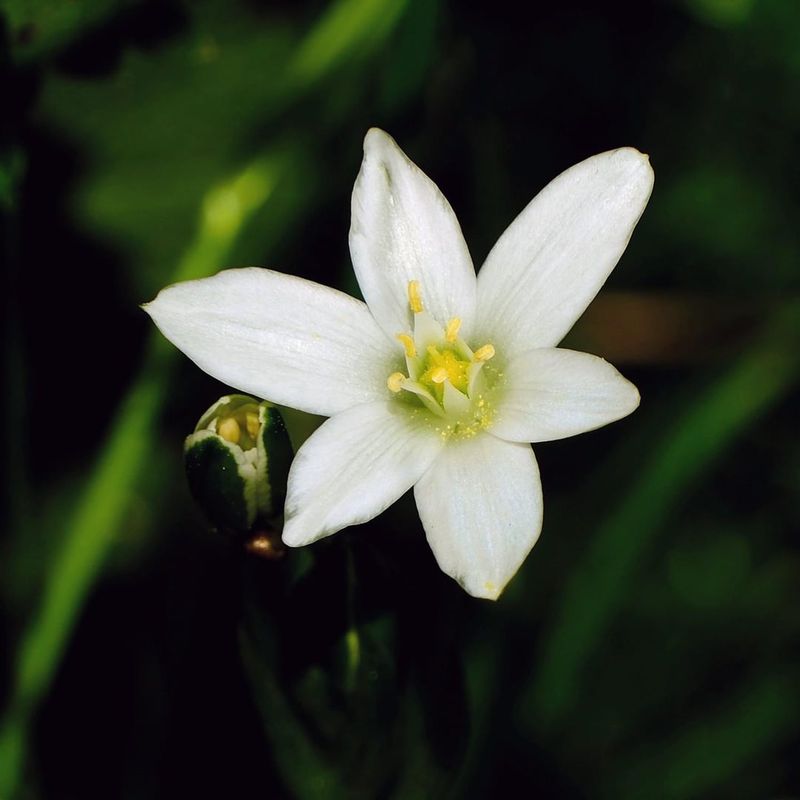
Meet the troublemaker with the prettiest name in the garden center. Its full title is Ornithogalum umbellatum, but most folks call it Star of Bethlehem.
The plant comes from the Mediterranean region, where warm hills and rocky soil are home. Over many years, it hitched a ride to North America and settled right in.
Now it grows wild in many parts of the United States, including plenty of yards across Ohio.
Fun fact time. The name comes from an old story linking the bright white flowers to the star that guided travelers in Bethlehem.
Some people in the past even called it nap-at-noon, because the blooms close up in the afternoon like they need a rest.
So why should an Ohio gardener care? A plant that sounds this sweet can fool you into planting it near your grass.
Once it gets comfortable, it spreads with surprising speed.
Knowing its name is your first big win. When you shop for bulbs this fall, check the labels closely for the words Ornithogalum or Star of Bethlehem.
If a neighbor offers you a handful of free bulbs, ask what they are before you say yes. A little detective work today can save you a whole lot of digging next spring and for many springs after that.
2. It’s Still Sold As A Spring-Flowering Bulb
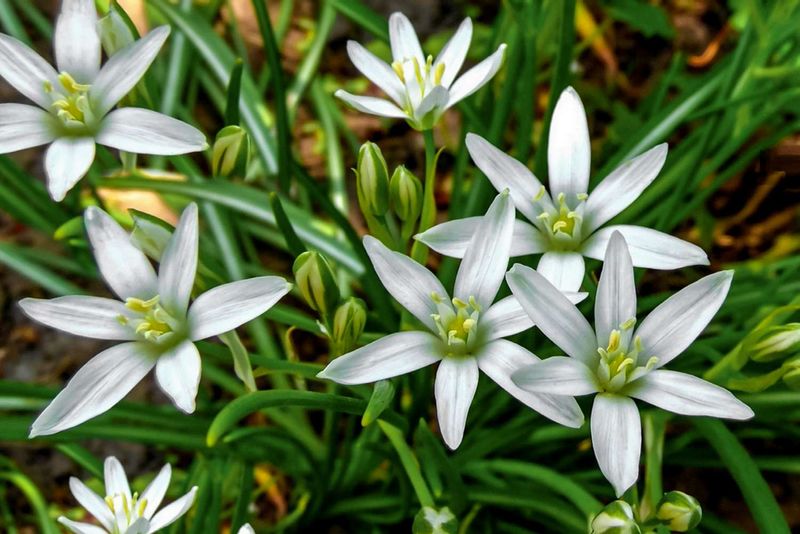
Walk into almost any big-box store in September, and you might spot it. There it sits in a cheerful mesh bag, right next to the tulips and daffodils.
Star of Bethlehem first came to North America as a garden flower. People loved its clean white petals and how easy it was to grow.
Sadly, that easygoing attitude is exactly what makes it a problem today.
Many catalogs and online shops still sell it without much warning. The photos show neat clumps of white flowers in a tidy bed.
They rarely show what happens three or four years later when the plant wanders into your grass.
Here is a smart shopping habit to build. Before buying any bulb, look up whether it spreads on its own or is listed as invasive in your state.
Your local Ohio State University Extension office is a great free resource for this kind of question.
Your Ohio Garden Changes Every Week. Your Plan Should Too.
Gardening in Ohio changes quickly throughout the season. Every Friday you’ll receive a simple weekly plan showing exactly what to plant, prune, fertilize, harvest, and protect so you never miss the right timing.
If you love white spring flowers, there are friendlier choices. Snowdrops, white crocus, and white daffodils give you that bright, fresh look without taking over your lawn.
Native woodland plants like trillium are another lovely option for shady spots. You get the beauty you want and skip the headache.
Your future self, the one with a smooth green lawn, will thank you.
3. Each Bulb Makes New Bulbs Every Year
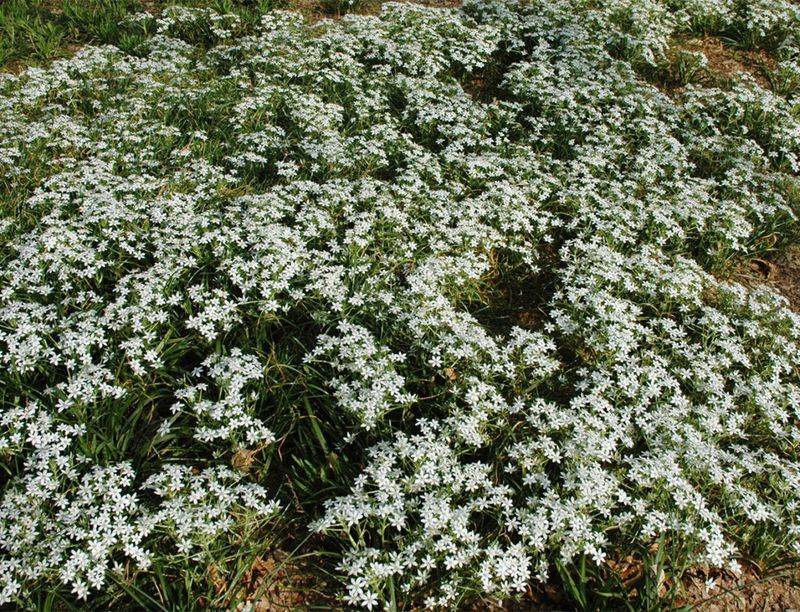
Picture one bulb as a busy little factory under the ground. Each year, it quietly builds tiny copies of itself called offsets or bulblets.
Those baby bulbs cling to the parent at first. Soon they break away and start growing into new plants of their own.
Before long, one bulb becomes five, and five becomes a crowd.
The math gets wild fast. If every bulb makes a handful of new ones each season, a small patch can turn into a thick carpet in just a few years.
That is how a tiny spring planting can grow into a lawn-sized project.
The plant can also make seeds, but that is a minor part of its plan. The real action happens underground, where you cannot see it.
By the time you notice a dense clump of leaves, there may be dozens of bulbs packed below.
What does this mean for you? Early action matters a lot.
If you spot just a few plants, deal with them right away while the colony is still small. Mark the spot with a garden stake so you can check it again next spring.
Think of it like a leaky faucet. Fixing it on day one is much easier than mopping up a flooded kitchen later.
4. It Escapes Garden Beds And Moves Into Turf
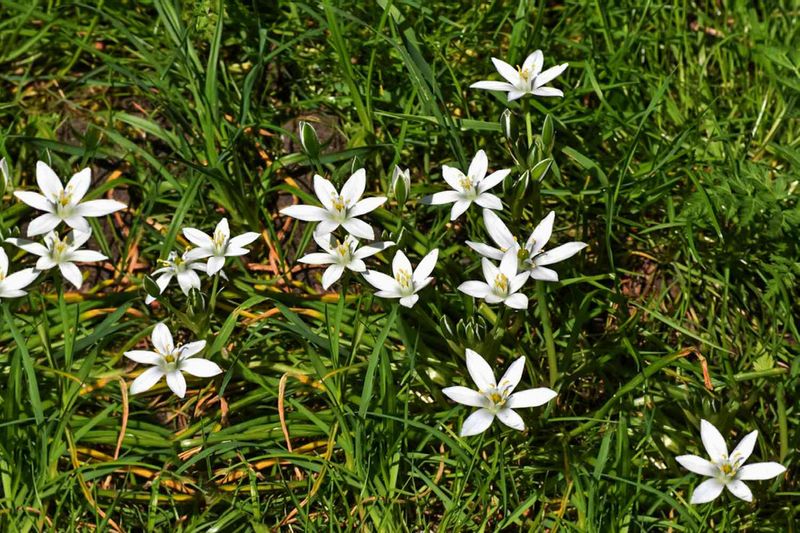
Garden beds are supposed to have borders, right? Star of Bethlehem did not get that memo.
It slips past edging, sneaks under mulch, and pops up in the grass like an uninvited guest at a picnic. Lawns, pastures, roadsides, and fields can all become its new home.
Experts report it in many Eastern and Midwestern states, and Ohio is on that list.
In spring, it forms thick clumps that crowd out the plants around it. Your grass may look patchy and uneven where the colonies grow.
Then, by early summer, the leaves fade away and leave bare or weak spots behind.
Mowing does not solve the problem. The bulbs stay safe underground no matter how short you cut the grass.
Next spring, up they come again, often in greater numbers.
So what can you do to protect your turf? Keep a close eye on the edges of your flower beds each spring.
If you see thin, grassy leaves popping up where they do not belong, investigate before they settle in. A thick, healthy lawn also helps.
Regular fall feeding and overseeding make it harder for invaders to find open space. Strong grass will not stop the bulbs by itself, but it gives them less room to party.
5. Look For Grassy Leaves With A White Stripe Down The Middle
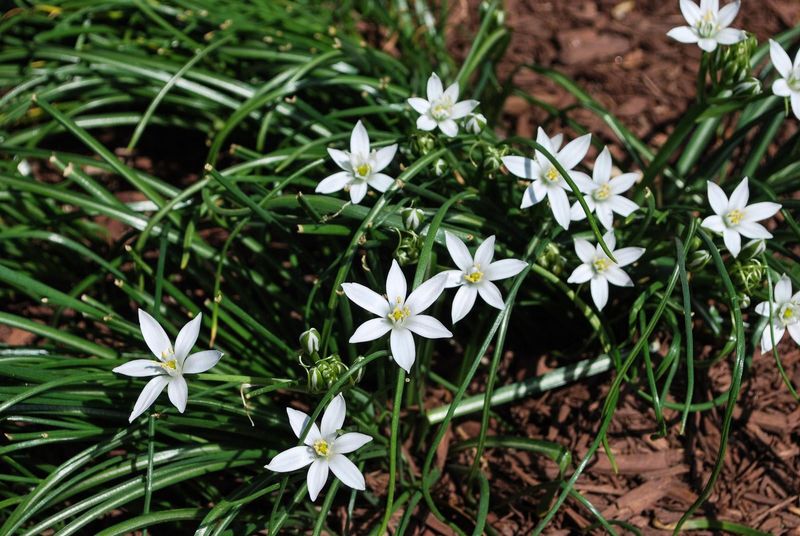
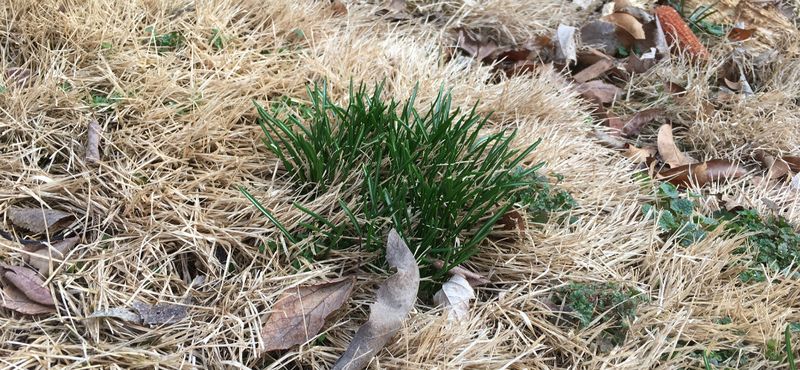
Spotting this plant in your lawn is a bit like a game of hide-and-seek. Its leaves look a lot like grass, so it blends right in.
Get down close, though, and you will see the giveaway. Each narrow leaf has a clear white or pale stripe running straight down the middle.
Regular lawn grass does not have that bright center line.
The leaves usually grow about 6 to 12 inches long. They tend to come up in a loose bunch from one spot, a bit like a small fountain.
They also feel softer and a little thicker than most grass blades.
Wild garlic and wild onion can look similar at first glance. Here is a quick trick to tell them apart.
Crush a leaf between your fingers and sniff. If it smells like onion, you have a different weed.
Star of Bethlehem has no strong smell, and its leaves are flat instead of hollow.
Timing helps too. The leaves show up early, often in late winter or early spring, before your grass is fully green.
That makes them easier to spot while the lawn is still waking up. Grab a cup of coffee, take a slow walk around the yard, and play plant detective on a mild March morning.
6. White, Star-Shaped Flowers Show Up In Spring
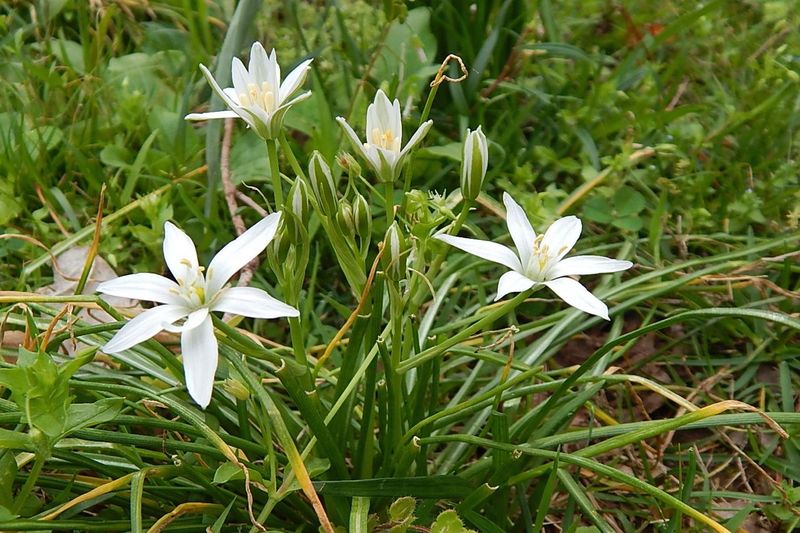
Honestly, the flowers are charming. That is part of what makes this plant so tricky.
From about April through June, small white stars appear on short stems. Each bloom has six pointed petals, which botanists call tepals.
Flip one over, and you will often see a neat green stripe on the back side.
The flowers keep an odd schedule. They open in the morning sun and fold up in the afternoon.
On cloudy or rainy days, they may stay closed the whole time, almost like they are sleeping in.
That habit gives you a handy clue. If you see a patch of white blooms in your grass in the morning but cannot find them after lunch, you may have found Star of Bethlehem.
Try checking again around 10 a.m. on a sunny day.
Use the bloom season to your advantage. The bright flowers make colonies easy to map, so take photos or place small flags where they grow.
Flowering time is also a good moment to start removing plants, since the leaves are full and the bulbs are easy to find. Just remember to admire them for a second before you get to work.
Even troublemakers deserve a little credit for good looks.
7. Every Part Of The Plant Is Poisonous
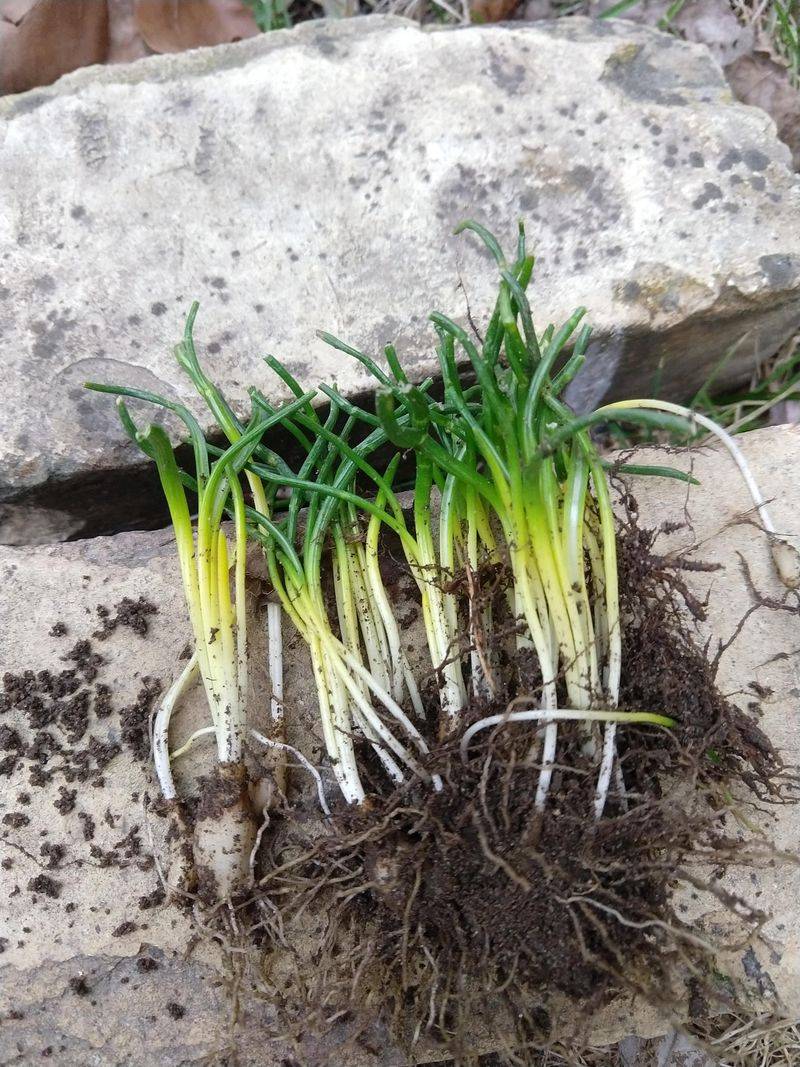
Here is the serious part, so lean in. Every piece of Star of Bethlehem, from bulb to bloom, is toxic to people and animals.
The plant contains natural chemicals called cardiac glycosides. These can affect the heart if swallowed.
The bulbs and flowers hold the highest amounts, which matters if you have curious kids or pets.
Eating any part can cause drooling, upset stomach, nausea, and vomiting. In more serious cases, it can cause an abnormal heartbeat.
Dogs that like to dig and chew bulbs are at special risk, and grazing animals like horses and goats can be harmed too.
Small bulbs can look a lot like little onions. That makes them easy to mistake for food in a garden shed or kitchen.
Store any bulbs you dig up well away from cooking areas.
A few safe habits go a long way. Wear gloves when you handle the plants, and wash your hands afterward.
Teach children not to pick or taste the pretty white flowers. Keep pets away from areas where you are digging.
If you think a child or pet has eaten part of the plant, call Poison Control at 1-800-222-1222 or your veterinarian right away. Quick action is the best plan.
8. Chopping Up The Bulbs Can Make It Worse
It feels satisfying to grab a tiller and tear through a weedy patch. With this plant, that move can backfire in a big way.
Star of Bethlehem bulbs are tough little survivors. When you slice or chop them, the pieces and tiny bulblets do not give up.
Many of them grow right back into brand new plants.
Tilling also spreads them around. The machine scatters bulb bits across a wider area, like tossing seeds into the wind.
Instead of one clump, you could end up with ten.
Shovels can cause trouble too. Stabbing straight down into a clump often cuts through bulbs and leaves broken parts behind.
Even lawn aerators can move bits from one spot to another.
So what is a better approach? Slow down and work gently.
Loosen the soil around the clump from the side instead of chopping through the middle. Use a narrow trowel or a digging fork to lift the whole mass at once.
Shake the soil carefully over a tarp so you can catch any stray bulblets. It takes more patience, but patience pays off here.
Think of it as careful surgery rather than demolition. Fewer pieces left behind means fewer surprises popping up next spring.
9. Dig Out Whole Bulbs And Keep Them Out Of Compost
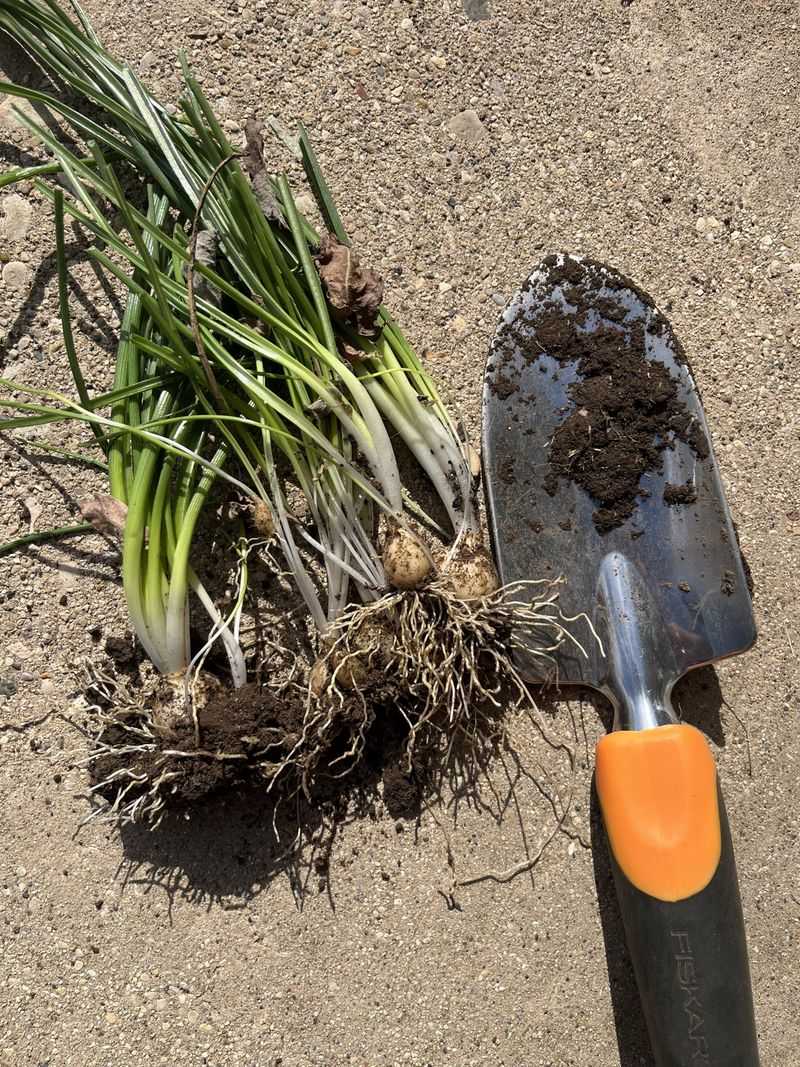
Ready to win the battle? The best method is old-fashioned and simple: dig out every whole bulb.
Start as soon as the leaves appear in early spring. Moist soil makes digging easier, so a day after a light rain is perfect.
Dig a few inches deep and lift the clump with a fork, keeping the bulbs in one piece.
Hunt for the tiny bulblets too. They can be as small as a pea and hide in the soil.
Sift through the dirt with gloved fingers and pick out every one you find.
Now for the big rule. Do not toss these bulbs into your compost pile.
They can survive the composting process and spread to every bed where you use that compost later.
Instead, seal the bulbs tightly in a plastic bag. Put the bag in your regular trash so it heads to a landfill.
Some gardeners let the bag sit in the sun for a few weeks first for extra peace of mind.
Plan to check the same spots for a few seasons. A missed bulb or two may pop up again, and that is normal.
Stay steady, keep digging, and your lawn will slowly return to plain, happy green.